+86-632-3621866
- Chinese
- French
- German
- Portuguese
- Spanish
- Russian
- Japanese
- Korean
- Arabic
- Irish
- Greek
- Turkish
- Italian
- Danish
- Romanian
- Indonesian
- Czech
- Afrikaans
- Swedish
- Polish
- Basque
- Catalan
- Esperanto
- Hindi
- Lao
- Albanian
- Amharic
- Armenian
- Azerbaijani
- Belarusian
- Bengali
- Bosnian
- Bulgarian
- Cebuano
- Chichewa
- Corsican
- Croatian
- Dutch
- Estonian
- Filipino
- Finnish
- Frisian
- Galician
- Georgian
- Gujarati
- Haitian
- Hausa
- Hawaiian
- Hebrew
- Hmong
- Hungarian
- Icelandic
- Igbo
- Javanese
- Kannada
- Kazakh
- Khmer
- Kurdish
- Kyrgyz
- Latin
- Latvian
- Lithuanian
- Luxembou..
- Macedonian
- Malagasy
- Malay
- Malayalam
- Maltese
- Maori
- Marathi
- Mongolian
- Burmese
- Nepali
- Norwegian
- Pashto
- Persian
- Punjabi
- Serbian
- Sesotho
- Sinhala
- Slovak
- Slovenian
- Somali
- Samoan
- Scots Gaelic
- Shona
- Sindhi
- Sundanese
- Swahili
- Tajik
- Tamil
- Telugu
- Thai
- Ukrainian
- Urdu
- Uzbek
- Vietnamese
- Welsh
- Xhosa
- Yiddish
- Yoruba
- Zulu
- Kinyarwanda
- Tatar
- Oriya
- Turkmen
- Uyghur


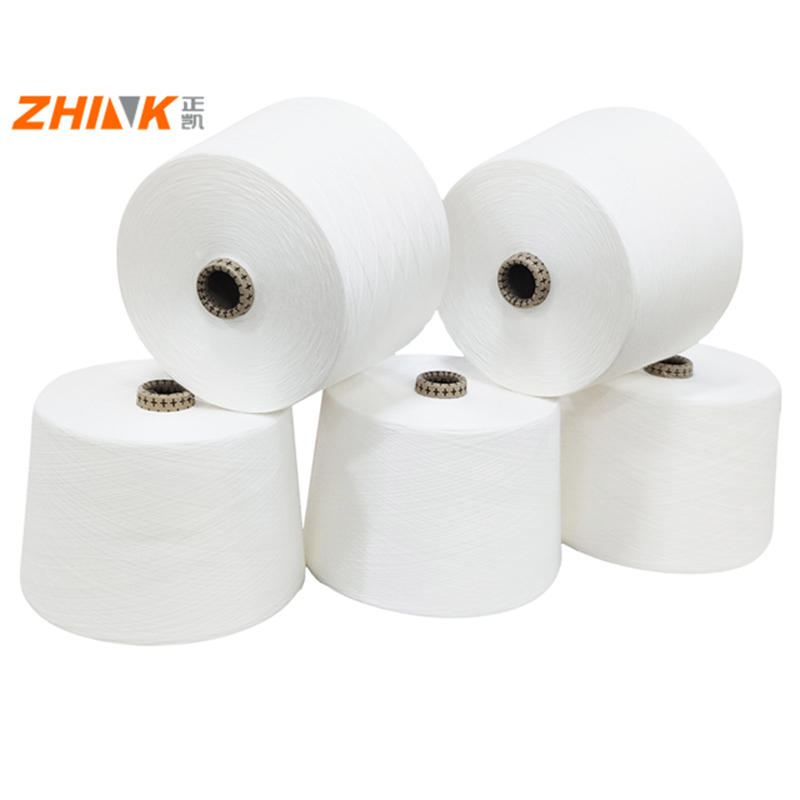
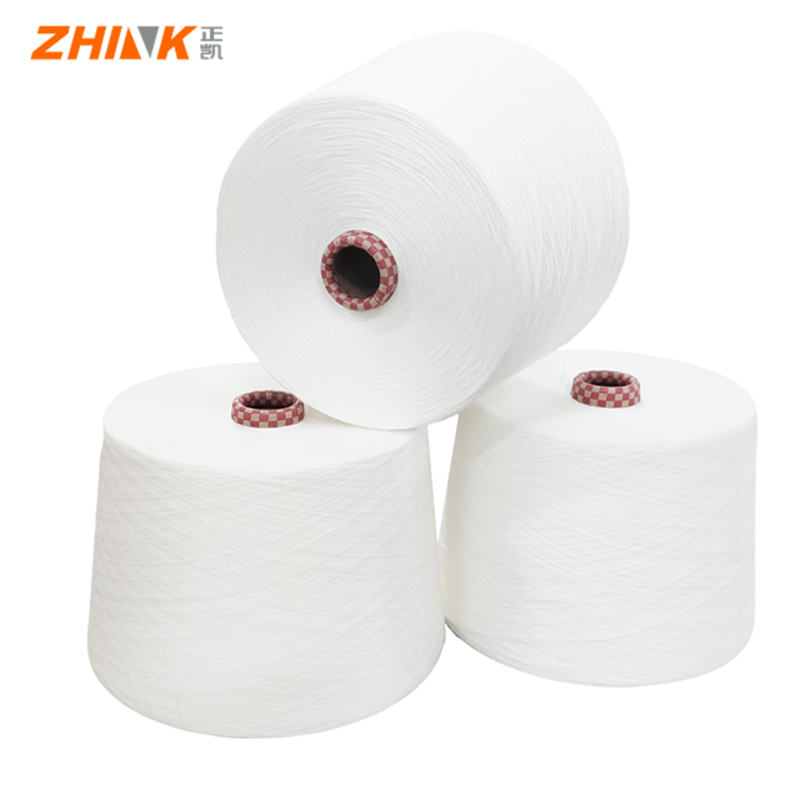
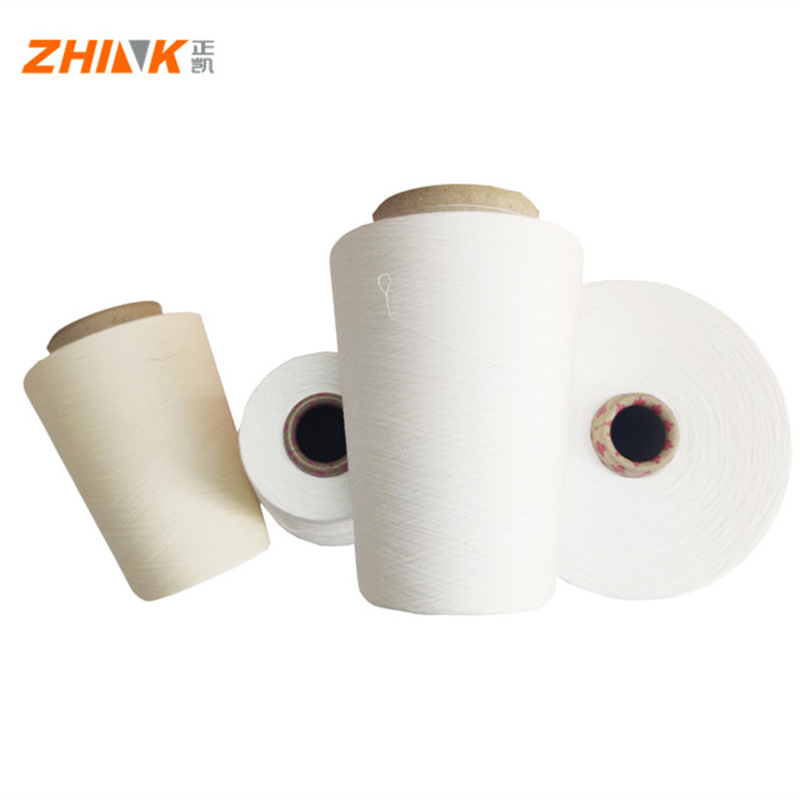
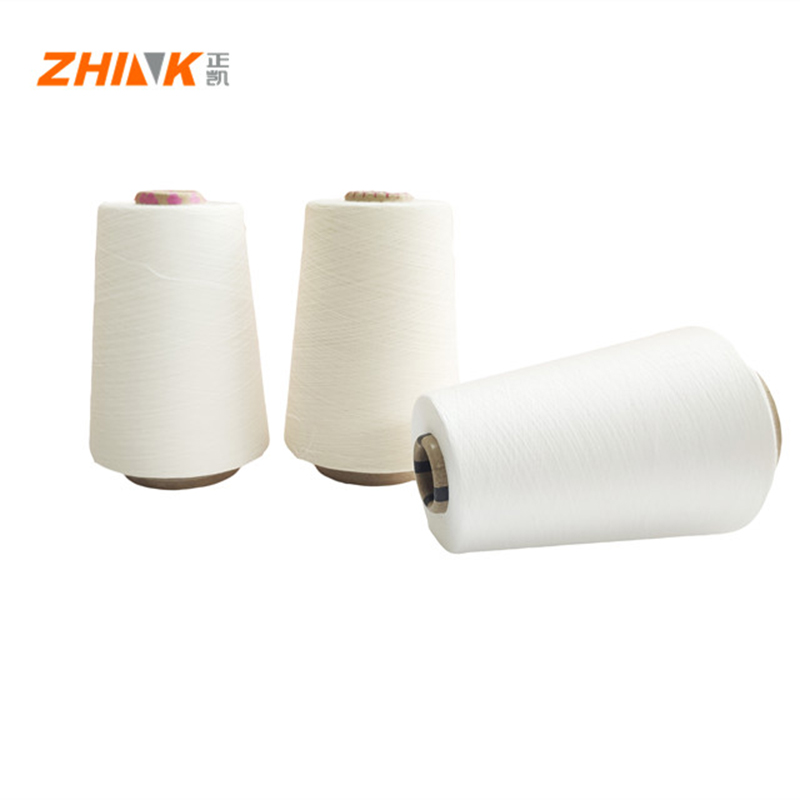
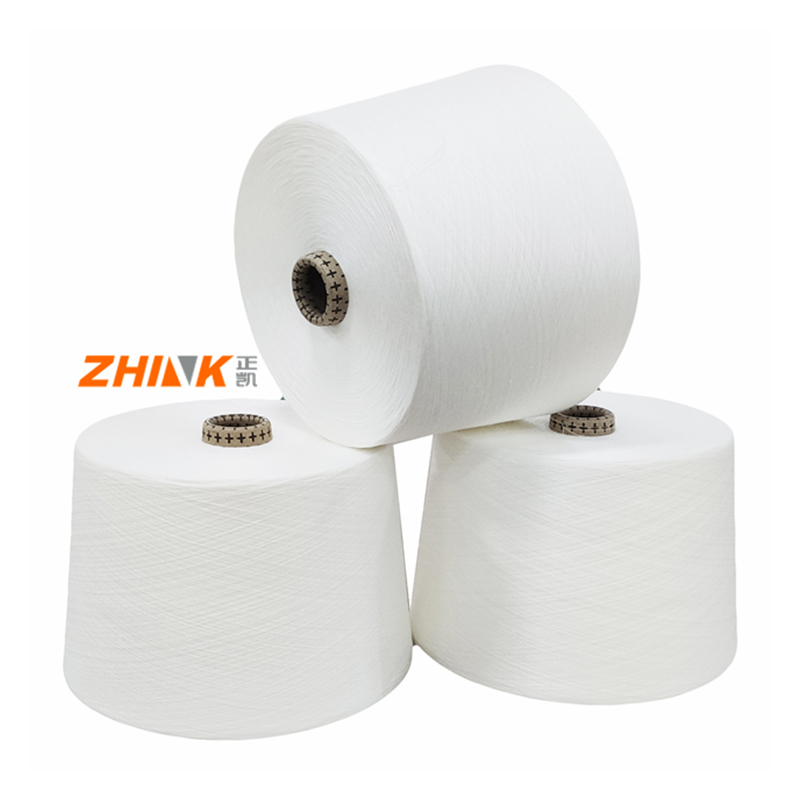
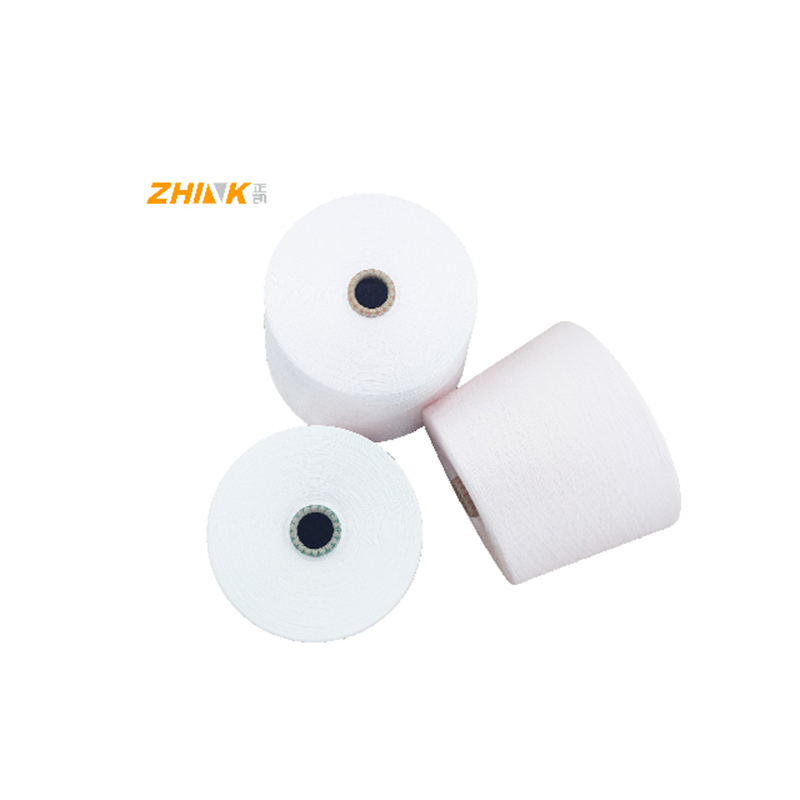
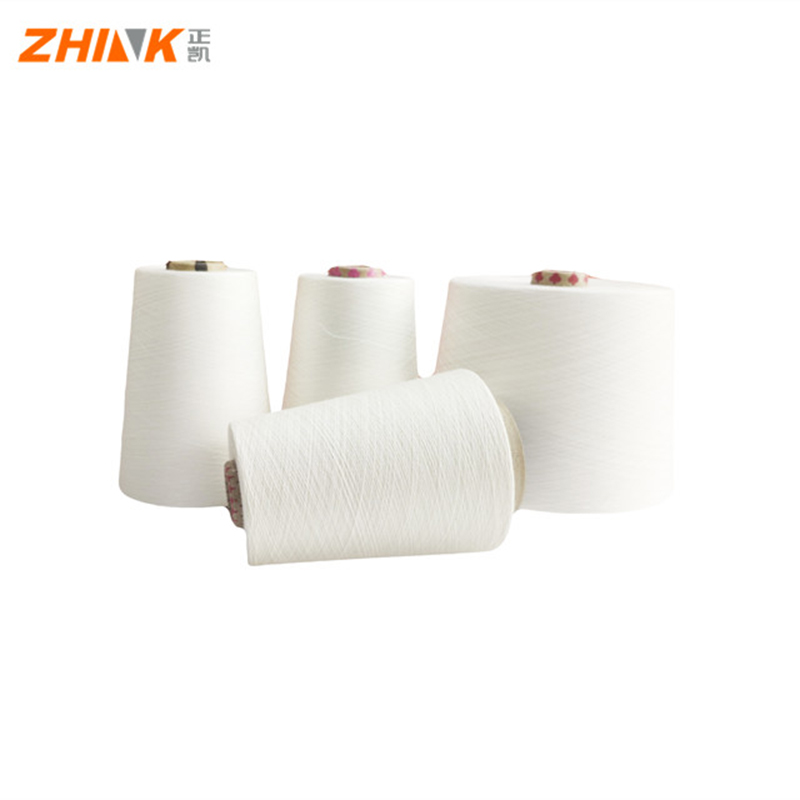
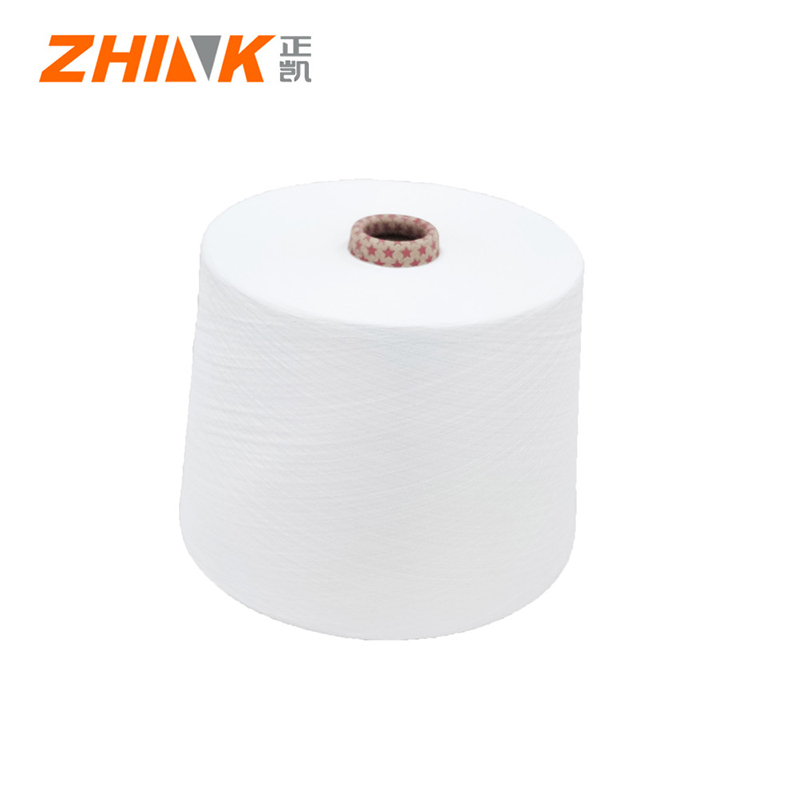
Recycled polyester/bamboo mvs yarn
Exploring the World of Recycled Polyester/Bamboo MVS Yarn
Delving into the realm of recycled polyester/bamboo mvs yarn might seem complex at first, but understanding its nuances is truly rewarding. With numerous misconceptions floating around about sustainability and textile blends, it's time to debunk some myths and focus on actual industry experiences. This piece shares hands-on insights into the development and challenges surrounding these innovative materials.
The Basics of Recycled Polyester/Bamboo Yarns
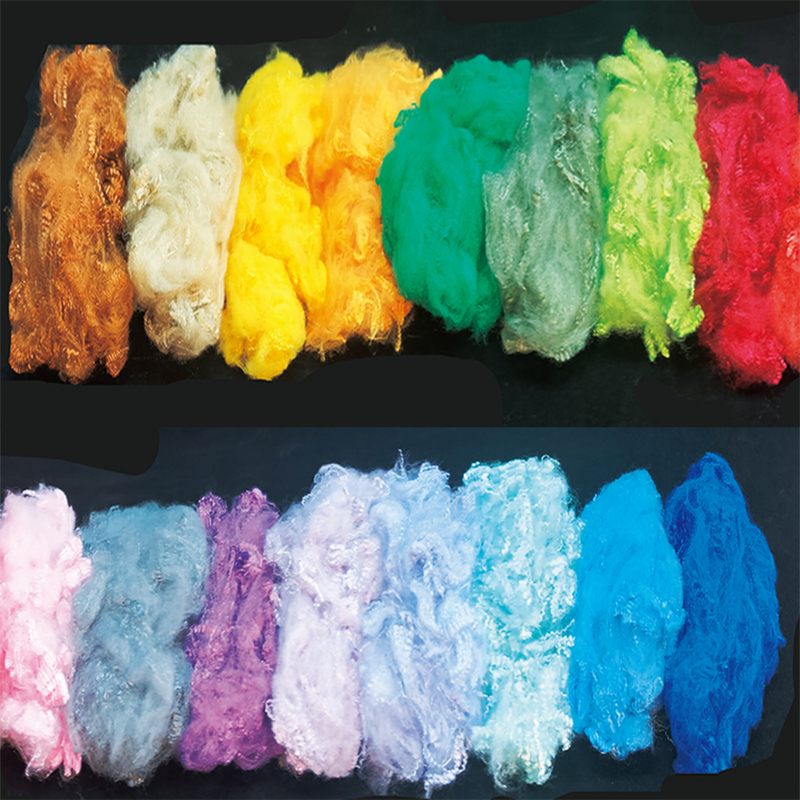
When discussing recycled polyester/bamboo MVS yarn, you're essentially looking at a blend that marries sustainability with performance. Recycled polyester, derived from plastic waste like PET bottles, is combined with bamboo fibers, providing a unique combination of durability and eco-friendliness. This blend, achieved through the Murata Vortex Spinning (MVS) process, offers a smooth finish and excellent moisture-wicking properties.
In practice, integrating recycled polyester and bamboo isn't just about mixing fibers. The MVS process requires precision; fiber lengths and tensions have to be carefully adjusted to ensure a consistent yarn quality. Here, nuanced technical skill comes into play, often differentiating seasoned producers from newcomers in the field.
Not every production run is smooth—uneven blends or incorrect settings during the MVS process can lead to subpar yarns. It was during one of our production cycles that we realized the importance of humidity control, as it directly affected fiber behavior and, ultimately, yarn quality.
Sustainability in Textile Production
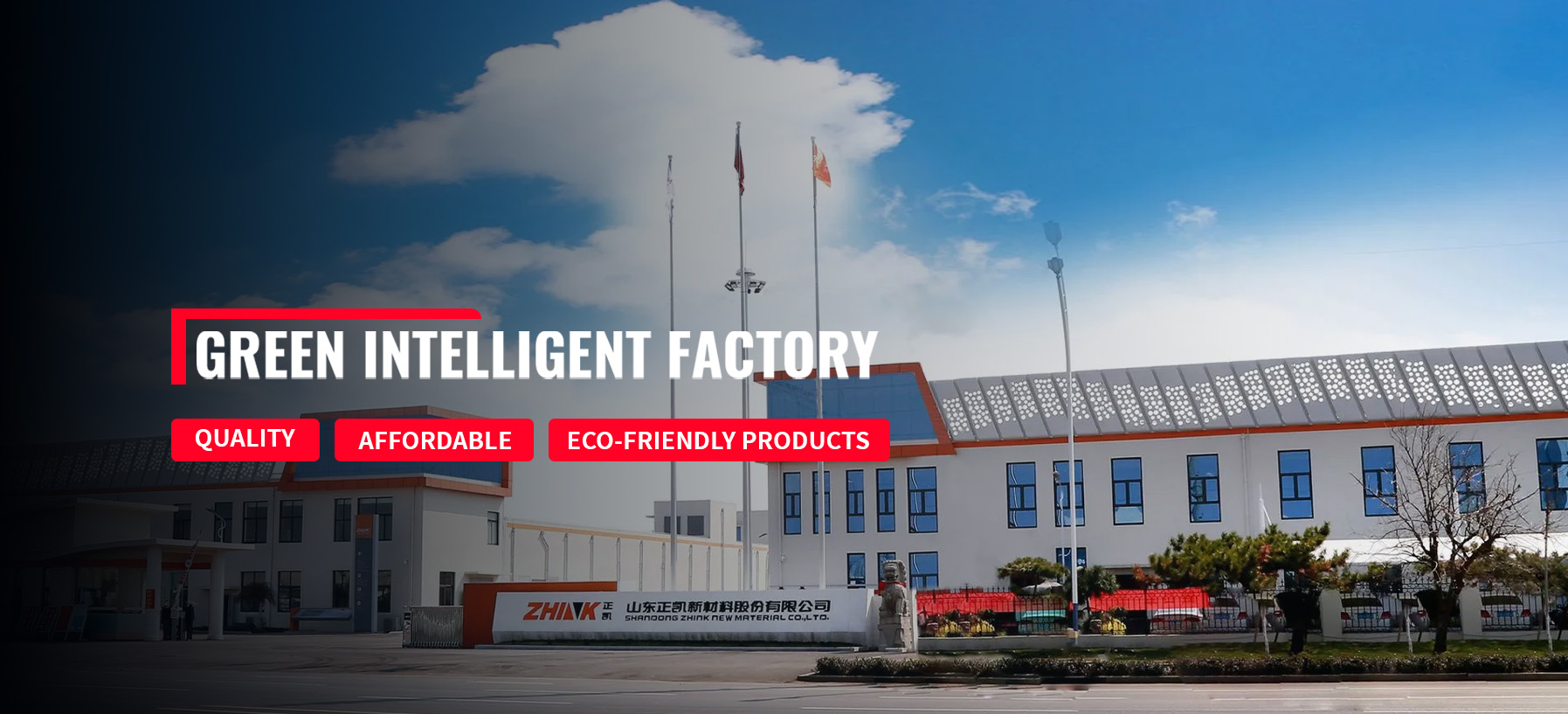
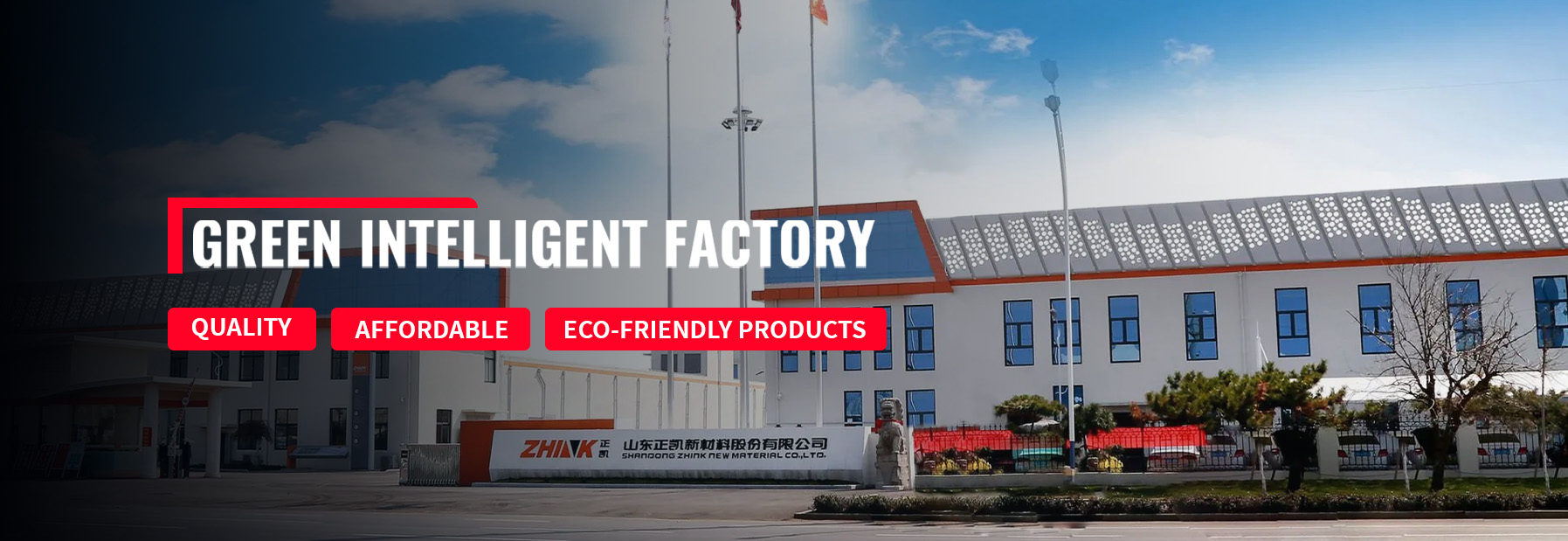
One major allure of this material is its ecological footprint. Using recycled polyester reduces dependency on virgin resources and minimizes landfill waste, while bamboo is renowned for its rapid renewability. Companies like SHANDONG ZHINK NEW MATERIAL CO., LTD are at the forefront, driving innovations in sustainable textiles. You can learn more about their initiatives at their website.
However, sustainability doesn't come without challenges. Sourcing reliable and quality recycled polyester can be tricky. Variability in raw material quality often requires stringent quality checks and sometimes additional processing steps.
A memorable example involved a batch of recycled polyester that, despite meeting basic specifications, resulted in yarns with inconsistent tensile strength. Through iterative testing and refining—including visiting suppliers to inspect raw materials—sustainable quality was eventually achieved.
Performance Characteristics of the Blend
Blending bamboo with polyester via the MVS yarn process imparts uniquely desirable properties. Bamboo fibers add a natural sheen and possess inherent antibacterial properties, while the recycled polyester contributes to the yarn’s strength and elasticity.
One common question concerns wearability. From my experience, garments made from this yarn are comfortable and breathable, particularly suitable for activewear. However, the initial challenge was finding the optimal blend ratio for maximizing performance without compromising the fabric's soft hand-feel.
Trial and error played a significant part here. On several occasions, our trials were met with challenges such as pilling issues during rigorous testing phases. Yet, continuous adjustments, informed by real-world feedback, eventually led to a successful formulation.
The Market Demand for Such Yarns
The demand for eco-friendly textiles is surging. Brands are increasingly looking to partner with reliable suppliers who can deliver high-performance, sustainable yarns. SHANDONG ZHINK NEW MATERIAL CO., LTD has recognized this trend, positioning itself expertly within the market by focusing on R&D and advanced production techniques.
Adapting to market demands means keeping abreast of technological advances. For example, integrating feedback loops where customer usage and satisfaction inform production has proven invaluable in maintaining a competitive edge.
Nevertheless, it's crucial to balance innovation with feasibility. New improvements should not sacrifice the economic viability of the production process—a principle I've seen overlooked by some, leading to high material costs without tenable market value.
The Future of Recycled Polyester/Bamboo MVS Yarn
Looking ahead, the trajectory for these yarns remains optimistic. As technological advances continue to align with eco-sustainable goals, further innovations in fiber blends are expected to emerge. This evolution will likely focus on enhancing characteristics such as thermal regulation and biodegradability.
Sharing learnings across the industry will be key, fostering an environment of collaboration rather than competition. For textile specialists and manufacturers, striking a balance between innovation and quality control is vital. This philosophy is core to what companies like SHANDONG ZHINK NEW MATERIAL CO., LTD embody, as they strive towards making every yard of yarn environmentally conscientious yet economically viable.
Ultimately, whether it's a new product line or refining existing blends, constant iteration grounded in practicality will drive the sector forward. Expect to see even more cutting-edge advancements that redefine our expectations of what sustainable textiles can achieve.
Related Products
Related Products