+86-632-3621866
- Chinese
- French
- German
- Portuguese
- Spanish
- Russian
- Japanese
- Korean
- Arabic
- Irish
- Greek
- Turkish
- Italian
- Danish
- Romanian
- Indonesian
- Czech
- Afrikaans
- Swedish
- Polish
- Basque
- Catalan
- Esperanto
- Hindi
- Lao
- Albanian
- Amharic
- Armenian
- Azerbaijani
- Belarusian
- Bengali
- Bosnian
- Bulgarian
- Cebuano
- Chichewa
- Corsican
- Croatian
- Dutch
- Estonian
- Filipino
- Finnish
- Frisian
- Galician
- Georgian
- Gujarati
- Haitian
- Hausa
- Hawaiian
- Hebrew
- Hmong
- Hungarian
- Icelandic
- Igbo
- Javanese
- Kannada
- Kazakh
- Khmer
- Kurdish
- Kyrgyz
- Latin
- Latvian
- Lithuanian
- Luxembou..
- Macedonian
- Malagasy
- Malay
- Malayalam
- Maltese
- Maori
- Marathi
- Mongolian
- Burmese
- Nepali
- Norwegian
- Pashto
- Persian
- Punjabi
- Serbian
- Sesotho
- Sinhala
- Slovak
- Slovenian
- Somali
- Samoan
- Scots Gaelic
- Shona
- Sindhi
- Sundanese
- Swahili
- Tajik
- Tamil
- Telugu
- Thai
- Ukrainian
- Urdu
- Uzbek
- Vietnamese
- Welsh
- Xhosa
- Yiddish
- Yoruba
- Zulu
- Kinyarwanda
- Tatar
- Oriya
- Turkmen
- Uyghur


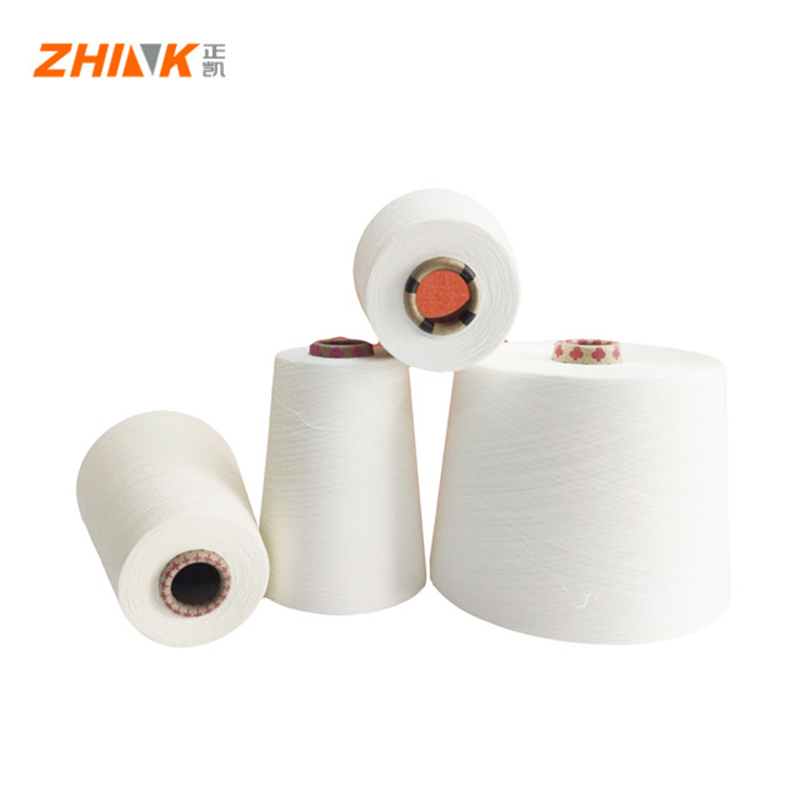
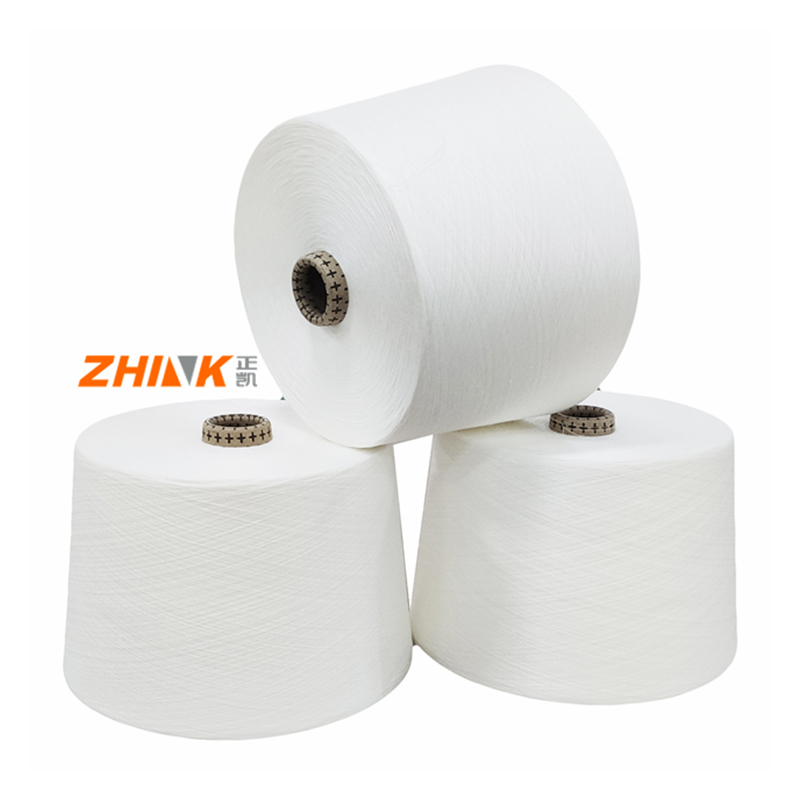
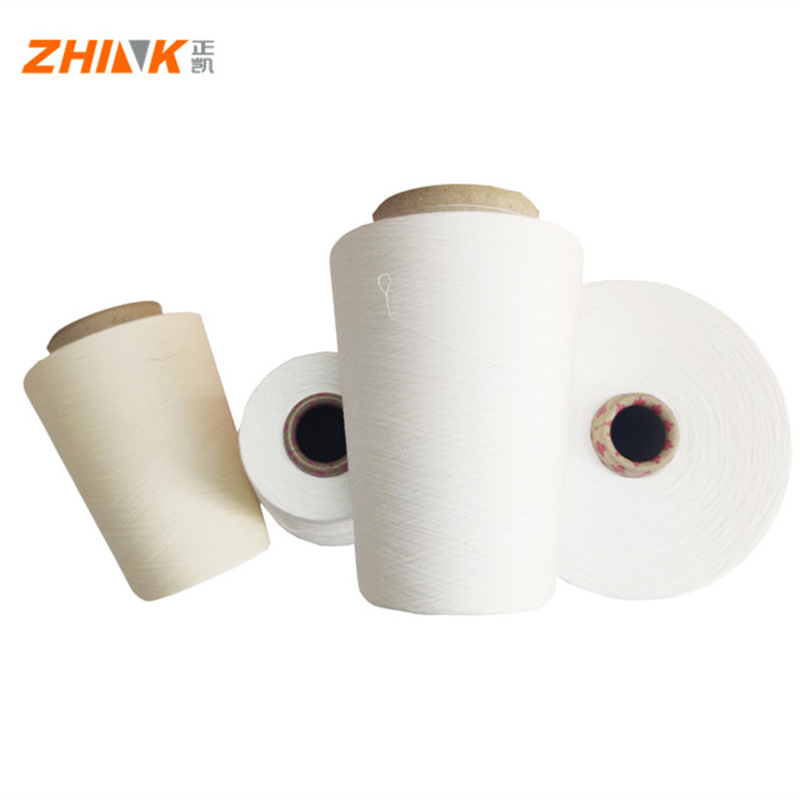
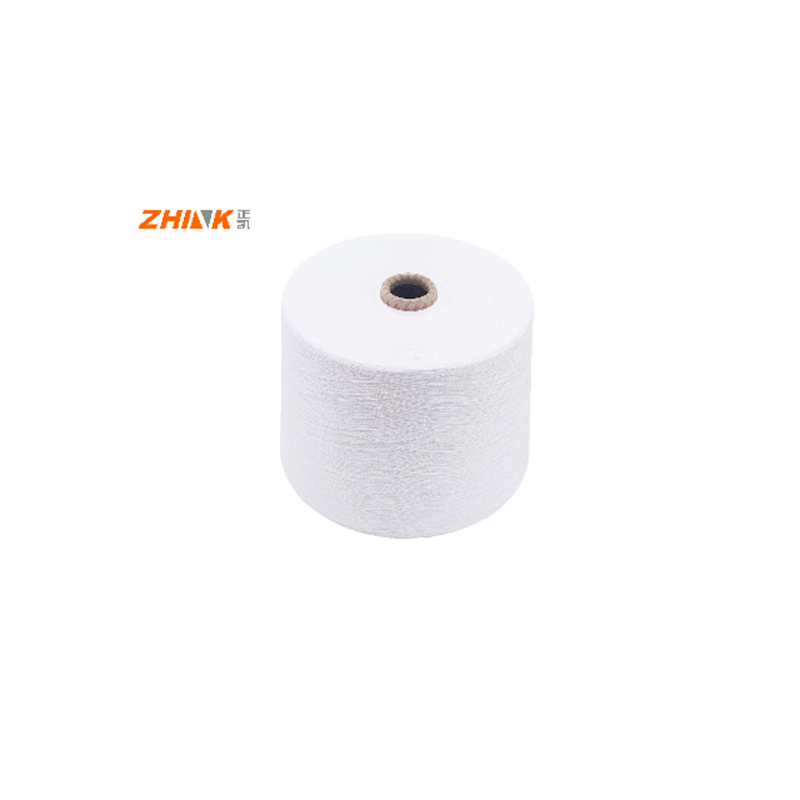
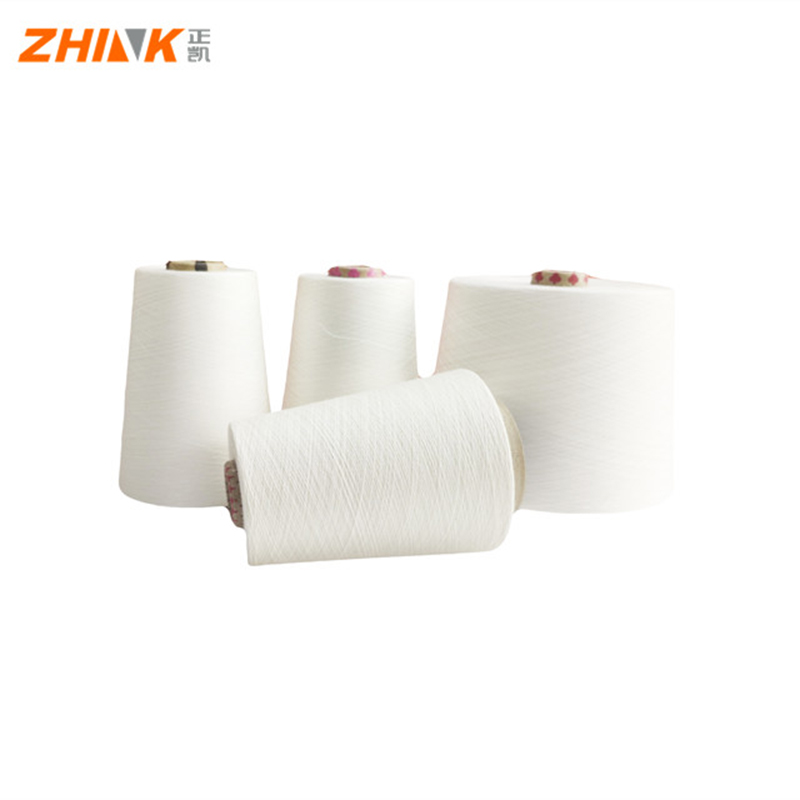
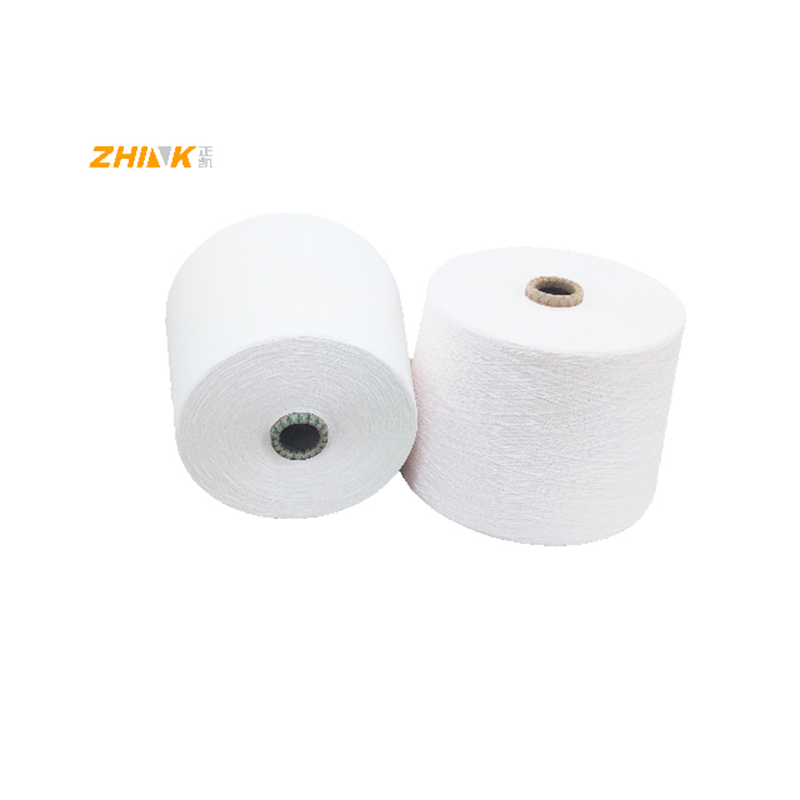
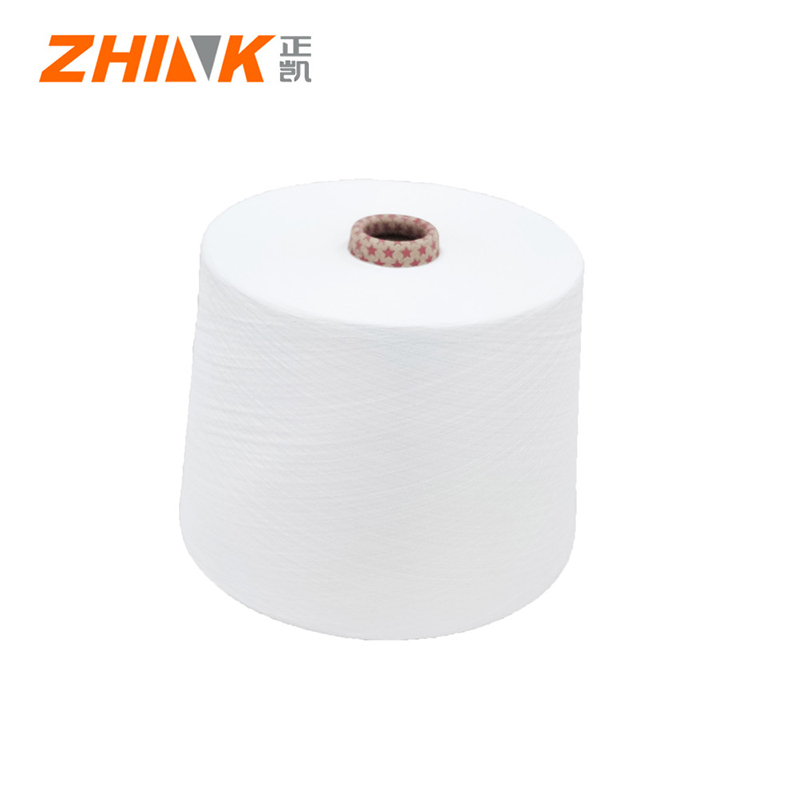
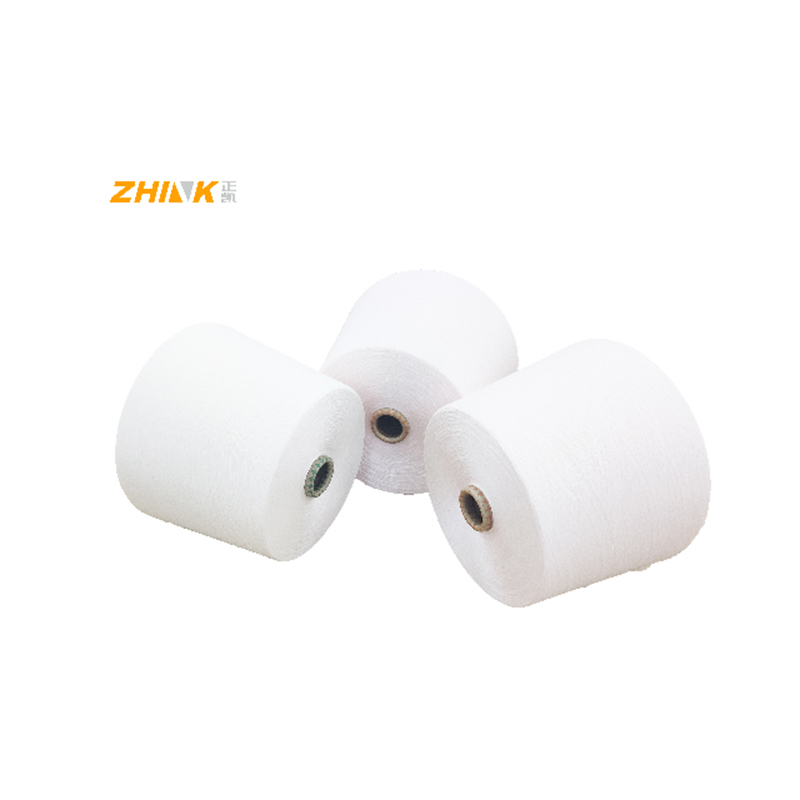
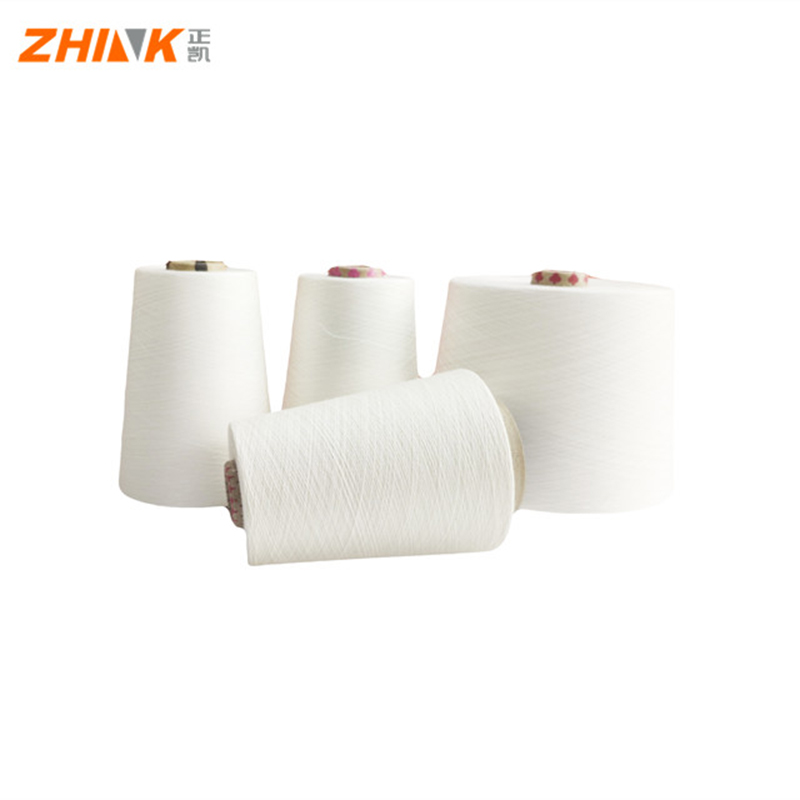
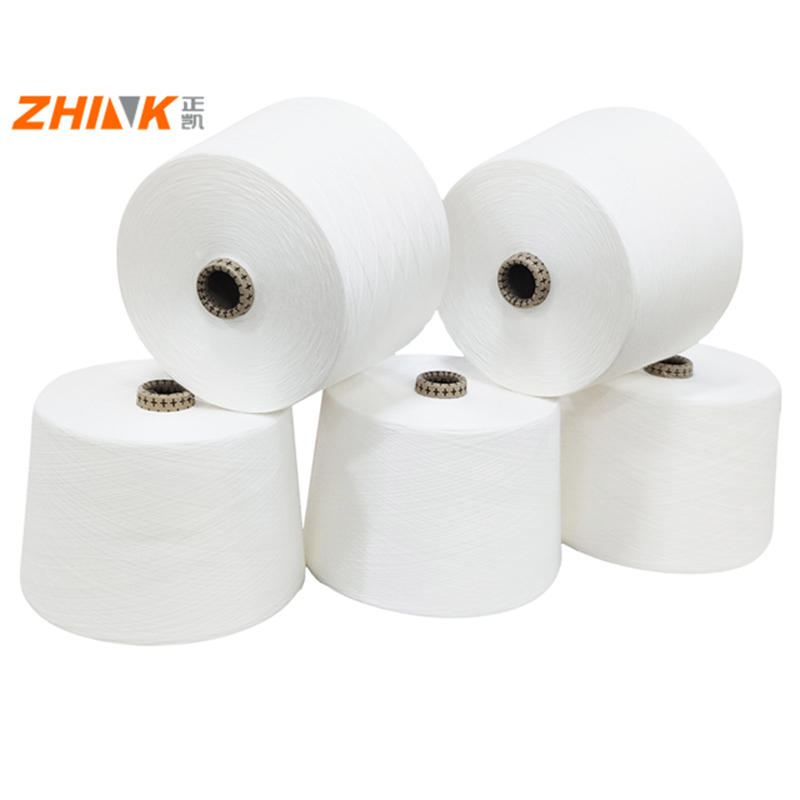
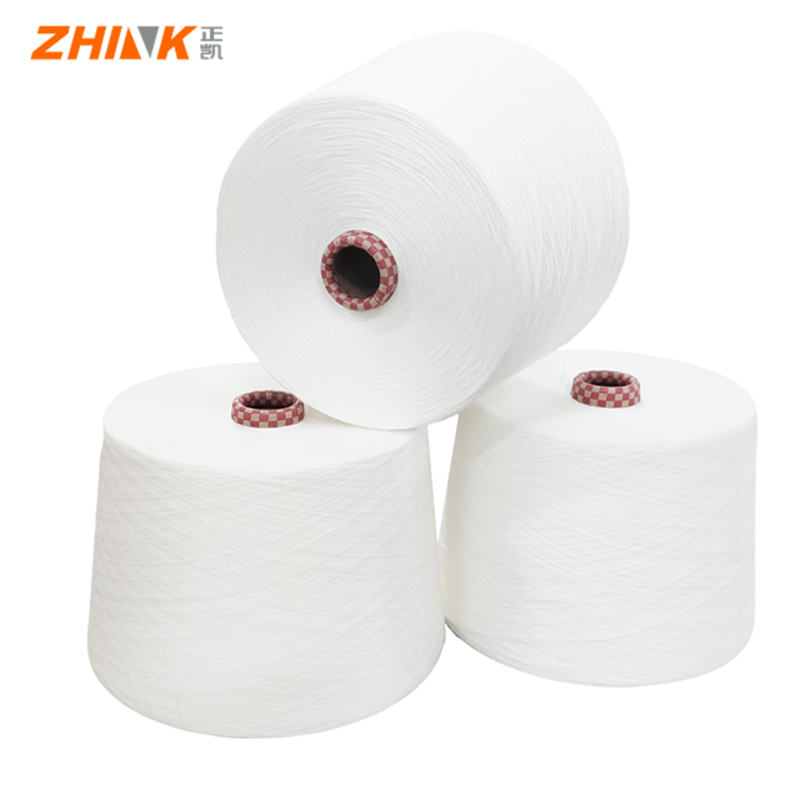
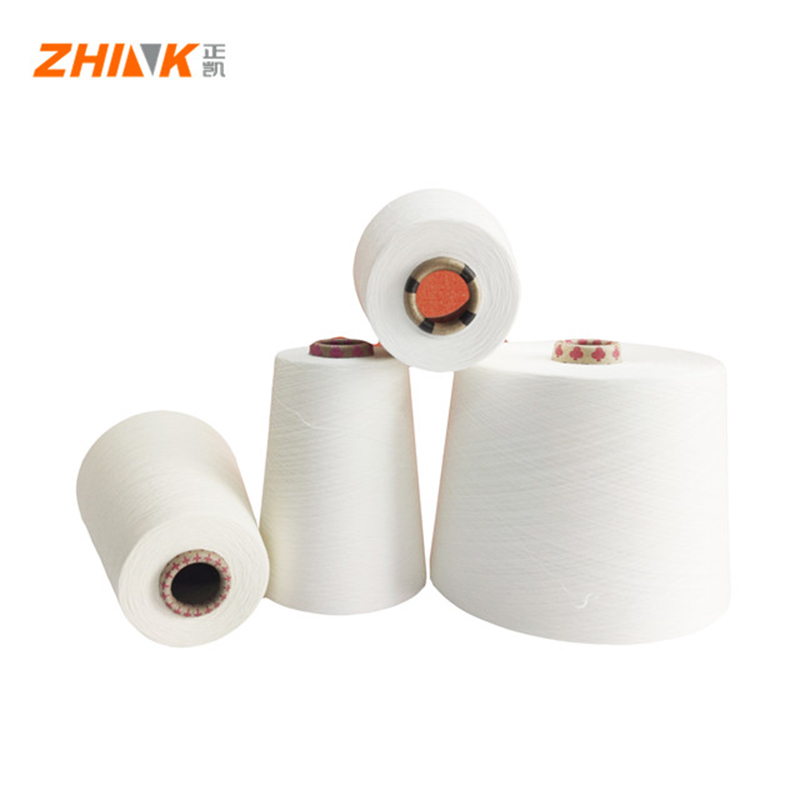
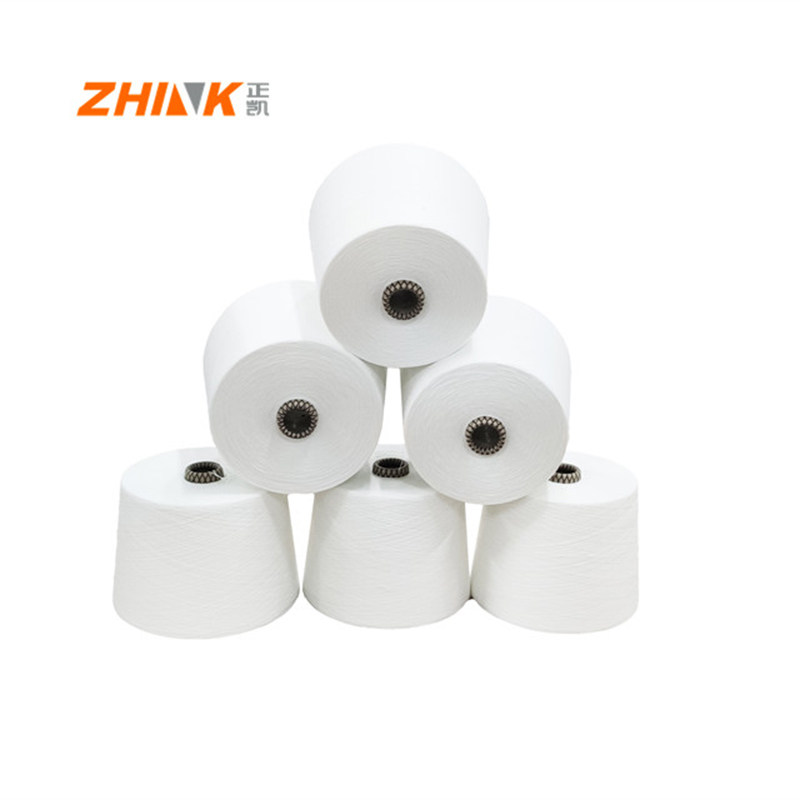
Recycled polyester/bamboo ring spun yarn
The Future of Textiles: Recycled Polyester/Bamboo Ring Spun Yarn
As the world shifts towards sustainable fashion, recycled polyester/bamboo ring spun yarn is gaining attention for its eco-friendly properties. But what exactly goes into making this blend, and why is it becoming a favorite in the textile industry? Let’s delve into the practical aspects, challenges, and insights drawn from real-world applications.
Understanding the Yarn Blend
Combining recycled polyester with bamboo fiber creates a unique yarn that leverages the best of both materials. Bamboo offers natural antibacterial properties and moisture-wicking abilities, while recycled polyester brings durability and strength to the mix. The process of spinning these fibers together must be delicate to maintain the beneficial traits of each component.
I recall visiting a production line where workers meticulously adjusted machinery settings to ensure the fibers interlaced correctly. This attention to detail is crucial; otherwise, you can end up with a product that either loses the softness of bamboo or the resilience of polyester. This blend is particularly suitable for sportswear and casual clothing, aligning perfectly with current consumer demands for comfort and sustainability.
However, the integration of these materials isn't always straightforward. Temperature and tension during the spinning process require careful calibration. On one occasion, I observed a batch that turned out too stiff—a simple mistake in the machinery settings that can lead to costly outcomes.
Application in Fashion Industry
The fashion industry’s enthusiasm for recycled polyester/bamboo ring spun yarn is palpable, largely because it aligns with the increasing demand for sustainable options. Large brands, aware of their environmental footprint, are increasingly specifying these yarns for new collections. But does it always work seamlessly in production? Not necessarily.
It’s one thing to have a sustainable product in theory, and another to effectively integrate it into existing manufacturing processes. One challenge is color consistency when working with recycled materials. You often find slight variations that can deter strict aesthetic standards required by fashion labels. Over time, the industry is getting better at controlling these issues, but it’s still an area requiring attention.
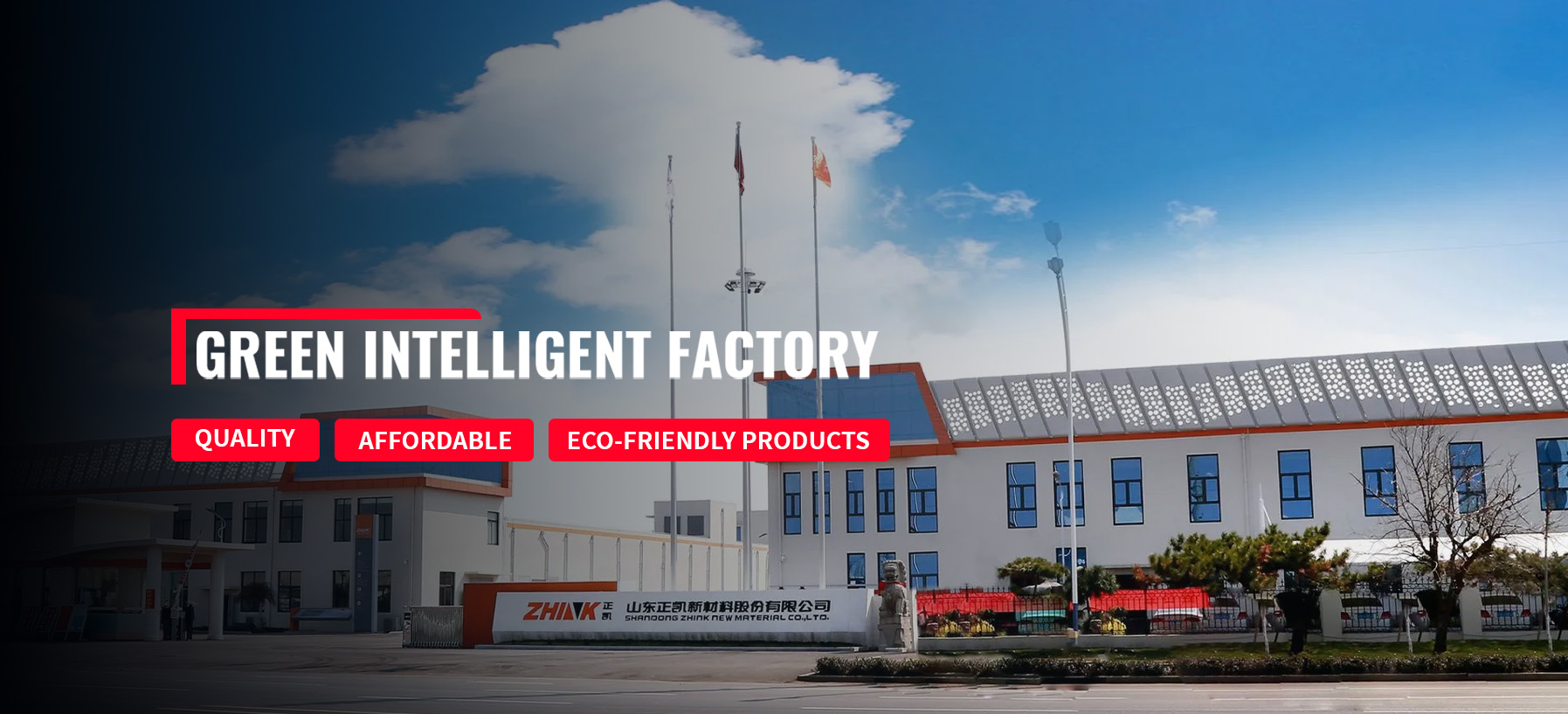
There’s also the question of availability. As more brands opt for these sustainable materials, supply chains must adapt to prevent bottlenecks. Companies like SHANDONG ZHINK NEW MATERIAL CO., LTD, known for their experience in producing diverse textile materials, are at the forefront of addressing these challenges.
The Environmental Edge
Why choose recycled polyester/bamboo ring spun yarn? Beyond its comfort and performance perks, there's a substantial environmental benefit. Bamboo is a highly renewable resource, requiring minimal water and pesticides. Combining bamboo with recycled polyester means less dependence on virgin polyester, drastically reducing carbon emissions.
During a conversation with an industry veteran, the idea of a circular economy came up. By utilizing post-consumer waste in the production of new yarn, we reduce landfill contributions and foster a more sustainable production cycle. This is pivotal for industries looking to mitigate their environmental impact.
I've seen initiatives where industry players work directly with recycling programs to source used polyester and integrate it back into the textile supply chain. While still in its nascent stage, this approach holds immense potential.
Technical Considerations
Production of this yarn blend is not without its technical hurdles. The properties of recycled polyester can vary depending on its source, sometimes affecting the yarn’s consistency. Ensuring a uniform blend demands advanced quality control measures—areas where Zhink New Material’s research and development efforts shine.
Spinning technology itself plays a crucial role. Over time, improvements in ring spinning techniques have allowed for more precise blending of these fibers, enhancing both quality and performance. This is where expertise in fine-tuning machinery differentiates seasoned producers from the rest.
Incorporating these upgrades is not an overnight task. I’ve watched as facilities systematically upgraded their spinning lines—a complex, often expensive undertaking, but necessary for remaining competitive in this evolving sector.
Market Dynamics and Future Outlook
The future of recycled polyester/bamboo ring spun yarn seems promising. Consumer preference is undeniably tilting towards environmentally conscious products, encouraging more brands to explore sustainable textile options. This trend is apparent not just in fashion, but also in home textiles and even automotive applications, where sustainability is becoming a significant selling point.
However, market dynamics are unpredictable. Early adopters of this yarn blend have experienced mixed success, largely influenced by price fluctuations and availability. Despite these challenges, the overall sentiment remains positive, driven by ongoing improvements in production techniques and material sourcing.
Overall, those working firsthand with these materials, like Zhink New Material, continue to refine processes and address the growing complexities of the textile industry, ensuring that recycled polyester/bamboo ring spun yarn remains a sustainable and desirable option moving forward.
Related Products
Related Products