+86-632-3621866
- Chinese
- French
- German
- Portuguese
- Spanish
- Russian
- Japanese
- Korean
- Arabic
- Irish
- Greek
- Turkish
- Italian
- Danish
- Romanian
- Indonesian
- Czech
- Afrikaans
- Swedish
- Polish
- Basque
- Catalan
- Esperanto
- Hindi
- Lao
- Albanian
- Amharic
- Armenian
- Azerbaijani
- Belarusian
- Bengali
- Bosnian
- Bulgarian
- Cebuano
- Chichewa
- Corsican
- Croatian
- Dutch
- Estonian
- Filipino
- Finnish
- Frisian
- Galician
- Georgian
- Gujarati
- Haitian
- Hausa
- Hawaiian
- Hebrew
- Hmong
- Hungarian
- Icelandic
- Igbo
- Javanese
- Kannada
- Kazakh
- Khmer
- Kurdish
- Kyrgyz
- Latin
- Latvian
- Lithuanian
- Luxembou..
- Macedonian
- Malagasy
- Malay
- Malayalam
- Maltese
- Maori
- Marathi
- Mongolian
- Burmese
- Nepali
- Norwegian
- Pashto
- Persian
- Punjabi
- Serbian
- Sesotho
- Sinhala
- Slovak
- Slovenian
- Somali
- Samoan
- Scots Gaelic
- Shona
- Sindhi
- Sundanese
- Swahili
- Tajik
- Tamil
- Telugu
- Thai
- Ukrainian
- Urdu
- Uzbek
- Vietnamese
- Welsh
- Xhosa
- Yiddish
- Yoruba
- Zulu
- Kinyarwanda
- Tatar
- Oriya
- Turkmen
- Uyghur



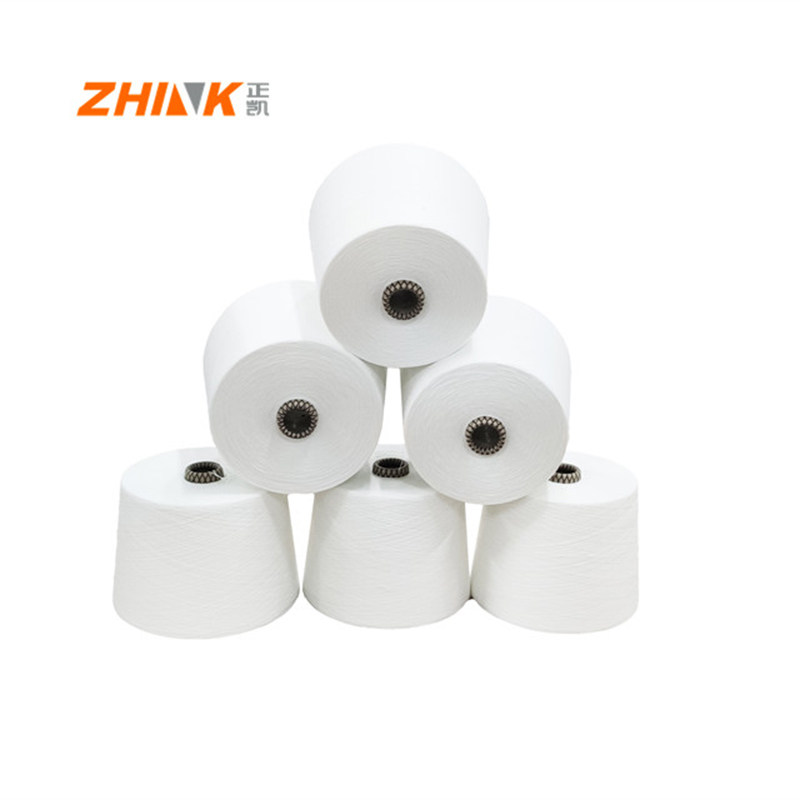
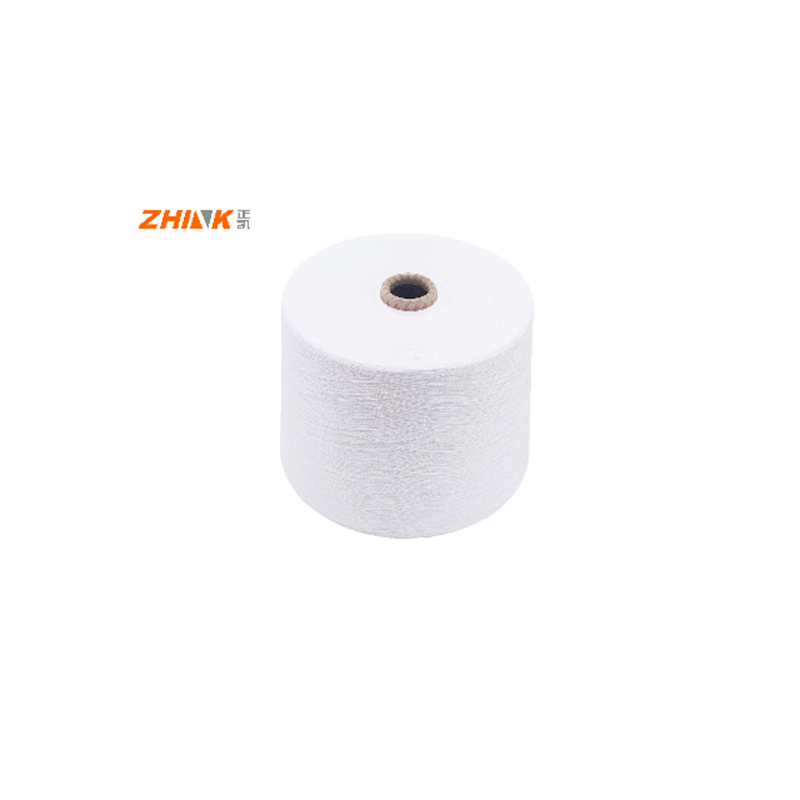
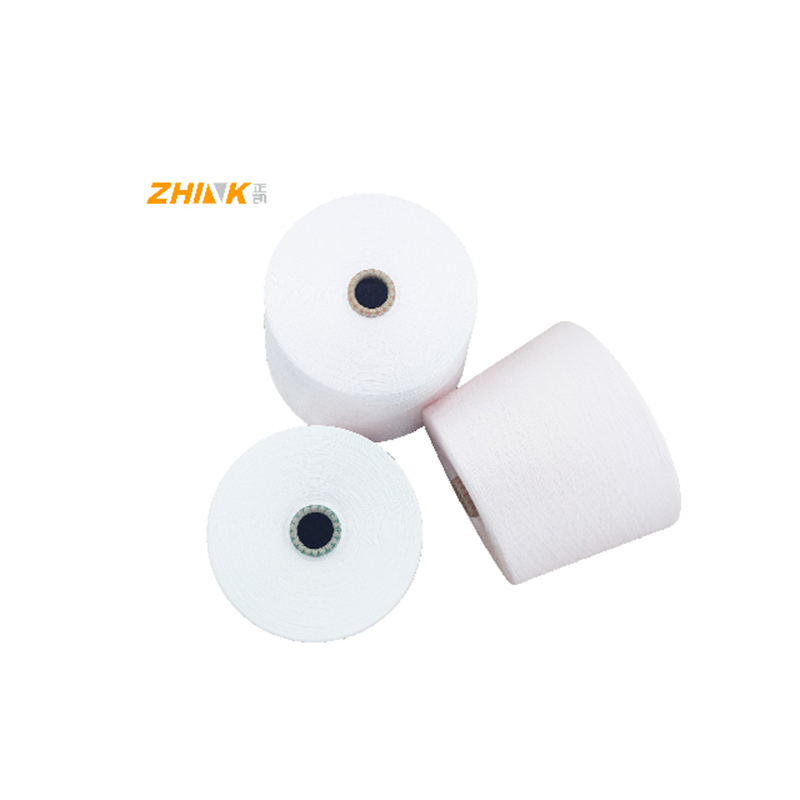
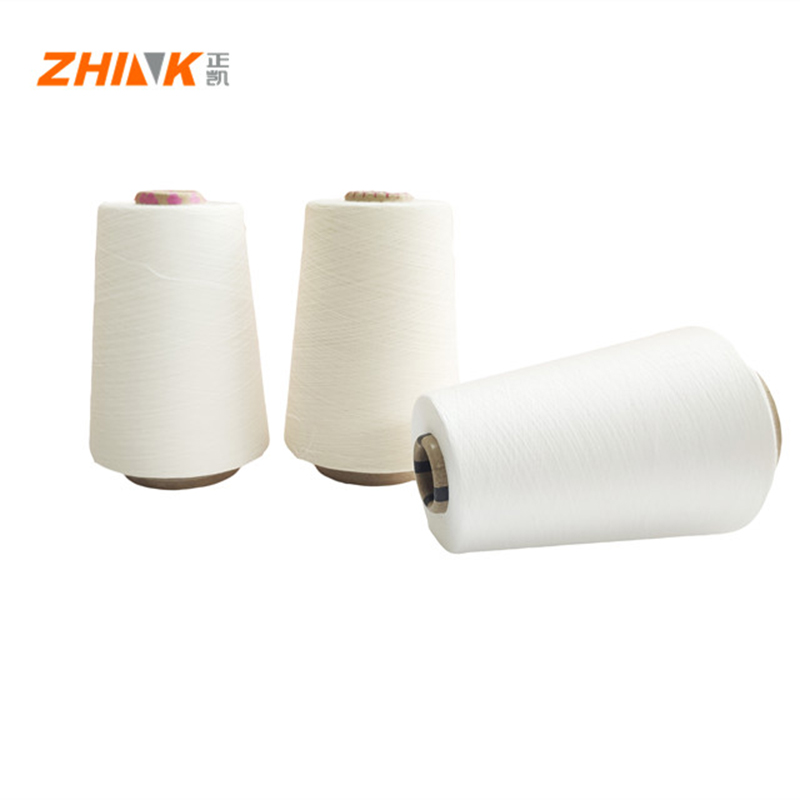
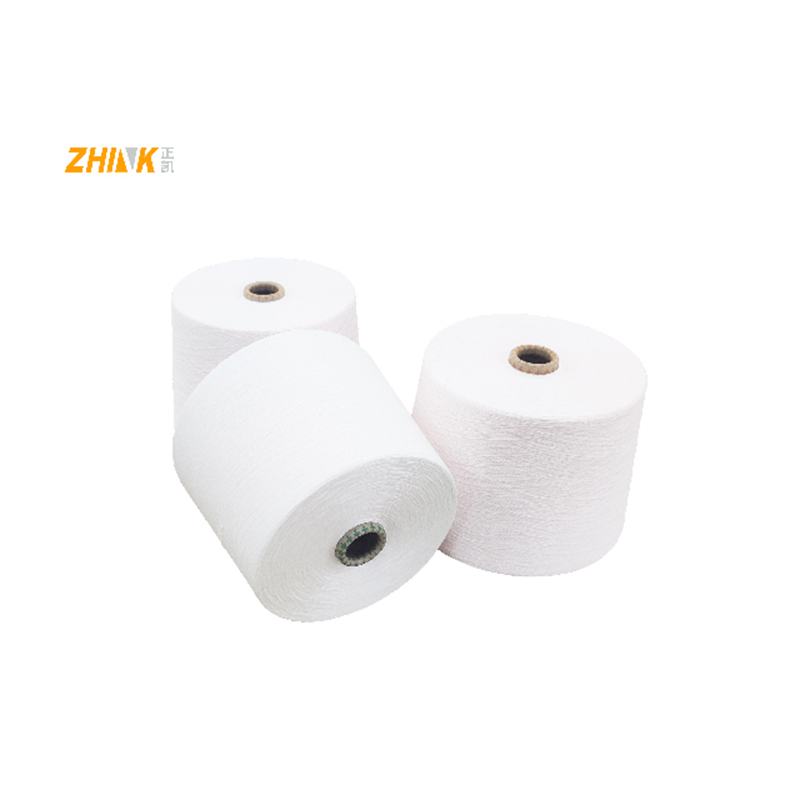
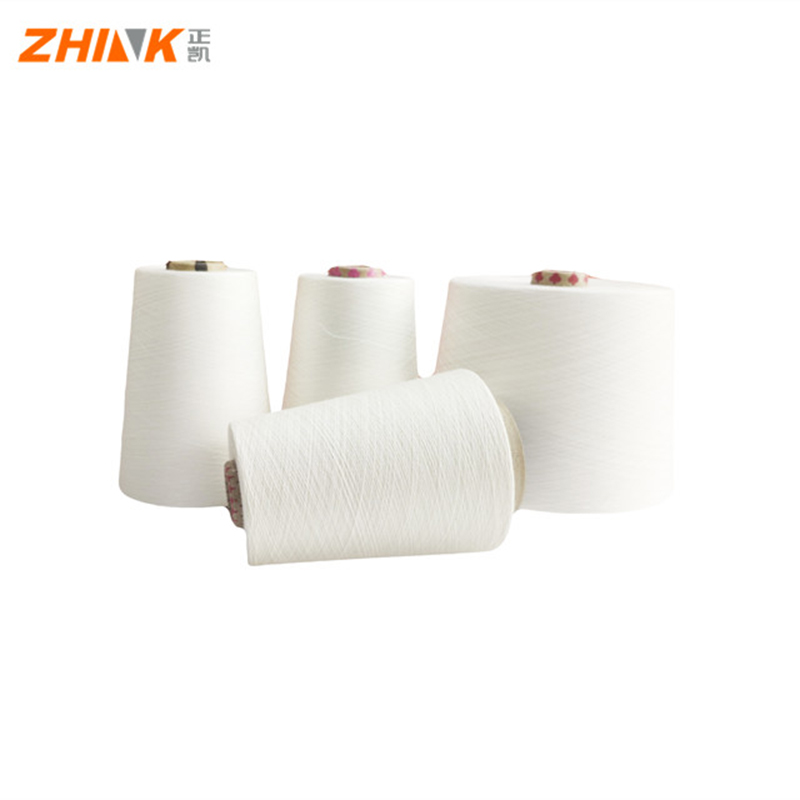
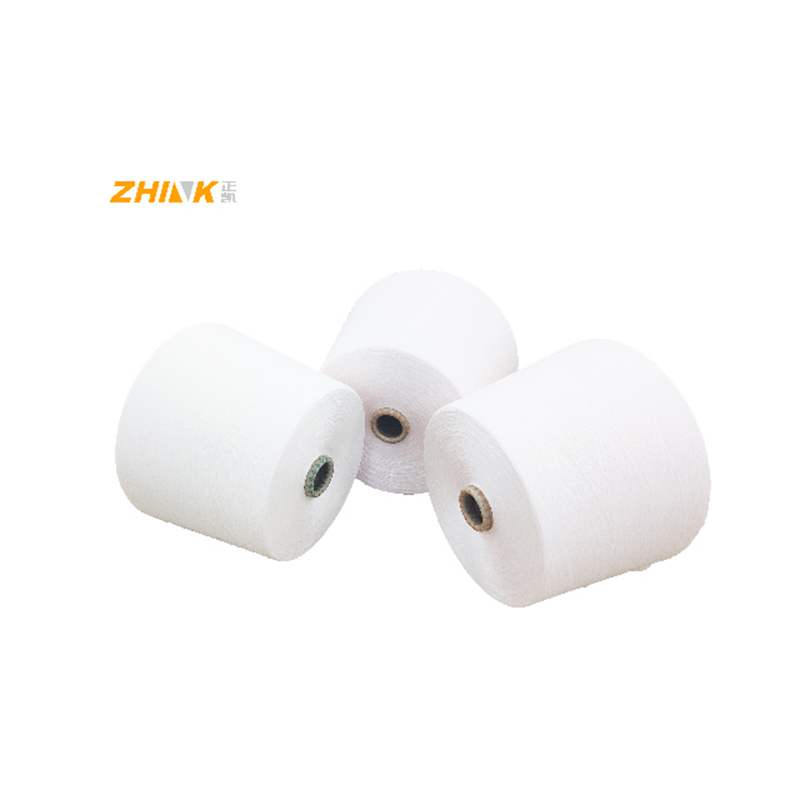
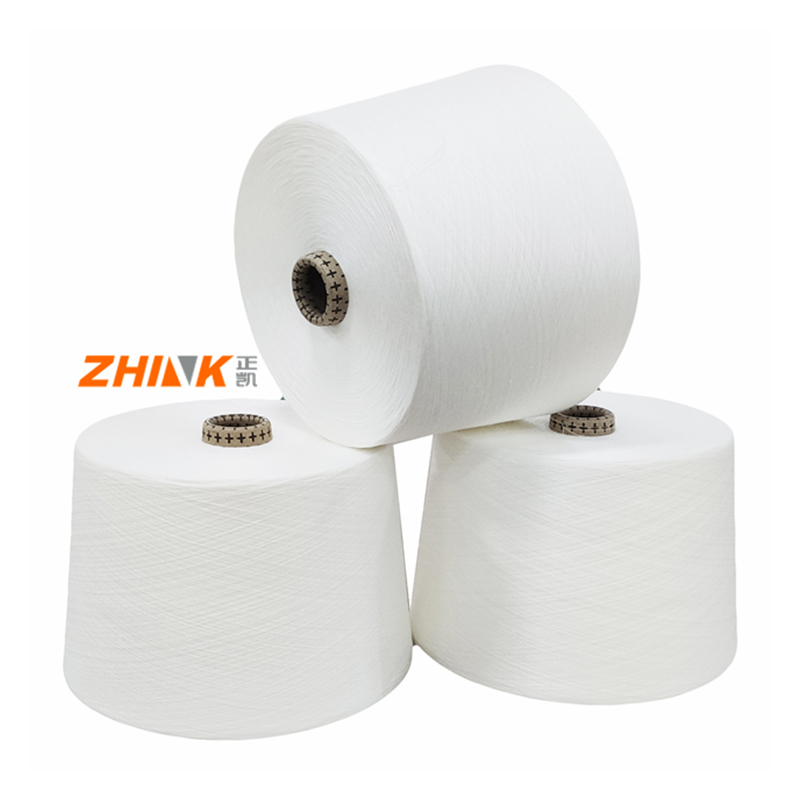
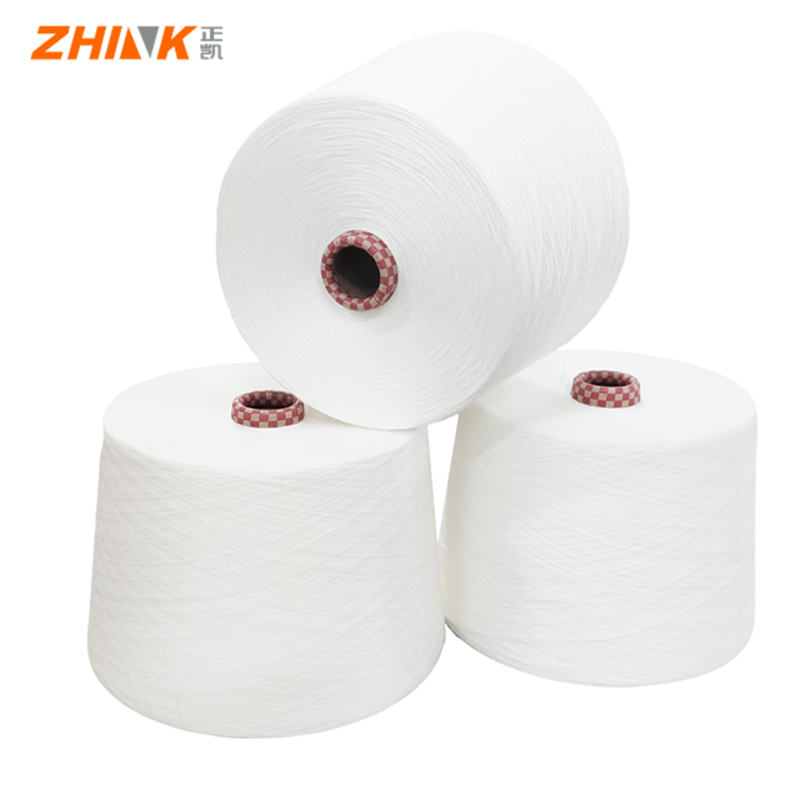
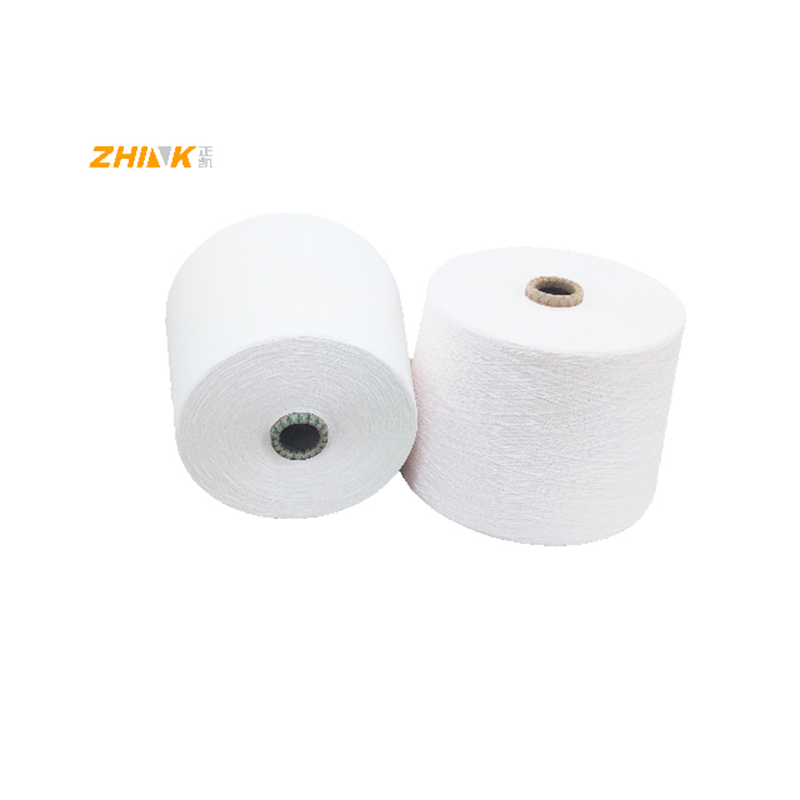
Recycled polyester/bamboo siro compact yarn
Exploring the Versatility of Recycled Polyester/Bamboo Siro Compact Yarn
The fusion of recycled polyester and bamboo in siro compact yarn has stirred interest across the textile industry. From enhancing sustainability to improving fabric quality, this innovative combination is celebrated and, sometimes, misunderstood. Let’s unravel its complexities.
Sustainable Choices in Textile Manufacturing
When I first encountered bamboo siro compact yarn blended with recycled polyester, I was skeptical. Bamboo, with its natural antibacterial properties, paired with the durability of recycled polyester, seemed too good to be true. But the benefits were quickly apparent. This blend significantly reduces dependence on virgin materials, offering a sustainable alternative that doesn’t compromise performance.
I remember a particular project at SHANDONG ZHINK NEW MATERIAL CO., LTD, where we experimented with different ratios of this blend. Our team, experts in developing new textile materials, found the sweet spot that maintained aesthetics while enhancing tensile strength. It was rewarding, albeit challenging.
In practice, the challenge lies in maintaining consistency, especially when scaling production for larger orders. This blend requires precise control over processing conditions to ensure uniformity, something we refined over several iterations.
Quality and Durability: A Close Examination
The introduction of bamboo siro compact yarn is an exciting development for manufacturers aiming for premium quality. This approach minimizes pilling and enhances fabric strength. However, achieving this requires meticulous attention to spinning techniques and environmental conditions.
Often, misconceptions arise about the durability of recycled polyester. Many still question its longevity in demanding applications. Yet, our trials consistently demonstrate its reliability, especially when reinforced with bamboo fibers. Finding this balance is crucial to providing a competitive edge.
One anecdote comes to mind: a client who initially doubted these qualities later reported an unexpected boost in their product’s market reception. The blend's unexpected resilience in real-world conditions was a pleasant surprise.
Cost Implications and Market Reactions
Cost considerations are inevitable when discussing new materials. Initially, the production of recycled polyester/bamboo blends can appear costly. The initial investment can deter some; however, the long-term savings on raw materials and environmental impact soon offset these expenses.
From my conversations with stakeholders and partners, the main barrier to adoption remains the upfront cost. Yet, as production techniques improve, these are expected to decrease, making the blend more accessible. Market reactions reflect a growing preference for such sustainable options, especially in eco-conscious segments.
Our website hosts several case studies showcasing successful implementations, helping to educate potential clients about possible returns on investment, highlighting that perception is swiftly turning positive.
Challenges in Production and Scaling
Scaling the production of recycled polyester/bamboo siro compact yarn poses its own set of challenges. Ensuring quality control at every stage is imperative. Mishaps, albeit rare, can lead to significant setbacks in achieving desired fabric properties.
In practice, we’ve faced issues integrating bamboo fibers with specific recycled polyesters. The variations in fiber characteristics necessitate continual process adjustments. It’s a learning curve, one enriched by every mistake and success.
On the operation floor of Zhink New Material, discussions on best practices are ongoing. Collaboration across teams is key. Our site, ZHINK’s online portal, regularly updates stakeholders on advancements and insights into these trials, fostering an environment of shared learning.
The Future of Textile Innovations
The trajectory for bamboo siro compact yarn blended with recycled polyester is promising. This amalgamation aligns with global sustainability goals and reflects consumer demand for environmentally friendly products. However, keeping innovative materials at the forefront requires a proactive approach to research and development.
Zhink New Material remains committed to this pursuit. Our continuous investment in R&D aims not just at enhancing current materials but also at pioneering new ones. Understanding market trends and needs, informed by direct user feedback, drives our strategy.
Ultimately, the journey of integrating recycled polyester with bamboo is transformative, marked by both triumphs and challenges. Engaging with this material, sharing insights, and collectively pushing boundaries reflect the core objectives of our company and the broader industry.
Related Products
Related Products