+86-632-3621866
- Chinese
- French
- German
- Portuguese
- Spanish
- Russian
- Japanese
- Korean
- Arabic
- Irish
- Greek
- Turkish
- Italian
- Danish
- Romanian
- Indonesian
- Czech
- Afrikaans
- Swedish
- Polish
- Basque
- Catalan
- Esperanto
- Hindi
- Lao
- Albanian
- Amharic
- Armenian
- Azerbaijani
- Belarusian
- Bengali
- Bosnian
- Bulgarian
- Cebuano
- Chichewa
- Corsican
- Croatian
- Dutch
- Estonian
- Filipino
- Finnish
- Frisian
- Galician
- Georgian
- Gujarati
- Haitian
- Hausa
- Hawaiian
- Hebrew
- Hmong
- Hungarian
- Icelandic
- Igbo
- Javanese
- Kannada
- Kazakh
- Khmer
- Kurdish
- Kyrgyz
- Latin
- Latvian
- Lithuanian
- Luxembou..
- Macedonian
- Malagasy
- Malay
- Malayalam
- Maltese
- Maori
- Marathi
- Mongolian
- Burmese
- Nepali
- Norwegian
- Pashto
- Persian
- Punjabi
- Serbian
- Sesotho
- Sinhala
- Slovak
- Slovenian
- Somali
- Samoan
- Scots Gaelic
- Shona
- Sindhi
- Sundanese
- Swahili
- Tajik
- Tamil
- Telugu
- Thai
- Ukrainian
- Urdu
- Uzbek
- Vietnamese
- Welsh
- Xhosa
- Yiddish
- Yoruba
- Zulu
- Kinyarwanda
- Tatar
- Oriya
- Turkmen
- Uyghur


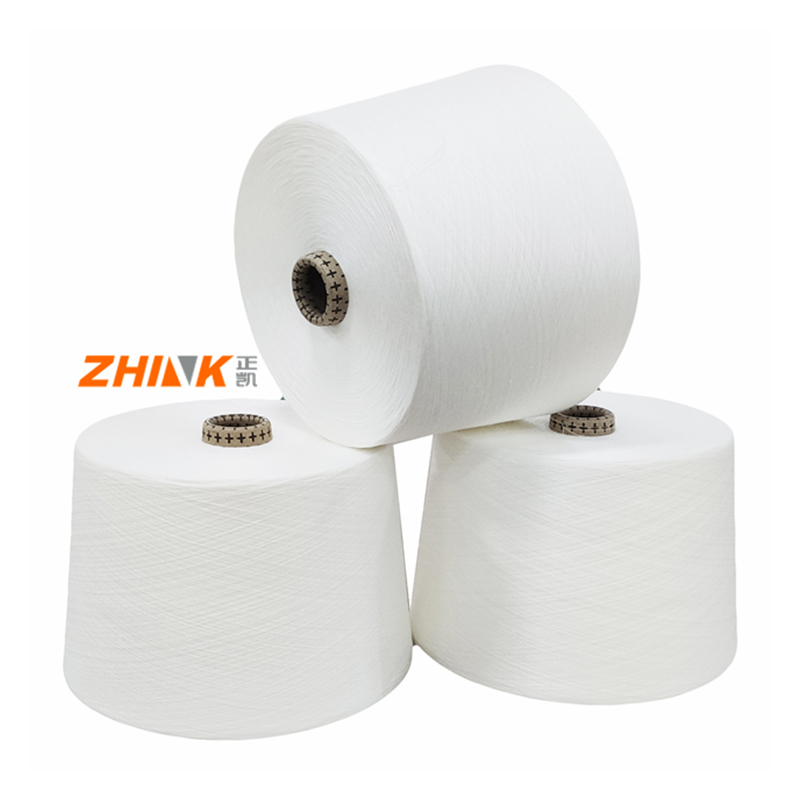
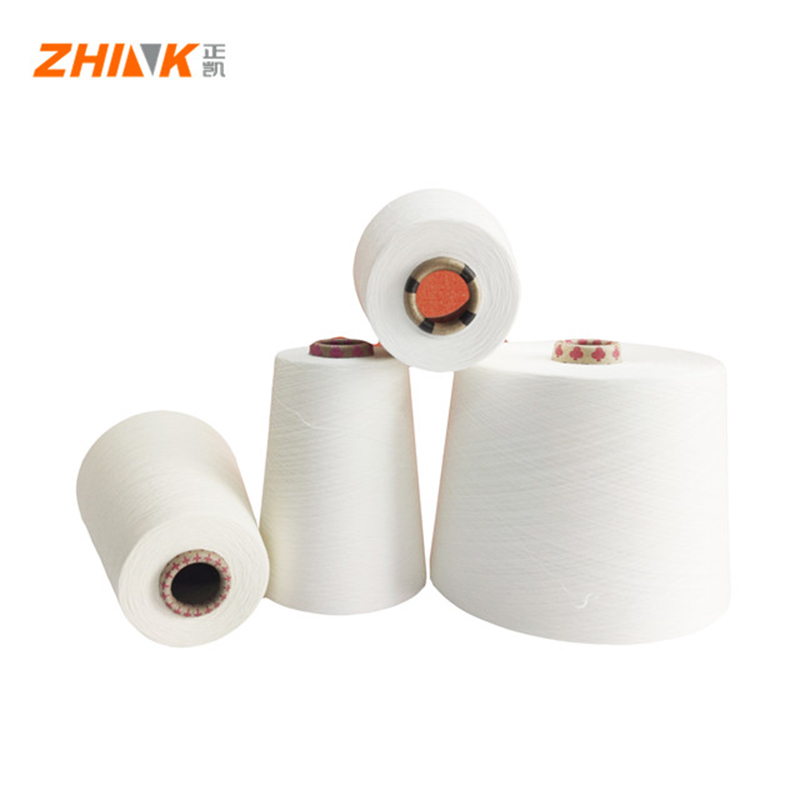
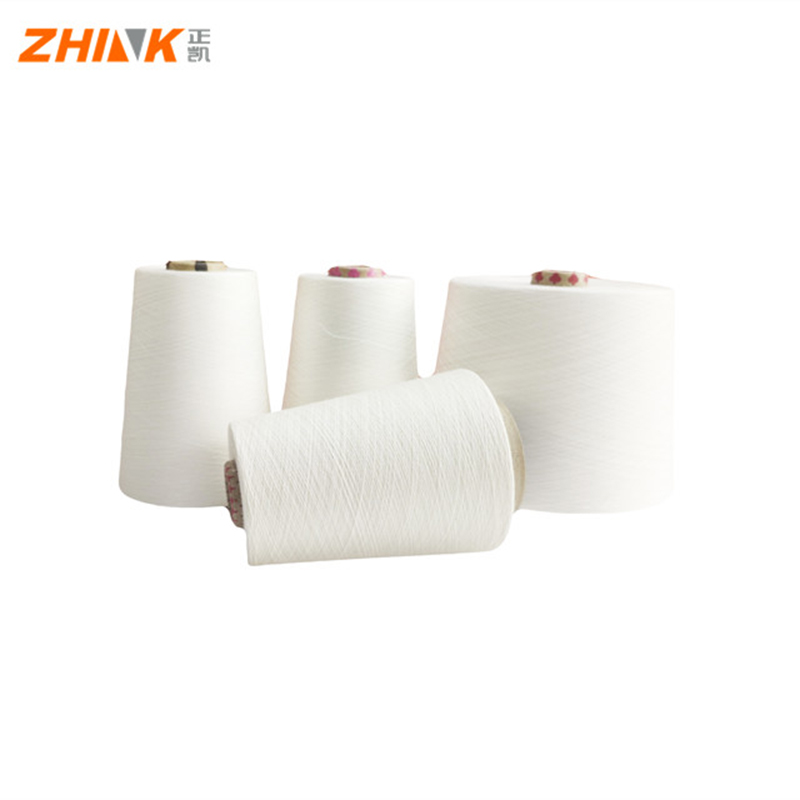
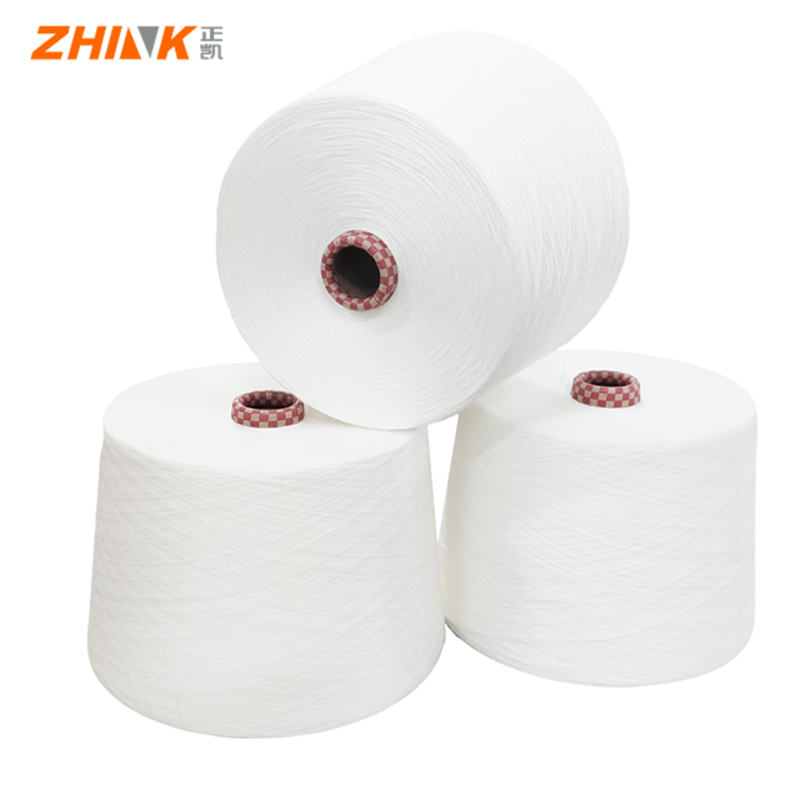
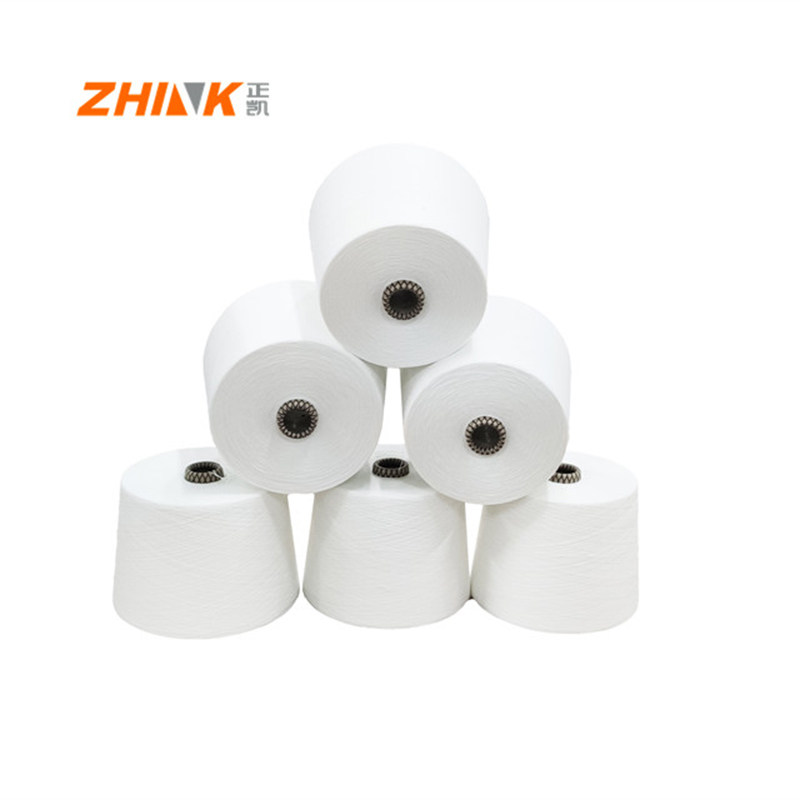
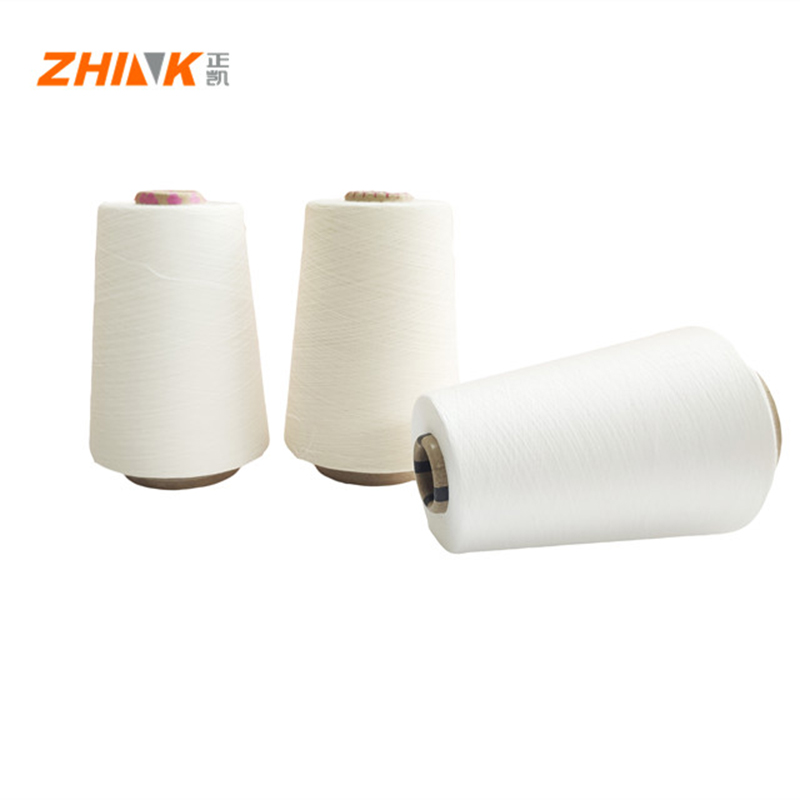
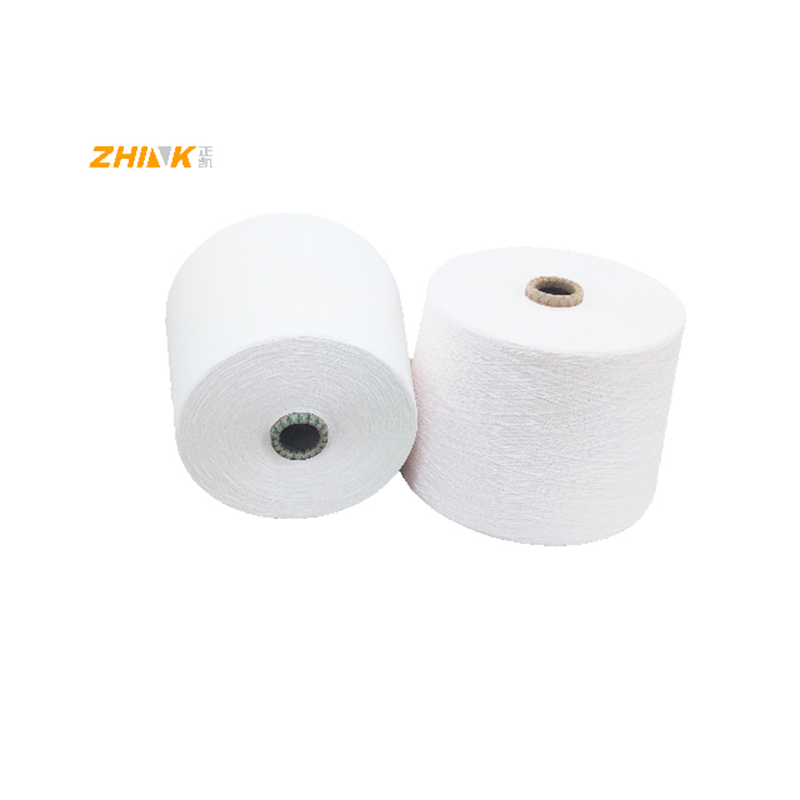
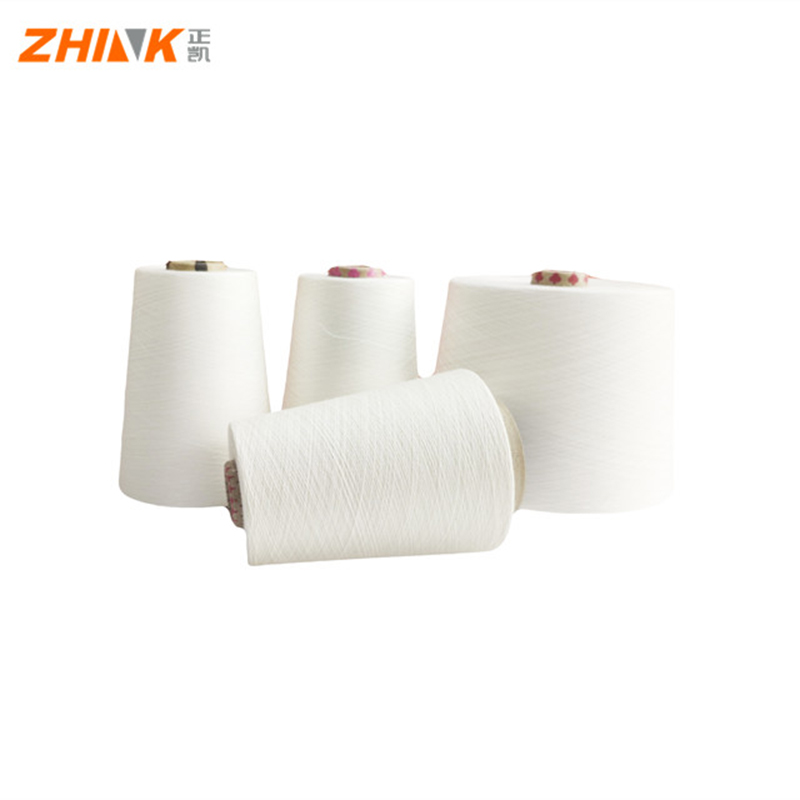
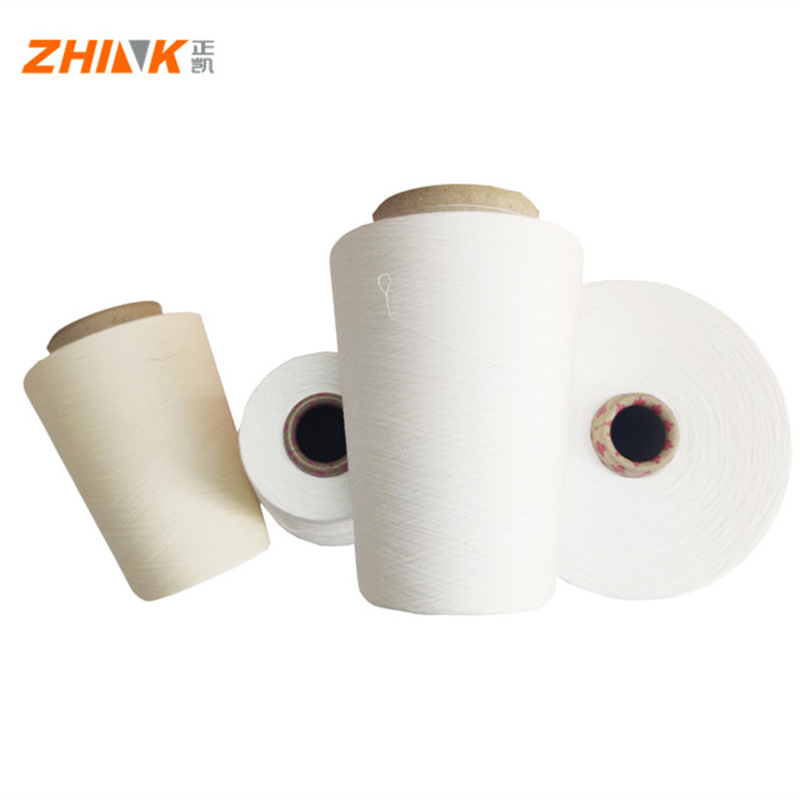
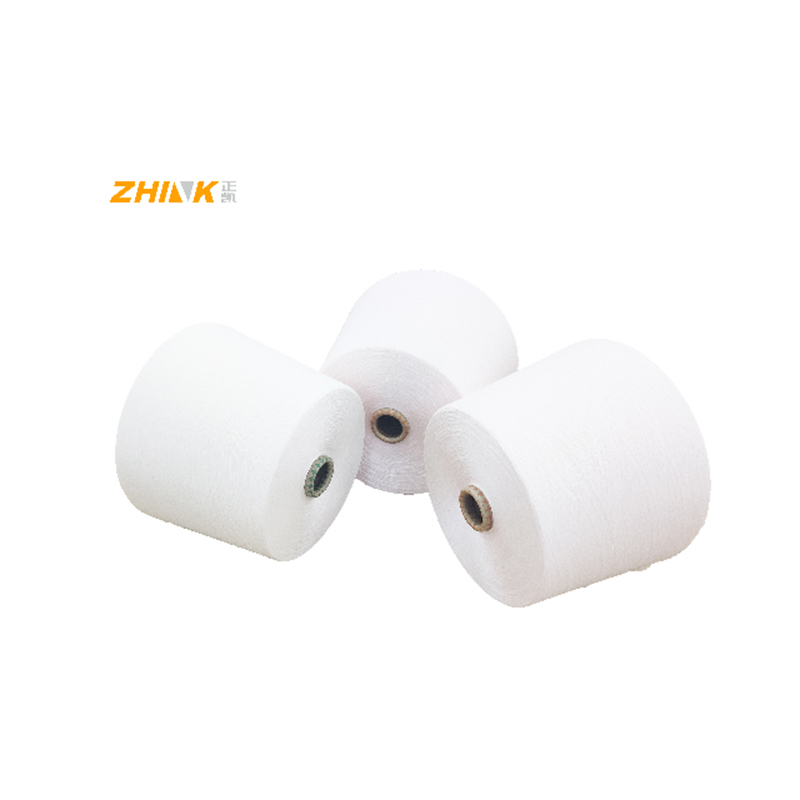
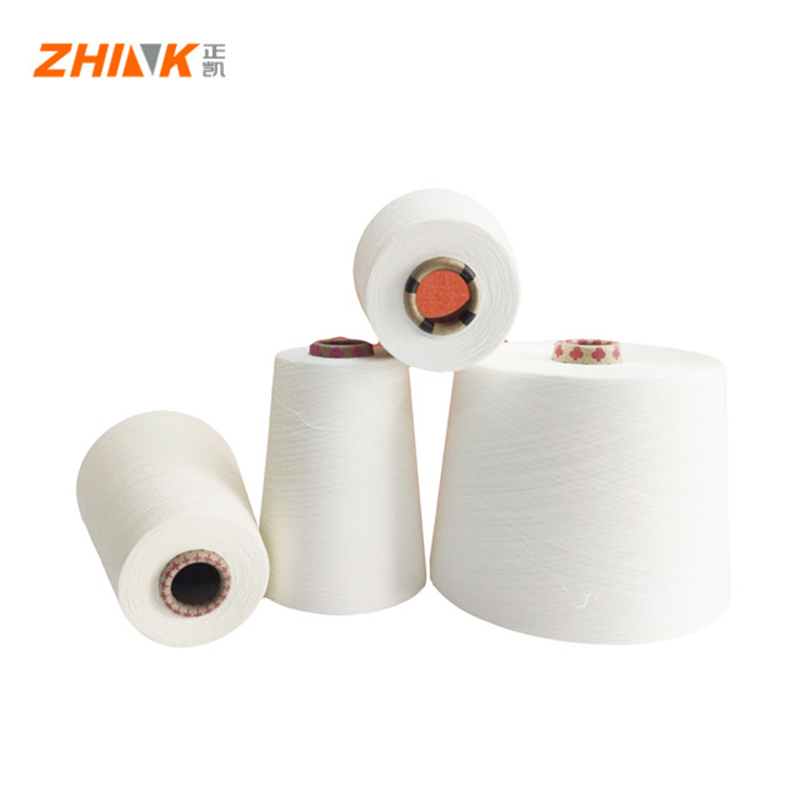
Recycled polyester/bamboo siro yarn
The Evolution and Potential of Recycled Polyester/Bamboo Siro Yarn
In the ever-evolving landscape of textile innovation, one fascinating development is the integration of recycled polyester/bamboo siro yarn. This blend holds promise for sustainable fashion, blending environmental responsibility with cutting-edge textile technology. Yet, as with any emerging material, there are nuances and practical challenges that industry professionals must navigate.
Understanding the Basics
The concept of merging recycled polyester with bamboo siro yarn is a response to the fashion industry's sustainability push. Recycled polyester, often sourced from post-consumer plastic, reduces waste and carbon emissions. Bamboo siro, known for its softness and antibacterial properties, enhances comfort and functionality.
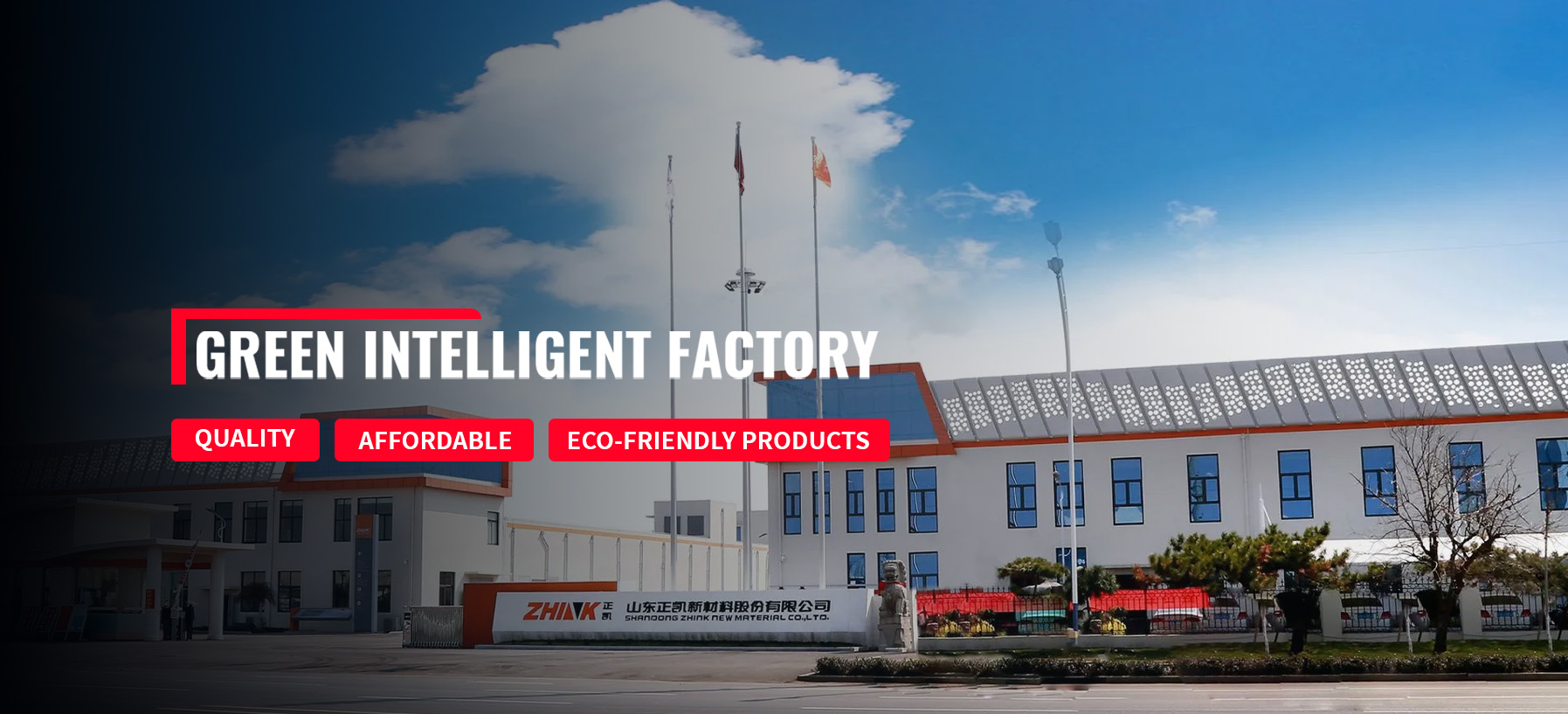
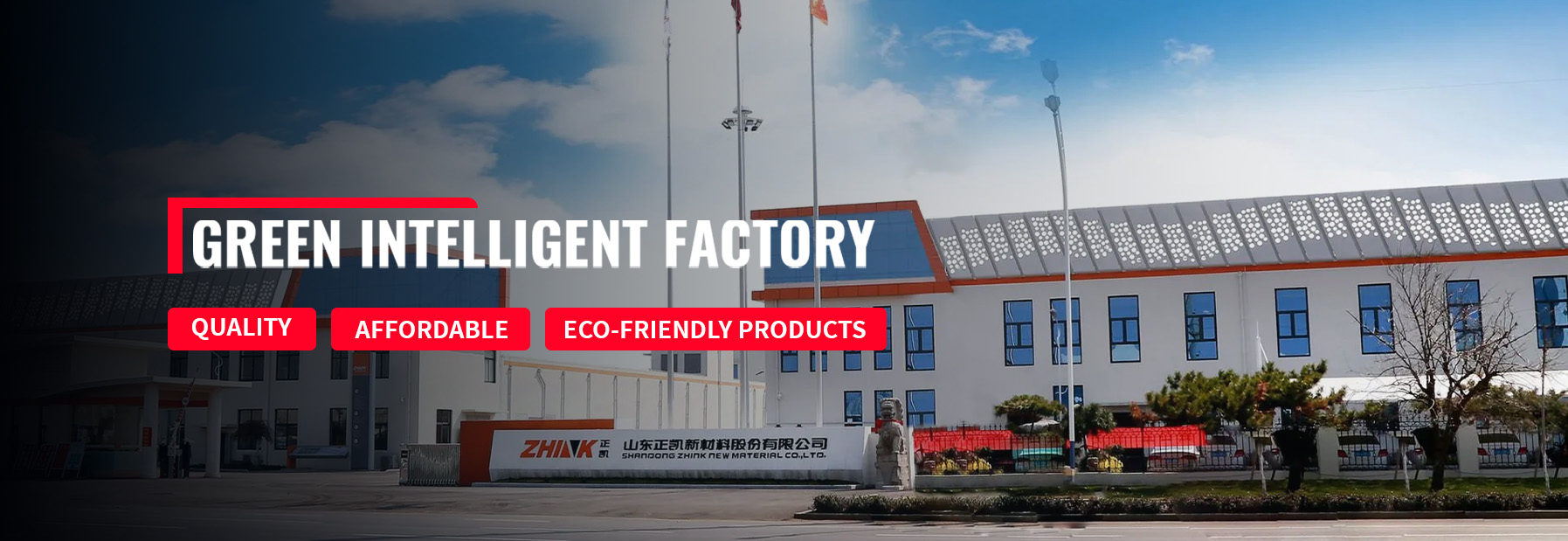
I recall the initial skepticism when this blend first appeared. Many questioned its durability and feasibility for mass production. Through trial and error, however, it became evident that the success of such materials depends heavily on precise manufacturing processes and the expertise of companies like SHANDONG ZHINK NEW MATERIAL CO., LTD.
This company, accessible via their website at https://www.zhinkyarn.com, has played a pivotal role. By focusing extensively on R&D, they've optimized the spinning and blending techniques necessary for producing high-quality yarn that maintains both strength and comfort.
The Practical Challenges
The first major hurdle was finding the right balance in the blend. Too much bamboo could weaken the structure, while excess polyester might compromise the eco-friendly appeal. This balance isn't merely theoretical; I’ve seen firsthand how minor adjustments in fiber ratios can lead to significant quality differences in the final product.
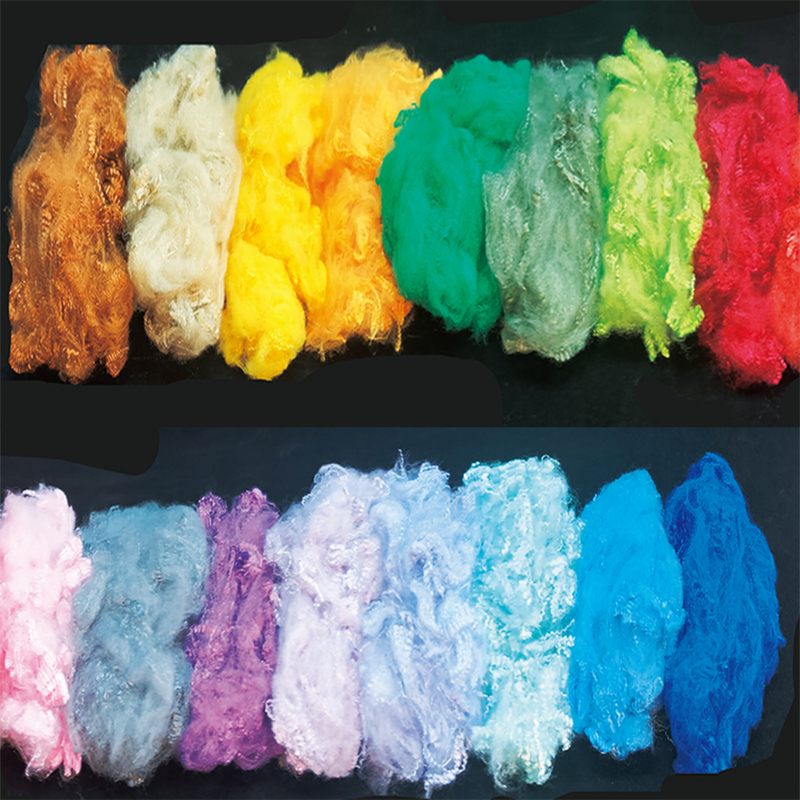
Another layer of complexity was the dyeing process. Bamboo fibers interact with dyes differently than polyester, often leading to color inconsistency. Achieving uniformity required not just advanced dyeing technology but also a deep understanding of fiber behavior under varying conditions.
The insights gained from these challenges feed back into the innovation loop, thus improving the material continuously. At Zhink New Material, there's an ongoing dialogue between the lab and production floor to refine these processes, ensuring the yarn meets the stringent demands of both fashion designers and environmentalists.
Sustainability Meets Consumer Demand
The rise of eco-conscious consumerism has undeniably fueled interest in recycled polyester/bamboo siro yarn. As designers seek sustainable alternatives, this yarn offers both an ethical choice and a quality product. It's not just about meeting environmental standards, but also about exceeding consumer expectations for comfort and performance.
Consider a case where a well-known clothing brand, initially reluctant, decided to prototype a line using this yarn. Feedback was overwhelmingly positive, with customers praising the softness and breathability. This real-world success story highlights the potential market impact when companies make informed, bold decisions.
A vital piece of advice for those in the industry is to not view these materials as mere novelties. Instead, they represent the future trajectory of fabric development. Investing time in understanding and mastering these materials can yield significant long-term benefits.
Long-Term Implications
When discussing the future of textiles, integrating sustainability with technological advancement is crucial. The work done by SHANDONG ZHINK NEW MATERIAL CO., LTD, a key player in this domain, underscores the vital importance of continued research and innovation.
The potential applications extend beyond fashion. Interior textiles, sportswear, and even industrial fabrics can benefit from the unique properties of these yarns. It becomes a question of how quickly industries can adapt to and adopt these materials.
I’ve observed a growing willingness among manufacturers to try new solutions. Early adopters of recycled polyester/bamboo blends will likely gain a competitive edge, as they position themselves at the forefront of textile innovation.
Future Prospects
While there are challenges ahead, the trajectory is clear. The synergy of recycled polyester and bamboo siro yarn promises not just to enhance textile quality but to set new standards in sustainability. As more companies explore these opportunities, expect rapid advancements.
Continued dialogue among developers, manufacturers, and consumers is vital. Feedback loops help refine these products, ensuring they can meet emerging needs and expectations. It's about fostering a cycle of continuous improvement and innovation.
In summary, this blend is not a fleeting trend but a substantive shift toward more responsible, sophisticated textile solutions. The journey of adopting and mastering this material is complex, but the outcomes suggest a promising future for both the planet and the industry.
Related Products
Related Products