+86-632-3621866
- Chinese
- French
- German
- Portuguese
- Spanish
- Russian
- Japanese
- Korean
- Arabic
- Irish
- Greek
- Turkish
- Italian
- Danish
- Romanian
- Indonesian
- Czech
- Afrikaans
- Swedish
- Polish
- Basque
- Catalan
- Esperanto
- Hindi
- Lao
- Albanian
- Amharic
- Armenian
- Azerbaijani
- Belarusian
- Bengali
- Bosnian
- Bulgarian
- Cebuano
- Chichewa
- Corsican
- Croatian
- Dutch
- Estonian
- Filipino
- Finnish
- Frisian
- Galician
- Georgian
- Gujarati
- Haitian
- Hausa
- Hawaiian
- Hebrew
- Hmong
- Hungarian
- Icelandic
- Igbo
- Javanese
- Kannada
- Kazakh
- Khmer
- Kurdish
- Kyrgyz
- Latin
- Latvian
- Lithuanian
- Luxembou..
- Macedonian
- Malagasy
- Malay
- Malayalam
- Maltese
- Maori
- Marathi
- Mongolian
- Burmese
- Nepali
- Norwegian
- Pashto
- Persian
- Punjabi
- Serbian
- Sesotho
- Sinhala
- Slovak
- Slovenian
- Somali
- Samoan
- Scots Gaelic
- Shona
- Sindhi
- Sundanese
- Swahili
- Tajik
- Tamil
- Telugu
- Thai
- Ukrainian
- Urdu
- Uzbek
- Vietnamese
- Welsh
- Xhosa
- Yiddish
- Yoruba
- Zulu
- Kinyarwanda
- Tatar
- Oriya
- Turkmen
- Uyghur


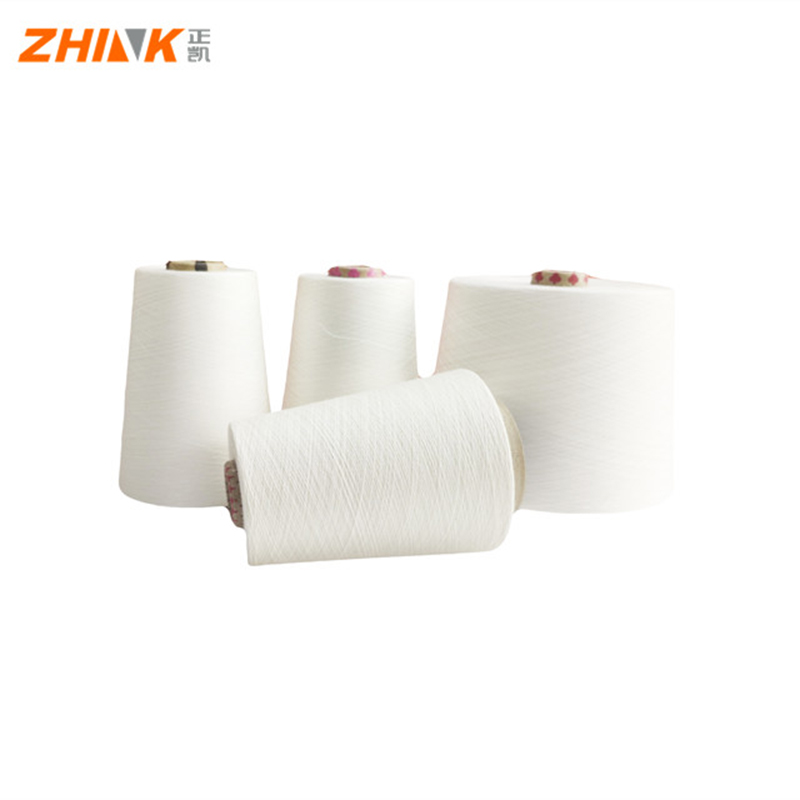
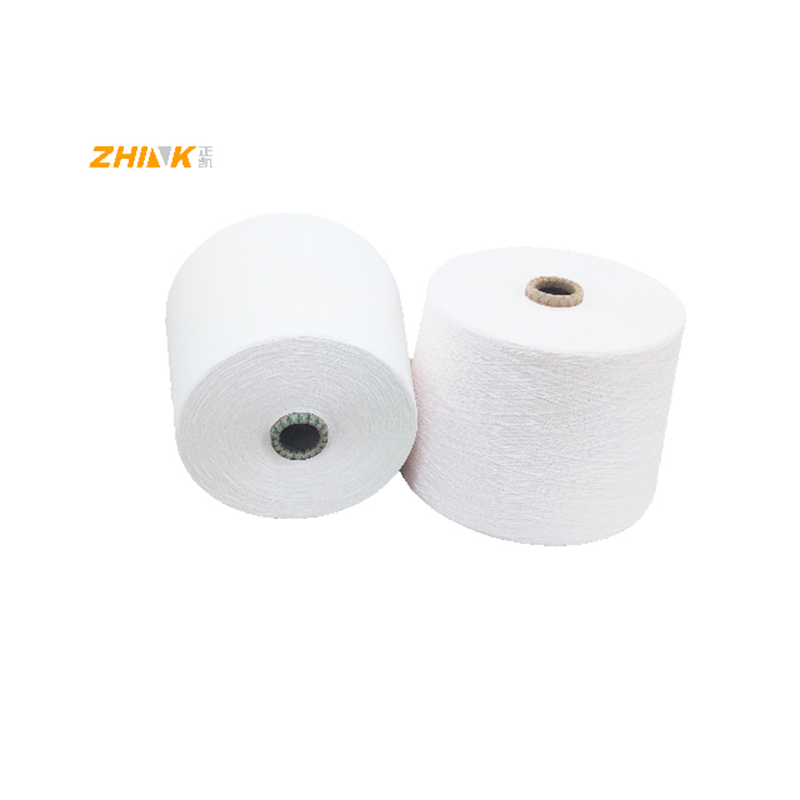
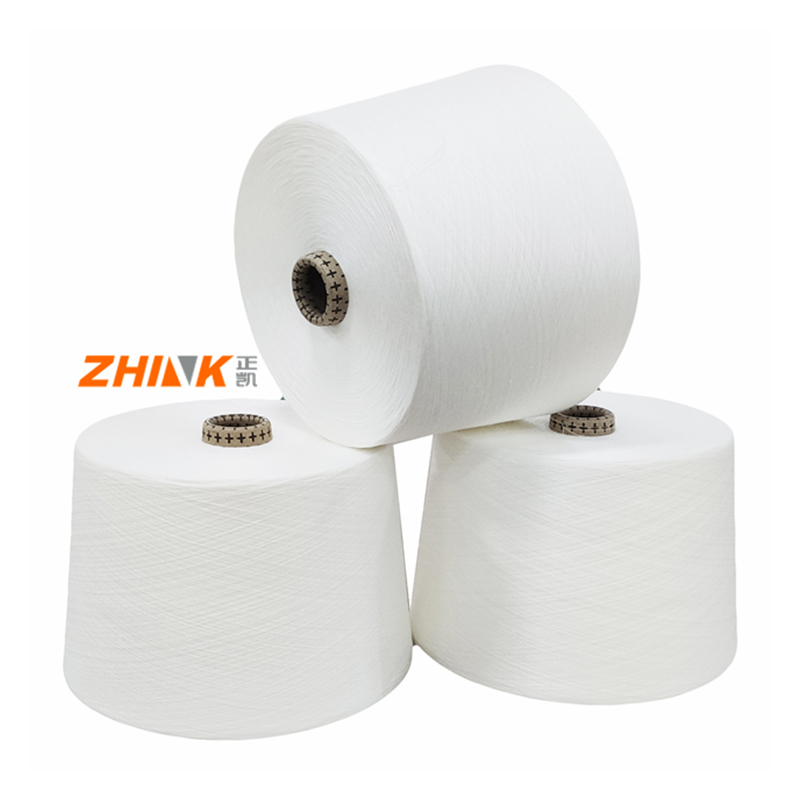
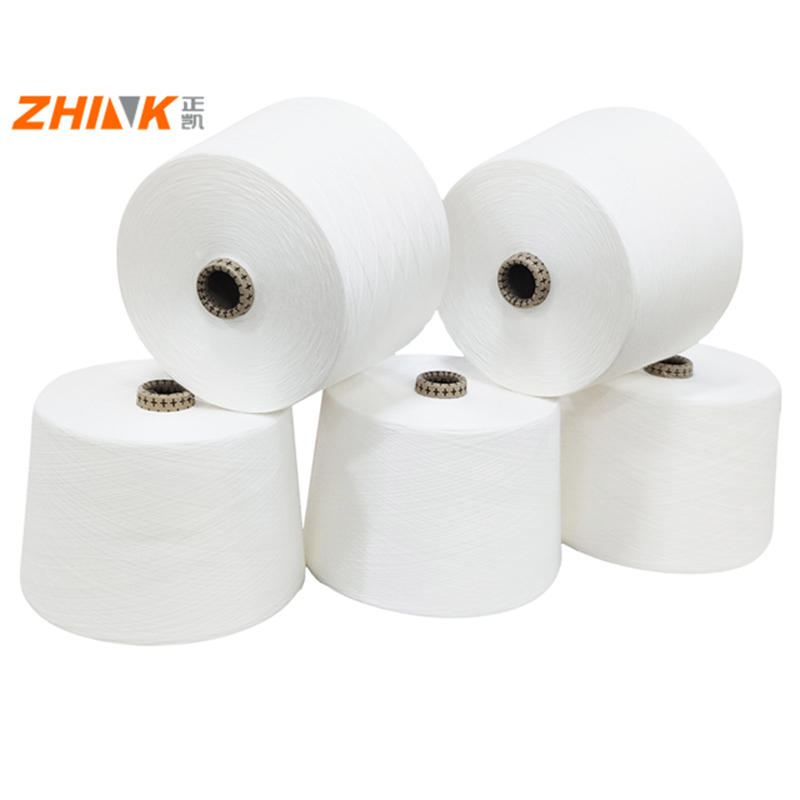
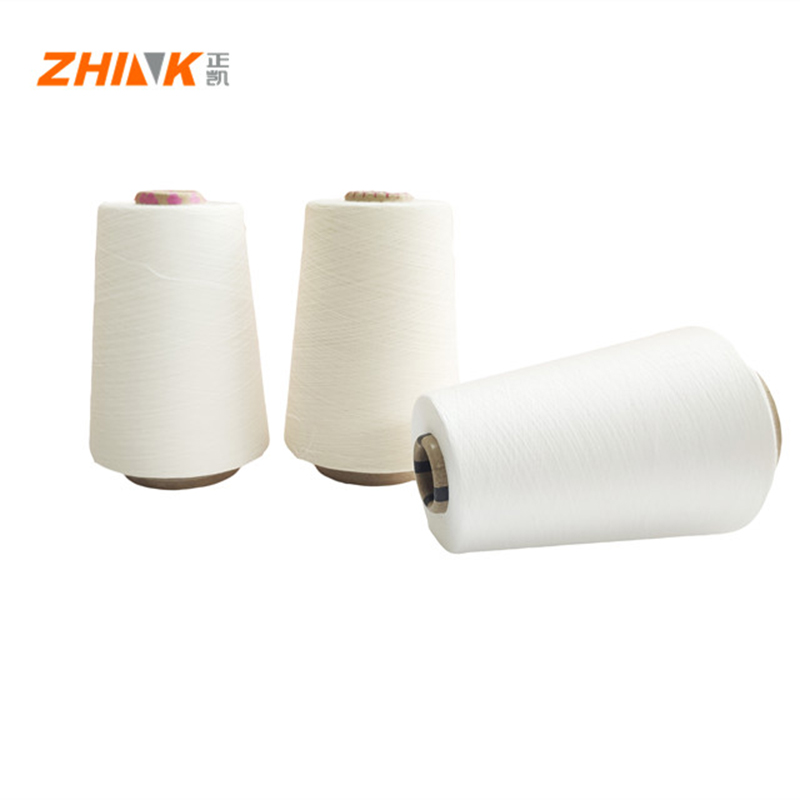
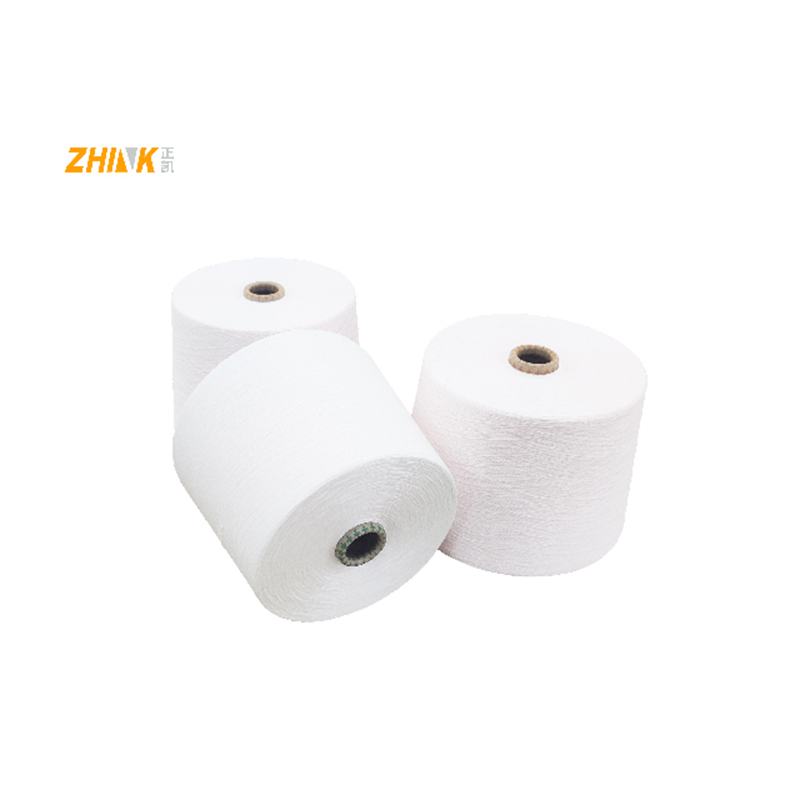
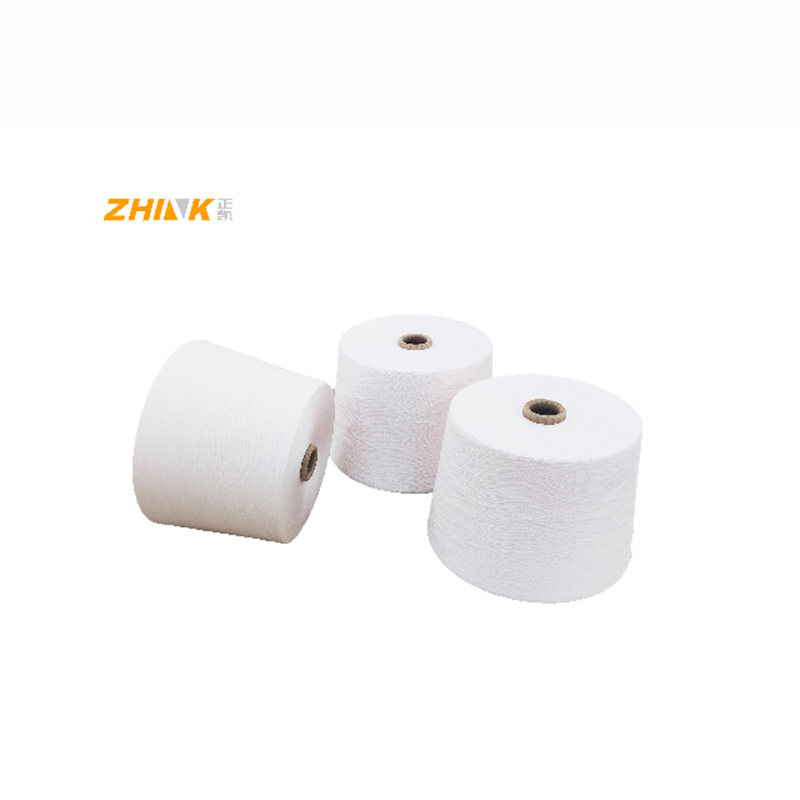
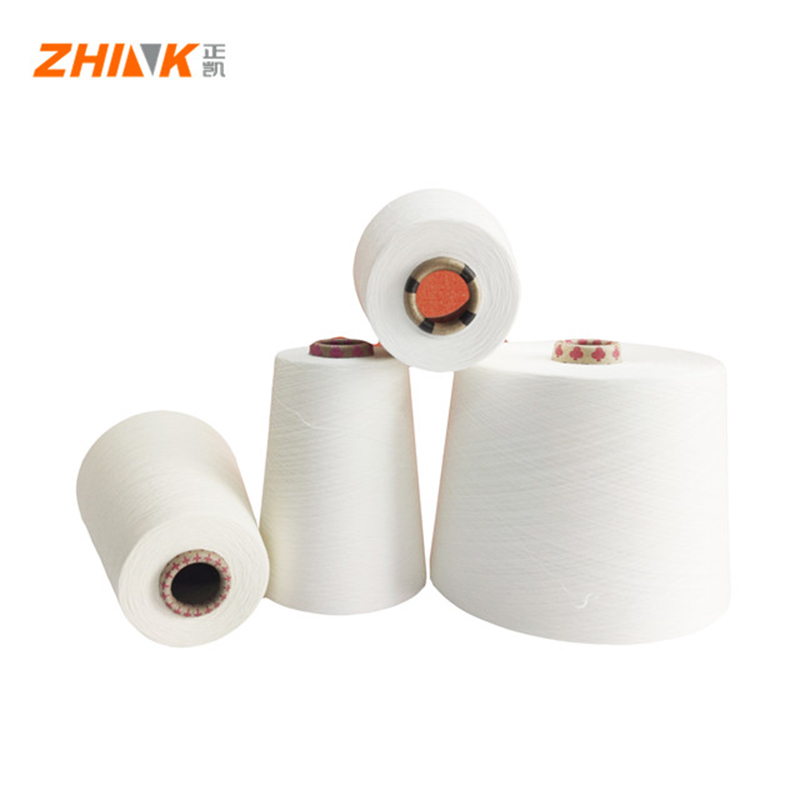
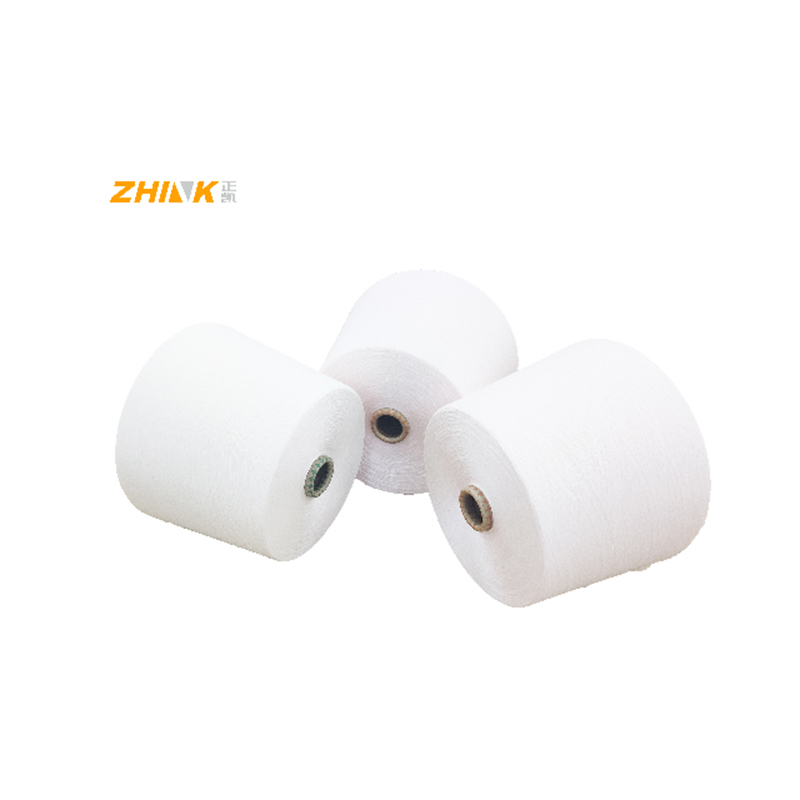
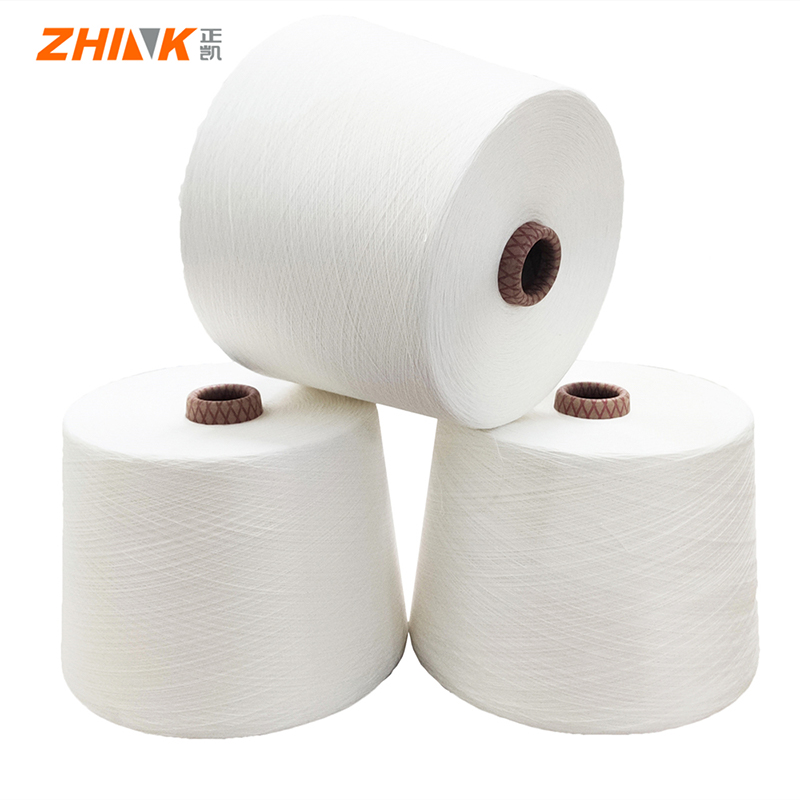
Recycled polyester core spun yarn
Unlocking the Potential of Recycled Polyester Core Spun Yarn
Recycled polyester core spun yarn is gaining traction as an eco-friendly alternative in the textile industry. It promises sustainability without compromising on quality—a claim that intrigues both manufacturers and consumers.
Understanding Recycled Polyester Core Spun Yarn
At its core, quite literally, recycled polyester core spun yarn is about layering. You take a recycled polyester filament and wrap it with another fiber, often cotton or a blend, achieving a balance between durability and comfort. The process isn't straightforward; it requires precision in maintaining the tension and ensuring the outer wrap properly encapsulates the polyester. This isn't just done for aesthetics; it's a structural necessity.
One common misconception I've encountered is that anything recycled immediately implies inferior quality. Not true. Recycled polyester maintains much of the strength and versatility of its virgin counterpart, while offering obvious environmental benefits. It's what you'd call a win-win, though achieving consistent results requires a tight control over the raw material quality.
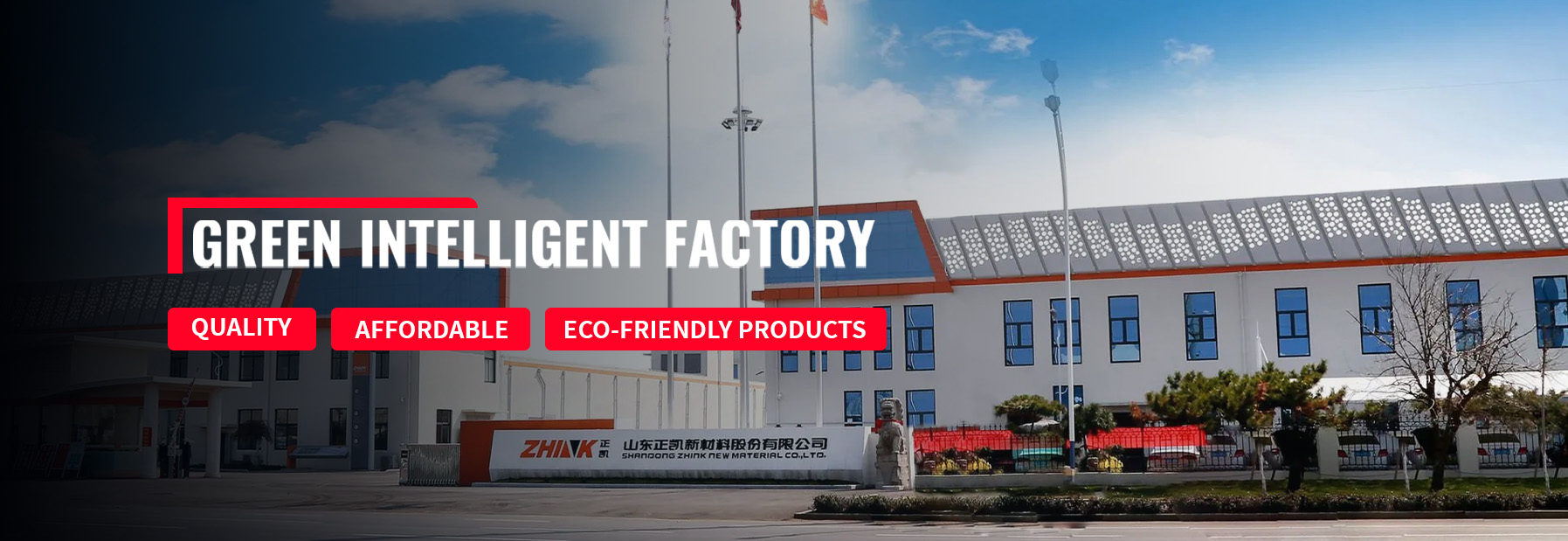
In practice, as those of us who've been on the production line know, the mix of materials can often pose challenges. Different fibers react differently under spinning conditions, and achieving a consistent hand feel requires a nuanced calibration of your equipment. This is where companies with a strong R&D backing, like SHANDONG ZHINK NEW MATERIAL CO., LTD, can really excel by aligning their research with production capabilities.
Navigating Quality Control Challenges
Quality control is a recurring theme in discussions with textile manufacturers. With recycled polyester core spun yarn, the variability in recycled materials adds a layer of complexity. Every batch can bring subtle differences. This means the inspection process has to be both rigorous and adaptive. You can't just rely on generic settings; it needs a tailored approach.
There was this one particular instance when a batch exhibited unexpected wear in stress tests. It turned out the recycled polyester's origin was slightly different, affecting its interaction with the outer fiber during spinning. We had to trace it back meticulously, a process that took time but ultimately led to tightening supply chain controls.
Reliability in product output isn't just about having top-notch machinery. The human element—skilled technicians who can read the subtleties of the fibers and adapt swiftly—is indispensable. This is where invaluable expertise comes into play, as fostered by institutions like Zhink New Material.
Sustainability Aspects and Market Demand
There's no denying the demand for sustainable textiles is rising. Consumers are waking up to environmental issues, and recycled polyester core spun yarn fits right into this demand. The process reuses material that would otherwise contribute to landfill, drastically cutting down the carbon footprint associated with textile production.
However, the market is flooded with buzzwords, making it essential for manufacturers to maintain transparency. Fair practices in material sourcing and clear communication about what recycled really means will ensure long-term trust. The competitive edge often lies in how convincingly a brand can align its practices with its sustainability claims.
Companies like Zhink are leading by example, focusing on exacting sourcing and production standards that set benchmarks in the industry. Real-world sustainability isn't just a fad; it’s quickly becoming a core business imperative. They understand the nuances and have the infrastructure to back it.
Balancing Cost and Innovation
Cost—it's the elephant in the room. Recycled polyester, while less expensive than virgin polyester, still requires meticulous processing to meet quality standards. This processing doesn't come cheap. The balance lies in innovation—how can you make the process more efficient without cutting corners?
R&D investment is crucial. Developing technologies that reduce energy consumption during spinning or finding ways to reuse water efficiently can offset long-term costs. This is where companies like SHANDONG ZHINK NEW MATERIAL CO., LTD are investing heavily, pushing the envelope on what is economically viable in the sustainability space.
It's also important to consider collaborative efforts within the industry. Sharing technological advancements or teaming up for joint R&D projects could be the key to accelerating progress without individual companies bearing the full brunt of development costs.
The Future of Recycled Polyester Core Spun Yarn
So, where do we go from here? The future is promising, yet challenging. We’re likely to see even more innovative applications as technology advances. The key lies in remaining agile—industries must keep pace with evolving consumer expectations and environmental regulations.
From a technical standpoint, further refining the spinning process to accommodate a wider range of recycled inputs could open more doors. Consistency in fiber quality, streamlined supply chains, and continued investment in technology are crucial areas of focus.
In conclusion, recycled polyester core spun yarn isn’t just a trend—it's a pivot toward sustainable innovation in textiles. As industry professionals, staying informed and adaptive, as exemplified by leaders like Zhink New Material, will be critical in navigating this fascinating and ever-evolving landscape.
Related Products
Related Products