+86-632-3621866
- Chinese
- French
- German
- Portuguese
- Spanish
- Russian
- Japanese
- Korean
- Arabic
- Irish
- Greek
- Turkish
- Italian
- Danish
- Romanian
- Indonesian
- Czech
- Afrikaans
- Swedish
- Polish
- Basque
- Catalan
- Esperanto
- Hindi
- Lao
- Albanian
- Amharic
- Armenian
- Azerbaijani
- Belarusian
- Bengali
- Bosnian
- Bulgarian
- Cebuano
- Chichewa
- Corsican
- Croatian
- Dutch
- Estonian
- Filipino
- Finnish
- Frisian
- Galician
- Georgian
- Gujarati
- Haitian
- Hausa
- Hawaiian
- Hebrew
- Hmong
- Hungarian
- Icelandic
- Igbo
- Javanese
- Kannada
- Kazakh
- Khmer
- Kurdish
- Kyrgyz
- Latin
- Latvian
- Lithuanian
- Luxembou..
- Macedonian
- Malagasy
- Malay
- Malayalam
- Maltese
- Maori
- Marathi
- Mongolian
- Burmese
- Nepali
- Norwegian
- Pashto
- Persian
- Punjabi
- Serbian
- Sesotho
- Sinhala
- Slovak
- Slovenian
- Somali
- Samoan
- Scots Gaelic
- Shona
- Sindhi
- Sundanese
- Swahili
- Tajik
- Tamil
- Telugu
- Thai
- Ukrainian
- Urdu
- Uzbek
- Vietnamese
- Welsh
- Xhosa
- Yiddish
- Yoruba
- Zulu
- Kinyarwanda
- Tatar
- Oriya
- Turkmen
- Uyghur


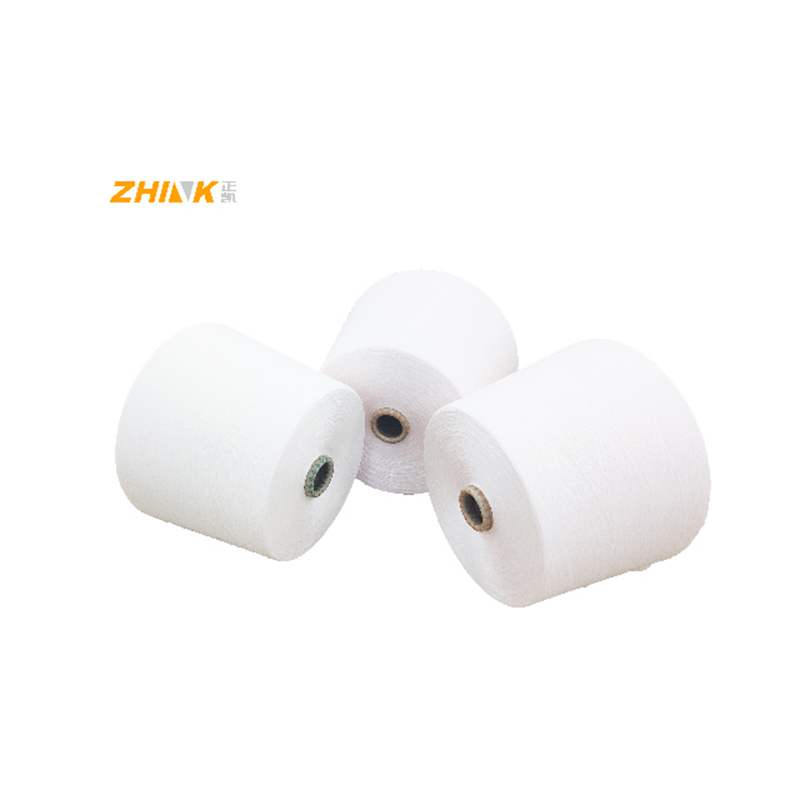
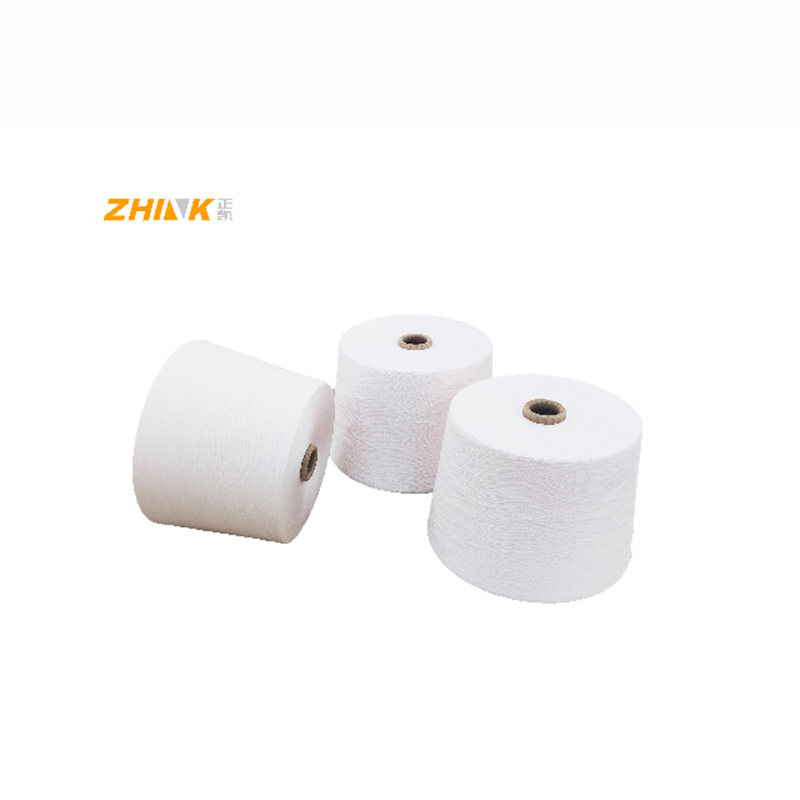
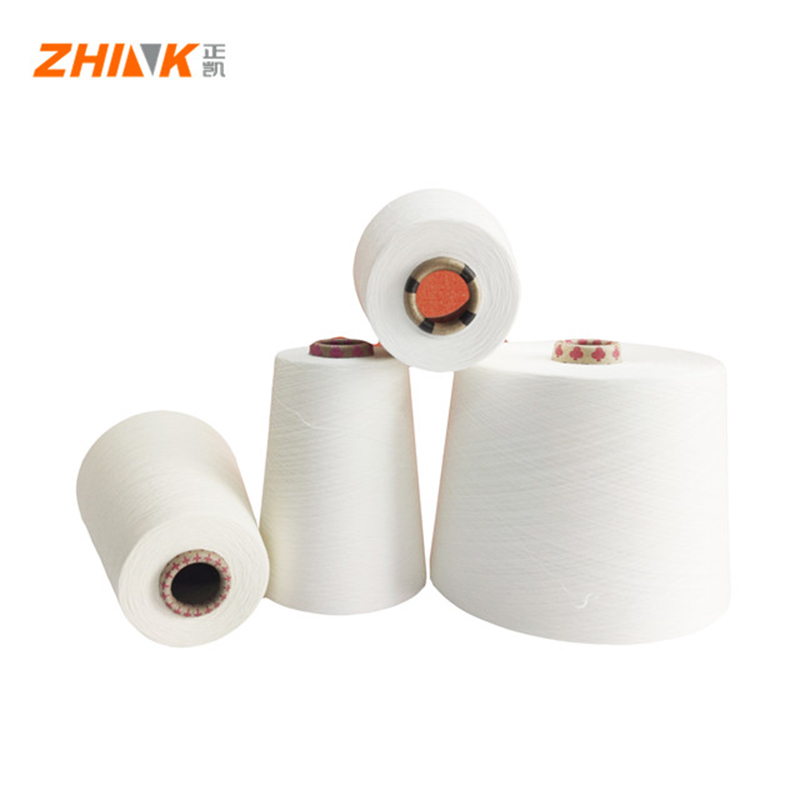
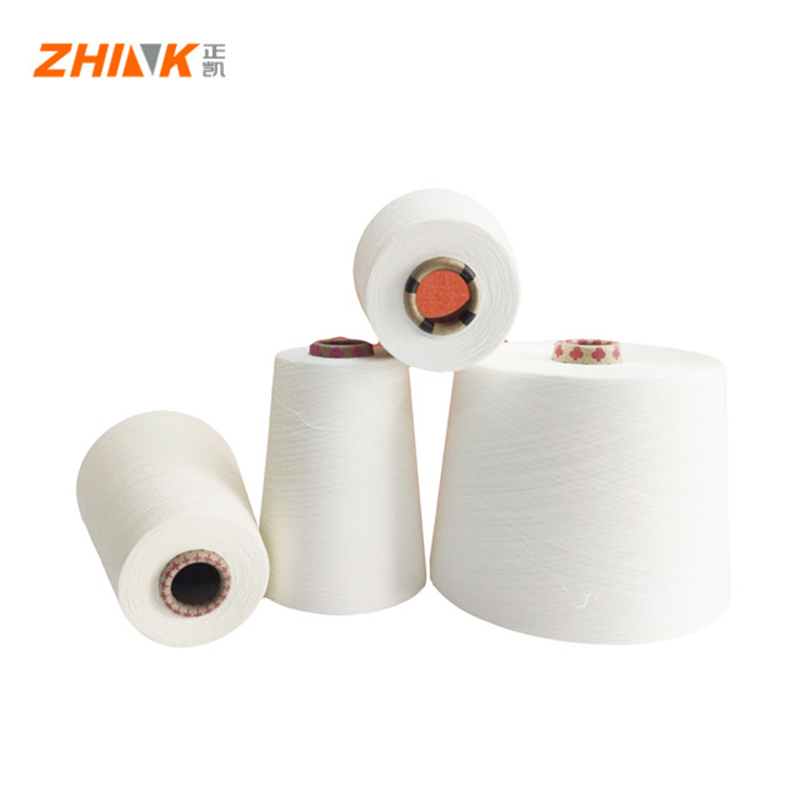
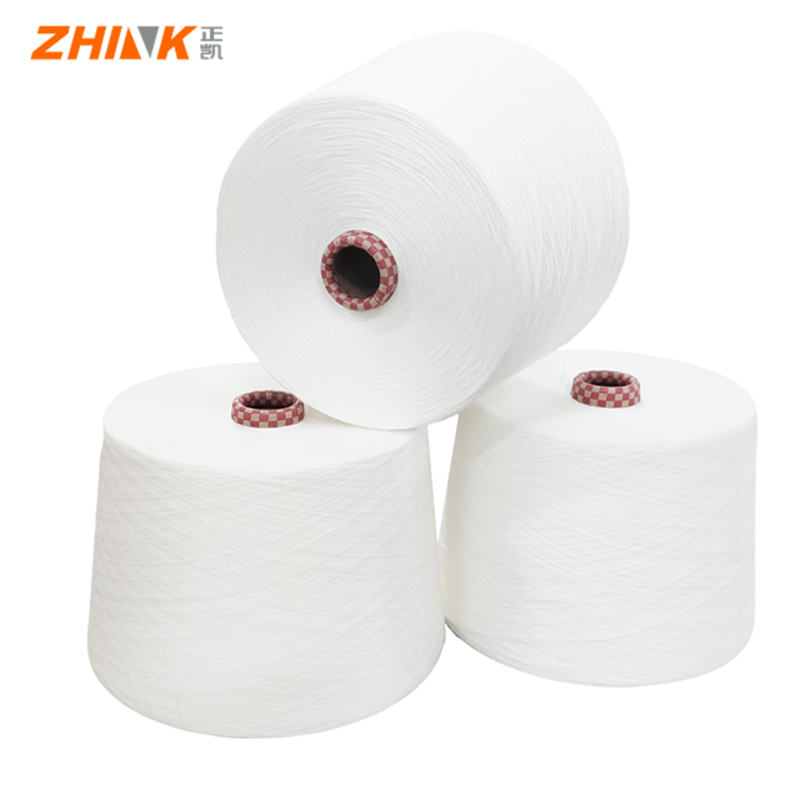
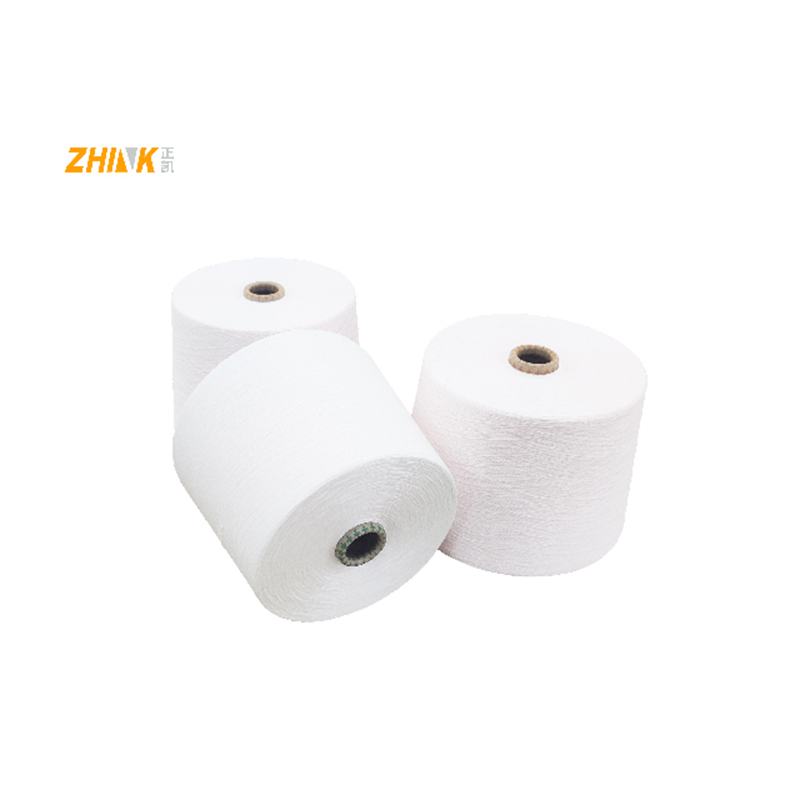
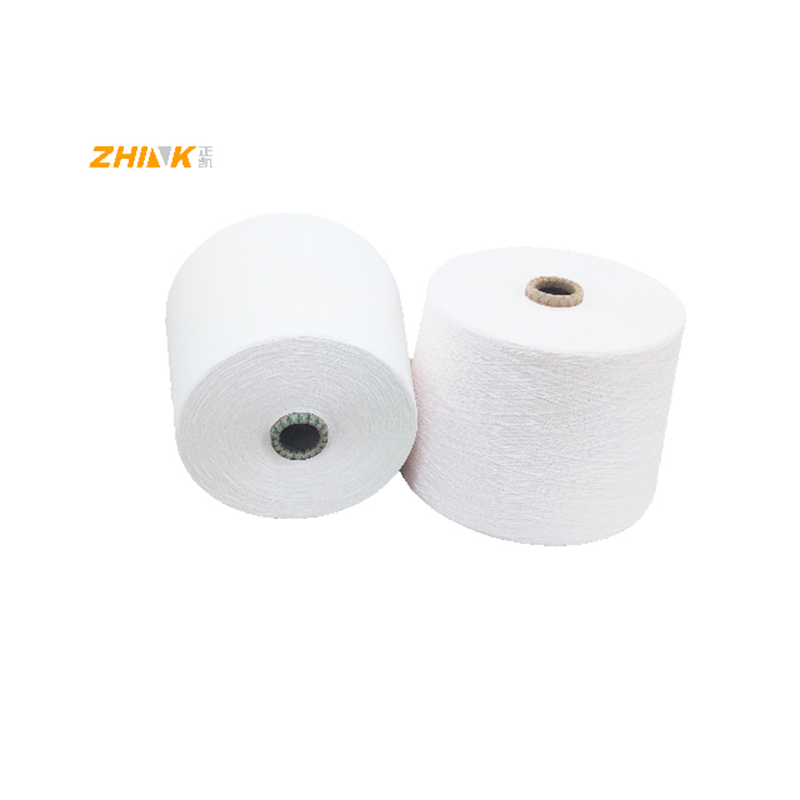
recycled polyester/eco viscose/linen 60/20/20 core spun yarn
Understanding Recycled Polyester/Eco Viscose/Linen 60/20/20 Core Spun Yarn
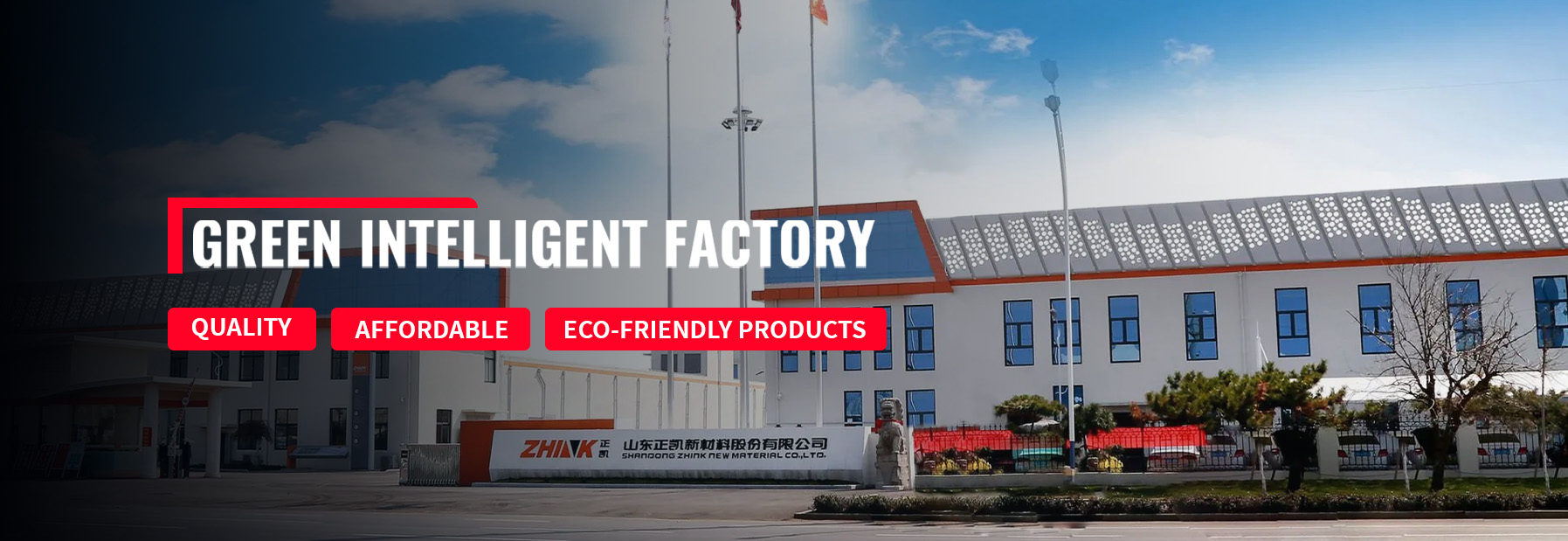
When navigating the textile industry, terms like recycled polyester, eco viscose, and linen might seem straightforward, but the combination in a 60/20/20 core spun yarn offers a complexity worth exploring. Professionals at SHANDONG ZHINK NEW MATERIAL CO., LTD have been at the forefront of innovating such blends, balancing sustainability with performance.
The Intricacies of Fiber Blends
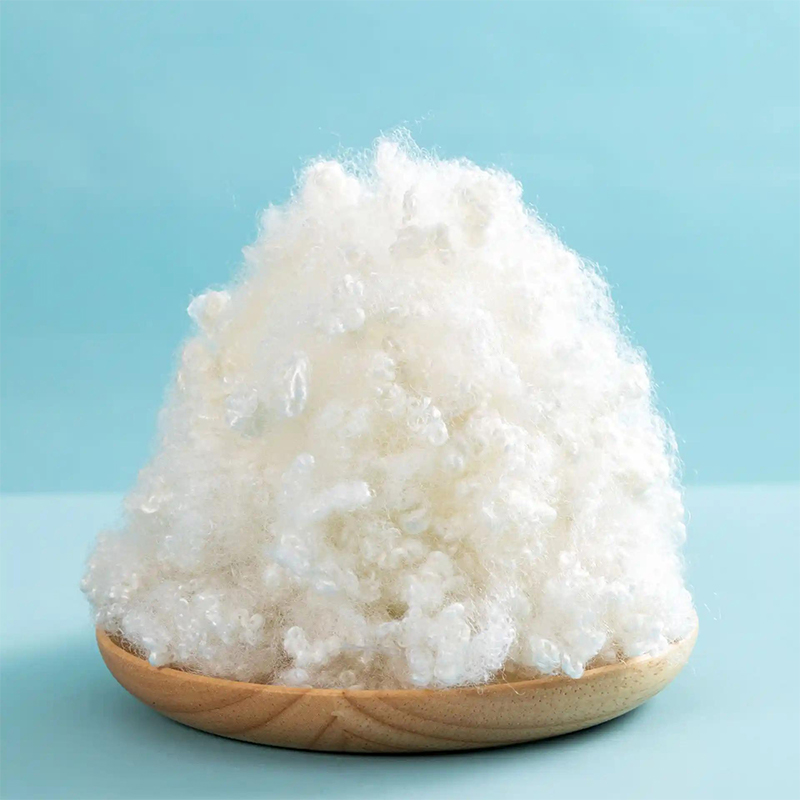
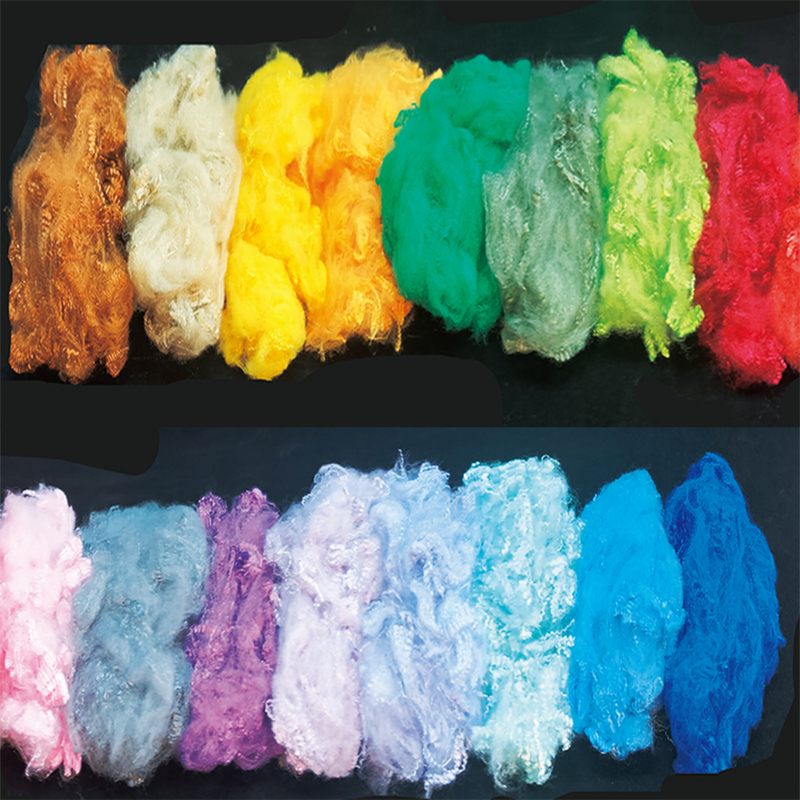
Core spun yarns made from a blend of 60% recycled polyester, 20% eco viscose, and 20% linen are a fascinating subject. The aim is typically to harness the strengths of each component. Recycled polyester provides resilience and environmental benefits, a nod to the sustainability efforts spearheaded by companies like Zhink New Material (https://www.zhinkyarn.com). The eco viscose adds a softness and an ethical manufacturing process, while linen introduces breathable qualities.
Combining these materials into a core spun yarn sounds simpler than it is. Each fiber possesses unique characteristics that can cause unintended interactions when combined. The polyester needs to maintain its strength without overshadowing the natural aesthetics of linen and the eco-friendly nature of viscose.
At Zhink, there's ongoing research into optimizing these blends. Not all attempts have been successful; for instance, early trials often faced issues related to strength balance and color consistency. The learning curve was steep, reinforcing the need for rigorous testing and iterative design.
Challenges in Production
Producing such a yarn involves specific challenges, particularly in achieving uniformity. The disparity in fiber textures can cause tension irregularities during spinning. Mastering the tension in such a complex yarn determines much of its quality and efficiency during weaving and knitting.
An unexpected challenge we encountered was static during the spinning process—a result of the polyester content. Adequate treatment and modification of the spinning environment were necessary to mitigate these effects, something that Zhink's R&D team delved into deeply.
Equally important was allergic reactions. While rare, some individuals are sensitive to certain fibers. Assessing the hypoallergenic properties of the yarn became an integral part of product development, ensuring that our yarns met diverse consumer needs.
Sustainability and Market Demand
The demand for sustainable fibers is growing, driven by eco-conscious consumers. Blends like the 60/20/20 not only sound enticing on a label but beckon real benefits—you’re talking less water usage (thanks to linen’s minimal water strain) and reduced carbon footprints.
However, the market isn't just about making green promises. Ensuring transparency and consistency when promoting sustainability is key. At SHANDONG ZHINK NEW MATERIAL CO., LTD, there’s a commitment to authentic sustainable practices—not just in production but across logistics and marketing.
Successfully launching such a product not only requires adapting to market needs but also staying ahead of industry trends. It’s a dynamic environment, where the demand can shift quickly, challenging manufacturers to be both responsive and responsible.
Application Insights
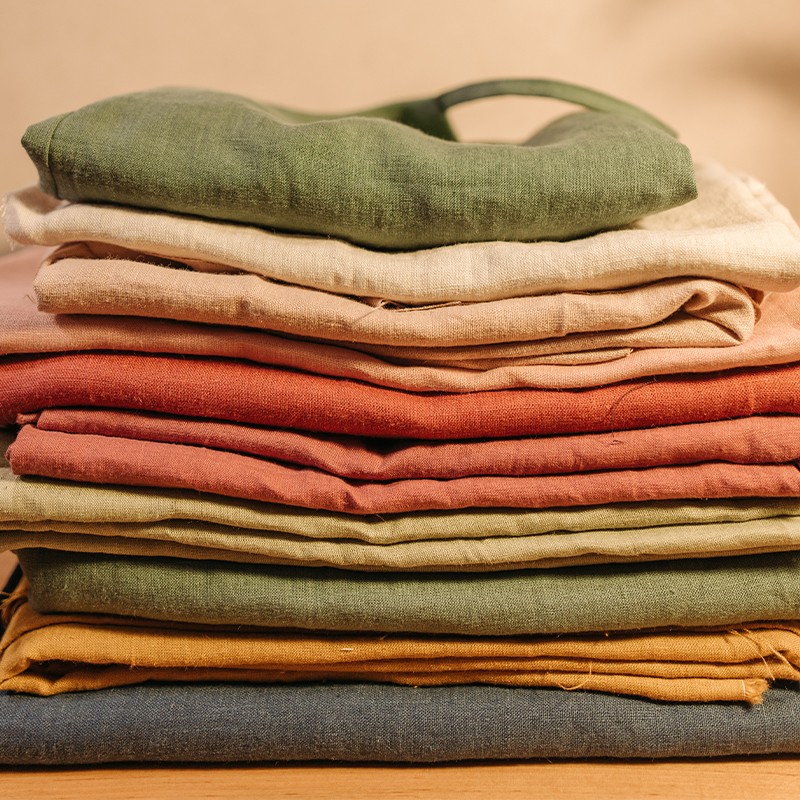
What about applications? Well, this particular blend has opened doors to versatile uses. In apparel, it’s praised for comfortable, durable, and eco-friendly garments. It’s also catching attention in home textiles where the breathable nature of linen provides benefits.
Interestingly, during one field test, a client sought these yarns for athletic wear. Surprisingly, the blend wasn’t ideal for high-impact use, shedding light on limitations. It underscored the importance of understanding material suitability—not every blend fits every purpose.
This pursuit of innovation is ongoing at Zhink, where learning from these trials, errors, and successes helps refine product offerings. This flexibility ensures advancements align with evolving environmental and consumer criteria.
Looking Forward
In conclusion, a yarn composed of 60% recycled polyester, 20% eco viscose, and 20% linen is more than its individual components. It represents a convergence of sustainability, technology, and market demands, facilitated by leaders in textile innovation like SHANDONG ZHINK NEW MATERIAL CO., LTD.
The next steps involve deeper exploration into recycling processes, fiber enhancement techniques, and more eco-friendly production methods. The industry is on the cusp of significant changes, and it is companies like Zhink that are navigating this path, uniting tradition with innovation.
Such a journey is as much about the destination as it is about overcoming every challenge along the way, ensuring that every piece of yarn woven carries a story of innovation and responsibility.
Related Products
Related Products