+86-632-3621866
- Chinese
- French
- German
- Portuguese
- Spanish
- Russian
- Japanese
- Korean
- Arabic
- Irish
- Greek
- Turkish
- Italian
- Danish
- Romanian
- Indonesian
- Czech
- Afrikaans
- Swedish
- Polish
- Basque
- Catalan
- Esperanto
- Hindi
- Lao
- Albanian
- Amharic
- Armenian
- Azerbaijani
- Belarusian
- Bengali
- Bosnian
- Bulgarian
- Cebuano
- Chichewa
- Corsican
- Croatian
- Dutch
- Estonian
- Filipino
- Finnish
- Frisian
- Galician
- Georgian
- Gujarati
- Haitian
- Hausa
- Hawaiian
- Hebrew
- Hmong
- Hungarian
- Icelandic
- Igbo
- Javanese
- Kannada
- Kazakh
- Khmer
- Kurdish
- Kyrgyz
- Latin
- Latvian
- Lithuanian
- Luxembou..
- Macedonian
- Malagasy
- Malay
- Malayalam
- Maltese
- Maori
- Marathi
- Mongolian
- Burmese
- Nepali
- Norwegian
- Pashto
- Persian
- Punjabi
- Serbian
- Sesotho
- Sinhala
- Slovak
- Slovenian
- Somali
- Samoan
- Scots Gaelic
- Shona
- Sindhi
- Sundanese
- Swahili
- Tajik
- Tamil
- Telugu
- Thai
- Ukrainian
- Urdu
- Uzbek
- Vietnamese
- Welsh
- Xhosa
- Yiddish
- Yoruba
- Zulu
- Kinyarwanda
- Tatar
- Oriya
- Turkmen
- Uyghur


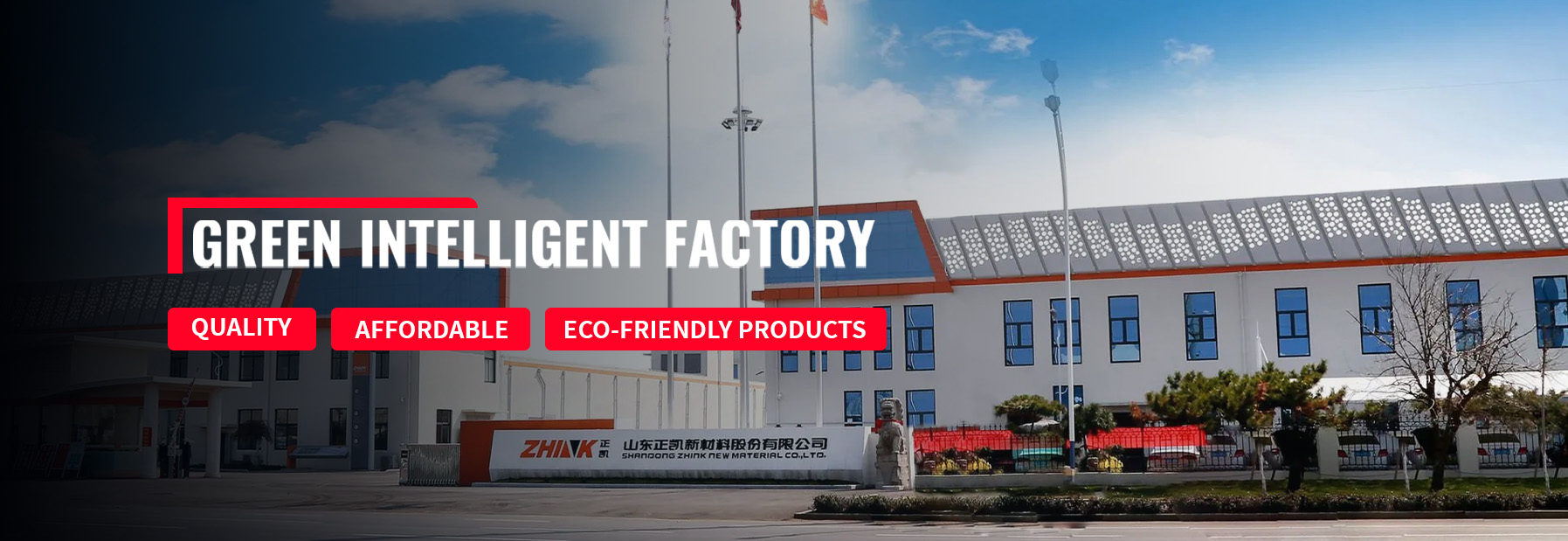
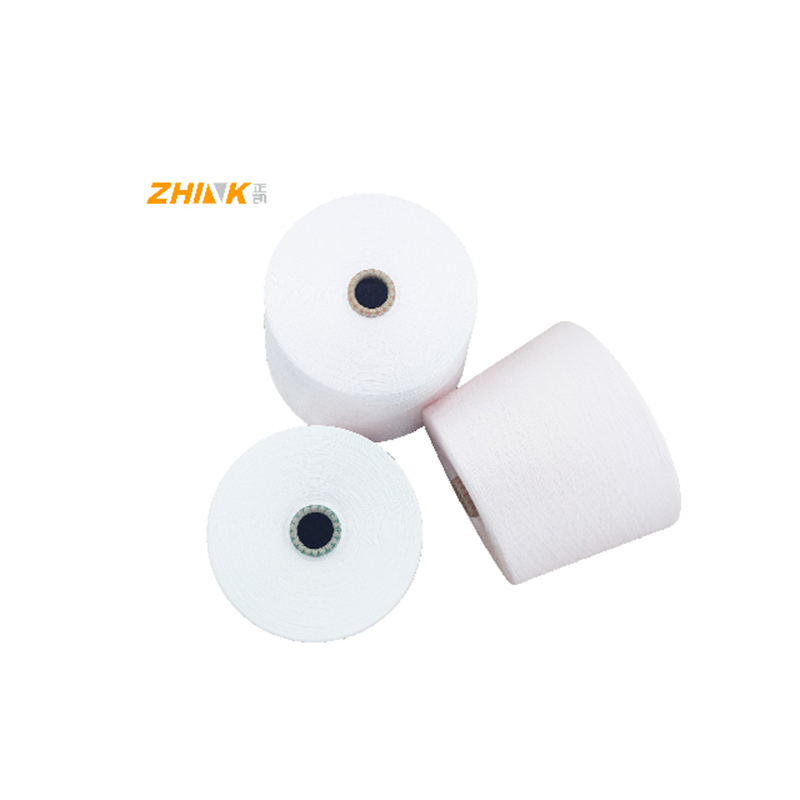
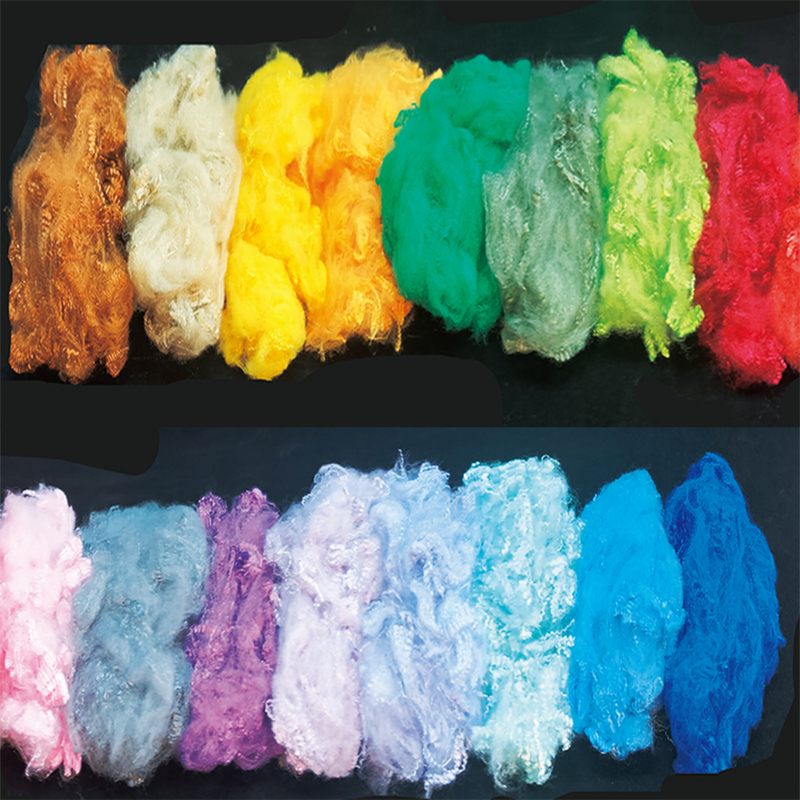
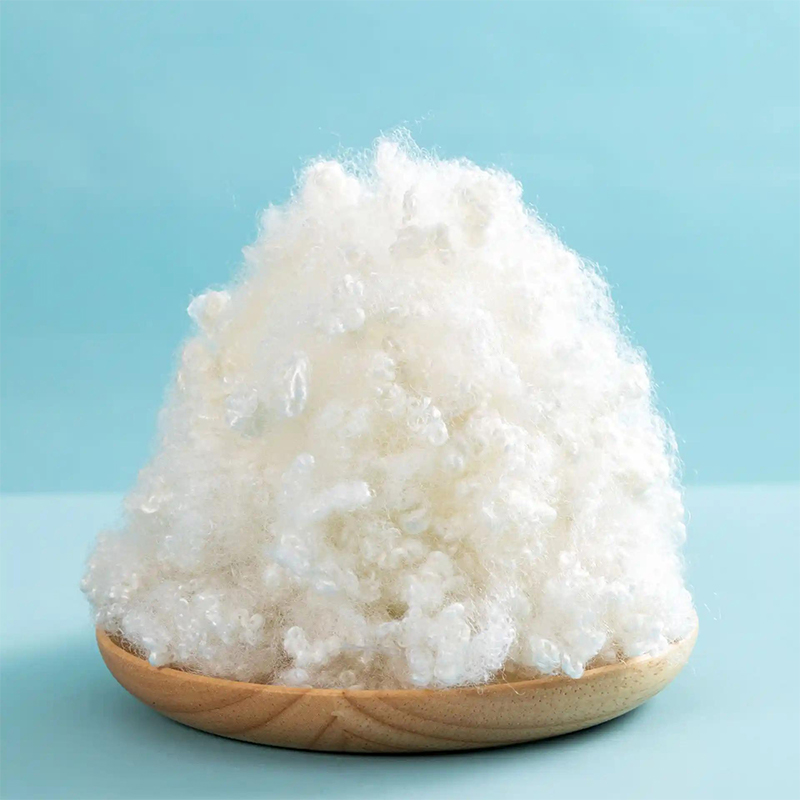
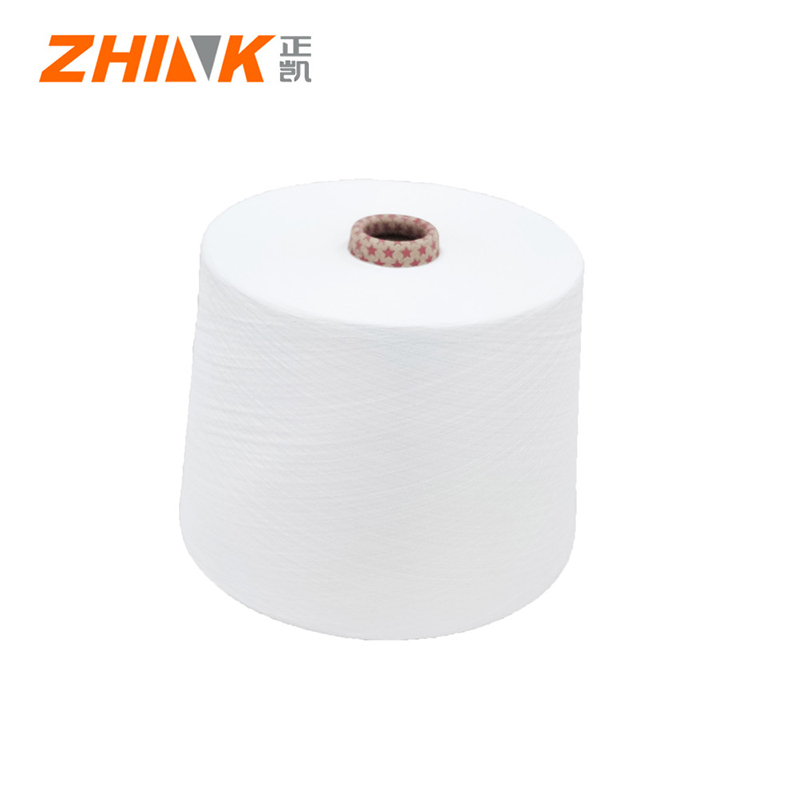
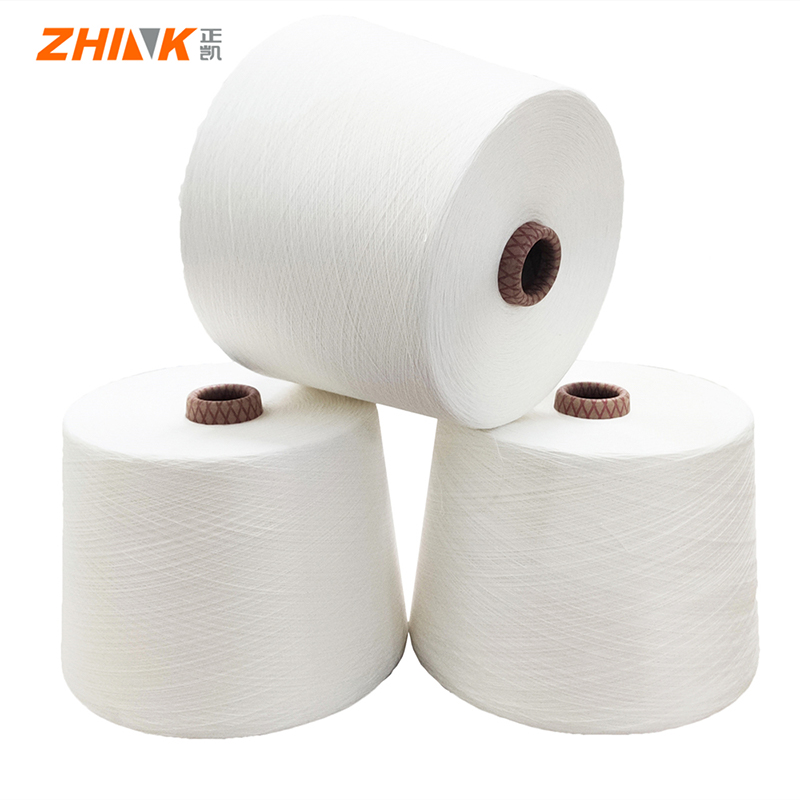
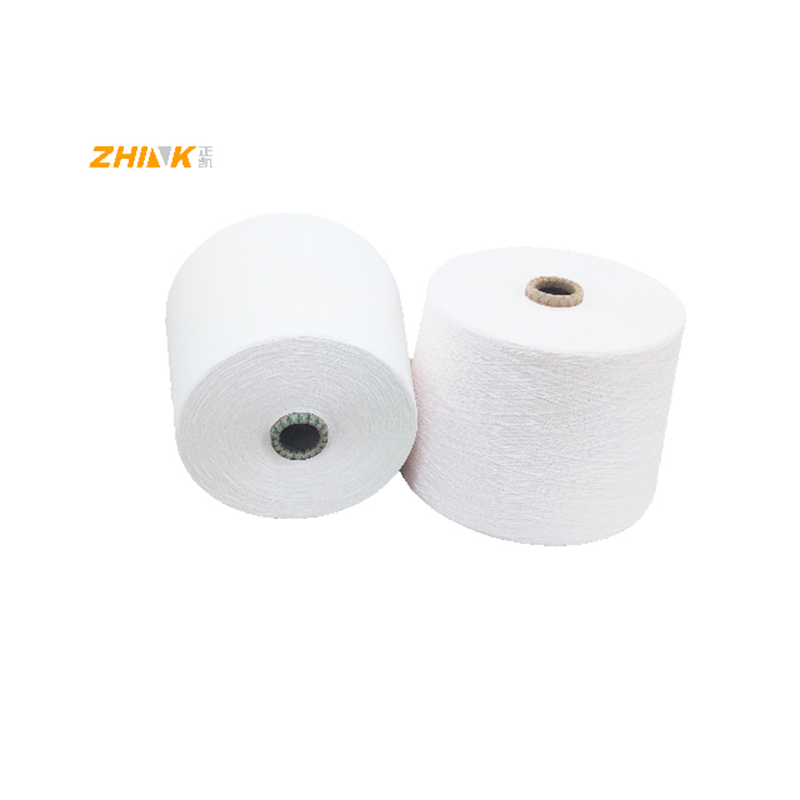
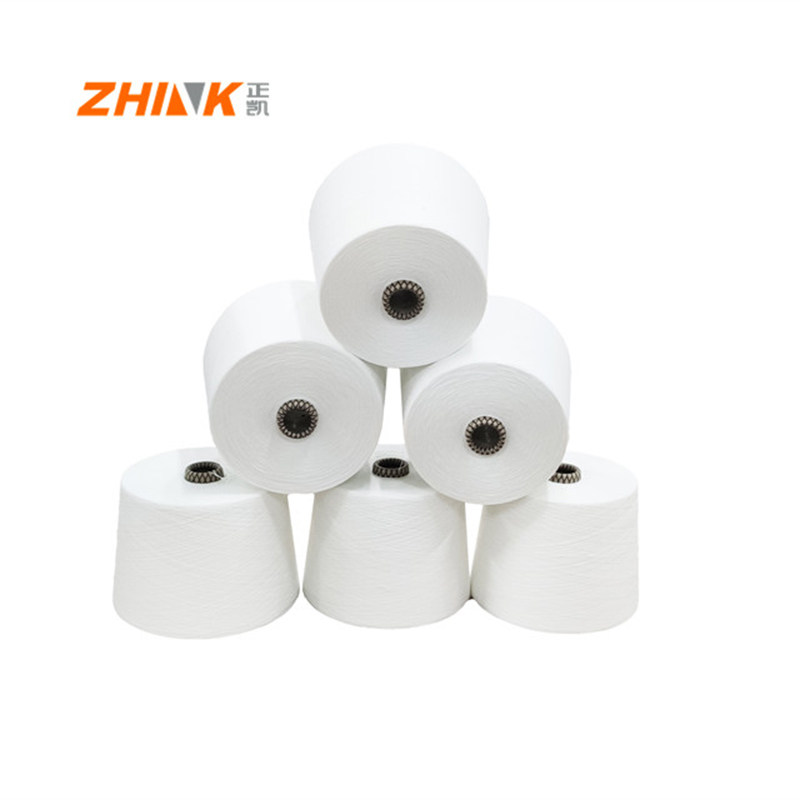
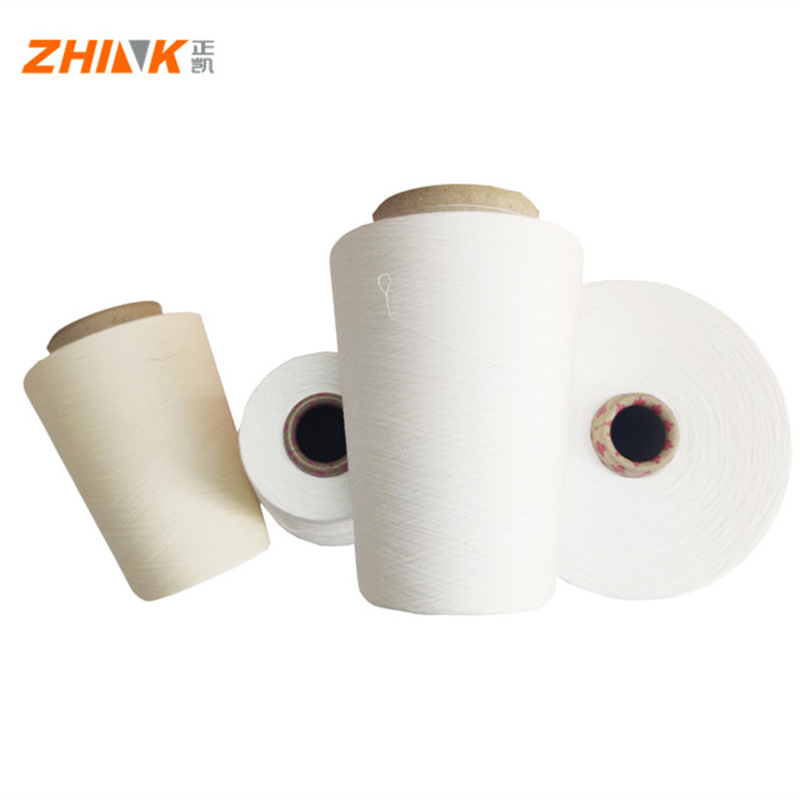
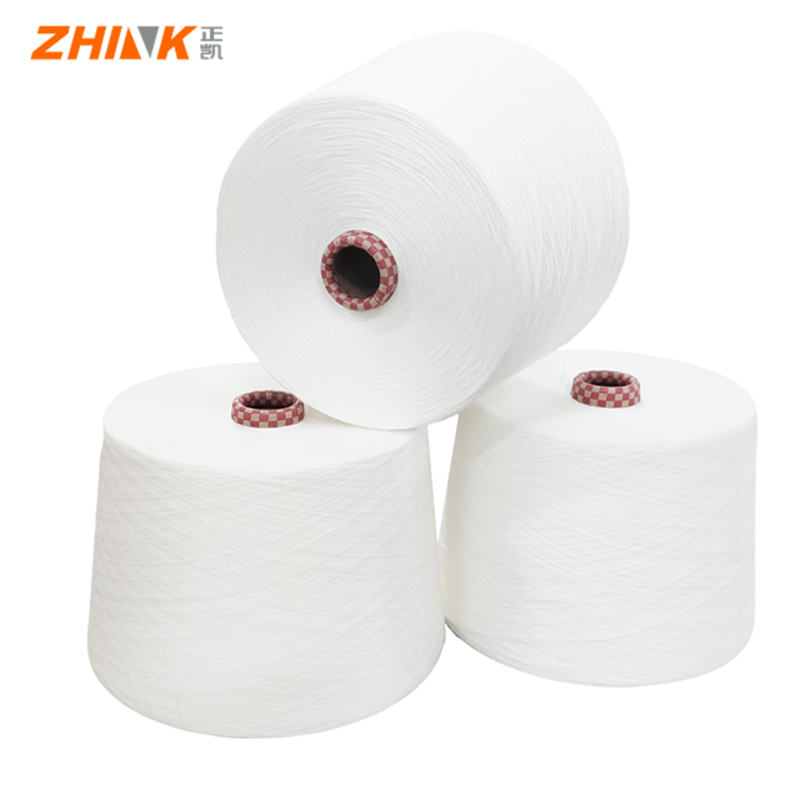
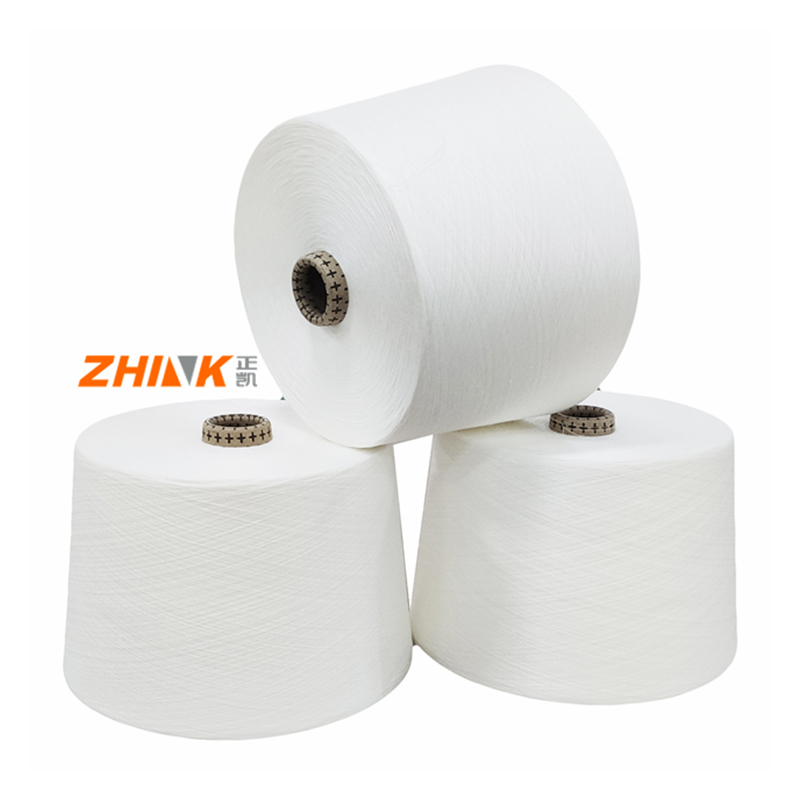
Recycled polyester fiber yarn
Exploring the Potential of Recycled Polyester Fiber Yarn
Recycled polyester fiber yarn is not just a sustainable choice but also a step towards a circular economy. While many think it’s merely a marketing buzzword, the material's versatility and benefits are far-reaching.
Understanding Recycled Polyester Fiber Yarn
At its core, recycled polyester is derived from PET (polyethylene terephthalate) bottles or used polyester garments. This conversion process transforms waste into a valuable resource, reducing landfill dependency and conserving resources. But it’s not just about a feel-good environmental choice.
Having worked in textiles for years, I've seen recycled polyester fiber yarn gradually take on a prominent role. It holds up well in diverse applications from clothing to industrial textiles, matching the performance of its virgin counterpart in many areas.
I recall a project where the challenge was to match the yarn's durability with aesthetic requirements for a high-end client. Initial skepticism turned into enthusiasm once we proved the material's vivacity through prototypes. It was clear: recycled does not mean compromised quality.
The Versatile Applications
Recycled polyester fiber yarn has found its place in numerous applications. Fashion brands today prize it for its blend of sustainability and performance. I've observed how brands have harnessed its capabilities to weave compelling narratives around eco-consciousness without sacrificing style.
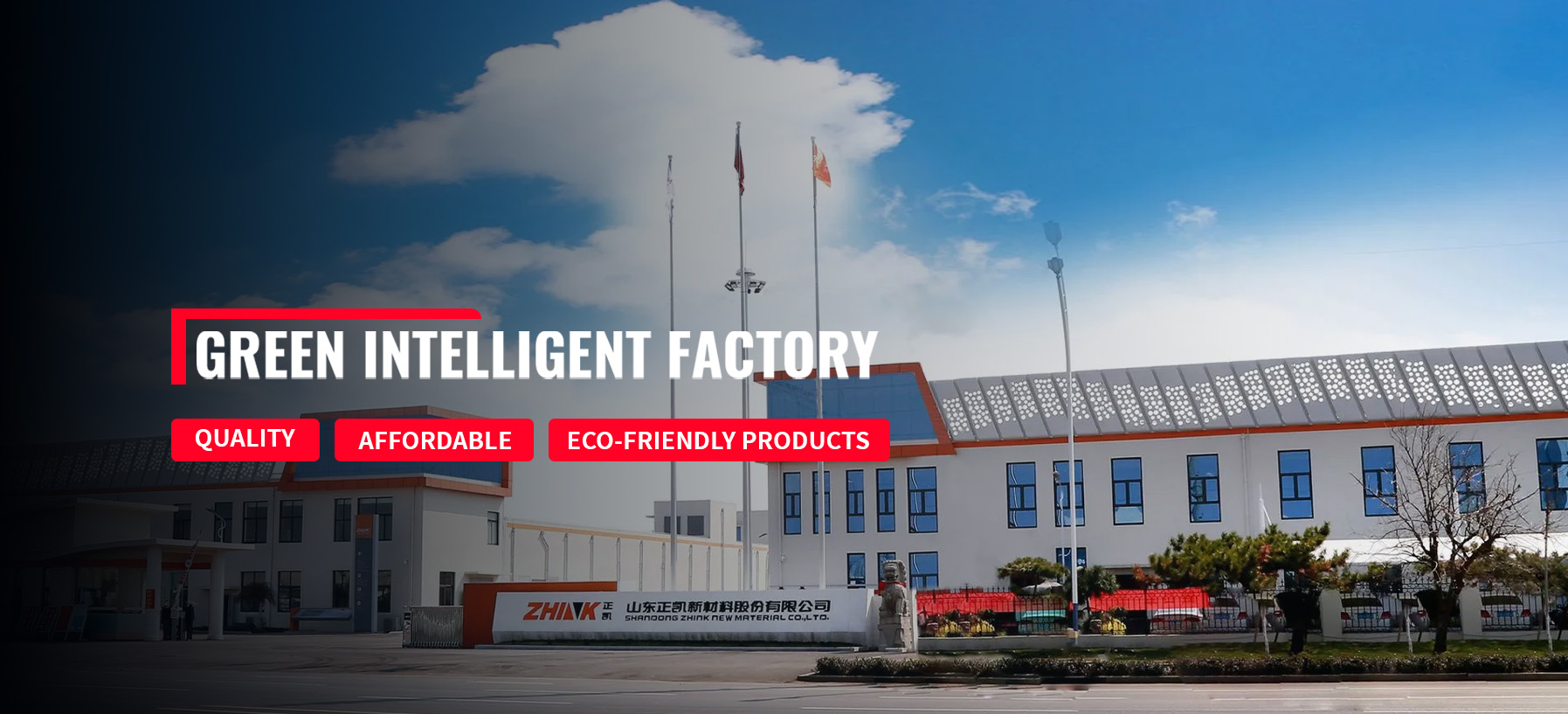
Take SHANDONG ZHINK NEW MATERIAL CO., LTD, for instance—accessible at https://www.zhinkyarn.com. They have set benchmarks in the production of innovative textiles employing recycled fibers. They seamlessly integrate practical functionality with design.
Industrial uses are also expanding. From carpet manufacturing to automotive interiors, the resistance and adaptability of recycled polyester make it a preferred choice. I’ve had discussions with manufacturers who are consistently impressed by the yarn’s mechanical properties and cost-effectiveness.
Overcoming Challenges
Of course, challenges persist. Consistency in quality and color management can be daunting when dealing with recycled inputs. It's something every professional working with this material grapples with. I've personally encountered setbacks due to contamination in recycled inputs.
Yet, the industry is working tirelessly to tackle these issues. Advanced sorting technologies and quality control measures have markedly improved. Speaking with colleagues worldwide, quality inconsistency seems less of a concern now compared to just a few years ago.
Innovations continue to drive the industry forward. At Zhink New Material, a strong emphasis is placed on R&D to enhance product reliability and broaden their application horizon.
Evolving Consumer Perceptions
A big part of working with recycled polyester fiber yarn is educating the market. Consumers often harbor doubts about the material’s origin and longevity. However, once they experience the same comfort and durability, perceptions shift.
Marketing teams I've partnered with are tasked with transparent storytelling that goes beyond just environmental statistics. It’s about sharing real-world impact—turning waste into wearable art. Zhink New Material has effectively adopted this strategy, appealing to both the heart and the mind.
Interestingly, younger demographics are driving demand—not just for recycled polyester but for sustainable innovations as a whole. They’re vocal, well-informed, and expect authenticity, pushing brands to innovate and maintain transparency.
The Road Ahead
Looking to the future, the role of recycled polyester fiber yarn is poised to expand further. As technology evolves and recycling processes become more efficient, we may see further reductions in production costs.
There’s a collective momentum among industry players to innovate and collaborate. Companies like SHANDONG ZHINK NEW MATERIAL CO., LTD are instrumental in setting industry standards, navigating challenges with agility and foresight.
In conclusion, while challenges remain, the potential and promise of recycled polyester fiber yarn are undeniable. It’s clear that its journey is just beginning, and its impact, especially in reducing textile waste, could be transformative.
Related Products
Related Products