+86-632-3621866
- Chinese
- French
- German
- Portuguese
- Spanish
- Russian
- Japanese
- Korean
- Arabic
- Irish
- Greek
- Turkish
- Italian
- Danish
- Romanian
- Indonesian
- Czech
- Afrikaans
- Swedish
- Polish
- Basque
- Catalan
- Esperanto
- Hindi
- Lao
- Albanian
- Amharic
- Armenian
- Azerbaijani
- Belarusian
- Bengali
- Bosnian
- Bulgarian
- Cebuano
- Chichewa
- Corsican
- Croatian
- Dutch
- Estonian
- Filipino
- Finnish
- Frisian
- Galician
- Georgian
- Gujarati
- Haitian
- Hausa
- Hawaiian
- Hebrew
- Hmong
- Hungarian
- Icelandic
- Igbo
- Javanese
- Kannada
- Kazakh
- Khmer
- Kurdish
- Kyrgyz
- Latin
- Latvian
- Lithuanian
- Luxembou..
- Macedonian
- Malagasy
- Malay
- Malayalam
- Maltese
- Maori
- Marathi
- Mongolian
- Burmese
- Nepali
- Norwegian
- Pashto
- Persian
- Punjabi
- Serbian
- Sesotho
- Sinhala
- Slovak
- Slovenian
- Somali
- Samoan
- Scots Gaelic
- Shona
- Sindhi
- Sundanese
- Swahili
- Tajik
- Tamil
- Telugu
- Thai
- Ukrainian
- Urdu
- Uzbek
- Vietnamese
- Welsh
- Xhosa
- Yiddish
- Yoruba
- Zulu
- Kinyarwanda
- Tatar
- Oriya
- Turkmen
- Uyghur


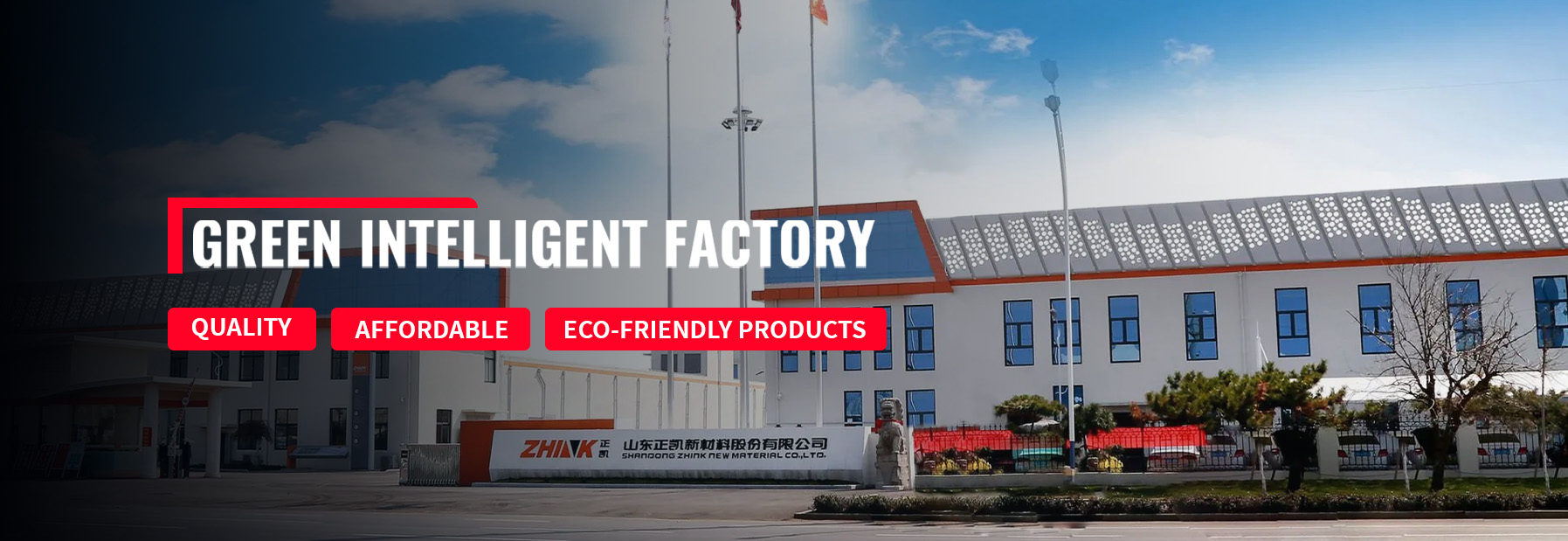
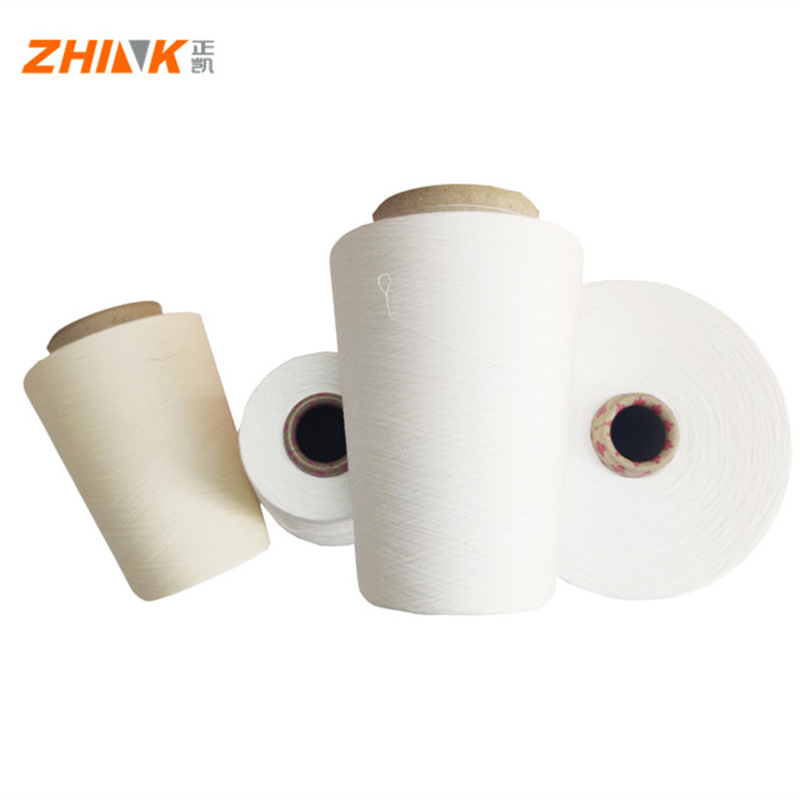
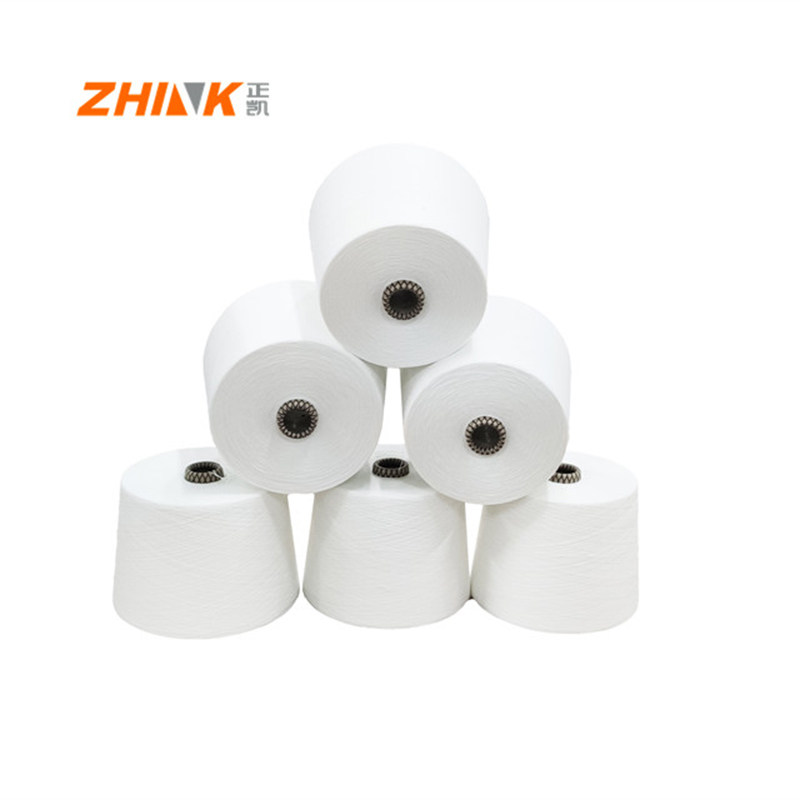
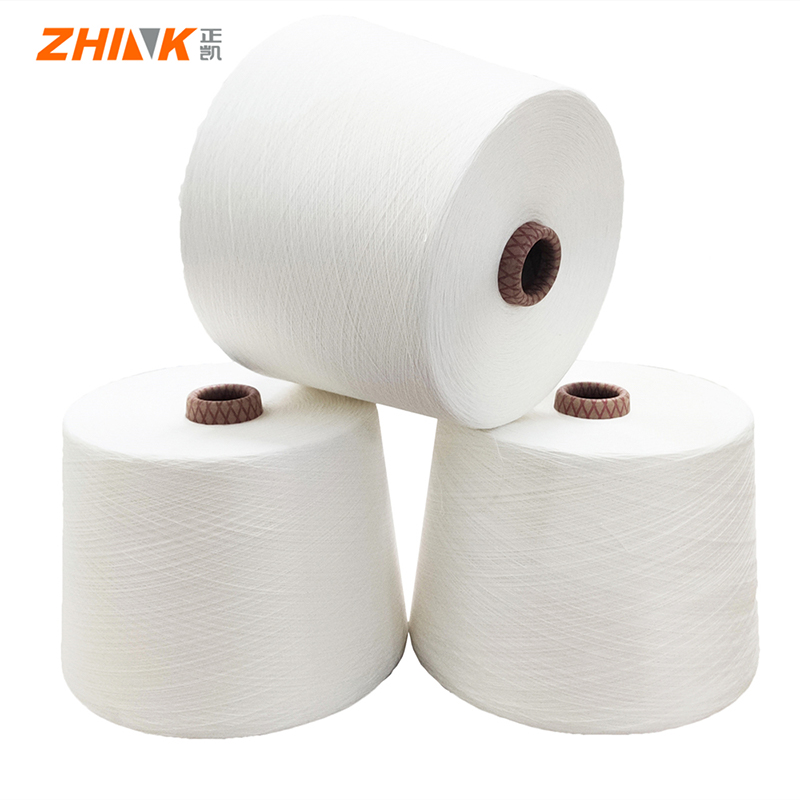
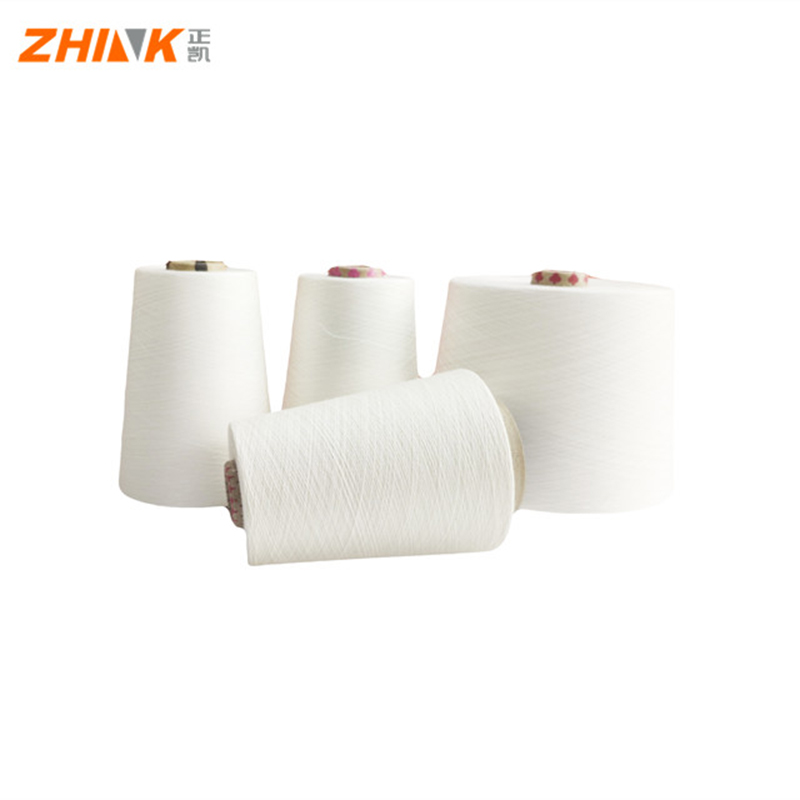
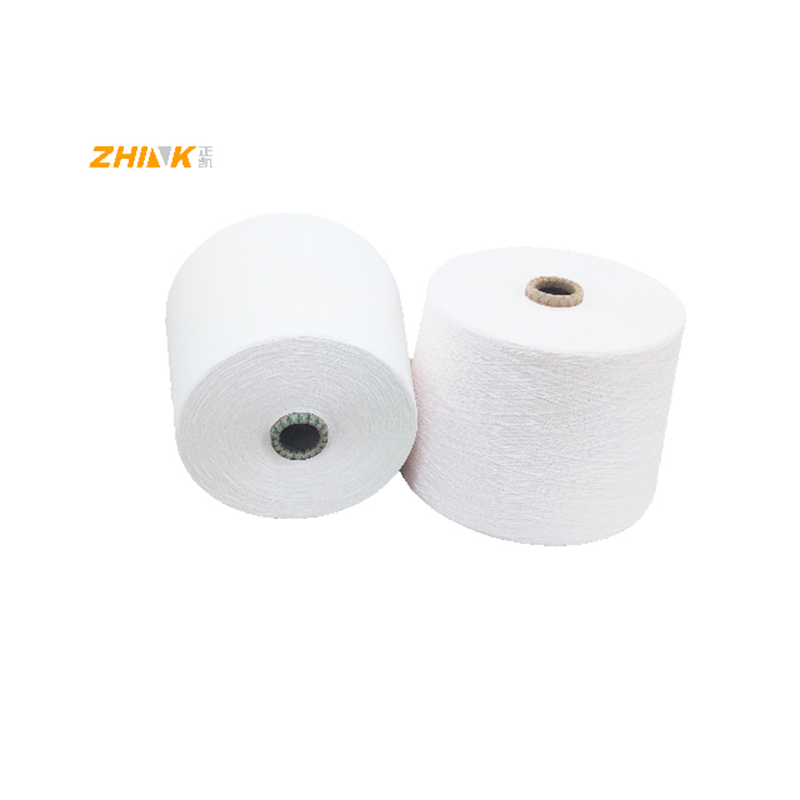
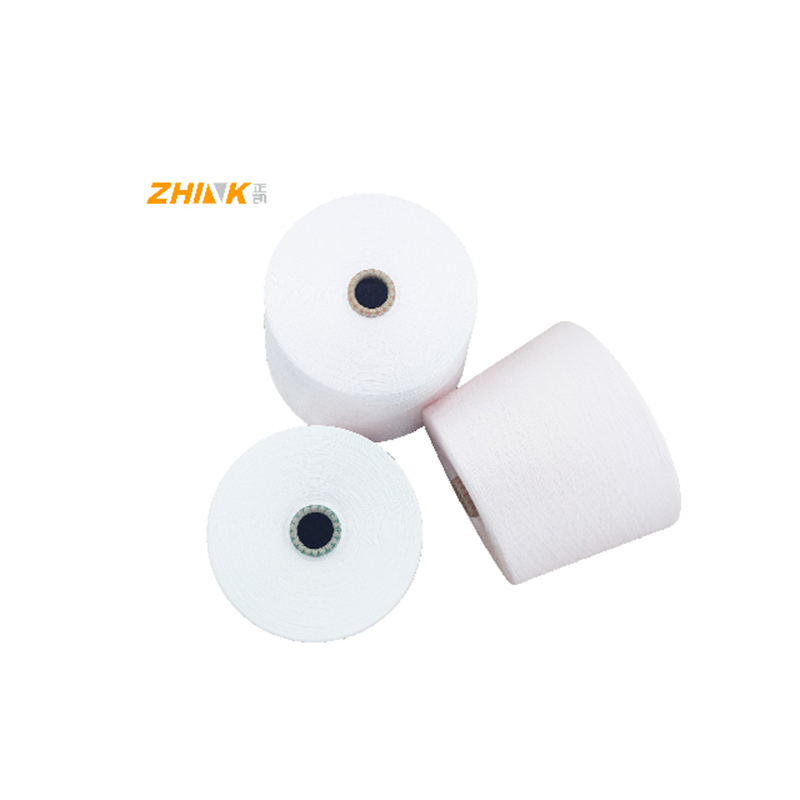
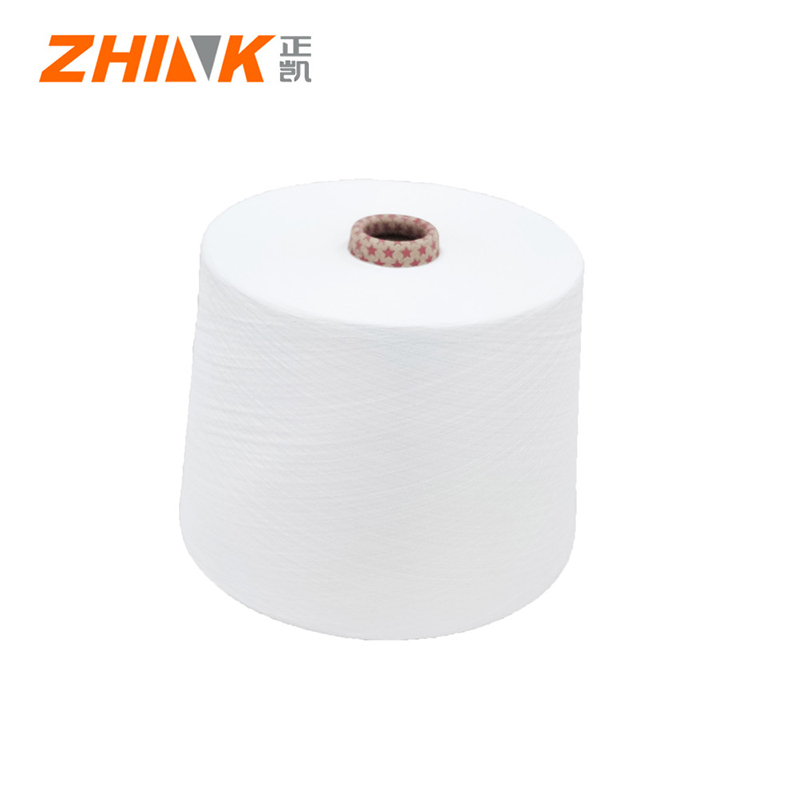
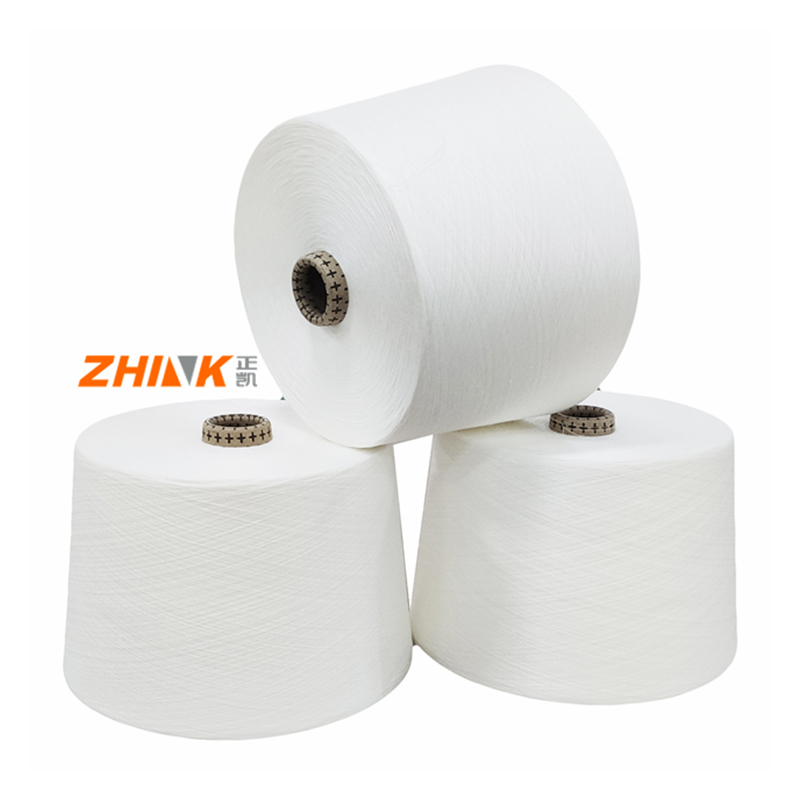
Recycled polyester/Modal 65/35 yarn
Exploring the World of Recycled Polyester/Modal 65/35 Yarn
In the evolving landscape of sustainable textiles, the combination of recycled polyester and modal in a 65/35 yarn blend is gaining traction. However, working with this innovative material raises several practical considerations that are often overlooked. Are the environmental benefits as robust as they appear, and how do these fibers perform together in real-world applications?
Understanding the Blend: Recycled Polyester and Modal
To start, let's delve into why combining recycled polyester with modal makes sense. Recycled polyester is celebrated for its sustainability credentials, primarily due to its origin from post-consumer waste like plastic bottles. Meanwhile, modal—a type of rayon—is favored for its softness and biodegradability. Together, they offer a promising textile solution. But, there's more to this duo than meets the eye, especially when used in a 65/35 ratio.
This blend benefits from recycled polyester's durability and modal's comfort. However, sourcing quality recycled materials that meet industry standards can be challenging, as consistency is key. I've encountered batches where the recycled polyester was surprisingly inconsistent, affecting the yarn's overall quality. It was a learning curve that stressed the importance of reliable suppliers.
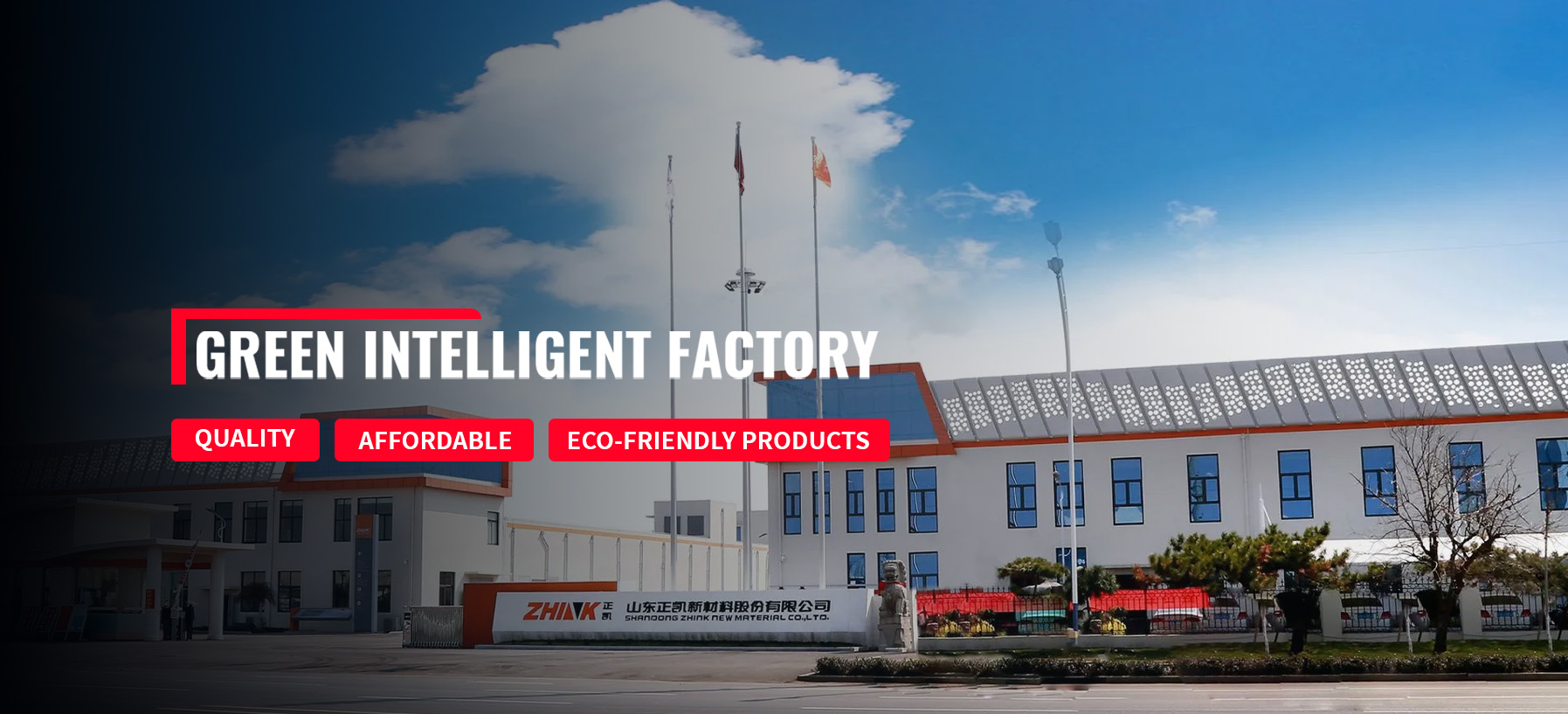
Several clients we've worked with at SHANDONG ZHINK NEW MATERIAL CO., LTD, accessible via our website, have experienced the ups and downs of integrating such materials into everyday products. The feedback consistently circles back to wearability and touch—a critical factor when contemplating a wide adoption of this blend.
Application Insights: Where This Yarn Excels
From an operational standpoint, a question we often face is where this yarn truly shines. The sartorial quality coupled with reduced environmental footprints gives it versatility in both fashion and interior textiles. Yet, it's not always smooth sailing. It's vital to examine production processes carefully.
For instance, when we first introduced this blend, some machinery needed recalibration. Modal, known for its fineness, posed challenges during the spinning process when combined with recycled fibers. Alterations were imperative to maintain efficiency and reduce fabric pilling—a reality check in the otherwise optimistic push for green materials.
We've seen success in areas like activewear, where the demand for sustainable, breathable materials aligns well with the textile's properties. Our experience revealed that fabrics engineered from this blend perform admirably, balancing between strength and softness, an appealing proposition for eco-conscious consumers.
The Challenge of Consistency and Quality Control
Diving deeper, consistency remains a thorny issue. Each recycling batch can vary significantly. This is where a company's infrastructure and expertise in handling variations come into play. Our team at Zhink New Material has iteratively improved our sorting and testing processes, an integral part of ensuring product quality doesn't suffer.
Quality control demands rigorous testing - tensile strength, color consistency, and hand feel are non-negotiables we continuously monitor. Hiccups in these areas are not uncommon, and solving them requires an agile approach. Innovations in pre-consumer waste recycling have partially alleviated such concerns by providing more consistent feedstock.
Ultimately, achieving consistency involves a learning curve, and every hiccup becomes a teachable moment. While recycled content presents hurdles, overcoming them can lead to ingenious problem-solving that transforms challenges into competitive advantages.
Market Demand and Consumer Perceptions
On the market front, there is no doubt that consumer interest in sustainable options is rising. Yet, the challenge lies in educating the market about the trade-offs and the innovation behind these blends. Many expect the blend to act like virgin polyester or pure modal, often discounting the intricacies involved in crafting recycled yarns.
Our marketing team at Zhink New Material has crafted narratives that resonate with consumers, focusing on the environmental narrative without overshadowing the practical advantages. We've found storytelling to be a fantastic bridge between technical specifications and consumer expectations, highlighting the tangible benefits while acknowledging existing limitations.
Interestingly, as consumer education progresses, feedback indicates a willingness to accept small compromises in favor of environmental Impact—an encouraging sign for the future of sustainable textiles.
The Future: Innovation and Adaptation
Looking ahead, I believe innovation will continue to drive improvements in recycled polyester/modal blends. As industry demands evolve, so will the methods we use to produce these materials. Our focus at Zhink has increasingly been on exploring enhanced blending techniques and new finishing processes that further minimize environmental impact without sacrificing quality.
Cross-industry collaborations and technology advancements will likely play major roles here. For instance, efforts to improve polymer recycling technologies hold promise for boosting recycled polyester's quality and performance. Likewise, bio-based finishes could augment the inherent benefits of modal.
There's plenty of ground to cover in blending technology, and each small victory amplifies a broader shift towards truly sustainable fabrics. While challenges remain, the progress made in the recycled polyester/modal sector is hopeful—a testament to human ingenuity and commitment to a greener planet.
Related Products
Related Products