+86-632-3621866
- Chinese
- French
- German
- Portuguese
- Spanish
- Russian
- Japanese
- Korean
- Arabic
- Irish
- Greek
- Turkish
- Italian
- Danish
- Romanian
- Indonesian
- Czech
- Afrikaans
- Swedish
- Polish
- Basque
- Catalan
- Esperanto
- Hindi
- Lao
- Albanian
- Amharic
- Armenian
- Azerbaijani
- Belarusian
- Bengali
- Bosnian
- Bulgarian
- Cebuano
- Chichewa
- Corsican
- Croatian
- Dutch
- Estonian
- Filipino
- Finnish
- Frisian
- Galician
- Georgian
- Gujarati
- Haitian
- Hausa
- Hawaiian
- Hebrew
- Hmong
- Hungarian
- Icelandic
- Igbo
- Javanese
- Kannada
- Kazakh
- Khmer
- Kurdish
- Kyrgyz
- Latin
- Latvian
- Lithuanian
- Luxembou..
- Macedonian
- Malagasy
- Malay
- Malayalam
- Maltese
- Maori
- Marathi
- Mongolian
- Burmese
- Nepali
- Norwegian
- Pashto
- Persian
- Punjabi
- Serbian
- Sesotho
- Sinhala
- Slovak
- Slovenian
- Somali
- Samoan
- Scots Gaelic
- Shona
- Sindhi
- Sundanese
- Swahili
- Tajik
- Tamil
- Telugu
- Thai
- Ukrainian
- Urdu
- Uzbek
- Vietnamese
- Welsh
- Xhosa
- Yiddish
- Yoruba
- Zulu
- Kinyarwanda
- Tatar
- Oriya
- Turkmen
- Uyghur


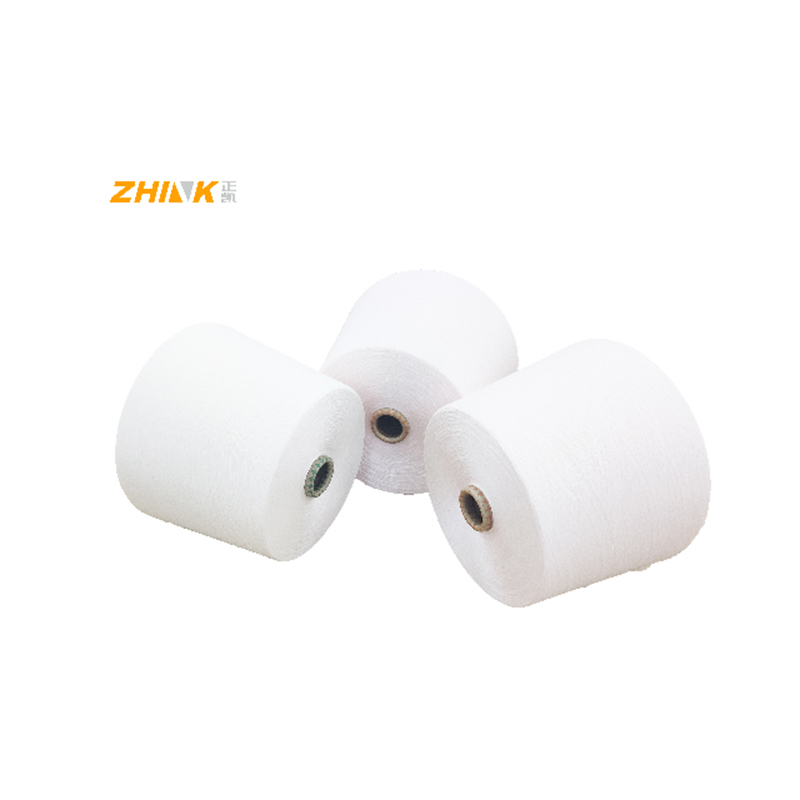
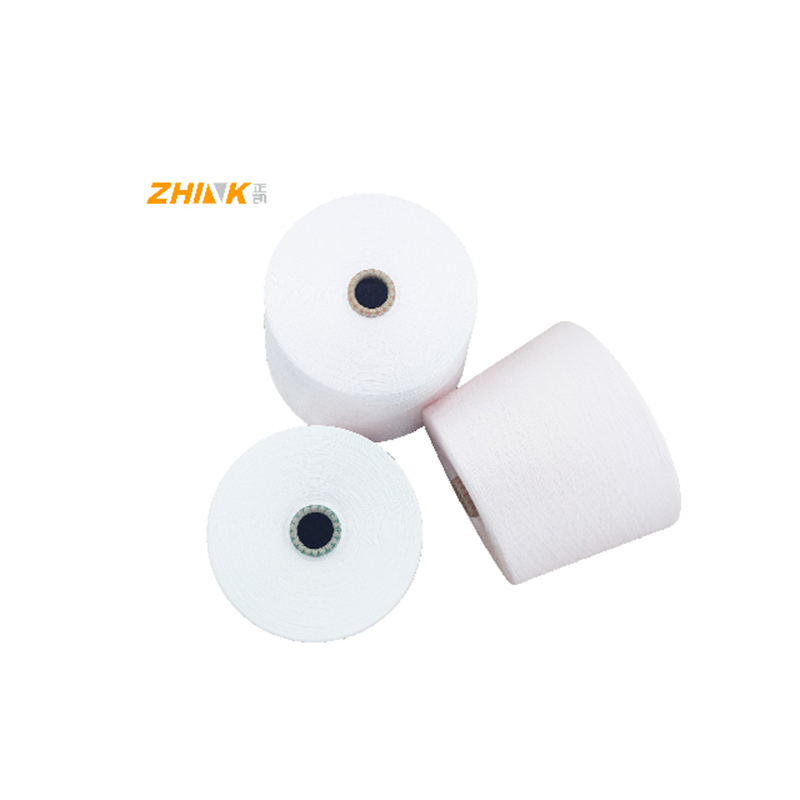
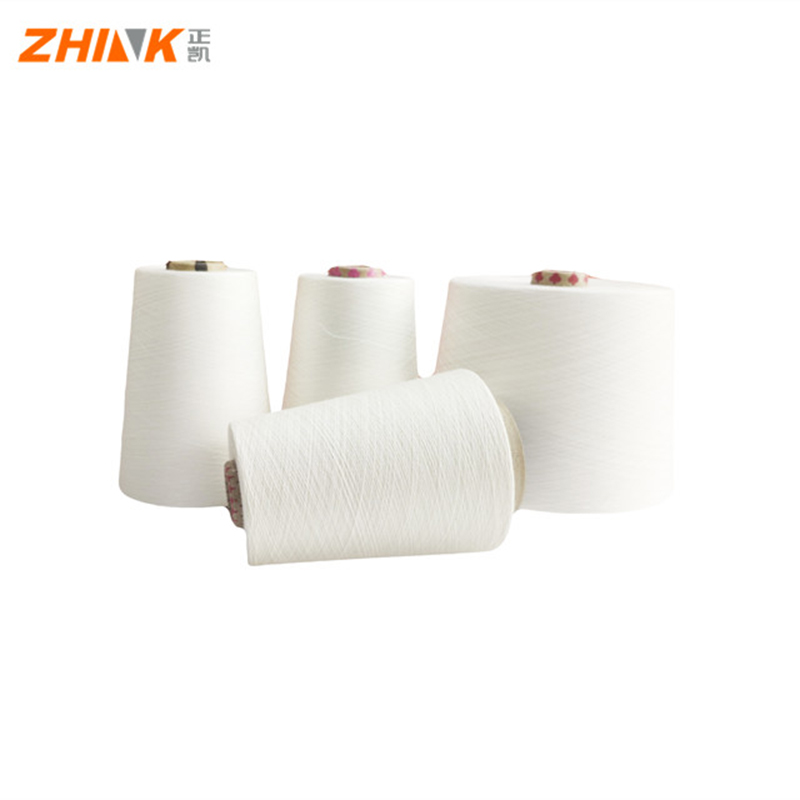
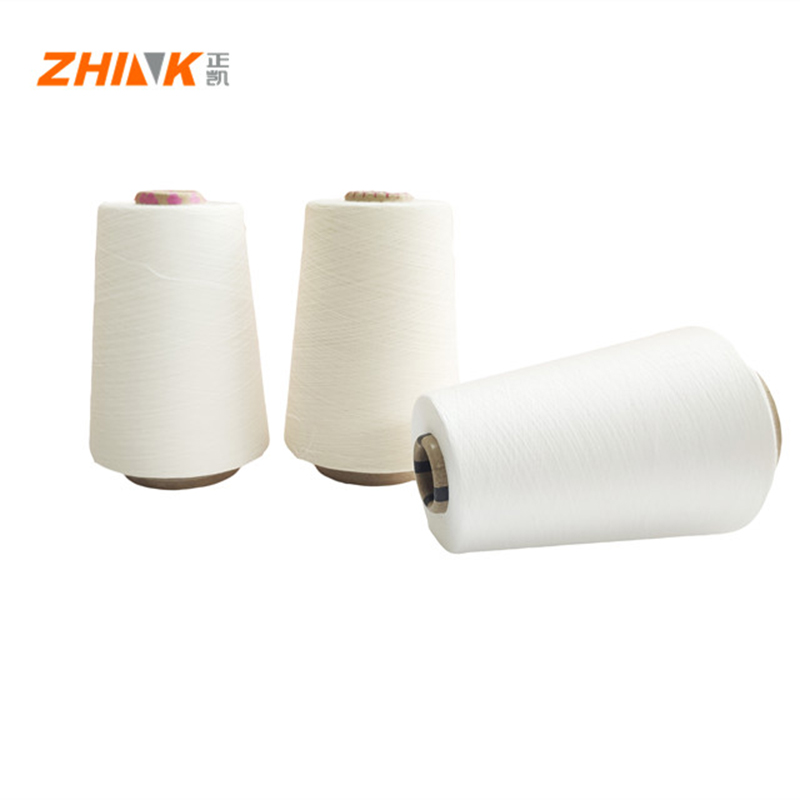
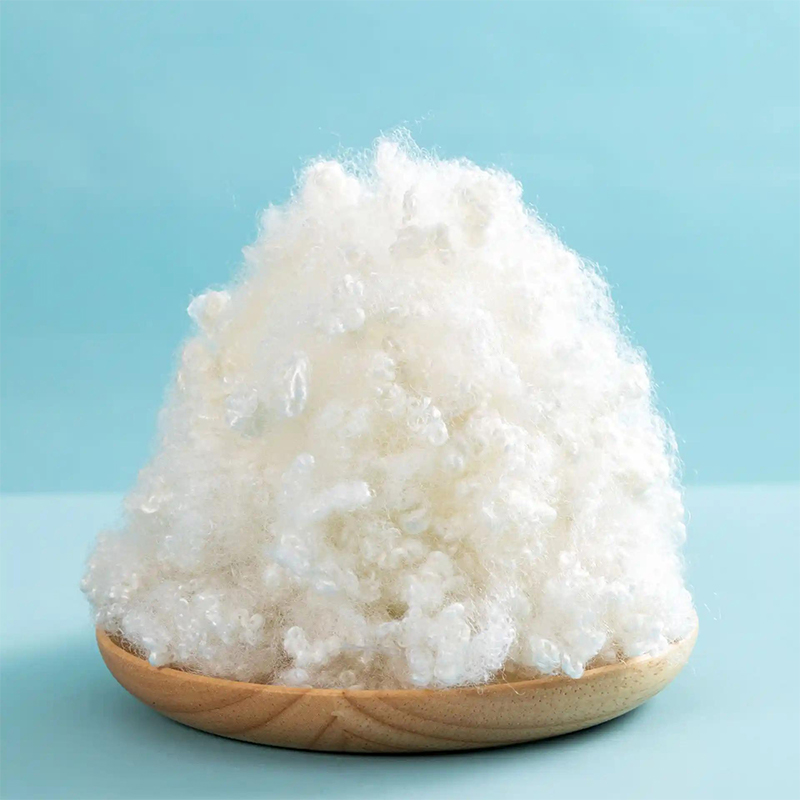
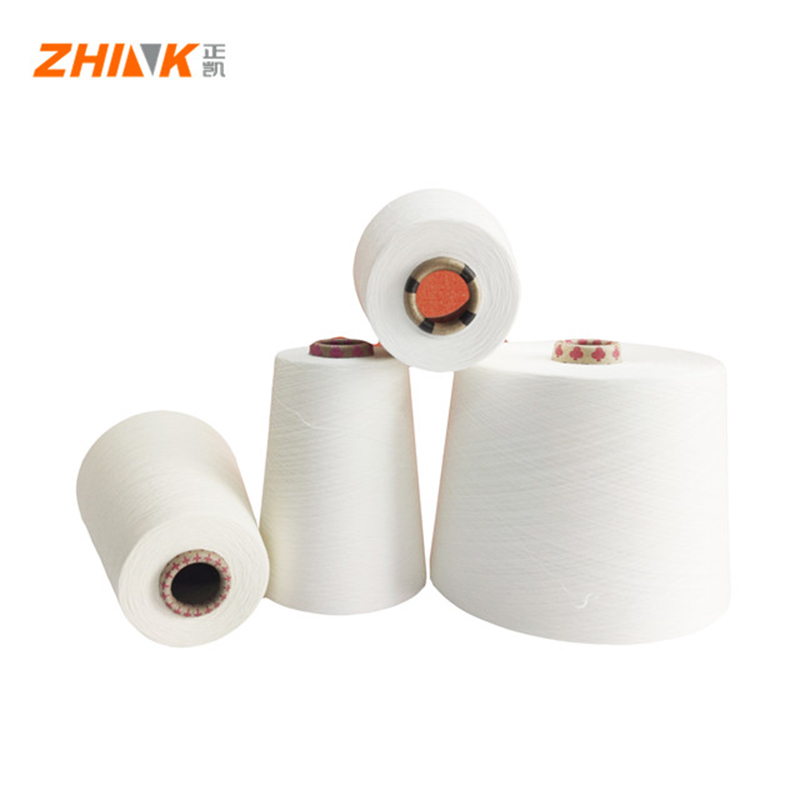
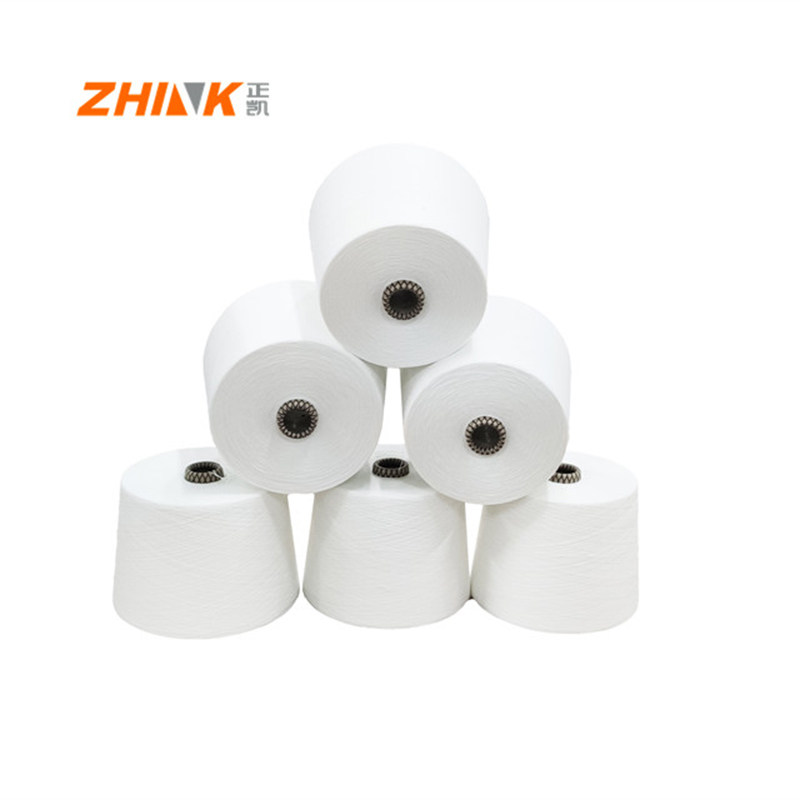
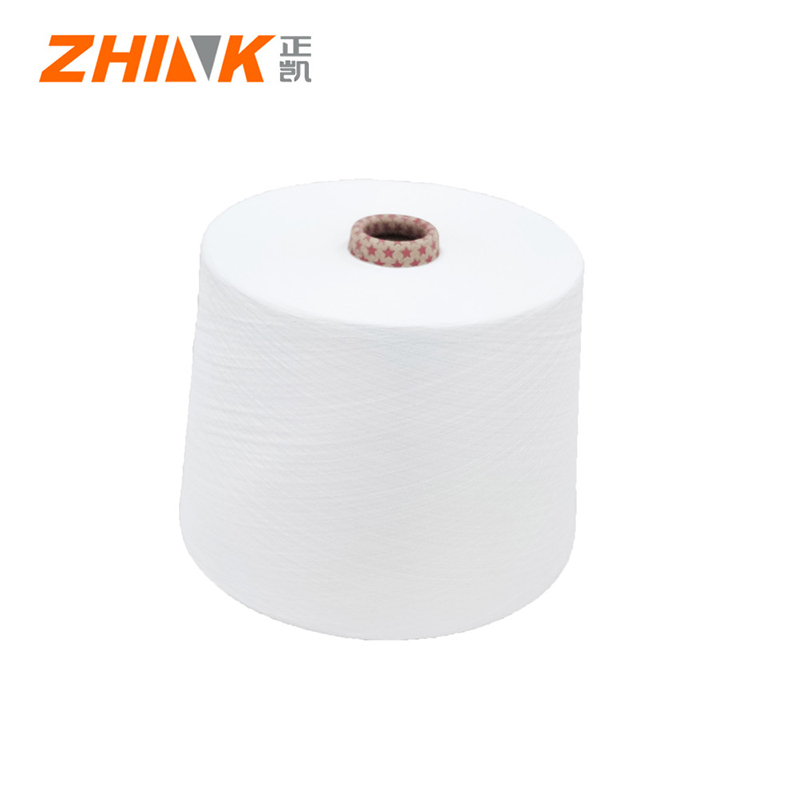
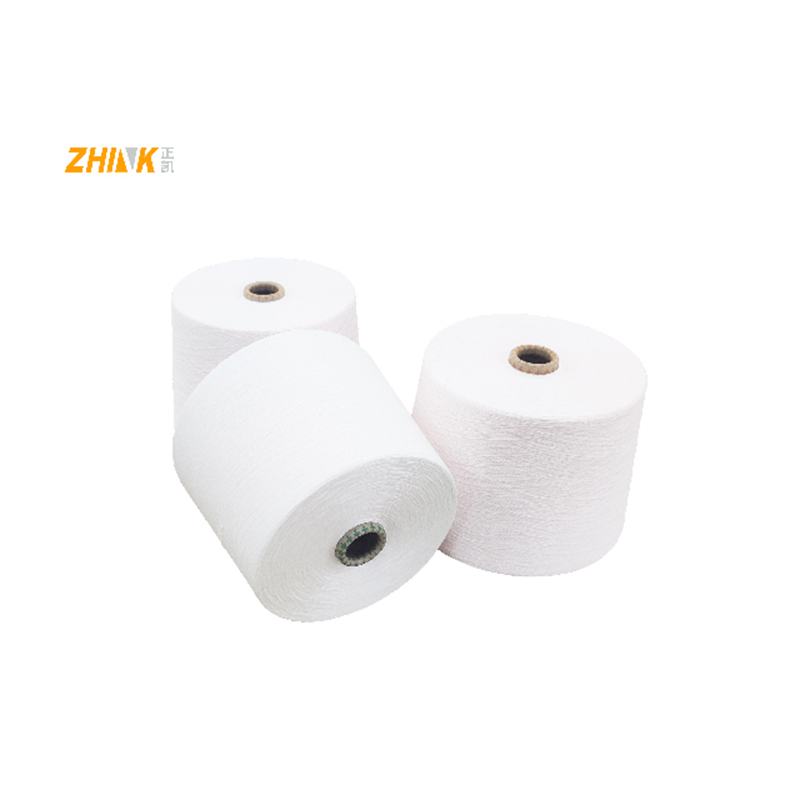
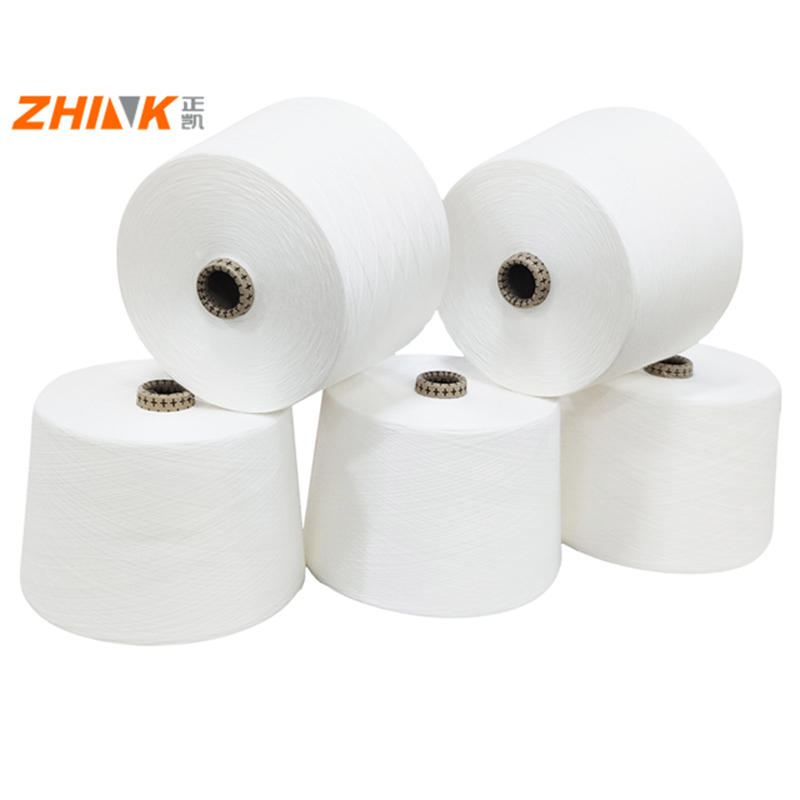
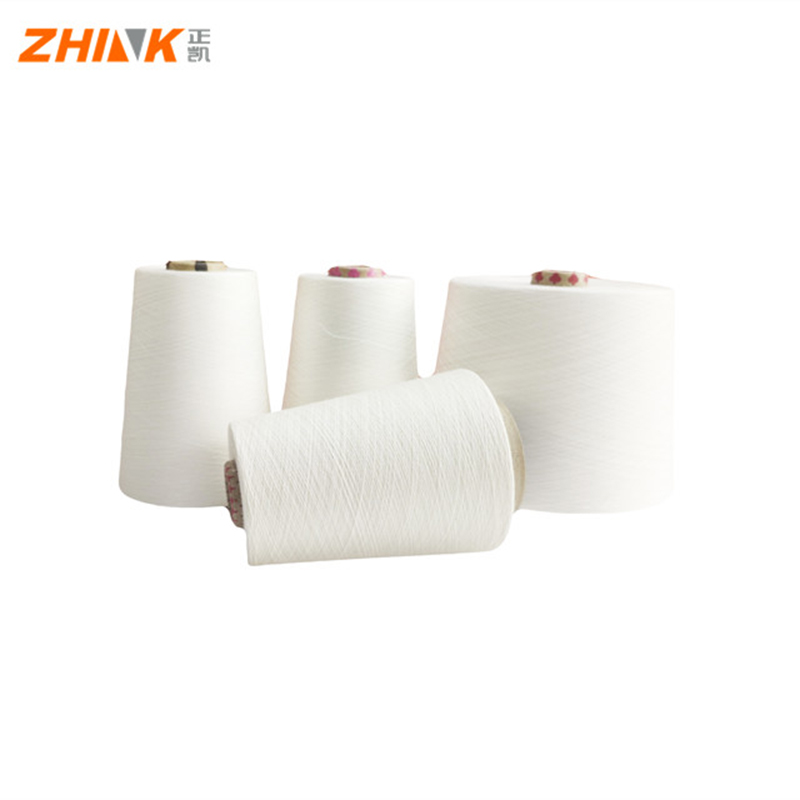
Recycled polyester/Modal 70/30 yarn
The Inside Story on Recycled Polyester/Modal 70/30 Yarn
The textile industry has been abuzz lately with the unique blend of recycled polyester/modal 70/30 yarn. Let's dissect this intriguing combination—often overlooked, but profoundly impactful. There's a lot that goes into selecting the right yarn blend for textiles, from sustainability concerns to performance metrics, and this blend edges its way into the spotlight for good reasons. But is it all roses?
The Balance of Sustainability and Functionality
Originally, my curiosity about the recycled polyester/modal 70/30 yarn stemmed from a simple idea: how do we marry sustainability with functionality? The recycled polyester portion suggests an eco-friendly approach, crucial for industries committed to reducing environmental footprints. Yet, the addition of modal, a type of rayon made from beech trees, adds a level of softness and breathability that could make or break a garment's appeal in everyday use.
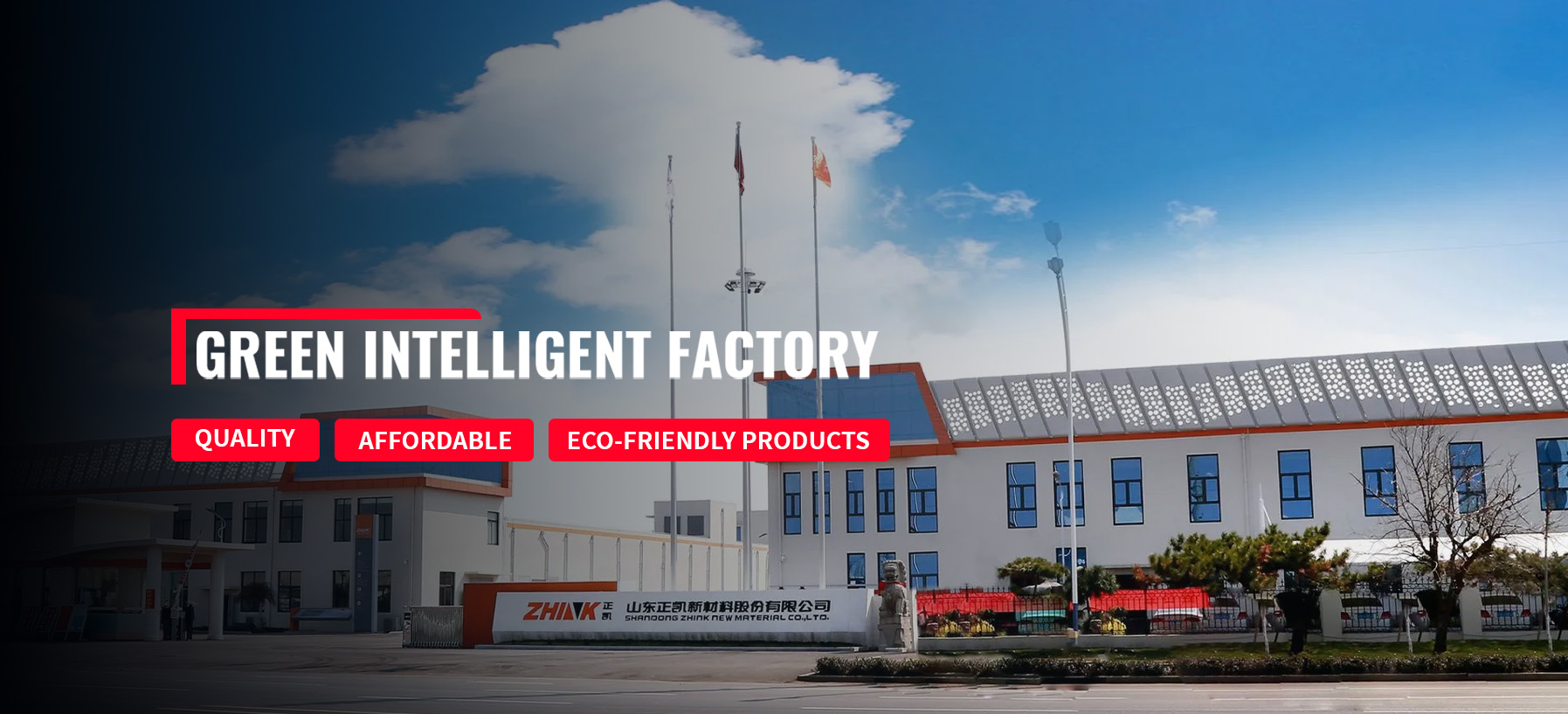
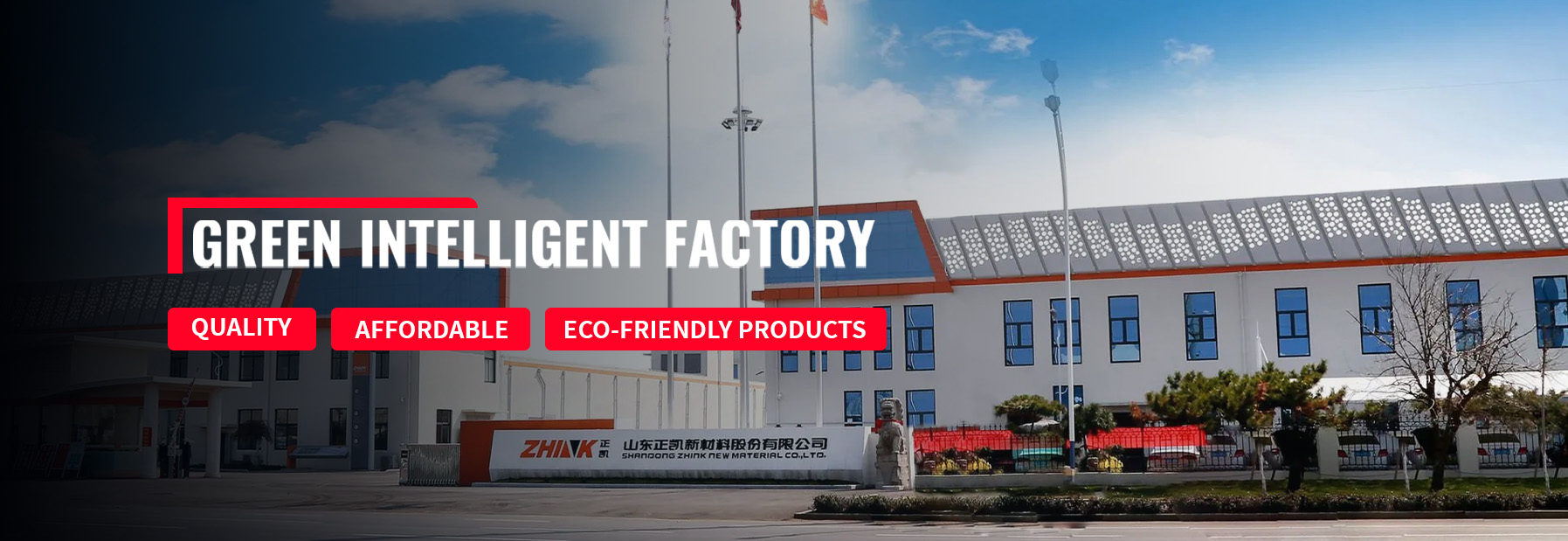
When I first got my hands on samples from SHANDONG ZHINK NEW MATERIAL CO., LTD, it was apparent that this wasn't just another blend. Zhink has been vocal about pushing the boundaries in textile innovations, as seen on their website [zhinkyarn.com](https://www.zhinkyarn.com). But the true test was how this yarn would perform in different applications—from sportswear to casual clothing.
What struck me was how well the blend handled moisture. The polyester provided durability and shape retention, while modal enhanced the fabric's moisture absorption properties, perfect for activewear. However, was I completely sold? Not just yet.
Real-World Testing: Insights and Challenges
Through various testing scenarios, I found myself both impressed and slightly skeptical. While this blend excelled in creating a soft, luxurious feel, it wasn't without potential drawbacks. Colorfastness became a focal point during the tests—would it hold up after multiple washes? In many controlled tests, the results were promising, yet real-life applications often paint a different picture.
The concerns weren't just theoretical. From discussions with fellow professionals, there were instances of slight pilling over extended periods of wear, particularly where friction was constant. This issue, while not unique to this yarn, raised questions about longevity and garment care in consumer realities.
Despite these challenges, the blend remains a promising option for those prioritizing eco-conscious choices without sacrificing fabric integrity. At the very least, it opens a dialogue on balancing these varied demands.
Practical Applications: Where This Yarn Shines
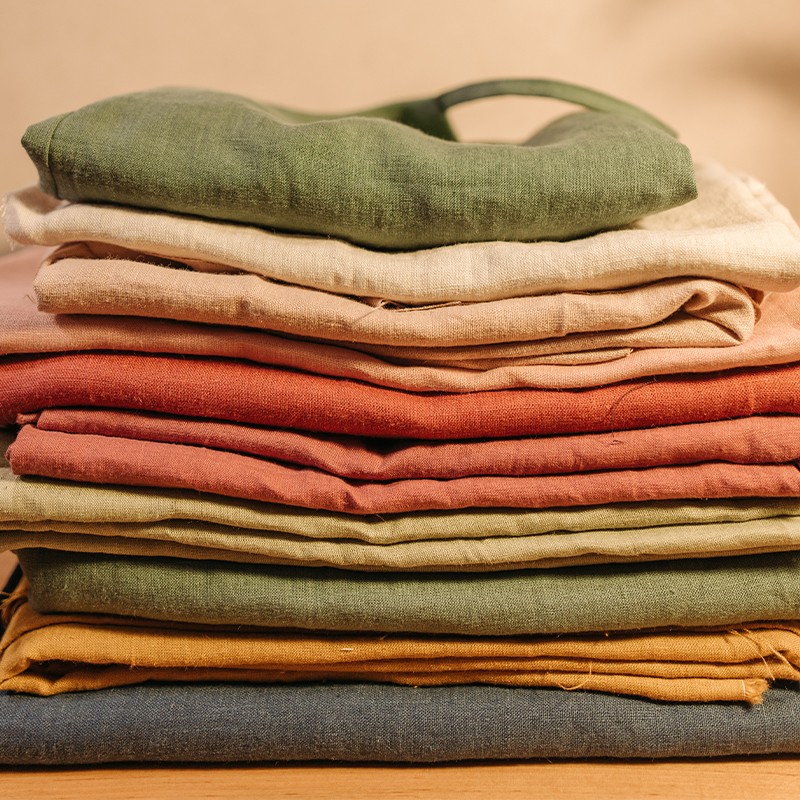
Beyond sporting apparel, this blend found unexpected interest in casual wear lines. It doesn't aim to replicate a high-fashion textile—its charm lies in practicality. There's a significant market for easy-care, comfortable clothing that maintains its shape while offering an improved ecological footprint.
Several brands have reported positive outcomes in consumer feedback, particularly appreciating the reduced environmental impact without compromising on comfort. Another application is in bedding; the softness of modal, combined with the robustness of recycled polyester, creates products that offer both coziness and durability.
This versatility is underscored by Zhink's ongoing commitment to innovative research and development, contributing to the diversification of material application areas. Their expertise in new textile materials places Zhink at the cutting edge of industry advancements, continuously refining their product offerings.
Industry Implications and the Path Forward
The introduction of recycled polyester/modal 70/30 yarn into the market aligns with growing consumer awareness and demand for sustainable products. This doesn't only influence textile manufacturing practices but also sets a precedent for competitive industries to innovate comprehensively.
Yet, this pioneering pathway is not without its hurdles. Balancing cost efficiency with quality and environmental considerations remains a tightrope walk. Many companies are exploring how materials like this can be integrated into existing production cycles without significant disruptions or costs.
Continuous experimentation and collaboration with companies like SHANDONG ZHINK NEW MATERIAL CO., LTD pave the way for broader acceptance and application. As the industry moves forward, the emphasis on sustainable innovation is reshaping traditional perspectives on textile manufacturing.
Concluding Thoughts: Why It Matters
The blend of recycled polyester/modal 70/30 yarn is more than just a combination of fibers—it's a testament to the need for evolution within the textile industry. While challenges remain, its capacity to merge ecological responsibility with consumer demands for quality cannot be overstated.
In a constantly evolving market, staying informed and adaptable is key. Companies like SHANDONG ZHINK NEW MATERIAL CO., LTD lead the charge, driving both product innovation and sustainable practices. Whether you're designing, manufacturing, or purchasing, understanding the implications and potential of this blend can offer a competitive edge with a conscientious twist.
Ultimately, it's this balance of sustainability, practicality, and innovation that could redefine what's possible in textile production. Future-forward, indeed.
Related Products
Related Products