+86-632-3621866
- Chinese
- French
- German
- Portuguese
- Spanish
- Russian
- Japanese
- Korean
- Arabic
- Irish
- Greek
- Turkish
- Italian
- Danish
- Romanian
- Indonesian
- Czech
- Afrikaans
- Swedish
- Polish
- Basque
- Catalan
- Esperanto
- Hindi
- Lao
- Albanian
- Amharic
- Armenian
- Azerbaijani
- Belarusian
- Bengali
- Bosnian
- Bulgarian
- Cebuano
- Chichewa
- Corsican
- Croatian
- Dutch
- Estonian
- Filipino
- Finnish
- Frisian
- Galician
- Georgian
- Gujarati
- Haitian
- Hausa
- Hawaiian
- Hebrew
- Hmong
- Hungarian
- Icelandic
- Igbo
- Javanese
- Kannada
- Kazakh
- Khmer
- Kurdish
- Kyrgyz
- Latin
- Latvian
- Lithuanian
- Luxembou..
- Macedonian
- Malagasy
- Malay
- Malayalam
- Maltese
- Maori
- Marathi
- Mongolian
- Burmese
- Nepali
- Norwegian
- Pashto
- Persian
- Punjabi
- Serbian
- Sesotho
- Sinhala
- Slovak
- Slovenian
- Somali
- Samoan
- Scots Gaelic
- Shona
- Sindhi
- Sundanese
- Swahili
- Tajik
- Tamil
- Telugu
- Thai
- Ukrainian
- Urdu
- Uzbek
- Vietnamese
- Welsh
- Xhosa
- Yiddish
- Yoruba
- Zulu
- Kinyarwanda
- Tatar
- Oriya
- Turkmen
- Uyghur



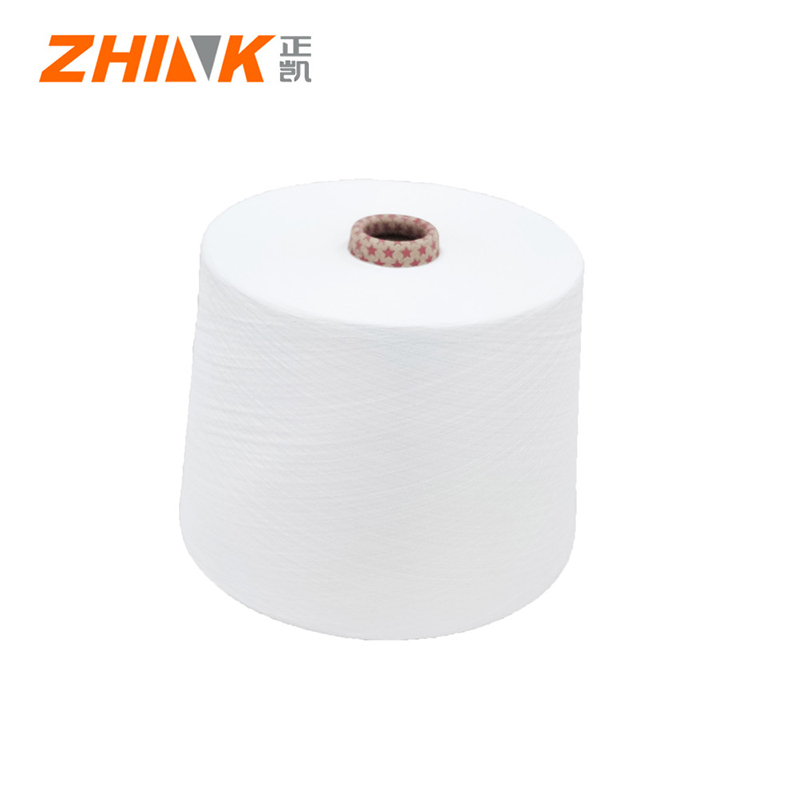
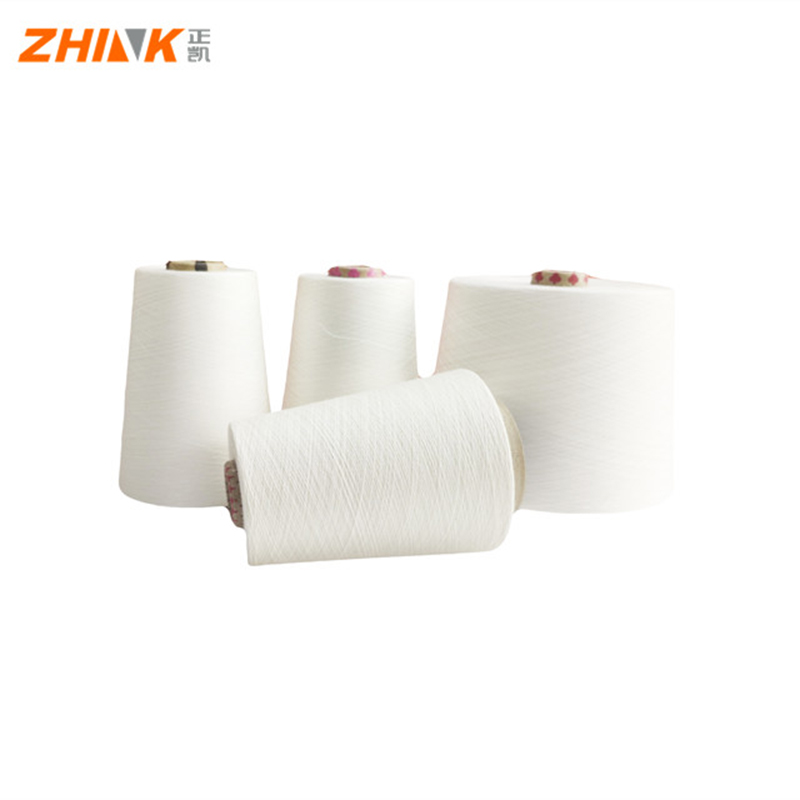
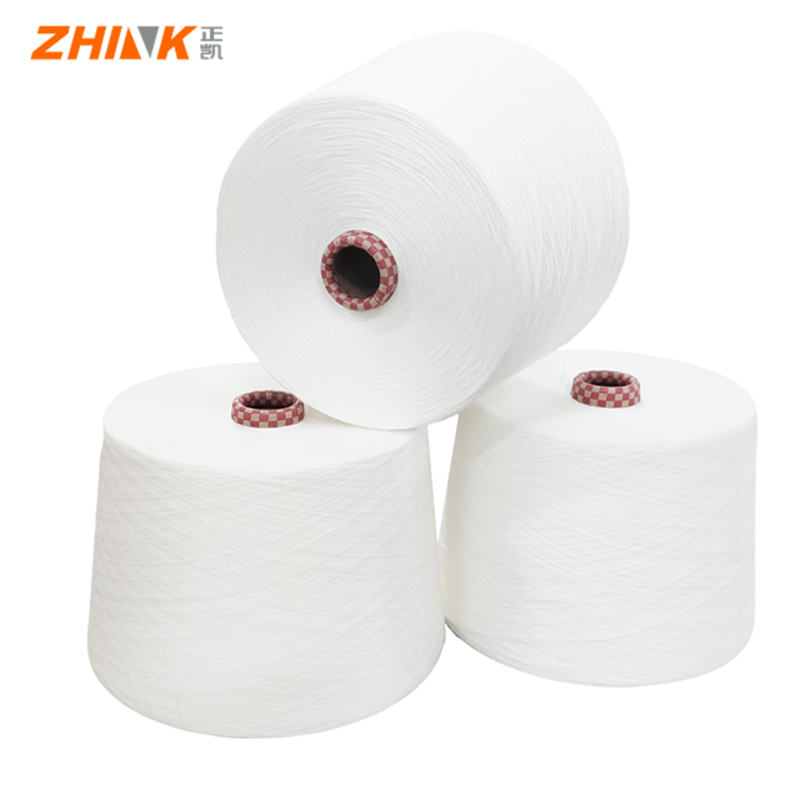
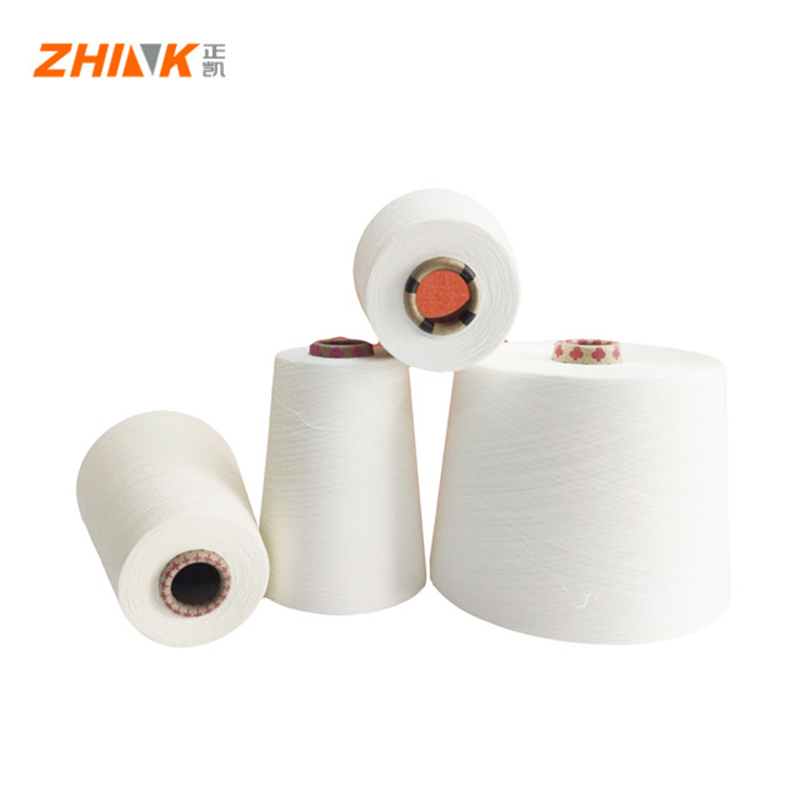
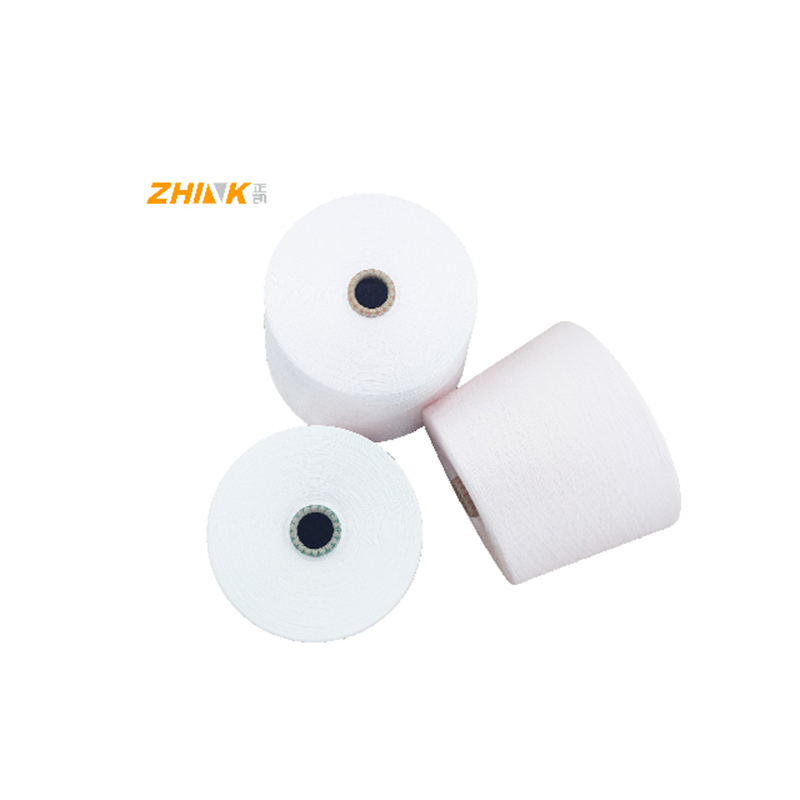
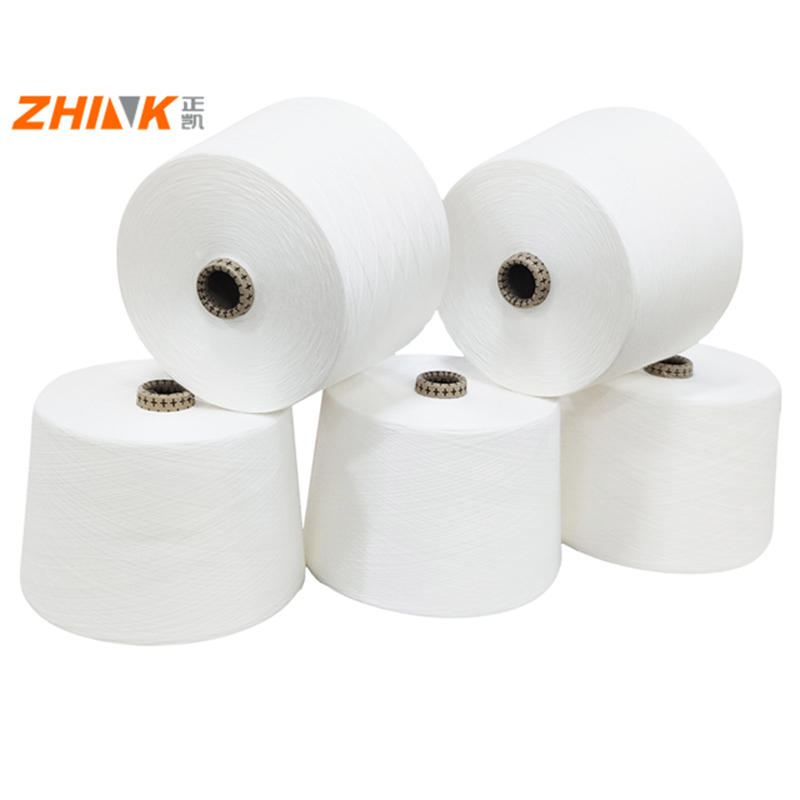
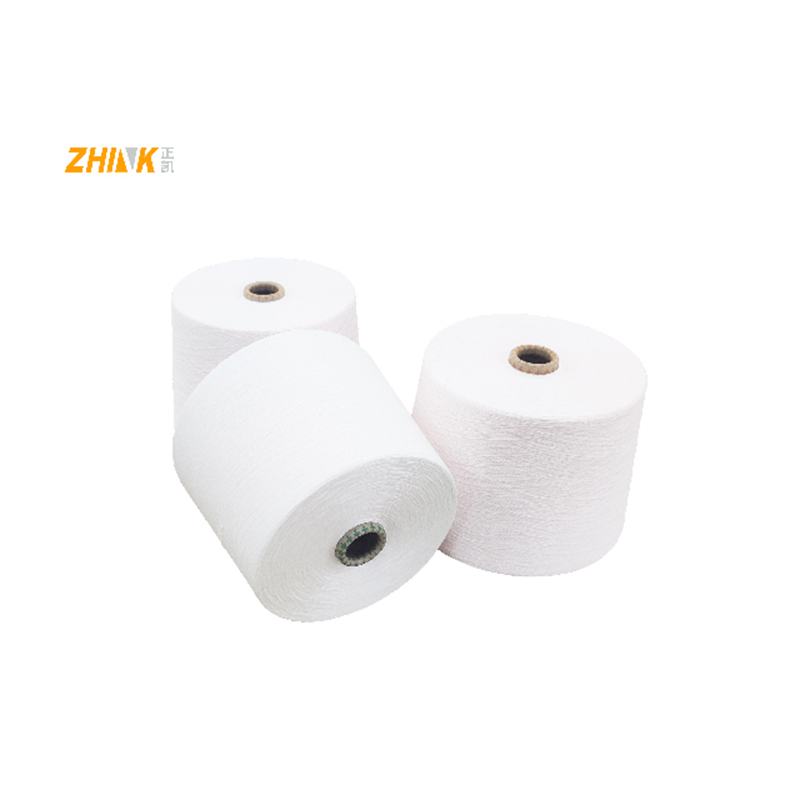
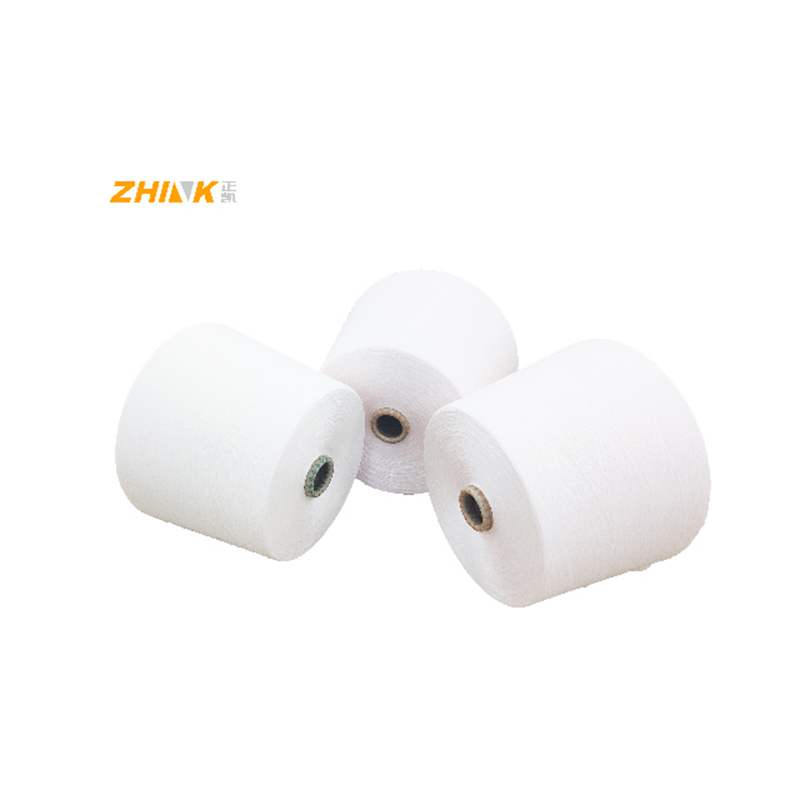
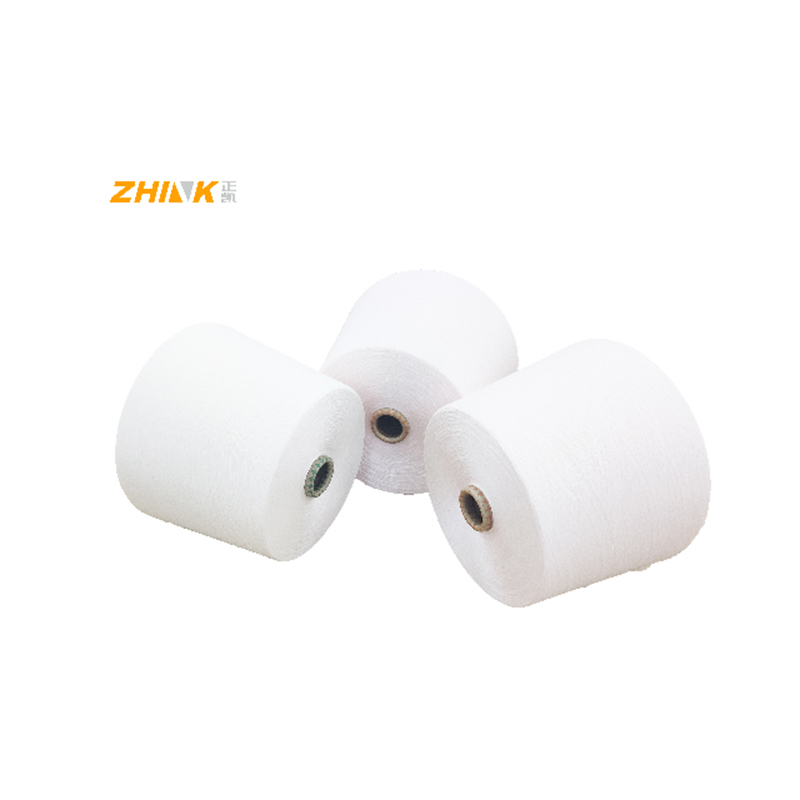
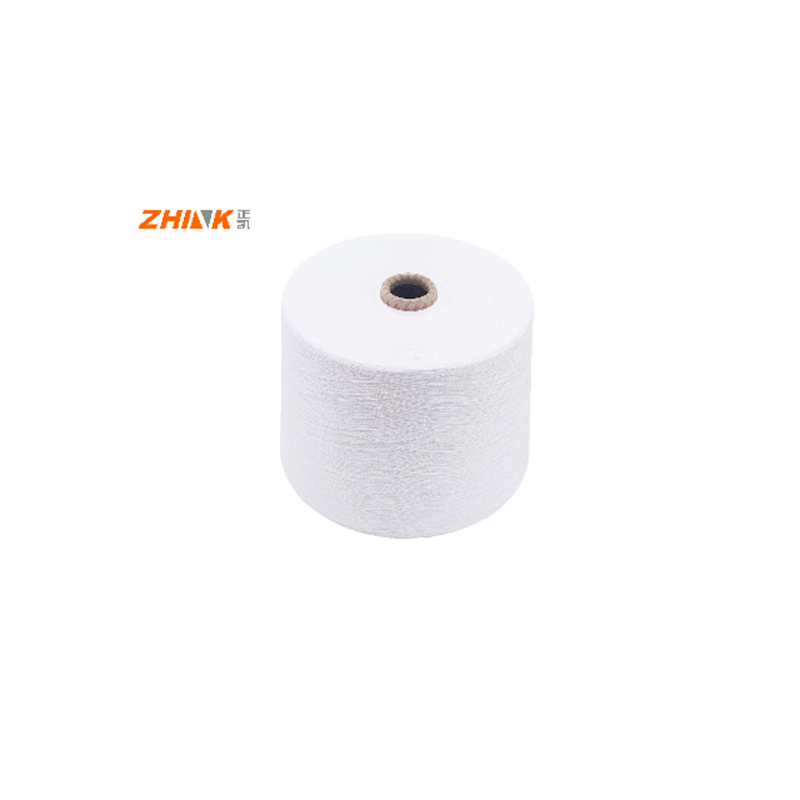
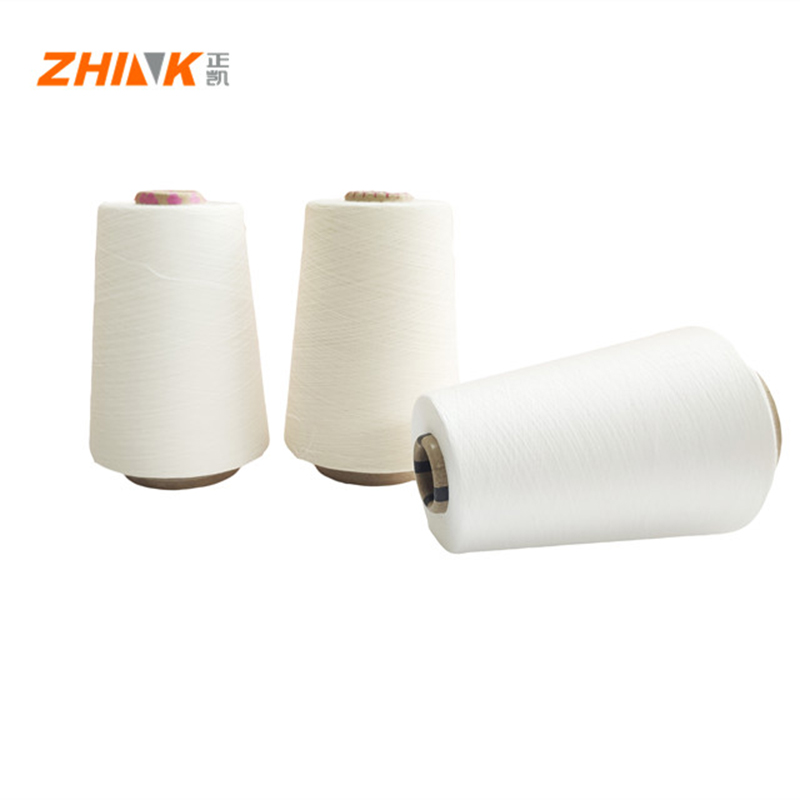
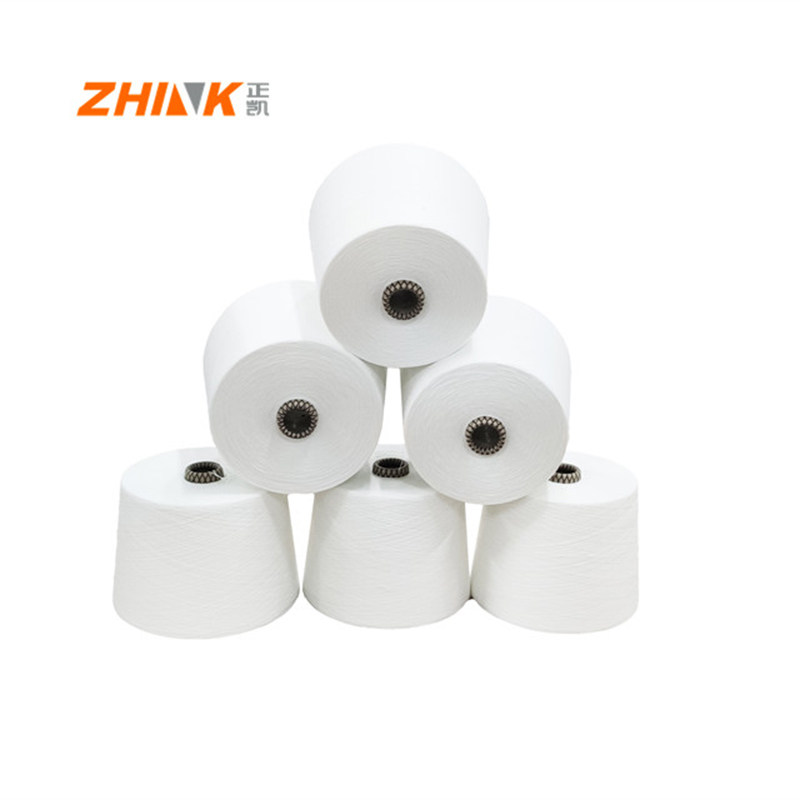
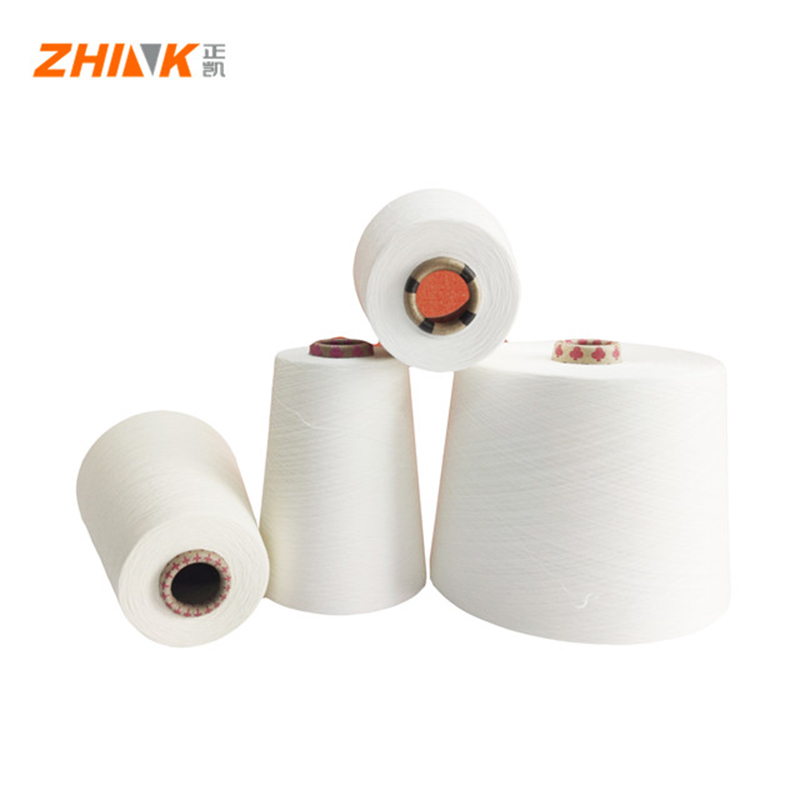
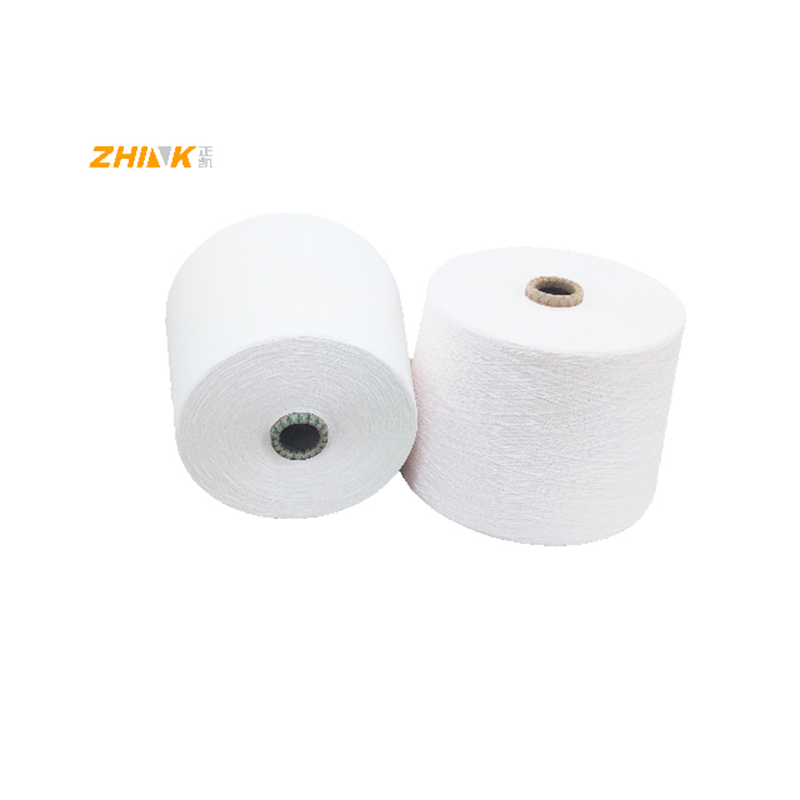
Recycled polyester/Modal blended yarn
Exploring Recycled Polyester/Modal Blended Yarn
Recycled polyester and Modal blended yarn is increasingly catching the eye of sustainable textile enthusiasts. With the environmental concerns escalating, the textile industry is on a constant hunt for better materials, and this blend offers an interesting proposition. However, integrating recycled polyester with Modal doesn't come without its share of challenges and misconceptions.
The Promise of Sustainable Textiles
In my experience, when people initially hear about Recycled polyester/Modal blended yarn, they often imagine it as a perfect blend of sustainability and comfort right out of the gate. But dig a bit deeper and, like a detective at a crime scene, you'll find that each material contributes differently to the final product. For instance, recycled polyester's strength pairs intriguingly with Modal's softness, making them a match for various applications.
However, merging these two is not always straightforward. The idea of reusing polyester can, on paper, sound sustainable. Still, the recycling process, especially chemical recycling, can sometimes negate intended environmental benefits. The key here is to find a balance, leveraging recycled materials while maintaining the integrity and feel of the fabric.
On the production floor of SHANDONG ZHINK NEW MATERIAL CO., LTD, where innovation meets practicality, exploring these balances becomes crucial. Visit ZhinkYarn.com to see how the company approaches these challenges with innovative solutions.
Blending Mechanics: The Technical Tango
Blending these materials is akin to painting a canvas with multiple textures. Typically, what I've seen in action is that the yarn's feel and performance depend heavily on the blending ratio. Recycled polyester offers resilience, while Modal provides a softer touch. Too much polyester, and you might end up with a fabric that's coarse; too much Modal, and the yarn might not hold its shape well.
During a production run, a small change in the ratio can lead to a significant difference in the final product. The machinery at Zhink, for example, is specially calibrated to handle these nuanced adjustments, ensuring that each batch meets specific quality standards.
Another aspect worth noting is the dyeing process. Modal absorbs dyes deeply, so color vibrancy is significantly influenced by the blending process. Thus, mastering this art—balancing both materials wisely to achieve the desired hue—is where experience truly plays a pivotal role.
Challenges Along the Production Line
I've witnessed firsthand some hiccups when it comes to spinning Recycled polyester/Modal blended yarn. Static is one frequent nemesis; recycled polyester tends to generate more static electricity. Tackling this requires continuous climate control within the production area, a detail often overlooked by those new to the business.
Additionally, ensuring the yarn's consistency and quality through strict testing protocols can be daunting. I've seen entire batches sent back for reprocessing due to slight deviations, emphasizing the necessity for robust quality assurance measures.
Transporting these materials also presents its unique obstacles. Modal, being more delicate, needs extra care during logistics. Balancing these different requirements without spiking costs becomes a logistical puzzle, albeit one that can be managed with diligence and experience.
Market Reception and Application
The demand for such blended yarn has surged across numerous sectors. From high-end fashion seeking that perfect sheen and drape, to athletic wear industries prioritizing moisture management and durability. The versatility of Recycled polyester/Modal blended yarn often seems nearly limitless when considering diverse applications.
A few years ago, I collaborated on a collection utilizing this very blend. The accolades were promising, not just for aesthetics but for eco-conscious appeal. Consumer insight is indispensable here; today's buyers are more informed and discerning, valuing transparency and sustainability just as much as design.
What stands out in these market trends is the growing clientele preference for brands that openly communicate their sustainable practices. This is exactly what Zhink endeavors to offer, making complex textile technology accessible and relatable to the modern consumer.
Future Directions: An Ever-Evolving Landscape
The future seems optimistic for the Recycled polyester/Modal blended yarn. With companies like SHANDONG ZHINK NEW MATERIAL CO., LTD at the forefront, advancements in technology promise only more refined products—stronger, softer, and more sustainable than before.
However, staying agile is critical; the textile industry is notorious for its rapid shifts. Adopting future innovations while maintaining a sense of tradition and quality takes finesse and foresight—traits that define successful ventures in this space.
In conclusion, while the path to marrying recycled polyester with Modal is fraught with trials, the strides made offer a tangible testament to human ingenuity and responsibility. And those in the industry who tirelessly push boundaries are shaping not just the textiles of tomorrow but the world they encompass.
Related Products
Related Products