+86-632-3621866
- Chinese
- French
- German
- Portuguese
- Spanish
- Russian
- Japanese
- Korean
- Arabic
- Irish
- Greek
- Turkish
- Italian
- Danish
- Romanian
- Indonesian
- Czech
- Afrikaans
- Swedish
- Polish
- Basque
- Catalan
- Esperanto
- Hindi
- Lao
- Albanian
- Amharic
- Armenian
- Azerbaijani
- Belarusian
- Bengali
- Bosnian
- Bulgarian
- Cebuano
- Chichewa
- Corsican
- Croatian
- Dutch
- Estonian
- Filipino
- Finnish
- Frisian
- Galician
- Georgian
- Gujarati
- Haitian
- Hausa
- Hawaiian
- Hebrew
- Hmong
- Hungarian
- Icelandic
- Igbo
- Javanese
- Kannada
- Kazakh
- Khmer
- Kurdish
- Kyrgyz
- Latin
- Latvian
- Lithuanian
- Luxembou..
- Macedonian
- Malagasy
- Malay
- Malayalam
- Maltese
- Maori
- Marathi
- Mongolian
- Burmese
- Nepali
- Norwegian
- Pashto
- Persian
- Punjabi
- Serbian
- Sesotho
- Sinhala
- Slovak
- Slovenian
- Somali
- Samoan
- Scots Gaelic
- Shona
- Sindhi
- Sundanese
- Swahili
- Tajik
- Tamil
- Telugu
- Thai
- Ukrainian
- Urdu
- Uzbek
- Vietnamese
- Welsh
- Xhosa
- Yiddish
- Yoruba
- Zulu
- Kinyarwanda
- Tatar
- Oriya
- Turkmen
- Uyghur


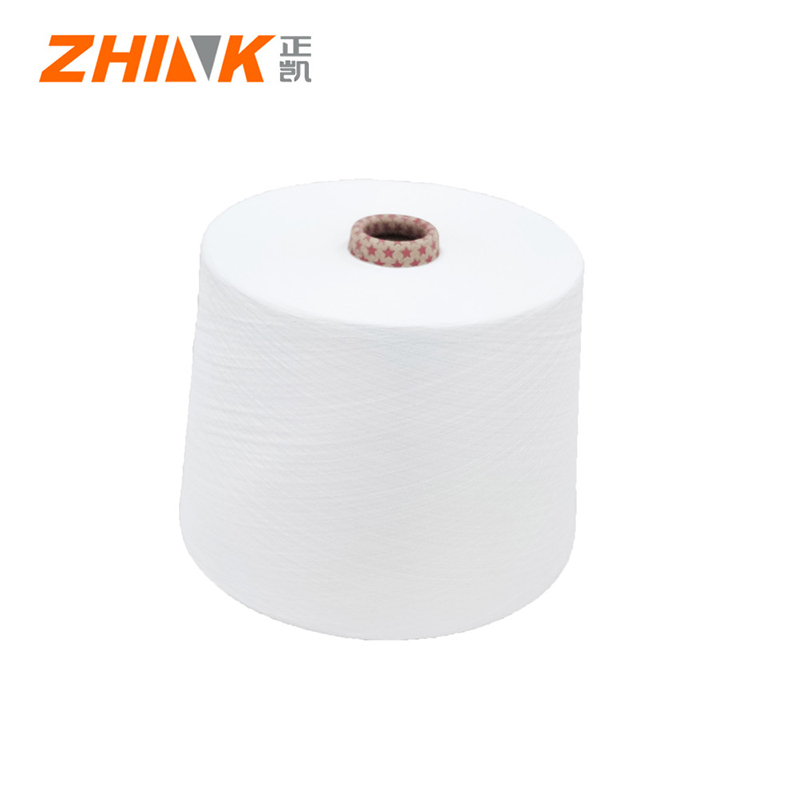
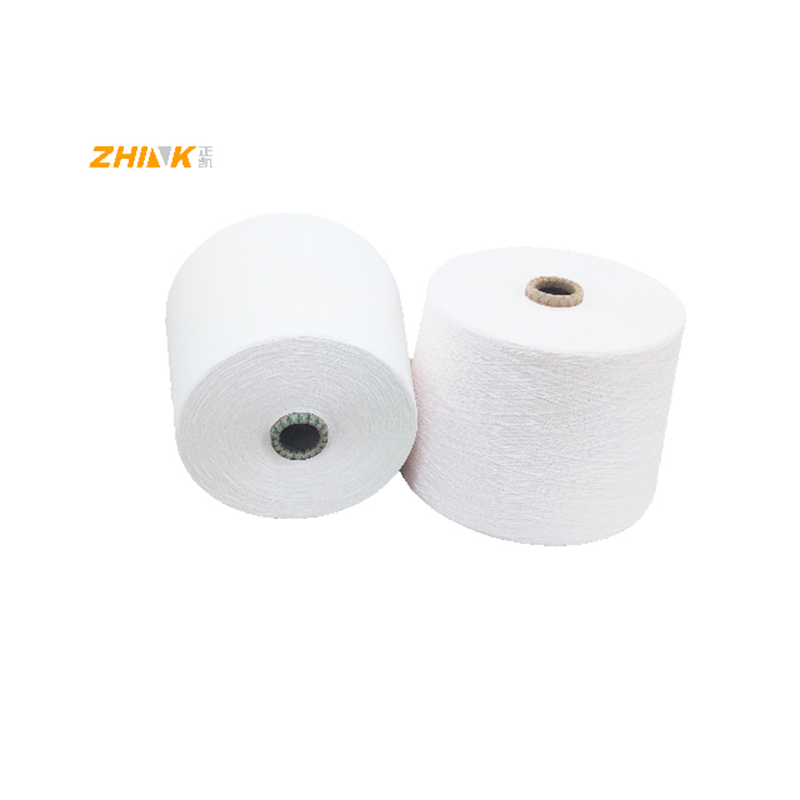
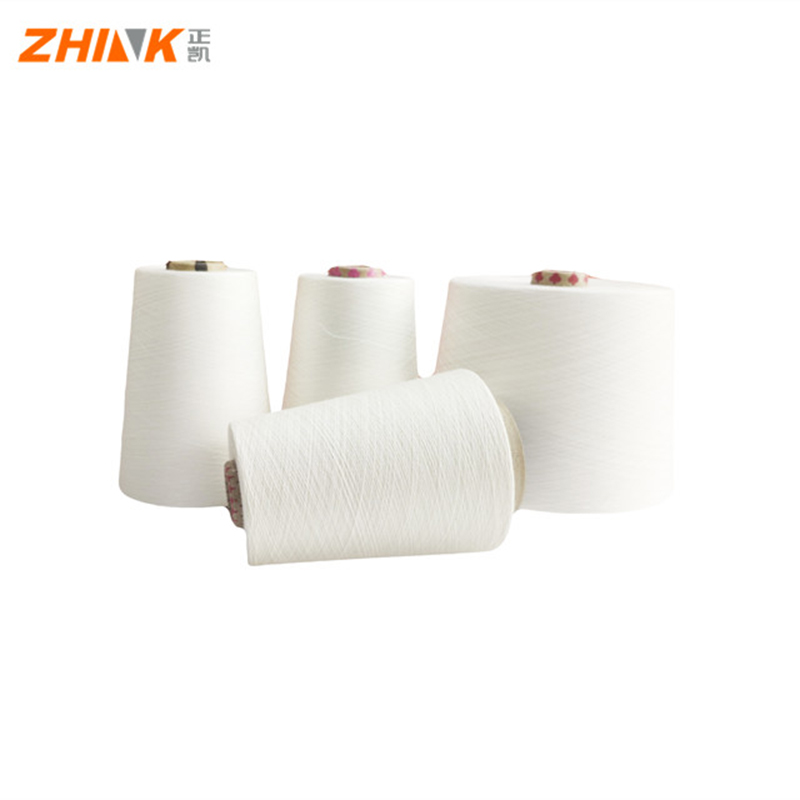
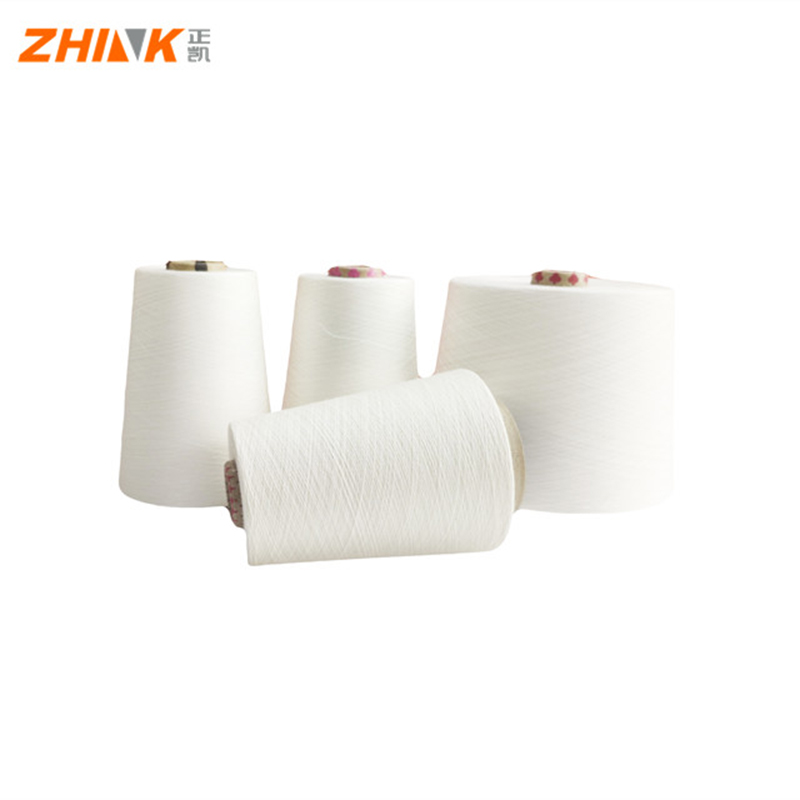
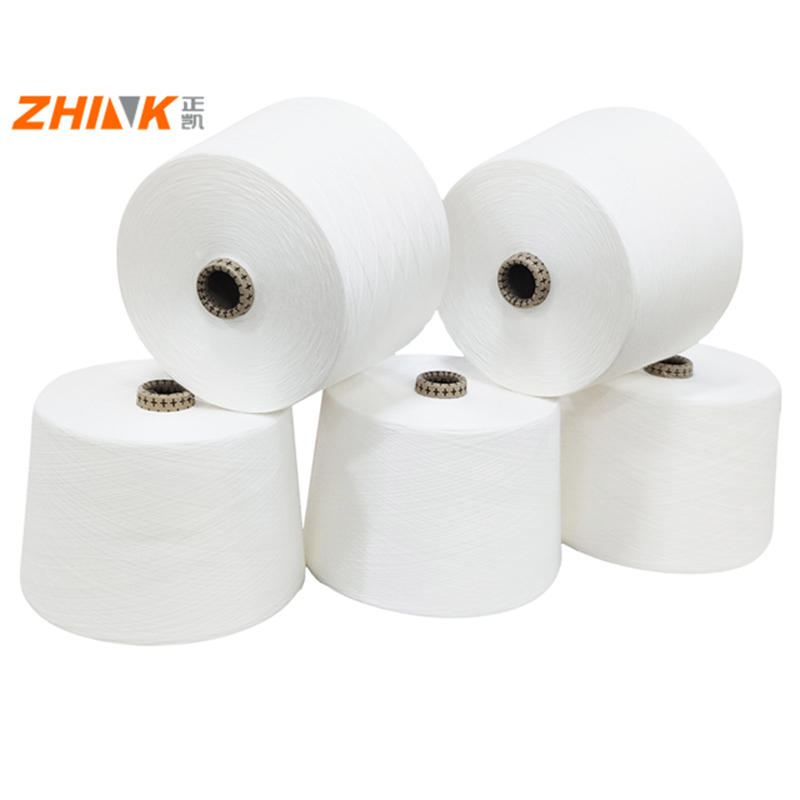
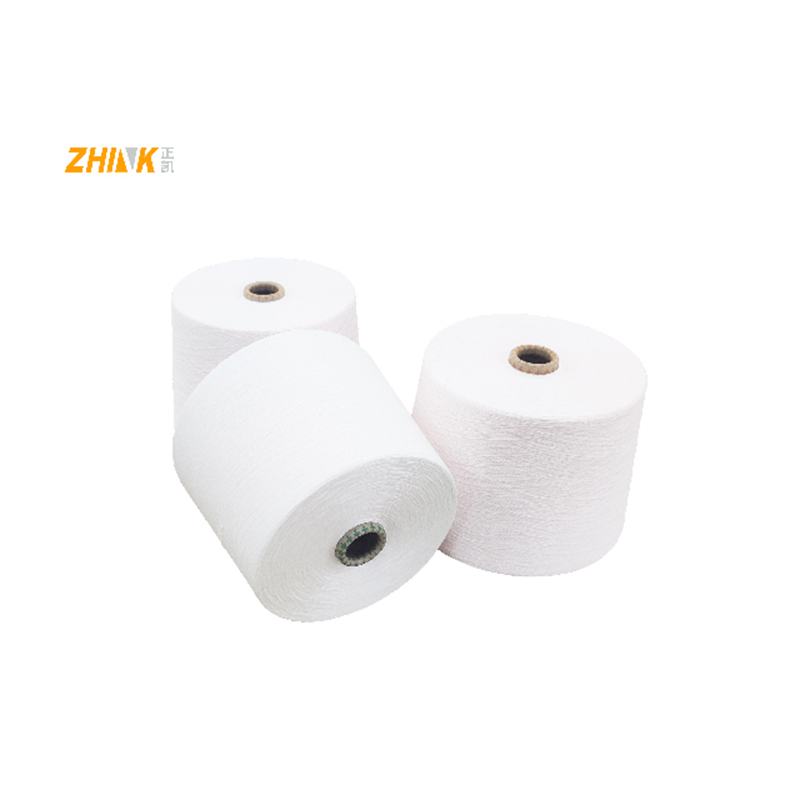
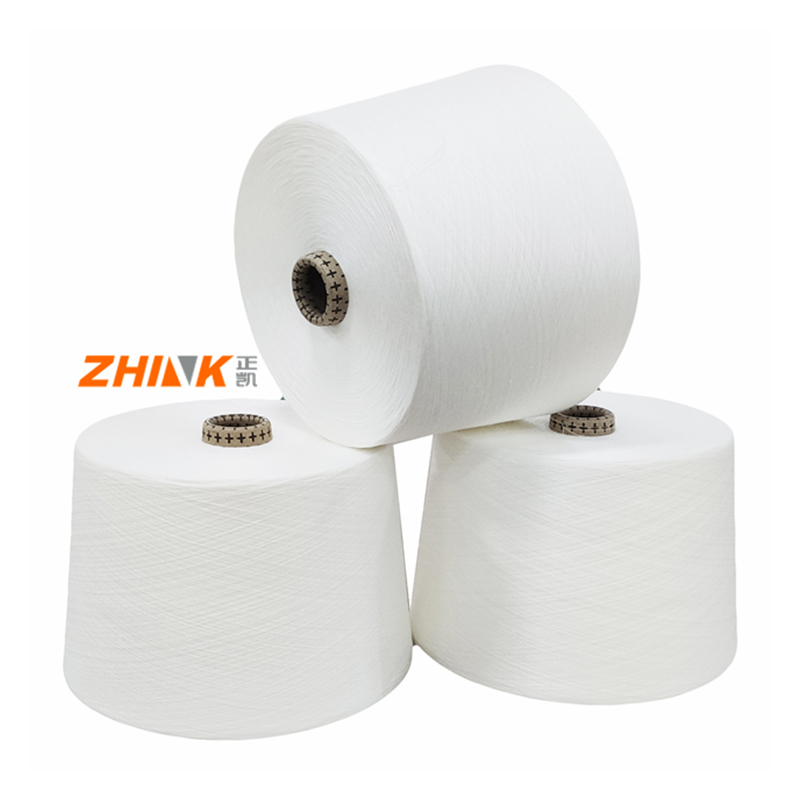
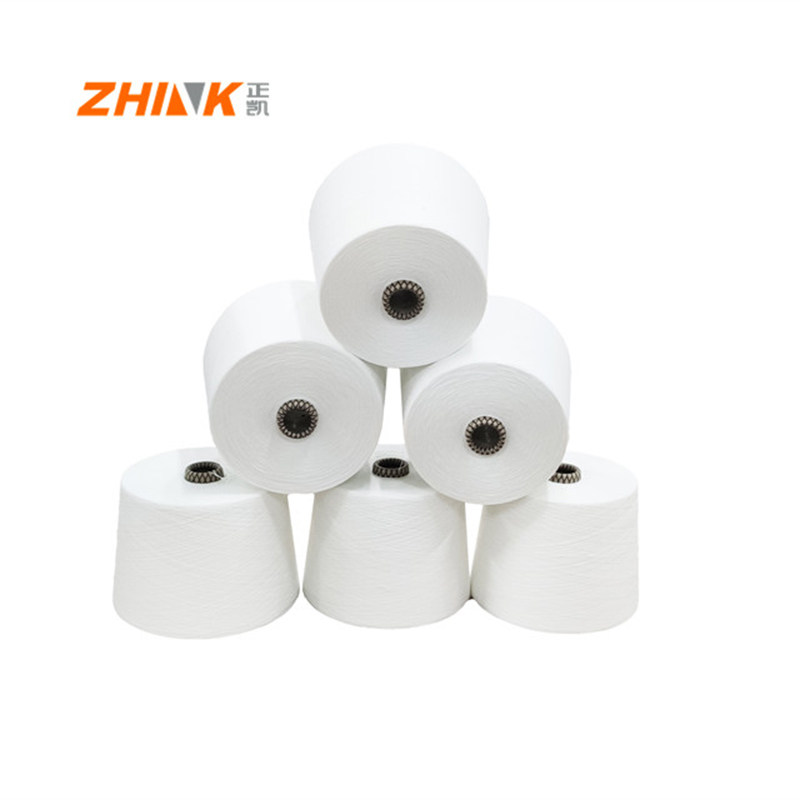
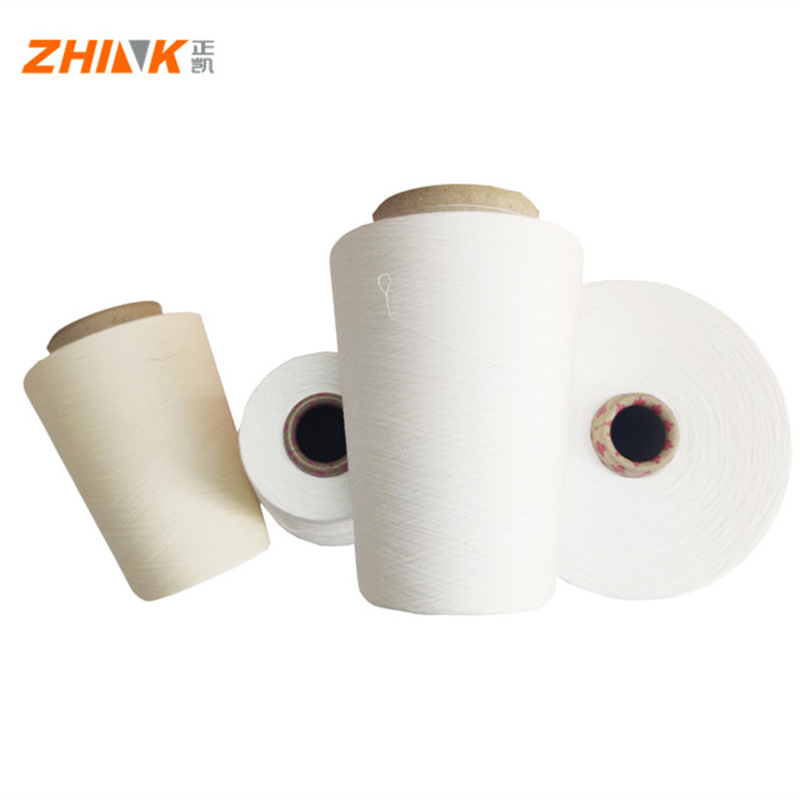
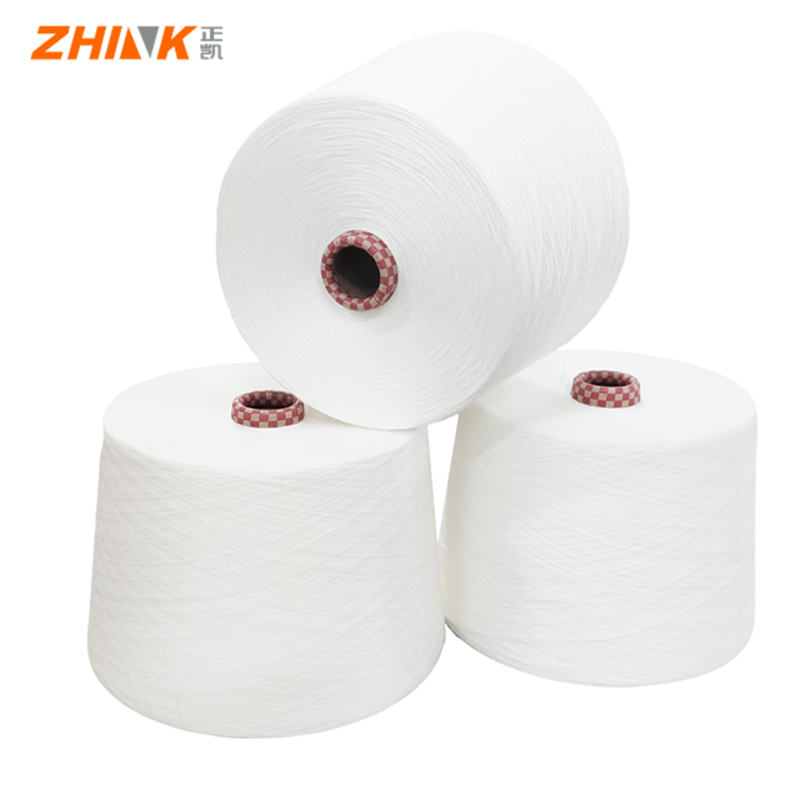
Recycled polyester/Modal mvs yarn
The Unveiled Potential of Recycled Polyester/Modal MVS Yarn
In recent years, the textile industry has buzzed about sustainable fabrics, yet few truly understand the intricacies of Recycled Polyester/Modal MVS Yarn. Often overshadowed by its more popular counterparts, this yarn offers unique benefits that can be overlooked by manufacturers and designers alike.
Understanding the Basics
When we talk about Recycled Polyester/Modal MVS Yarn, we're essentially discussing a blend that combines environmental sustainability with luxury. Recycled polyester, as its name suggests, is made from recycled materials—plastic bottles, old textiles—which reduces waste and energy consumption compared to virgin polyester production. Modal, derived from beech tree pulp, offers unparalleled softness and absorbency. Together, these fibers offer an intriguing mix of durability and comfort.
Typical misconceptions revolve around durability. Many assume a recycled material might lack the robustness of its non-recycled counterpart. However, this isn’t necessarily true. In our previous projects at SHANDONG ZHINK NEW MATERIAL CO., LTD, I’ve seen firsthand how the right processes can enhance strength. Using the MVS (Murata Vortex Spinning) process, the fibers intertwine more robustly, offering a strong yet flexible yarn.
The push towards sustainable materials often comes from consumer demand, but innovation is driven by technical feasibility. A few years ago, at SHANDONG ZHINK NEW MATERIAL CO., LTD, during one of our developmental trials, we played around with yarn tension and twist levels. It was a trial-and-error effort, but the result was a yarn that outperformed expectations in both tensile strength and tactile sensation.
Challenges in Production
While Recycled Polyester/Modal MVS Yarn is promising, its production is not without challenges. One significant hurdle is consistent quality control. In my experience, there's always a variance in the raw material quality, especially with recycled inputs. This means tight quality control processes are pivotal. Our team, for instance, invests heavily in monitoring each batch to ensure consistent output quality at our SHANDONG ZHINK facilities.
There’s also the issue of scalability. Many companies rejoice in small batch production but struggle with larger orders. I recall a particularly demanding order where we had to adapt our spinning processes on the fly. Adjusting parameters like humidity and tension were key factors that allowed us to maintain consistency across thousands of spools.
Despite these hurdles, the pursuit is worthwhile. The demand for sustainable fashion is steadily climbing, and proactive companies like Zhink New Material that work continuously on R&D can stay ahead of the curve.
Applications and Versatility
An underappreciated aspect of Recycled Polyester/Modal MVS Yarn is its versatility. It finds applications in various sectors—from high-fashion garments to practical home textiles. Our collaboration with some apparel manufacturers showcased how adaptable this yarn is, providing an eco-friendly alternative without compromising on quality.
Moreover, its properties make it suitable for activewear. The blend’s moisture-wicking and breathable attributes appeal to manufacturers looking to create high-performance garments. I’ve seen samples that rival the feel and function of some top-tier brands, minus the environmental guilt.
This adaptability goes beyond fashion. When introduced to interior textiles, it provides a sustainable edge to draperies and upholstery, promising durability and easy maintenance. It’s this broad spectrum of potential that places this yarn in a favorable light for many industries.
Industry Feedback and Perception
Feedback from our partners often highlights a pleasant surprise in texture and durability. Initially, skepticism was rampant—underestimating recycled content largely due to misconceptions. Yet, working with us at Zhink New Material, many altered their perception after hands-on experience. Brands that embraced our yarn noted customer satisfaction, which aligned with their sustainability missions.
For instance, a notable sportswear brand that utilized our yarn gave feedback about its unexpectedly smooth finish, a testament to the MVS process's effectiveness. Such testimonies are crucial for dispelling myths about second-rate quality in recycled textiles.
Another common thread in discussions is cost-effectiveness. While recycled materials might bear slightly higher costs upfront due to processing, the long-term savings from energy-efficient productions often offset this. Partnering with companies like https://www.zhinkyarn.com makes transitioning to sustainable materials feasible without sacrificing quality.
Looking Forward: The Future of Sustainable Yarns
The path forward for Recycled Polyester/Modal MVS Yarn is one of continuous improvement. With technology advancing and consumer awareness rising, the time is ripe for innovation. Of course, challenges remain—scaling production efficiently and maintaining high quality—but those overcome will find themselves at the forefront of sustainable textile solutions.
At SHANDONG ZHINK NEW MATERIAL CO., LTD, our commitment to R&D is unwavering. We're exploring new blends, tweaking production techniques, and consistently seeking feedback from our partners to refine our processes. The goal is always to elevate both the ecological and practical merits of our materials.
All in all, embracing recycled fibers in our manufacturing processes isn't just a fleeting trend. It's an essential evolution. Those of us in the industry who recognize its potential are the ones who will shape the future of textiles—driven by innovation, quality, and sustainability.
Related Products
Related Products