+86-632-3621866
- Chinese
- French
- German
- Portuguese
- Spanish
- Russian
- Japanese
- Korean
- Arabic
- Irish
- Greek
- Turkish
- Italian
- Danish
- Romanian
- Indonesian
- Czech
- Afrikaans
- Swedish
- Polish
- Basque
- Catalan
- Esperanto
- Hindi
- Lao
- Albanian
- Amharic
- Armenian
- Azerbaijani
- Belarusian
- Bengali
- Bosnian
- Bulgarian
- Cebuano
- Chichewa
- Corsican
- Croatian
- Dutch
- Estonian
- Filipino
- Finnish
- Frisian
- Galician
- Georgian
- Gujarati
- Haitian
- Hausa
- Hawaiian
- Hebrew
- Hmong
- Hungarian
- Icelandic
- Igbo
- Javanese
- Kannada
- Kazakh
- Khmer
- Kurdish
- Kyrgyz
- Latin
- Latvian
- Lithuanian
- Luxembou..
- Macedonian
- Malagasy
- Malay
- Malayalam
- Maltese
- Maori
- Marathi
- Mongolian
- Burmese
- Nepali
- Norwegian
- Pashto
- Persian
- Punjabi
- Serbian
- Sesotho
- Sinhala
- Slovak
- Slovenian
- Somali
- Samoan
- Scots Gaelic
- Shona
- Sindhi
- Sundanese
- Swahili
- Tajik
- Tamil
- Telugu
- Thai
- Ukrainian
- Urdu
- Uzbek
- Vietnamese
- Welsh
- Xhosa
- Yiddish
- Yoruba
- Zulu
- Kinyarwanda
- Tatar
- Oriya
- Turkmen
- Uyghur



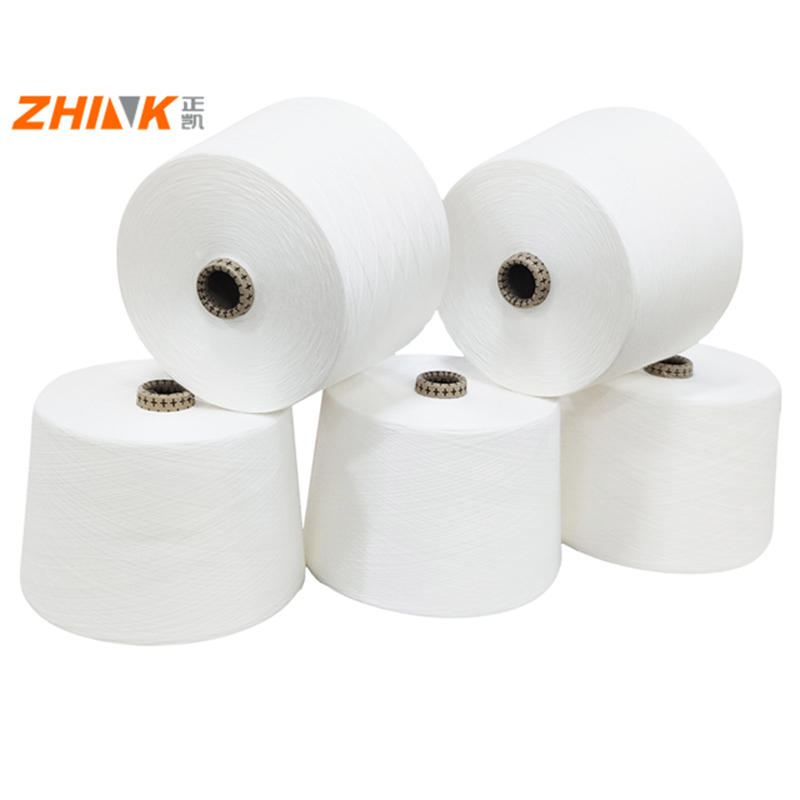
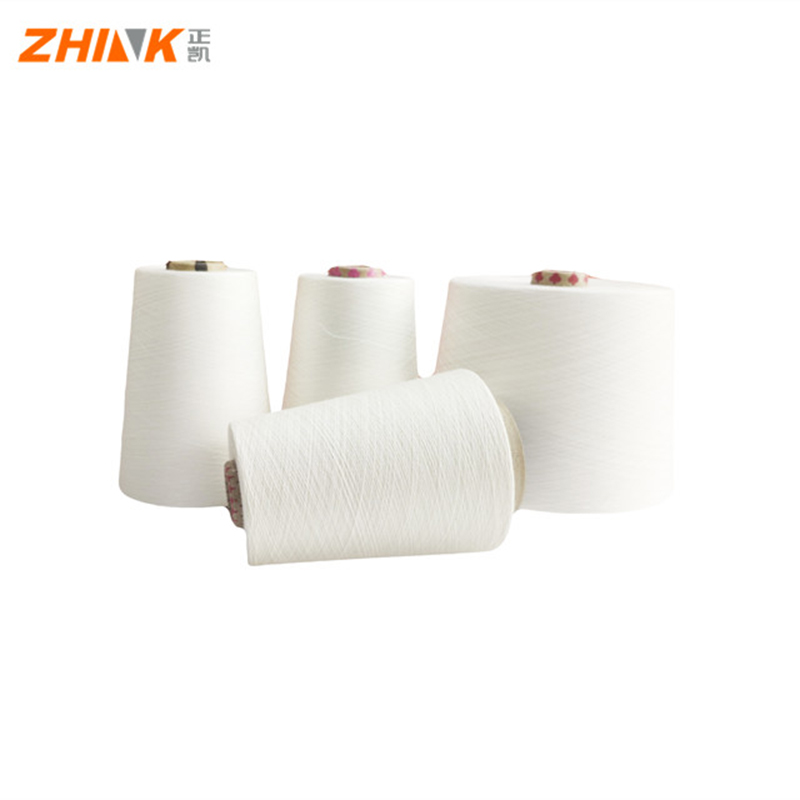
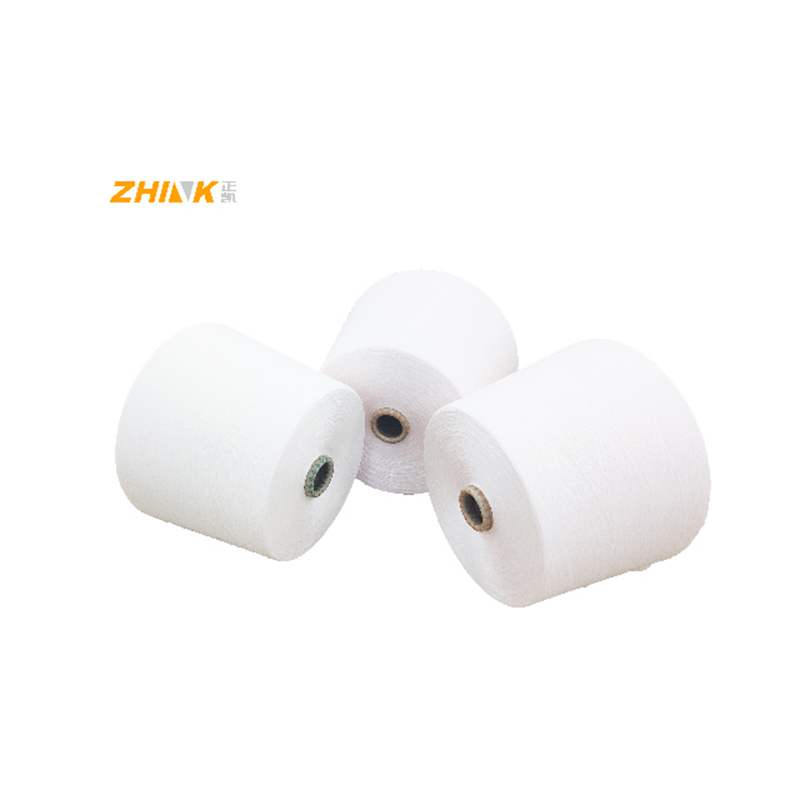
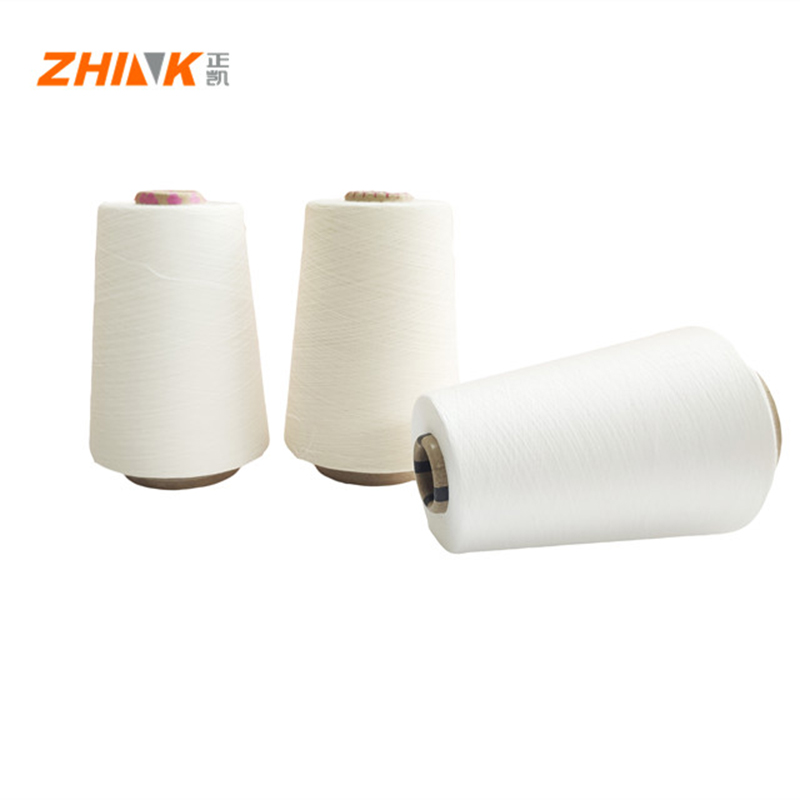
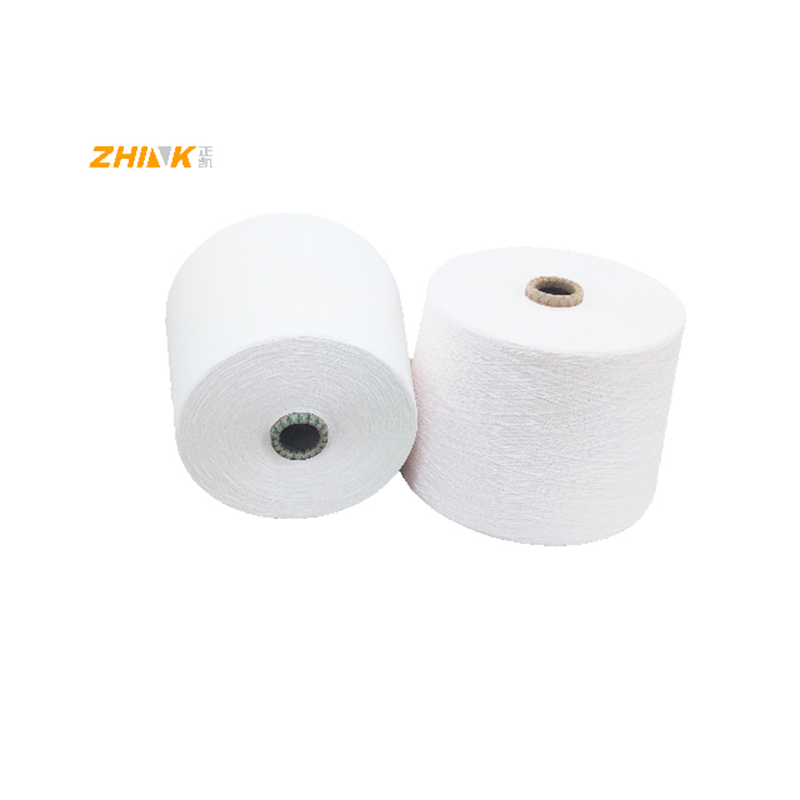
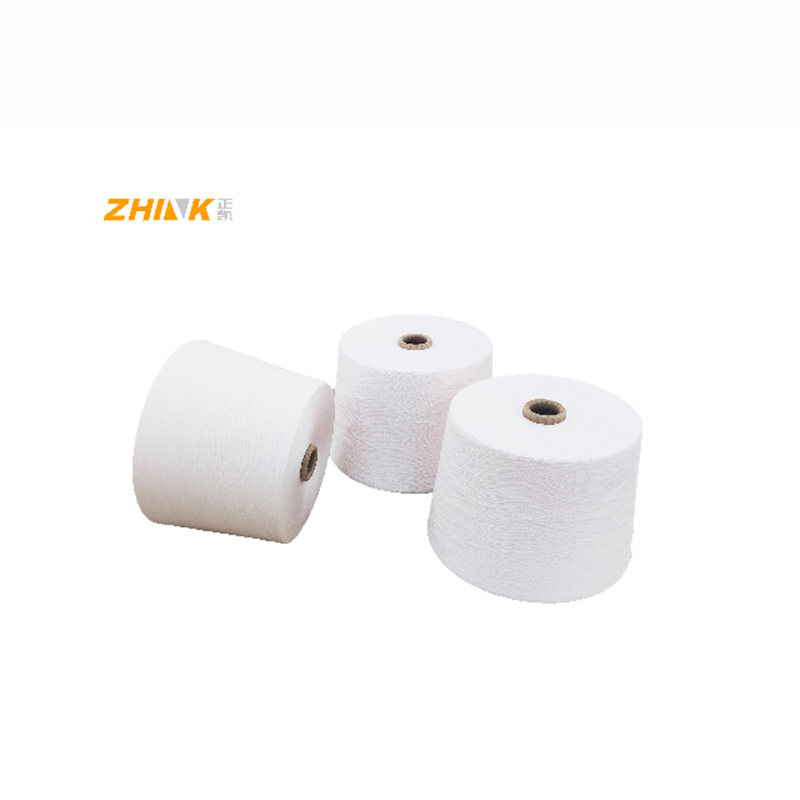
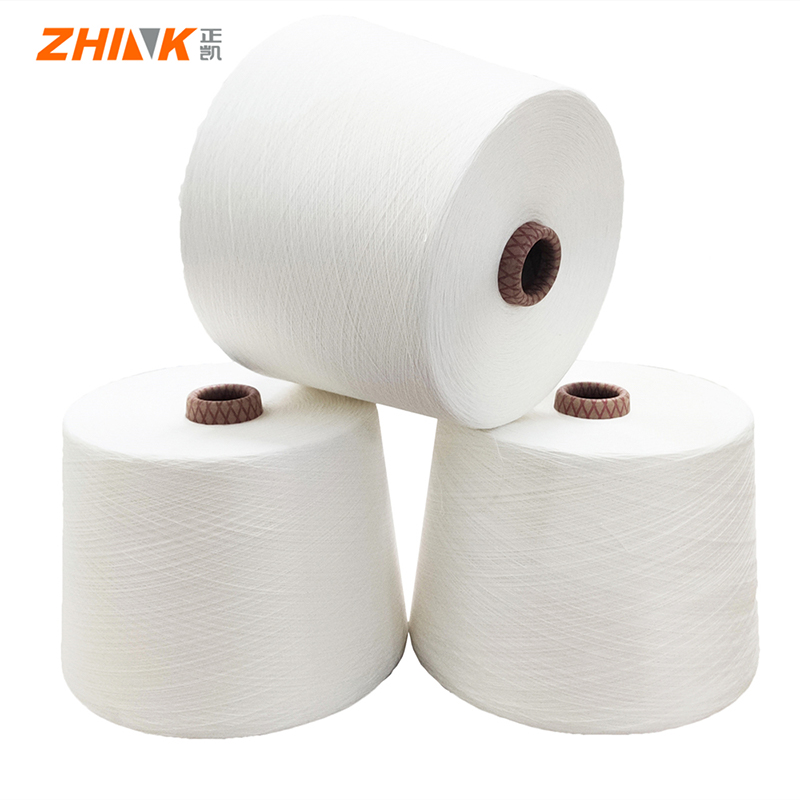
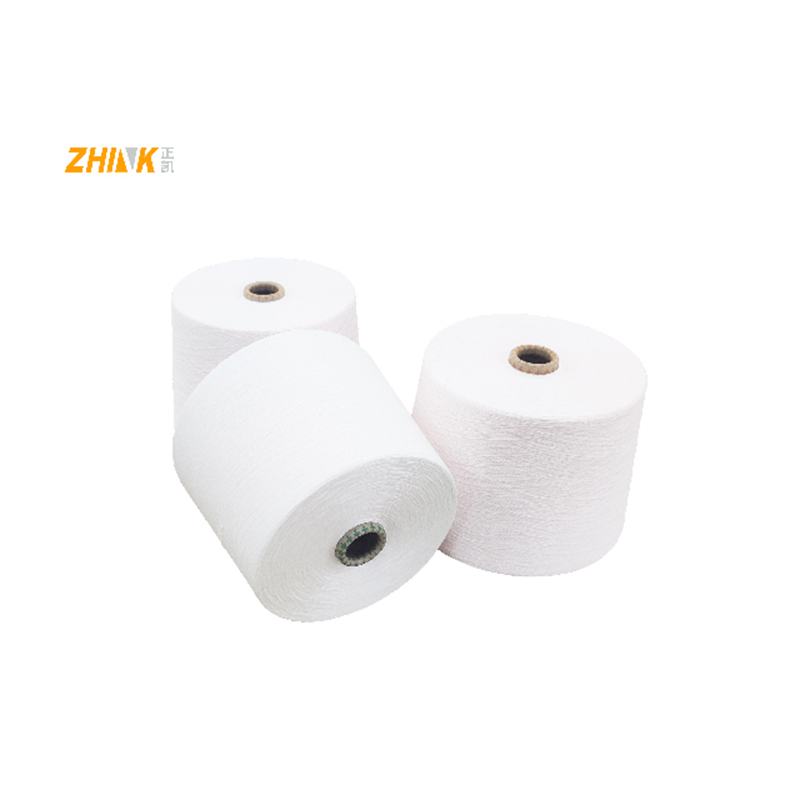
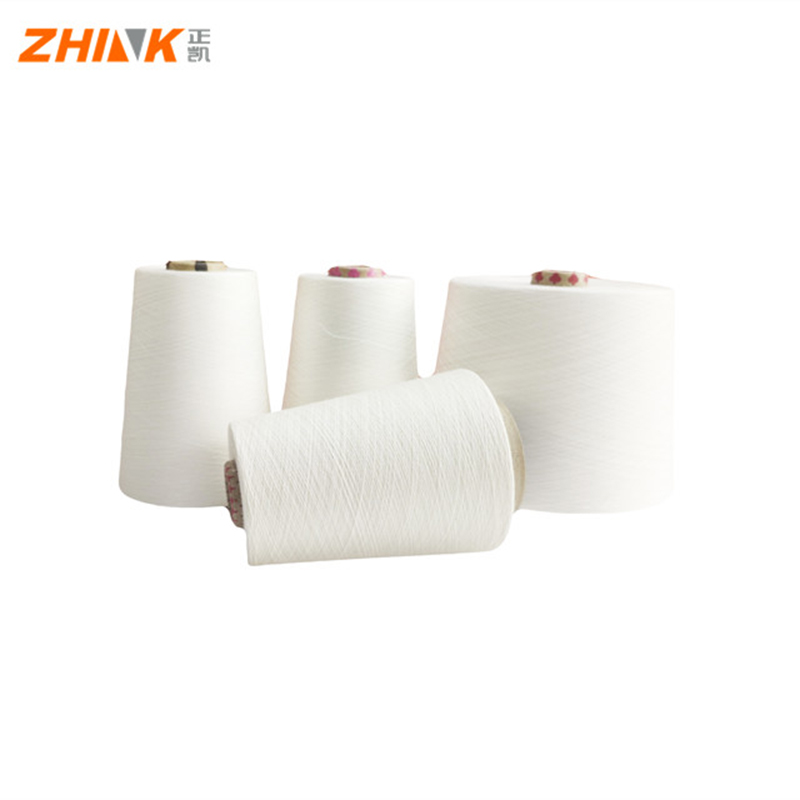
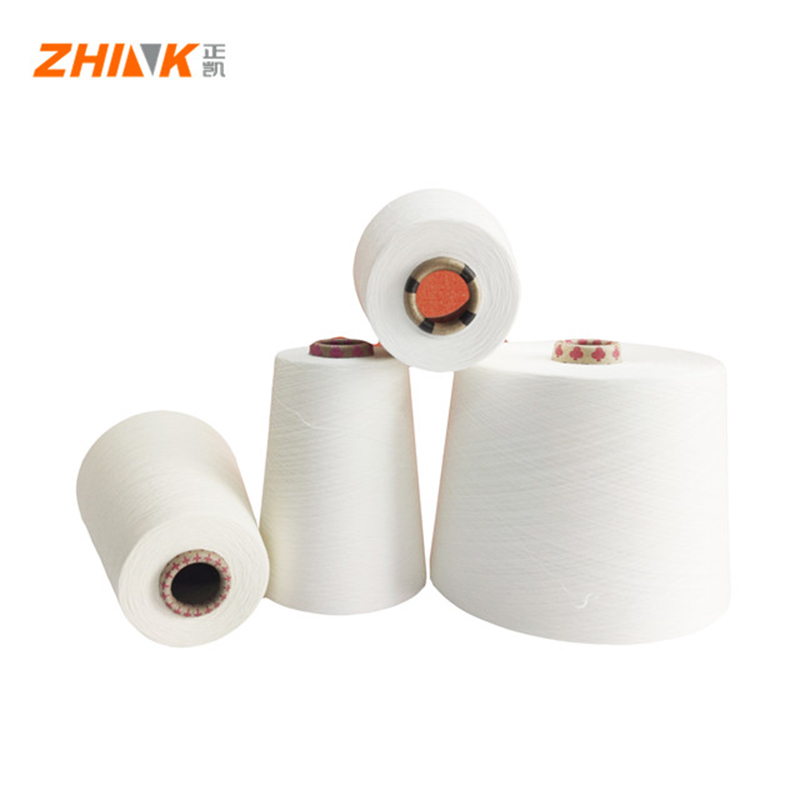
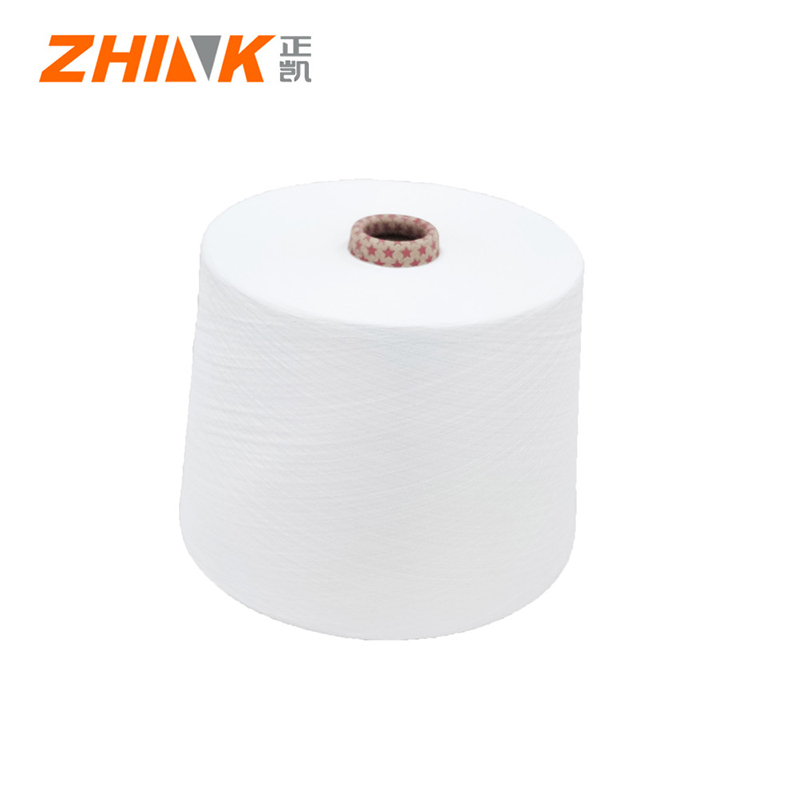
Recycled polyester/Modal ring spun yarn
Understanding Recycled Polyester/Modal Ring Spun Yarn
The textile industry is buzzing about the blend of Recycled polyester and Modal in ring spun yarns, but what makes it so unique and worth exploring? This blend isn't just a trend; it's a revolutionary approach combining sustainability with comfort, and understanding its actual application offers deeper insights into its true value.
The Basics of Recycled Polyester and Modal
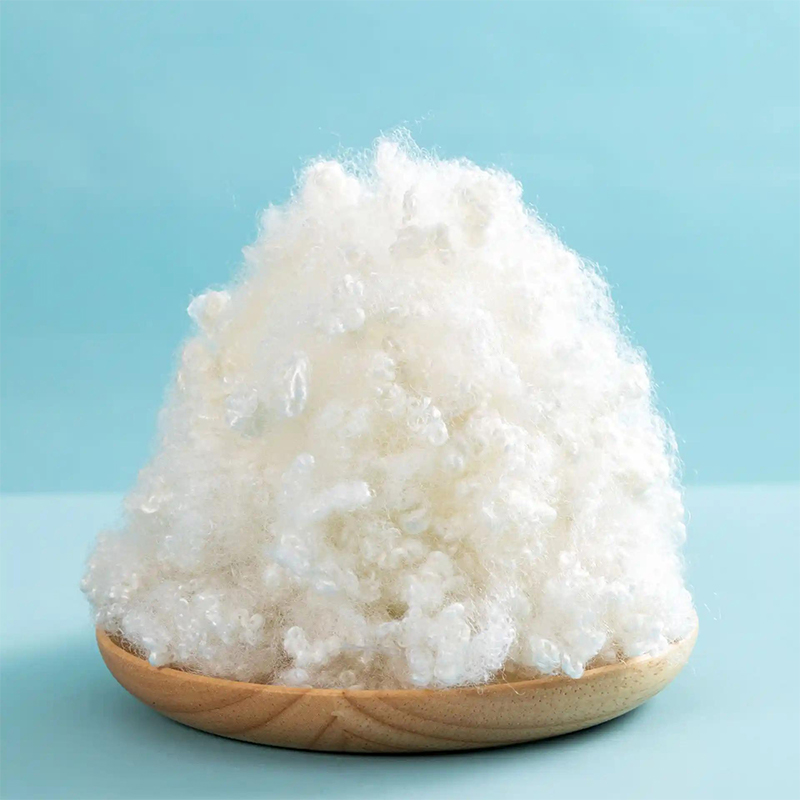
When it comes down to basics, Recycled polyester is crafted from post-consumer plastic waste. The idea is to utilize PET bottles and recycle them into fibers. What stands out about this process is its environmental impact—significantly reducing the carbon footprint compared to virgin polyester production. Meanwhile, Modal, derived from beech tree pulp, is known for its softness and excellent drape. Blending these with ring spun yarn enhances the texture, making it ideal for high-quality apparel.
The beauty of combining these fibers lies in how each complements the other. Recycled polyester introduces durability while maintaining an eco-friendly stance. On the flip side, Modal offers a silky softness that upgrades the garment quality significantly, creating a balance of durability and luxury. This is exactly what we, in the industry, seek—material that doesn't compromise on ethics or aesthetics.
However, there's more to this blend than simply mixing two fibers. Understanding the production process is crucial. Companies like SHANDONG ZHINK NEW MATERIAL CO., LTD, which specialize in new textile materials (as seen on their site Zhink Yarn), play a pivotal role here. They focus on refining the balance between these fibers to create yarn that meets the high standards expected by today's consumers.
Challenges in Production
Of course, working with Recycled polyester and Modal isn't always straightforward. There are several technical challenges that can arise during production. One common issue is the variance in fiber length, especially with recycled materials, which can affect the consistency of the yarn. Ensuring a steady quality output requires precise control mechanisms during the spinning process.
Another factor is dyeing. The differences in how Recycled polyester and Modal absorb dyes can lead to uneven coloration if not properly managed. It's a delicate balance, often requiring trial and error to perfect. It's not uncommon to undergo multiple iterations before achieving the desired shade consistency.
At Zhink, this understanding of material behavior is crucial. They invest heavily in R&D to mitigate these challenges, ultimately pushing the boundaries of what's possible with recycled blends. Their approach—melding experience with technology—ensures that their products are both innovative and reliable.
Environmental and Economic Benefits
There's more than just technical expertise at play—understanding the broader impact of using Recycled polyester/Modal blends is just as vital. Environmentally, the benefits are clear. By repurposing plastic waste, we reduce landfill contributions and decrease our reliance on petroleum-based products.
Economically, the advantages are compelling. Although initial investments in technology and production methods can be substantial, long-term returns are notable. Products made from recycled materials often attract environmentally conscious consumers, a demographic that's growing rapidly. This opens up markets that are not only sustainable in an environmental sense but also economically viable.
This approach aligns with the mission of companies like Zhink, where innovation leads to sustainable production methods that do not compromise on quality. It's about paving the way for a future where eco-friendly isn't just an option but a norm.
Market Reception and Trends
Market reception to Recycled polyester/Modal blends has been overwhelmingly positive. Consumers are increasingly aware of the environmental impact of their purchasing decisions and are actively seeking products that align with their values. This creates a growing demand that the textile industry is eager to meet.
However, staying ahead requires more than just offering recycled options. It demands innovation and a willingness to adapt to changing consumer trends. This is where the developments from companies like Zhink become significant—they aren't just participants in this new wave but leaders shaping the future of textiles.
The future of textiles lies in such sustainable practices and materials. To truly make an impact, collaboration across the industry is essential. Companies need to share insights, just as Zhink does, ensuring that the advancements in materials benefit the industry as a whole.
Looking Forward
As we look to the future, the role of Recycled polyester/Modal ring spun yarn will continue to grow. It's not just about meeting current demands but anticipating future needs. Innovations in fiber technology and production methods hold the key to expanding possibilities.
For those of us in the field, staying informed and adaptable is essential. The journey isn't without its challenges, but the potential benefits make it worthwhile. Companies committed to innovation are already setting new standards, paving the way for sustainable practices within the industry.
Ultimately, the path forward is collaborative. Sharing experiences, such as those from Zhink, encourages collective growth and progress towards a more sustainable future for textiles.
Related Products
Related Products