+86-632-3621866
- Chinese
- French
- German
- Portuguese
- Spanish
- Russian
- Japanese
- Korean
- Arabic
- Irish
- Greek
- Turkish
- Italian
- Danish
- Romanian
- Indonesian
- Czech
- Afrikaans
- Swedish
- Polish
- Basque
- Catalan
- Esperanto
- Hindi
- Lao
- Albanian
- Amharic
- Armenian
- Azerbaijani
- Belarusian
- Bengali
- Bosnian
- Bulgarian
- Cebuano
- Chichewa
- Corsican
- Croatian
- Dutch
- Estonian
- Filipino
- Finnish
- Frisian
- Galician
- Georgian
- Gujarati
- Haitian
- Hausa
- Hawaiian
- Hebrew
- Hmong
- Hungarian
- Icelandic
- Igbo
- Javanese
- Kannada
- Kazakh
- Khmer
- Kurdish
- Kyrgyz
- Latin
- Latvian
- Lithuanian
- Luxembou..
- Macedonian
- Malagasy
- Malay
- Malayalam
- Maltese
- Maori
- Marathi
- Mongolian
- Burmese
- Nepali
- Norwegian
- Pashto
- Persian
- Punjabi
- Serbian
- Sesotho
- Sinhala
- Slovak
- Slovenian
- Somali
- Samoan
- Scots Gaelic
- Shona
- Sindhi
- Sundanese
- Swahili
- Tajik
- Tamil
- Telugu
- Thai
- Ukrainian
- Urdu
- Uzbek
- Vietnamese
- Welsh
- Xhosa
- Yiddish
- Yoruba
- Zulu
- Kinyarwanda
- Tatar
- Oriya
- Turkmen
- Uyghur



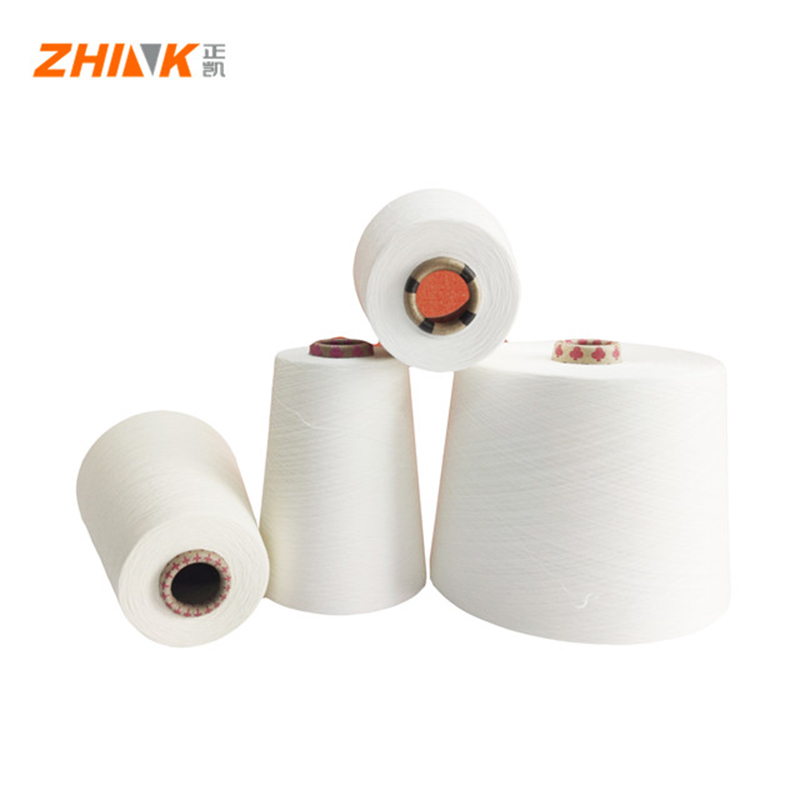
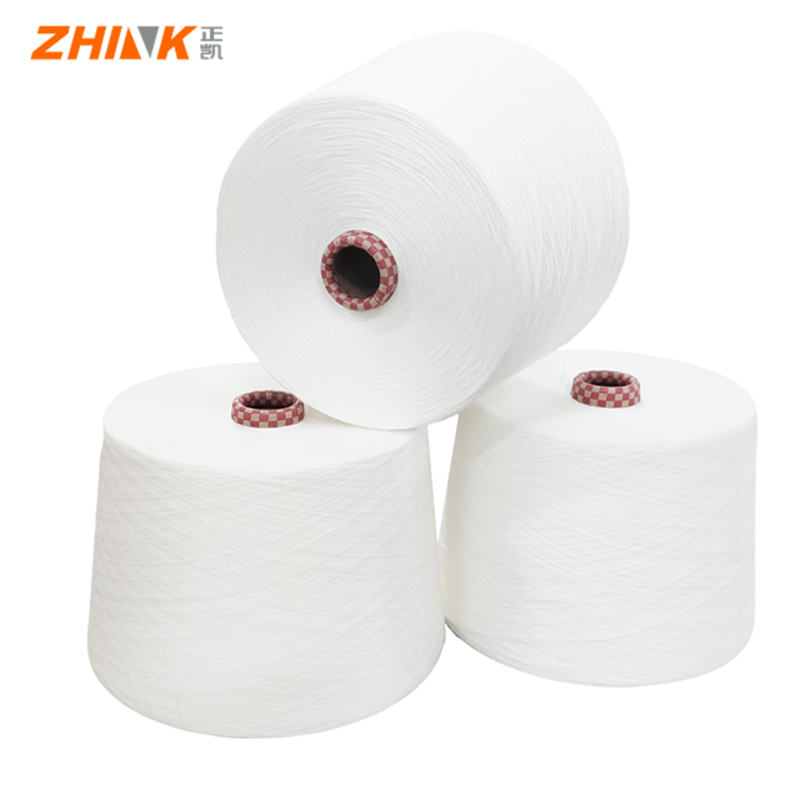
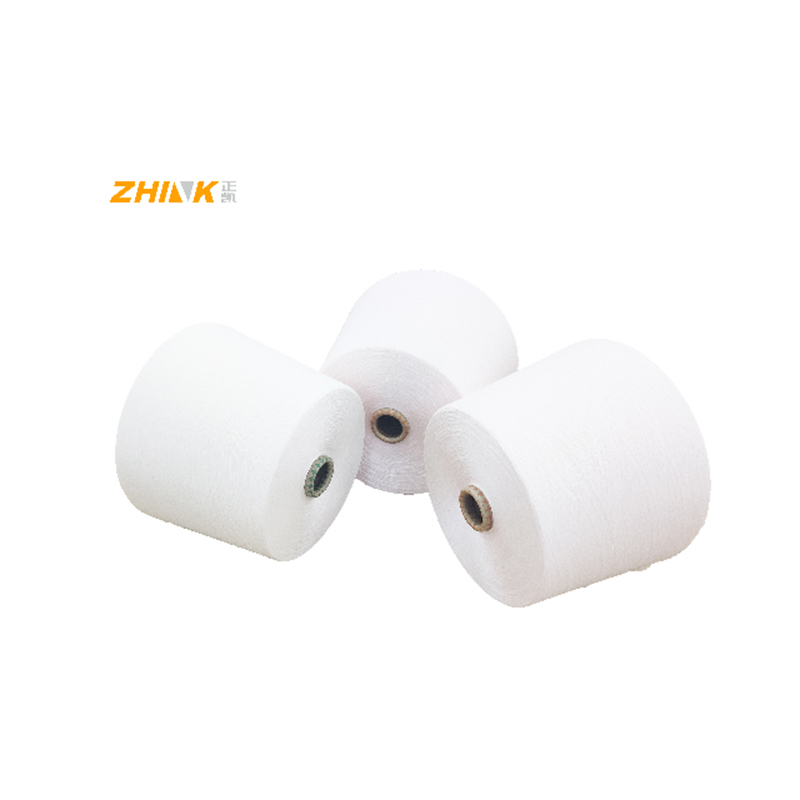
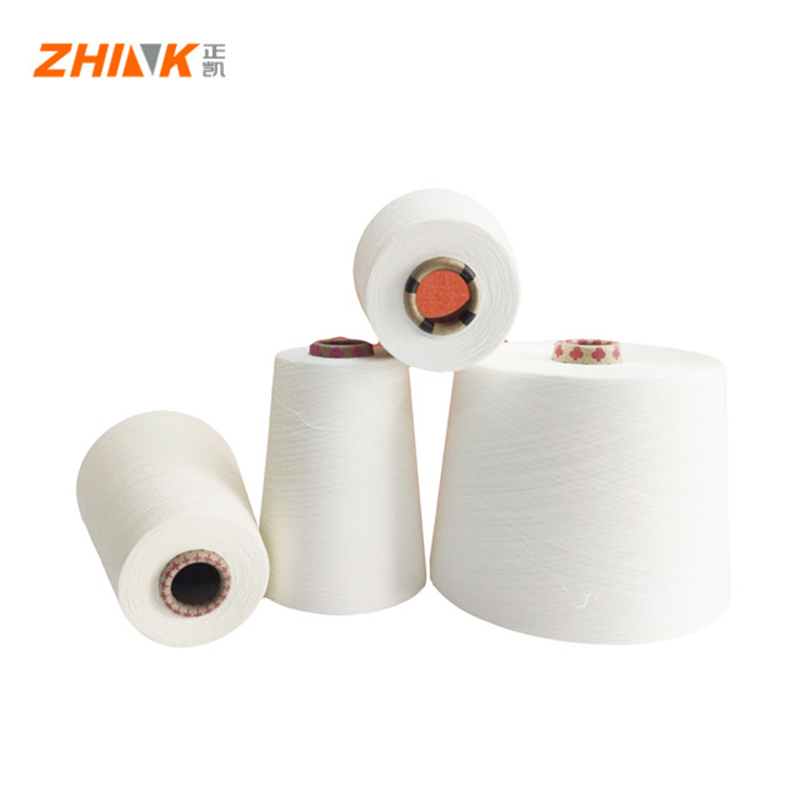
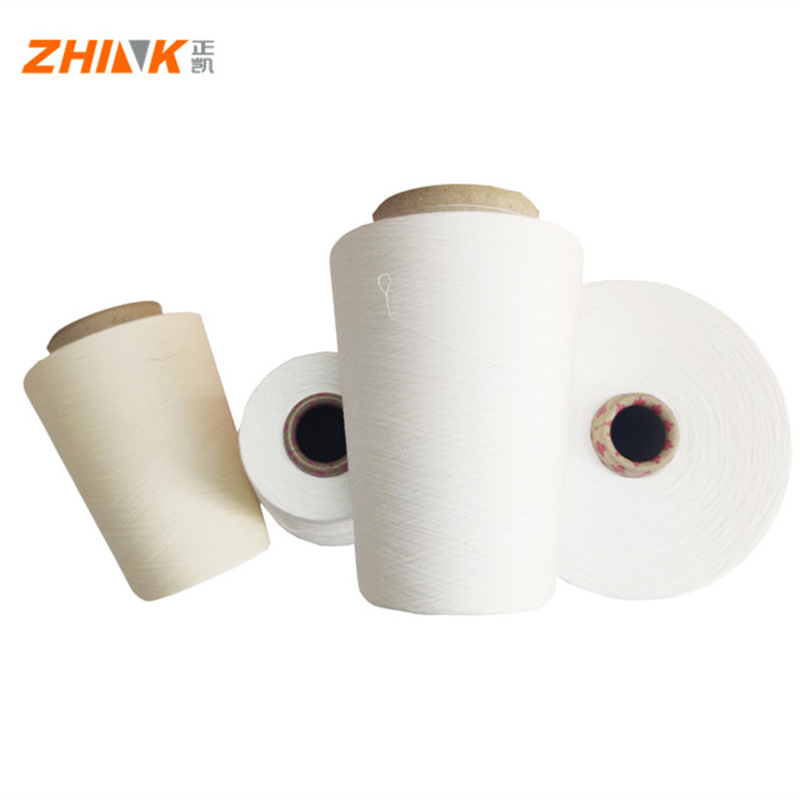
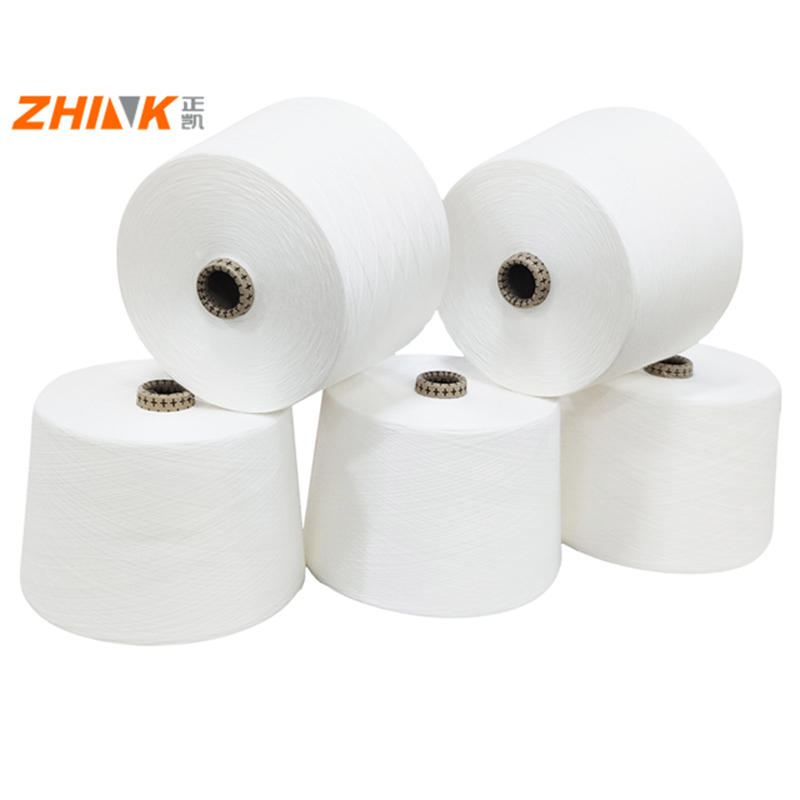
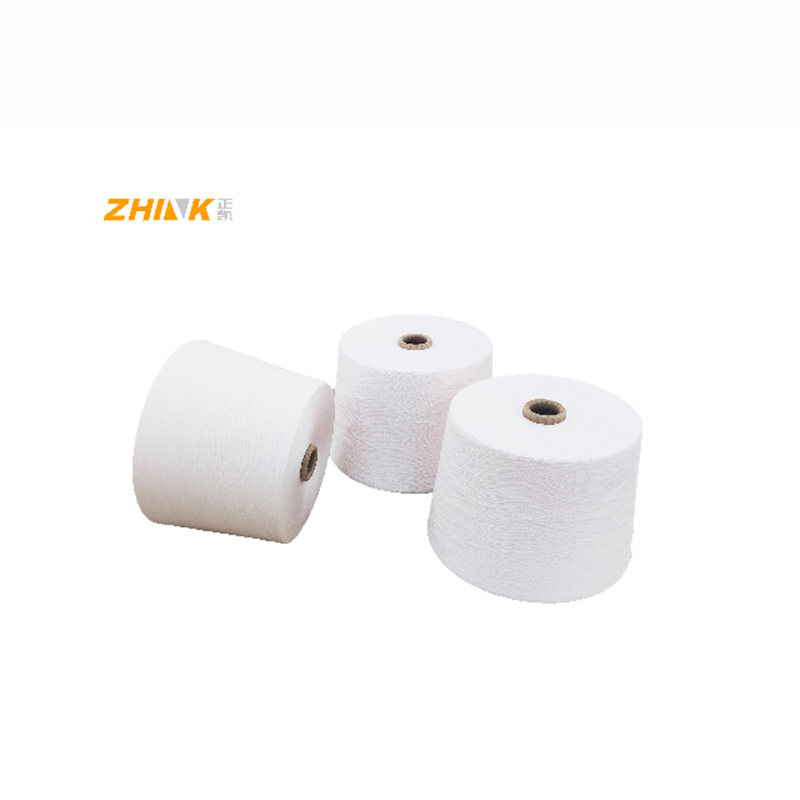
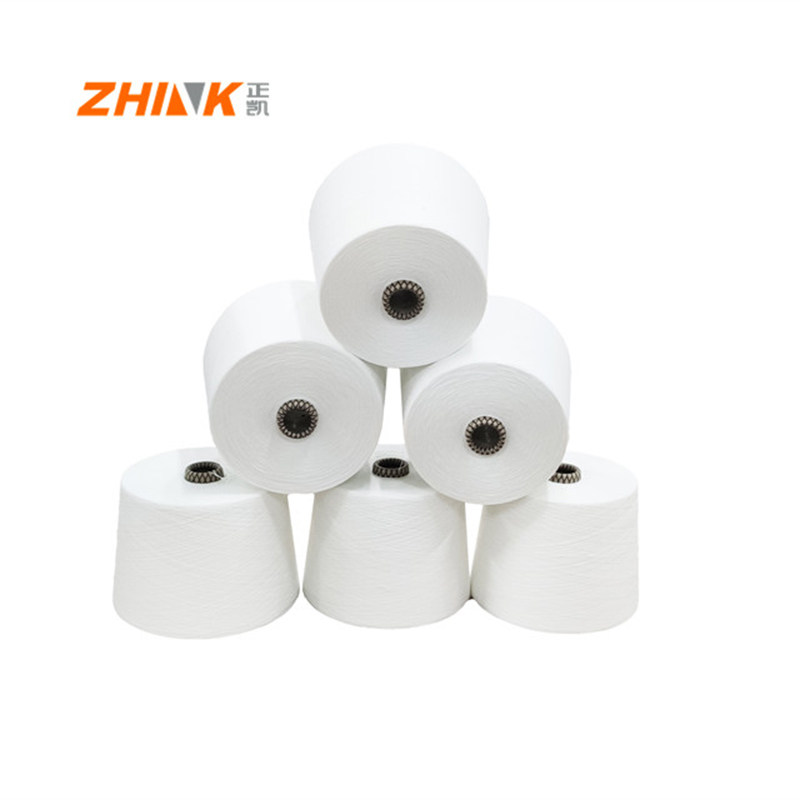
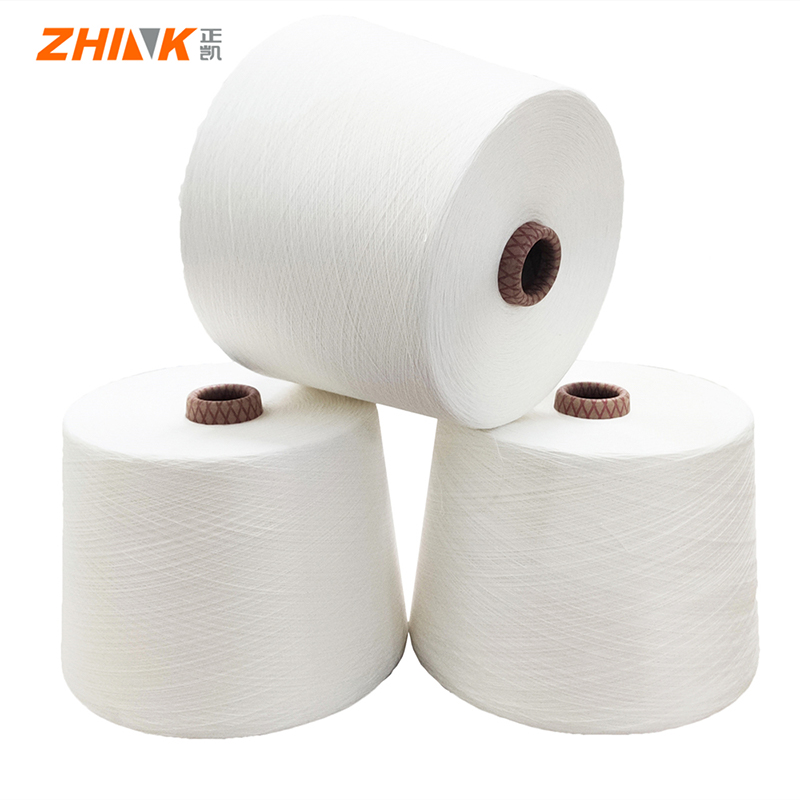
Recycled polyester/Modal siro compact yarn
Understanding Recycled Polyester/Modal Siro Compact Yarn
Recycled polyester/modal siro compact yarn isn’t just a technical term in textile manufacturing; it represents a move toward innovation and sustainability. From blending to production, understanding this yarn reveals much about modern textile techniques.
The Genesis of Recycled Polyester/Modal Yarn
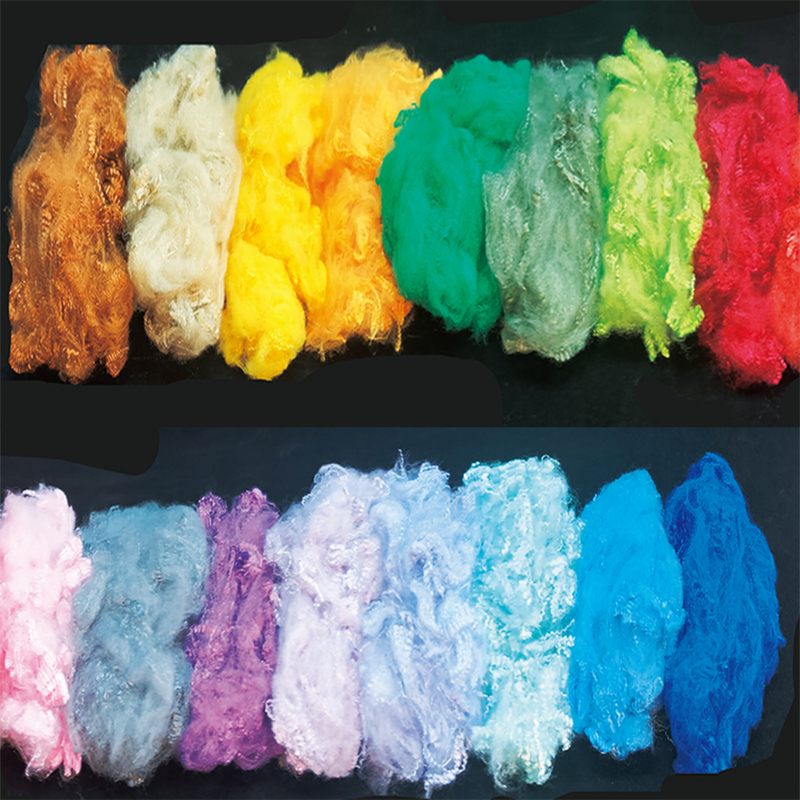
It started as a simple idea — integrate sustainability into everyday textiles. Recycled polyester emerged as a solution, transforming discarded plastic into viable textile fibers. Yet, blending it with modal — a type of rayon made from beech trees — adds softness to what might otherwise feel like purely industrial material.
My experience with this integration revealed that it’s not just about mixing fibers. The proportions and techniques used, such as the siro spinning method, significantly impact the yarn’s final characteristics. Here, the challenge lies in balancing strength with softness, a dance between synthetic resilience and natural comfort.
When we experimented with this at SHANDONG ZHINK NEW MATERIAL CO., LTD, we found that the specific blend ratios and processing techniques were crucial. Missteps can lead to an inconsistent end product, which, while educational, are costly and time-consuming.
Exploring Siro Compact Spinning
Siro spinning is a method that cohesively brings two rovings together, which are then twisted as a single. This technique enhances yarn strength and reduces hairiness, crucial for a polished finish in fabrics.
During trials at Zhink, the siro method proved effective in maximizing the performance of blended yarns. The technique’s complexity became apparent when minor machine adjustments led to substantial quality variations. These nuances often require hands-on experience, with a sharp eye on operating conditions.
One might overlook the environmental benefits when focusing on technical metrics. However, by utilizing recycled polyester, the footprint of the textile industry reduces dramatically, an aspect reinforced through results found in our lab tests and field applications.
A Peek into Production Challenges
Working with recycled polyester/modal siro compact yarn brings forth a host of challenges. Quality control is crucial. Ensuring consistency across batches requires stringent monitoring due to the recycled nature of the polyester component.
In practical terms, the purity of recycled polyester impacts dye uptake and consistency. When testing a batch, unanticipated variances in color can occur, leading to reconsiderations of the supply chain and upstream processes at Zhink's facilities.
The industry's iterative process is vital. The feedback loop between design, production, and implementation is not merely a formality but an essential checkpoint to optimize the balance between performance, appearance, and sustainability.
Market Demand and Ecological Impact
Consumer interest in eco-friendly products is on the rise, demanding more from manufacturers. Recycled polyester/modal siro compact yarn positions itself well in this niche, but with expectations come challenges.
At Zhink, responding to increasing demands means scaling production without compromising quality. This is where the expertise in managing material properties and technological processes plays a critical role.
The ecological impact is palpable, reducing reliance on virgin resources and promoting a more sustainable textile lifecycle. These commitments are not just box-ticking exercises; they require deep integration into daily operations.
Real-Life Applications and Future Prospects
The application of this yarn blend transcends standard garment manufacturing. The potential uses in technical textiles, home furnishings, and automotive interiors represent just a fraction of possible innovations.
While working on projects that utilize these yarns, I’ve seen firsthand the adaptability and versatility that siro-spun yarns offer. However, success personal experience shows that new markets involve a steep learning curve, especially when introducing innovative materials.
The future of textiles, particularly at SHANDONG ZHINK NEW MATERIAL CO., LTD, is undoubtedly leaning into greater sustainability with a focus on expanding the utility of recycled polyester/modal siro compact yarn. The pathway isn’t without its hurdles, but the potential for greener, more versatile products continues to drive progress.
Related Products
Related Products