+86-632-3621866
- Chinese
- French
- German
- Portuguese
- Spanish
- Russian
- Japanese
- Korean
- Arabic
- Irish
- Greek
- Turkish
- Italian
- Danish
- Romanian
- Indonesian
- Czech
- Afrikaans
- Swedish
- Polish
- Basque
- Catalan
- Esperanto
- Hindi
- Lao
- Albanian
- Amharic
- Armenian
- Azerbaijani
- Belarusian
- Bengali
- Bosnian
- Bulgarian
- Cebuano
- Chichewa
- Corsican
- Croatian
- Dutch
- Estonian
- Filipino
- Finnish
- Frisian
- Galician
- Georgian
- Gujarati
- Haitian
- Hausa
- Hawaiian
- Hebrew
- Hmong
- Hungarian
- Icelandic
- Igbo
- Javanese
- Kannada
- Kazakh
- Khmer
- Kurdish
- Kyrgyz
- Latin
- Latvian
- Lithuanian
- Luxembou..
- Macedonian
- Malagasy
- Malay
- Malayalam
- Maltese
- Maori
- Marathi
- Mongolian
- Burmese
- Nepali
- Norwegian
- Pashto
- Persian
- Punjabi
- Serbian
- Sesotho
- Sinhala
- Slovak
- Slovenian
- Somali
- Samoan
- Scots Gaelic
- Shona
- Sindhi
- Sundanese
- Swahili
- Tajik
- Tamil
- Telugu
- Thai
- Ukrainian
- Urdu
- Uzbek
- Vietnamese
- Welsh
- Xhosa
- Yiddish
- Yoruba
- Zulu
- Kinyarwanda
- Tatar
- Oriya
- Turkmen
- Uyghur


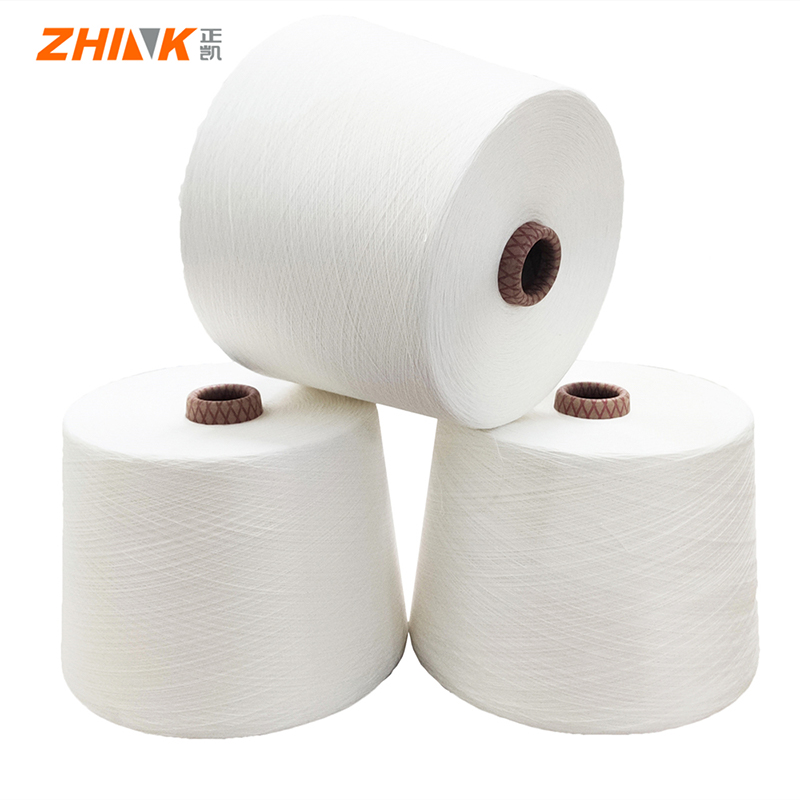
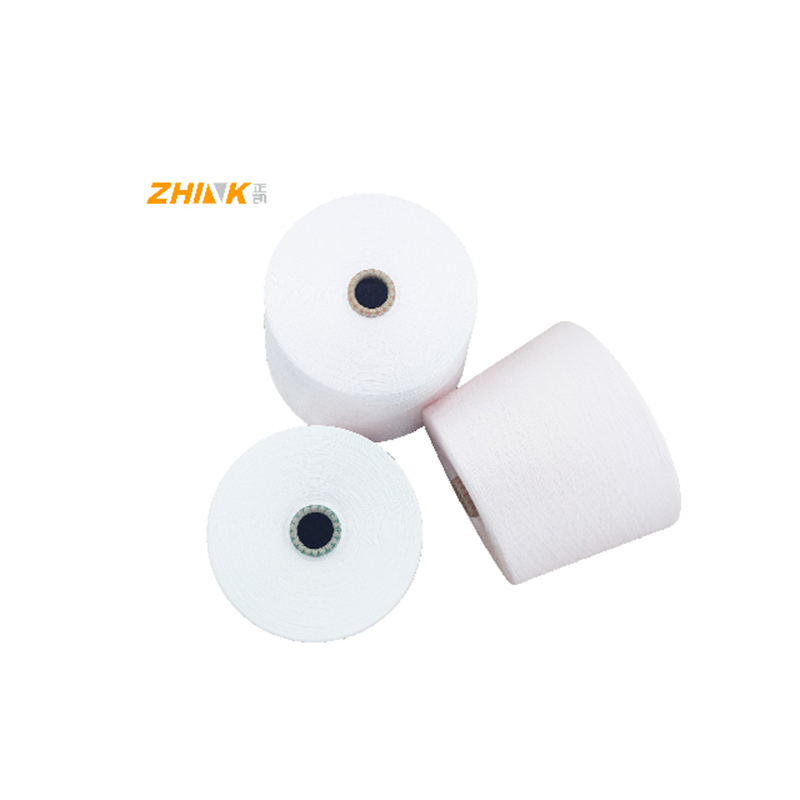
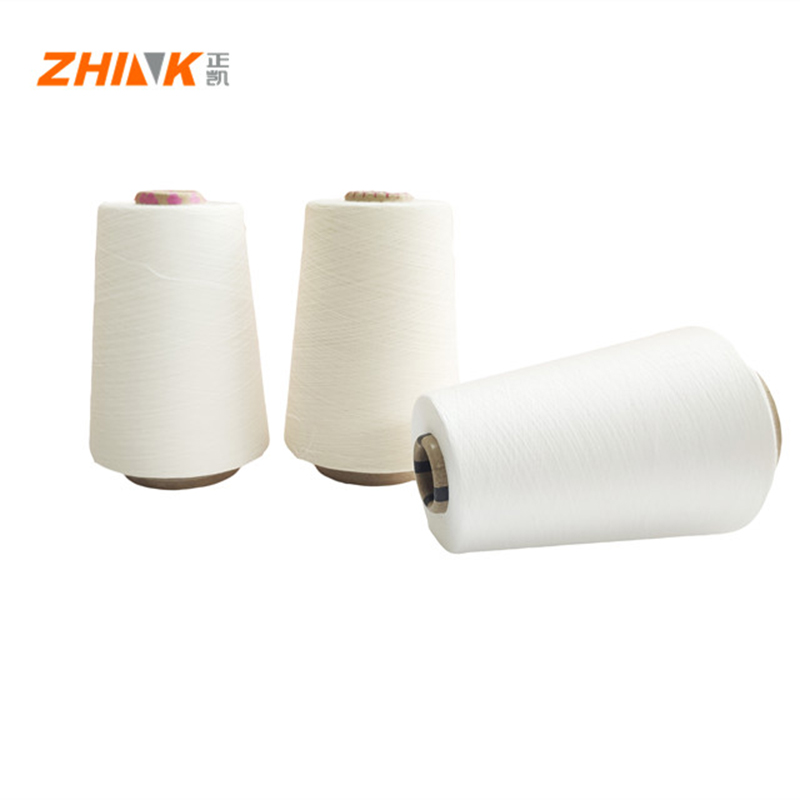
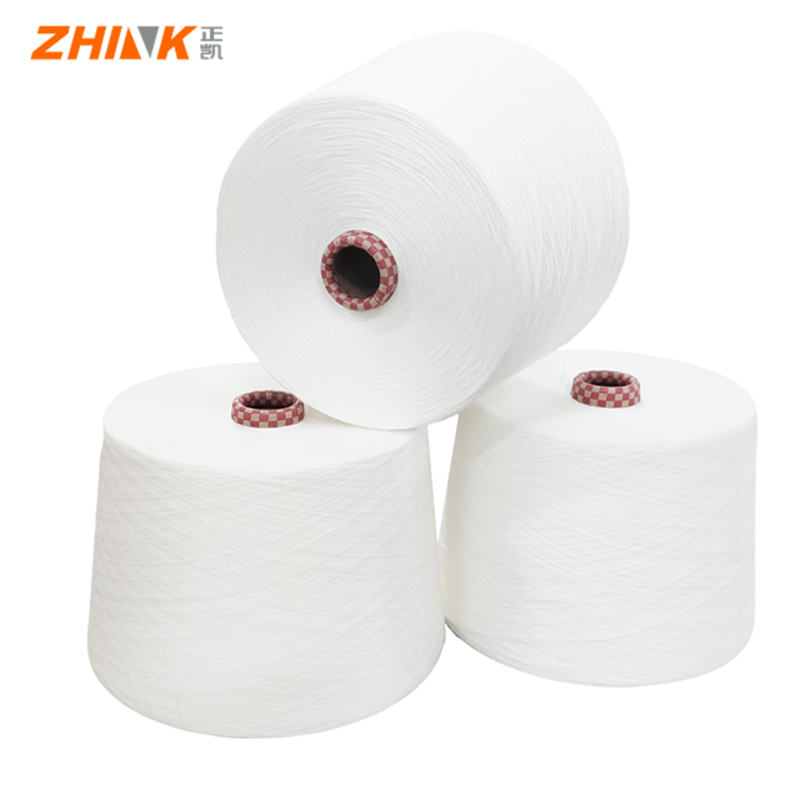
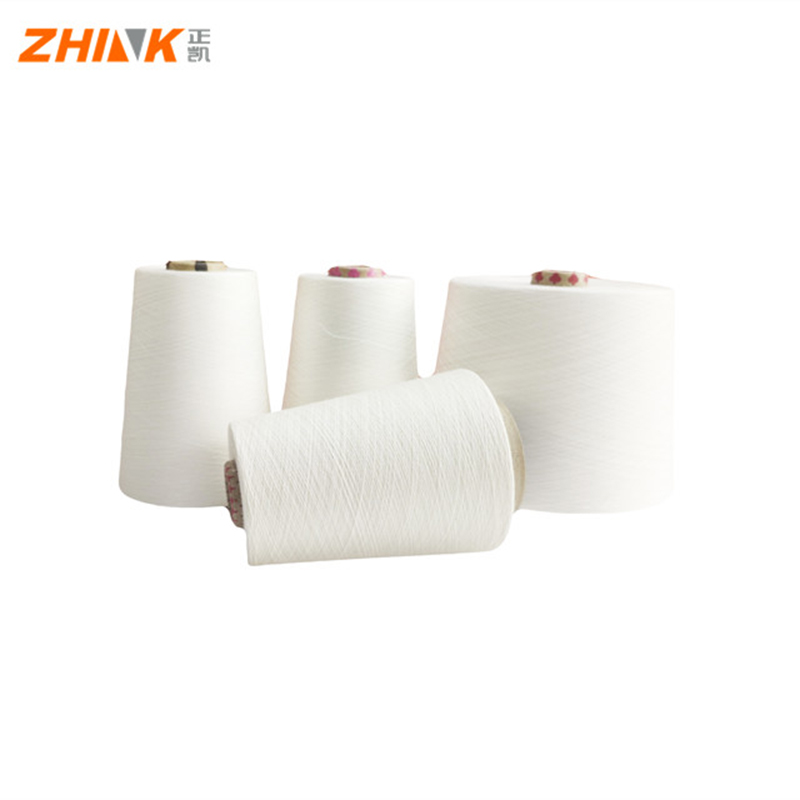
Recycled polyester/Modal siro yarn
Exploring the World of Recycled Polyester/Modal Siro Yarn
If you’ve ever thumbed through the fabric swatches at a textile show, you've probably marveled at the blend of sustainability and innovation in today’s textile industry. One material that consistently captures attention is Recycled polyester/Modal siro yarn. But what exactly is it, and why is it making waves? Below, I parse through my own encounters and observations in the field.
Understanding the Basics
In the textile arena, Recycled polyester/Modal siro yarn shines as a synthesis of form and function. On one hand, recycled polyester underscores a brand's commitment to eco-friendliness. On the other, Modal, known for its softness and breathability, adds a touch of luxury. Siro spinning, a technique that enhances the yarn's quality, presents a seamless marriage between performance and sustainability.
It wasn't too long ago when a client approached me, intrigued by the potential of this blend. They were particularly concerned about the wear and durability, two factors critical for their apparel line. I recall spending a late afternoon in the lab, stretching and testing the yarn’s tensile strength. The results were promising, but it was in the field tests where it truly shone. There's something to be said about observing textiles endure the rigors of daily wear.
A frequent misconception I've encountered is the belief that recycled means less durable. Experience tells a different story. In many cases, recycled fibers exhibit comparable strength to their virgin counterparts, especially when processed with expertise. The key often lies in the spinning technology used, and siro spinning has proven effective in balancing the qualities of both fibers.
Challenges in Production
Diving into the nitty-gritty, production isn't just about spinning fibers together; it's a dance of temperature control, tension management, and moisture retention. The RH levels in the production facility can dramatically impact the final yarn quality. I remember a particular batch that came out inconsistent because of a minor oversight in this very aspect. It's these small technical nuances that often define the quality of a Recycled polyester/Modal siro yarn.
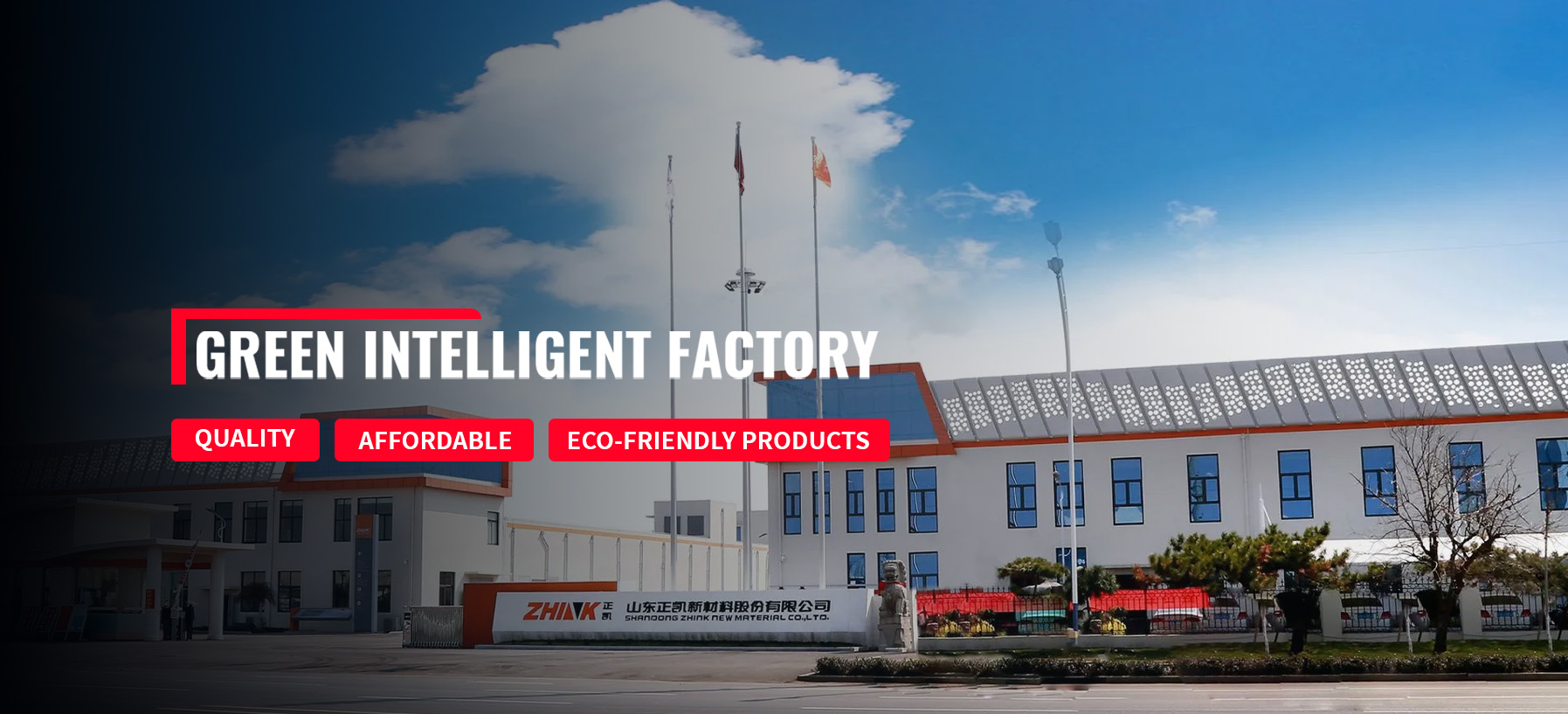
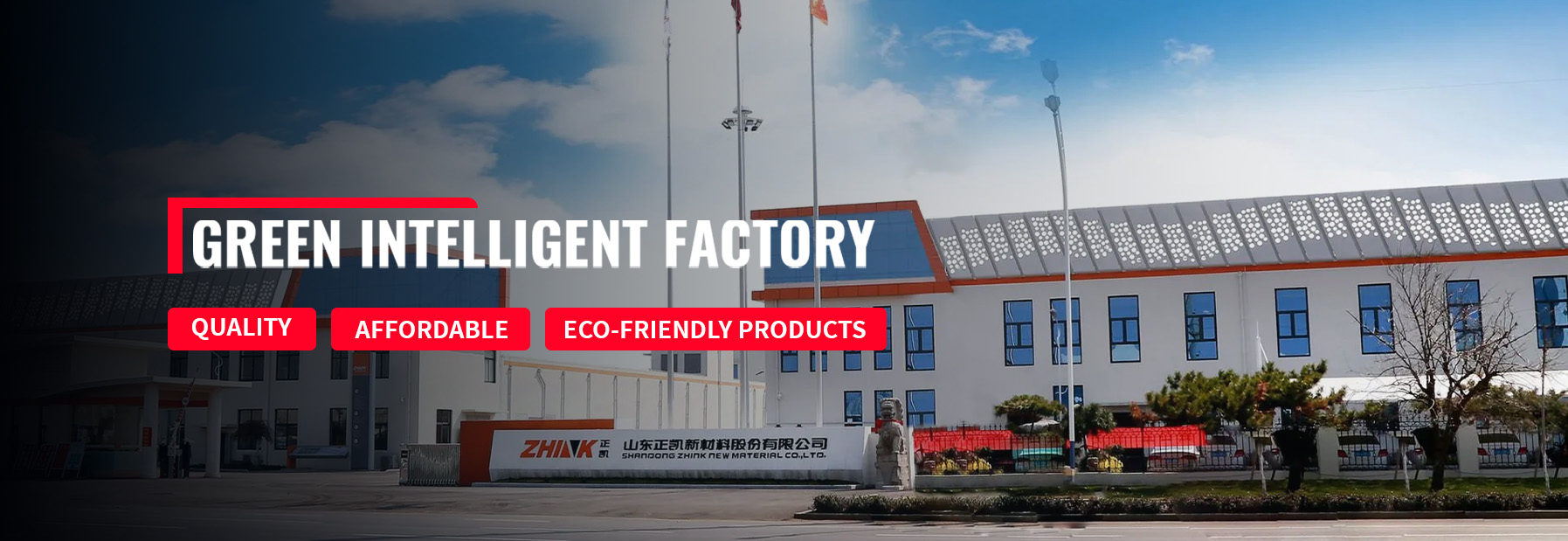
Zhink New Material, for instance, has fine-tuned their processes over the years. (You can find more about their innovations at SHANDONG ZHINK NEW MATERIAL CO., LTD). Their rigorous R&D protocols ensure that the yarn not only meets industry standards but also aligns with the evolving demands of sustainability.
Of course, recycling polyester demands its own set of competencies. The re-polymerization requires precision; any lapse can mean compromised fiber integrity. Modal, derived from beechwood pulp, needs careful handling to preserve its softness, often a logistical challenge worth overcoming.
Market Reception and Adaptation
Seeing the market reception to this hybrid has been fascinating. Initially, adoption was slow, with only a handful of eco-conscious brands dabbling in it. However, consumer awareness around sustainability has steadily climbed, and with it, demand for Recycled polyester/Modal siro yarn surged.
I recall attending a textile expo where a brand showcased their new collection made entirely from this yarn. The response was overwhelmingly positive. Buyers praised not only the feel and appearance but also appreciated the narrative of sustainability it carried. It struck a chord with the modern eco-aware customer base.
This transition hasn't been without hiccups. Pricing remains a sticking point, as the intricate production processes often push costs higher. Yet, brands willing to pay the premium recognize the long-term benefits far outweigh the initial expenditure—both in brand value and in adhering to environmental standards.
Future Prospects
Looking forward, the role of technology and innovation in refining these yarns remains pivotal. Automated quality checks, AI-driven process optimizations, and even blockchain for supply chain transparency are game changers. Companies like Zhink New Material are at the forefront of these innovations, committed to pushing boundaries both in quality and sustainability.
The concept of a circular economy in textiles is gradually becoming more than just a buzzword. As we innovate, there's hope that recycled materials like polyester can someday compete on equal footing—not just with new fibers, but with better environmental outcomes. It's an exciting era to be part of, challenging yet full of potential.
As I pen these thoughts, it's clear that this isn’t just another trend. It's a paradigm shift. Whether you're a manufacturer considering integrating these materials or simply a consumer curious about sustainable textiles, the journey into Recycled polyester/Modal siro yarn is as much about embracing innovation as it is about conserving the world we inhabit.
Related Products
Related Products