+86-632-3621866
- Chinese
- French
- German
- Portuguese
- Spanish
- Russian
- Japanese
- Korean
- Arabic
- Irish
- Greek
- Turkish
- Italian
- Danish
- Romanian
- Indonesian
- Czech
- Afrikaans
- Swedish
- Polish
- Basque
- Catalan
- Esperanto
- Hindi
- Lao
- Albanian
- Amharic
- Armenian
- Azerbaijani
- Belarusian
- Bengali
- Bosnian
- Bulgarian
- Cebuano
- Chichewa
- Corsican
- Croatian
- Dutch
- Estonian
- Filipino
- Finnish
- Frisian
- Galician
- Georgian
- Gujarati
- Haitian
- Hausa
- Hawaiian
- Hebrew
- Hmong
- Hungarian
- Icelandic
- Igbo
- Javanese
- Kannada
- Kazakh
- Khmer
- Kurdish
- Kyrgyz
- Latin
- Latvian
- Lithuanian
- Luxembou..
- Macedonian
- Malagasy
- Malay
- Malayalam
- Maltese
- Maori
- Marathi
- Mongolian
- Burmese
- Nepali
- Norwegian
- Pashto
- Persian
- Punjabi
- Serbian
- Sesotho
- Sinhala
- Slovak
- Slovenian
- Somali
- Samoan
- Scots Gaelic
- Shona
- Sindhi
- Sundanese
- Swahili
- Tajik
- Tamil
- Telugu
- Thai
- Ukrainian
- Urdu
- Uzbek
- Vietnamese
- Welsh
- Xhosa
- Yiddish
- Yoruba
- Zulu
- Kinyarwanda
- Tatar
- Oriya
- Turkmen
- Uyghur


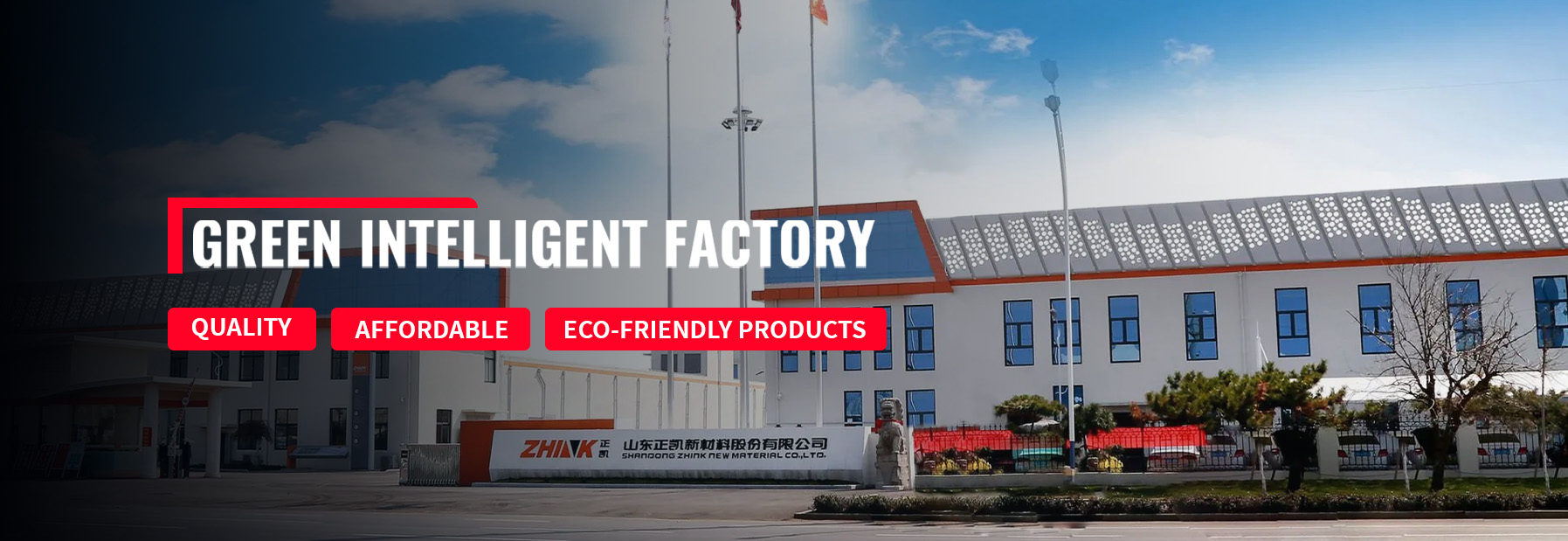
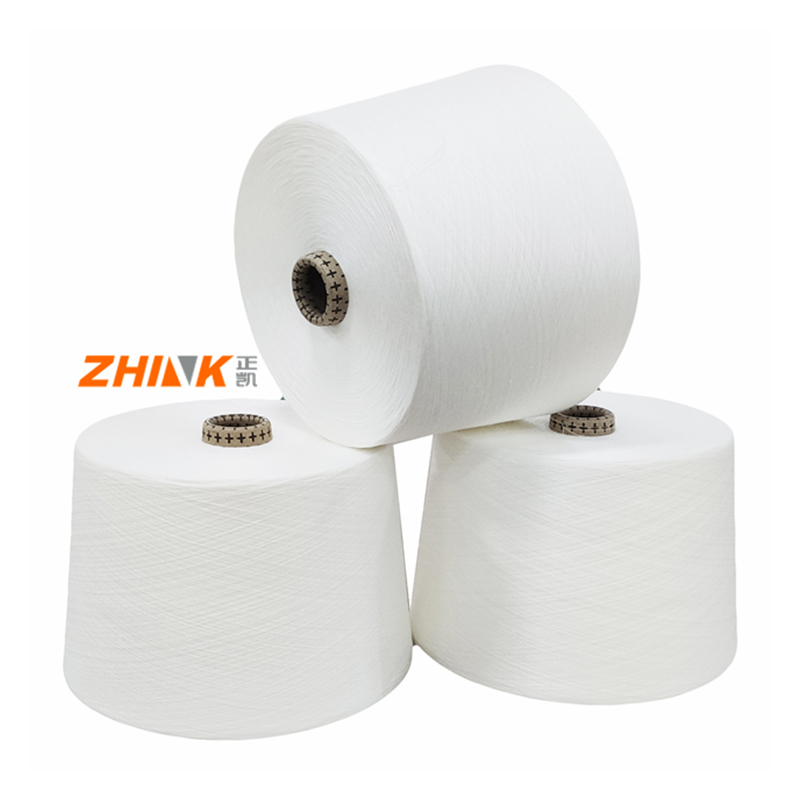
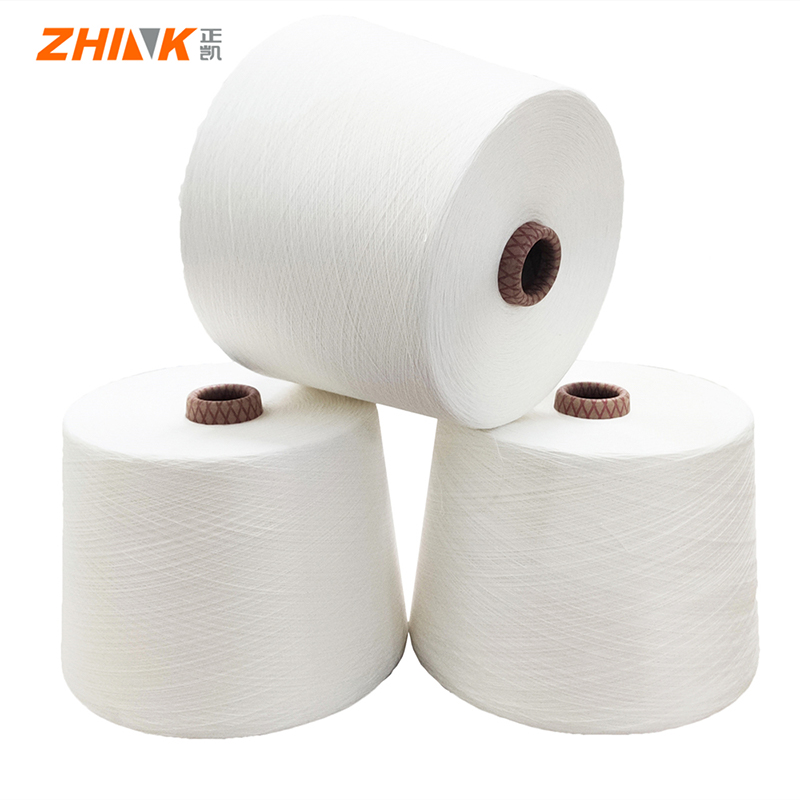
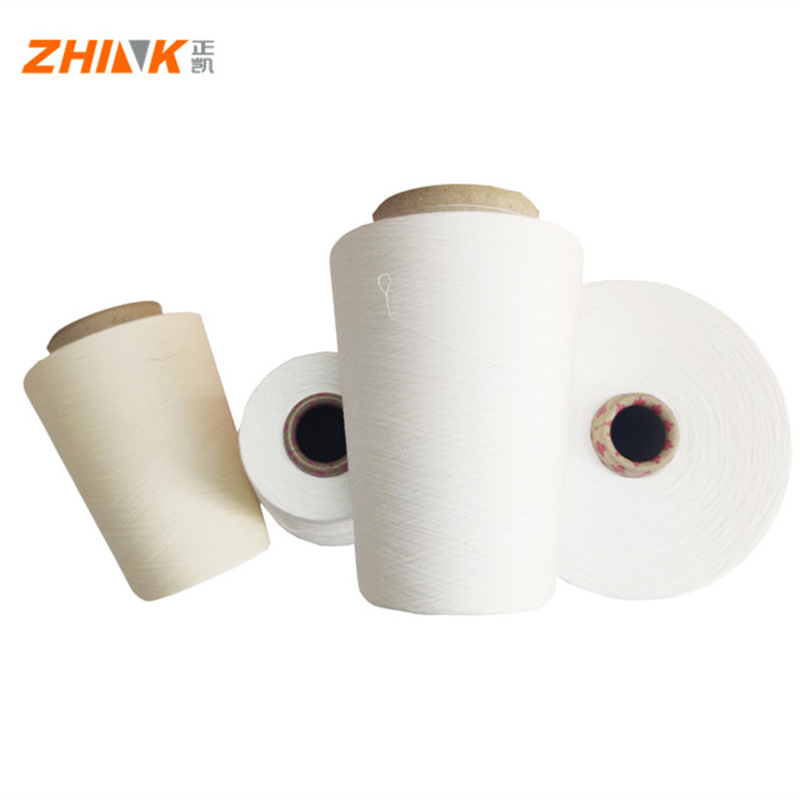
Recycled polyester spandex yarn
The Intricacies of Recycled Polyester Spandex Yarn
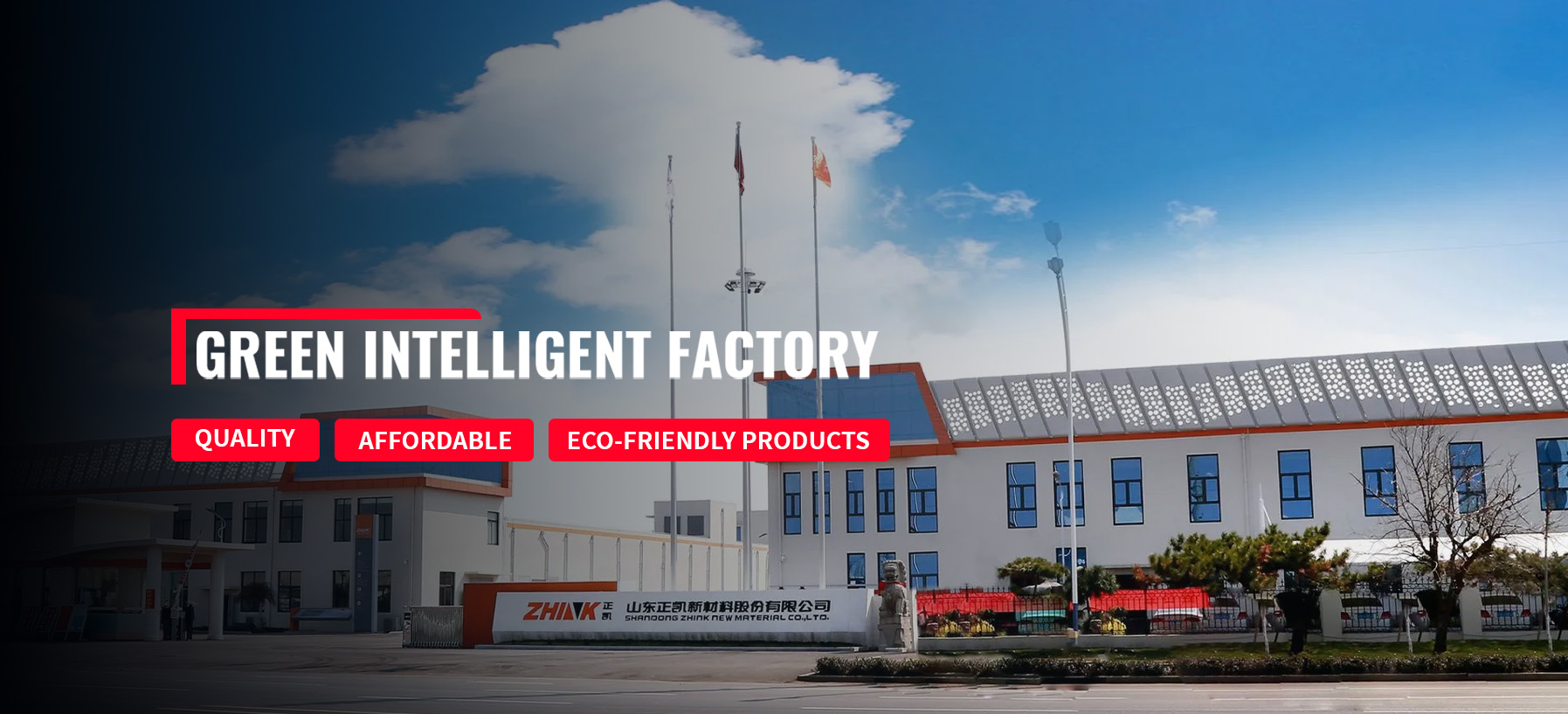
Recycled polyester spandex yarn is a fascinating material gaining traction in the textile industry. With sustainability becoming more critical, how does this particular yarn fit into current manufacturing processes? Let’s delve into its applications, benefits, and the challenges it presents to companies like SHANDONG ZHINK NEW MATERIAL CO., LTD, a leader in innovative textile solutions.
Understanding the Basics
At its core, recycled polyester spandex yarn combines versatility with eco-friendliness. Most might assume this means simply combining recycled polyester with spandex. However, the process is anything but simple. SHANDONG ZHINK NEW MATERIAL CO., LTD has been at the forefront, not just mixing these materials but ensuring the recycled components maintain integrity and performance.
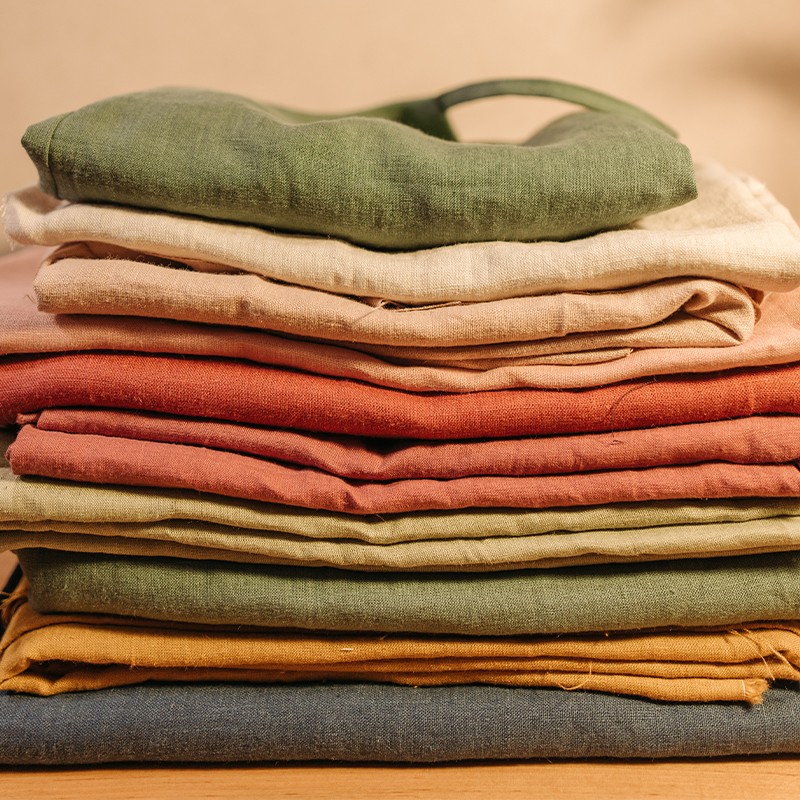
Given its stretch and recovery capabilities, this yarn is particularly popular in activewear and swimwear. Notably, the blend allows garments to move with the body while offering a reduced environmental footprint. The real challenge, however, isn't just creating the yarn but ensuring it retains quality over repeated use.
The journey from used plastic bottles to a finished spool of yarn involves several meticulous steps. Each step is crucial to maintaining the material's elasticity, something that can be easily compromised if handled inadequately.
Production Techniques and Challenges
Producing recycled polyester spandex yarn requires the melding of traditional and innovative techniques. Companies like Zhink New Material, accessible at their website, have honed these techniques, ensuring that quality doesn’t waver.
One significant hurdle is color consistency. Recycled fibers can vary depending on their source, requiring additional processing to achieve uniform color. This is where industry experience makes a difference. Every batch might require minor adjustments—something an experienced eye can manage.
Additionally, spinning these fibers into a single coherent strand presents its difficulties. Experience plays a pivotal role here; it takes numerous trials and adjustments to get a yarn that balances strength, elasticity, and sustainability. It's a delicate dance between raw material properties and the desired outcome.
Applications in Fashion and Industry
The versatility of recycled polyester spandex yarn is evident in its wide range of applications. Fashion designers value its stretch properties, while manufacturers appreciate its robustness. The real advantage comes from marrying functionality with sustainability—a combo not easily achieved.
In practice, companies such as SHANDONG ZHINK NEW MATERIAL CO., LTD have seen increased demand from fashion brands keen on eco-friendly lines. However, there's a learning curve. Transitioning from conventional yarns to recycled ones requires recalibration of existing manufacturing machines, a task that can be costly but ultimately rewarding.
The spandex blend's elasticity makes it especially appealing for sportswear, where comfort and movement are paramount. However, achieving the right stretch without compromising recycled fiber integrity is a task mastered only through continuous refinement.
Sustainability Aspects
So, why has recycled polyester spandex yarn become so crucial in sustainable manufacturing? Quite simply, it reduces reliance on virgin materials, thus conserving resources and energy. This aspect aligns seamlessly with the core mission of Zhink New Material—to innovate while respecting our planet.
Moreover, the use of sustainable yarns helps brands communicate their commitment to environmental responsibility. An effective marketing tool? Certainly. But it’s ultimately about making genuine strides toward a more sustainable industry.
The transparency of the recycling process also instills confidence in consumers. They know their athletic gear or trendy new outfit hasn’t just been manufactured—it’s been thoughtfully crafted with care for the environment.
Future Prospects and Innovations
Looking ahead, the role of recycled polyester spandex yarn will likely expand. New processes and technologies emerge continuously, offering manufacturers more options to enhance product quality. Companies like SHANDONG ZHINK NEW MATERIAL CO., LTD are well-positioned to lead these advancements.
Future innovations might see blends that further push the boundaries of elasticity and strength while maintaining the integrity of the recycled fibers. We're talking about using new dyeing techniques that don't compromise the yarn’s eco-friendliness, or advanced spinning technologies that provide even greater thread consistency.
Ultimately, the continued success and expansion of such materials will depend on collaboration and information sharing across the industry. As pioneering entities like Zhink New Material advance their research and techniques, they provide a model for others to follow, shaping a more sustainable future.
Related Products
Related Products