+86-632-3621866
- Chinese
- French
- German
- Portuguese
- Spanish
- Russian
- Japanese
- Korean
- Arabic
- Irish
- Greek
- Turkish
- Italian
- Danish
- Romanian
- Indonesian
- Czech
- Afrikaans
- Swedish
- Polish
- Basque
- Catalan
- Esperanto
- Hindi
- Lao
- Albanian
- Amharic
- Armenian
- Azerbaijani
- Belarusian
- Bengali
- Bosnian
- Bulgarian
- Cebuano
- Chichewa
- Corsican
- Croatian
- Dutch
- Estonian
- Filipino
- Finnish
- Frisian
- Galician
- Georgian
- Gujarati
- Haitian
- Hausa
- Hawaiian
- Hebrew
- Hmong
- Hungarian
- Icelandic
- Igbo
- Javanese
- Kannada
- Kazakh
- Khmer
- Kurdish
- Kyrgyz
- Latin
- Latvian
- Lithuanian
- Luxembou..
- Macedonian
- Malagasy
- Malay
- Malayalam
- Maltese
- Maori
- Marathi
- Mongolian
- Burmese
- Nepali
- Norwegian
- Pashto
- Persian
- Punjabi
- Serbian
- Sesotho
- Sinhala
- Slovak
- Slovenian
- Somali
- Samoan
- Scots Gaelic
- Shona
- Sindhi
- Sundanese
- Swahili
- Tajik
- Tamil
- Telugu
- Thai
- Ukrainian
- Urdu
- Uzbek
- Vietnamese
- Welsh
- Xhosa
- Yiddish
- Yoruba
- Zulu
- Kinyarwanda
- Tatar
- Oriya
- Turkmen
- Uyghur


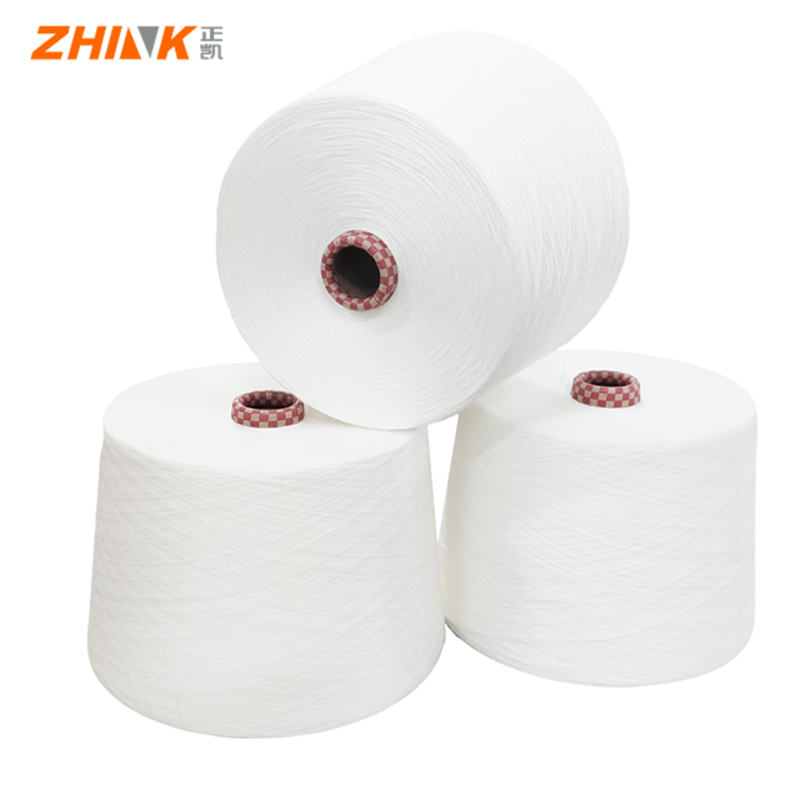
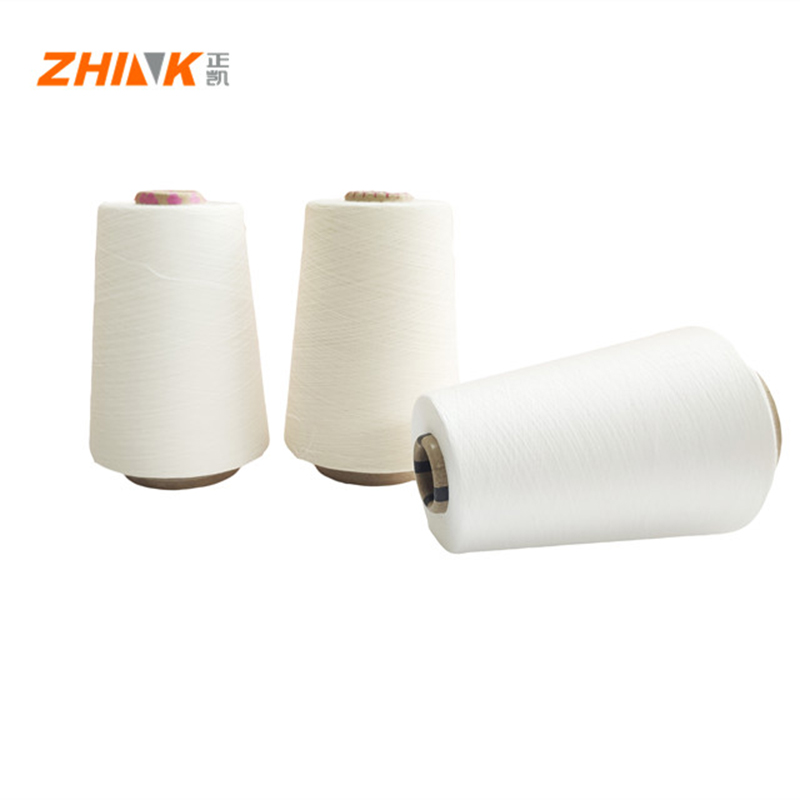
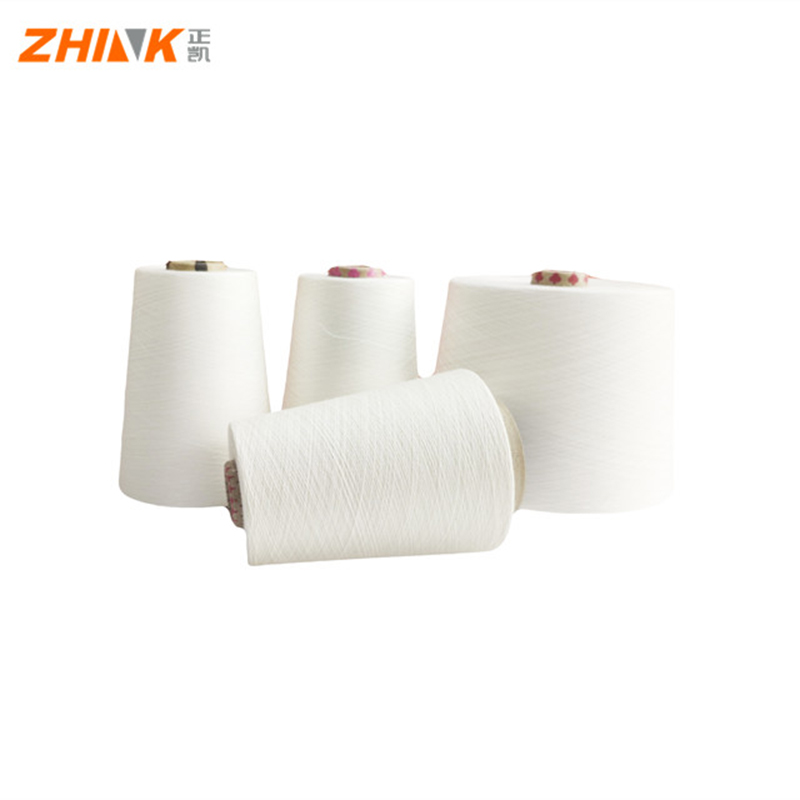
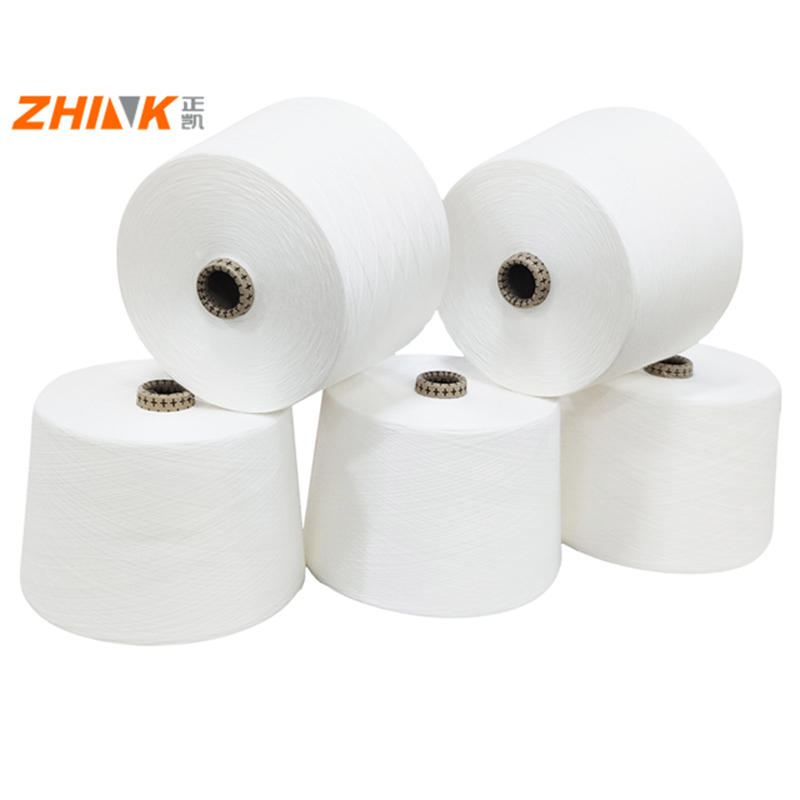
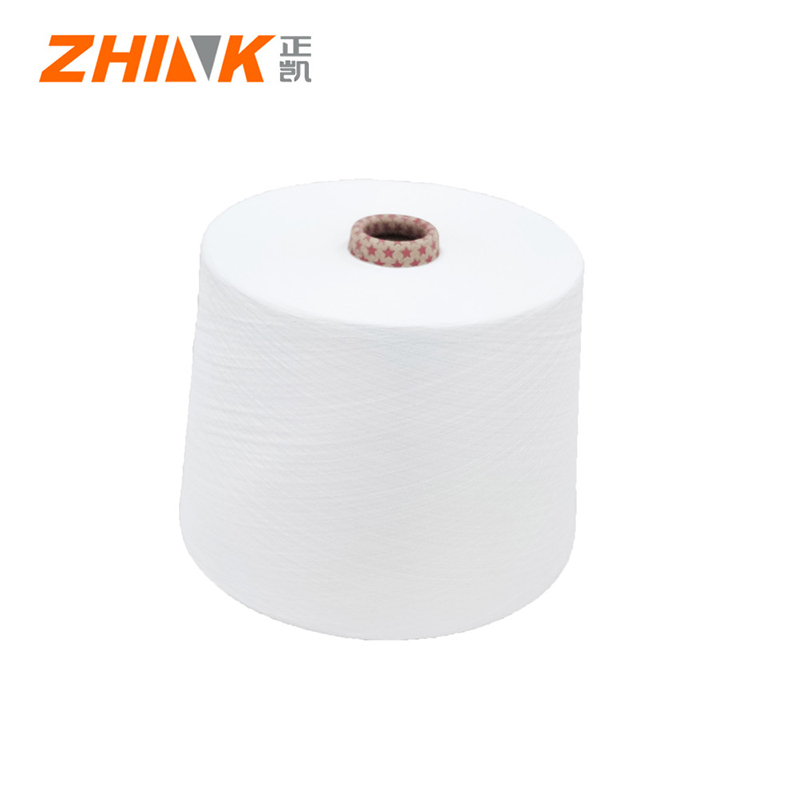
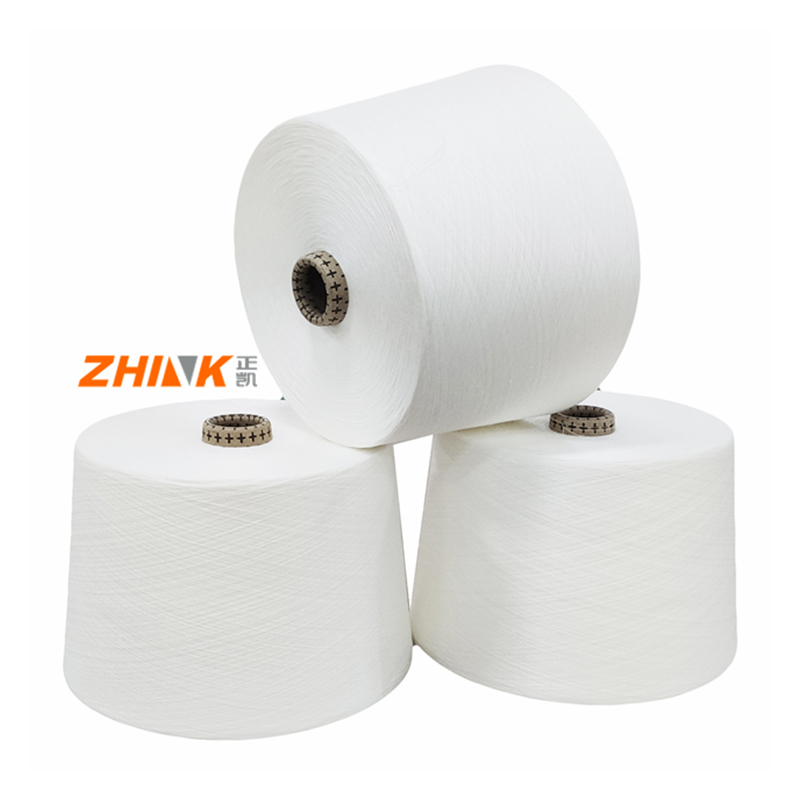
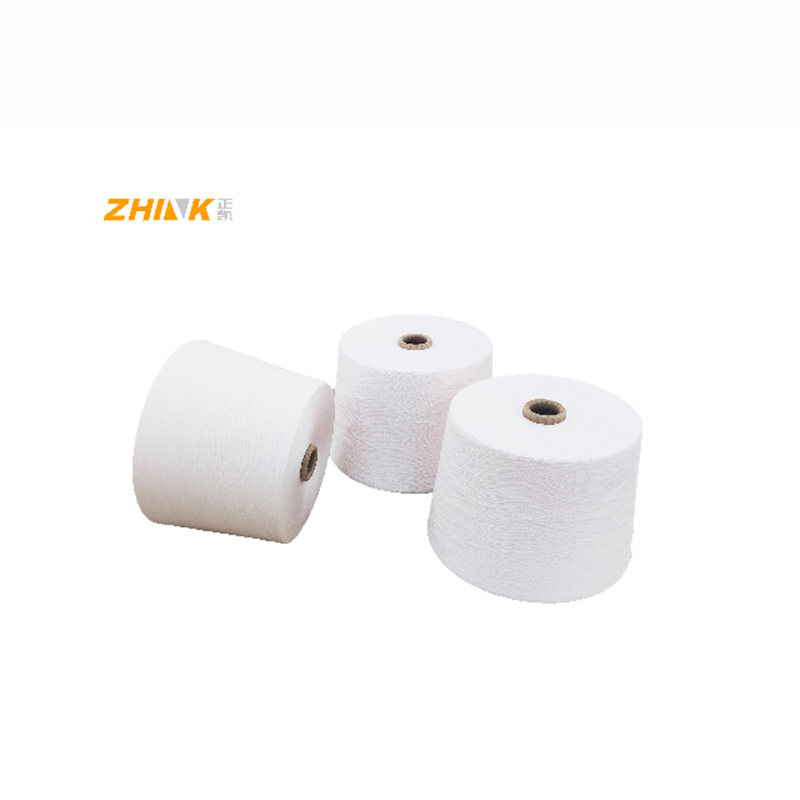
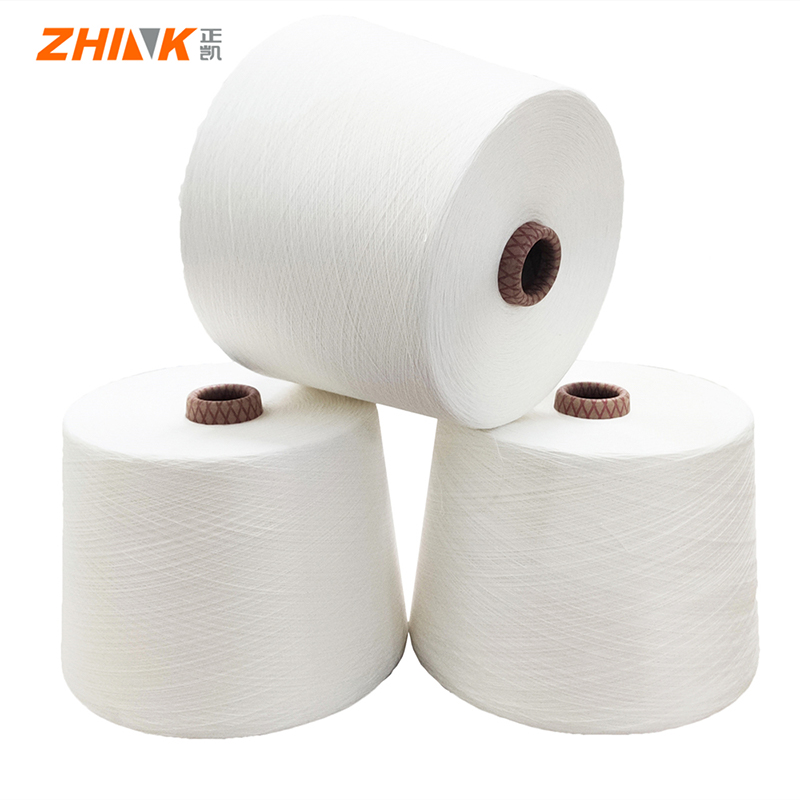
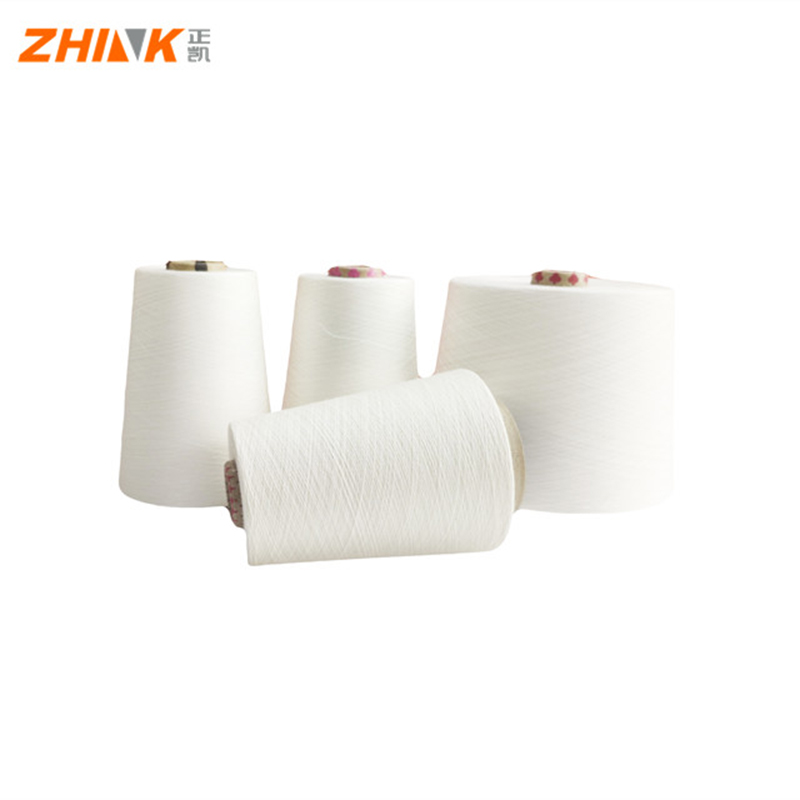
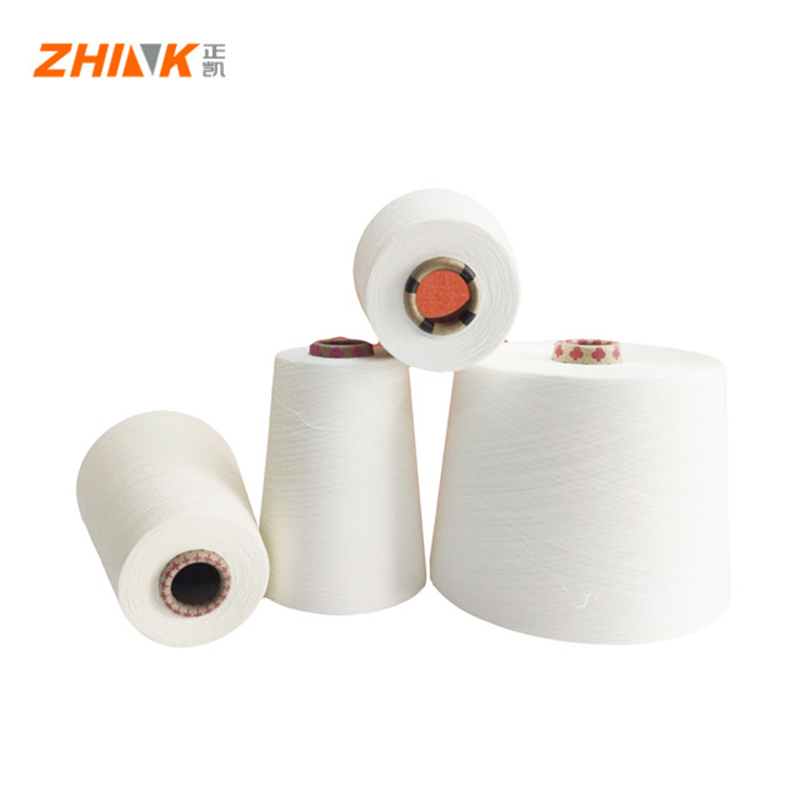
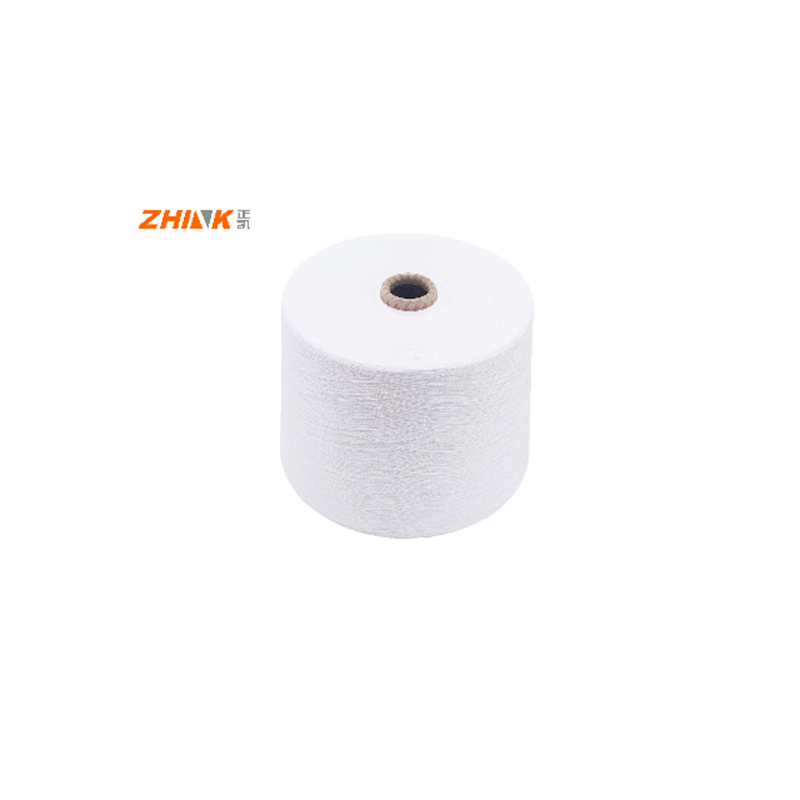
Recycled polyester spun yarn
The Journey of Recycled Polyester Spun Yarn: Practical Insights
Recycled polyester spun yarn has been hailed as a sustainable savior in the textile industry. But what lies beneath its shiny green promise? Explore the truth behind this versatile material and how it's revolutionizing fabrics one thread at a time.
Understanding Recycled Polyester Spun Yarn
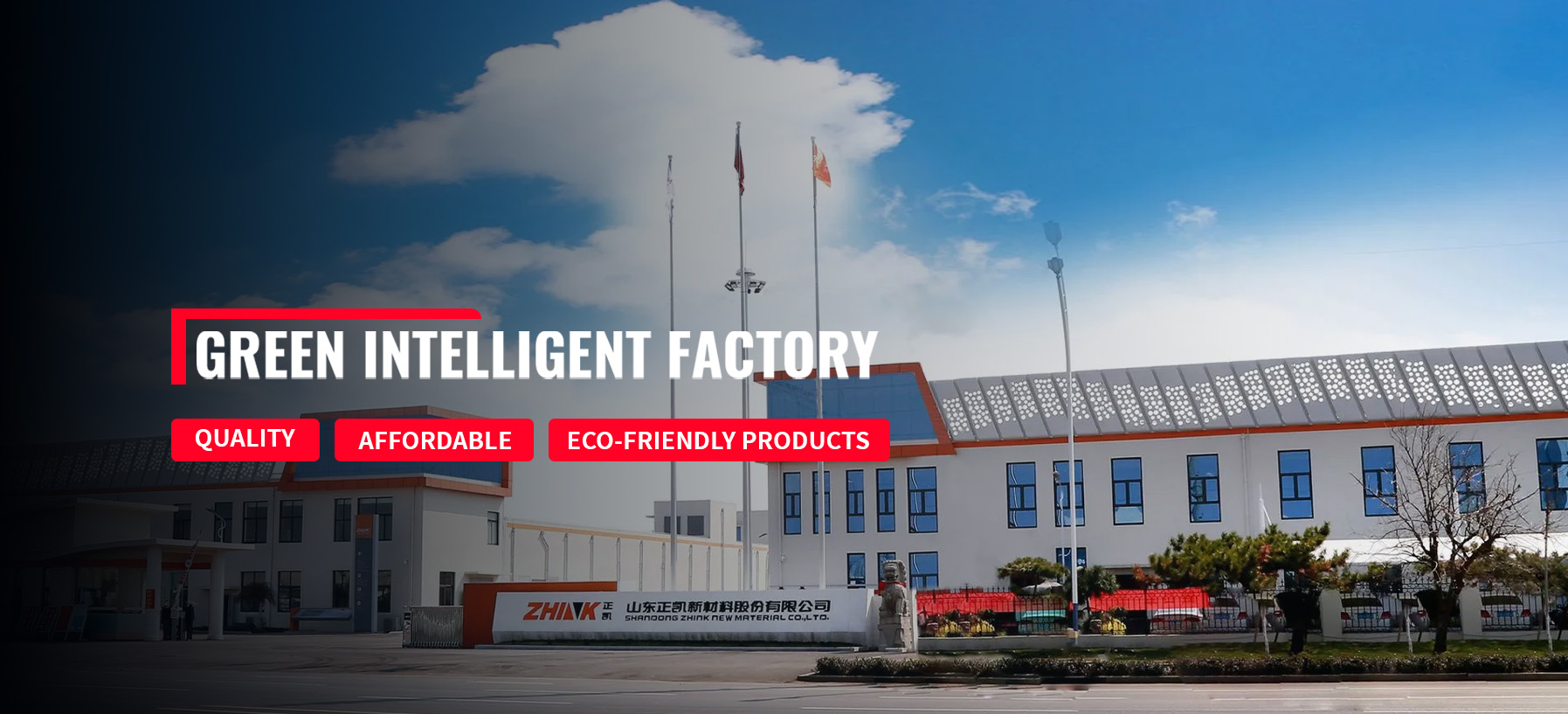
Let’s start with the basics. What exactly is recycled polyester spun yarn? On the surface, it seems straightforward: polyester yarn made from recycled plastic bottles. But in reality, the process involves various stages from collecting plastic waste to converting it into fibers and eventually yarn. It’s this comprehensive undertaking that makes companies like SHANDONG ZHINK NEW MATERIAL CO., LTD stand out, given their deep involvement in every step at their website.
One major misconception is equating recycled polyester with lesser quality. It’s not about downgrading but upgrading the way we view waste. The techniques used to spin this yarn are advanced, ensuring minimum compromise on strength and durability. I've personally tested fabrics made of this material, and they hold up remarkably well under stress – comparable even to virgin polyester.
However, challenges remain. The consistency in quality, batch after batch, is tough to maintain. Remember, your raw material is essentially recycled waste; variability is a given. But that’s where innovation comes in, something Zhink New Material is actively researching.
Environmental Impact: The Real Deal
Recycled polyester spun yarn is often marketed as environmentally friendly, a badge not without merit. Transforming plastic waste into wearable fibers is certainly a step forward in reducing landfill accumulation. Each ton of these recycled fibers essentially saves almost a ton of crude oil resources.
However, another layer to consider is the energy consumption. The recycling process isn’t free from carbon emissions. In my experience, discussions around sustainability in textiles have shifted towards a more holistic understanding, considering water usage, energy requirements, and carbon footprints.
Still, the overall savings in terms of new resource extraction seem to offer a net positive. Companies need a balanced narrative; it’s not just about recycling, but about efficient, sustainable production cycles.
Real-World Applications
Where do we see recycled polyester spun yarn on the market? Practically everywhere. Apparel brands are increasingly using it in everything from high-performance sportswear to everyday basics. The softness achieved during the spinning process allows for versatile fabric applications.
I recall a time working on a project with sportswear, and the client’s main concern was about moisture management. Surprisingly, the recycled yarn performed on par with traditional polyester. The uniformity in the fiber cross-section contributes to this efficiency.
Beyond clothing, this yarn has found its place in home textiles and fashion accessories. The hallmark is adaptability, without compromising the fabric feel or look, facilitating widespread consumer acceptance.
Challenges and Industry Innovations
The journey isn't without roadblocks. One significant obstacle is the perception issue; people equate recycled with low-end. Overcoming this bias involves not just marketing, but real evidence as presented by lab tests and wear trials.
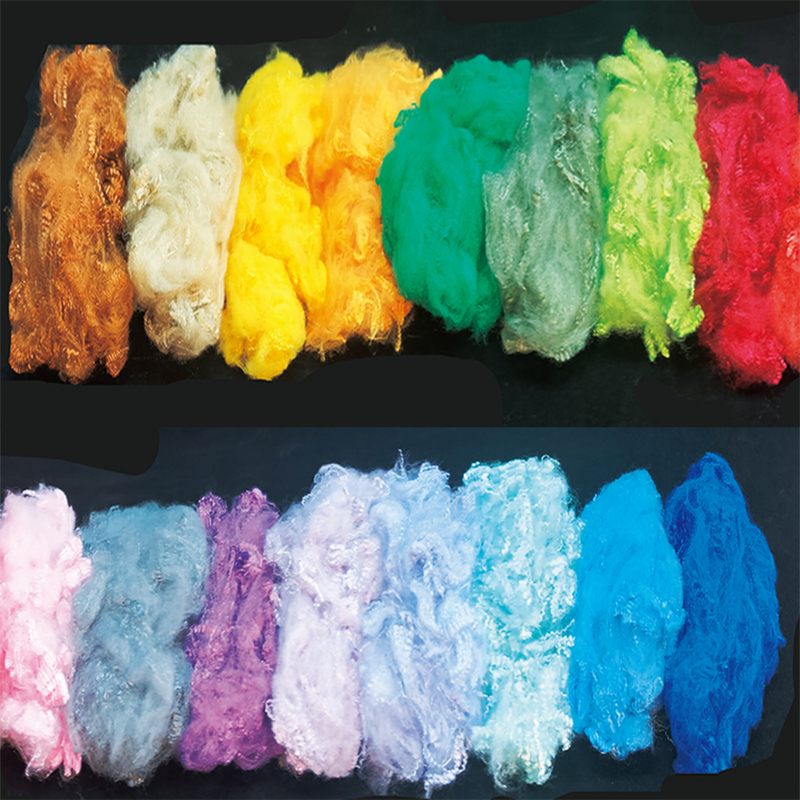
Advancements are continually being made. Material scientists are pushing boundaries to enhance dye affinity and reduce pilling, issues that sometimes plague such fibers. Companies like Zhink New Material are key players in these innovations, emphasizing R&D in textile solutions.
We’re seeing increased collaboration across sectors, where chemical companies, yarn producers, and brand houses drive collective growth in quality and sustainability measures. It’s a community effort fostering shared technological breakthroughs.
The Future: Towards a Circular Economy
What's the ultimate goal with recycled polyester spun yarn? It’s about contributing to a circular economy, where yesterday's waste becomes tomorrow’s resources. We’re beginning to see frameworks designed for closed-loop recycling.
The ambition is not just recycling existing waste but designing products with end-of-life in mind. It's an exciting evolution, and while we’re not there yet, the space is ripe for innovation. Imagine a future where every garment is part of an infinite recycling loop without quality loss.
As for immediate steps, companies need to focus on transparency and consumer education. The call is for authenticity and honest storytelling, valuable initiatives that the likes of Shandong Zhink New Material Co., Ltd are already spearheading. It’s about bringing consumers along on this sustainable journey, one informed decision at a time.
Related Products
Related Products