+86-632-3621866
- Chinese
- French
- German
- Portuguese
- Spanish
- Russian
- Japanese
- Korean
- Arabic
- Irish
- Greek
- Turkish
- Italian
- Danish
- Romanian
- Indonesian
- Czech
- Afrikaans
- Swedish
- Polish
- Basque
- Catalan
- Esperanto
- Hindi
- Lao
- Albanian
- Amharic
- Armenian
- Azerbaijani
- Belarusian
- Bengali
- Bosnian
- Bulgarian
- Cebuano
- Chichewa
- Corsican
- Croatian
- Dutch
- Estonian
- Filipino
- Finnish
- Frisian
- Galician
- Georgian
- Gujarati
- Haitian
- Hausa
- Hawaiian
- Hebrew
- Hmong
- Hungarian
- Icelandic
- Igbo
- Javanese
- Kannada
- Kazakh
- Khmer
- Kurdish
- Kyrgyz
- Latin
- Latvian
- Lithuanian
- Luxembou..
- Macedonian
- Malagasy
- Malay
- Malayalam
- Maltese
- Maori
- Marathi
- Mongolian
- Burmese
- Nepali
- Norwegian
- Pashto
- Persian
- Punjabi
- Serbian
- Sesotho
- Sinhala
- Slovak
- Slovenian
- Somali
- Samoan
- Scots Gaelic
- Shona
- Sindhi
- Sundanese
- Swahili
- Tajik
- Tamil
- Telugu
- Thai
- Ukrainian
- Urdu
- Uzbek
- Vietnamese
- Welsh
- Xhosa
- Yiddish
- Yoruba
- Zulu
- Kinyarwanda
- Tatar
- Oriya
- Turkmen
- Uyghur



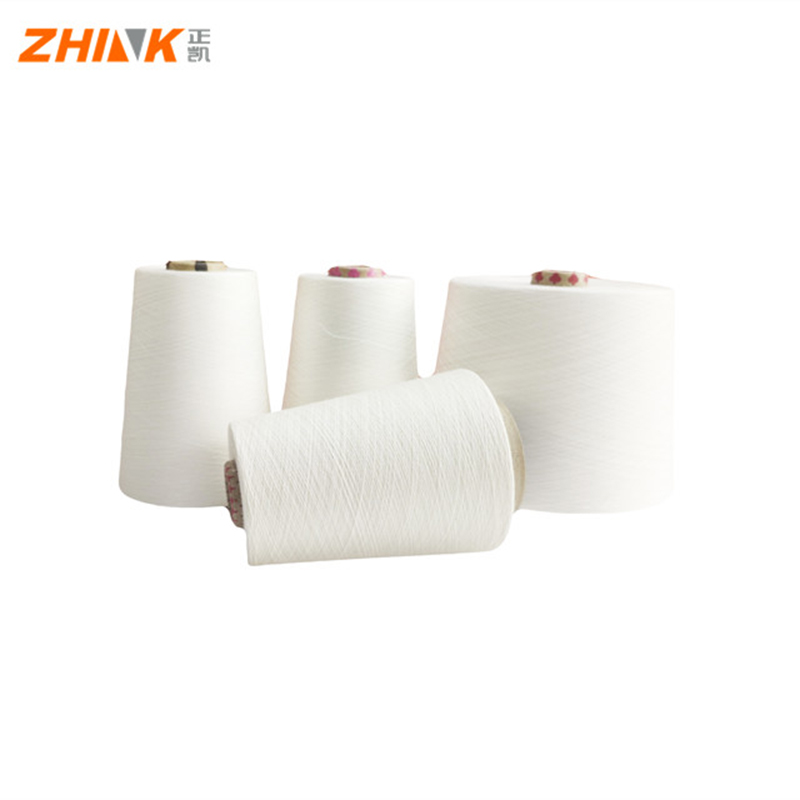
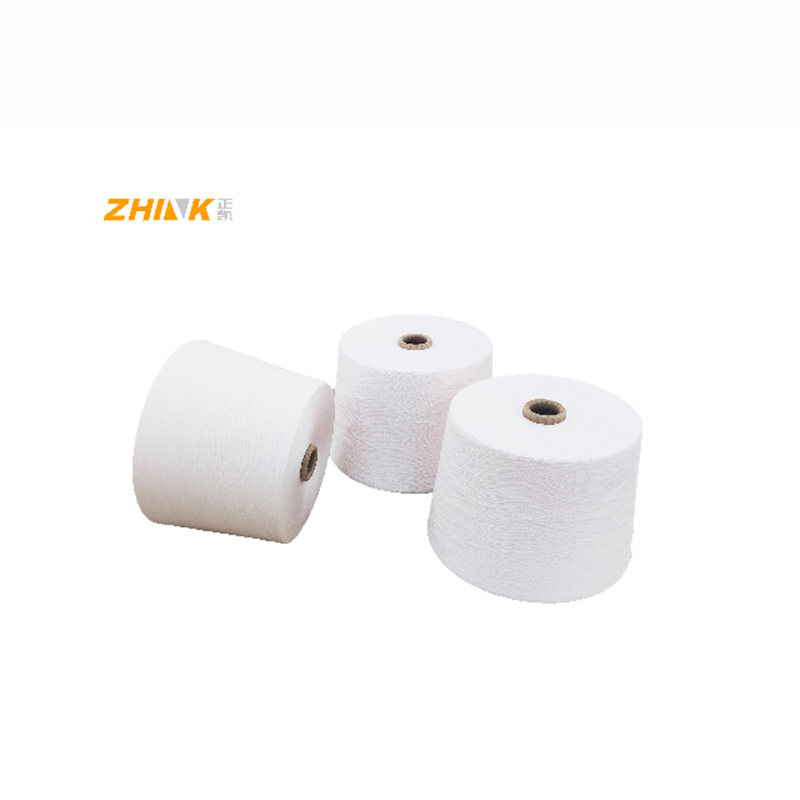
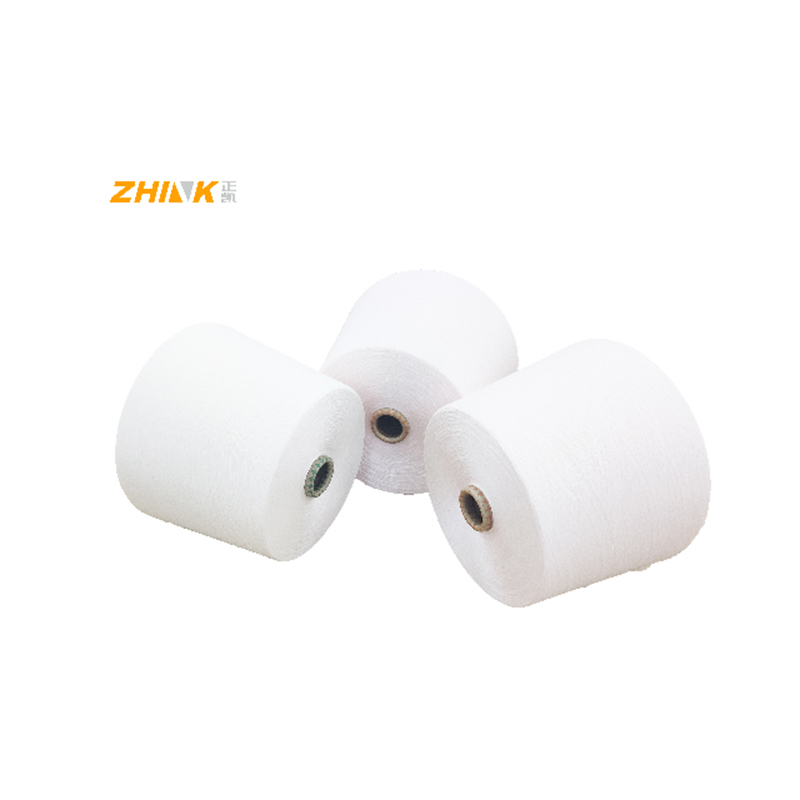
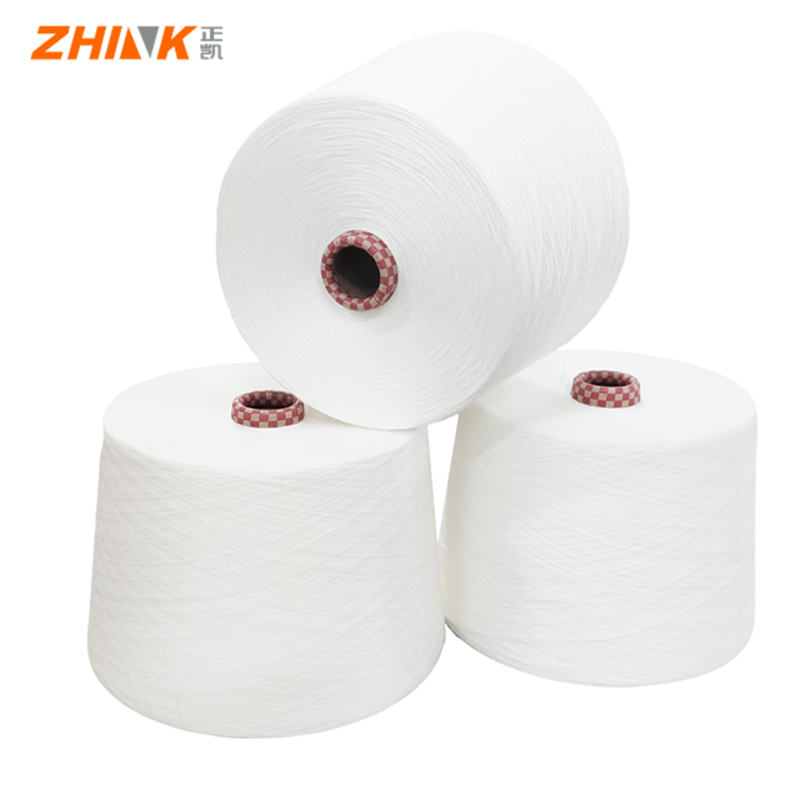
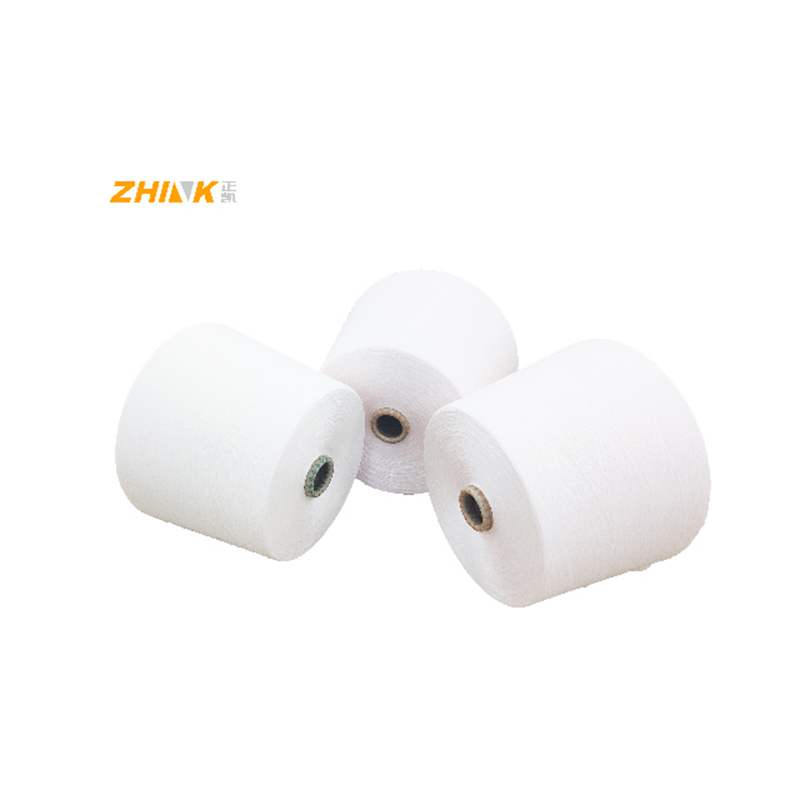
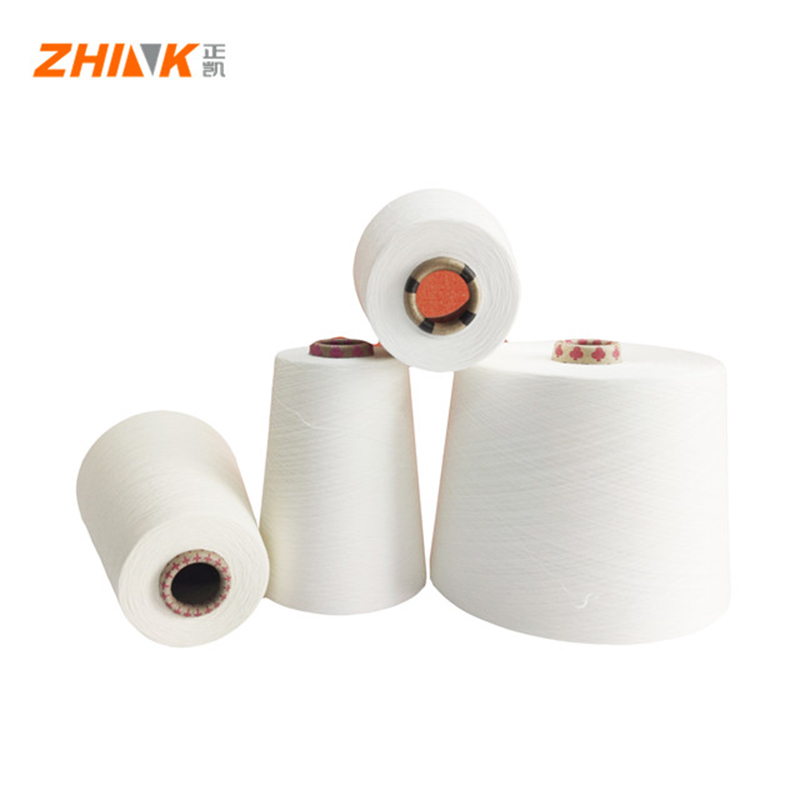
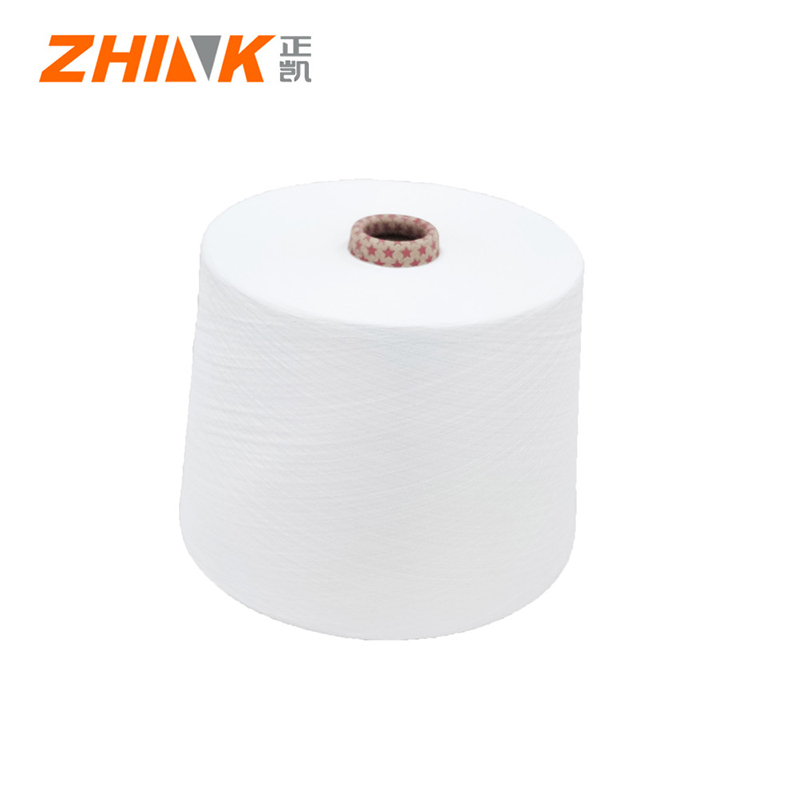
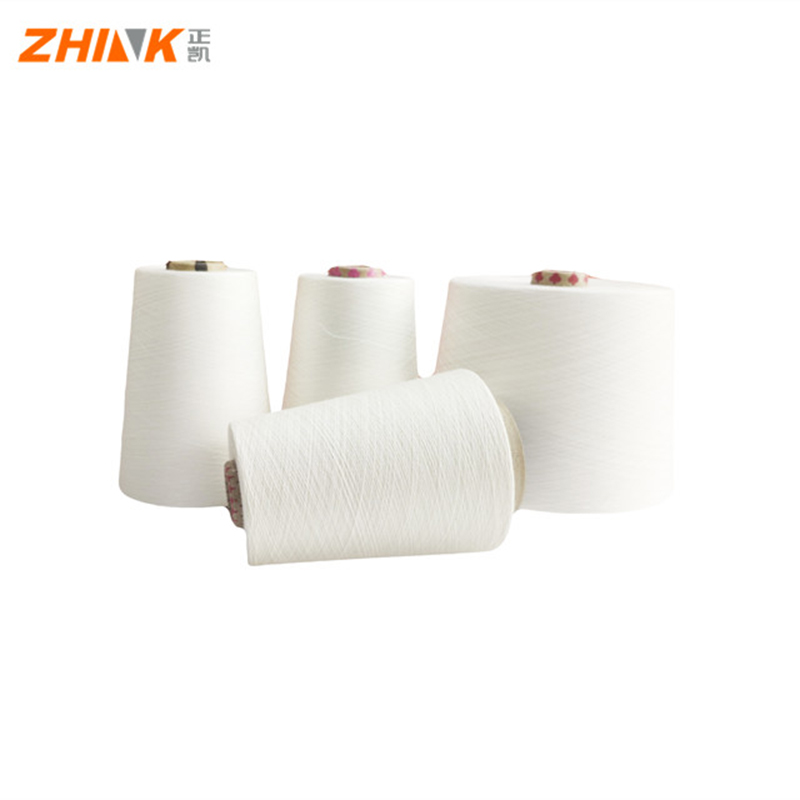
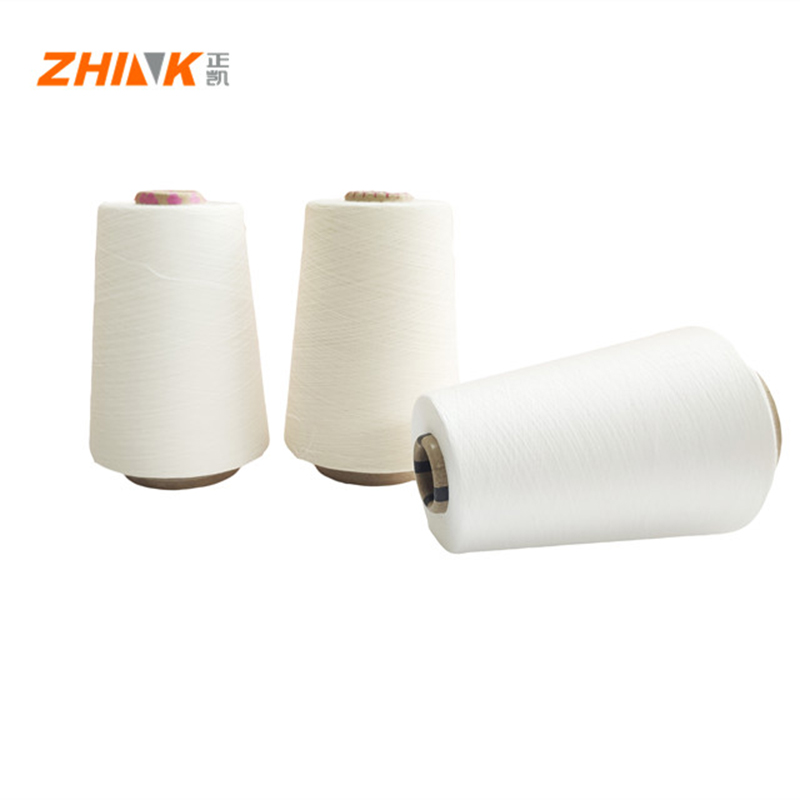
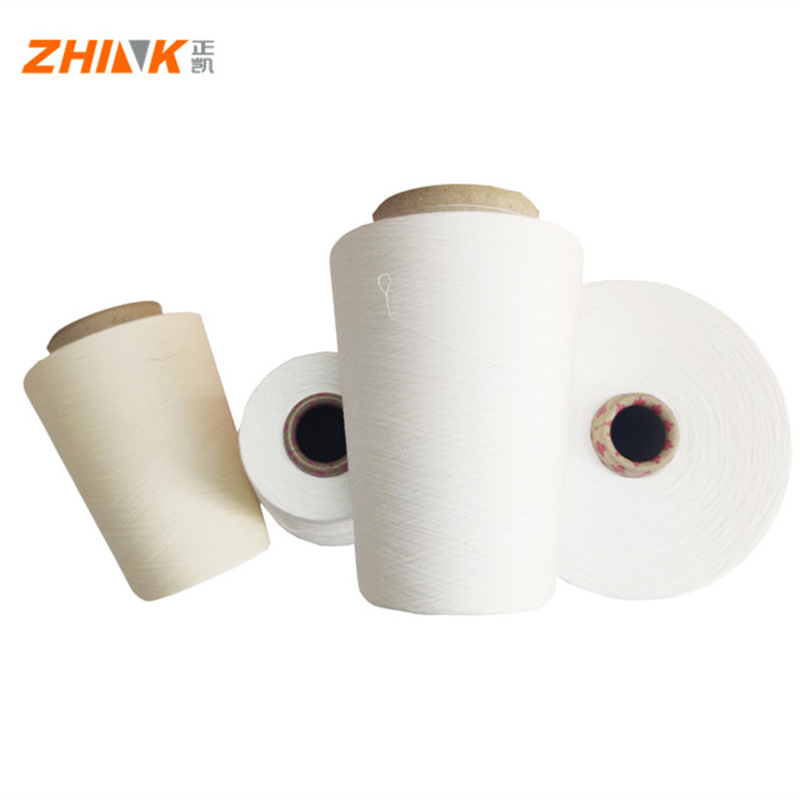
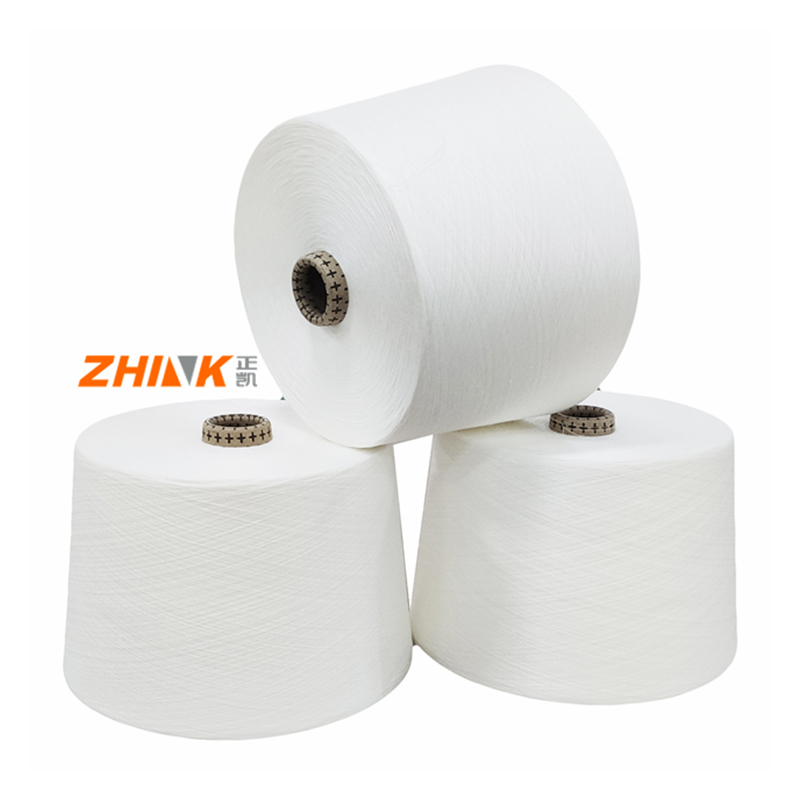
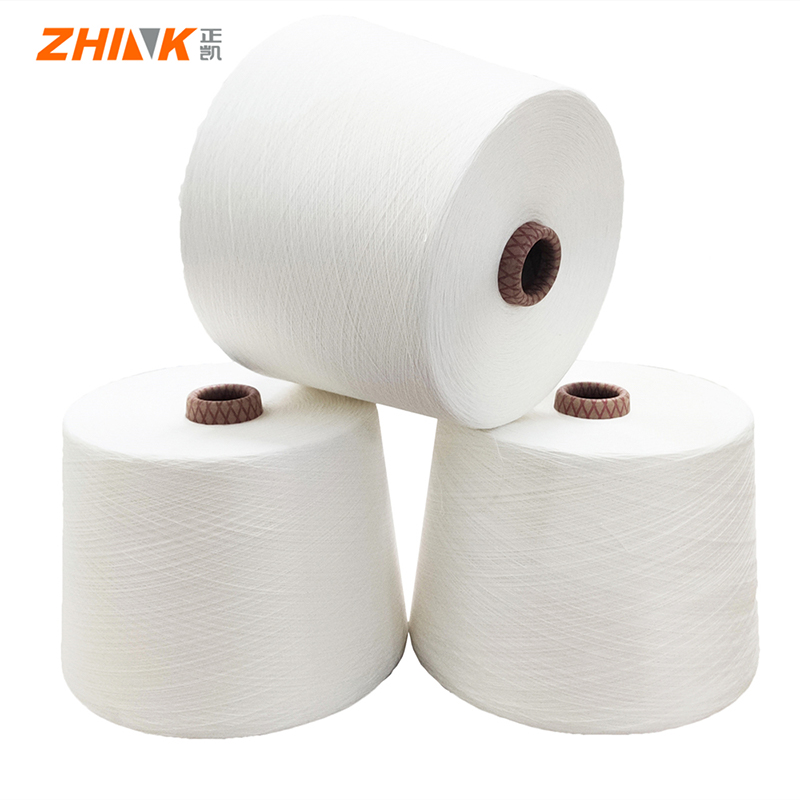
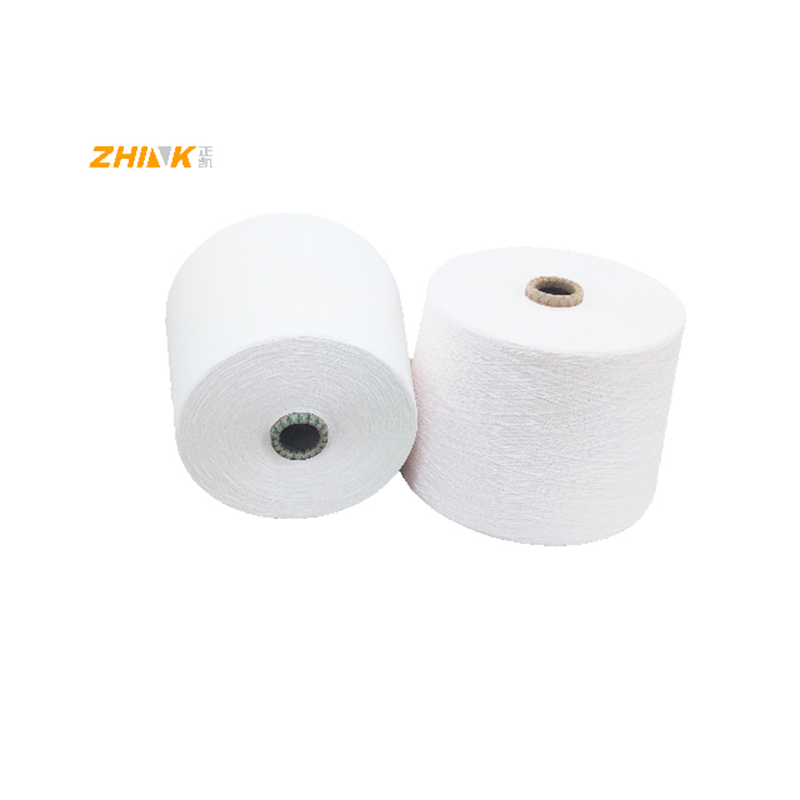
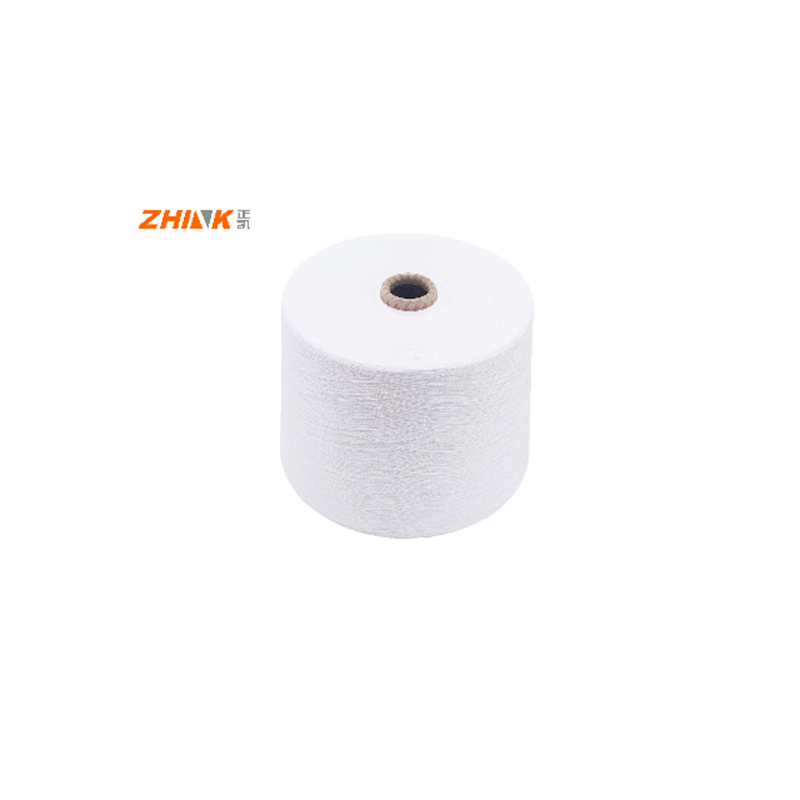
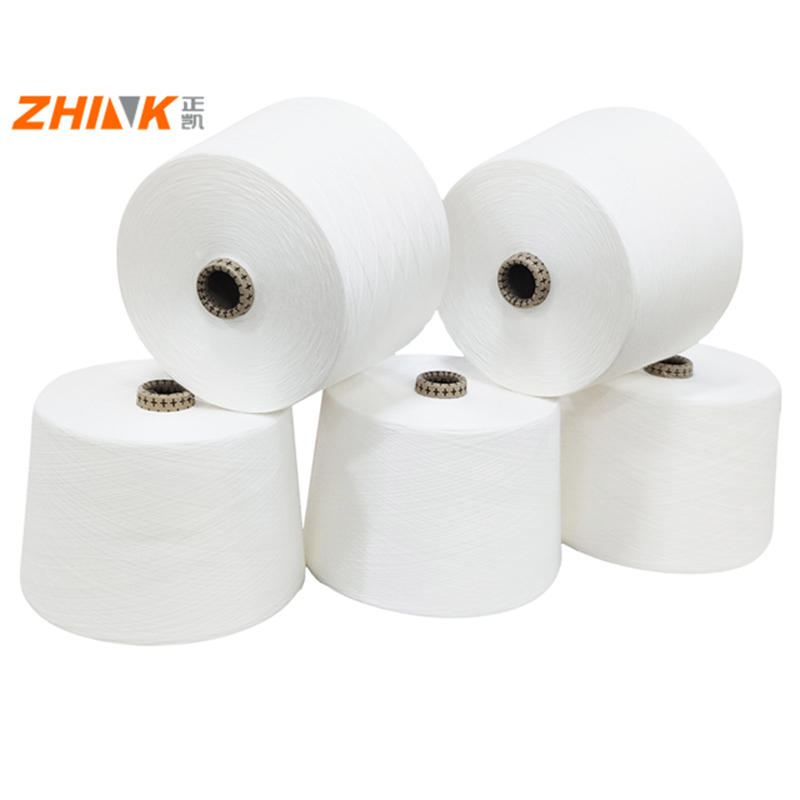
Recycled polyester spun yarn for weaving
Sustainable Threads: Recycled Polyester Spun Yarn for Weaving
Amidst the growing demand for sustainable materials in the textile industry, using recycled polyester spun yarn for weaving offers a promising pathway. But what exactly sets these yarns apart in practice, and why are they gaining traction among weavers and manufacturers alike?
The Basics of Recycled Polyester Yarn
At its core, recycled polyester yarn is derived from existing plastic products typically categorized as PET (polyethylene terephthalate). Unlike its virgin counterpart, this yarn re-utilizes resources, reducing waste and environmental impact. The initial skepticism often revolves around the perceived compromise in quality. However, through proper processing, the integrity of the fiber remains intact, making it a viable option for diverse applications.
Interestingly, companies like SHANDONG ZHINK NEW MATERIAL CO., LTD are at the forefront of these innovations. As mentioned on their website www.zhinkyarn.com, they specialize in creating high-quality recycled textile materials, driving both sustainability and performance.
For many, the real revelation comes from weaving trials. I've personally seen traditional weavers who initially hesitated due to quality concerns change their stance once they tested these yarns. The results? Fabrics that not only met their standards but often surprised them with added benefits like durability and softness.
Weaving Potential and Benefits
When we talk about weaving, the texture and strength of yarn are paramount. Recycled polyester spun yarn stands out for its robustness. While it may not have the natural allure of silk or cotton, its resilience and ease of maintenance make it a practical choice for both upholstery and apparel textiles.
I recall a particular project where we explored a blend of recycled polyester and cotton for a new line of woven home textiles. The outcome was fascinating. The polyester provided a structural backbone, allowing the cotton to enhance comfort without losing tenacity, allowing the textiles to withstand daily wear and tear.
The environmental impact cannot be overstated. By choosing recycled materials, we significantly cut down on energy consumption and resource depletion. This practice aligns with the industry's shift towards circular economies, where every stage of production considers the environmental footprint.
Real-World Case Studies
One notable success is from a mid-scale manufacturing unit that transitioned half their production to recycled polyester. They reported a 30% decrease in production costs over two years, thanks to lower material and energy expenses. This shifted their cost savings towards innovation and product development, amplifying their market growth.
Challenges, though, are inevitable. The consistency of yarn quality can vary between batches, largely dependent on the source of the recycled PET. This is where companies like Zhink New Material's expertise in production consistency becomes invaluable. Their developed processes ensure each batch maintains the expected standards.
A colleague once shared his initial failed attempts at using cheaper, inconsistent recycled yarns, which led to fabric breakdown during dyeing. Lessons learned the hard way highlight the importance of reliable suppliers and robust quality control measures.
Integrating Technology and Innovation
Leveraging technology, advanced machinery now allows for better processing techniques, enhancing the characteristics of recycled polyester yarn. SHANDONG ZHINK NEW MATERIAL CO., LTD employs cutting-edge technology to ensure their yarns hold up to rigorous testing and industry requirements.
Recent developments in digitalization and AI-driven quality checks mean that weavers can now rely on more precise measurements and standardized outputs, reducing wastage and improving productivity.
Furthermore, innovation within this sphere isn't stagnant. Research into blending recycled polyesters with other natural fibers opens up endless possibilities in the tactile and strength properties of the woven products.
Market Perspectives and Future Directions
The market is responding positively. As consumer awareness and demand for eco-friendly products rise, more manufacturers are exploring integrating recycled polyester spun yarn for weaving into their supply chains. It's become a competitive advantage.
Looking ahead, the challenge remains in balancing scalability with sustainable practices. Scaling up production while adhering to environmentally friendly methodologies can be challenging, but it's increasingly seen as a worthwhile investment for long-term benefits.
For industry players, remaining adaptable and innovative continues to be key. The ongoing evolution in recycled materials offers fertile ground for further research and sustainable advancements, ensuring that these materials not only meet but exceed the demands of a conscientious market.
Related Products
Related Products