+86-632-3621866
- Chinese
- French
- German
- Portuguese
- Spanish
- Russian
- Japanese
- Korean
- Arabic
- Irish
- Greek
- Turkish
- Italian
- Danish
- Romanian
- Indonesian
- Czech
- Afrikaans
- Swedish
- Polish
- Basque
- Catalan
- Esperanto
- Hindi
- Lao
- Albanian
- Amharic
- Armenian
- Azerbaijani
- Belarusian
- Bengali
- Bosnian
- Bulgarian
- Cebuano
- Chichewa
- Corsican
- Croatian
- Dutch
- Estonian
- Filipino
- Finnish
- Frisian
- Galician
- Georgian
- Gujarati
- Haitian
- Hausa
- Hawaiian
- Hebrew
- Hmong
- Hungarian
- Icelandic
- Igbo
- Javanese
- Kannada
- Kazakh
- Khmer
- Kurdish
- Kyrgyz
- Latin
- Latvian
- Lithuanian
- Luxembou..
- Macedonian
- Malagasy
- Malay
- Malayalam
- Maltese
- Maori
- Marathi
- Mongolian
- Burmese
- Nepali
- Norwegian
- Pashto
- Persian
- Punjabi
- Serbian
- Sesotho
- Sinhala
- Slovak
- Slovenian
- Somali
- Samoan
- Scots Gaelic
- Shona
- Sindhi
- Sundanese
- Swahili
- Tajik
- Tamil
- Telugu
- Thai
- Ukrainian
- Urdu
- Uzbek
- Vietnamese
- Welsh
- Xhosa
- Yiddish
- Yoruba
- Zulu
- Kinyarwanda
- Tatar
- Oriya
- Turkmen
- Uyghur


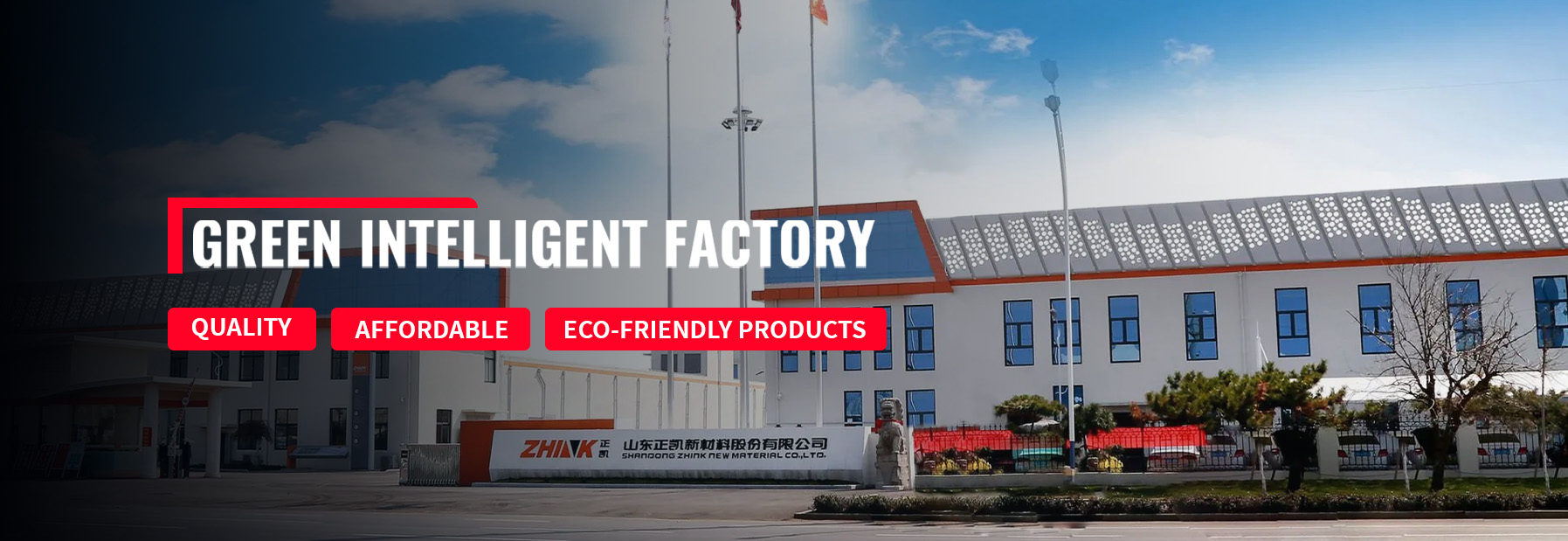
recycled polyester staple fiber plant
The Journey of Recycled Polyester Staple Fiber Plant
Exploring the nuances of a recycled polyester staple fiber plant often uncovers unexpected challenges and opportunities. This story encapsulates industry insights, unraveling the complex web where innovation meets sustainability, as realized by seasoned professionals.
Understanding the Basics of Recycled Polyester
At first glance, the idea of a recycled polyester staple fiber plant might seem straightforward, but once you dive in, it's anything but. The process involves collecting used polyester materials, which are then cleaned, chopped, and melted into fibers. However, ensuring the purity and strength of these fibers requires meticulous attention to detail.
In my experience, one of the common misconceptions is that recycling automatically translates to lower quality. This isn't necessarily the case. The key lies in the technology deployed during the recycling process. Advanced machinery makes a significant difference, especially when it comes to fiber consistency and durability.
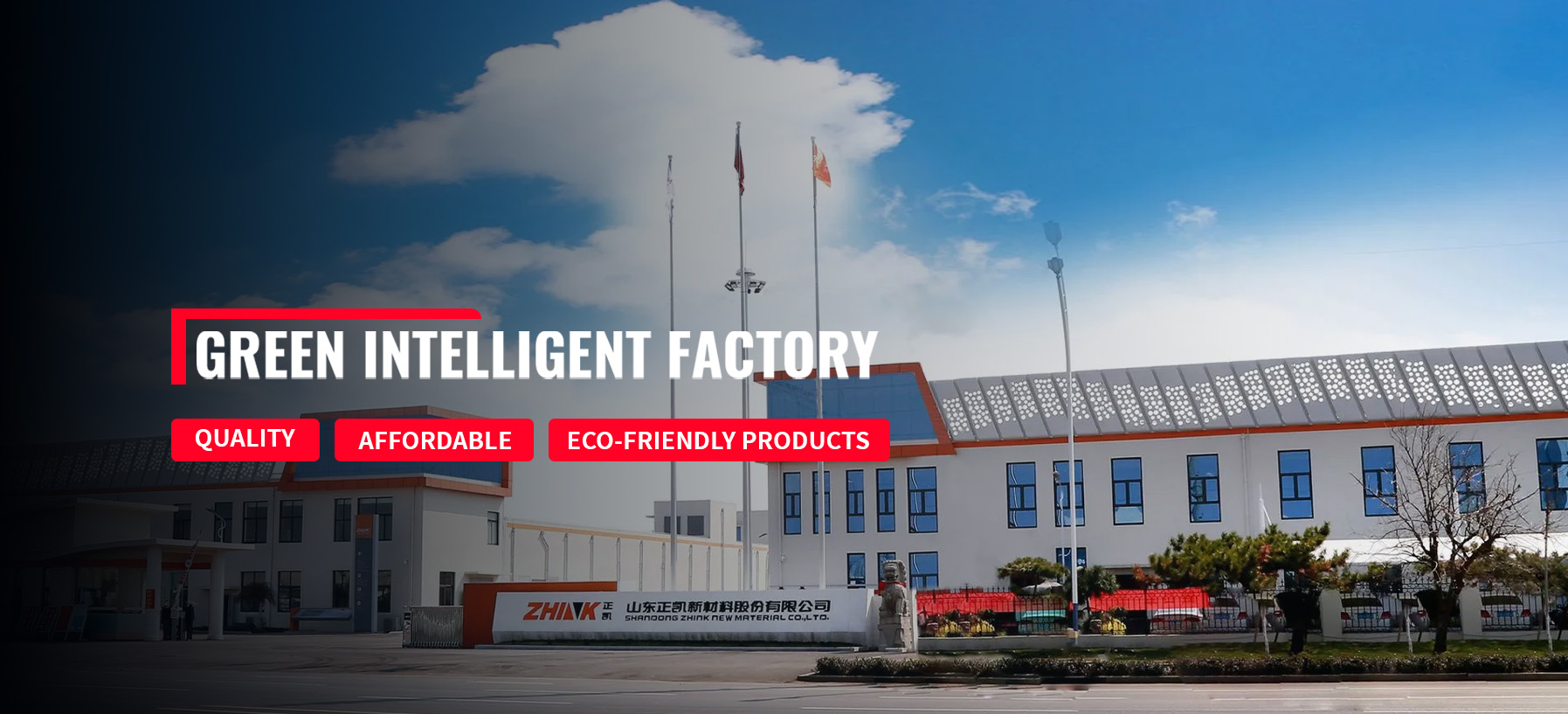
When I visited one such plant, operated by SHANDONG ZHINK NEW MATERIAL CO., LTD, I was struck by their strategic focus on blending meticulous research with practical application. They have invested heavily in R&D, as detailed on their website, https://www.zhinkyarn.com, to enhance their output quality.
The Role of Technology in Production
The implementation of cutting-edge technology cannot be overstated in this domain. From automated sorting lines to precision melting procedures, each step is calibrated for efficiency and quality assurance. This technological infusion often determines the plant's overall success.
For instance, Zhink New Material has adopted various innovations in their facility, which allows them not only to increase production speed but also to minimize waste. Their emphasis on sustainability resonates deeply within their production ethos, making them a standout example in the industry.
However, technology alone doesn't solve every problem. Continuous staff training and system upgrades are crucial. Without these, even the most advanced systems can fall short, a lesson learned the hard way by some within the industry.
Challenges in Sustainability
No industry is without its hurdles, and recycled polyester production is no exception. Balancing cost-efficiency with ecological responsibility presents a dual challenge. There's always pressure to optimize processes without cutting corners environmentally.
Standardizing quality while using post-consumer materials is another major issue. The varying quality of input materials can lead to significant output variability. Companies like Zhink New Material overcome this by maintaining stringent quality checks at each stage of production.
Moreover, sustainability isn't merely about green processes; it's about educating stakeholders and consumers. Transparency in disclosing production methods and impacts enhances trust and establishes an authentic brand reputation.
Market Trends and Consumer Preferences
Consumer behavior is gradually shifting towards environmentally friendly products, which bodes well for recycled polyester. People are increasingly willing to pay a premium for sustainability. This shift prompts manufacturers to innovate continually.
Drawing from their extensive research capabilities as highlighted on their website, Zhink New Material leads in delivering products that cater to evolving preferences without compromising on style or comfort, a delicate balance in the competitive textile market.
Yet, this shift also introduces the challenge of meeting diversified aesthetic demands. Customizability in fiber properties becomes crucial to staying ahead in the market. The ability to offer varied fiber lengths, textures, and colors can set a company apart.
The Future of Recycled Polyester Fibers
Looking forward, the path for recycled polyester fibers remains promising, albeit challenging. With global emphasis on environmental consciousness, opportunities for expansion are abundant. The industry appears poised for technological revolutions that could reshape traditional manufacturing paradigms.
Insights from companies like Zhink New Material, which prioritizes holistic innovation, suggest a future where sustainability and profitability converge seamlessly. As they continue to refine their approach, their journey becomes a beacon for others in the field.
The coming decade will likely see more convergence between technological advances and sustainable practices. This harmonious blend could transform recycled polyester fibers into a staple of the modern textile world.
Related Products
Related Products