+86-632-3621866
- Chinese
- French
- German
- Portuguese
- Spanish
- Russian
- Japanese
- Korean
- Arabic
- Irish
- Greek
- Turkish
- Italian
- Danish
- Romanian
- Indonesian
- Czech
- Afrikaans
- Swedish
- Polish
- Basque
- Catalan
- Esperanto
- Hindi
- Lao
- Albanian
- Amharic
- Armenian
- Azerbaijani
- Belarusian
- Bengali
- Bosnian
- Bulgarian
- Cebuano
- Chichewa
- Corsican
- Croatian
- Dutch
- Estonian
- Filipino
- Finnish
- Frisian
- Galician
- Georgian
- Gujarati
- Haitian
- Hausa
- Hawaiian
- Hebrew
- Hmong
- Hungarian
- Icelandic
- Igbo
- Javanese
- Kannada
- Kazakh
- Khmer
- Kurdish
- Kyrgyz
- Latin
- Latvian
- Lithuanian
- Luxembou..
- Macedonian
- Malagasy
- Malay
- Malayalam
- Maltese
- Maori
- Marathi
- Mongolian
- Burmese
- Nepali
- Norwegian
- Pashto
- Persian
- Punjabi
- Serbian
- Sesotho
- Sinhala
- Slovak
- Slovenian
- Somali
- Samoan
- Scots Gaelic
- Shona
- Sindhi
- Sundanese
- Swahili
- Tajik
- Tamil
- Telugu
- Thai
- Ukrainian
- Urdu
- Uzbek
- Vietnamese
- Welsh
- Xhosa
- Yiddish
- Yoruba
- Zulu
- Kinyarwanda
- Tatar
- Oriya
- Turkmen
- Uyghur



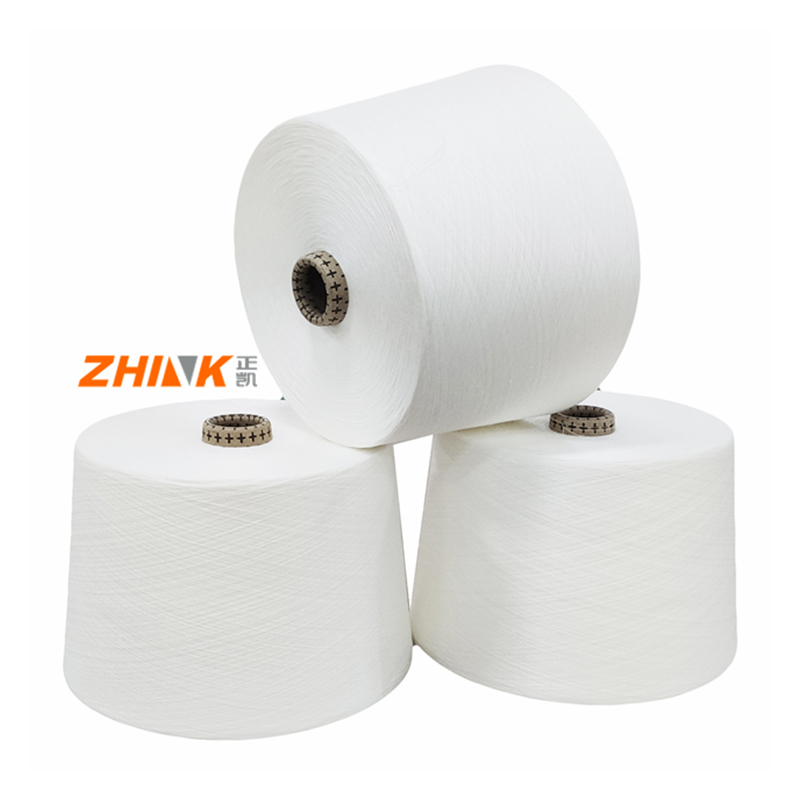
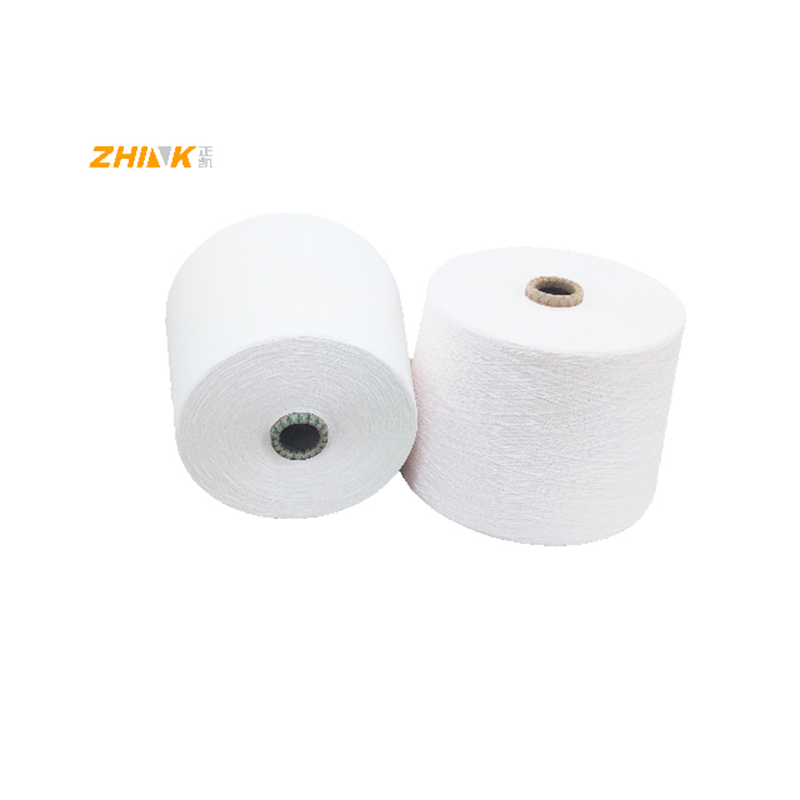
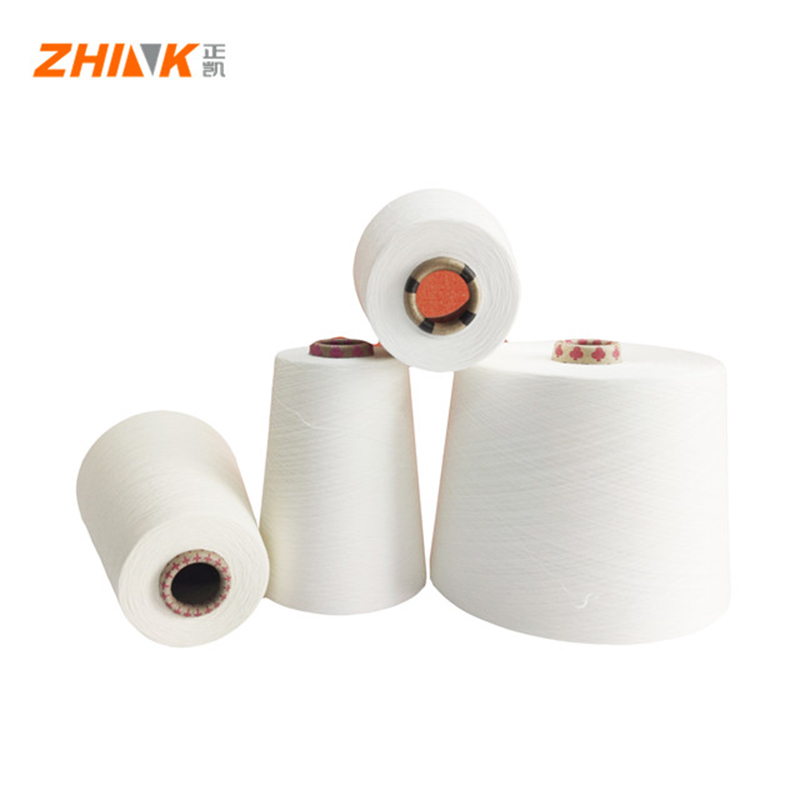
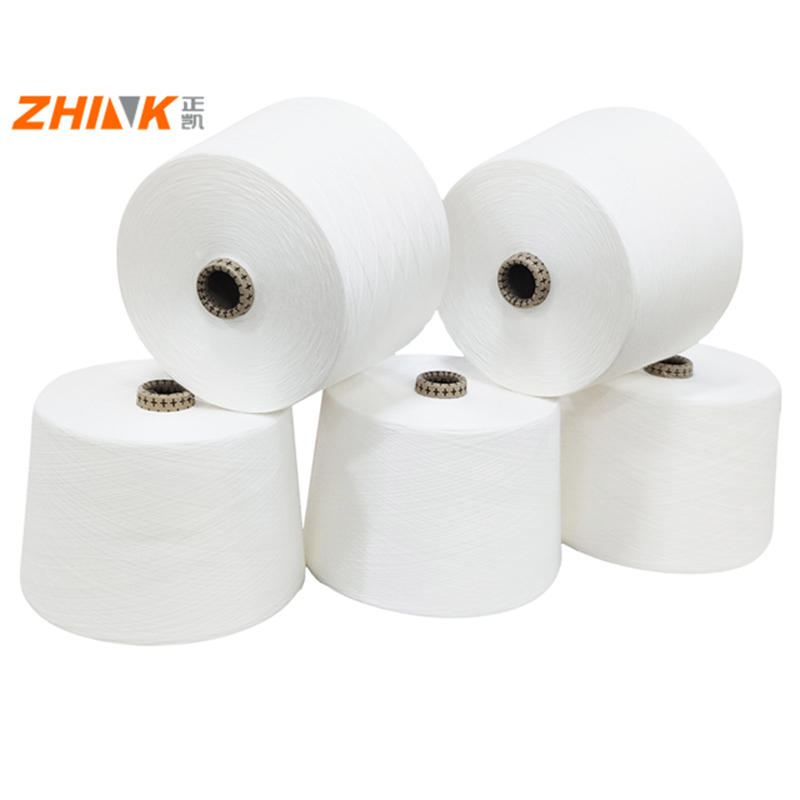
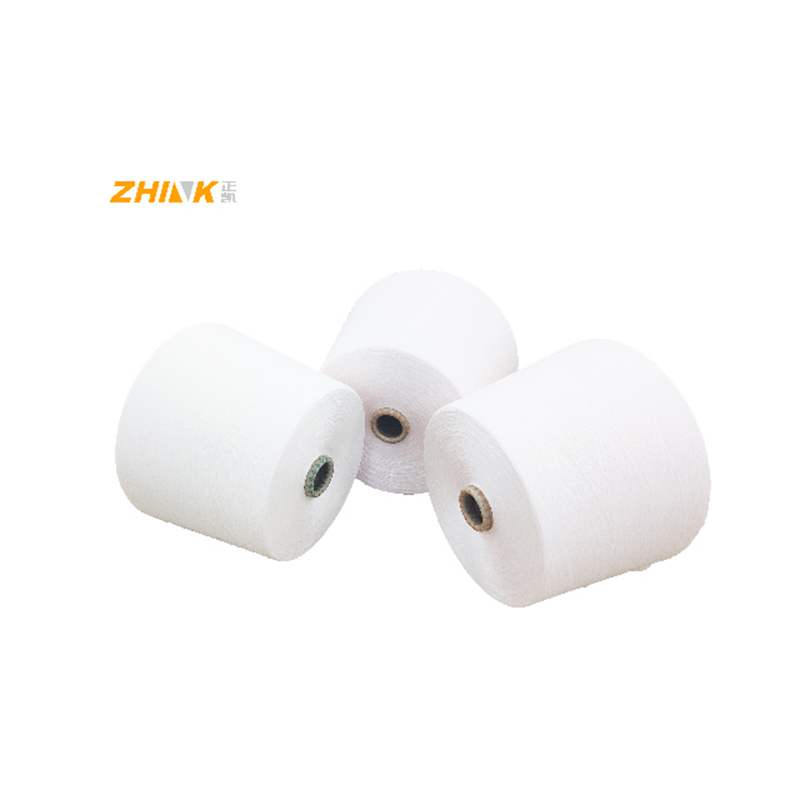
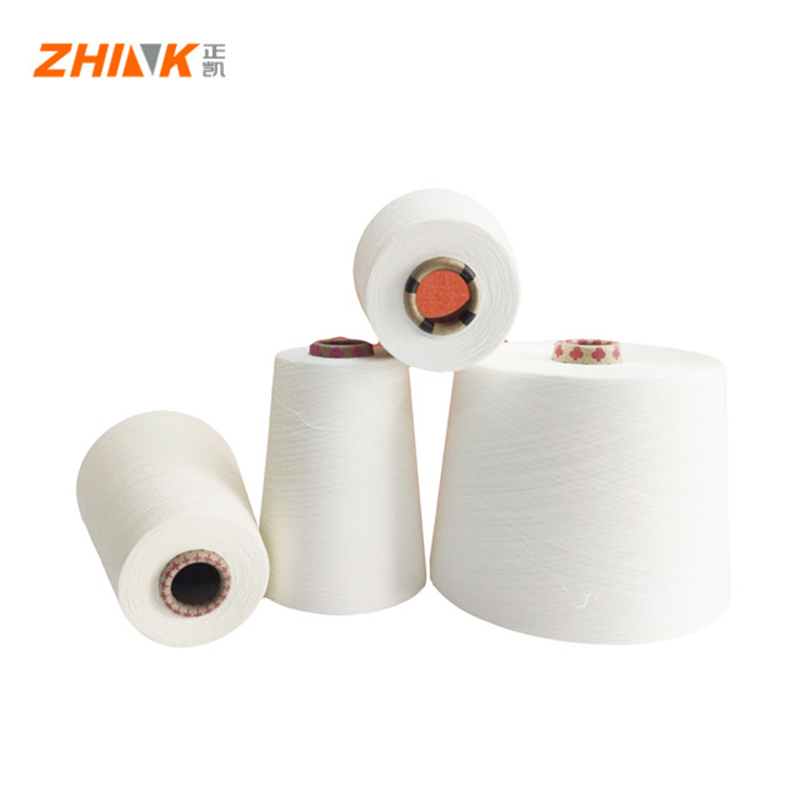
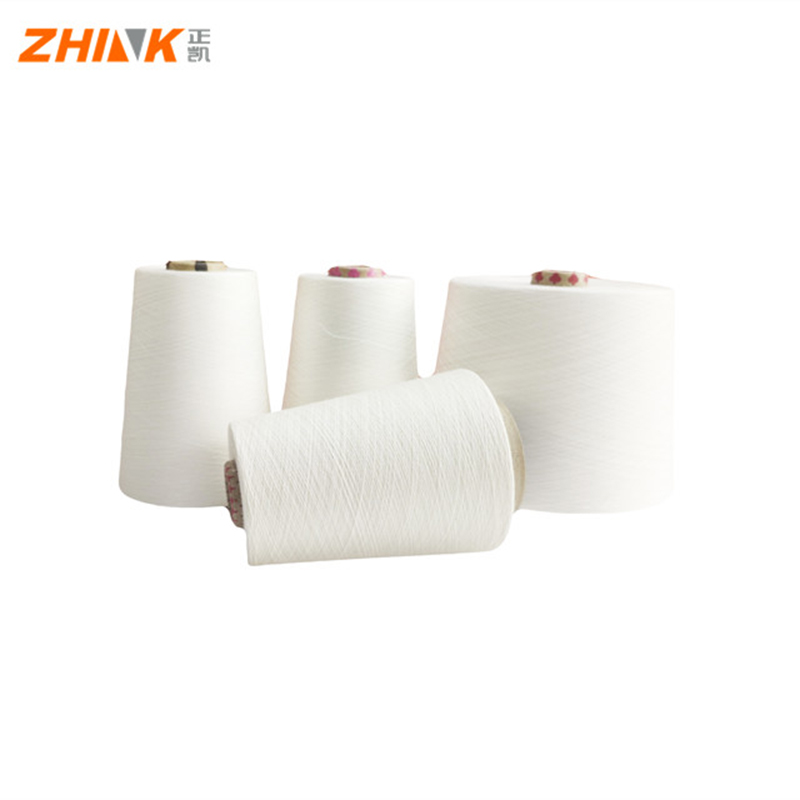
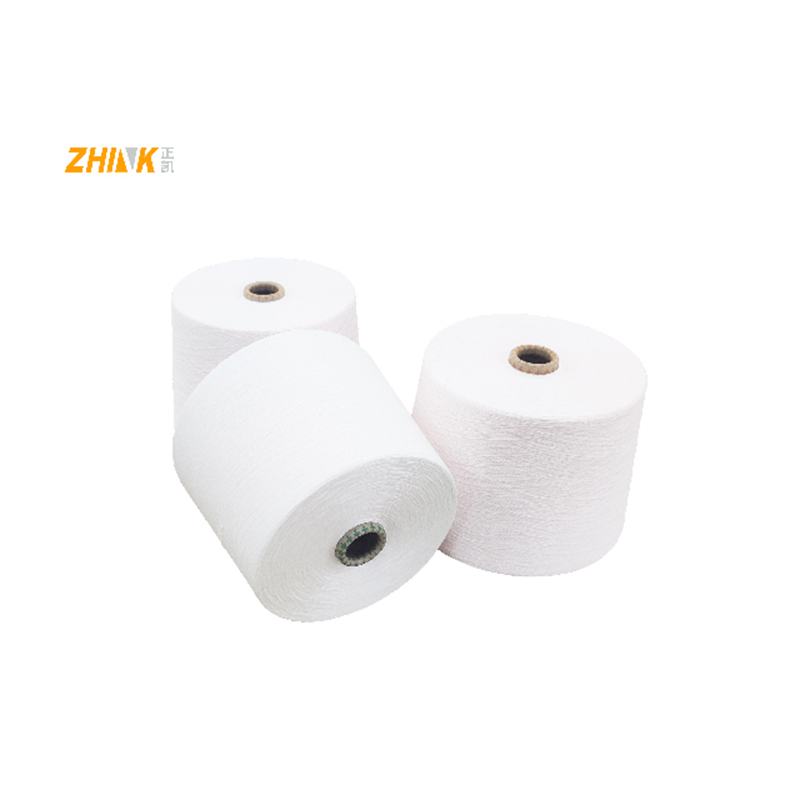
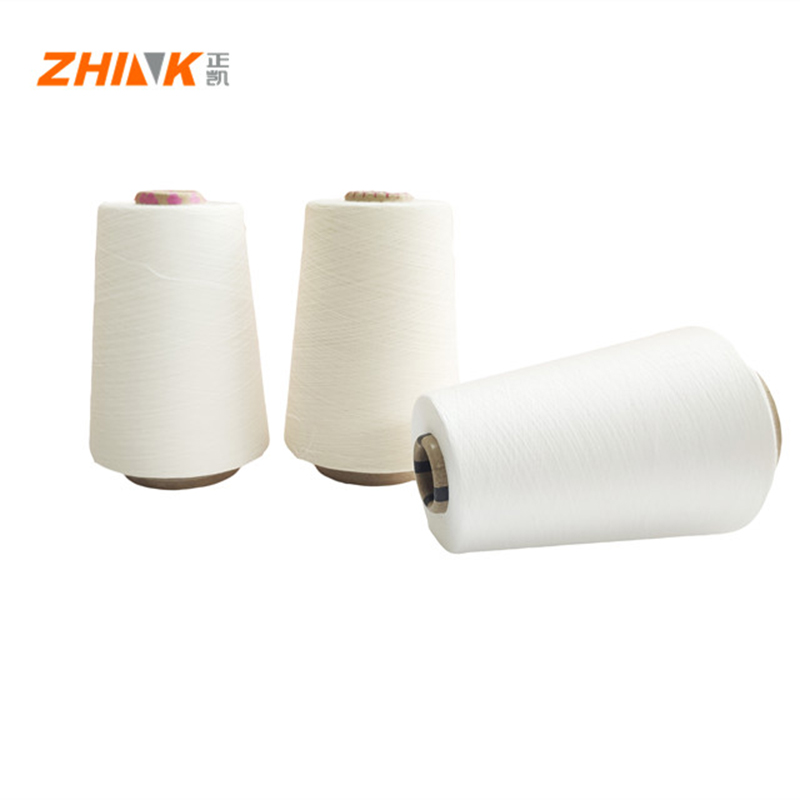
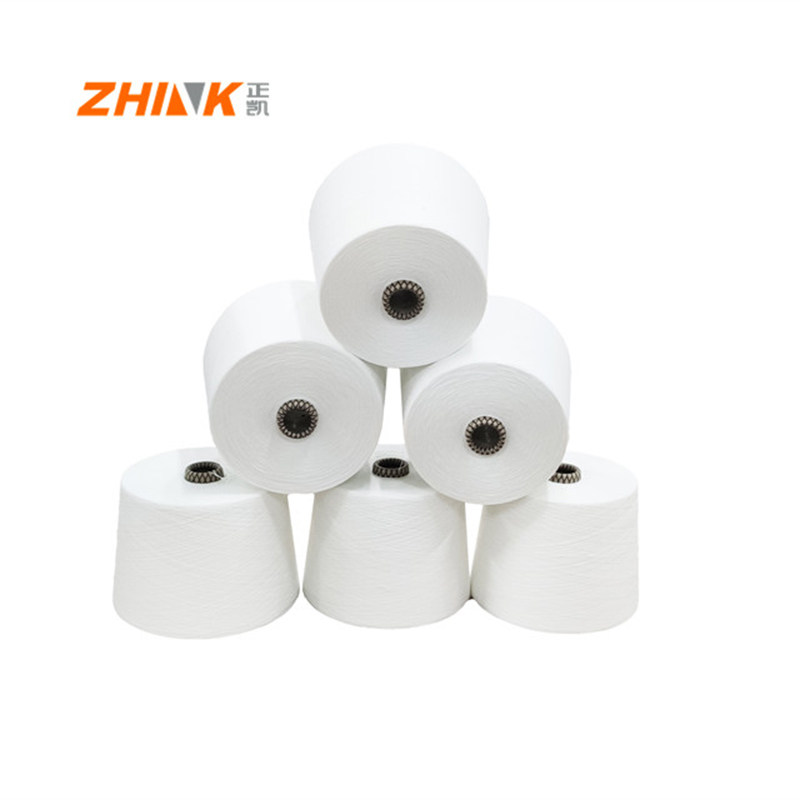
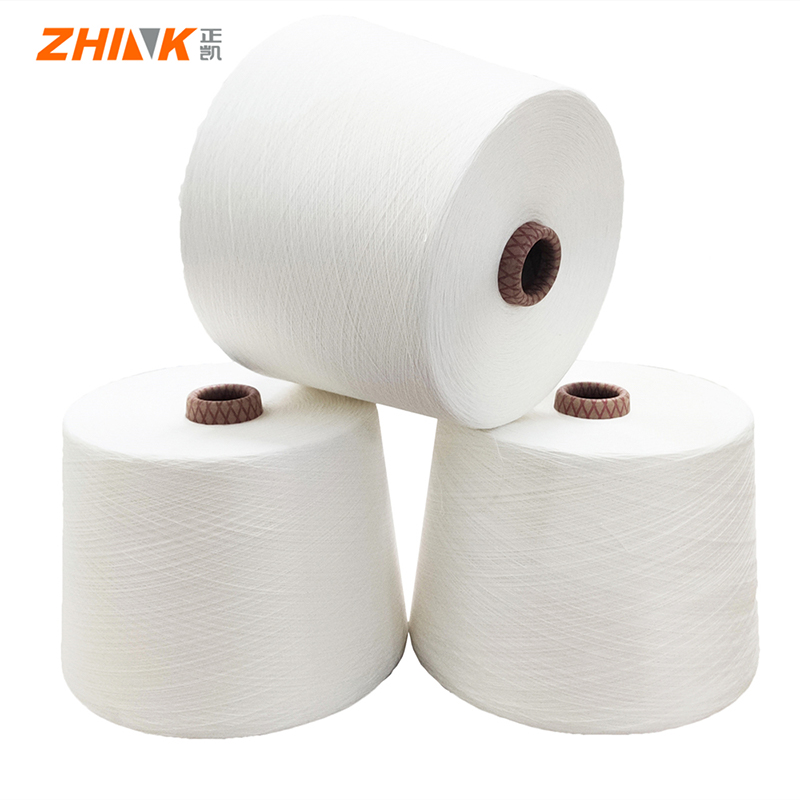
Recycled polyester/viscose 50/50 yarn
Understanding the Potential of Recycled Polyester/Viscose 50/50 Yarn
Recycled polyester/viscose 50/50 yarn is capturing attention in the textile industry, promising a blend of sustainability and performance. It's essential to explore why this composition is trending and how it functions in real-world applications.
The Rise of Recycled Materials
In recent years, there's been a significant push towards sustainability in textiles. The combination of recycled polyester with viscose is not just an environmental move but also a strategic choice for its functionality. At SHANDONG ZHINK NEW MATERIAL CO., LTD, we've witnessed firsthand how this blend meets both ecological and practical demands.
The recycled polyester component lends strength and durability, while the viscose adds a softness that's hard to achieve with synthetic fibers alone. This balance makes it highly desirable for creating garments that are both comfortable and long-lasting. In my experience, this blend also responds well to dye processes, often resulting in vibrant colors that appeal to many consumers.
Nevertheless, achieving the right balance can be complex. There are always variables, from ensuring quality raw materials to fine-tuning the spinning process. This is where expertise plays a critical role, and companies like Zhink New Material excel by investing in research and development.
Challenges in Production
Working with recycled materials often brings its own set of challenges. For the recycled polyester/viscose 50/50 yarn, quality control can be a significant hurdle. Recycled fibers can vary in consistency and quality, which sometimes leads to uneven yarn.
At Zhink New Material, our team constantly adapts our processes to address these variations. We've found that the key lies in monitoring each step closely – from raw material selection to final yarn spinning. This hands-on approach helps in producing a more uniform and reliable yarn.
Yet, it's not just about the technicalities. There's a need to communicate with end users and manufacturers about the benefits and limitations of these fibers. Setting realistic expectations ensures that the perceived value of the product aligns with its actual performance.
Applications and Innovations
The versatility of recycled polyester/viscose 50/50 yarn is one of its biggest advantages. It finds its way into everything from fashion garments to industrial textiles. Each application requires a slightly different approach in terms of yarn characteristics.
We've collaborated with fashion designers who appreciate the fabric's drape and feel, making it a favorite for casual wear. Conversely, in industrial applications, the durability of polyester is a major selling point. Here, precise engineering ensures the yarn withstands tougher conditions.
Innovation doesn't stop with just choosing a blend, though. At https://www.zhinkyarn.com, we're continually exploring how processes like differential dyeing and finishing can further enhance these materials. By pushing these boundaries, we aim to meet diverse consumer needs.
Environmental Considerations
While the sustainability angle is appealing, it's crucial to dive into the environmental implications of using recycled polyester/viscose 50/50 yarn. Recycled polyester helps reduce plastic waste, a major concern worldwide.
However, producing viscose can raise sustainability questions, specifically around chemical processing and resource utilization. Implementing eco-friendly practices is paramount. At our company, reducing chemical runoff and ensuring sustainable sourcing are ongoing missions.
Consumers are more informed than ever. They demand transparency and accountability, pushing companies to continually improve their environmental impact. As such, documentation and communication are just as crucial as the initial production process.
Market Reception and Future Prospects
The market's reception of recycled polyester/viscose 50/50 yarn has been promising, yet it remains a dynamic landscape. Consumer trends are evolving, with a strong shift towards conscious consumption.
In my observations, education plays a vital role. Customers need to understand the benefits of this specific composition, which is why communication on platforms like www.zhinkyarn.com is so important. Clear, informative messaging can bridge the gap between consumer awareness and product uptake.
Looking ahead, the potential of recycled polyester/viscose 50/50 yarn seems vast. Continuous innovation in materials science and responsible sourcing strategies will likely keep this blend in a favorable position in the textile industry. As manufacturers like Zhink New Material refine these processes, the future looks promising not just for this yarn, but for sustainable textiles as a whole.
Related Products
Related Products