+86-632-3621866
- Chinese
- French
- German
- Portuguese
- Spanish
- Russian
- Japanese
- Korean
- Arabic
- Irish
- Greek
- Turkish
- Italian
- Danish
- Romanian
- Indonesian
- Czech
- Afrikaans
- Swedish
- Polish
- Basque
- Catalan
- Esperanto
- Hindi
- Lao
- Albanian
- Amharic
- Armenian
- Azerbaijani
- Belarusian
- Bengali
- Bosnian
- Bulgarian
- Cebuano
- Chichewa
- Corsican
- Croatian
- Dutch
- Estonian
- Filipino
- Finnish
- Frisian
- Galician
- Georgian
- Gujarati
- Haitian
- Hausa
- Hawaiian
- Hebrew
- Hmong
- Hungarian
- Icelandic
- Igbo
- Javanese
- Kannada
- Kazakh
- Khmer
- Kurdish
- Kyrgyz
- Latin
- Latvian
- Lithuanian
- Luxembou..
- Macedonian
- Malagasy
- Malay
- Malayalam
- Maltese
- Maori
- Marathi
- Mongolian
- Burmese
- Nepali
- Norwegian
- Pashto
- Persian
- Punjabi
- Serbian
- Sesotho
- Sinhala
- Slovak
- Slovenian
- Somali
- Samoan
- Scots Gaelic
- Shona
- Sindhi
- Sundanese
- Swahili
- Tajik
- Tamil
- Telugu
- Thai
- Ukrainian
- Urdu
- Uzbek
- Vietnamese
- Welsh
- Xhosa
- Yiddish
- Yoruba
- Zulu
- Kinyarwanda
- Tatar
- Oriya
- Turkmen
- Uyghur


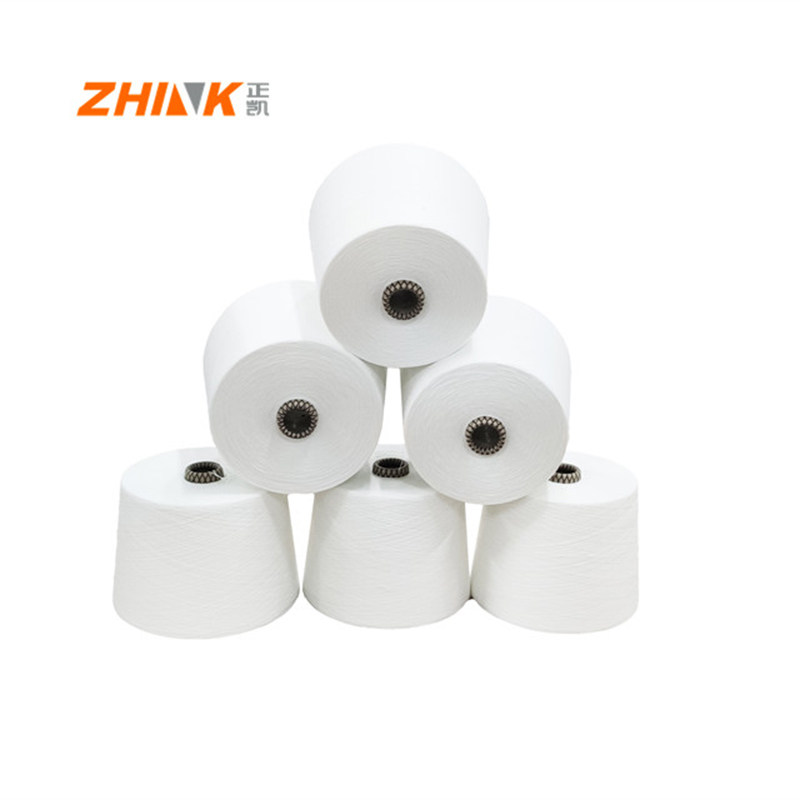
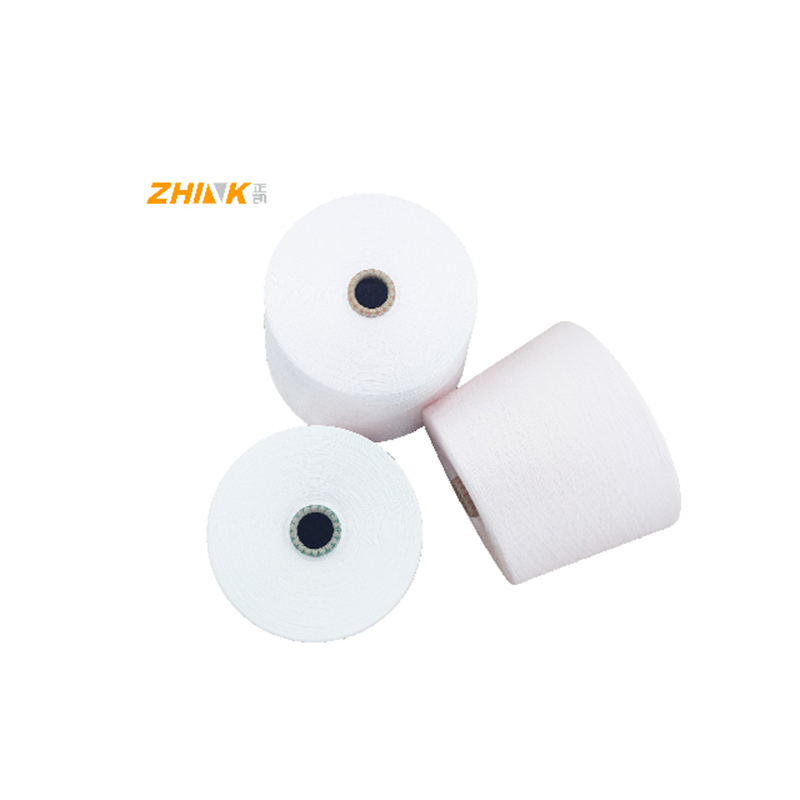
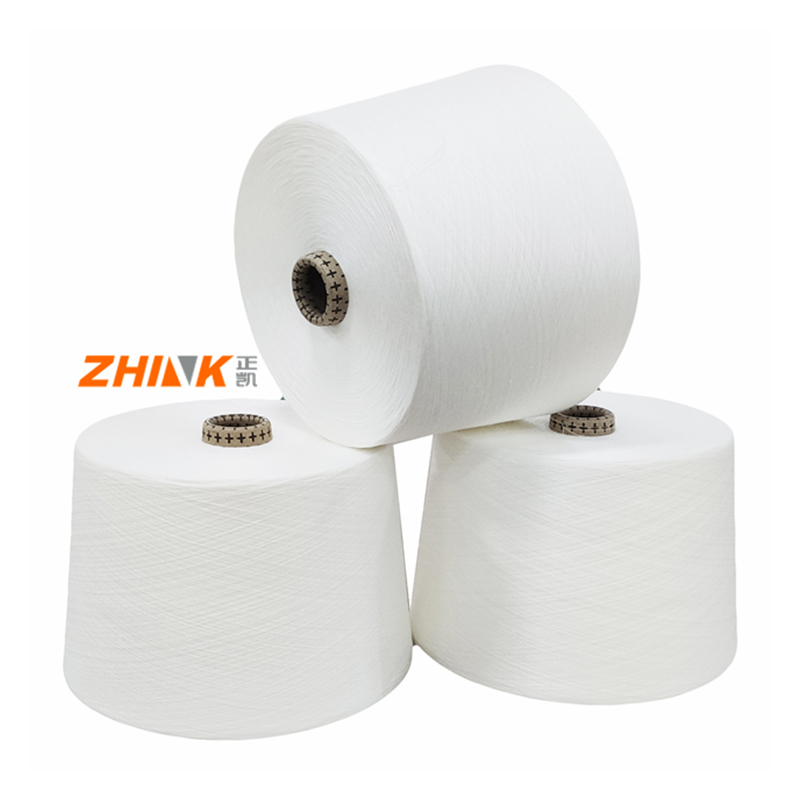
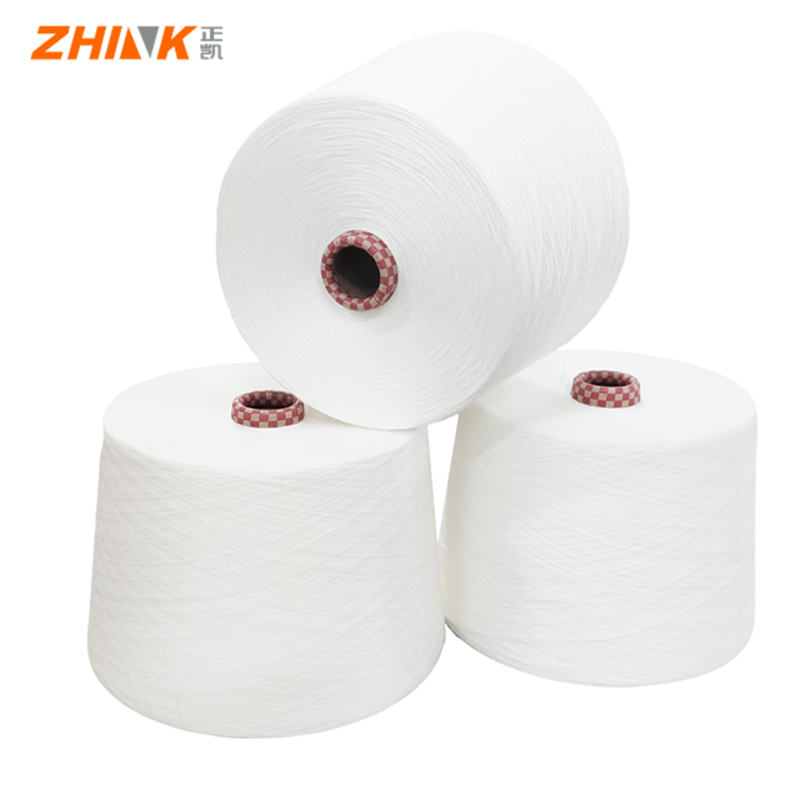
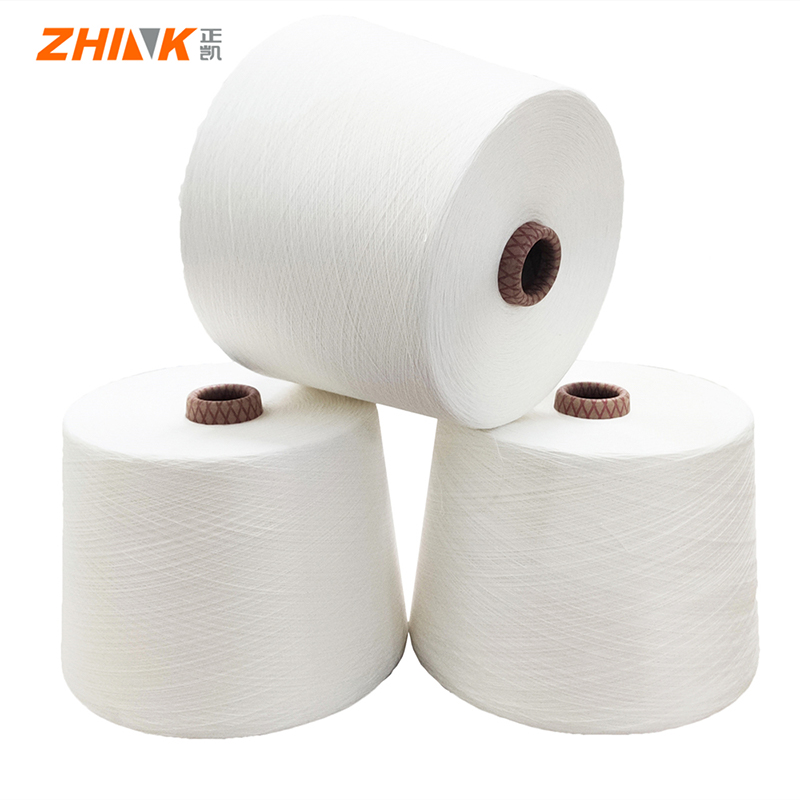
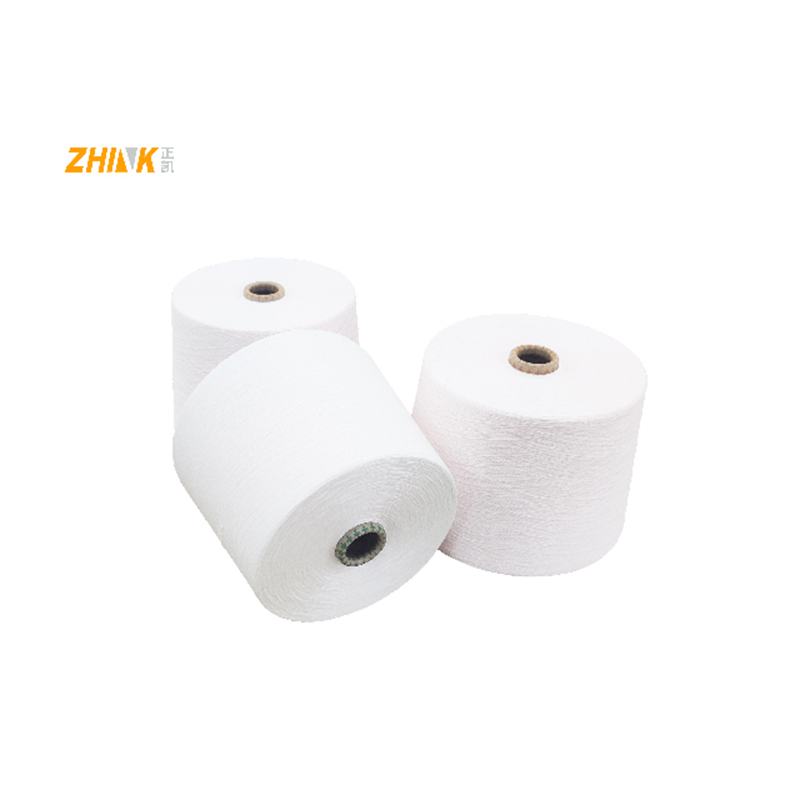
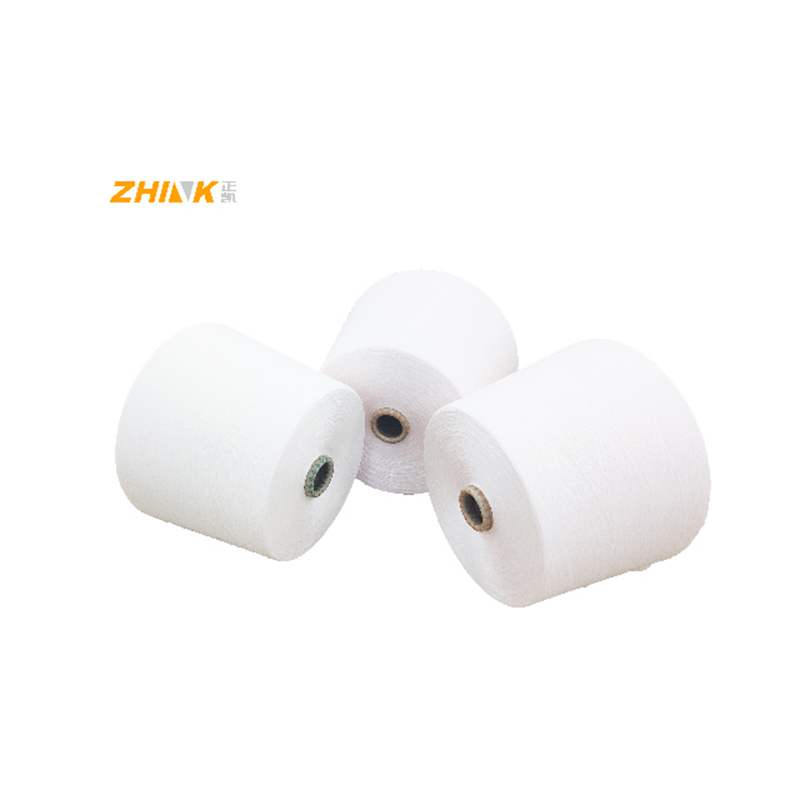
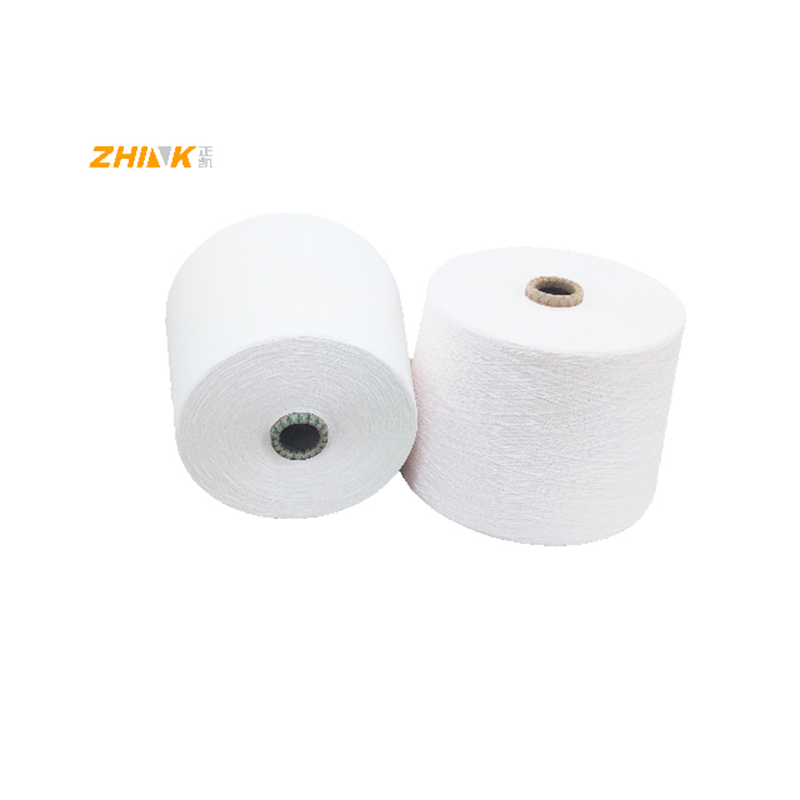
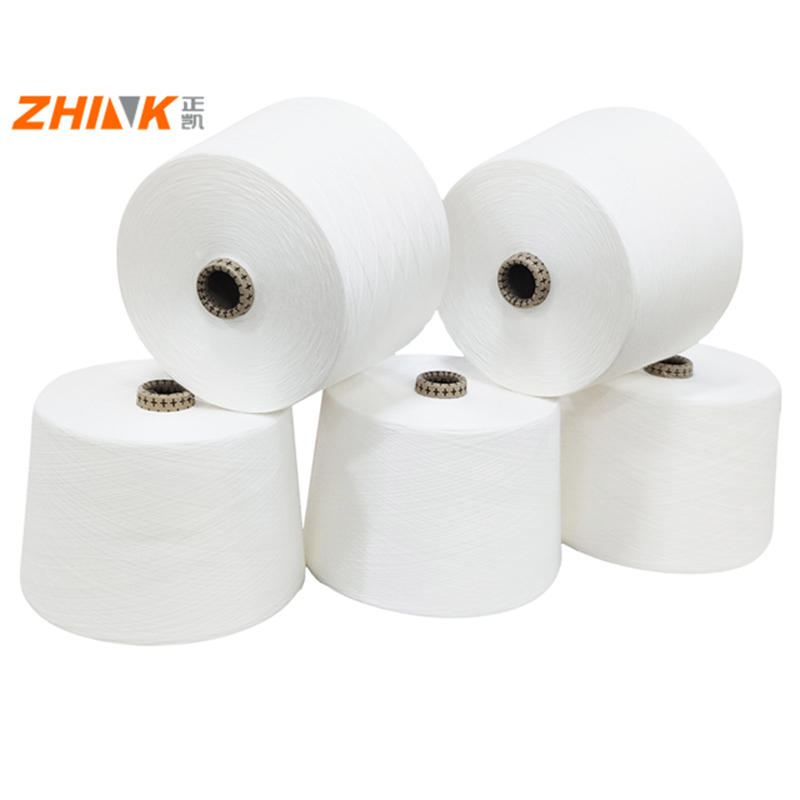
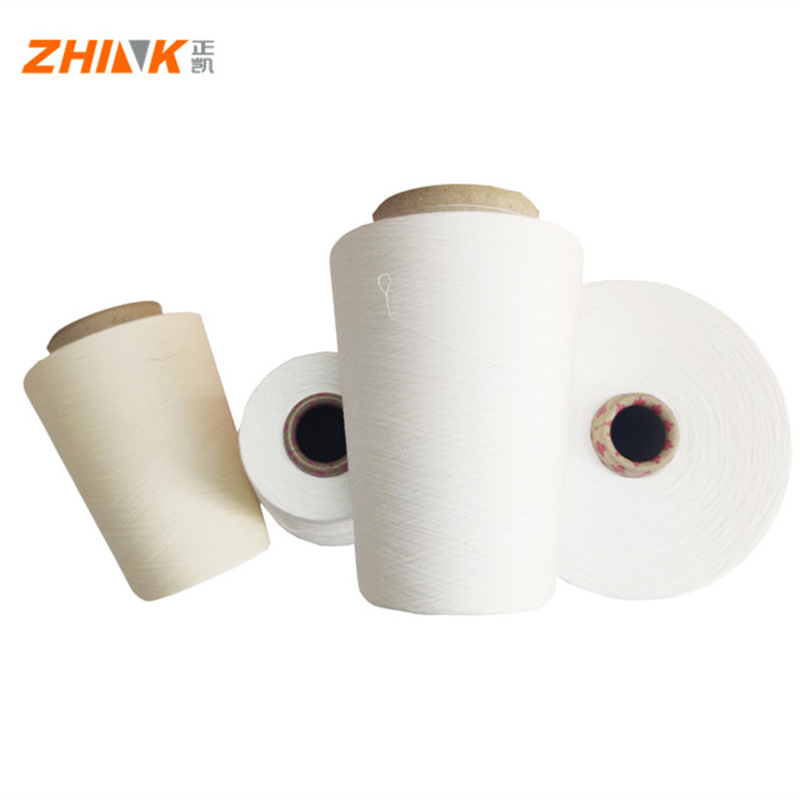
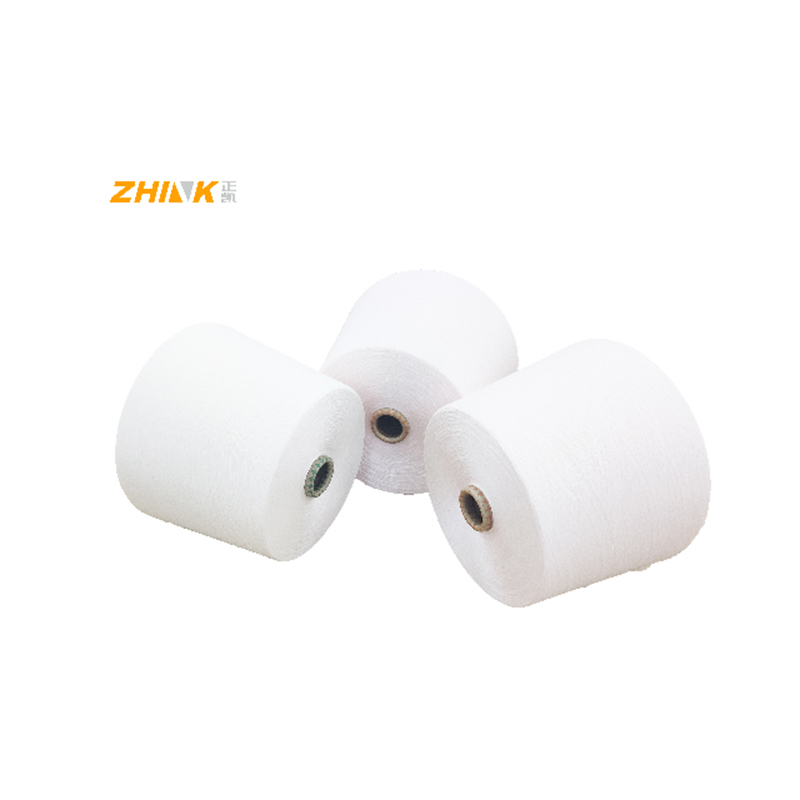
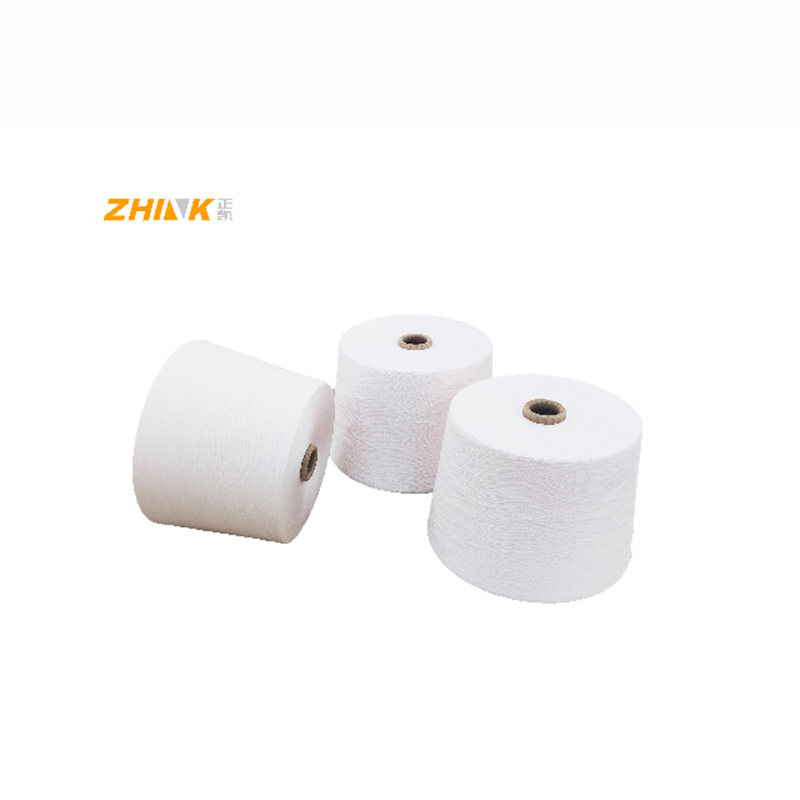
Recycled polyester/viscose 65/35 yarn
Understanding Recycled Polyester/Viscose 65/35 Yarn and Its Industry Implications
The textile industry is evolving, and one of the noteworthy developments is the use of recycled polyester/viscose 65/35 yarn. While it sounds promising, what does it really mean for manufacturing and sustainability? Let's dive into some common misconceptions and truths, leaning on years of industry experience.
The Blend: Why 65/35?
The blend ratio of 65/35 for recycled polyester and viscose isn't arbitrary. It offers a combination of durability and softness that's increasingly sought after. In practice, achieving the ideal feel means painstaking adjustments during production. I’ve seen manufacturers sometimes struggle with maintaining consistency, especially when transitioning from conventional fibers.
Durability is a major talking point. Polyester, being synthetic, brings resilience and strength, while viscose enhances comfort. This blend is particularly advantageous for everyday wear—garments that need to withstand frequent washing yet remain pleasant against the skin. However, the challenge often lies in balancing these qualities without compromise.
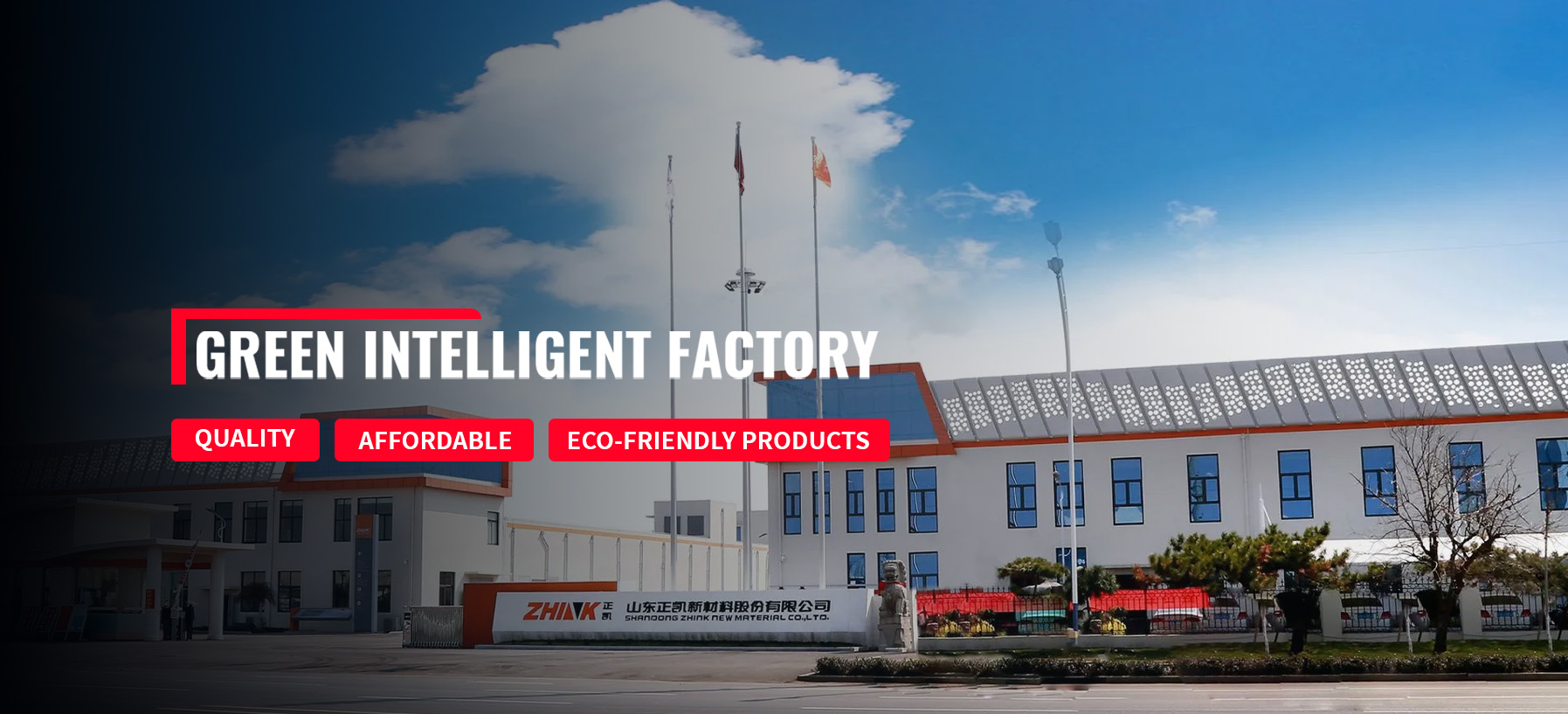
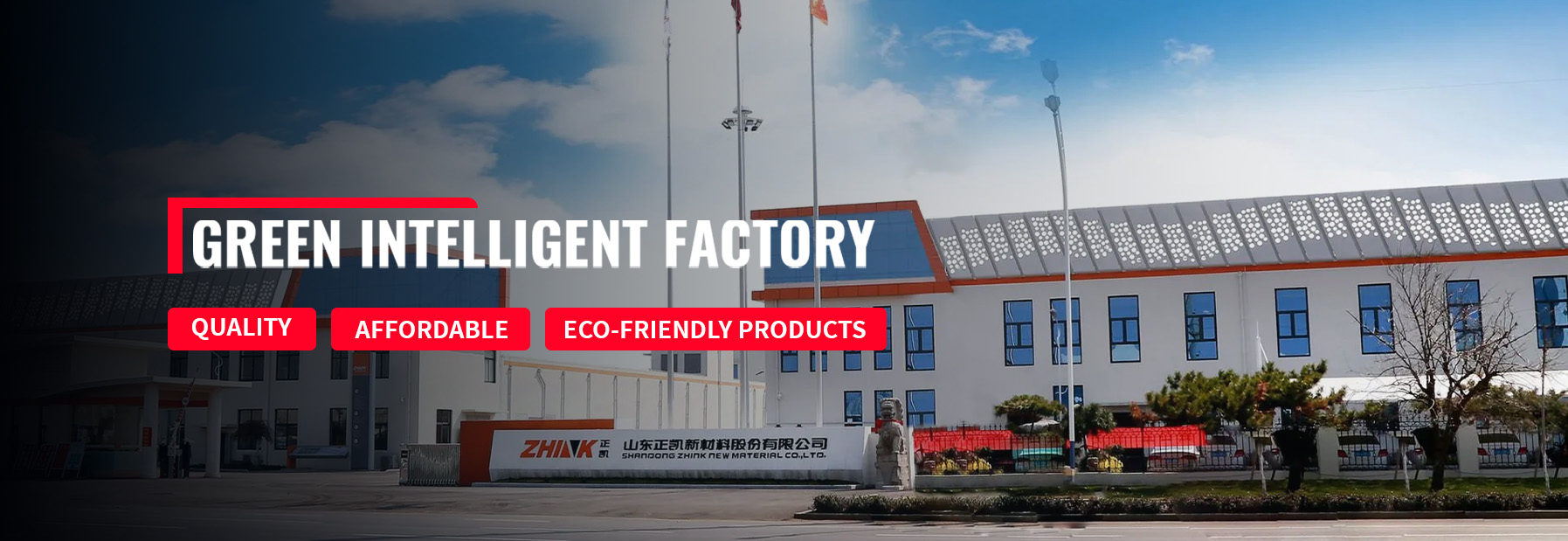
As an aside, SHANDONG ZHINK NEW MATERIAL CO., LTD specializes in such innovative fibers. You can delve deeper into their offerings by visiting their website at Zhink Yarn.
Sustainability Considerations
The term recycled often sparks a positive reaction, yet it’s crucial to examine what it entails. Recycling polyester involves reclaiming plastic, which is processed into usable yarn. While beneficial, it’s not a silver bullet. Energy consumption during recycling is significant and often under-acknowledged.
Viscose, derived from wood pulp, is another component. Sustainable sourcing of this cellulose-based fiber is critical. A major learning point here is adhering to sourcing certifications. In practice, ensuring the provenance of viscose can be tricky—mislabeled or incorrectly documented supplies aren’t unheard of.
Companies like Zhink New Material are dedicating resources to these challenges. Their focus on production efficiency and resource management reflects an industry-wide push towards improved ecological impact.
Market Trends and Practical Challenges
Interest in sustainable textiles has surged, yet supply chain complexities are often glossed over. The demand for recycled polyester/viscose 65/35 yarn is there, but meeting it requires deft navigation of procurement, production capacities, and market dynamics.
A practical issue I’ve encountered is scalability. Small-scale production can yield high-quality materials, but increasing output without sacrificing quality is a hurdle. The market expects consistency, and delivering this amidst fluctuating raw material supplies can be daunting.
Moreover, consumer awareness is rising. Educated buyers probe deeper into product origins than before, making transparent operations a necessity rather than a choice. This places further emphasis on robust quality systems and accurate marketing narratives.
Quality Control and Production Nuances
Ensuring yarn quality involves more than visually inspecting raw materials. It requires a stringent set of checks and balances throughout the production line. I've often observed that when corners are cut in quality control, it shows starkly in the finished product—unraveling seams or pilling fabrics are tell-tale signs.
The technical skills needed to manage a 65/35 blend effectively shouldn’t be underestimated. Subtle shifts in humidity or temperature in a production facility can influence fiber interaction, which in turn affects textile performance. Experienced technicians are indispensable here, providing that human insight AI is yet to replicate.
With companies like SHANDONG ZHINK NEW MATERIAL CO., LTD pushing the envelope in R&D, ongoing advancements continue to enhance production processes, promising greater reliability and consistency in their textile outputs.
Future Outlook: Innovation and Adaptation
As we look ahead, the role of technological innovation cannot be overstated. With advances in textile engineering, the potential for even more sustainable and efficient production methodologies is expanding. I’m particularly enthused by developments in bio-based polyesters and improved recycling technologies.
These innovations hint at an ever-more intertwined future for technology and textile production. Still, adaptation remains key. Being agile and adopting new practices quickly can often be the difference between leading the industry or falling behind.
So, while the journey of recycled polyester/viscose 65/35 yarn is complex, it is undoubtedly one of the paths the textile world is compelled to explore. It embodies the spirit of sustainable advancement and practical feasibility—a balance not easy to achieve but incredibly rewarding when executed well.
Related Products
Related Products