+86-632-3621866
- Chinese
- French
- German
- Portuguese
- Spanish
- Russian
- Japanese
- Korean
- Arabic
- Irish
- Greek
- Turkish
- Italian
- Danish
- Romanian
- Indonesian
- Czech
- Afrikaans
- Swedish
- Polish
- Basque
- Catalan
- Esperanto
- Hindi
- Lao
- Albanian
- Amharic
- Armenian
- Azerbaijani
- Belarusian
- Bengali
- Bosnian
- Bulgarian
- Cebuano
- Chichewa
- Corsican
- Croatian
- Dutch
- Estonian
- Filipino
- Finnish
- Frisian
- Galician
- Georgian
- Gujarati
- Haitian
- Hausa
- Hawaiian
- Hebrew
- Hmong
- Hungarian
- Icelandic
- Igbo
- Javanese
- Kannada
- Kazakh
- Khmer
- Kurdish
- Kyrgyz
- Latin
- Latvian
- Lithuanian
- Luxembou..
- Macedonian
- Malagasy
- Malay
- Malayalam
- Maltese
- Maori
- Marathi
- Mongolian
- Burmese
- Nepali
- Norwegian
- Pashto
- Persian
- Punjabi
- Serbian
- Sesotho
- Sinhala
- Slovak
- Slovenian
- Somali
- Samoan
- Scots Gaelic
- Shona
- Sindhi
- Sundanese
- Swahili
- Tajik
- Tamil
- Telugu
- Thai
- Ukrainian
- Urdu
- Uzbek
- Vietnamese
- Welsh
- Xhosa
- Yiddish
- Yoruba
- Zulu
- Kinyarwanda
- Tatar
- Oriya
- Turkmen
- Uyghur


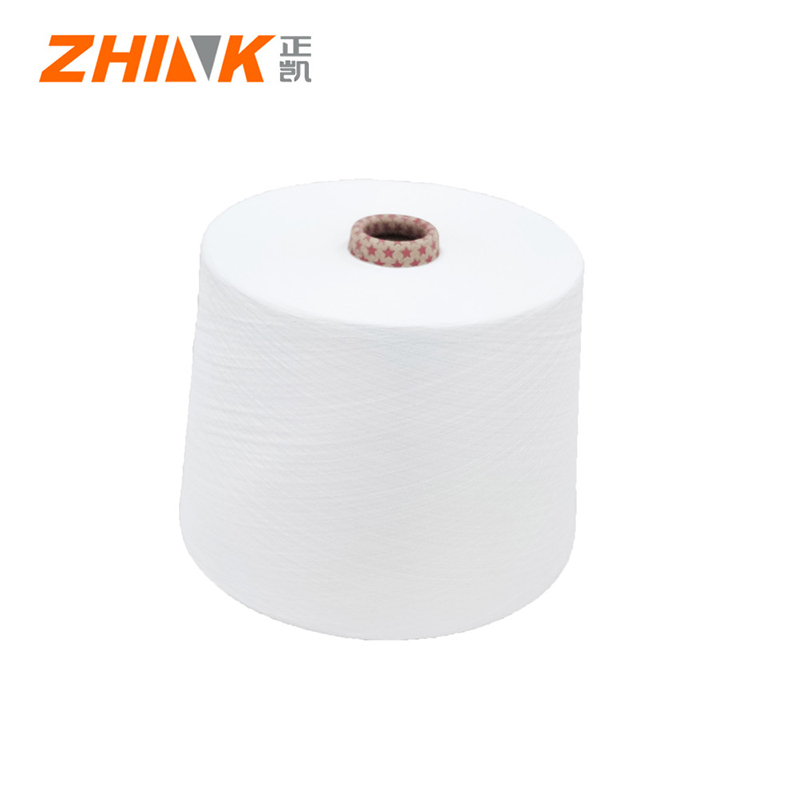
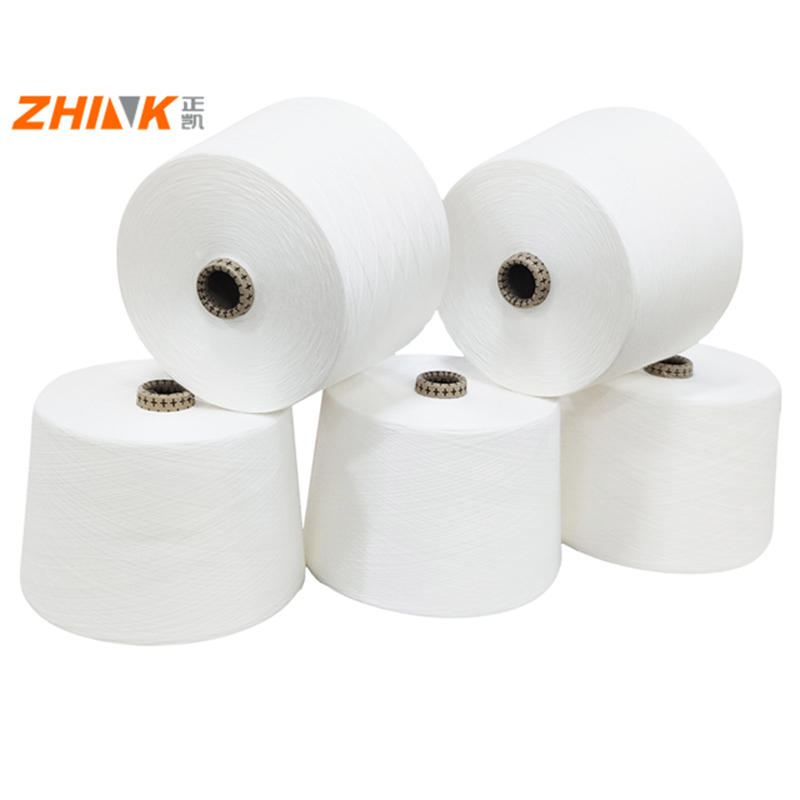
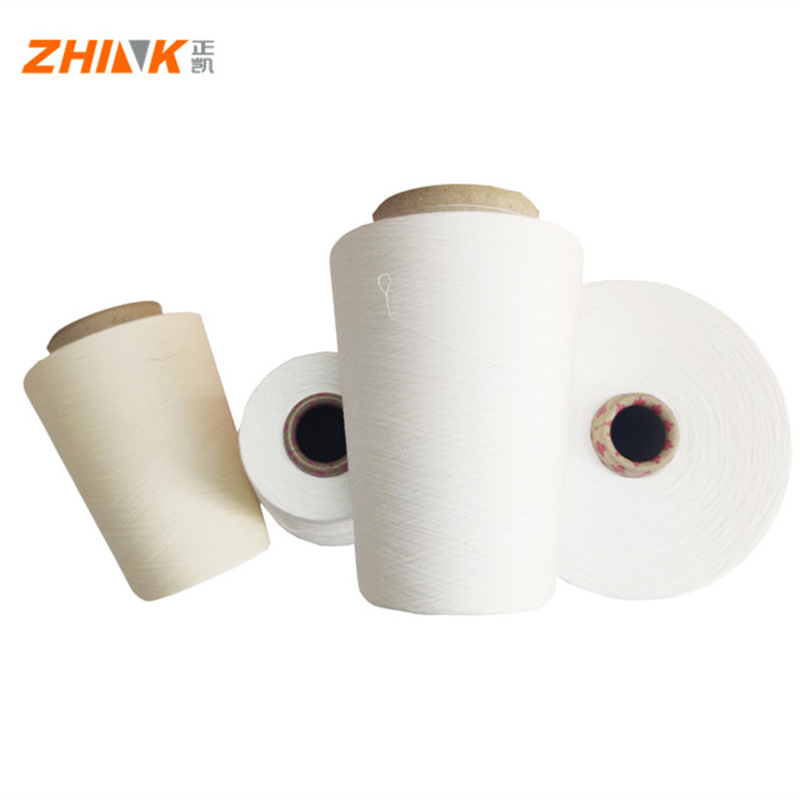
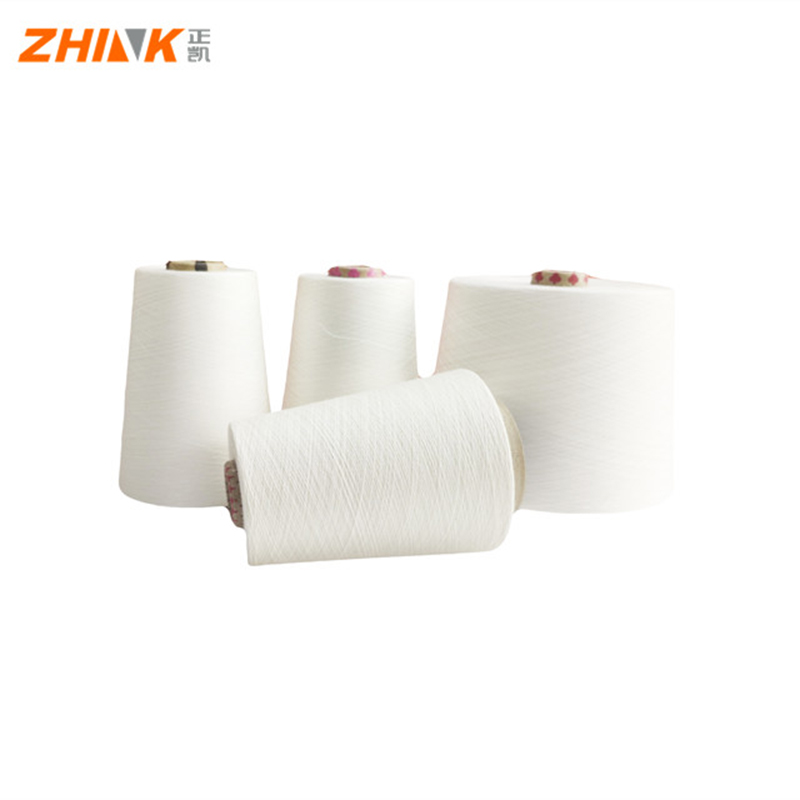
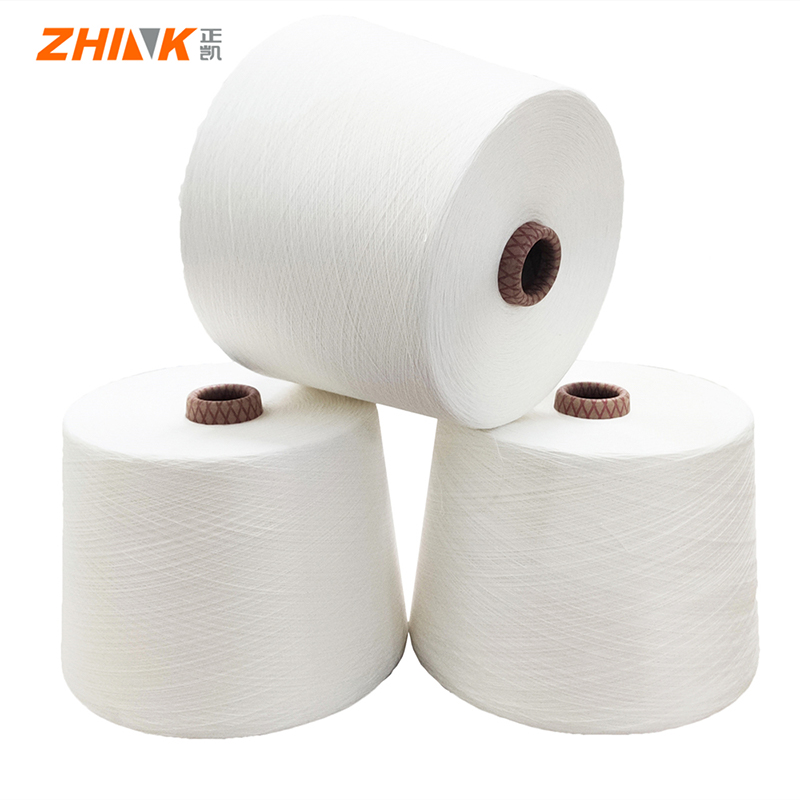
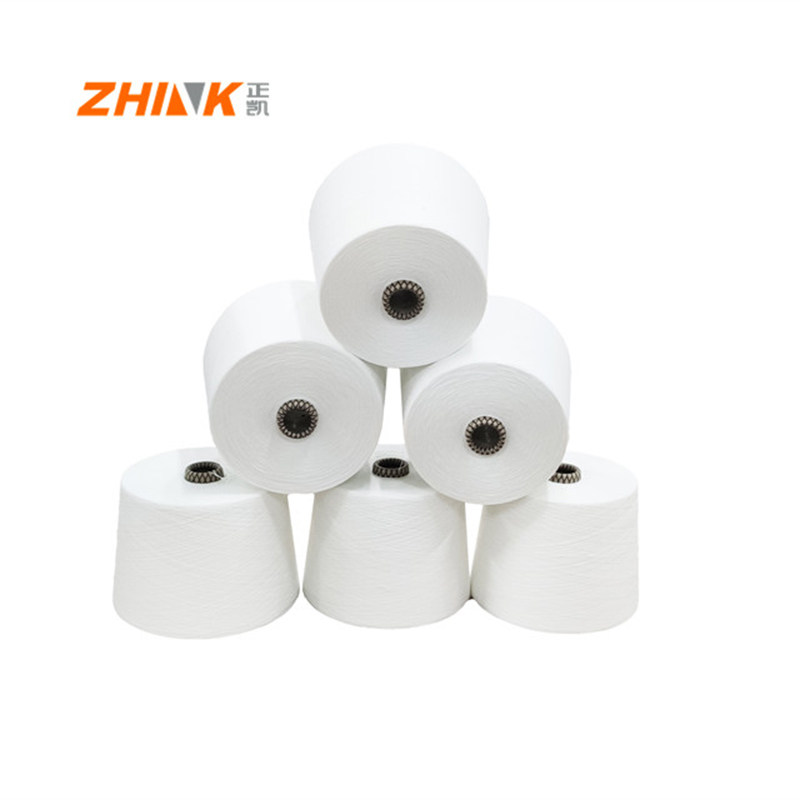
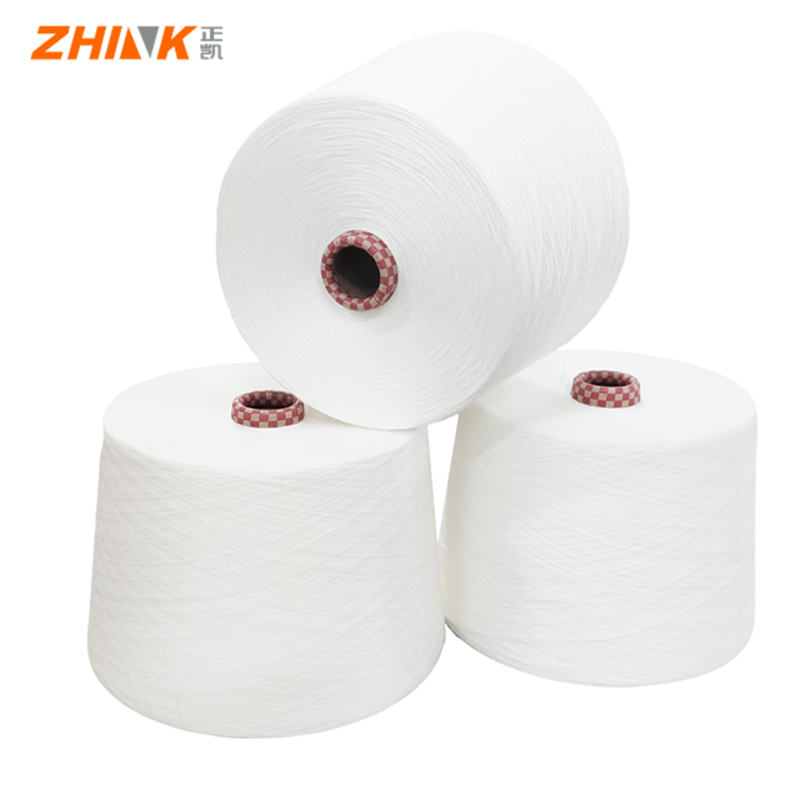
Recycled polyester/viscose 70/30 yarn
html
Exploring the Dynamics of Recycled Polyester/Viscose 70/30 Yarn
Recycled polyester/viscose 70/30 yarn may seem straightforward, but delve deeper, and you'll uncover layers of challenges and innovations. This blend is not just about mixing two fibers; it’s about balancing sustainability with performance, while navigating market demands and production nuances. Here’s what industry insiders, like those at SHANDONG ZHINK NEW MATERIAL CO., LTD, have learned on the ground.
Understanding the Blend
First, why the Recycled polyester/viscose 70/30 yarn? Traditionally, polyester provides strength and moisture resistance. When combined with viscose, you're getting added softness and comfort. That 70/30 ratio isn’t arbitrary; it's a carefully calculated balance. Too much polyester, and the fabric feels overly synthetic. Too much viscose, and it loses durability. It’s a dance of sorts, one familiar to companies deeply embedded in textile innovation, like Zhink New Material.
At SHANDONG ZHINK NEW MATERIAL CO., LTD, they’ve invested countless hours in R&D to refine this ratio. Their insights reveal something crucial: sustainability must not compromise quality. The recycled aspect of polyester is vital, reducing waste and meeting eco-friendly demands. Yet, ensuring recycled fibers match virgin material quality is where science meets art.
This balance is particularly challenging given global variations in raw material sources. Recycled fibers can differ vastly depending on origin, and this variability must be managed within production processes.
Challenges in Production
The production of such yarn is fraught with challenges. The spinning process, for example, is a complex operation. Recycled polyester sometimes shows inconsistencies, especially when fibers are sourced from different recycling facilities. These inconsistencies affect yarn homogeneity, a notorious issue echoed by those dealing with mass production.
Moreover, blending two different fibers requires precise control over factors such as tension and temperature. SHANDONG ZHINK NEW MATERIAL CO., LTD engages in meticulous testing phases, often iterating their processes until achieving the optimal yarn quality. Their dedication highlights that even a slight deviation can significantly impact the final product's feel and function.
Not to mention, the recycling process itself must be scrutinized. There's a delicate balance between removing impurities from recycled materials and preserving enough fiber integrity for effective spinning and weaving.
Market Expectations
With rising demand for sustainable textiles, the market has high expectations. Consumers, increasingly environmentally conscious, expect eco-friendly yet high-performance fabrics. The pressure is on manufacturers to deliver without inflating prices.
Companies like SHANDONG ZHINK NEW MATERIAL CO., LTD, which you can explore more on their website, are at the forefront, pushing the boundaries to meet these expectations. Their success relies on a deep understanding of both technical requirements and consumer trends.
There’s a continual race to innovate, improve, and differentiate. Not only must the materials be sustainable, but the entire supply chain needs to uphold these values.
Real-world Applications
In practice, recycled polyester/viscose 70/30 yarn finds its way into various applications. From fashion to home textiles, it’s lauded for merging resilience with comfort. But the journey from concept to consumer isn't always straightforward.
Consider a case where one might introduce a new collection. Initial trials might reveal unforeseen issues, such as dye absorption inconsistencies linked to the fiber blend. This is commonplace but also solvable with experience and innovation – a strength of Zhink New Material’s team.
For instance, adjustments in the dyeing process, perhaps tweaking temperature profiles or dye compositions, can turn a potential failure into a triumph.
R&D: The Continuous Journey
The journey doesn’t stop with one successful production cycle. Truly, in this industry, the R&D never ends. Each batch, even with the same formula, might present unique challenges. Companies like SHANDONG ZHINK NEW MATERIAL CO., LTD thrive on this iterative process, fostering an environment of ongoing learning and development.
Continual testing and feedback mechanisms are essential. Implementing consumer feedback early in the design phase might reveal subtle preferences, driving further refinements in texture or durability.
Moreover, emerging technologies could revolutionize recycled fiber processing or blending techniques, opening new horizons for this yarn type. Keeping an eye on these developments ensures staying ahead of the curve.
Related Products
Related Products