+86-632-3621866
- Chinese
- French
- German
- Portuguese
- Spanish
- Russian
- Japanese
- Korean
- Arabic
- Irish
- Greek
- Turkish
- Italian
- Danish
- Romanian
- Indonesian
- Czech
- Afrikaans
- Swedish
- Polish
- Basque
- Catalan
- Esperanto
- Hindi
- Lao
- Albanian
- Amharic
- Armenian
- Azerbaijani
- Belarusian
- Bengali
- Bosnian
- Bulgarian
- Cebuano
- Chichewa
- Corsican
- Croatian
- Dutch
- Estonian
- Filipino
- Finnish
- Frisian
- Galician
- Georgian
- Gujarati
- Haitian
- Hausa
- Hawaiian
- Hebrew
- Hmong
- Hungarian
- Icelandic
- Igbo
- Javanese
- Kannada
- Kazakh
- Khmer
- Kurdish
- Kyrgyz
- Latin
- Latvian
- Lithuanian
- Luxembou..
- Macedonian
- Malagasy
- Malay
- Malayalam
- Maltese
- Maori
- Marathi
- Mongolian
- Burmese
- Nepali
- Norwegian
- Pashto
- Persian
- Punjabi
- Serbian
- Sesotho
- Sinhala
- Slovak
- Slovenian
- Somali
- Samoan
- Scots Gaelic
- Shona
- Sindhi
- Sundanese
- Swahili
- Tajik
- Tamil
- Telugu
- Thai
- Ukrainian
- Urdu
- Uzbek
- Vietnamese
- Welsh
- Xhosa
- Yiddish
- Yoruba
- Zulu
- Kinyarwanda
- Tatar
- Oriya
- Turkmen
- Uyghur


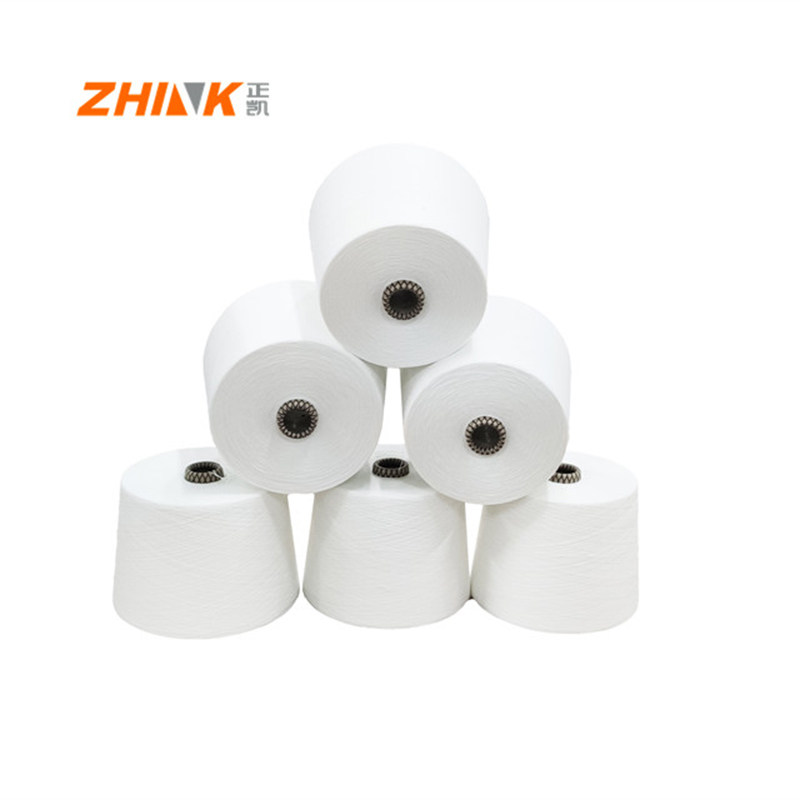
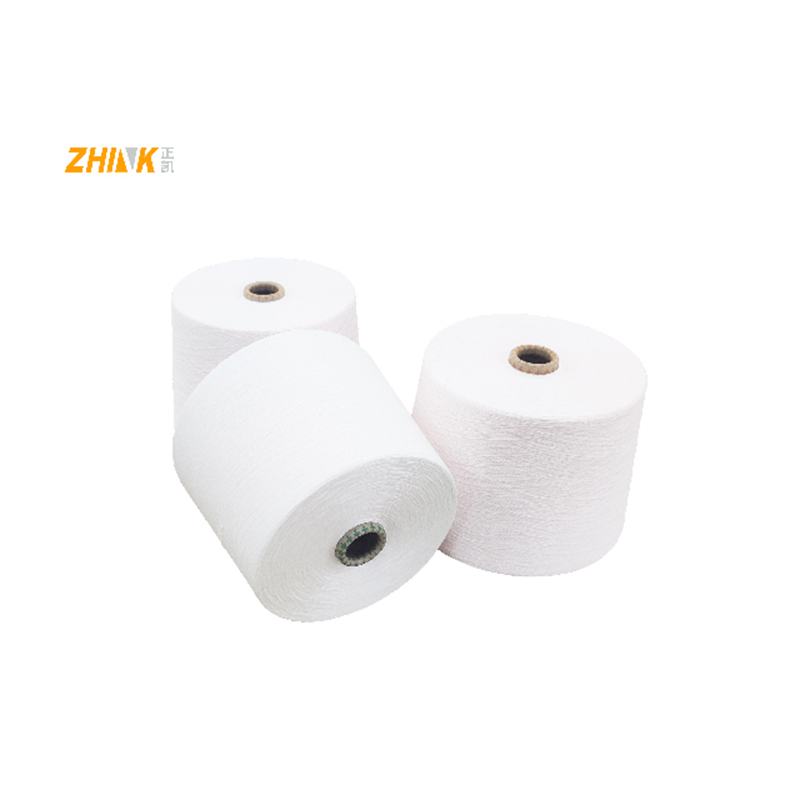
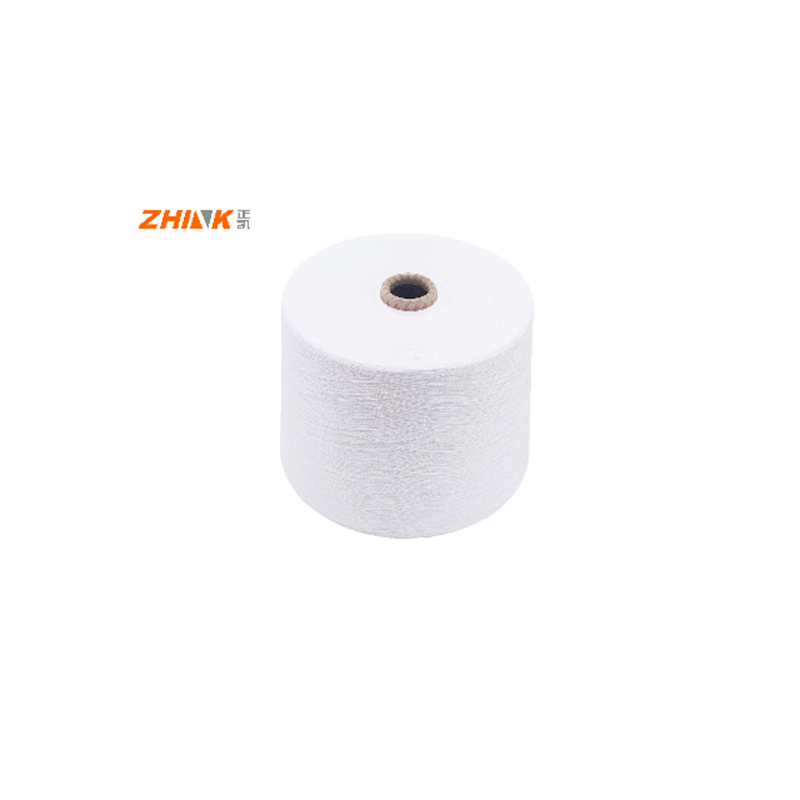
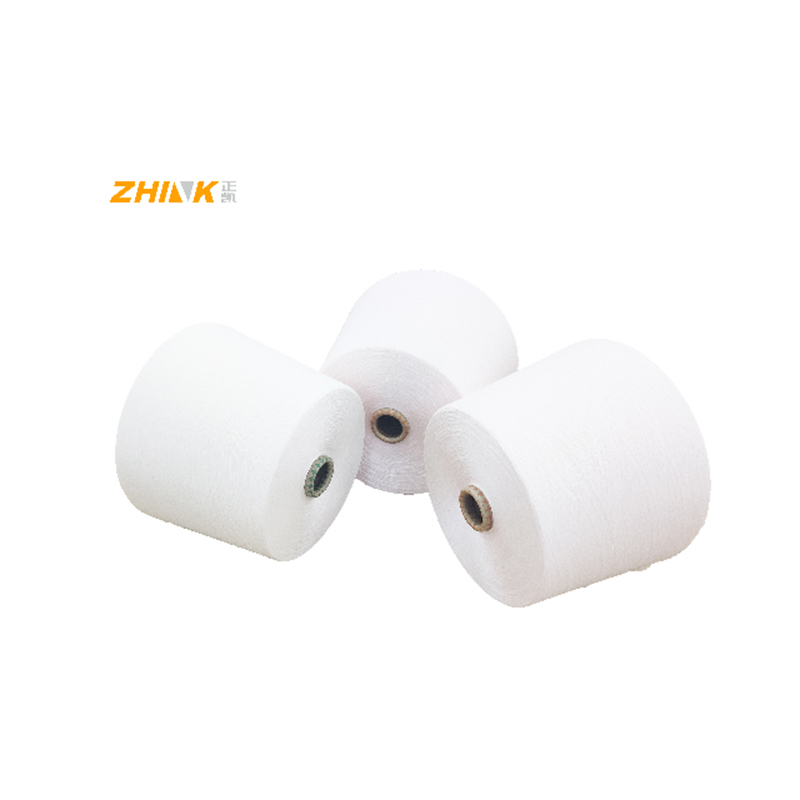
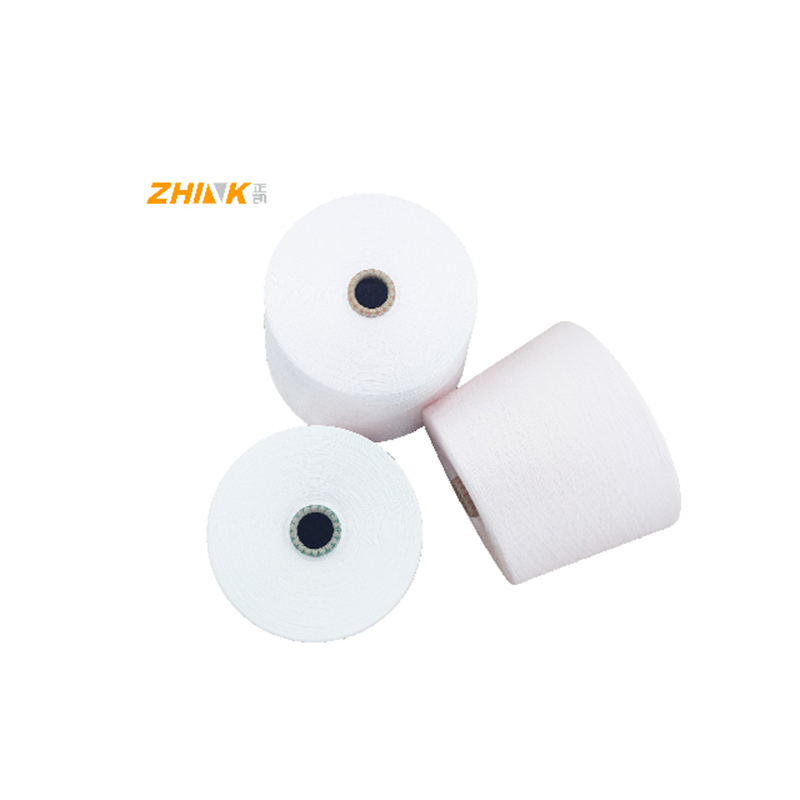
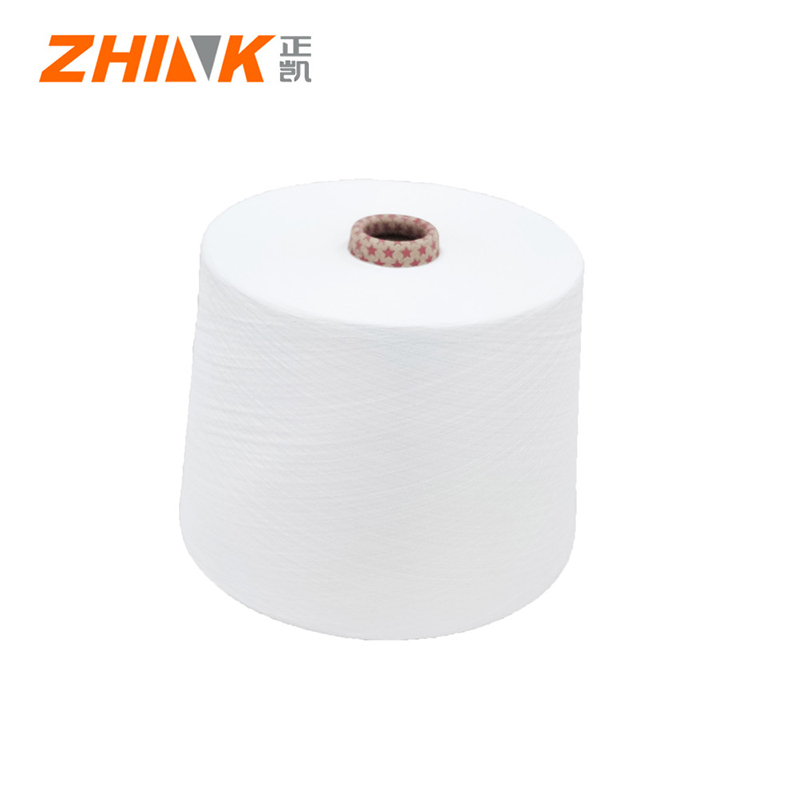
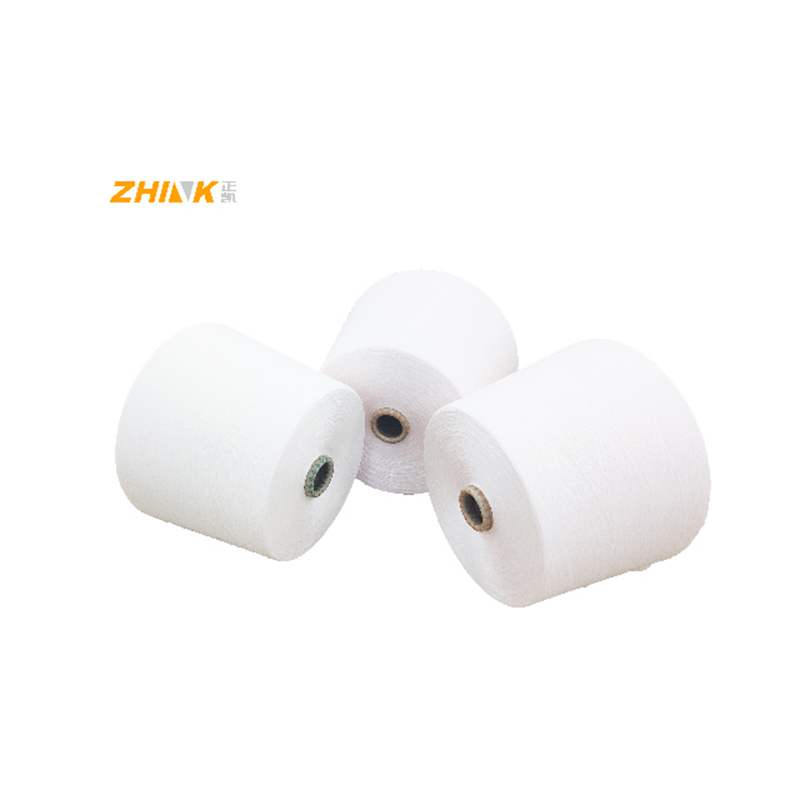
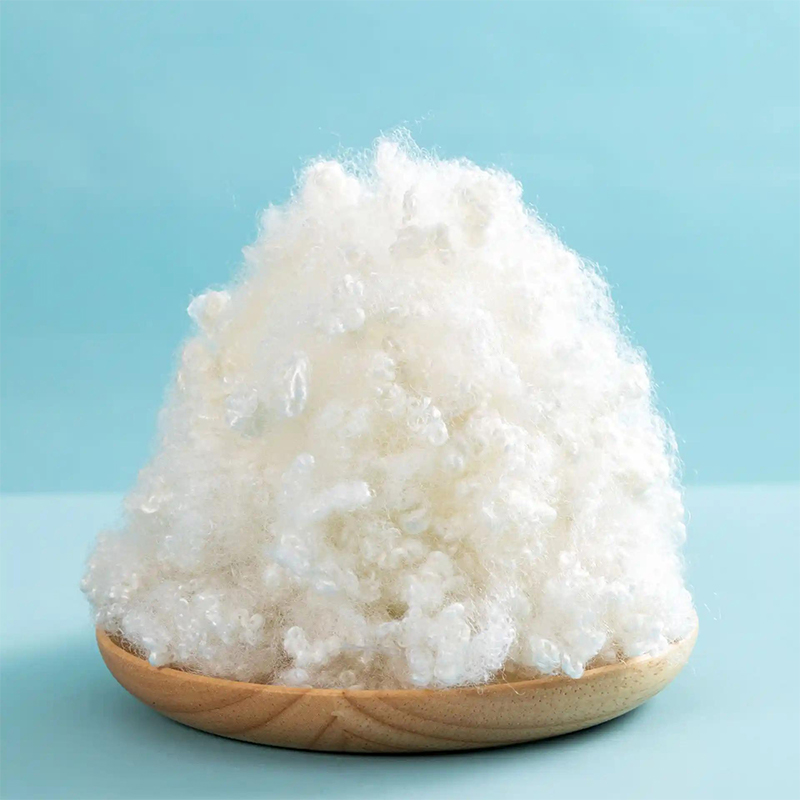
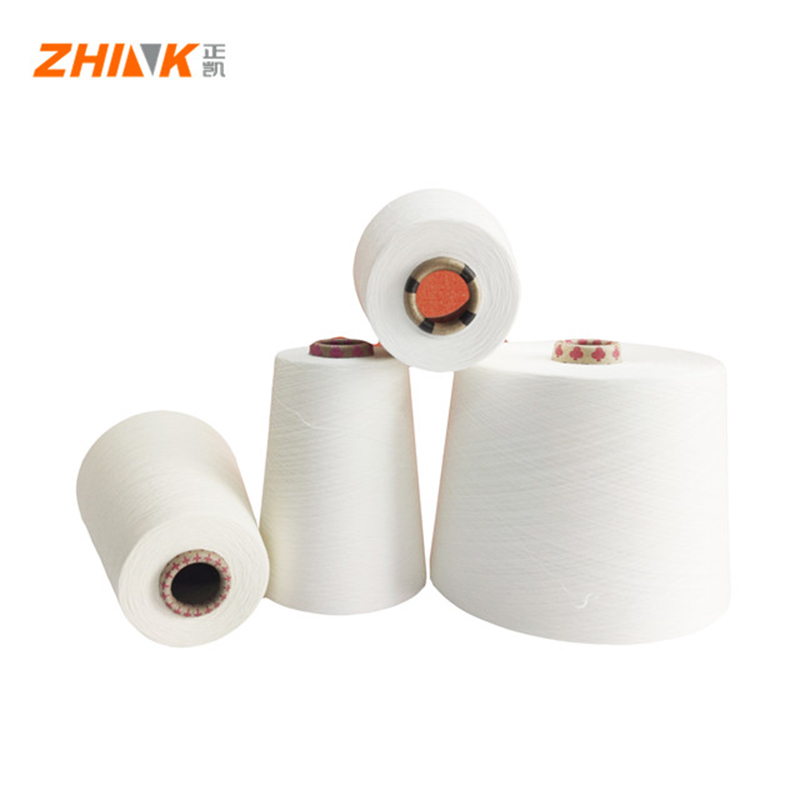
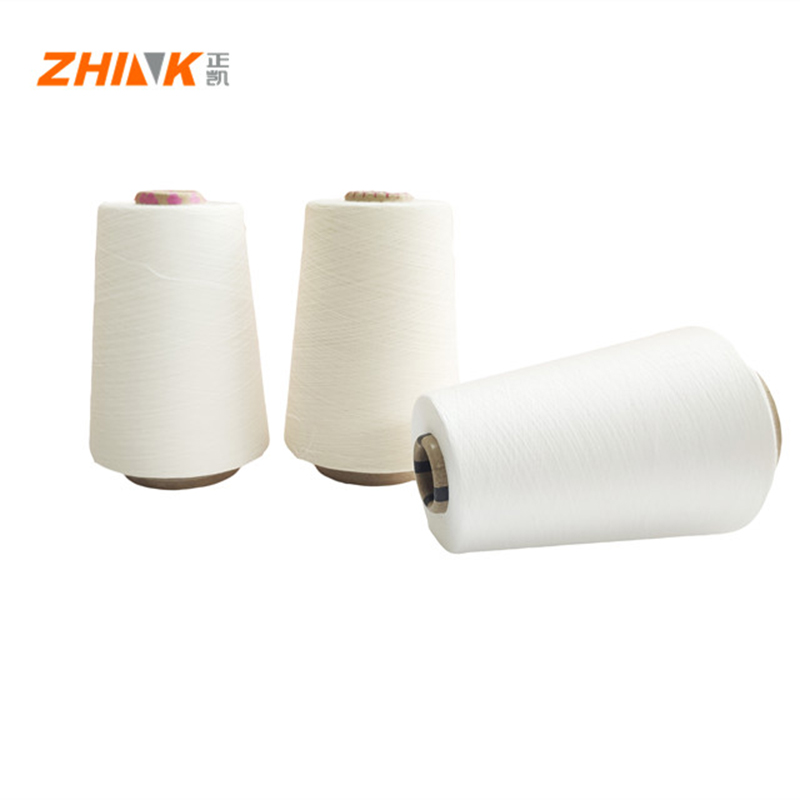
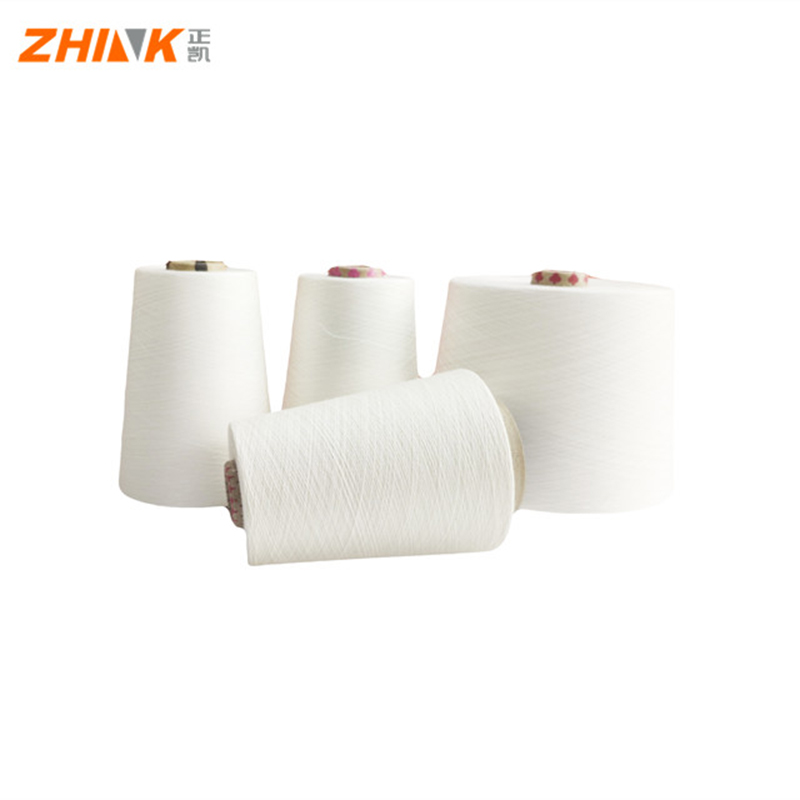
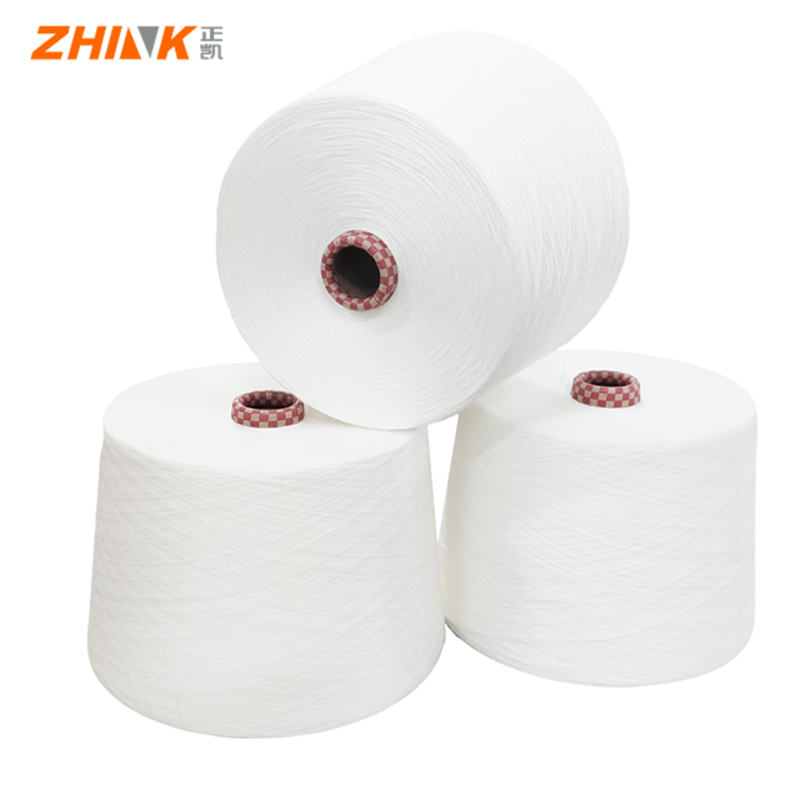
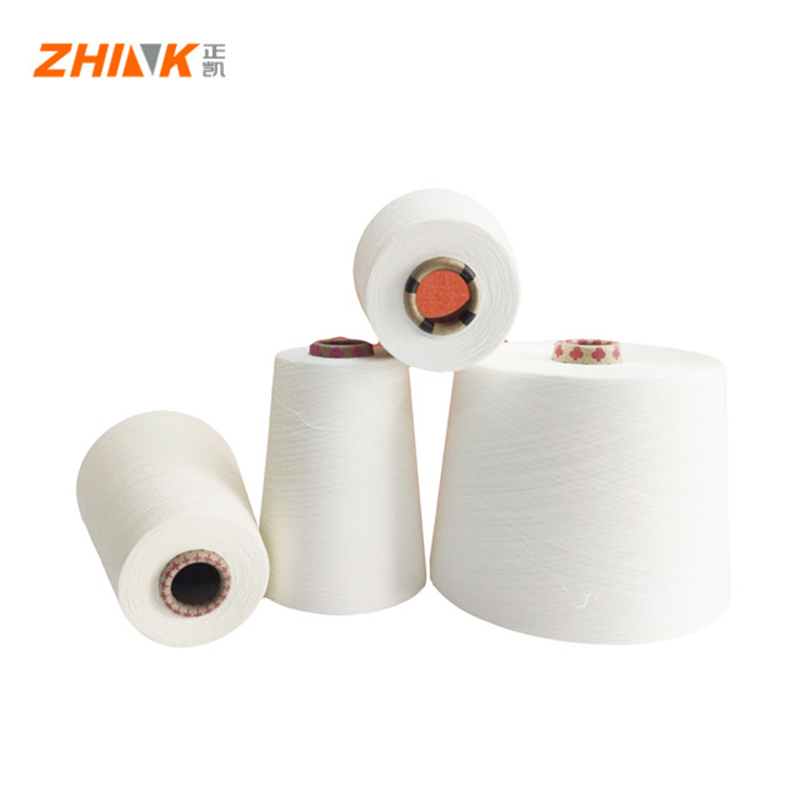
Recycled polyester/viscose 90/10 yarn
The Practical Insight into Recycled Polyester/Viscose 90/10 Yarn
Recycled polyester/viscose 90/10 yarn has become a focal point for sustainable textiles. However, misconceptions abound regarding its quality and versatility. This piece delves into real-world experiences, challenges, and observations around this fascinating blend.
Understanding the Benefits and Challenges
Having worked with these yarns, one quickly appreciates their appeal: sustainability combined with functionality. Yet it's crucial to note that not all recycled polyester is created equal. The quality largely depends on the source material and the recycling process itself. It can sometimes be tricky to convince traditional textile producers to make the switch due to persistent concerns about durability and finish.
When we talk about viscose in this blend, it's often viewed as the comfort factor. Viscose, derived from natural sources like bamboo or wood pulp, complements the synthetic strength of polyester. But there's the catch—inadequately sourced viscose can lead to pilling or inconsistent textures. A balanced blend is key, and that's where meticulous control over the yarn production process comes in.
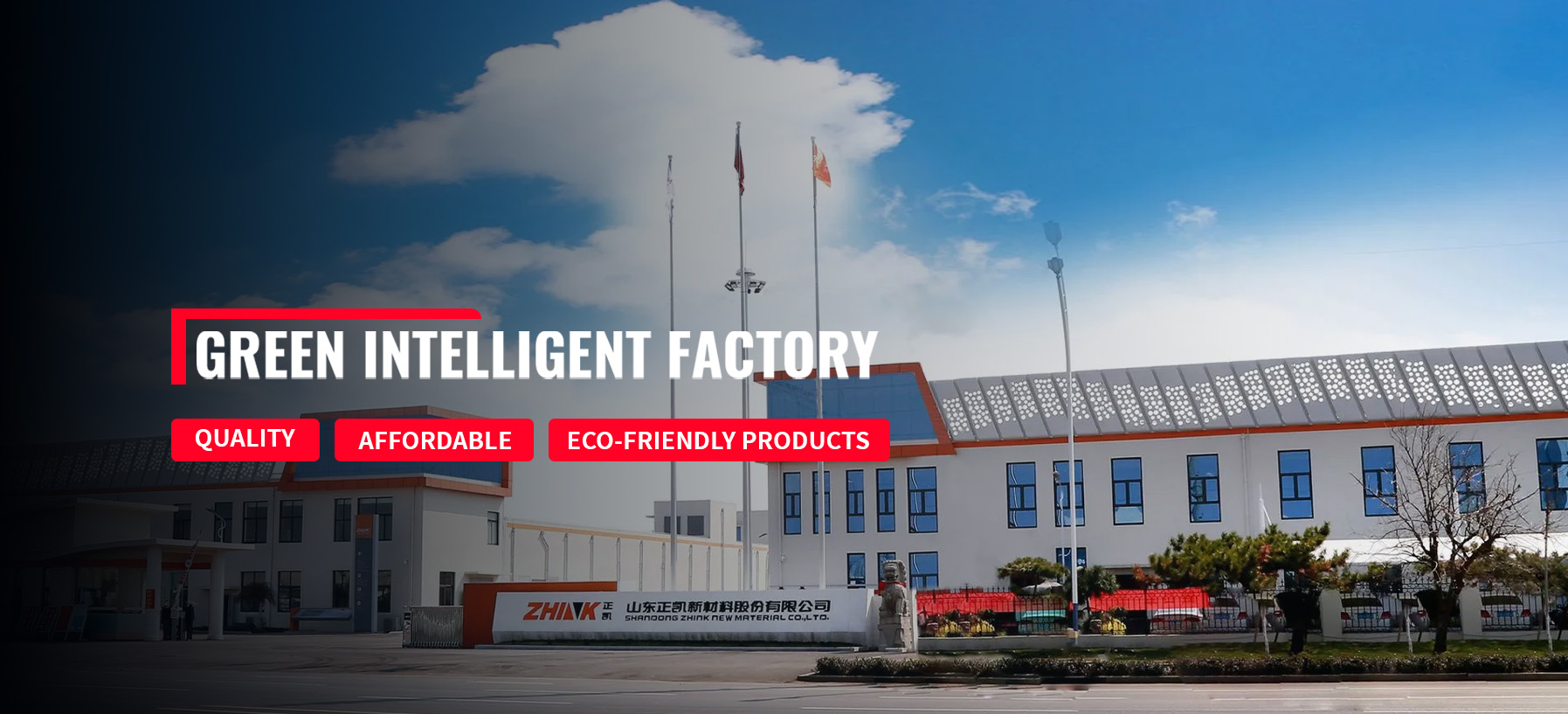
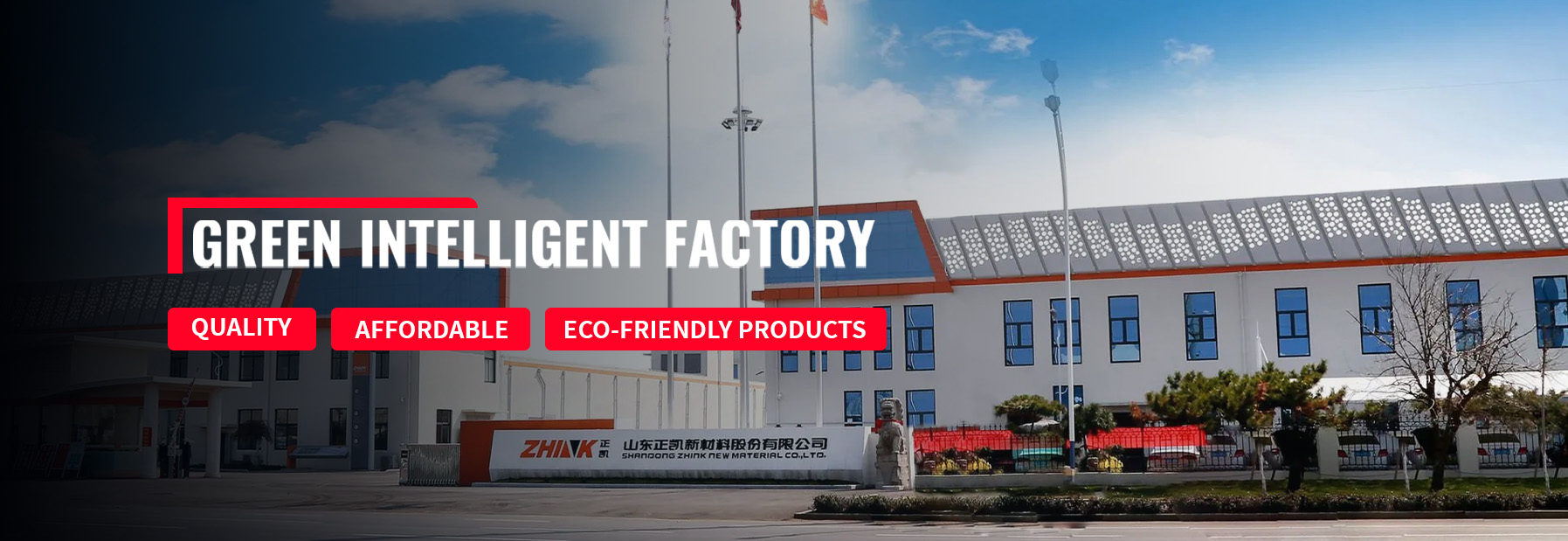
Case in point, at SHANDONG ZHINK NEW MATERIAL CO., LTD, we ensure rigorous quality checks to maintain the integrity of our recycled polyester/viscose yarns. Our R&D team constantly adjusts the processing techniques to iron out these inconsistencies, focusing heavily on the spinnability and finish of the yarn.
The Real-world Applications and Missteps
In practice, I've seen this yarn used effectively in both apparel and home textiles. With apparel, especially activewear, comfort and durability are paramount. The polyester offers the resilience, while the viscose adds breathability. Yet, it's not without its hiccups.
One challenge often encountered is dye uptake. Unlike pure polyester, the presence of viscose introduces a variable—how will the yarn react to different dye types? I've seen batches that come out perfect and others that require several rounds of lab dips to achieve color consistency. It's here that experience plays a crucial role; knowing your dye house can make or break the project.
Home textiles, like drapery and upholstery, can benefit from these yarns too. However, heavy-duty use throws up questions of wear and tear. At Zhink, we often test new blends by creating sample products and subjecting them to real-life stress tests. The results, although sometimes surprising, provide invaluable insights that refine our production processes.
The Influence of Market Demands
Market trends also heavily influence the trajectory of recycled polyester/viscose yarns. As consumers lean towards eco-friendly options, the pressure on producers to supply sustainable yet high-performing textiles increases. We've observed a shift not just in demand but in expectations, with buyers becoming more aware and demanding of the entire supply chain being transparent and sustainable.
This demand for transparency leads to collaborations with trusted recycling sources and certifications that validate our efforts. The textile sector, known for its environmental impact, requires such shifts in operational norms to meet future requirements.
From my personal experience, integrating recycled materials while maintaining quality is a challenging balance. Managing customer expectations against production realities is a delicate dance, requiring constant communication and education about what can be achieved and what might need compromise.
Pioneering Sustainability in Textile Production
SHANDONG ZHINK NEW MATERIAL CO., LTD, with our website at https://www.zhinkyarn.com, is at the forefront of this transition. Our focus is not just on producing recycled polyester/viscose yarns but on pioneering innovative textile solutions. We believe in research-driven development that responds to the market's evolving needs.
We constantly explore new blend ratios, evaluate performance metrics, and adapt to emerging textile technologies. Our goal is always to push the envelope, creating materials that align with sustainable practices without compromising on quality or consumer expectations.
In closing, recycled polyester/viscose 90/10 yarn offers a promising pathway towards a more sustainable textile industry. Its successful integration depends on informed material choices, robust production practices, and a commitment to overcoming the challenges that naturally arise with innovation. In sharing these insights, the hope is to inspire more industry players to adopt greener materials and elevate the standard of textile production.
Related Products
Related Products