+86-632-3621866
- Chinese
- French
- German
- Portuguese
- Spanish
- Russian
- Japanese
- Korean
- Arabic
- Irish
- Greek
- Turkish
- Italian
- Danish
- Romanian
- Indonesian
- Czech
- Afrikaans
- Swedish
- Polish
- Basque
- Catalan
- Esperanto
- Hindi
- Lao
- Albanian
- Amharic
- Armenian
- Azerbaijani
- Belarusian
- Bengali
- Bosnian
- Bulgarian
- Cebuano
- Chichewa
- Corsican
- Croatian
- Dutch
- Estonian
- Filipino
- Finnish
- Frisian
- Galician
- Georgian
- Gujarati
- Haitian
- Hausa
- Hawaiian
- Hebrew
- Hmong
- Hungarian
- Icelandic
- Igbo
- Javanese
- Kannada
- Kazakh
- Khmer
- Kurdish
- Kyrgyz
- Latin
- Latvian
- Lithuanian
- Luxembou..
- Macedonian
- Malagasy
- Malay
- Malayalam
- Maltese
- Maori
- Marathi
- Mongolian
- Burmese
- Nepali
- Norwegian
- Pashto
- Persian
- Punjabi
- Serbian
- Sesotho
- Sinhala
- Slovak
- Slovenian
- Somali
- Samoan
- Scots Gaelic
- Shona
- Sindhi
- Sundanese
- Swahili
- Tajik
- Tamil
- Telugu
- Thai
- Ukrainian
- Urdu
- Uzbek
- Vietnamese
- Welsh
- Xhosa
- Yiddish
- Yoruba
- Zulu
- Kinyarwanda
- Tatar
- Oriya
- Turkmen
- Uyghur


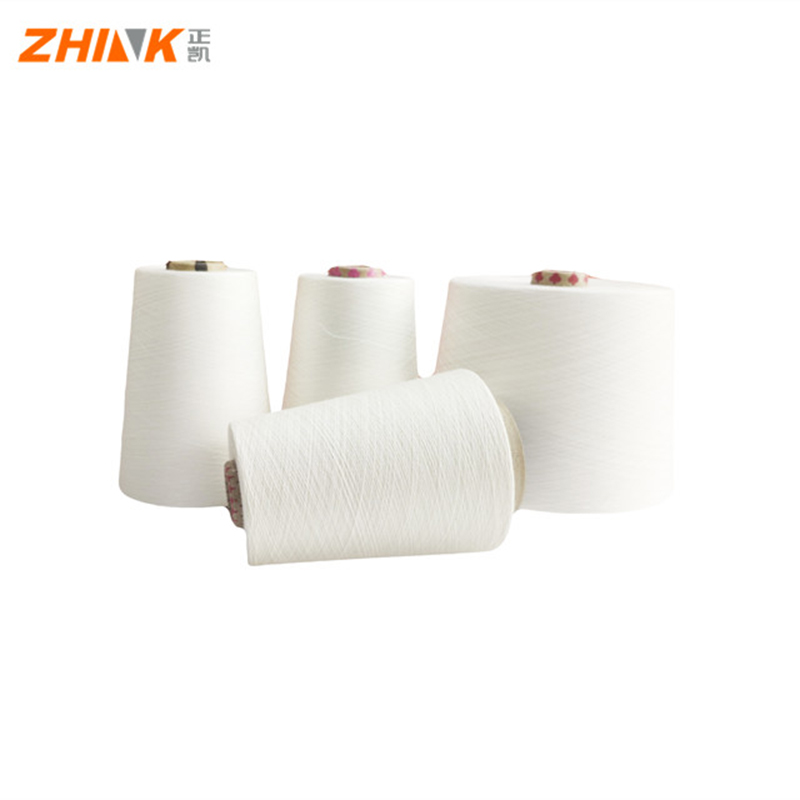
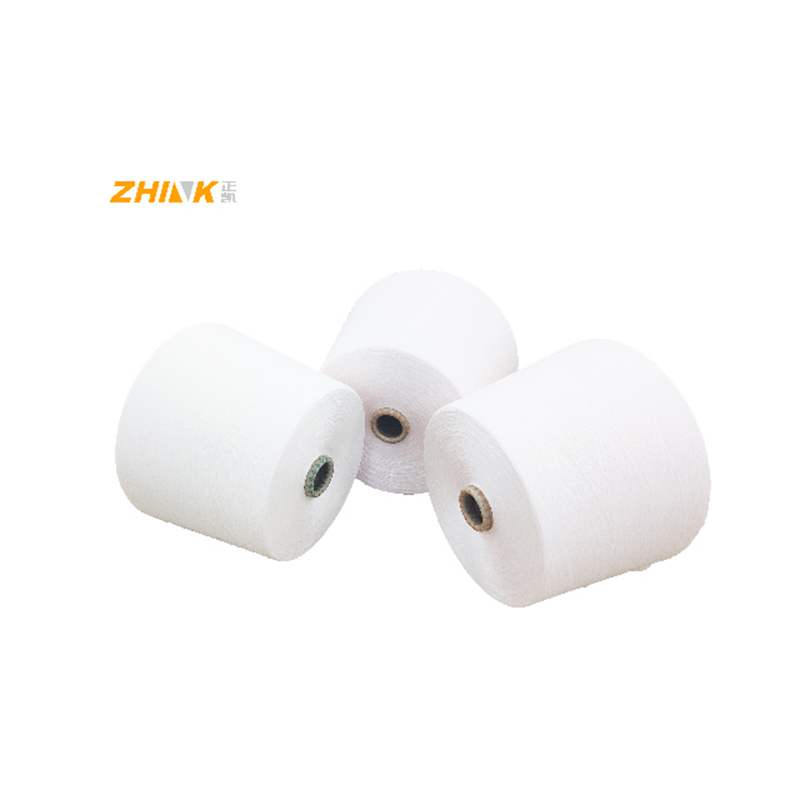
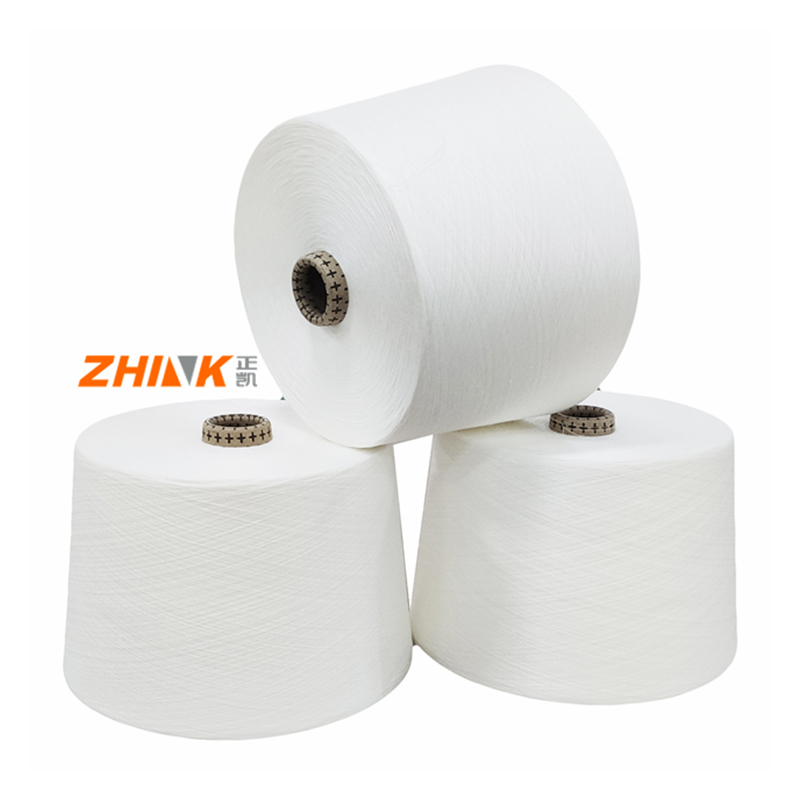
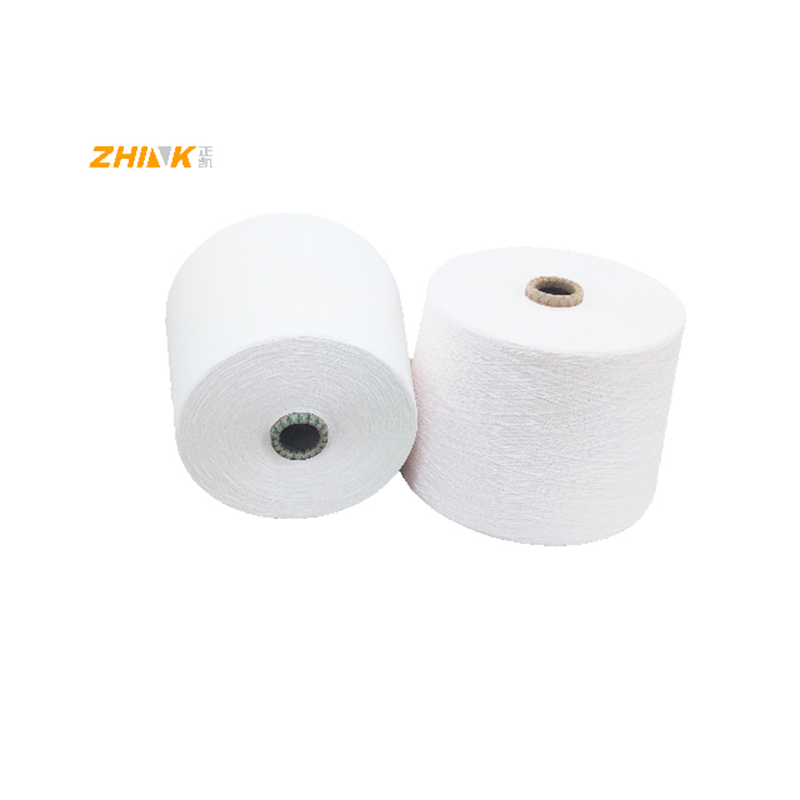
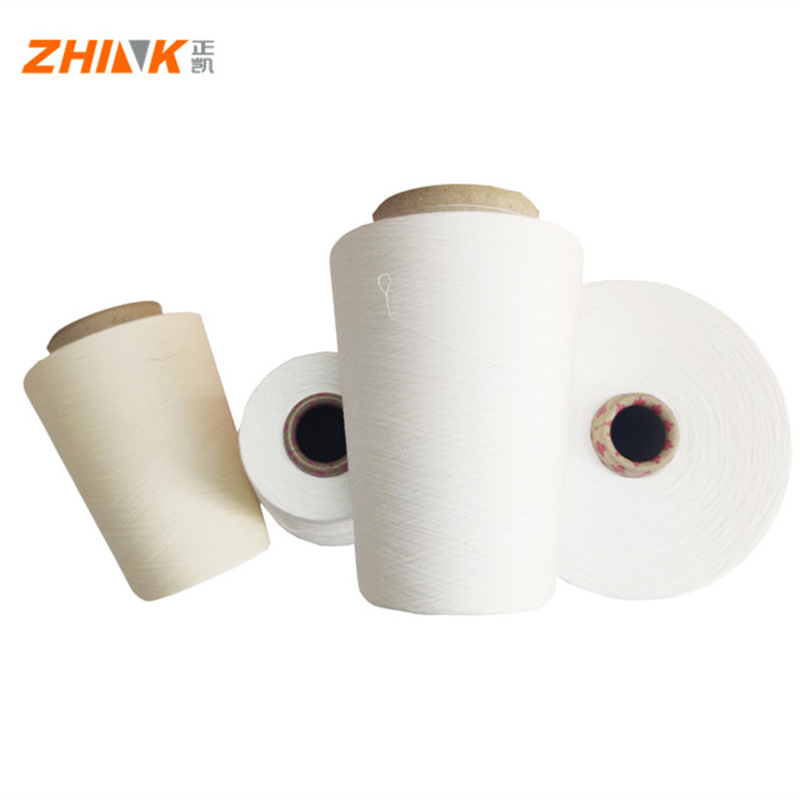
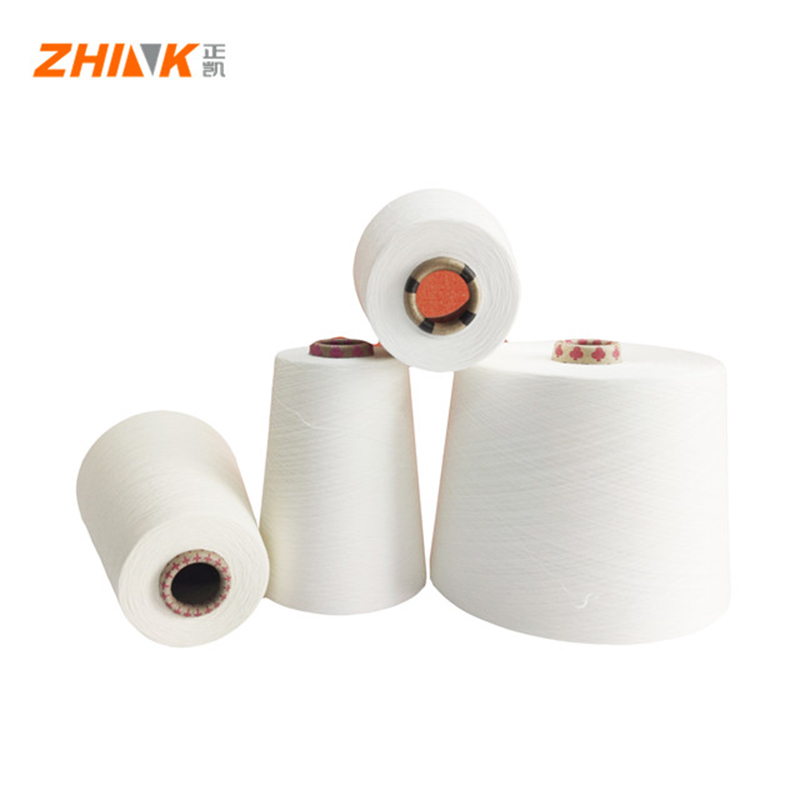
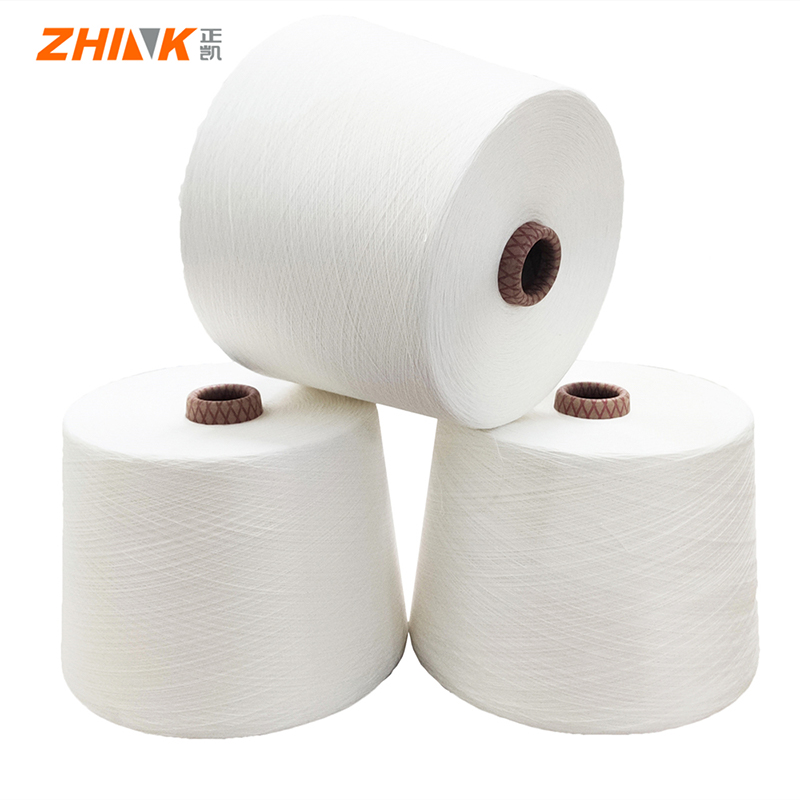
Recycled polyester/viscose blended yarn
The World of Recycled Polyester/Viscose Blended Yarn
In the dynamic landscape of textile materials, the blend of recycled polyester and viscose yarn emerges as both a sustainable choice and a complex solution. Combining functionality with environmental consciousness, these blends challenge traditional yarn production while offering something uniquely valuable. Let's explore what makes these fabrics stand out, their benefits, and the intricacies involved in their creation.
Understanding Recycled Polyester and Viscose
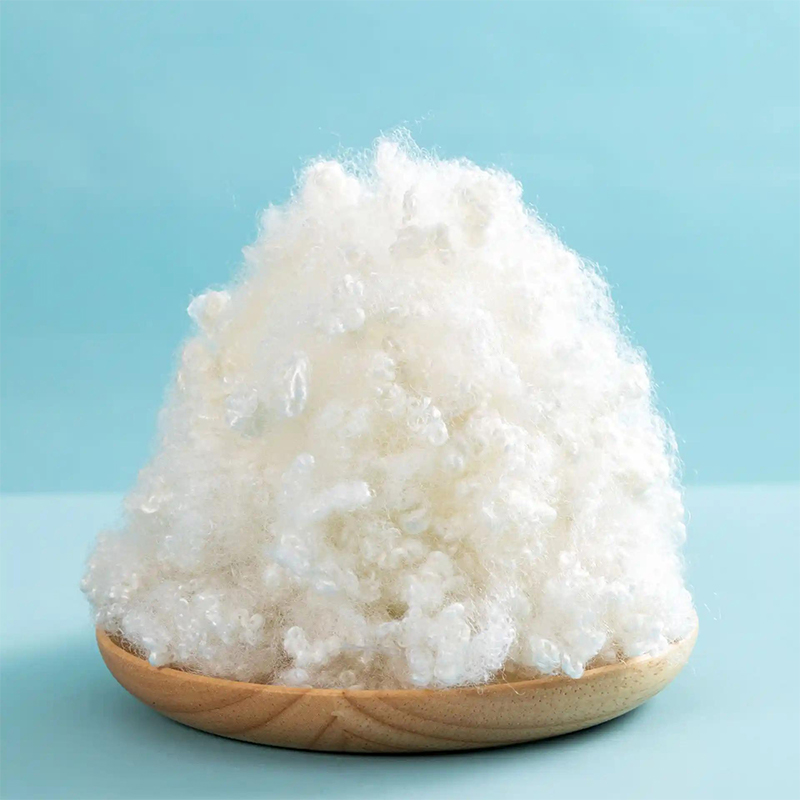
At first glance, the idea of recycled polyester mixed with viscose might seem straightforward. Polyester, derived from PET plastics often found in everyday recyclable goods, gains a second life in the textile industry. This recycled version provides durability and moisture-wicking properties. On the other hand, viscose, known for its silk-like feel, is a semi-synthetic fiber made from wood pulp, offering breathability and comfort.
Now, when these two distinct materials are blended, you're looking at a fabric that aims to maximize the positive attributes of both. The polyester provides strength and longevity, while viscose adds softness and comfort. However, achieving the perfect blend ratio isn't simple. It's a meticulous process that requires understanding the end use of the fabric, whether it's for fashion, upholstery, or another application altogether.
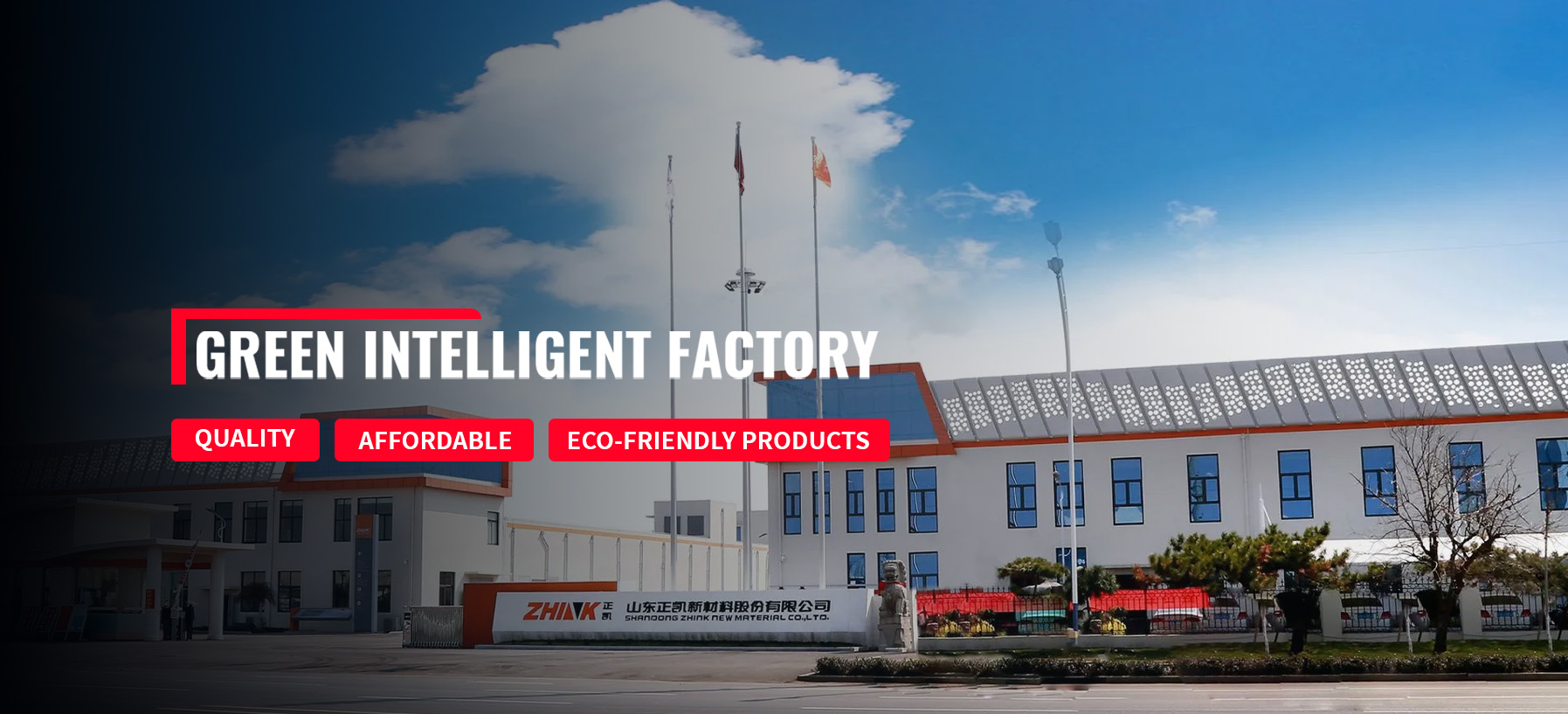
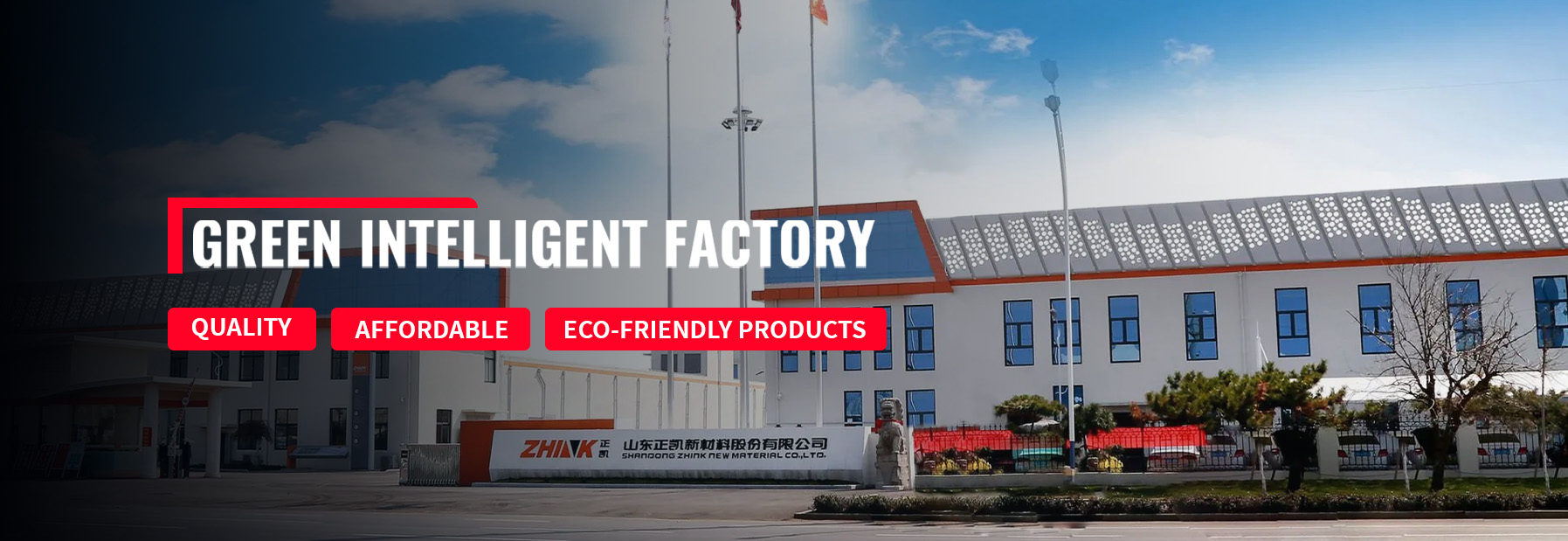
One aspect often overlooked is the ethical commitment that companies like SHANDONG ZHINK NEW MATERIAL CO., LTD demonstrate. With a focus on innovative textile solutions, they've contributed significantly to advancing the quality and sustainability of blended yarns. Their expertise in R&D sets them apart in a competitive market.
Challenges in Production
Producing a high-quality blended yarn isn't devoid of challenges. Ensuring consistency in color and texture while maintaining sustainability goals is complex. The recycled content must meet rigorous quality standards which replicate or exceed those of virgin materials, especially when considering issues like contamination of recycled polyester with other plastics during the recycling process.
Another sticking point is dyeing. Recycled polyester tends to behave differently than virgin fibers during the coloration process. This can result in slight variances in color uptake when combined with viscose, necessitating advanced dyeing techniques and continuous quality checks.
I’ve seen firsthand the meticulous testing involved, from small batch samples to larger production runs. Each batch needs real-time adjustments and a keen eye to correct any disparities that could compromise the fabric's uniformity.
Real-world Applications and Insights
From activewear to chic dresses, the recycled polyester/viscose blend supports diversified textile applications. In active styles, the yarn's moisture-wicking capabilities come to the fore, providing comfort during physical activity. Meanwhile, in high-fashion items, the sheen and drape of viscose elevated by polyester's resilience, create pieces that are both attractive and durable.
But it’s not all smooth sailing. The deployment of these blends often needs customization to meet specific client needs or geographical demands. A colleague once shared a case where deploying recycled blends in humid conditions posed unexpected challenges with fabric feel and appearance, requiring innovative solutions.
This is where companies like Zhink New Material shine, bringing tailor-made approaches to different scenarios, informed by their robust R&D efforts and feedback loops with designers and manufacturers worldwide.
Sustainability: A Balancing Act
With the global push towards sustainability, using recycled polyester in blends represents a significant stride forward. It reduces reliance on petroleum-based raw materials and keeps plastics out of landfills. However, it's essential to balance sustainability with practicality. Some argue that the production, while eco-friendly, might still incorporate processes that aren't entirely green.
I remember a seminar where sustainability experts debated the net environmental benefit. While recycled polyester stands out, it's not devoid of energy consumption or chemical processes. Therefore, transparency in supply chain operations and continuous improvement initiatives remain crucial for gains here.
Companies like Zhink New Material play a pivotal role here. Their emphasis on sustainable innovation aligns with broader environmental goals, making them leaders in eco-conscious textile development.
Looking Forward
The future of recycled polyester/viscose blended yarn will arguably hinge on technological advances that address current limitations. This includes refining recycling methods and enhancing bonding techniques for stronger fibers without sacrificing eco-friendliness.
I have a cautious optimism about what's next. Consumer demand is pushing the industry towards more sustainable practices, and while we're not there yet, each iteration improves from the last. The dialogue between industry experts, manufacturers, and consumers is crucial in shaping these evolutionary steps.
Ultimately, the blended yarns from companies like Zhink New Material represent more than just a product—they're part of an ongoing journey towards sustainability, quality, and innovation. Exploring this field in practice reveals a narrative of persistence, adaptation, and the unyielding spirit of eco-conscious advancement.
Related Products
Related Products