+86-632-3621866
- Chinese
- French
- German
- Portuguese
- Spanish
- Russian
- Japanese
- Korean
- Arabic
- Irish
- Greek
- Turkish
- Italian
- Danish
- Romanian
- Indonesian
- Czech
- Afrikaans
- Swedish
- Polish
- Basque
- Catalan
- Esperanto
- Hindi
- Lao
- Albanian
- Amharic
- Armenian
- Azerbaijani
- Belarusian
- Bengali
- Bosnian
- Bulgarian
- Cebuano
- Chichewa
- Corsican
- Croatian
- Dutch
- Estonian
- Filipino
- Finnish
- Frisian
- Galician
- Georgian
- Gujarati
- Haitian
- Hausa
- Hawaiian
- Hebrew
- Hmong
- Hungarian
- Icelandic
- Igbo
- Javanese
- Kannada
- Kazakh
- Khmer
- Kurdish
- Kyrgyz
- Latin
- Latvian
- Lithuanian
- Luxembou..
- Macedonian
- Malagasy
- Malay
- Malayalam
- Maltese
- Maori
- Marathi
- Mongolian
- Burmese
- Nepali
- Norwegian
- Pashto
- Persian
- Punjabi
- Serbian
- Sesotho
- Sinhala
- Slovak
- Slovenian
- Somali
- Samoan
- Scots Gaelic
- Shona
- Sindhi
- Sundanese
- Swahili
- Tajik
- Tamil
- Telugu
- Thai
- Ukrainian
- Urdu
- Uzbek
- Vietnamese
- Welsh
- Xhosa
- Yiddish
- Yoruba
- Zulu
- Kinyarwanda
- Tatar
- Oriya
- Turkmen
- Uyghur



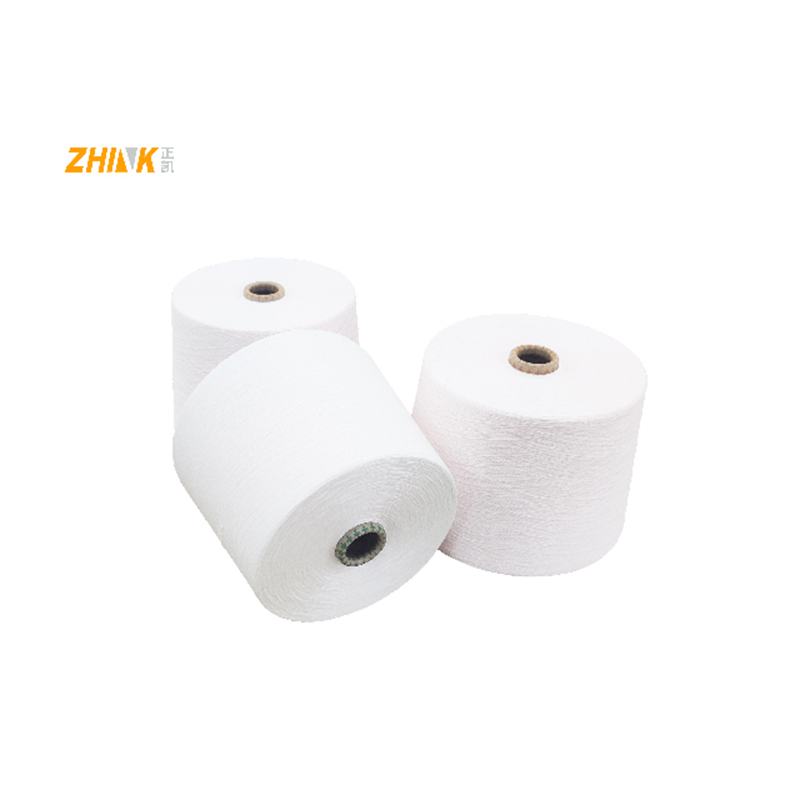
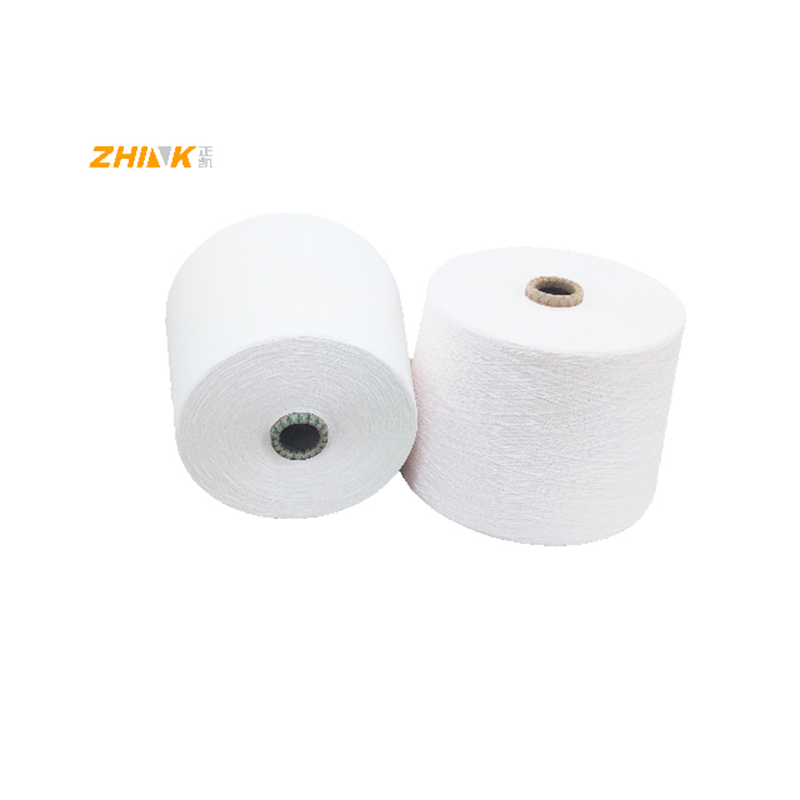
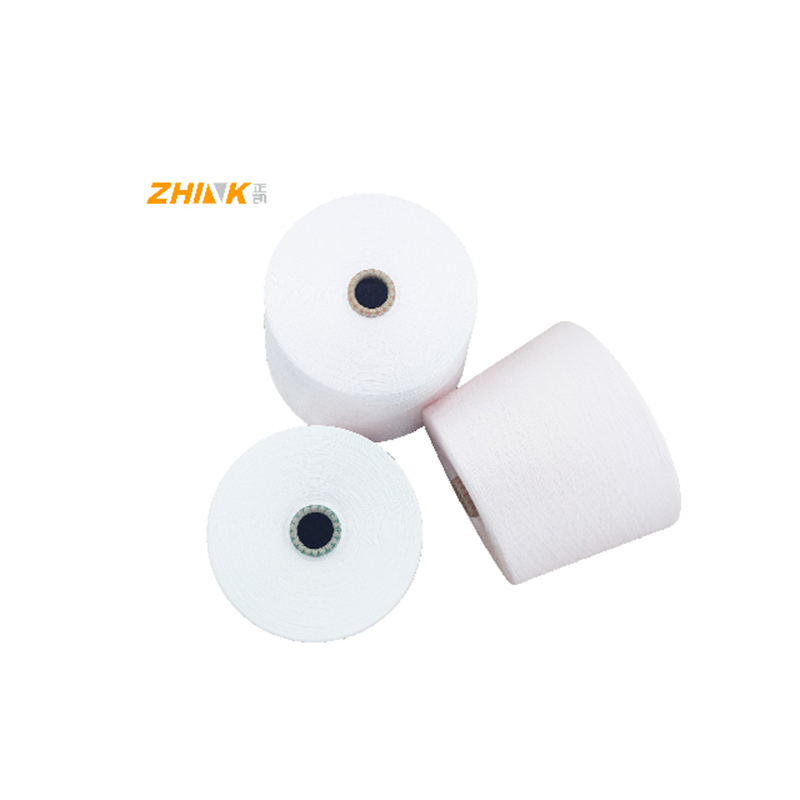
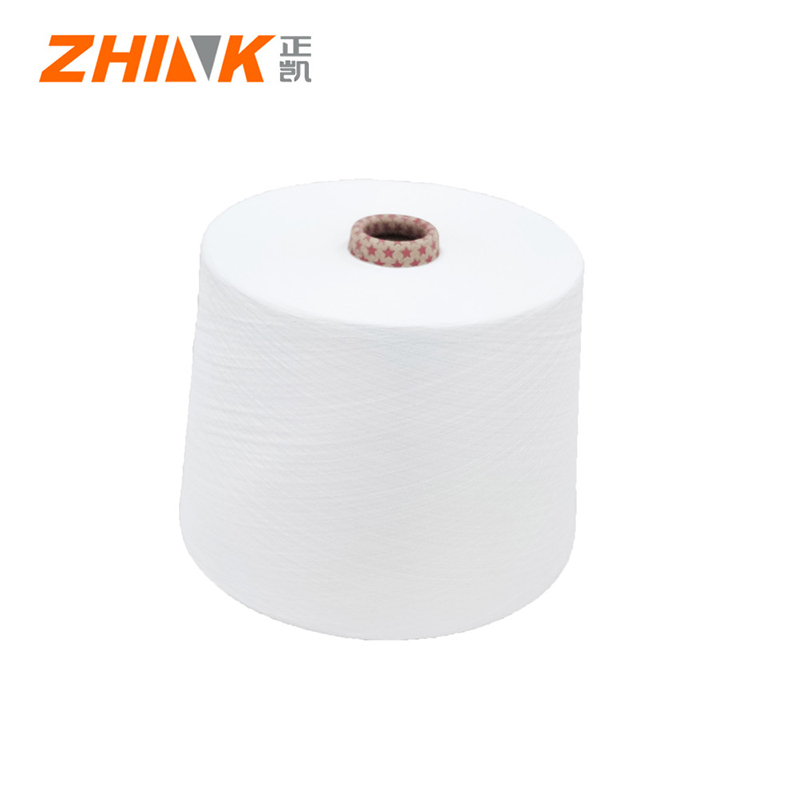
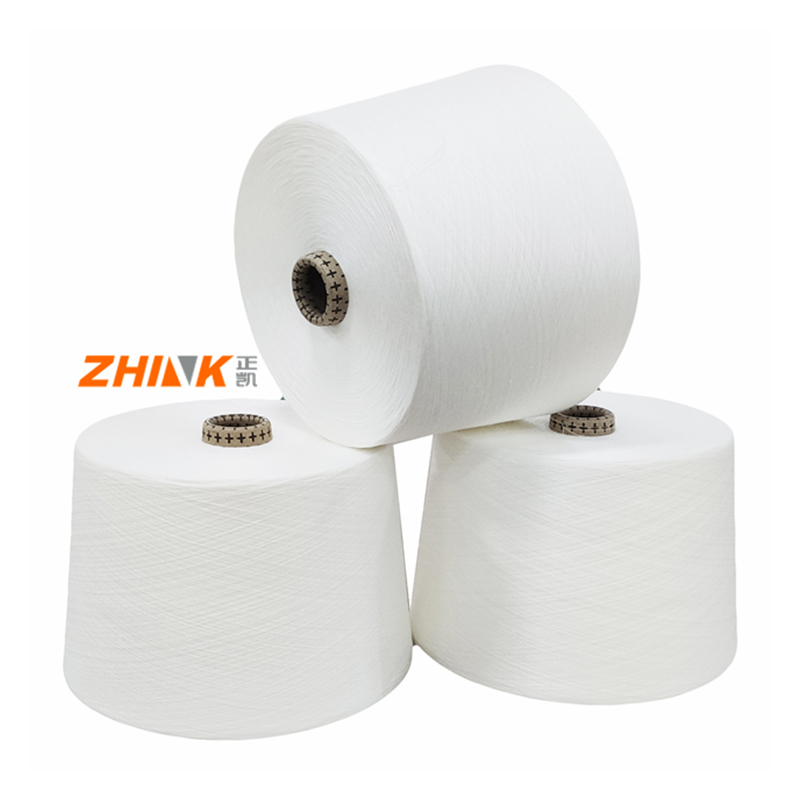
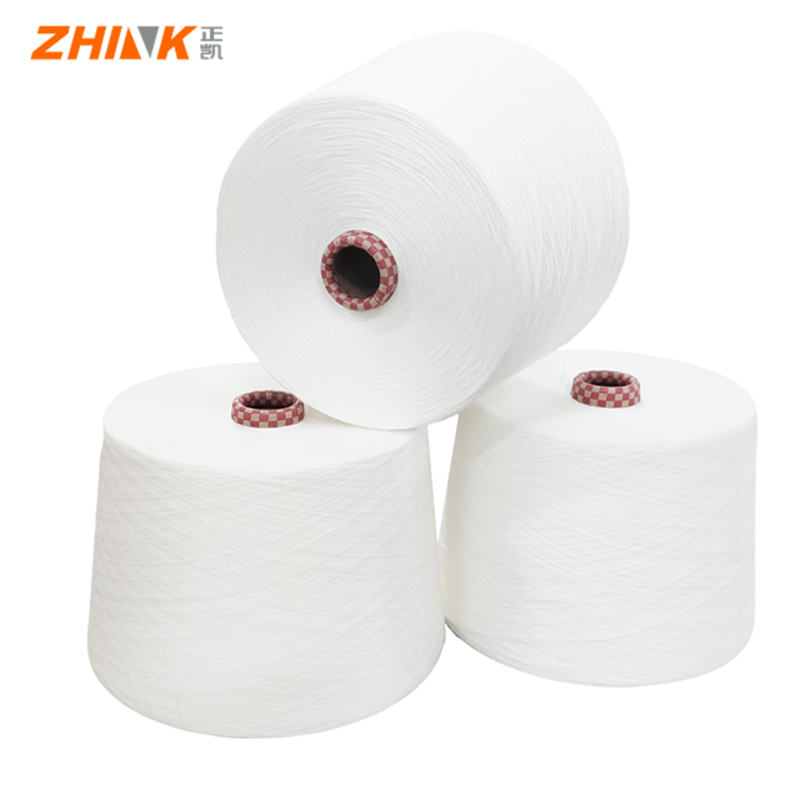
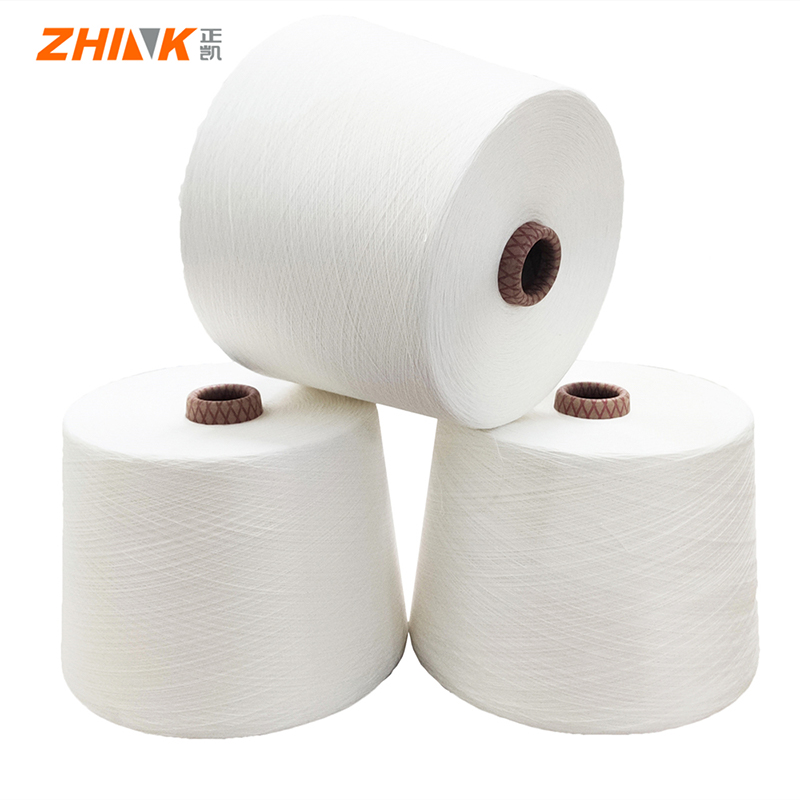
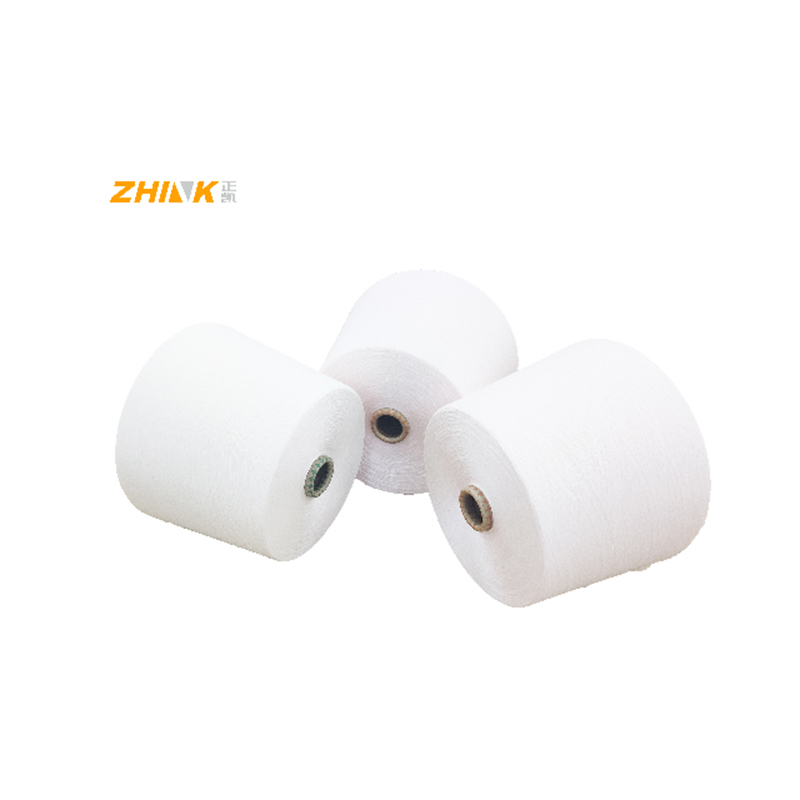
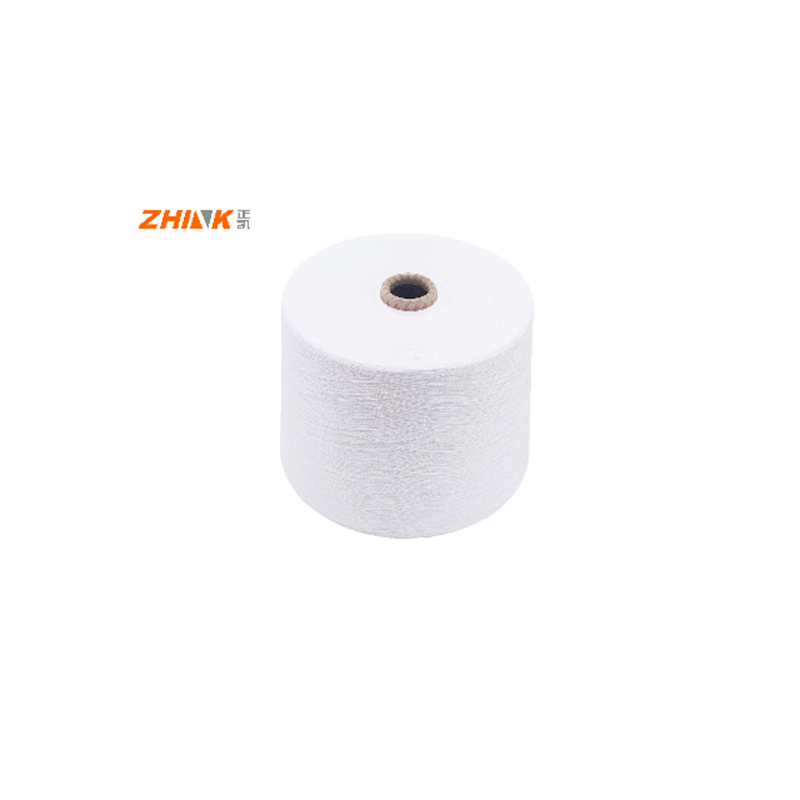
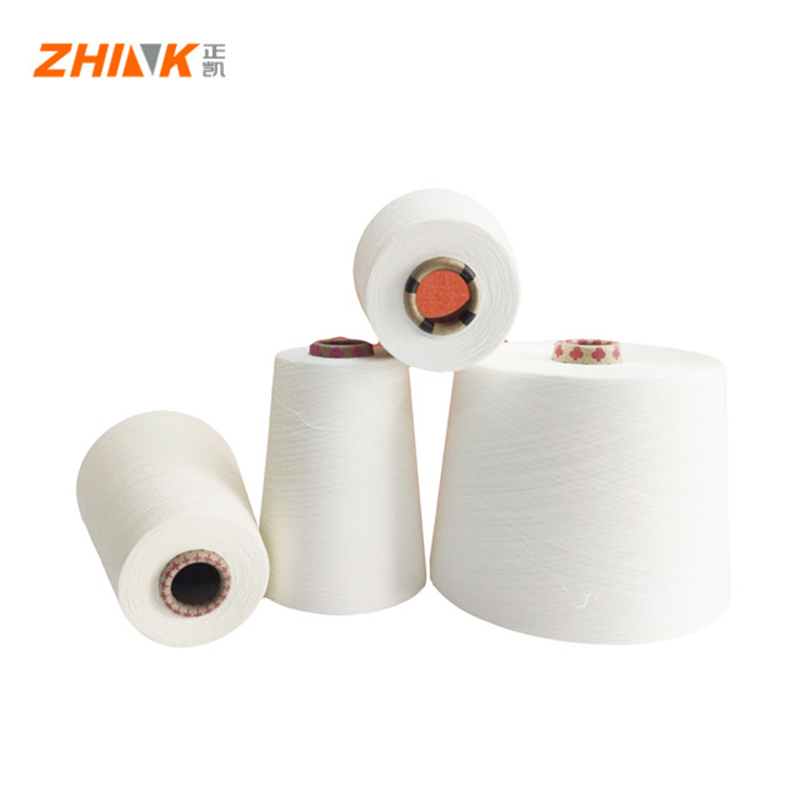
Recycled polyester/viscose mvs yarn
Exploring the World of Recycled Polyester/Viscose MVS Yarn
The textile industry is buzzing with sustainable solutions, and recycled polyester/viscose MVS yarn is one material that’s garnering attention. A blend of recycled polyester and viscose, created using the MVS (Murata Vortex Spinning) technology, promises not only efficiency but also a step towards eco-friendly practices. But, navigating this space isn't always straightforward.
Understanding Recycled Polyester/Viscose MVS Yarn
Let’s start with what exactly recycled polyester/viscose MVS yarn represents. It's a fusion of recycled polyester, derived from post-consumer plastics like PET bottles, and viscose derived from natural fibers. The beauty of this blend is in its balance; polyester provides durability while viscose offers breathability and softness—a harmonious match.
This yarn isn’t just an innovation for the sake of it. In practice, brands like SHANDONG ZHINK NEW MATERIAL CO., LTD, accessible via their website, have been pioneering its use. They emphasize the reduction in environmental impact by recycling materials without sacrificing fabric quality.
But, the process requires precise conditions. MVS technology is integral, spinning the fiber at high speeds to maintain quality and uniformity without the undue stress traditional spindle methods might incur. Anyone involved in textile production would appreciate the nuance here—it’s not just about what material you use, but how you use it.
The Pros and Cons of Adopting MVS Technology
Employing MVS spinning technology affords some distinct advantages in producing recycled polyester/viscose MVS yarn. The key is its ability to handle short-staple fibers effectively, creating yarn that remains consistently sturdy and smooth. This is crucial for maintaining fabric integrity and achieving the desired textile qualities.
However, integrating this technology isn’t a walk in the park. Initial investments can be steep, and there’s a learning curve—factories can't pivot overnight. I recall one instance where a partner underestimated the transition time, leading to production delays. It was a tough lesson in ensuring readiness before diving into new tech.
Additionally, the market for these advanced yarns is still maturing. While there’s ample enthusiasm and encouraging uptake, demand hasn’t fully caught up with potential supply. This sometimes places early adopters in a precarious position, balancing innovation with market realities.
Addressing Common Industry Misconceptions
There’s a notion that recycled materials are inherently inferior to their virgin counterparts. Yet, those engaged in the industry, like Zhink New Material, would assert that this doesn’t hold for recycled polyester/viscose MVS yarn. Performance testing often highlights comparable or superior attributes in terms of strength and versatility.
Another misbelief is that the color range is limited. While there was a time when options were constrained, advancements have allowed for a vibrant palette, meeting the creative demands of designers across sectors. This development has been pivotal in expanding the application scope of these yarns.
Yet, shaping perception is an ongoing task. Educating stakeholders—from designers to end consumers—about the capacities and benefits of these yarns remains crucial. Companies need to foster understanding to overcome resistance and build trust in new materials.
Practical Applications and Innovations
The uses for recycled polyester/viscose MVS yarn span casual wear to sophisticated workwear. Their adaptability is a strong draw. The fabric’s breathability juxtaposed with durability allows for garments that are both comfortable and long-lasting—a valuable commodity in any wardrobe.
In practice, the outcomes seen with these fabrics can be surprising. I’ve seen firsthand how they hold color in various lighting conditions, outperforming some of my expectations. This makes them suitable for outdoor and activewear companies seeking reliable, eco-conscious materials.
Moreover, sustainability is no longer a ‘nice to have’ but a ‘must have’ in product development. Incorporating recycled materials is becoming an industry standard rather than an exception, pushing innovation forward in an industry steeped in tradition.
Conclusion: The Road Ahead for Sustainable Textiles
The future of textiles leans heavily on sustainability, and companies like SHANDONG ZHINK NEW MATERIAL CO., LTD are at the forefront. As demand for responsible products grows, the significance of recycled polyester/viscose MVS yarn will continue to rise. This isn’t just about creating alternatives; it’s about redefining standards.
In the end, adapting to new materials and methods is a journey, punctuated by trial, error, and triumph. But it is precisely these challenges that drive transformation, crafting a textile industry more attuned to the planet’s needs. For those ready to innovate, the rewards—both ethical and economical—are most certainly there.
Related Products
Related Products