+86-632-3621866
- Chinese
- French
- German
- Portuguese
- Spanish
- Russian
- Japanese
- Korean
- Arabic
- Irish
- Greek
- Turkish
- Italian
- Danish
- Romanian
- Indonesian
- Czech
- Afrikaans
- Swedish
- Polish
- Basque
- Catalan
- Esperanto
- Hindi
- Lao
- Albanian
- Amharic
- Armenian
- Azerbaijani
- Belarusian
- Bengali
- Bosnian
- Bulgarian
- Cebuano
- Chichewa
- Corsican
- Croatian
- Dutch
- Estonian
- Filipino
- Finnish
- Frisian
- Galician
- Georgian
- Gujarati
- Haitian
- Hausa
- Hawaiian
- Hebrew
- Hmong
- Hungarian
- Icelandic
- Igbo
- Javanese
- Kannada
- Kazakh
- Khmer
- Kurdish
- Kyrgyz
- Latin
- Latvian
- Lithuanian
- Luxembou..
- Macedonian
- Malagasy
- Malay
- Malayalam
- Maltese
- Maori
- Marathi
- Mongolian
- Burmese
- Nepali
- Norwegian
- Pashto
- Persian
- Punjabi
- Serbian
- Sesotho
- Sinhala
- Slovak
- Slovenian
- Somali
- Samoan
- Scots Gaelic
- Shona
- Sindhi
- Sundanese
- Swahili
- Tajik
- Tamil
- Telugu
- Thai
- Ukrainian
- Urdu
- Uzbek
- Vietnamese
- Welsh
- Xhosa
- Yiddish
- Yoruba
- Zulu
- Kinyarwanda
- Tatar
- Oriya
- Turkmen
- Uyghur


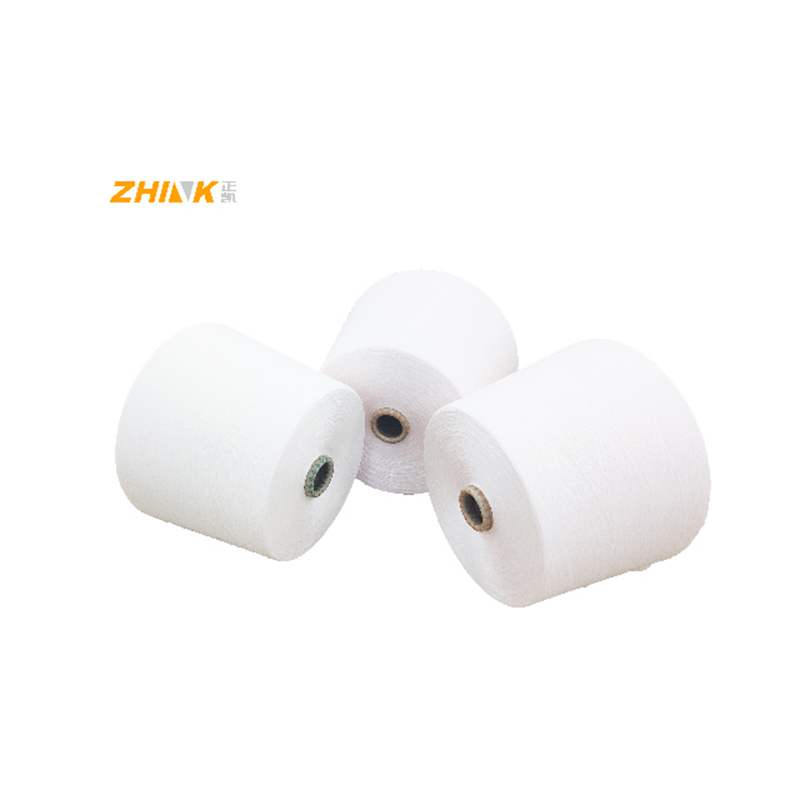
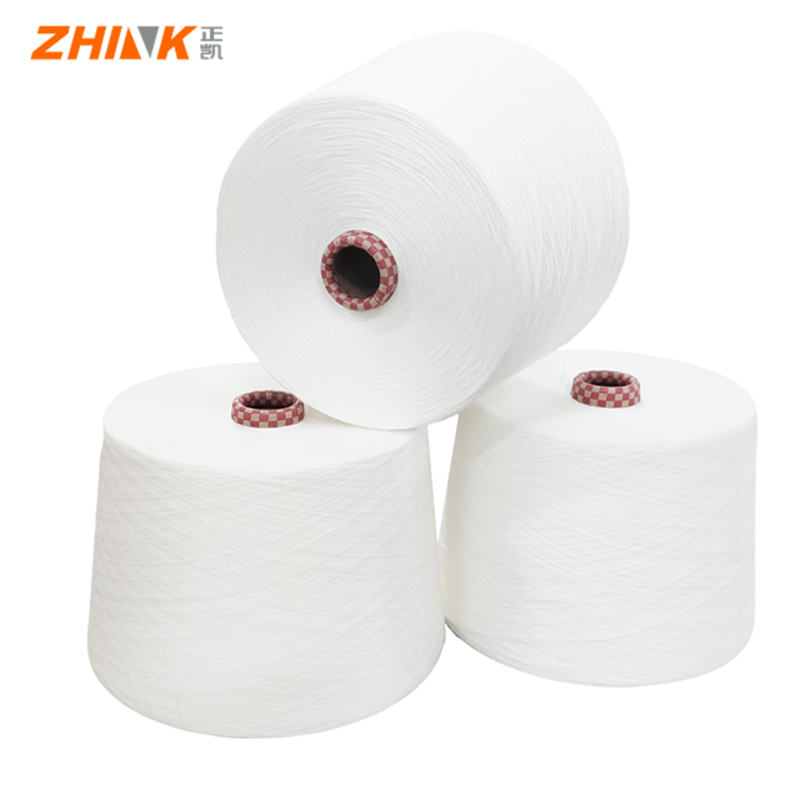
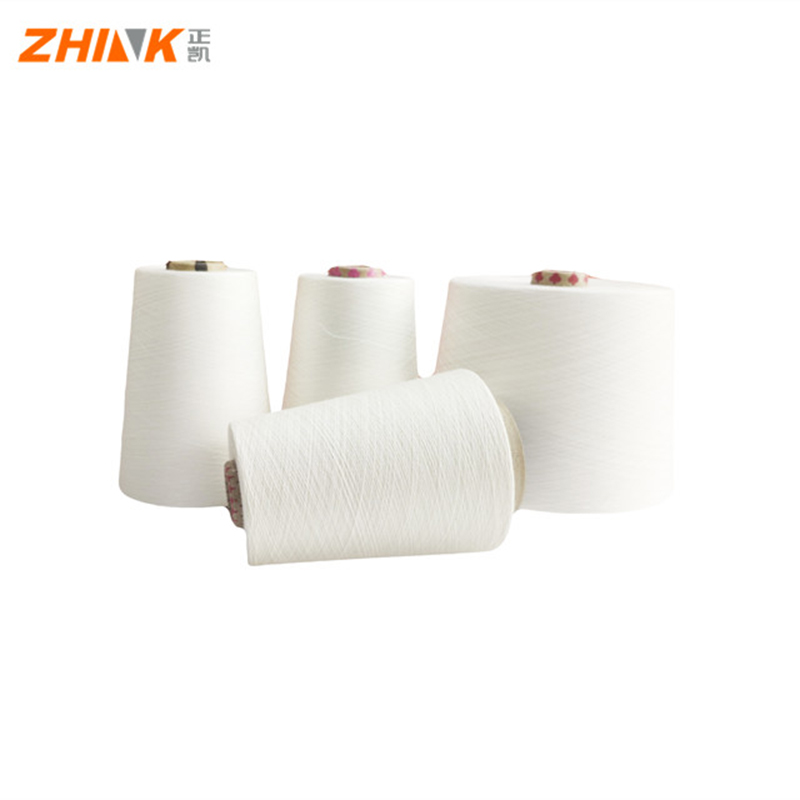
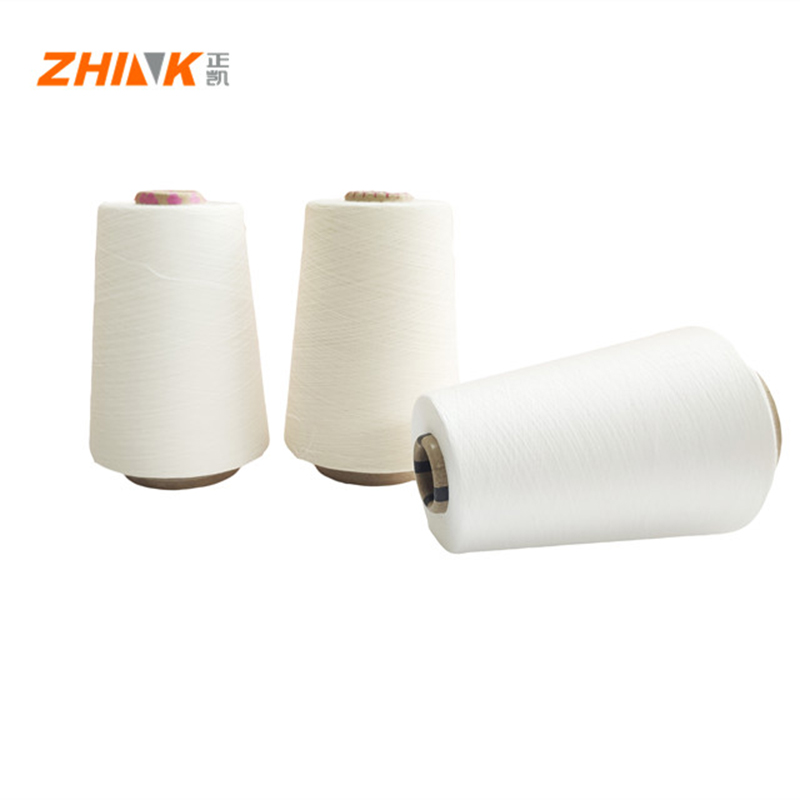
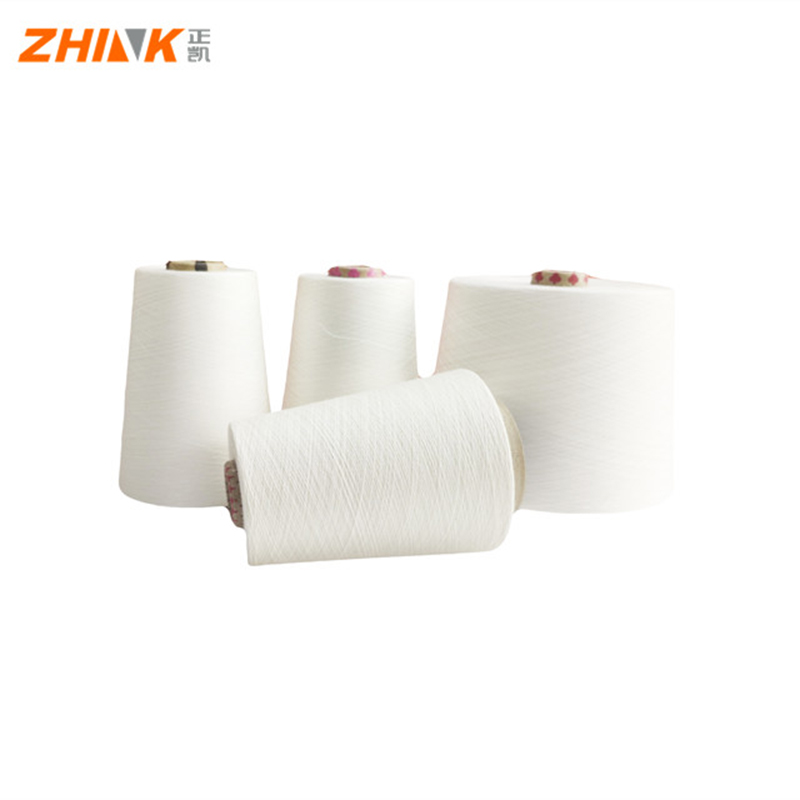
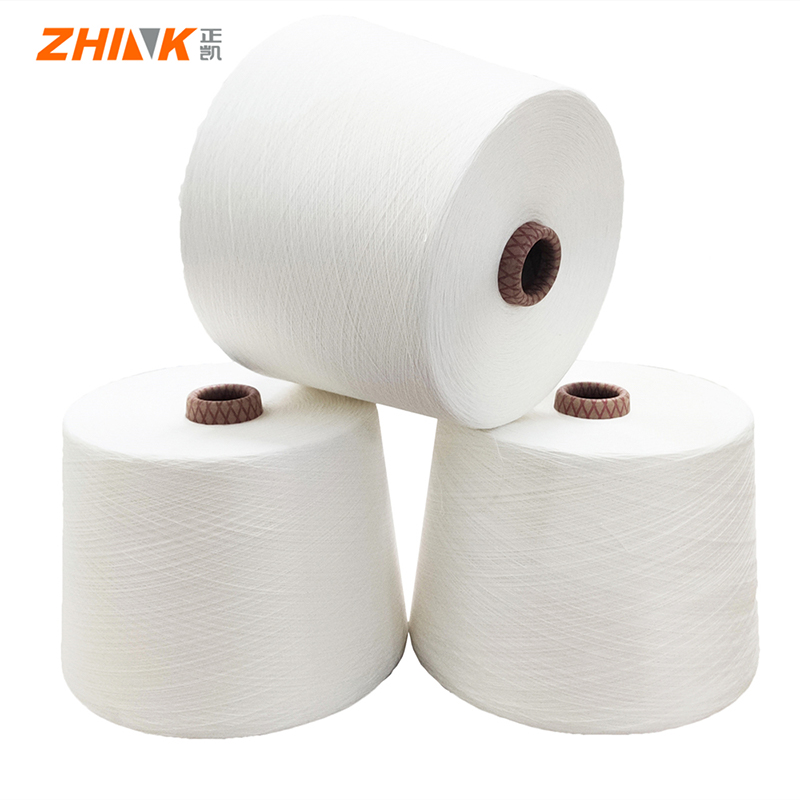
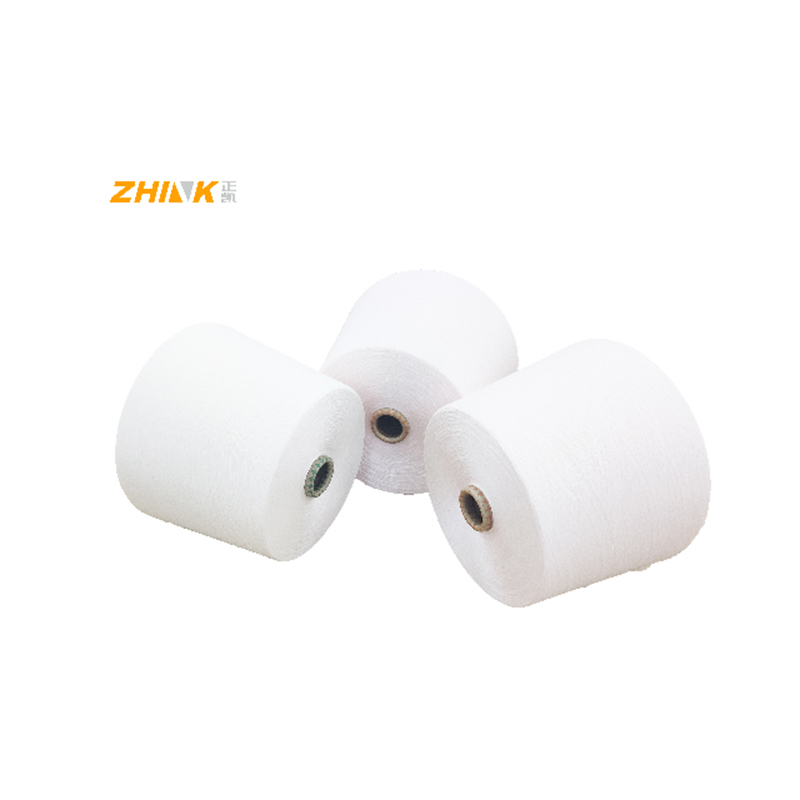
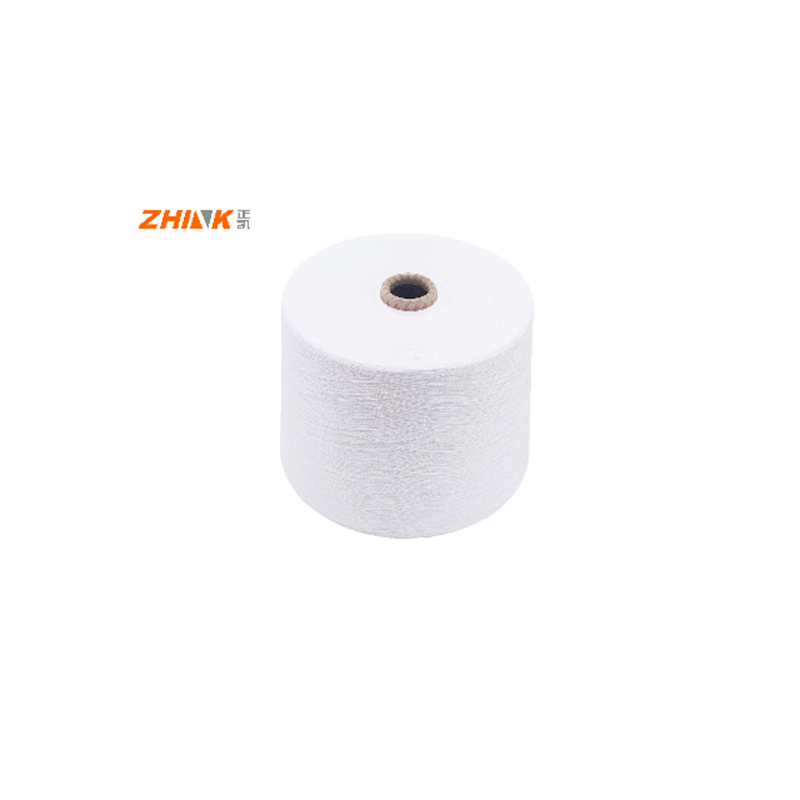
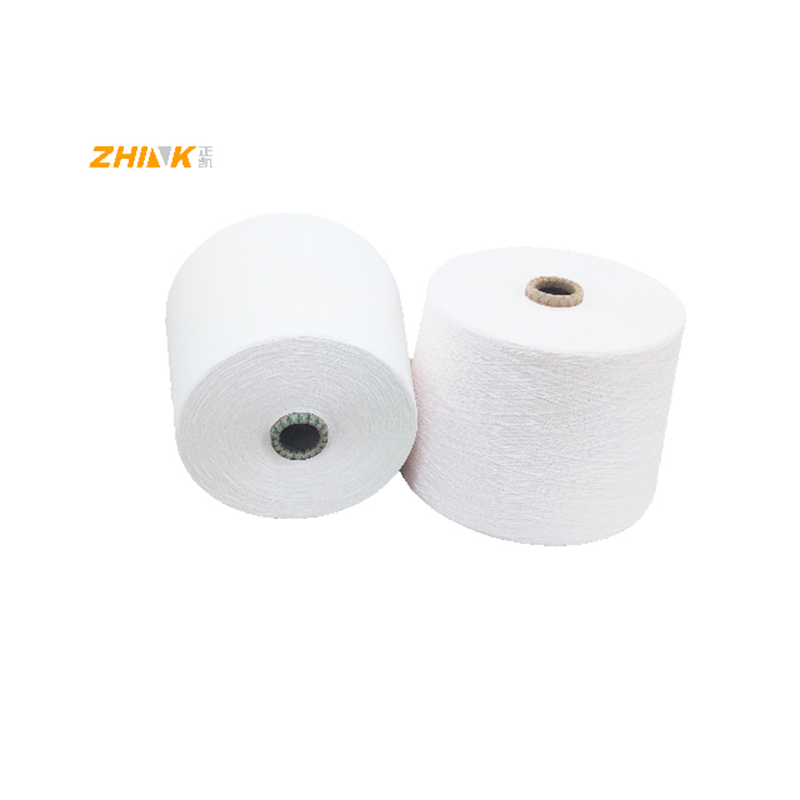
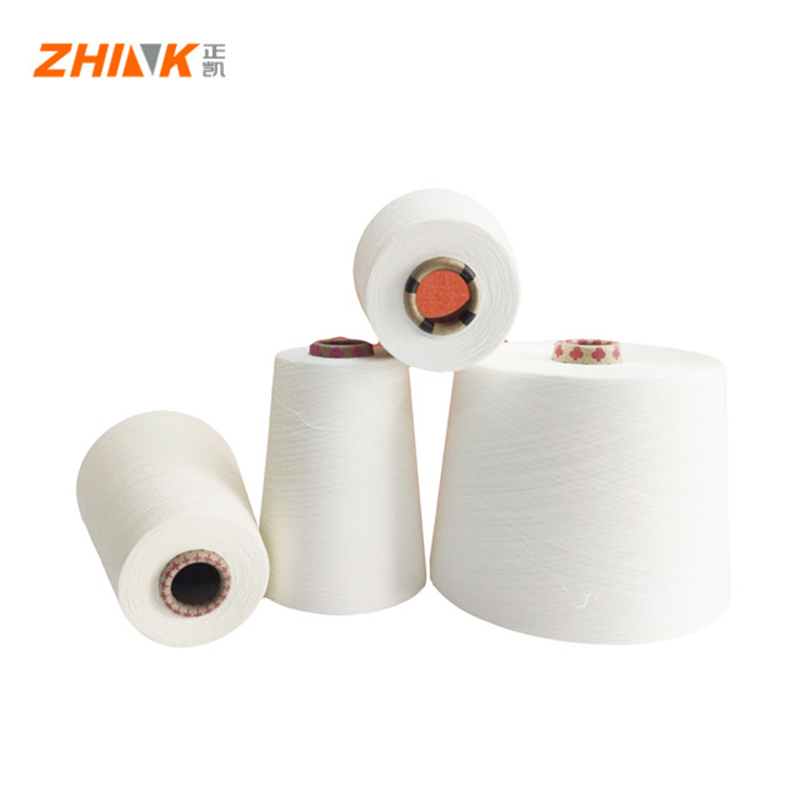
Recycled polyester/viscose ring spun yarn
The Journey into Recycled Polyester/Viscose Ring Spun Yarn
Recycling in textiles isn't just a trend; it's becoming the backbone of sustainable fashion. But what happens when you spin recycled polyester with viscose? From my experience, this blend is more than the sum of its parts, but it's also not without its unique challenges.
Understanding the Blend
When you first delve into recycled polyester/viscose ring spun yarn, you might be drawn to its sustainable promise. Recycled polyester offers strength and maintains shape, while viscose provides that soft, silky touch. However, let’s not forget the complexities involved in marrying these materials. Different shrinkage rates, for instance, can lead to a skewed final product if not carefully balanced.
I recall one instance at a mill trying to perfect the spin balance. We tweaked parameters endlessly just to capture that optimal texture and sheen. A touch more polyester or a slight variation in spinning tension could completely throw off the blend.
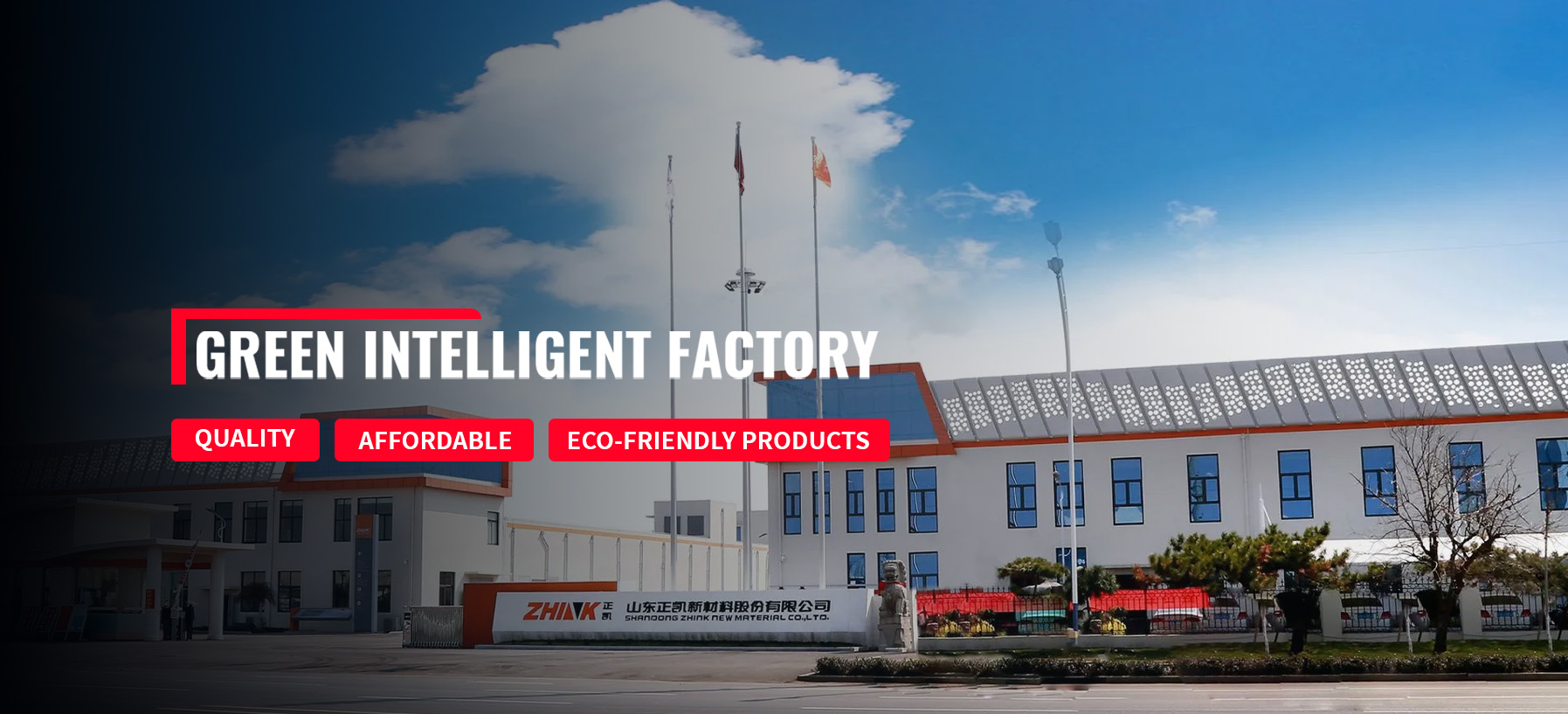
And then there's the sourcing—working with reputable suppliers like SHANDONG ZHINK NEW MATERIAL CO., LTD, known for their specialization in novel textile materials, becomes crucial. Check out their work at their website for insights into the supply chain.
The Production Process
Creating recycled polyester/viscose ring spun yarn is as much an art as it is science. The first step is proper blending, which sounds deceptively simple. Ensuring a uniform mix requires more than just straight ratios. We utilized specialized mixing machines designed for precision, yet the occasional hiccup is inevitable.
One winter, the room temperature dropped unexpectedly, affecting machine calibration. We learned quickly how sensitive the process can be to external factors. It's not just about machines but understanding the environment they operate in.
Our QC team often emphasizes the hand feel test—an old-school yet irreplaceable method. Even with advancements, a team member’s touch often reveals inconsistencies before machines do.
Benefits and Challenges
Why bother with the intricacies of recycled polyester and viscose blends? Simple. The benefits, especially environmentally, are undeniable. Recycled polyester uses post-consumer waste, reducing landfill and energy consumption. Combine that with viscose's biodegradable nature, and you've got a material that's kinder to our planet.
Operationally, though, the blend’s care instructions can be quite a puzzle. The polyester can take more heat than viscose, needing manufacturers to walk a fine line in processing.
There have been products returned for shrinkage discrepancies. Those instances taught us the importance of setting clear usage guidelines and proactive customer education.
Market Reception
In today’s market, consumer awareness plays a major role in yarn popularity. When presenting our yarns, especially in exhibitions, the blend's benefits need a compelling narrative. Customers respond well to the sustainability story behind products.
Recently, a European client, focused on eco-friendly brands, placed a large order after learning about our recycling process and material source credibility—this is where working with SHANDONG ZHINK NEW MATERIAL CO., LTD makes a tangible difference.
The hurdles in achieving market success often circle back to clear communication—consumers seek not just the yarn, but the journey and ethics behind it.
Practical Insights
Lessons from the field are invaluable. Testing remains a cornerstone of maintaining quality. At our facility, batches undergo rigorous third-party and in-house testing before hitting the market. Fluctuations in dye absorption and textural changes are scrutinized heavily.
One small but potent tip: always keep your technical specifications adaptable. The recycled fibers aren't always consistent, which means you need to stay flexible with your mix ratios and production stages.
In the end, working with recycled polyester/viscose ring spun yarn is a continuous learning curve. The triumphs and challenges make this blend as dynamic as the industry itself. As the market shifts towards more sustainable solutions, staying committed to quality and innovation remains key.
Related Products
Related Products