+86-632-3621866
- Chinese
- French
- German
- Portuguese
- Spanish
- Russian
- Japanese
- Korean
- Arabic
- Irish
- Greek
- Turkish
- Italian
- Danish
- Romanian
- Indonesian
- Czech
- Afrikaans
- Swedish
- Polish
- Basque
- Catalan
- Esperanto
- Hindi
- Lao
- Albanian
- Amharic
- Armenian
- Azerbaijani
- Belarusian
- Bengali
- Bosnian
- Bulgarian
- Cebuano
- Chichewa
- Corsican
- Croatian
- Dutch
- Estonian
- Filipino
- Finnish
- Frisian
- Galician
- Georgian
- Gujarati
- Haitian
- Hausa
- Hawaiian
- Hebrew
- Hmong
- Hungarian
- Icelandic
- Igbo
- Javanese
- Kannada
- Kazakh
- Khmer
- Kurdish
- Kyrgyz
- Latin
- Latvian
- Lithuanian
- Luxembou..
- Macedonian
- Malagasy
- Malay
- Malayalam
- Maltese
- Maori
- Marathi
- Mongolian
- Burmese
- Nepali
- Norwegian
- Pashto
- Persian
- Punjabi
- Serbian
- Sesotho
- Sinhala
- Slovak
- Slovenian
- Somali
- Samoan
- Scots Gaelic
- Shona
- Sindhi
- Sundanese
- Swahili
- Tajik
- Tamil
- Telugu
- Thai
- Ukrainian
- Urdu
- Uzbek
- Vietnamese
- Welsh
- Xhosa
- Yiddish
- Yoruba
- Zulu
- Kinyarwanda
- Tatar
- Oriya
- Turkmen
- Uyghur


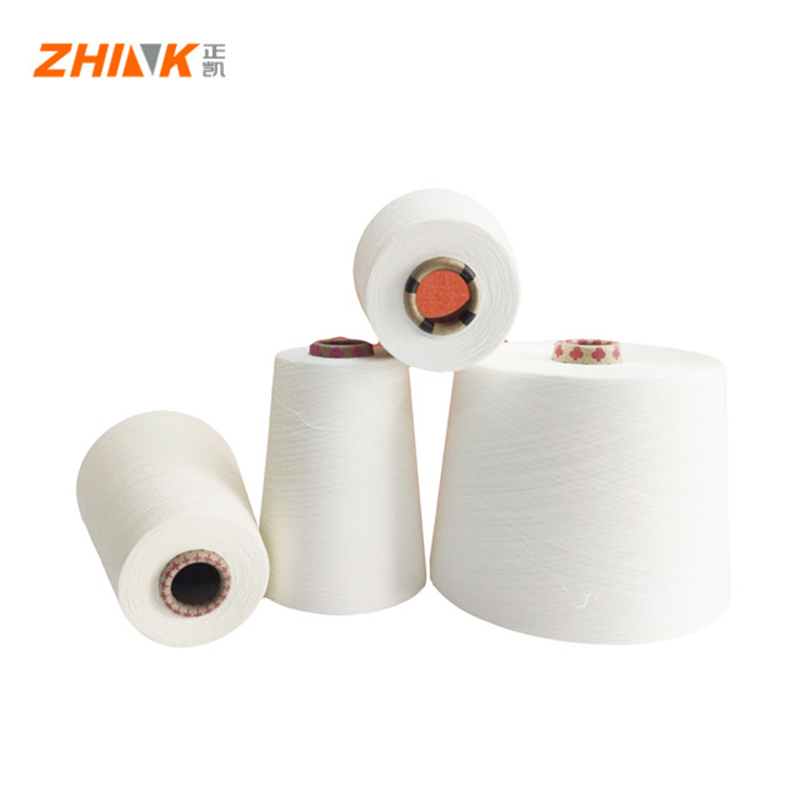
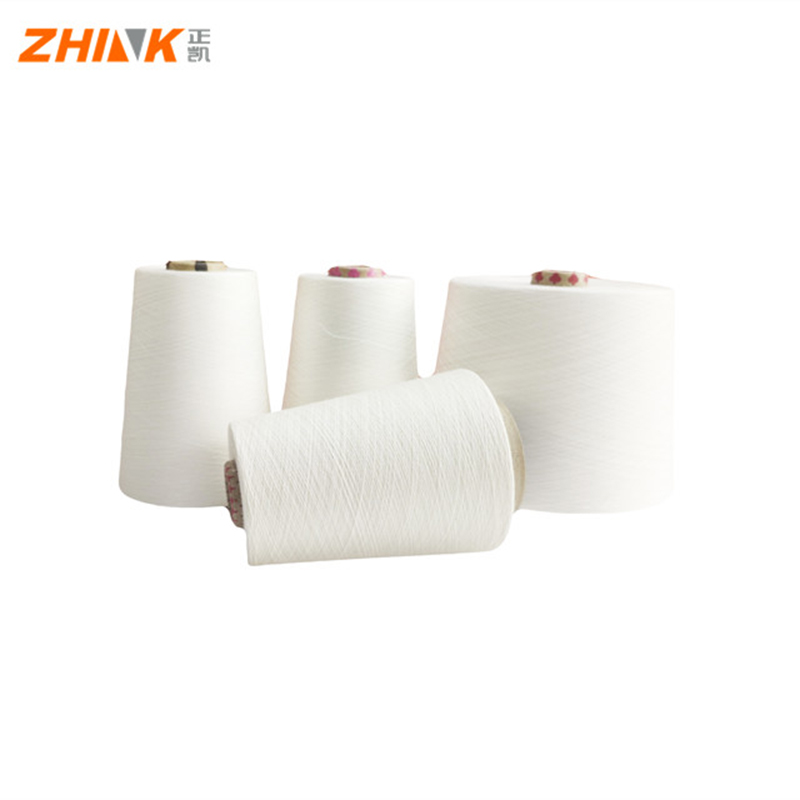
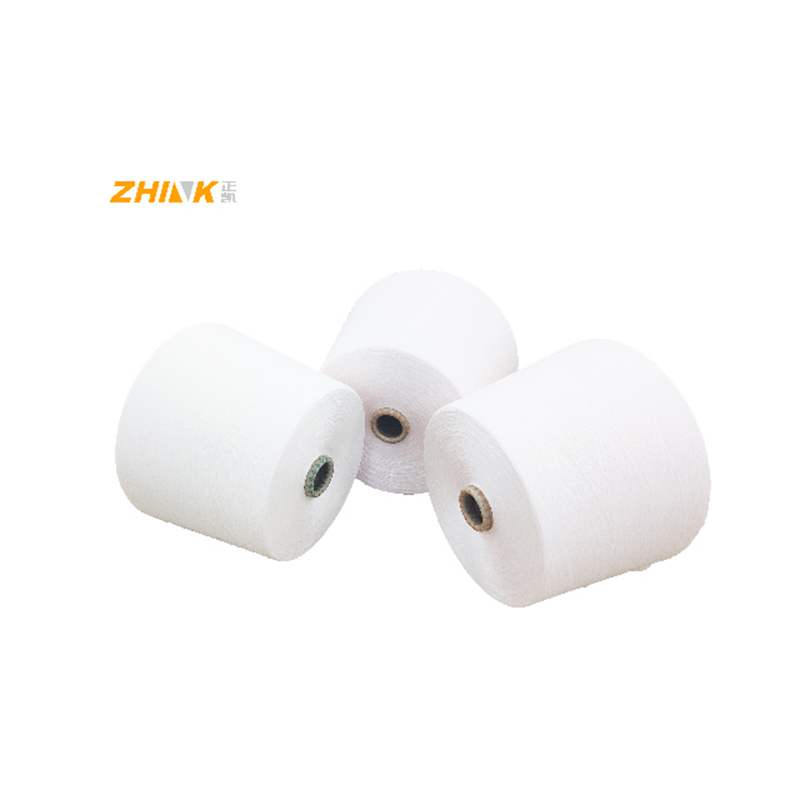
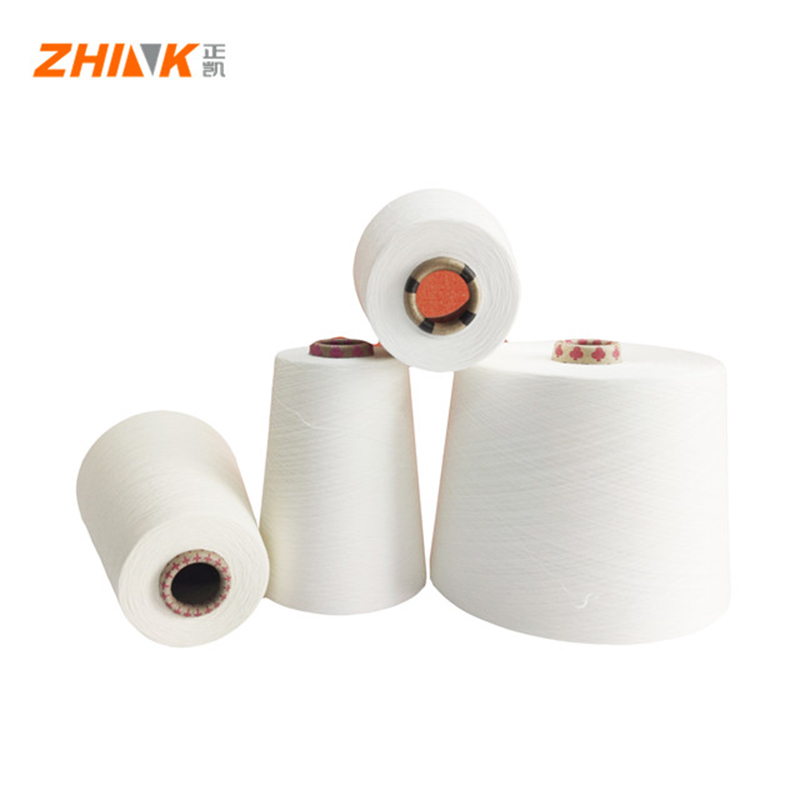
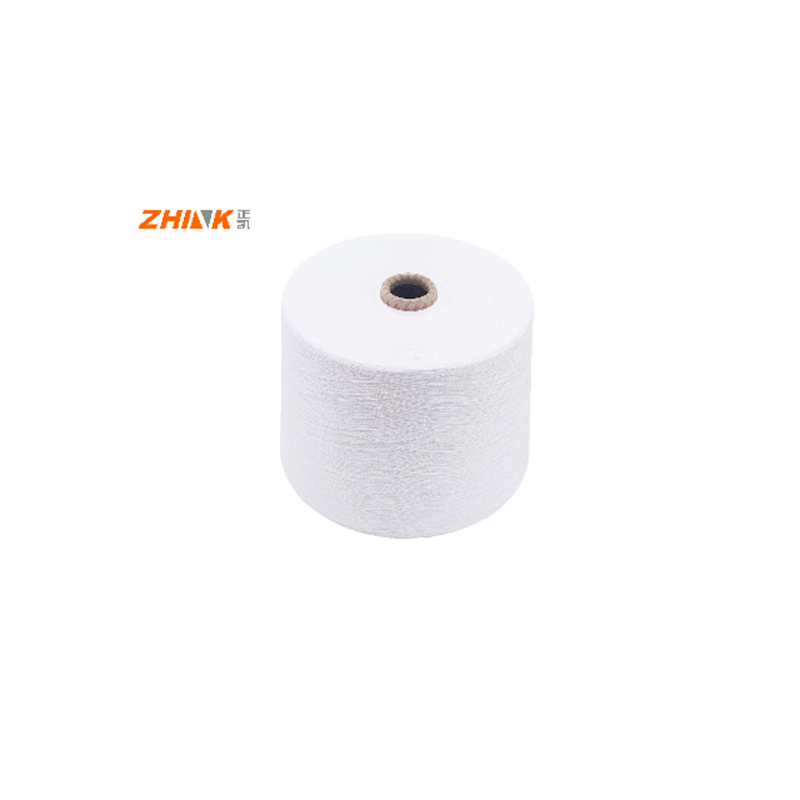
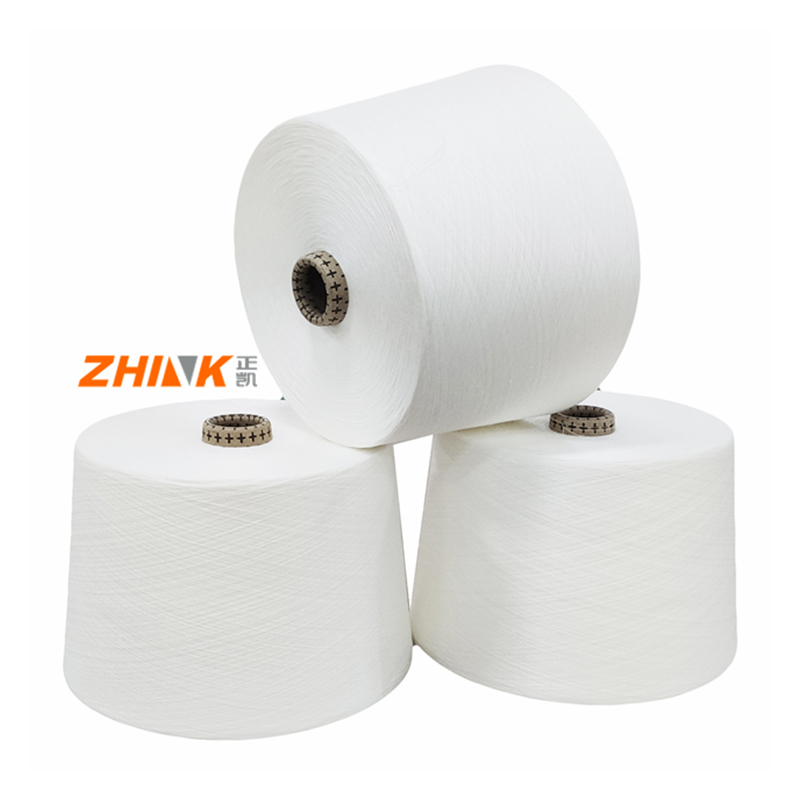
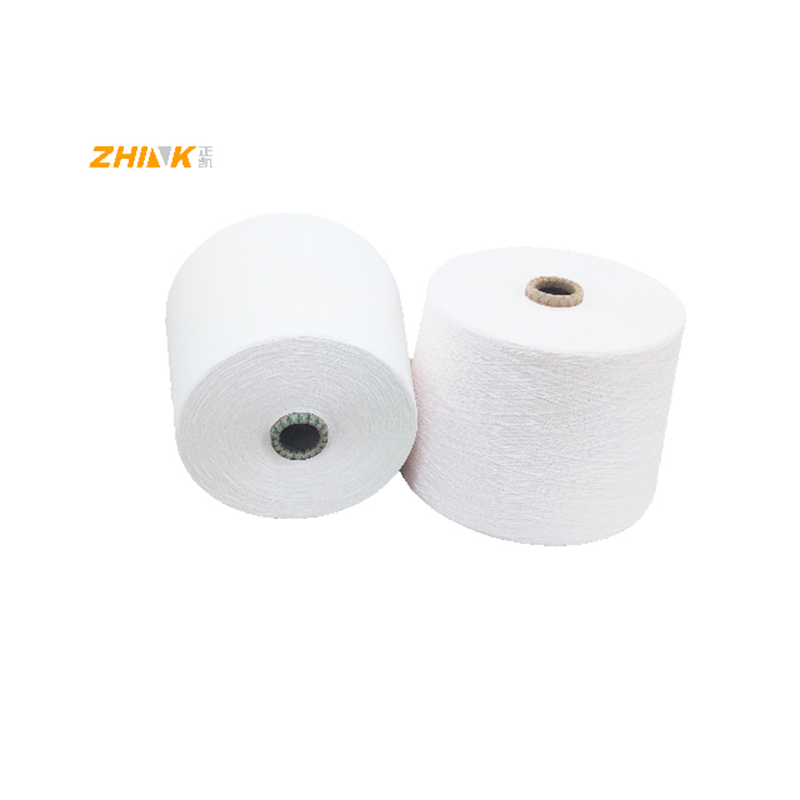
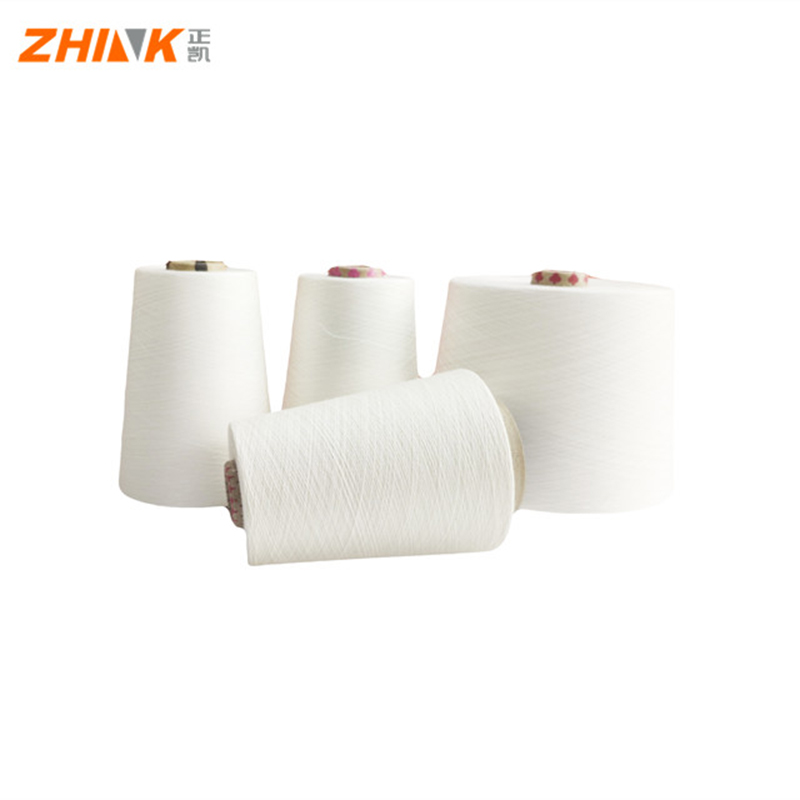
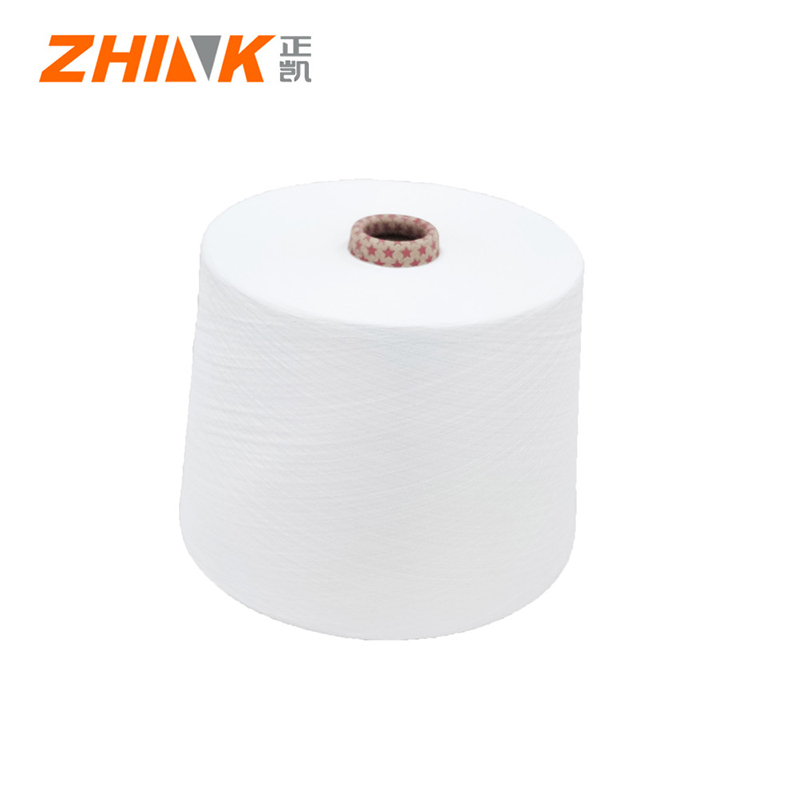
Recycled polyester/viscose siro compact yarn
The Future of Sustainable Textiles: Recycled Polyester/Viscose Siro Compact Yarn
Recycled polyester/viscose siro compact yarn is transforming the textile industry. Combining sustainability with innovation, this yarn represents a major step forward in reducing waste and enhancing fabric quality. Yet, misconceptions persist. Understanding the true potential of this material requires an insider's perspective.
Understanding Recycled Polyester/Viscose Siro Compact Yarn
In my early days at SHANDONG ZHINK NEW MATERIAL CO., LTD, I clearly remember the initial excitement surrounding recycled polyester/viscose siro compact yarn. Its promise lay in its ability to blend sustainability with performance—a feat not easily achieved in textiles. This yarn, made partly from recycled materials, aims to reduce environmental impact.
However, not everyone was convinced at first. Concerns were raised about its durability and feel compared to traditional yarns. Yet, after numerous tests and real-world applications, we witnessed firsthand how this innovative blend maintained the strength and softness crucial in fashion and industrial textiles.
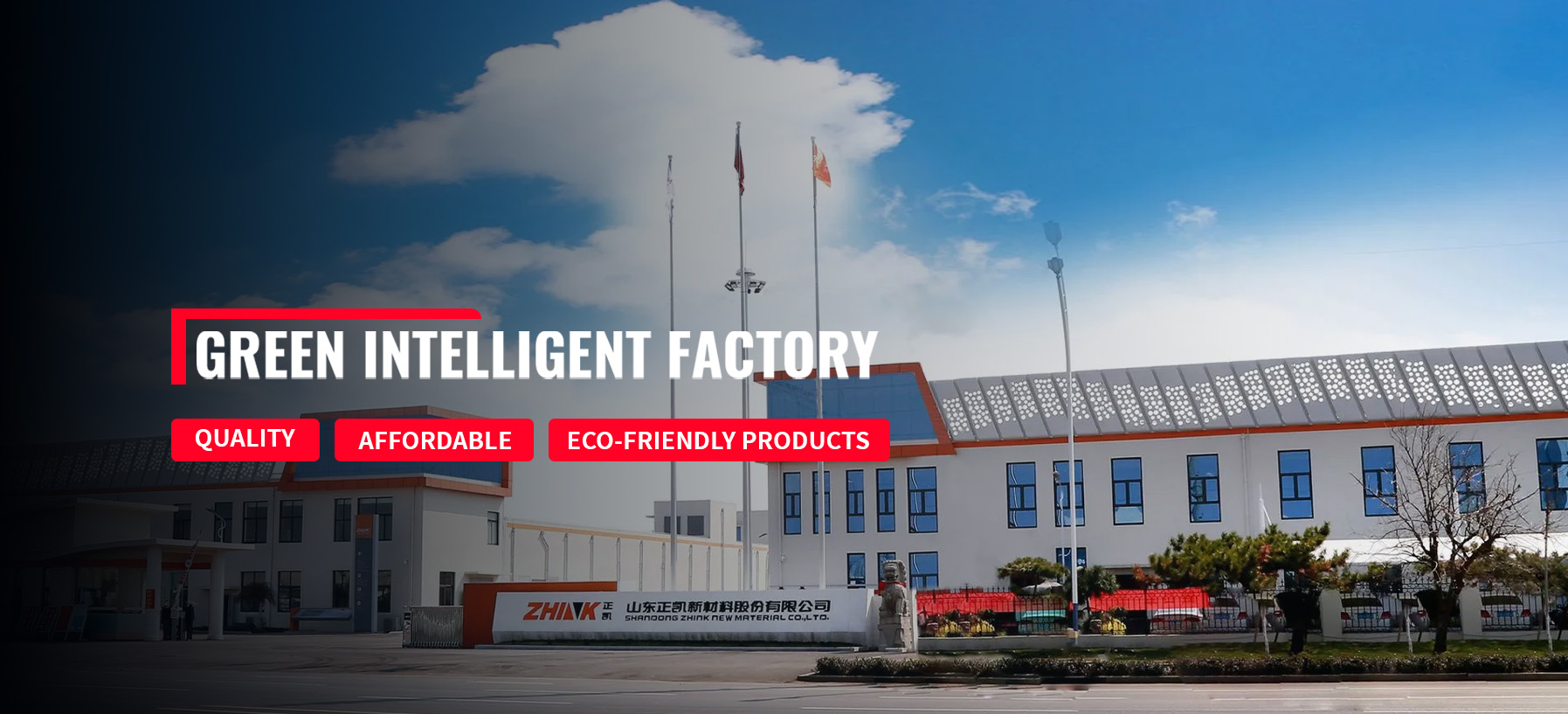
Our company, whose expertise in new textile materials can be explored further at Zhink New Material's website, has been pivotal in advancing this yarn type, ensuring quality control and meeting industry standards.
The Production Process: Balancing Innovation and Tradition
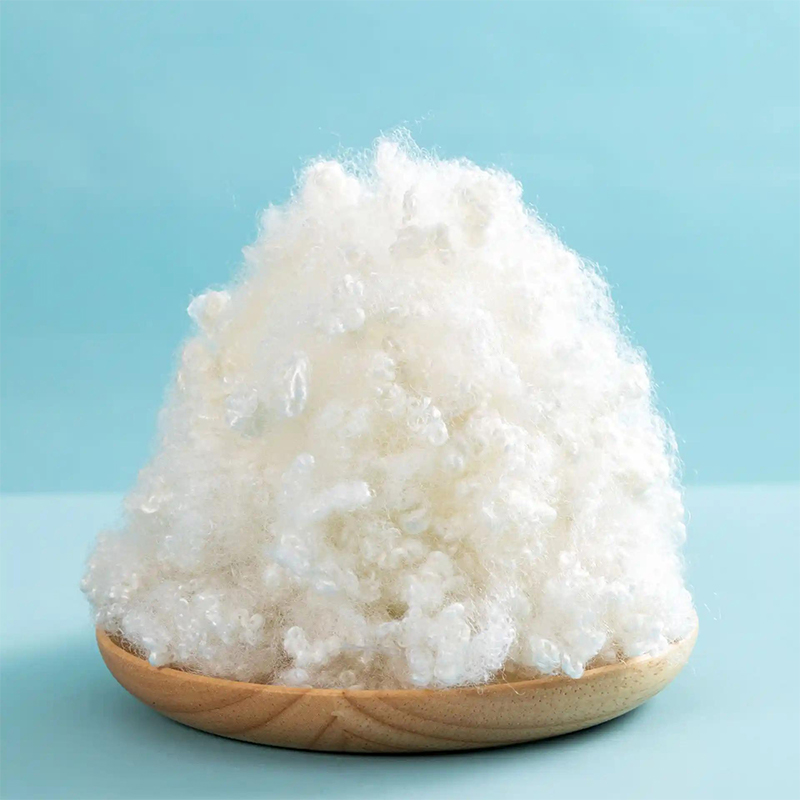
The production of recycled polyester/viscose siro compact yarn is a fascinating mix of cutting-edge technology and traditional techniques. The recycled polyester, derived from post-consumer plastics, is carefully blended with viscose—a process requiring precision to achieve the desired quality.
One challenge we encountered was achieving the right balance in the blend. Too much recycled polyester risks compromising the yarn’s natural feel, while insufficient amounts would negate its sustainability benefits. A focus on refining the processing techniques was necessary to maintain a consistent result. This tinkering was not without its missteps—several batches didn't meet our stringent standards initially, but perseverance brought success.
The compact spinning method was another breakthrough, enhancing yarn strength and reducing hairiness, which is key for both durable and comfortable textiles. This step demanded a keen eye for detail and rigorous testing before approval.
Real-world Applications and Feedback
Feedback from clients using our yarn in their collections has been overwhelmingly positive. One memorable instance was a fashion designer incorporating this yarn into a sustainable line, highlighting the fabric's luxurious feel and environmental benefits. Their initial skepticism shifted to advocacy as the yarn performed beyond expectations in wear trials.
Yet, real-world feedback isn’t always sunshine. Early trials revealed that some end-products didn’t fare well in more abrasive environments. This underlined the importance of matching product use with material properties—a reminder that even the most promising materials have their boundaries.
Continuous dialogue with clients and partners helps us refine our yarn, making it more versatile and applicable across a broader spectrum of products. This iterative process roots our work in practicality, ensuring we meet ever-evolving market demands.
Overcoming Misconceptions and Challenges
A recurring misconception about recycled polyester/viscose siro compact yarn is that it lacks the traditional luxury feel consumers expect. This couldn't be further from reality. In fact, with the right processing, it rivals, if not exceeds, the comfort of non-recycled alternatives.
Another obstacle is the scalability of production. While demand for sustainable textiles is growing, scaling up production without compromising quality remains challenging. The investment in advanced machinery and expert staff is crucial to address this.
Our team at Zhink New Material is actively engaging in research to tackle these challenges, driven by a commitment to both environmental responsibility and textile innovation.
The Road Ahead: Sustainability in Textiles
The future of textiles lies in sustainable solutions like recycled polyester/viscose siro compact yarn. As an industry, our collective aim should be to push these innovations forward while ensuring their accessibility and reliability.
Looking ahead, we must continue to educate both industry insiders and consumers about the benefits and limitations of such materials. Transparency here is key—showing both the triumphs and the lessons learned along the way.
For those interested in delving deeper into our work with these innovative materials, visit Zhink New Material’s website. Our journey is ongoing, driven by curiosity and a desire to leave a greener footprint on the textile landscape.
Related Products
Related Products