+86-632-3621866
- Chinese
- French
- German
- Portuguese
- Spanish
- Russian
- Japanese
- Korean
- Arabic
- Irish
- Greek
- Turkish
- Italian
- Danish
- Romanian
- Indonesian
- Czech
- Afrikaans
- Swedish
- Polish
- Basque
- Catalan
- Esperanto
- Hindi
- Lao
- Albanian
- Amharic
- Armenian
- Azerbaijani
- Belarusian
- Bengali
- Bosnian
- Bulgarian
- Cebuano
- Chichewa
- Corsican
- Croatian
- Dutch
- Estonian
- Filipino
- Finnish
- Frisian
- Galician
- Georgian
- Gujarati
- Haitian
- Hausa
- Hawaiian
- Hebrew
- Hmong
- Hungarian
- Icelandic
- Igbo
- Javanese
- Kannada
- Kazakh
- Khmer
- Kurdish
- Kyrgyz
- Latin
- Latvian
- Lithuanian
- Luxembou..
- Macedonian
- Malagasy
- Malay
- Malayalam
- Maltese
- Maori
- Marathi
- Mongolian
- Burmese
- Nepali
- Norwegian
- Pashto
- Persian
- Punjabi
- Serbian
- Sesotho
- Sinhala
- Slovak
- Slovenian
- Somali
- Samoan
- Scots Gaelic
- Shona
- Sindhi
- Sundanese
- Swahili
- Tajik
- Tamil
- Telugu
- Thai
- Ukrainian
- Urdu
- Uzbek
- Vietnamese
- Welsh
- Xhosa
- Yiddish
- Yoruba
- Zulu
- Kinyarwanda
- Tatar
- Oriya
- Turkmen
- Uyghur


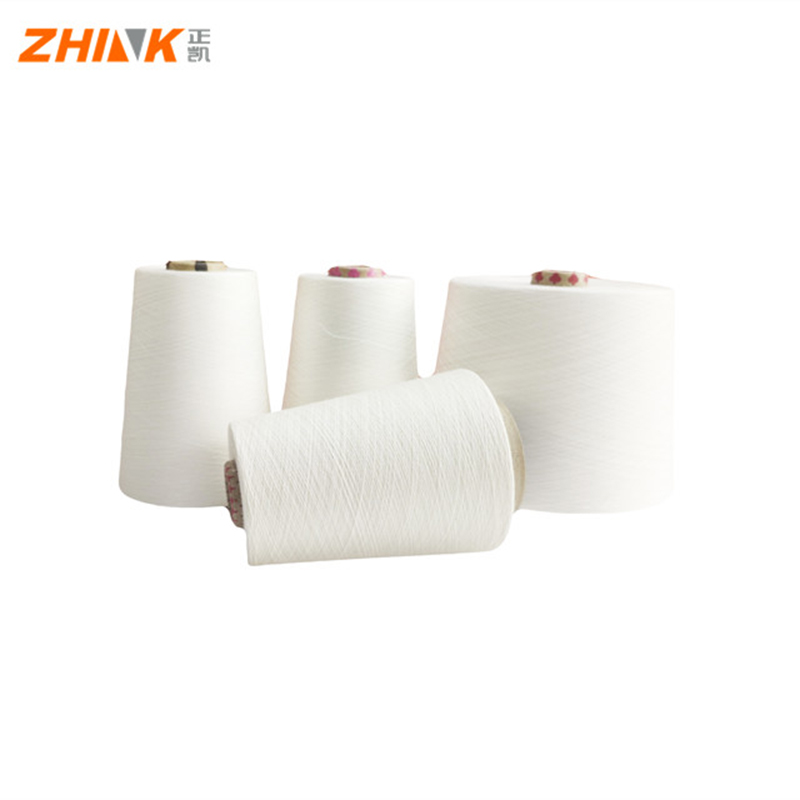
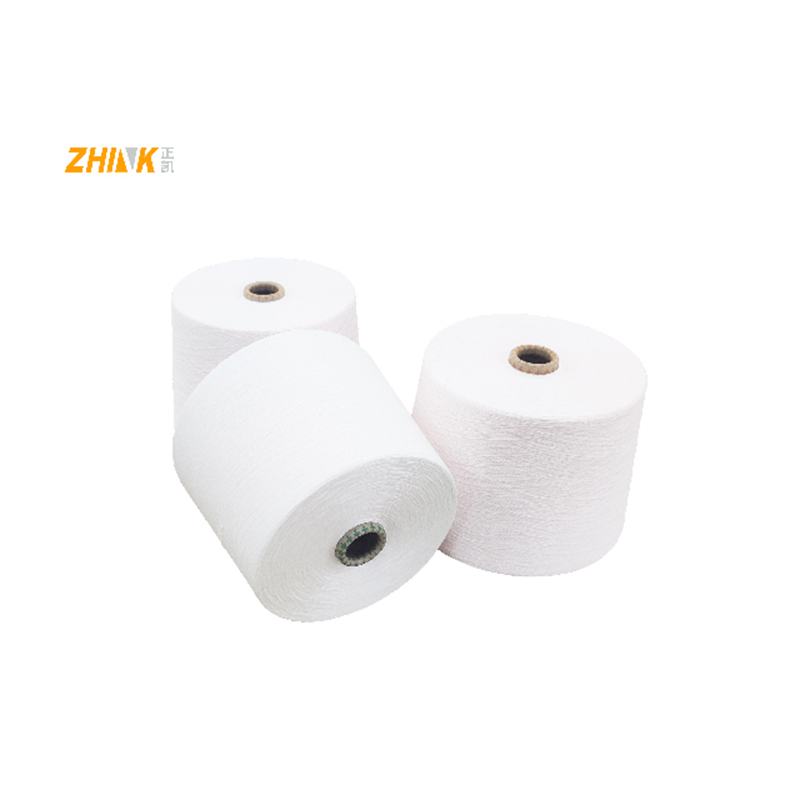
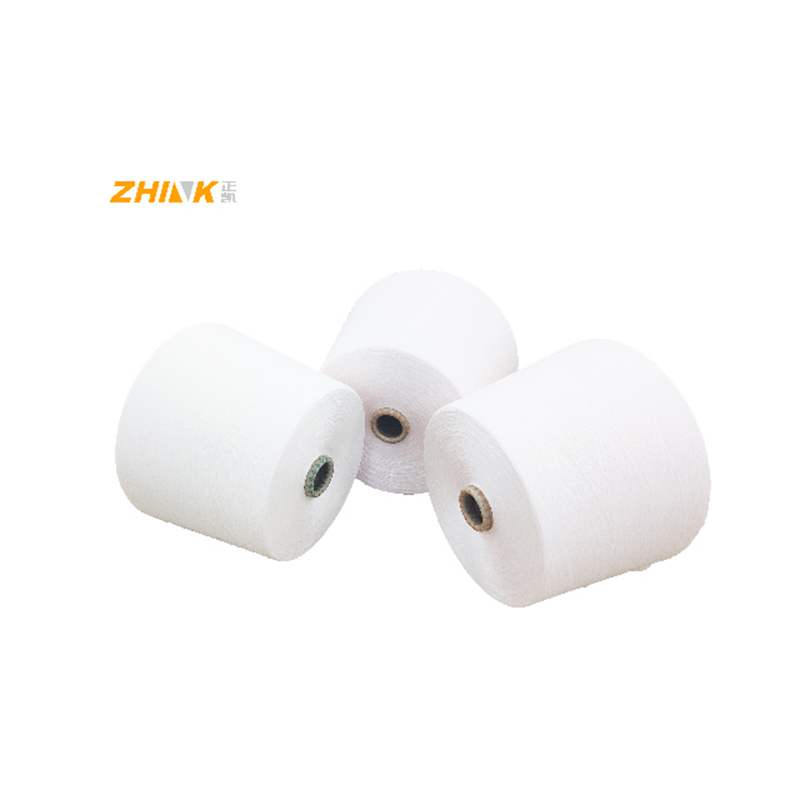
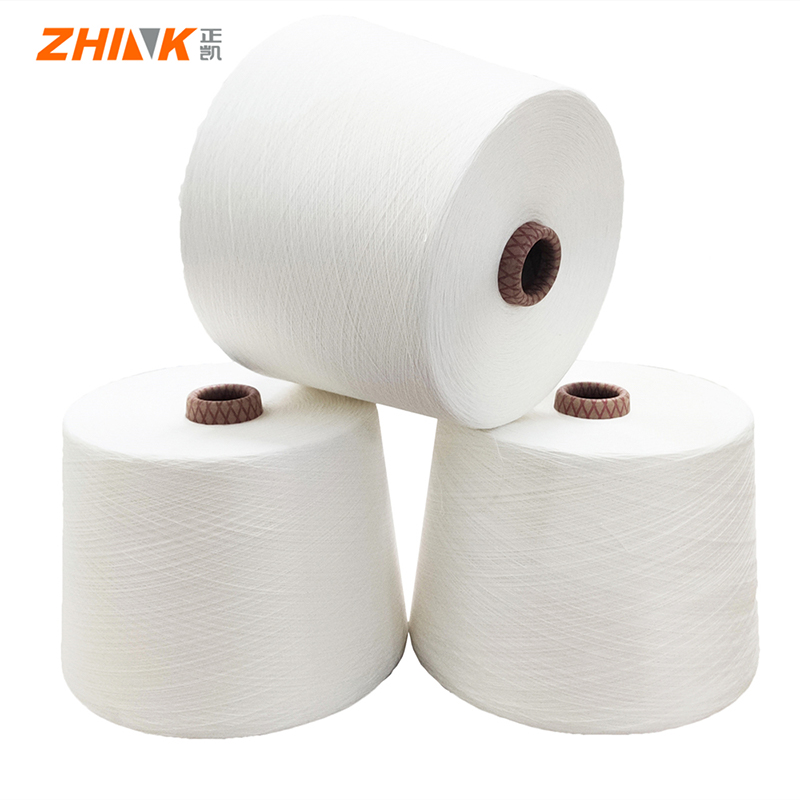
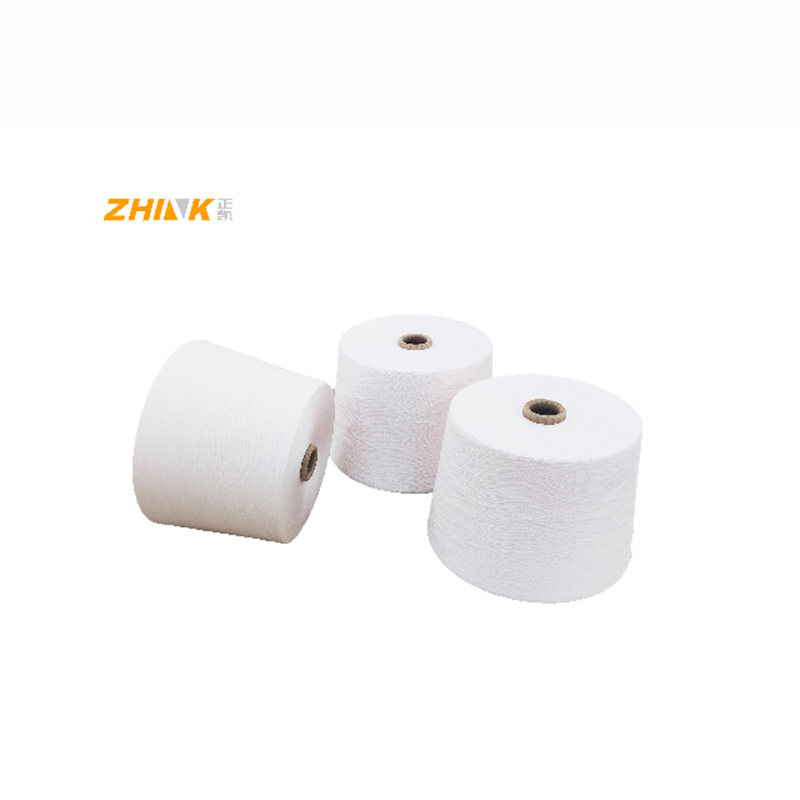
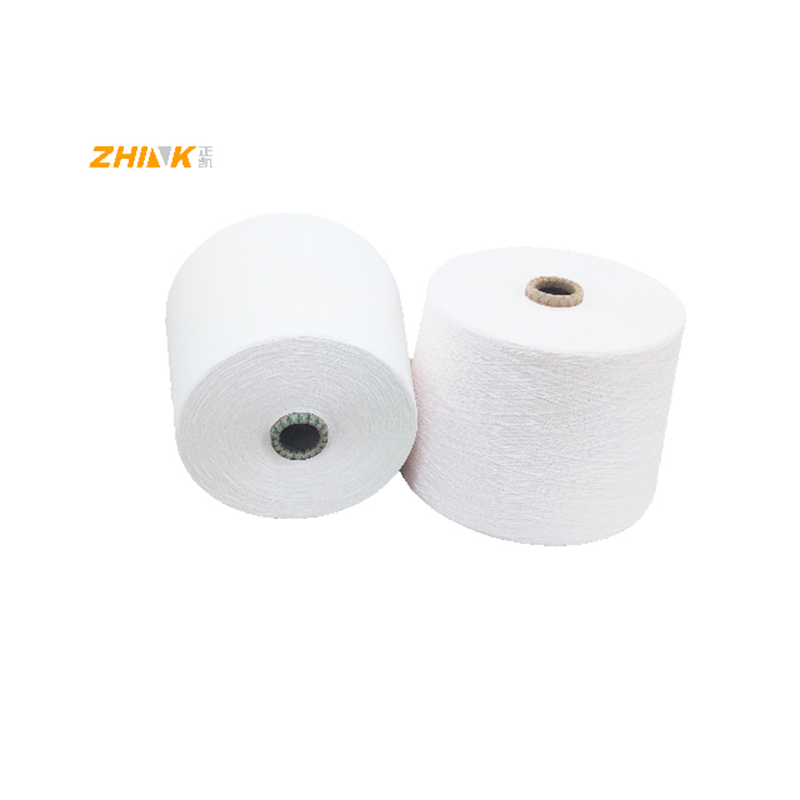
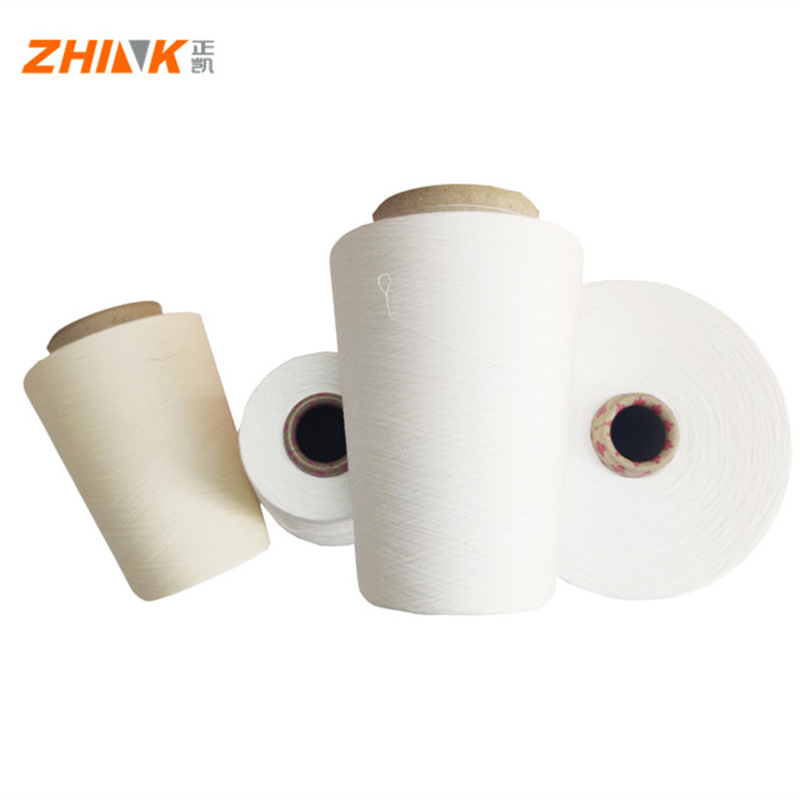
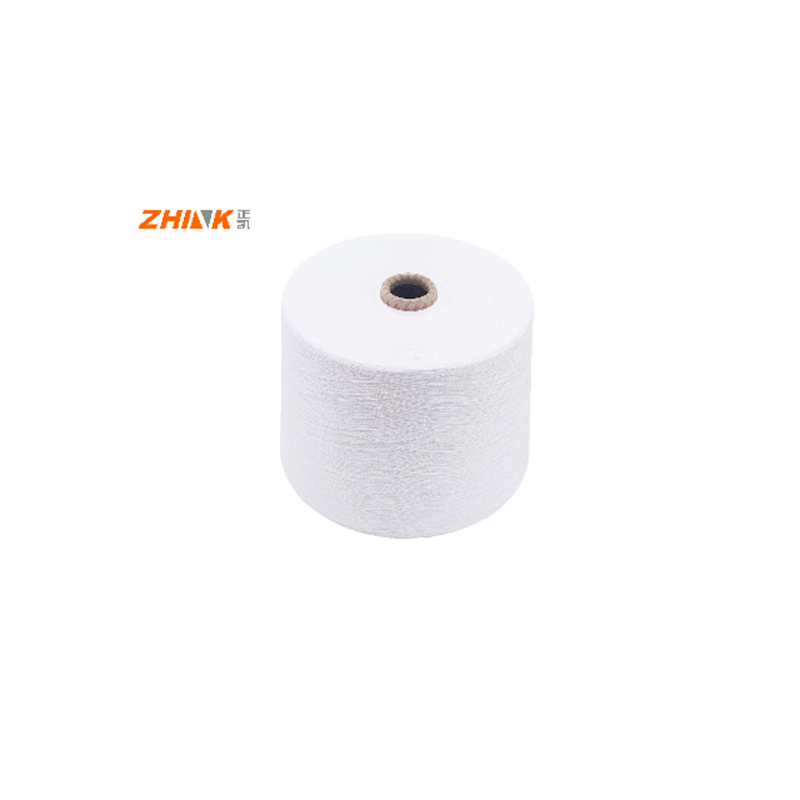
Recycled polyester/viscose siro yarn
The Practical Insights on Recycled Polyester/Viscose Siro Yarn
Recycled polyester/viscose siro yarn is a blend that’s increasingly popular in the textile industry, lauded for its sustainability and versatility. But what does this blend actually entail, and where does it shine in practical applications? This article delves into the nuances of this material, exploring both its promises and pitfalls, based on real-world experiences.
Understanding Recycled Polyester/Viscose Siro Yarn
Recycled polyester and viscose, when spun using the siro spinning technique, create a yarn with unique characteristics. Unlike conventional yarns, this blend leverages the strengths of both polyester’s durability and viscose’s softness. This makes it an interesting choice for both sustainable fashion and functional textiles.
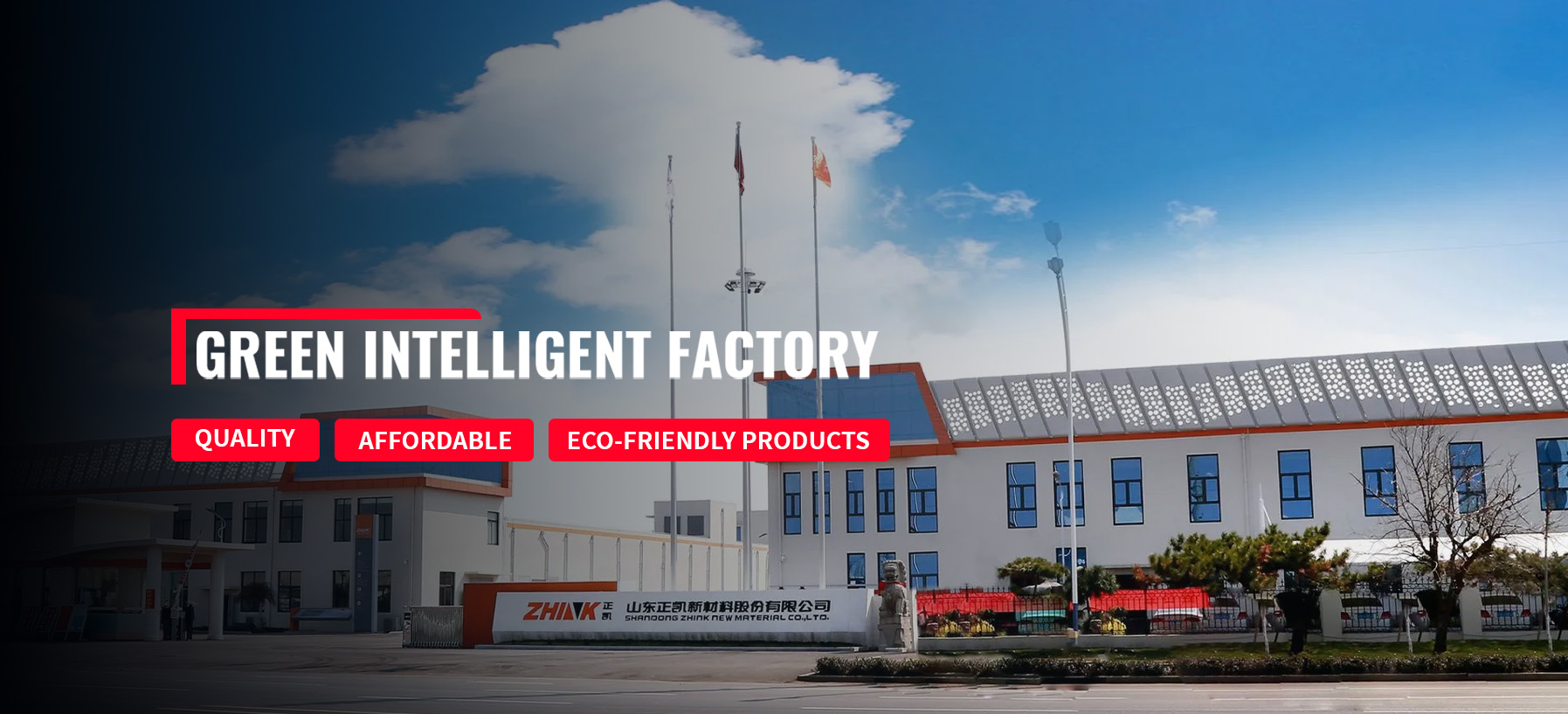
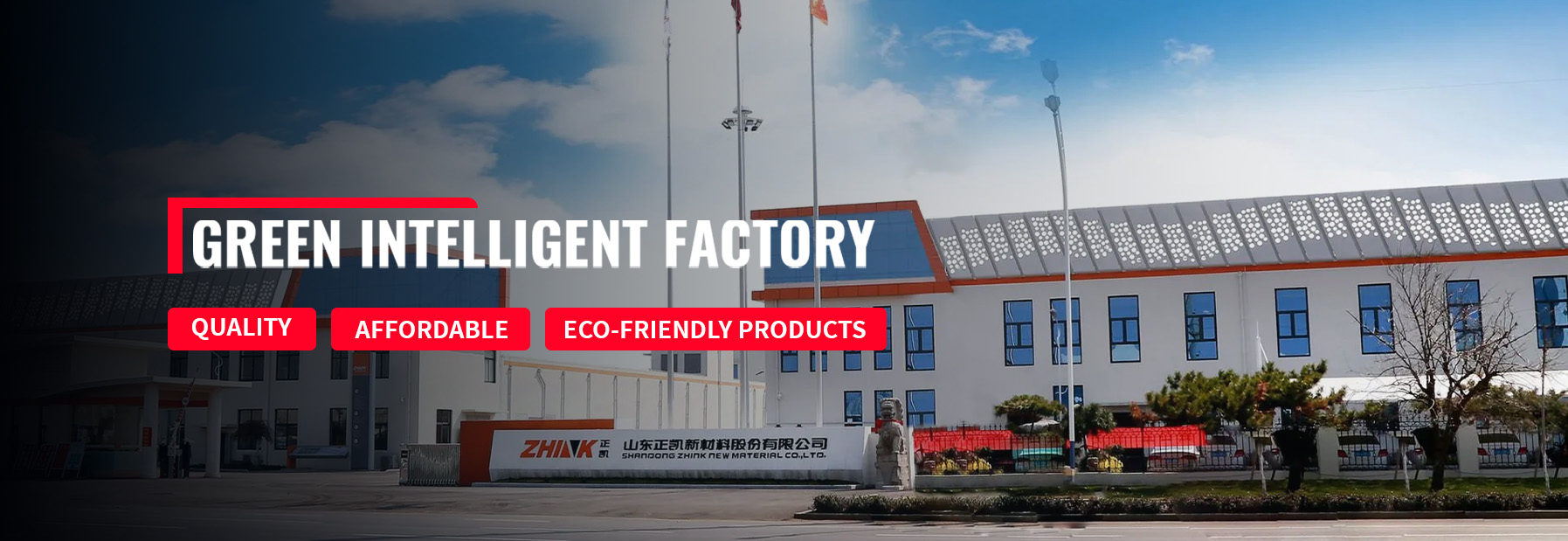
There’s often a misconception that blending recycled polyester with viscose might compromise the quality. However, from my experience, this isn't the case. With the right spinning techniques, such as those employed by SHANDONG ZHINK NEW MATERIAL CO., LTD, the quality can actually be quite remarkable.
It’s worth noting though, achieving consistent quality requires diligence in sourcing raw materials and precision in the production process. At Zhink New Material, for instance, they’ve developed stringent protocols to ensure that each batch meets industry standards. You can check their process details at their website.
Application in Sustainable Fashion
One of the key advantages of this yarn is its sustainable footprint. Using recycled polyester reduces reliance on virgin materials and lowers the environmental impact. Couple this with viscose, which is derived from wood pulp, and you’ve got a more eco-friendly alternative to traditional yarns.
However, transitioning to such materials isn’t without challenges. Designing garments that fully leverage the benefits of this blend requires a deep understanding of fabric behavior. I recall a particular project where initial designs didn’t align with the yarn’s drape and stretch. It was a learning curve that taught us to closely collaborate with fabric engineers and designers.
Successful integration of this yarn into fashion lines often calls for tweaking standard manufacturing processes. Those who've ventured down this path can attest to the need for adaptive thinking and problem-solving skills.
Challenges in Production
While the benefits are clear, producing recycled polyester/viscose siro yarn isn't straightforward. It involves precise control over the spinning process to ensure uniformity in yarn tension and twist, both of which directly impact the fabric’s performance.
At SHANDONG ZHINK NEW MATERIAL CO., LTD, they’ve addressed these challenges with advanced machinery and skilled technicians. Yet, even with these resources, occasional hiccups are inevitable. A minor misalignment in the spinning setup can lead to variations in yarn strength and texture.
Such experiences underline the importance of continuous monitoring and quality checks throughout production. It’s a tedious aspect but essential for maintaining consistency and reliability in the output.
Market Trends and Customer Reception
Recently, there’s been a noticeable shift towards products that feature recycled polyester/viscose siro yarn. Consumers increasingly favor sustainable choices, and manufacturers are keen to meet this demand.
A roundtable discussion within the industry revealed that consumer education is key. Many are drawn to products labeled as “recycled” but lack a full understanding of the benefits. Retailers and brands have a unique opportunity here to educate their audience and boost market acceptance.
Interestingly, this yarn blend is also gaining attention outside traditional textile applications. In industrial sectors, where fabric durability and sustainability are crucial, this material is proving its worth.
The Future Prospects
Looking forward, the potential for recycled polyester/viscose siro yarn seems promising. Technological advancements will likely further enhance its properties, making it an even more appealing choice for various industries.
There are exciting developments underway at places like SHANDONG ZHINK NEW MATERIAL CO., LTD, which continue to push the boundaries of what this material can achieve. Their ongoing research and commitment to innovation are pivotal in leading the industry towards more sustainable practices.
Ultimately, while the journey with this yarn blend comes with its set of challenges, the possibilities it presents make it a worthwhile pursuit for textile professionals and environmental advocates alike.
Related Products
Related Products