
+86-632-3621866
- Chinese
- French
- German
- Portuguese
- Spanish
- Russian
- Japanese
- Korean
- Arabic
- Irish
- Greek
- Turkish
- Italian
- Danish
- Romanian
- Indonesian
- Czech
- Afrikaans
- Swedish
- Polish
- Basque
- Catalan
- Esperanto
- Hindi
- Lao
- Albanian
- Amharic
- Armenian
- Azerbaijani
- Belarusian
- Bengali
- Bosnian
- Bulgarian
- Cebuano
- Chichewa
- Corsican
- Croatian
- Dutch
- Estonian
- Filipino
- Finnish
- Frisian
- Galician
- Georgian
- Gujarati
- Haitian
- Hausa
- Hawaiian
- Hebrew
- Hmong
- Hungarian
- Icelandic
- Igbo
- Javanese
- Kannada
- Kazakh
- Khmer
- Kurdish
- Kyrgyz
- Latin
- Latvian
- Lithuanian
- Luxembou..
- Macedonian
- Malagasy
- Malay
- Malayalam
- Maltese
- Maori
- Marathi
- Mongolian
- Burmese
- Nepali
- Norwegian
- Pashto
- Persian
- Punjabi
- Serbian
- Sesotho
- Sinhala
- Slovak
- Slovenian
- Somali
- Samoan
- Scots Gaelic
- Shona
- Sindhi
- Sundanese
- Swahili
- Tajik
- Tamil
- Telugu
- Thai
- Ukrainian
- Urdu
- Uzbek
- Vietnamese
- Welsh
- Xhosa
- Yiddish
- Yoruba
- Zulu
- Kinyarwanda
- Tatar
- Oriya
- Turkmen
- Uyghur


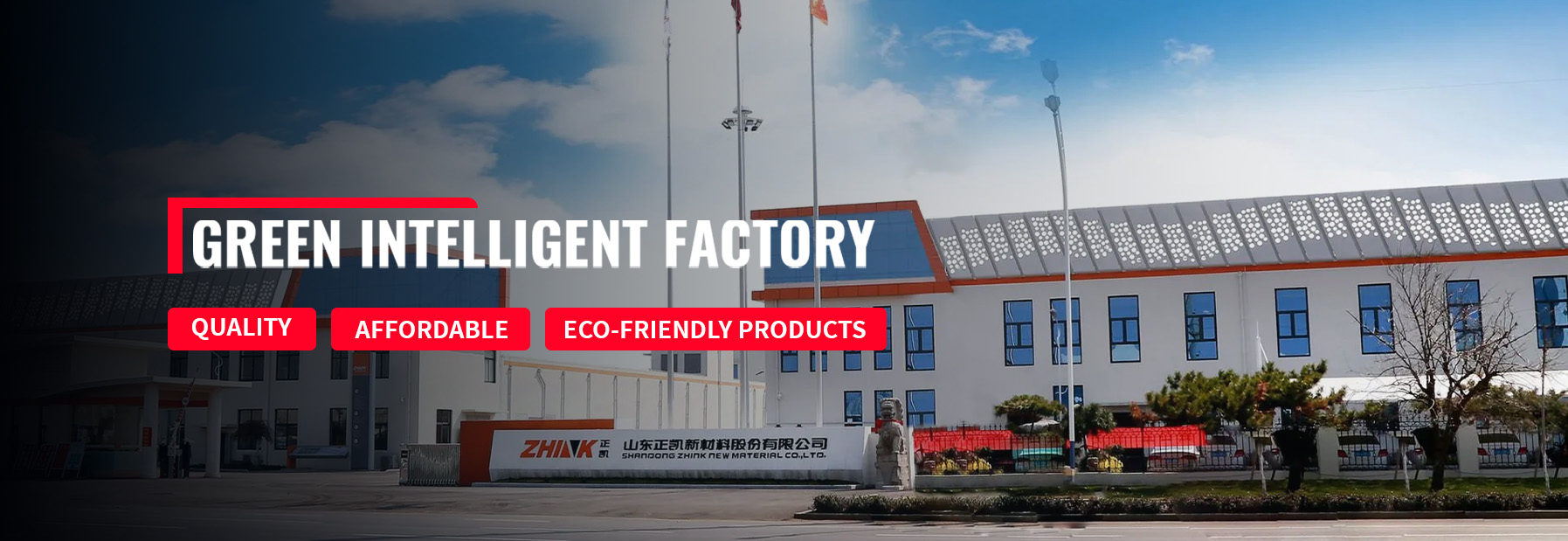
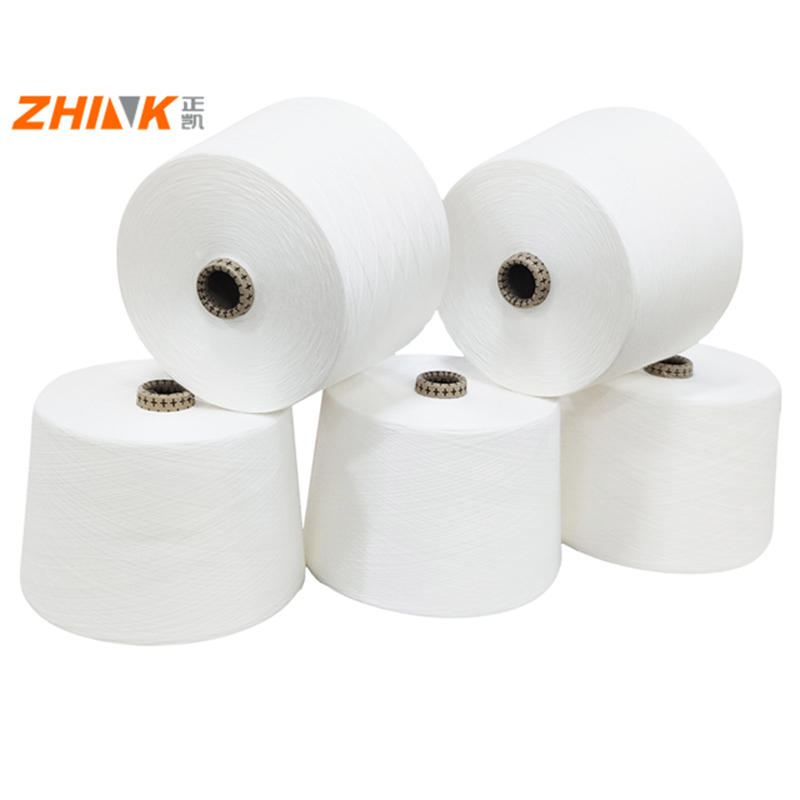
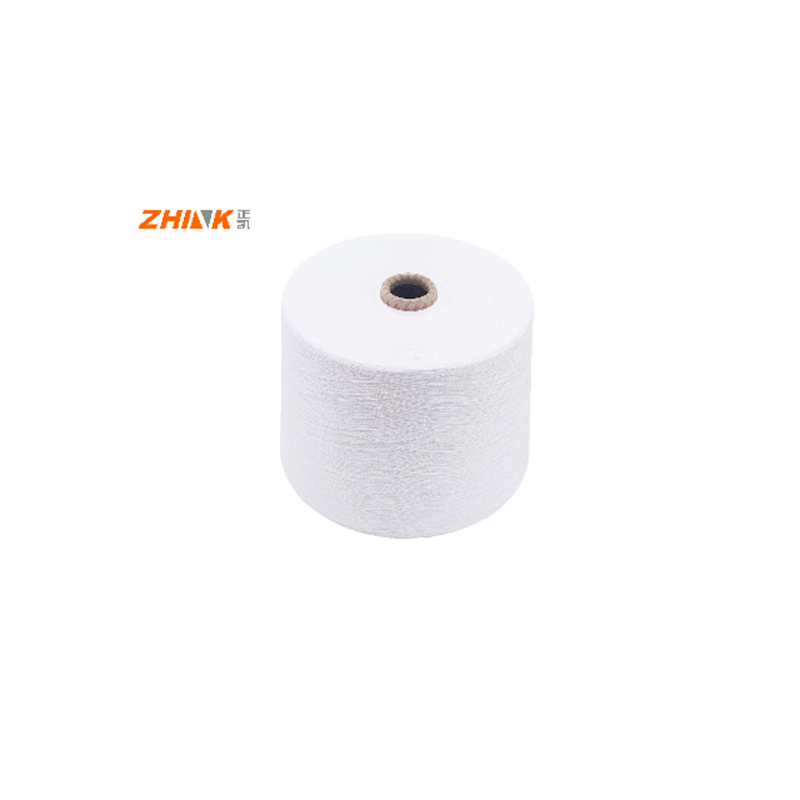
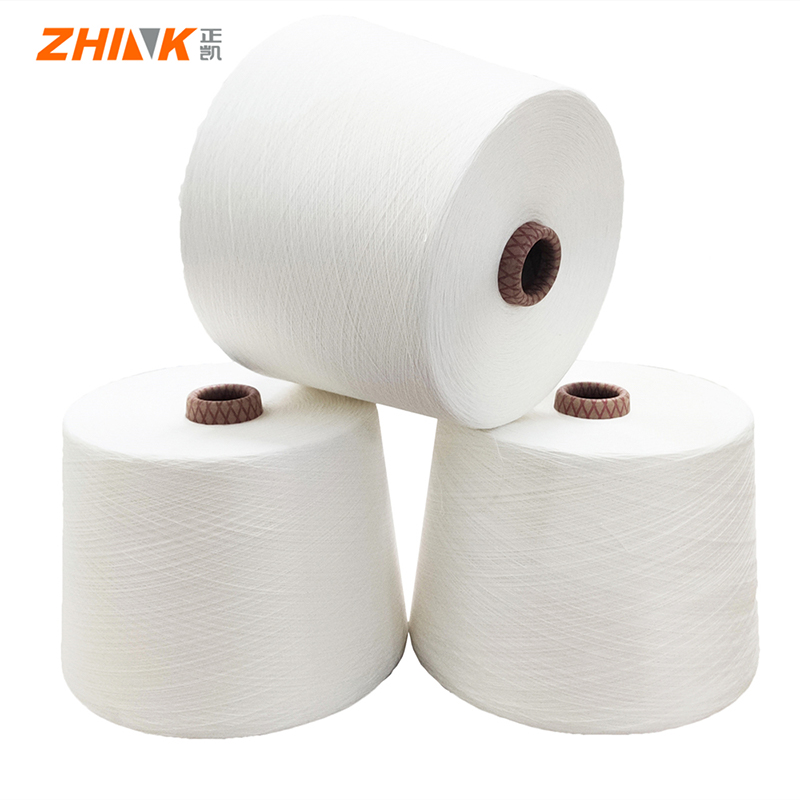
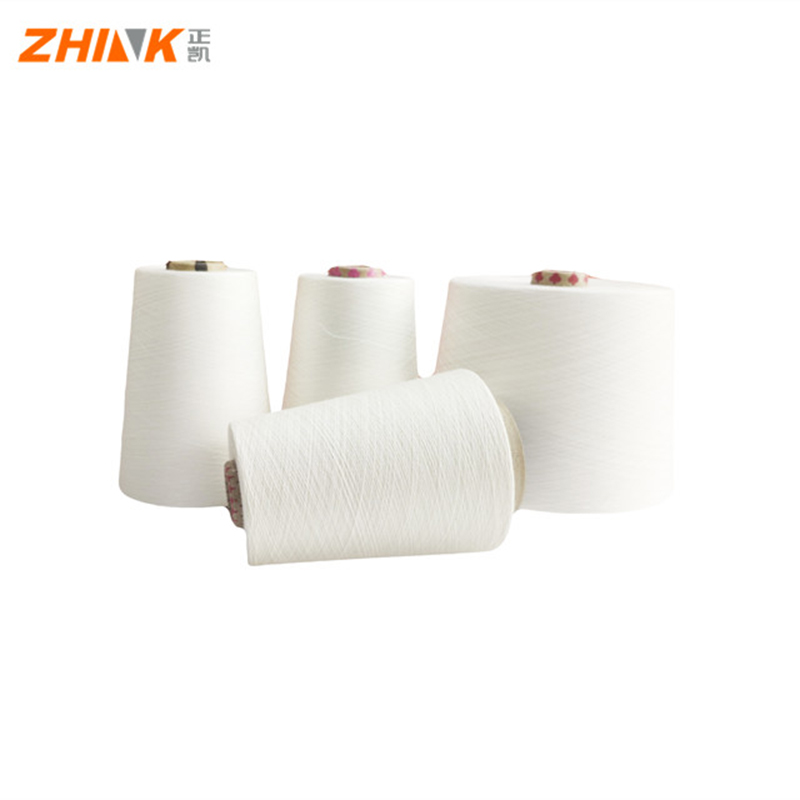
Recycled polyester/viscose vortex yarn
Exploring the World of Recycled Polyester/Viscose Vortex Yarn
Recycled polyester/viscose vortex yarn is transforming textile manufacturing by integrating sustainability with functionality. It’s not just a trend; it's reshaping how the industry approaches material innovation. Let’s delve into its nuances and discuss insights from industry experiences.
Understanding Recycled Polyester/Viscose Vortex Yarn
Recycled polyester/viscose vortex yarn isn’t merely a blend. It represents a shift towards eco-conscious production while retaining the performance benefits that traditional yarns offer. The yarn achieves this by combining recycled synthetic fibers with natural viscose, striking a balance many manufacturers strive for.
Particularly, the vortex spinning method adds a unique twist, literally and metaphorically. This technology reduces hairiness and enhances yarn strength, making the fabric produced from it not only durable but also smooth to the touch. As a textile engineer, watching this hybrid process flourish within factories is fascinating.
A common challenge when initially working with recycled fibers is maintaining quality consistency. However, vortex spinning seems to mitigate typical variations, a nuance that is often overlooked at first glance. It’s a reminder of how technology and sustainability can work hand in hand.
Practical Applications and Industry Insights
From my observations in the field, recycled polyester/viscose vortex yarn is particularly impactful in apparel where both performance and sustainability are essential. Brands frequently seek out solutions that offer moisture-wicking properties without compromising their eco-friendly pledges.
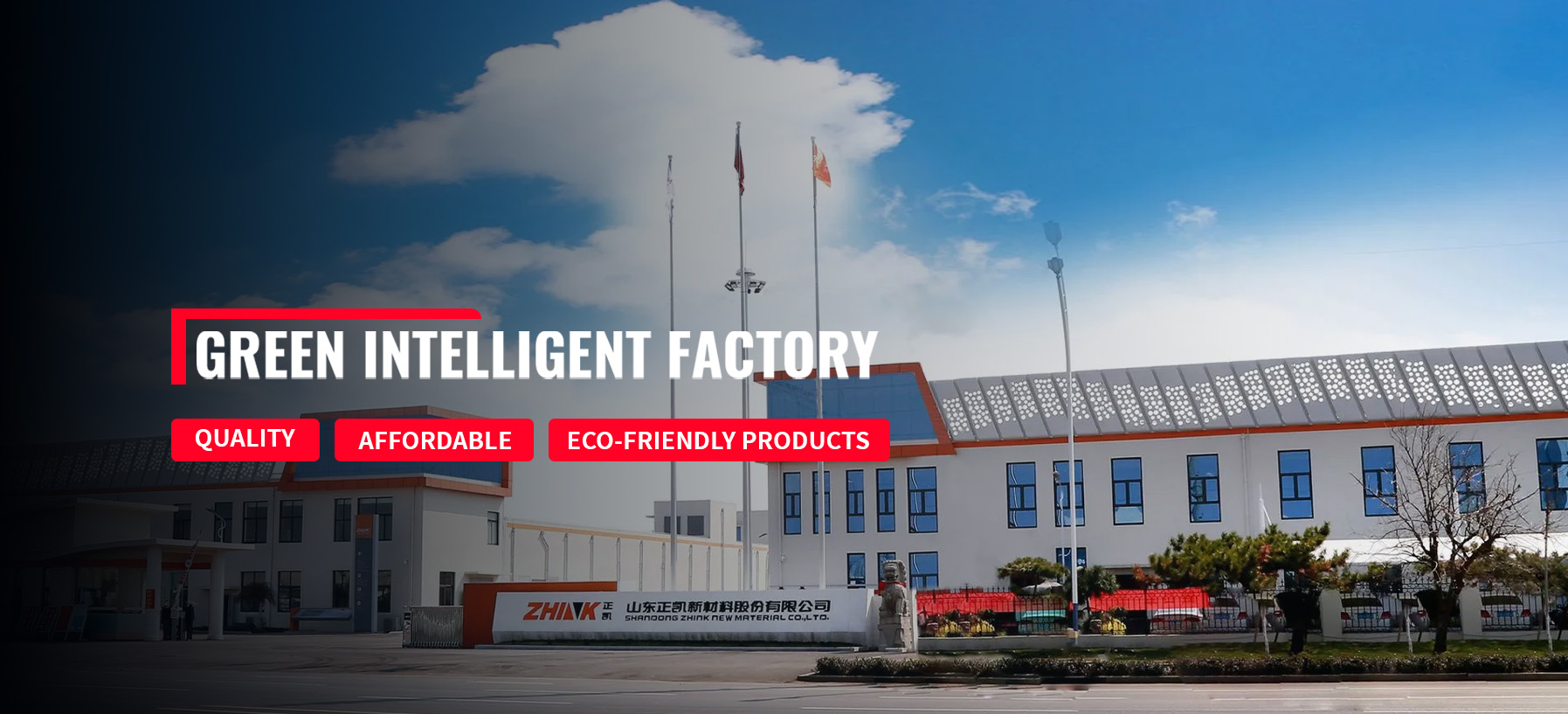
Consider its implementation in athleisure—one of the fastest-growing sectors. With the growth of conscious consumerism, the demand for materials like these is accelerating. Companies like SHANDONG ZHINK NEW MATERIAL CO., LTD (www.zhinkyarn.com) play a crucial role by producing these innovative materials that meet both environmental and performance standards.
But it’s not without challenges. Scaling such solutions requires rigorous quality control. Better yet, the real hurdle is in consumer education—ensuring they understand the value proposition and the sustainable impact their purchase decisions carry.
Technical Challenges and Solutions
Integrating recycled and virgin fibers has its hurdles, mostly around consistency and performance. Some projects I’ve been involved in saw unexpected variation in dye uptake between batches—a minor setback but one that taught vital lessons in material handling and process oversight.
Advanced testing and quality control measures are essential. Fortunately, vortex spinning itself is a more forgiving technique in handling recycled content, offering a higher yield of consistent quality yarn. It’s a testament to the importance of utilizing advanced technologies in manufacturing settings.
I recall one instance where minor adjustments to humidity levels in the production space significantly improved fiber integrity. Such details, seemingly minute, underline the complexities and the expertise required in textile manufacturing today.
Market Trends and Consumer Awareness
There’s no denying that sustainability drives the demand, but what about consumer awareness? Most consumers prioritize feel and durability over manufacturing processes. Bridging this gap requires proactive education and marketing strategies.
Companies must leverage transparency, showcasing the environmental benefits alongside the traditional marketing points of comfort and durability. At SHANDONG ZHINK NEW MATERIAL CO., LTD, such practices are increasingly common, aligning product launches with detailed insights into their materials’ backgrounds.
The future? It likely hinges on joint efforts across the supply chain to enhance traceability and sustainability metrics transparent to end-users. Only then can these innovative materials reach their full potential and market acceptance.
Future Perspectives and Industry Prospects
The promise of recycled polyester/viscose vortex yarn is enormous, but so is the responsibility that comes with it. Engaging both industry stakeholders and consumers in sustainability dialogues remains pivotal.
We're in a period of transformation, one where consumer power can drive industry change. The next step forward involves strengthening collaborations with technological innovators—like SHANDONG ZHINK NEW MATERIAL CO., LTD—to truly innovate and transform perceptions on a global scale.
In summary, the recycled polyester/viscose vortex yarn market seems set for significant growth, but how the industry communicates and implements these materials will determine the pace. As a professional in this field, watching this evolution is as rewarding as it is challenging, setting the stage for an exciting era in textiles.
Related Products
Related Products
Best Selling Products
Best Selling Products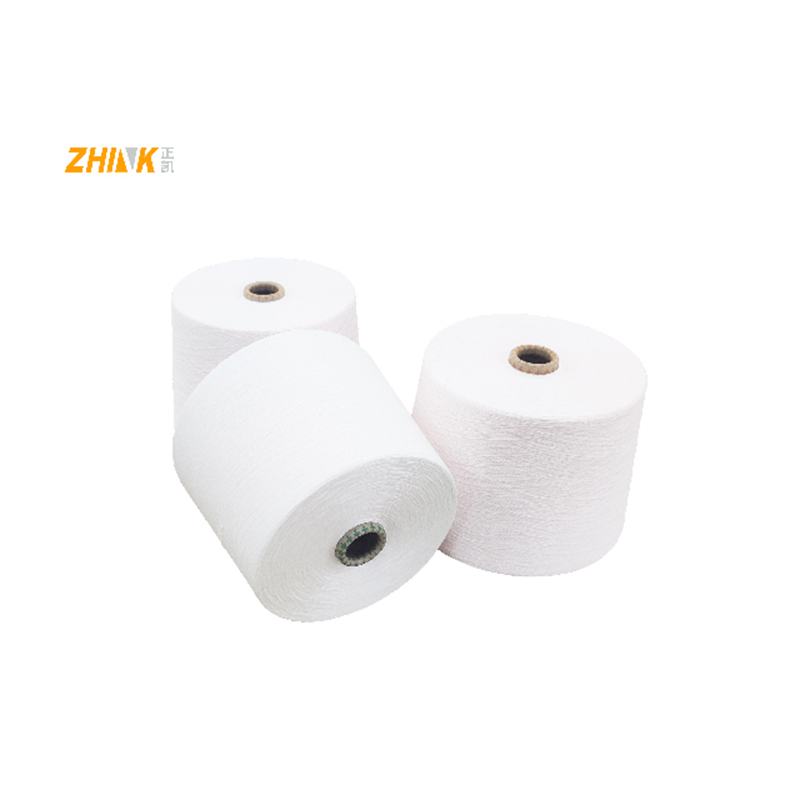


Related Search
Related Search- polyester/bamboo siro yarn
- recycled polyester/eco viscose/linen 60/20/20 core spun yarn
- GRS Flame retardant polyester yarn
- 100% viscose siro compact
- polyester/Lyocell blended yarn
- 100% Flame retardant polyester siro
- modal/wool 80/20 siro compact
- Solid acrylic staple fiber yarn
- PV 90/10 yarn
- 100% acrylic siro