+86-632-3621866
- Chinese
- French
- German
- Portuguese
- Spanish
- Russian
- Japanese
- Korean
- Arabic
- Irish
- Greek
- Turkish
- Italian
- Danish
- Romanian
- Indonesian
- Czech
- Afrikaans
- Swedish
- Polish
- Basque
- Catalan
- Esperanto
- Hindi
- Lao
- Albanian
- Amharic
- Armenian
- Azerbaijani
- Belarusian
- Bengali
- Bosnian
- Bulgarian
- Cebuano
- Chichewa
- Corsican
- Croatian
- Dutch
- Estonian
- Filipino
- Finnish
- Frisian
- Galician
- Georgian
- Gujarati
- Haitian
- Hausa
- Hawaiian
- Hebrew
- Hmong
- Hungarian
- Icelandic
- Igbo
- Javanese
- Kannada
- Kazakh
- Khmer
- Kurdish
- Kyrgyz
- Latin
- Latvian
- Lithuanian
- Luxembou..
- Macedonian
- Malagasy
- Malay
- Malayalam
- Maltese
- Maori
- Marathi
- Mongolian
- Burmese
- Nepali
- Norwegian
- Pashto
- Persian
- Punjabi
- Serbian
- Sesotho
- Sinhala
- Slovak
- Slovenian
- Somali
- Samoan
- Scots Gaelic
- Shona
- Sindhi
- Sundanese
- Swahili
- Tajik
- Tamil
- Telugu
- Thai
- Ukrainian
- Urdu
- Uzbek
- Vietnamese
- Welsh
- Xhosa
- Yiddish
- Yoruba
- Zulu
- Kinyarwanda
- Tatar
- Oriya
- Turkmen
- Uyghur


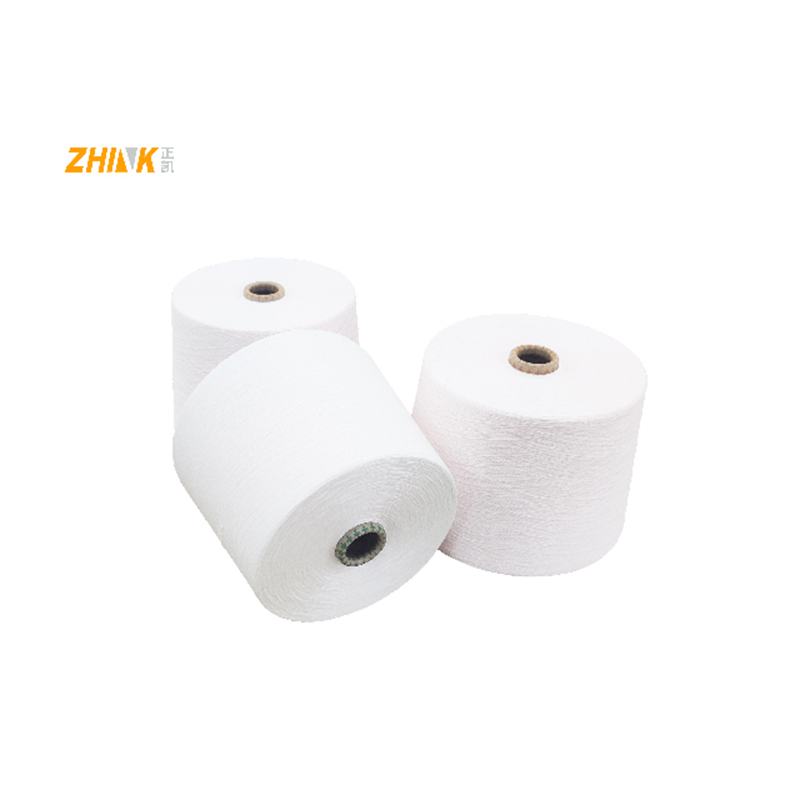
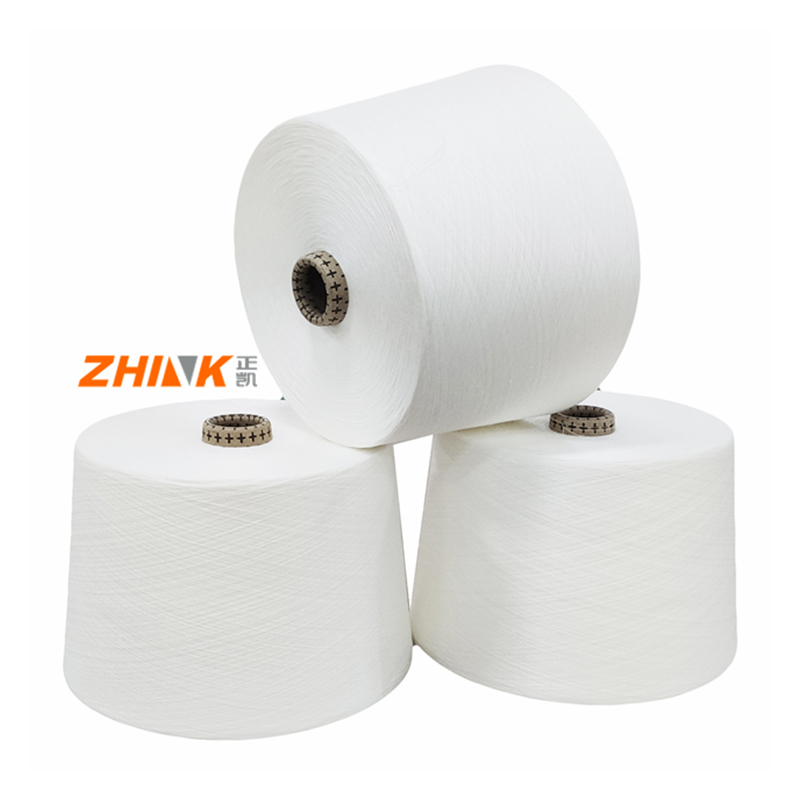
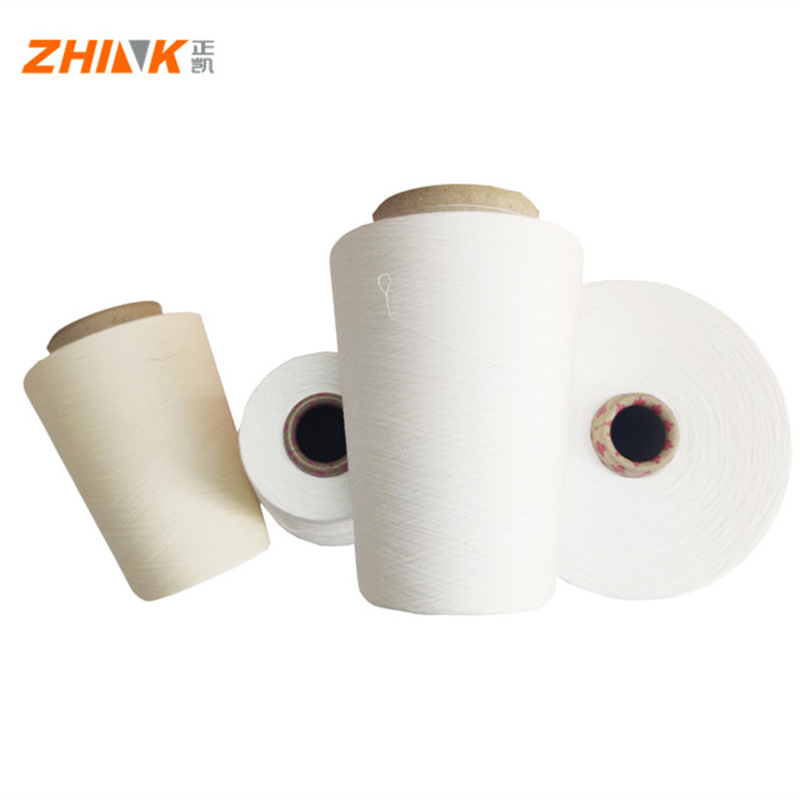
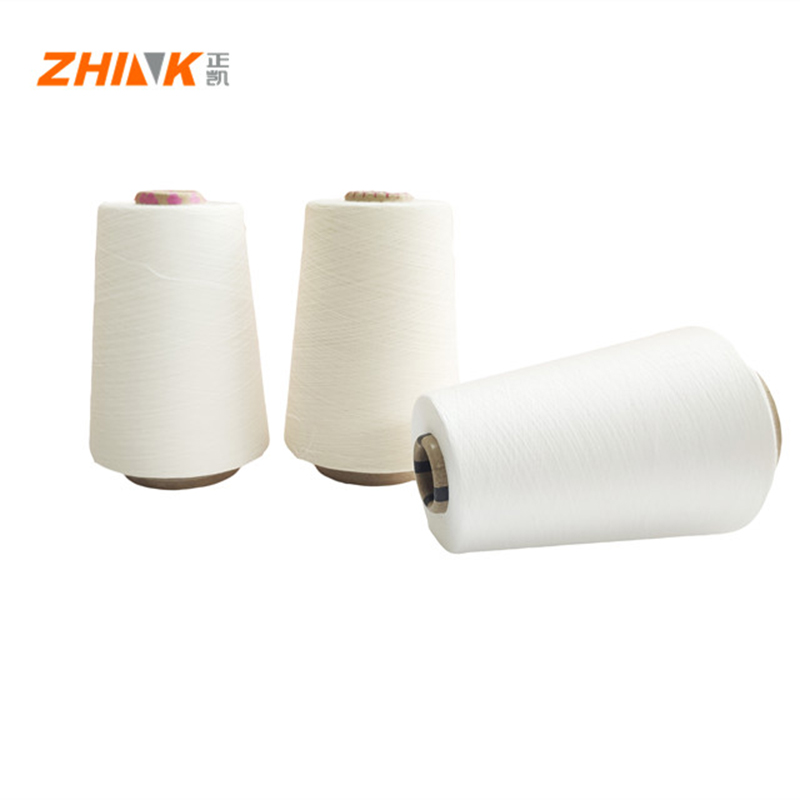
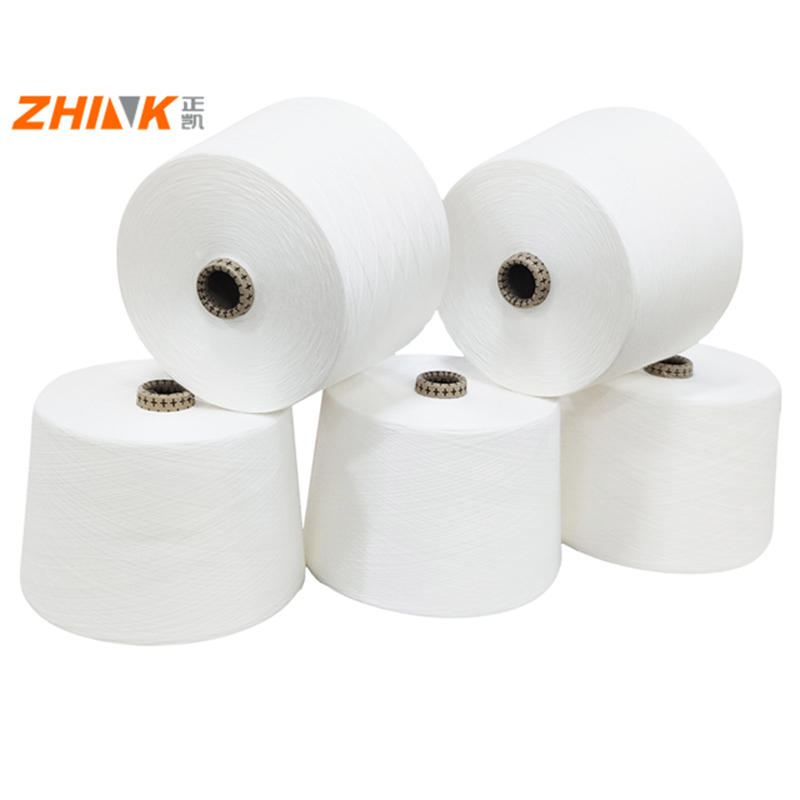
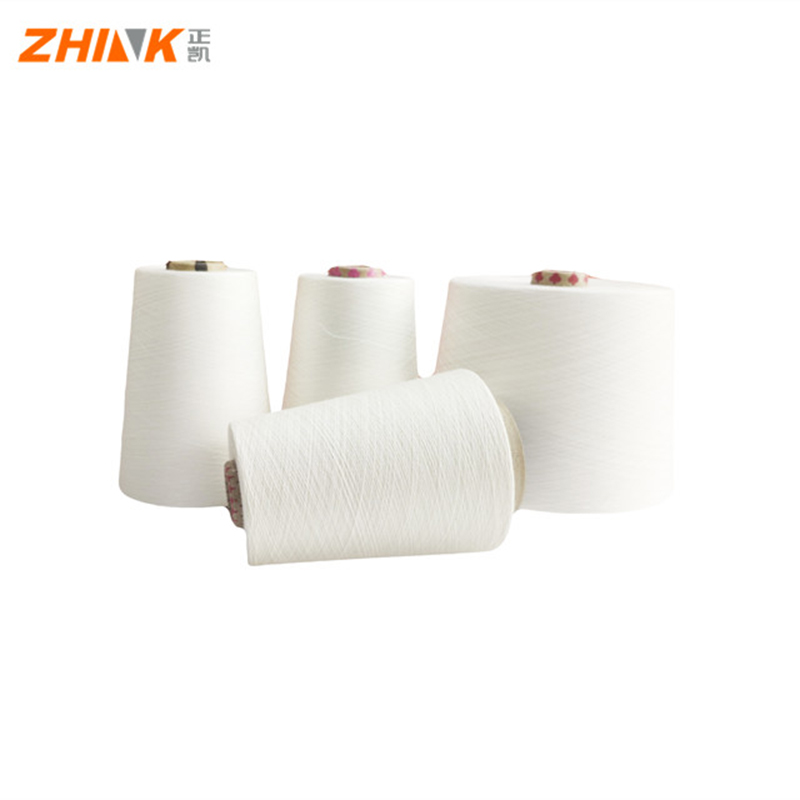
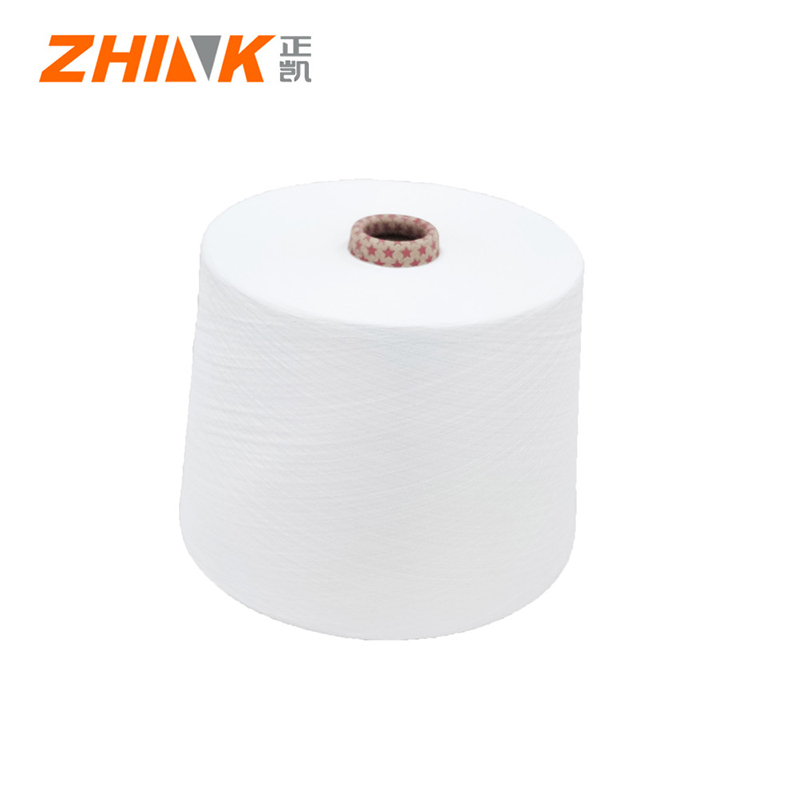
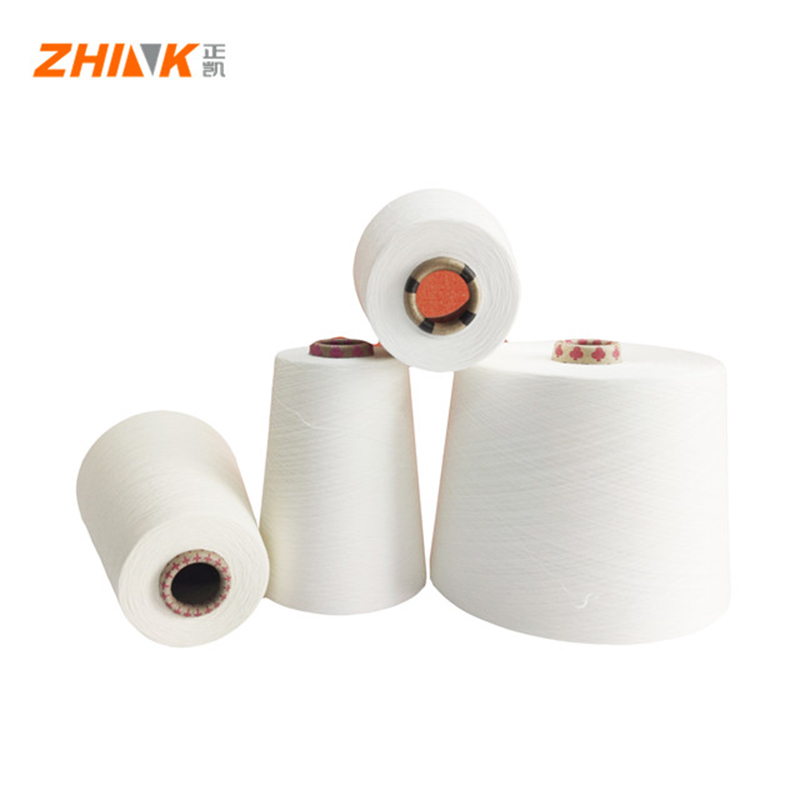
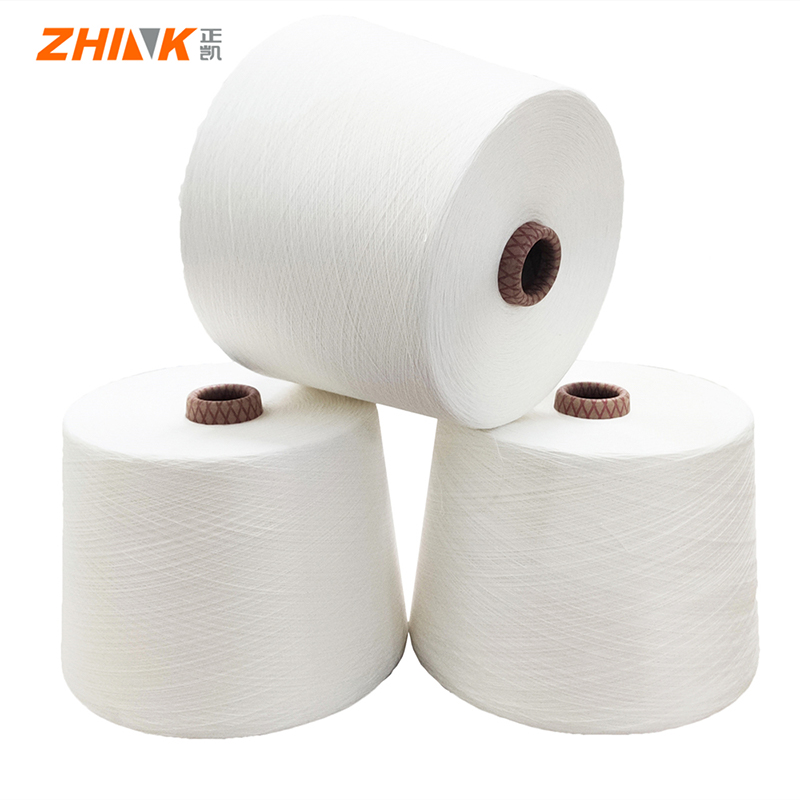
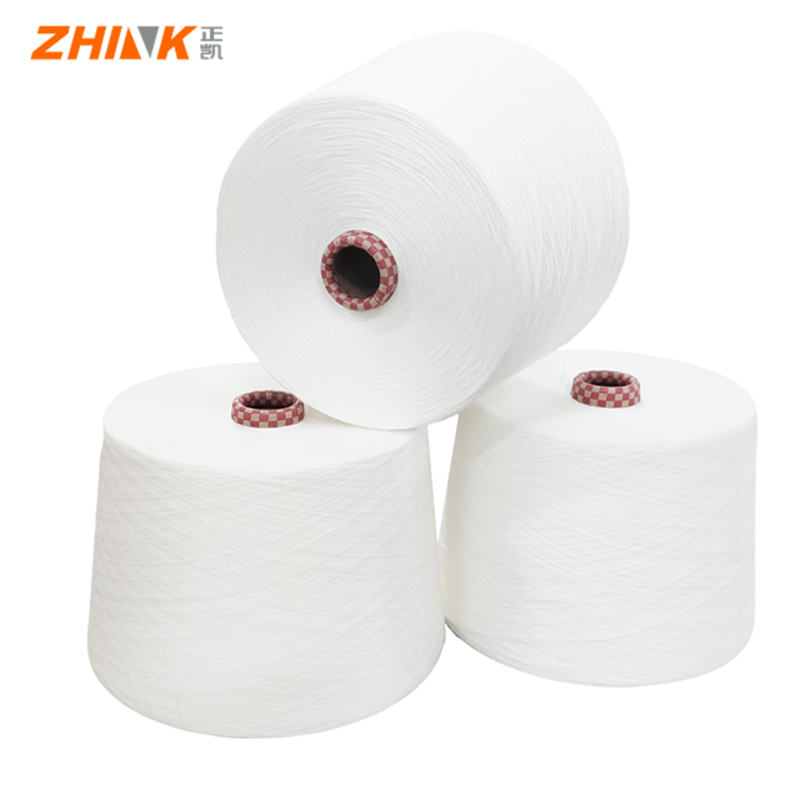
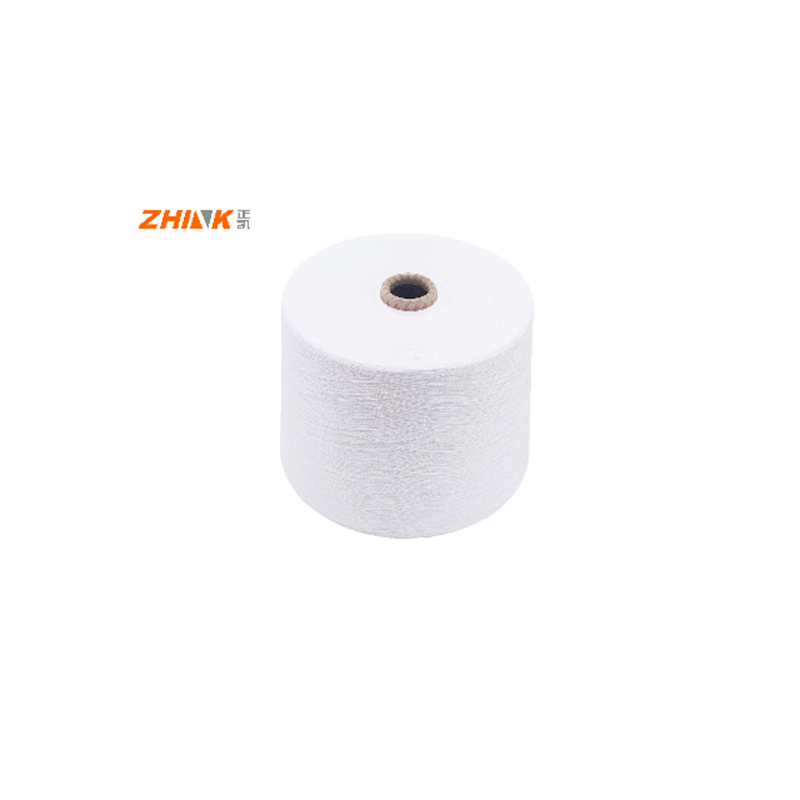
Recycled polyester/viscose80/20 yarn
The Blend of Innovation: Recycled Polyester/Viscose80/20 Yarn
The textile industry is constantly evolving, with recycled polyester/viscose80/20 yarn being a notable innovation that blends sustainability with functionality. This material has gained momentum for its environmental advantages and versatile applications, but it's not without its challenges and intricacies.
Understanding the Composition
Recycled polyester combined with viscose brings the best of both worlds—resilience from the former and softness from the latter. The 80/20 ratio balances durability and comfort, making it suitable for various textile products like apparel and home textiles. But here's the tricky part: getting the blend just right. The two fibers have distinct properties that need careful handling during production.
In my experience, one prevalent issue is maintaining consistency in texture and color. The blend ratio, if not managed correctly, could lead to uneven dye uptake or textural discrepancies. It's not just mixing; it's about integrating them at a molecular level, so to speak. This requires expertise in textile engineering and precision equipment. Even if you think you've nailed it in the lab, real-world production can throw curveballs.
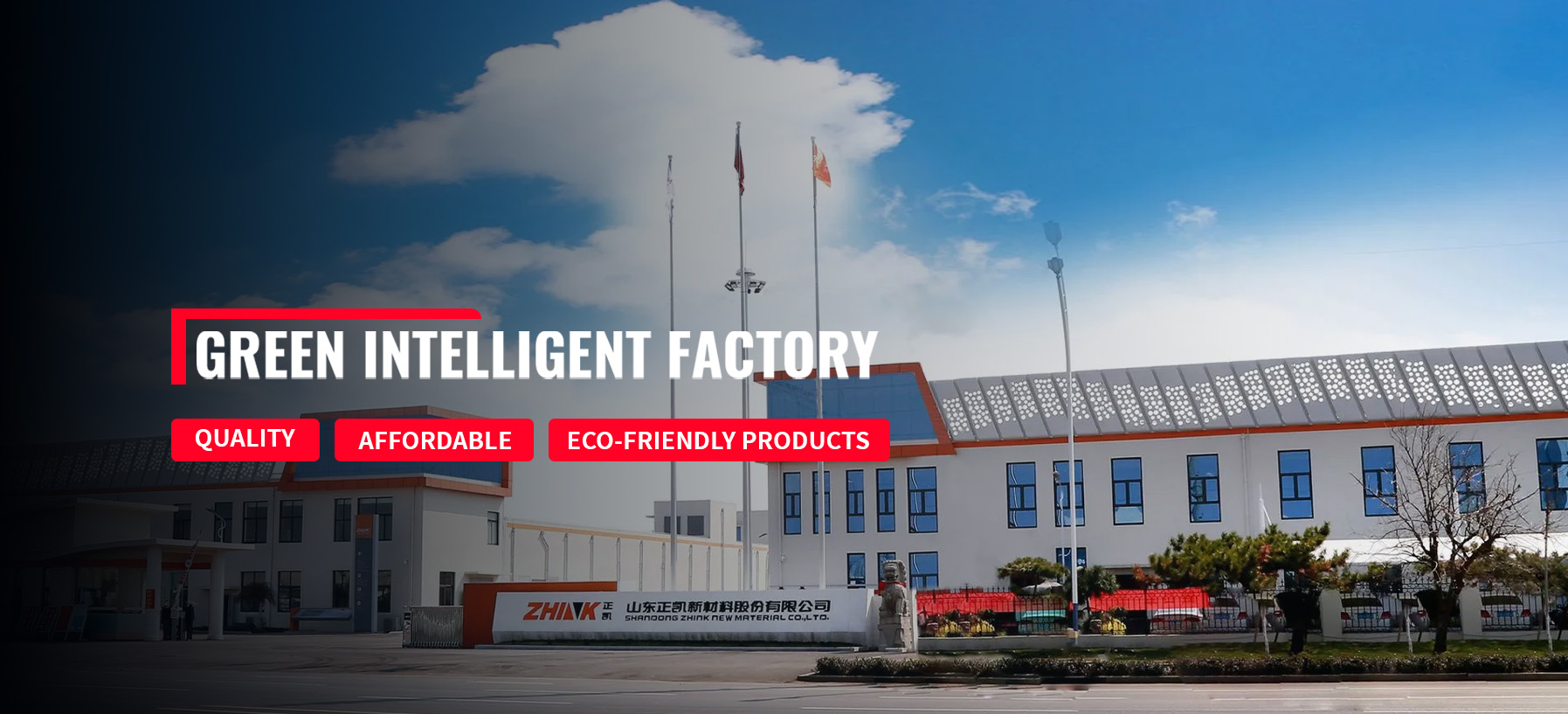
Specific to recycled polyester, its reliance on post-consumer plastics means quality can vary greatly. That's where companies like SHANDONG ZHINK NEW MATERIAL CO., LTD, specializing in new textile materials, come into play. They ensure stringent quality checks and innovation in yarn production.
Sustainability Challenges and Solutions
While the environmental benefits are clear—reduced landfill waste and lower carbon footprint—there are hurdles to overcome. The recycling process itself requires energy, though less than producing virgin polyester. The trade-off is between ecological benefits and the energy input required for recycling.
I recall a project that attempted to utilize solar energy for recycling processes. It sounded promising, but integrating renewable energy sources proved complex due to initial costs and infrastructural limits. Nonetheless, initiatives like these are crucial steps forward, and companies with a sustainable focus are constantly exploring such avenues.
An often overlooked aspect is the traceability in recycled materials. Ensuring that the input material is consistently from reliable sources is vital, which means extensive supply chain audits are necessary. This isn't just about brand responsibility—it's a factor that could significantly affect yarn quality.
Market Applications and Trends
The versatility of recycled polyester/viscose80/20 yarn translates into high market demand, especially in sectors like fast fashion that emphasize sustainability. This yarn is particularly favored for creating casual wear, where comfort and durability are prioritized.
What's interesting is the growing trend in using such materials for technical textiles. These textiles are engineered for specific functionalities, such as moisture management or temperature regulation. It's not just about aesthetics anymore; functionality is becoming a key selling point.
From direct interactions with several clients, the shift is evident—they inquire not just about material specifications but also about the story behind it. What processes were employed? Is the sourcing ethical? The narrative of sustainability now often complements the technical details.
The Role of R&D in Yarn Advancement
Innovation is at the heart of yarn development. Research and development (R&D) efforts focus on overcoming the existing challenges and extracting the utmost from each fiber. Companies devoted to R&D, like Zhink New Material, drive breakthroughs in creating more efficient and effective textile solutions.
I've worked alongside R&D teams, witnessing firsthand the iterative process of textile innovation. It often involves trial, error, and occasional breakthroughs. Sometimes a minor tweak—a change in twist or a new finishing treatment—can dramatically enhance a yarn's properties.
Ultimately, the role of R&D is to not only optimize current yarn blends but also pioneer novel materials that push the envelope of what's possible. This continuous pursuit of improvement is what sustains industry momentum.
Future Directions and Considerations
The horizon for recycled polyester/viscose80/20 yarn is broad, with ongoing advances in recycling technologies and fiber treatment promising to enhance both quality and sustainability. However, maintaining affordability while escalating quality remains a cornerstone challenge.
Companies like SHANDONG ZHINK NEW MATERIAL CO., LTD are at the forefront of such innovations, balancing cost-effectiveness without compromising on environmental commitments. Visit their website at Zhink Yarn for insights into their latest projects.
What remains crucial is collaboration across the industry spectrum—from raw material suppliers to consumers—to collectively shoulder the challenges. As consumer demands evolve and sustainability becomes non-negotiable, the textile sector must adapt swiftly to remain relevant and responsible.
Related Products
Related Products