+86-632-3621866
- Chinese
- French
- German
- Portuguese
- Spanish
- Russian
- Japanese
- Korean
- Arabic
- Irish
- Greek
- Turkish
- Italian
- Danish
- Romanian
- Indonesian
- Czech
- Afrikaans
- Swedish
- Polish
- Basque
- Catalan
- Esperanto
- Hindi
- Lao
- Albanian
- Amharic
- Armenian
- Azerbaijani
- Belarusian
- Bengali
- Bosnian
- Bulgarian
- Cebuano
- Chichewa
- Corsican
- Croatian
- Dutch
- Estonian
- Filipino
- Finnish
- Frisian
- Galician
- Georgian
- Gujarati
- Haitian
- Hausa
- Hawaiian
- Hebrew
- Hmong
- Hungarian
- Icelandic
- Igbo
- Javanese
- Kannada
- Kazakh
- Khmer
- Kurdish
- Kyrgyz
- Latin
- Latvian
- Lithuanian
- Luxembou..
- Macedonian
- Malagasy
- Malay
- Malayalam
- Maltese
- Maori
- Marathi
- Mongolian
- Burmese
- Nepali
- Norwegian
- Pashto
- Persian
- Punjabi
- Serbian
- Sesotho
- Sinhala
- Slovak
- Slovenian
- Somali
- Samoan
- Scots Gaelic
- Shona
- Sindhi
- Sundanese
- Swahili
- Tajik
- Tamil
- Telugu
- Thai
- Ukrainian
- Urdu
- Uzbek
- Vietnamese
- Welsh
- Xhosa
- Yiddish
- Yoruba
- Zulu
- Kinyarwanda
- Tatar
- Oriya
- Turkmen
- Uyghur


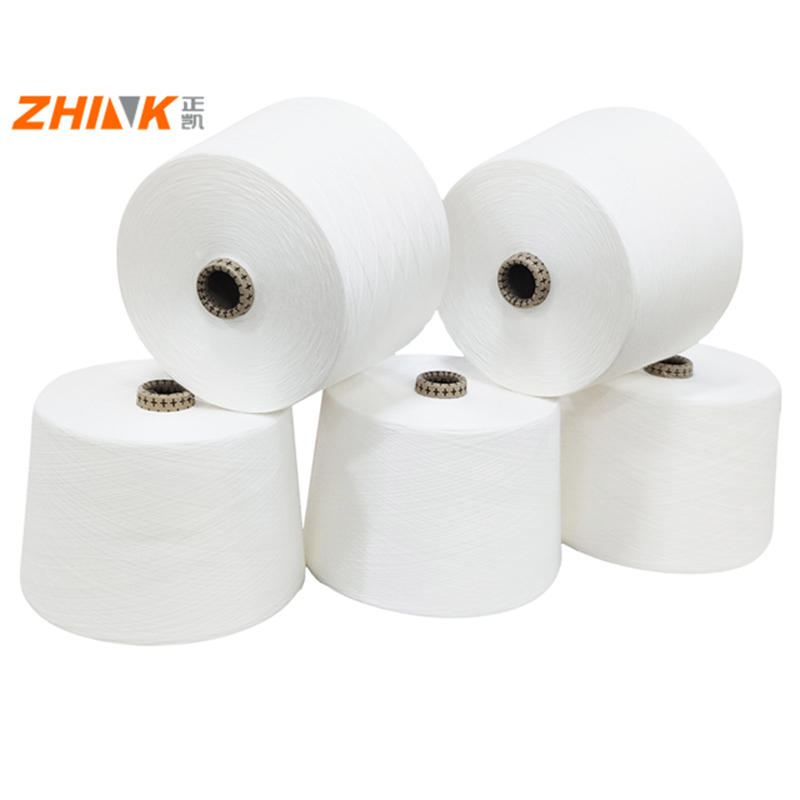
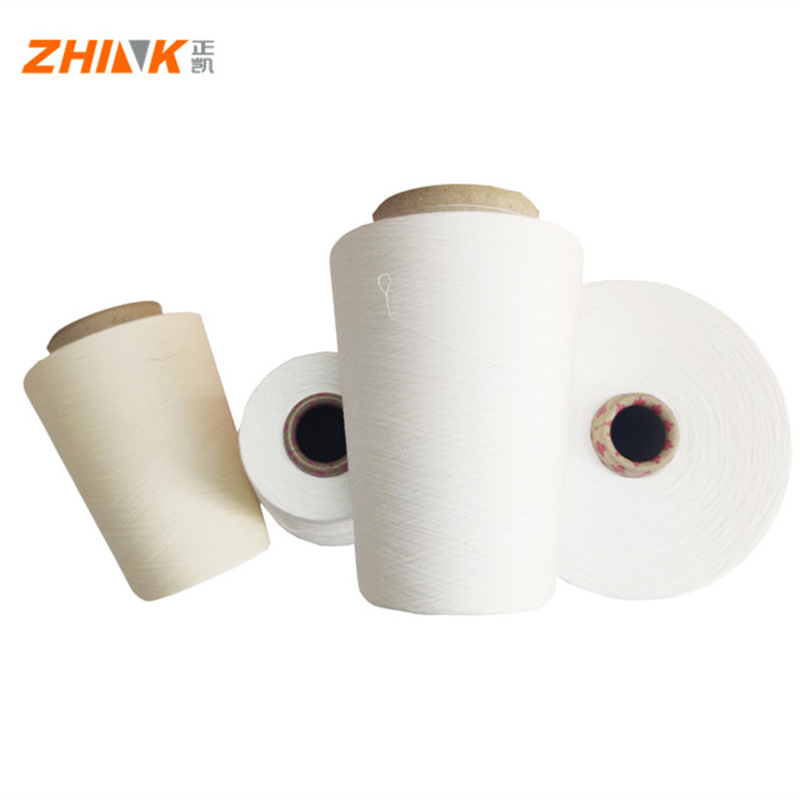
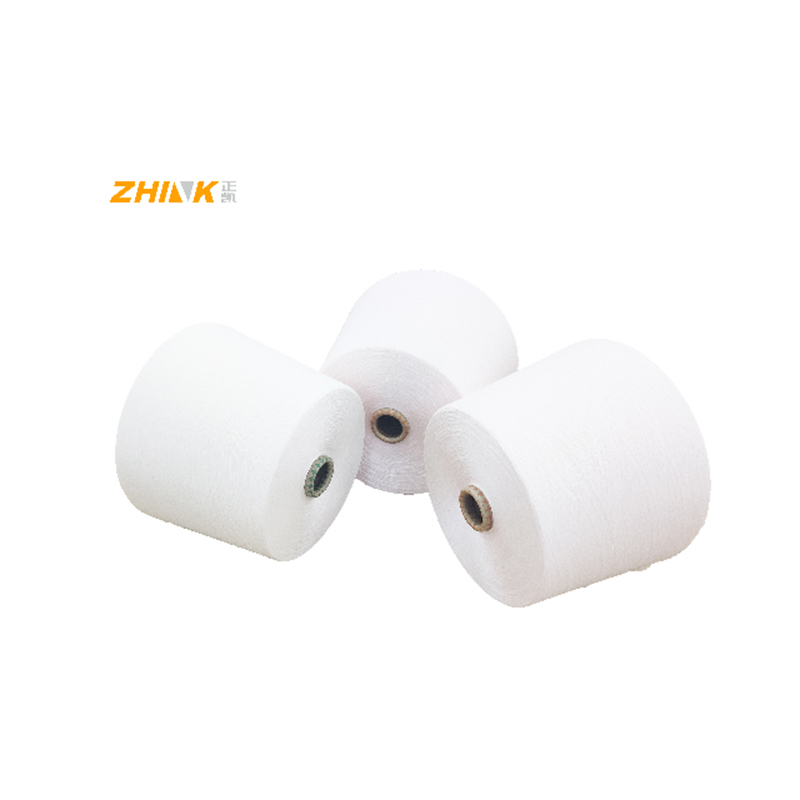
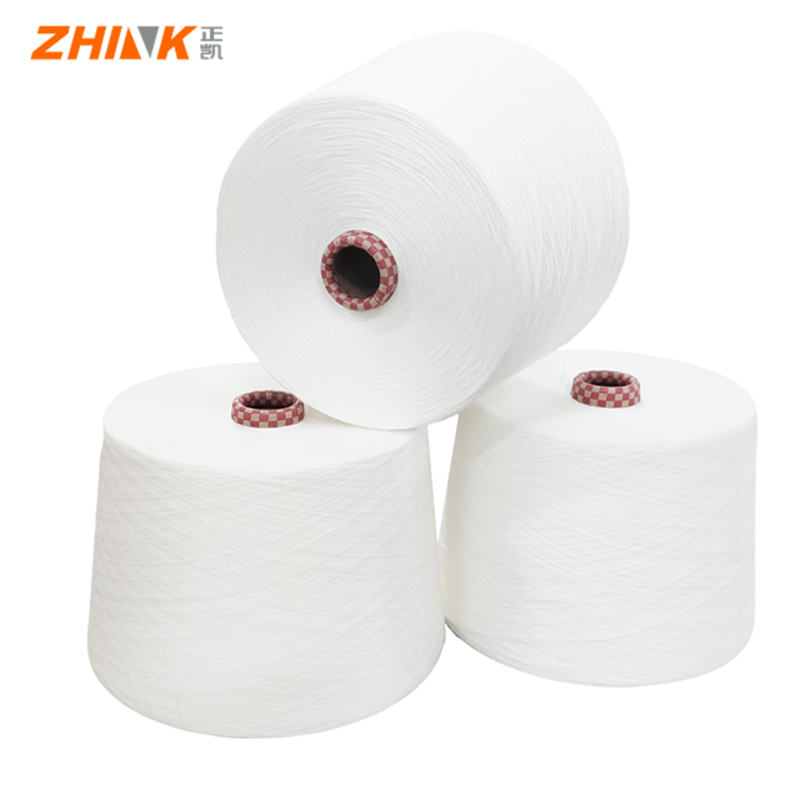
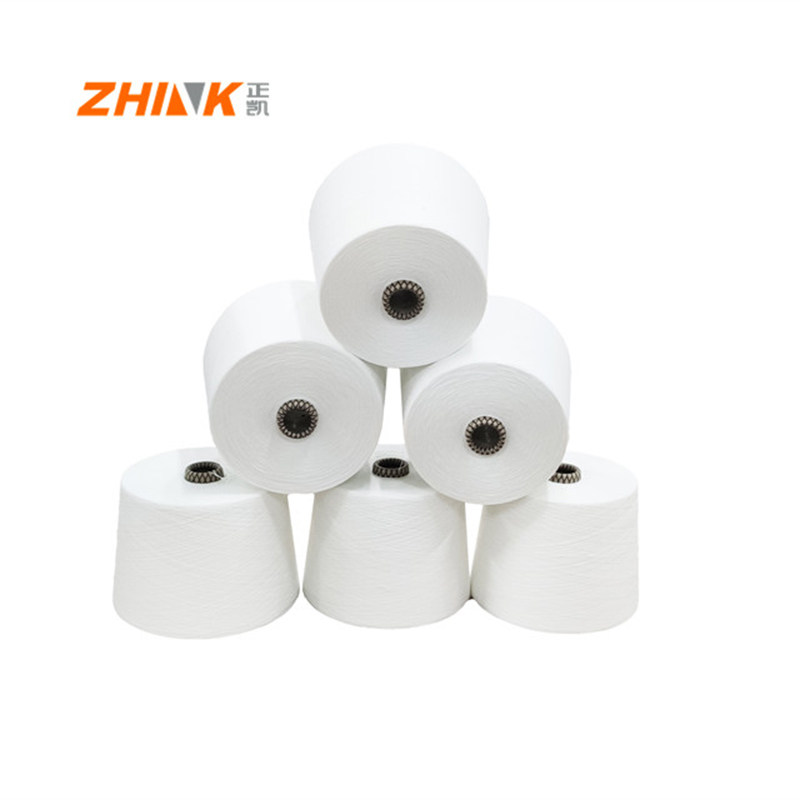
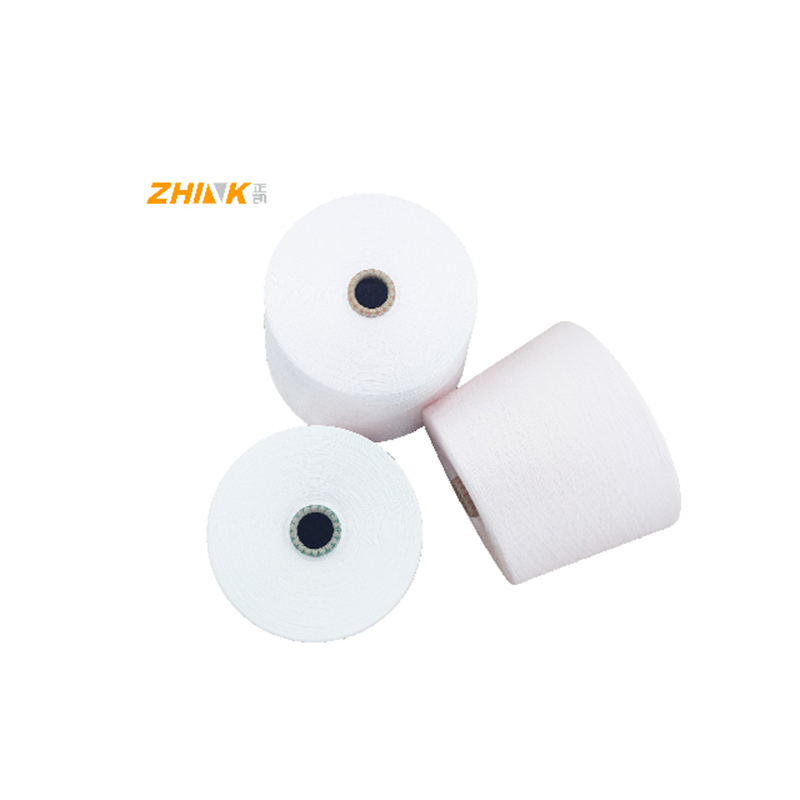
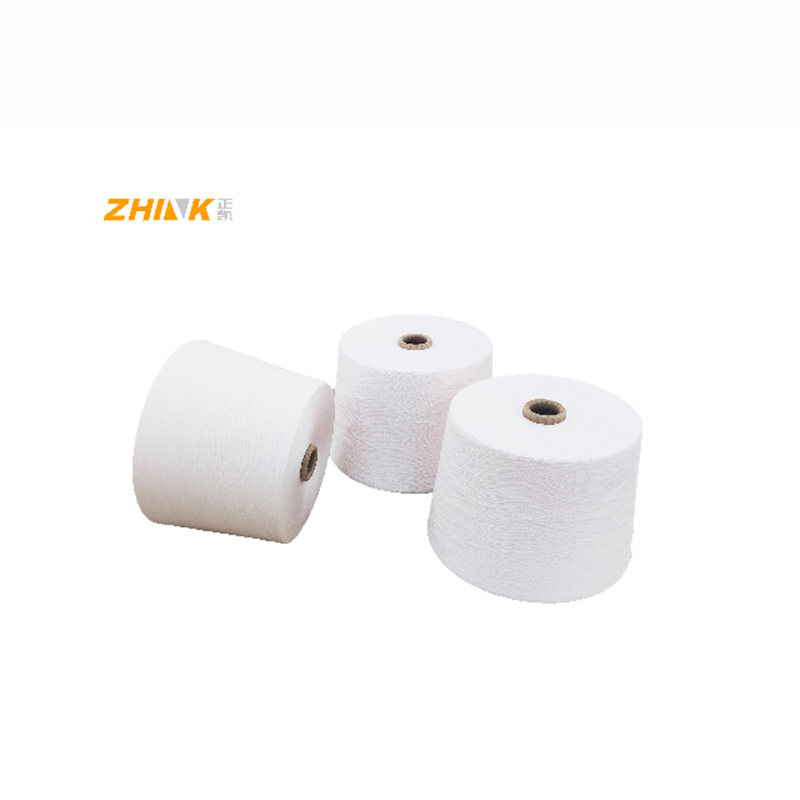
recycled polyester/wool 70/30 yarn 40S
Exploring Recycled Polyester/Wool 70/30 Yarn 40S
Recycled polyester/wool 70/30 yarn 40S is a topic that often raises eyebrows among those new to sustainable textiles. The blend promises sustainability without compromising quality, but what does it really mean in practice?
The Basics of Recycled Polyester/Wool 70/30 Yarn 40S
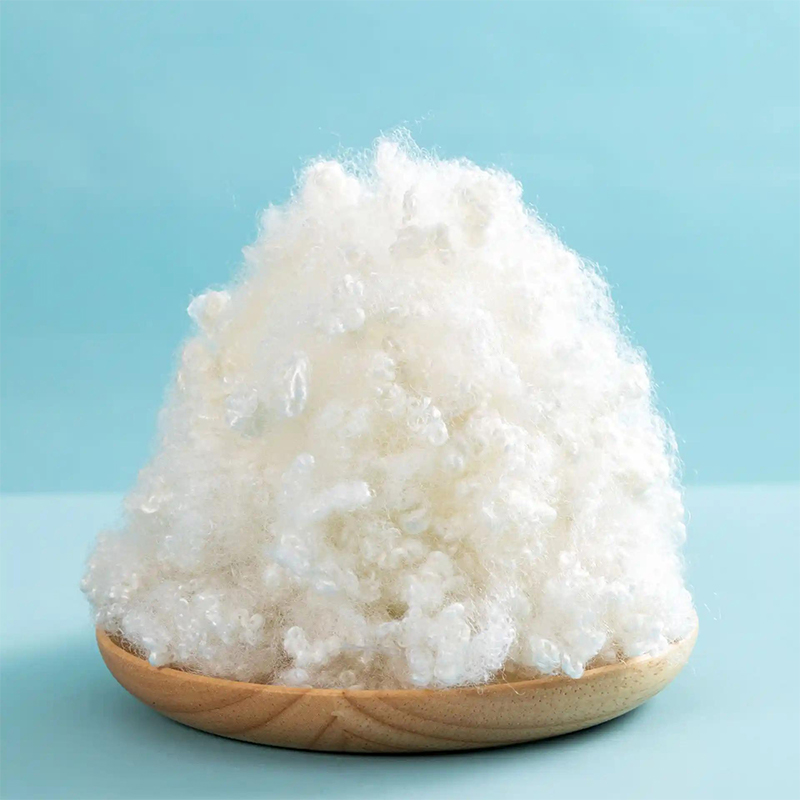
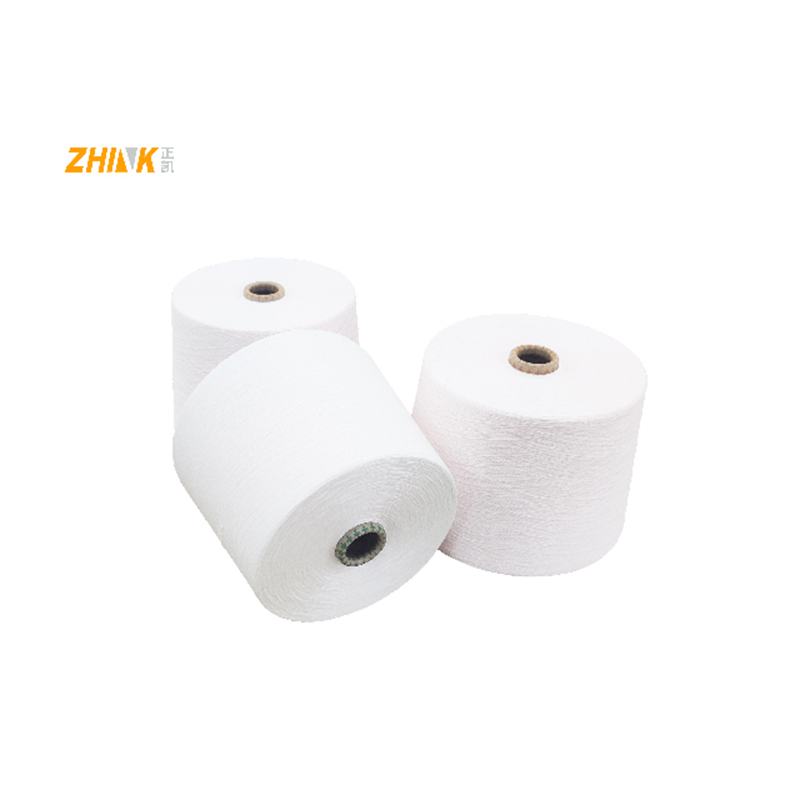
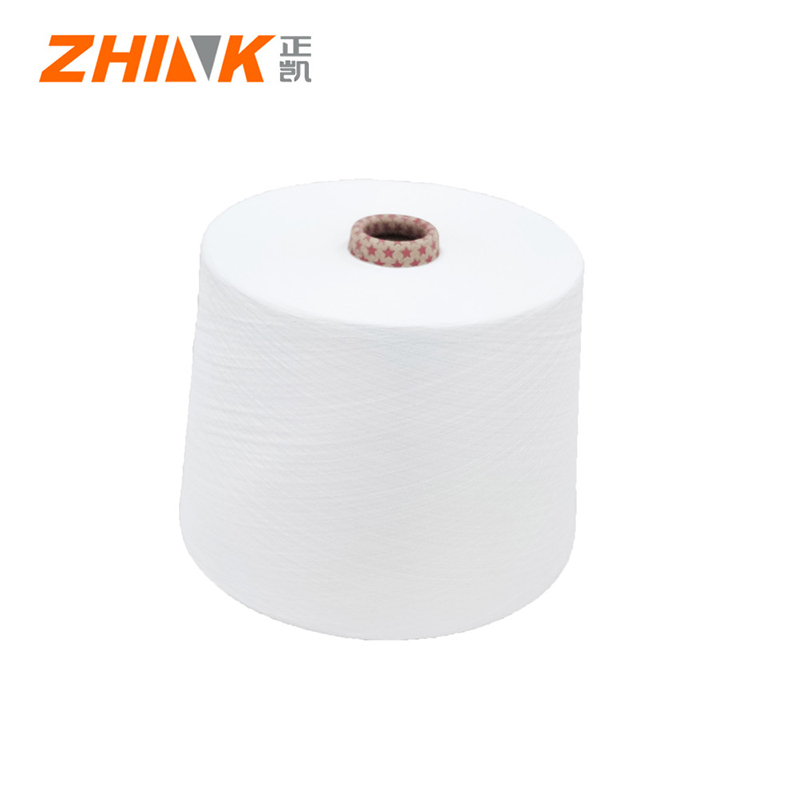
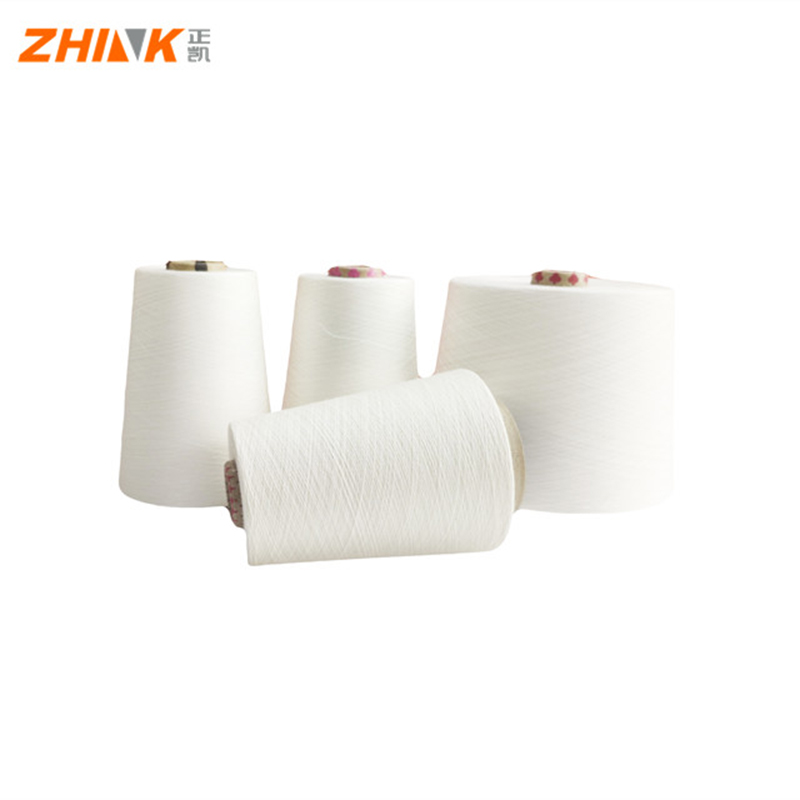
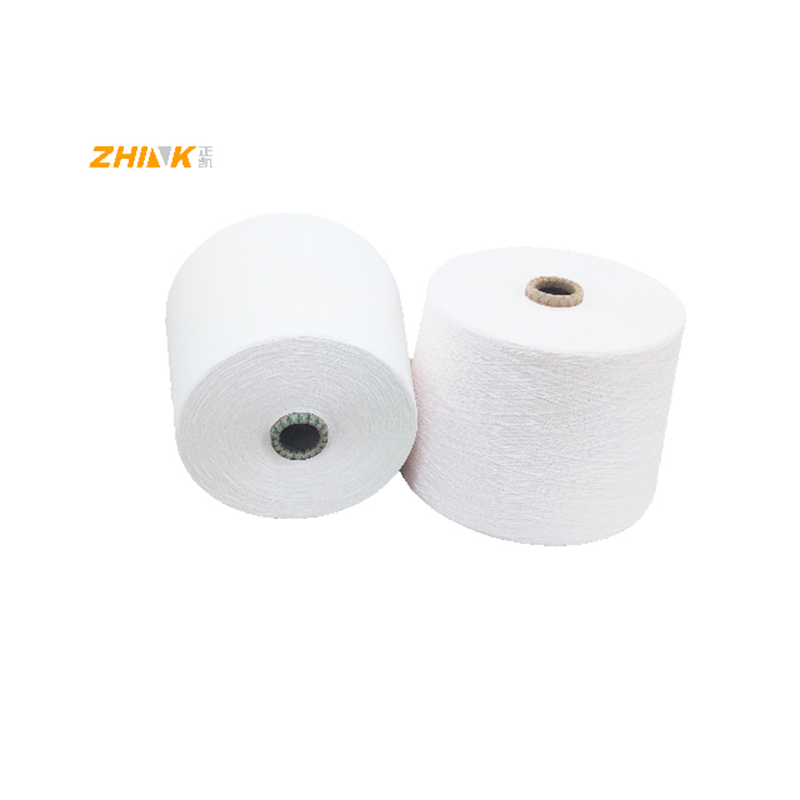
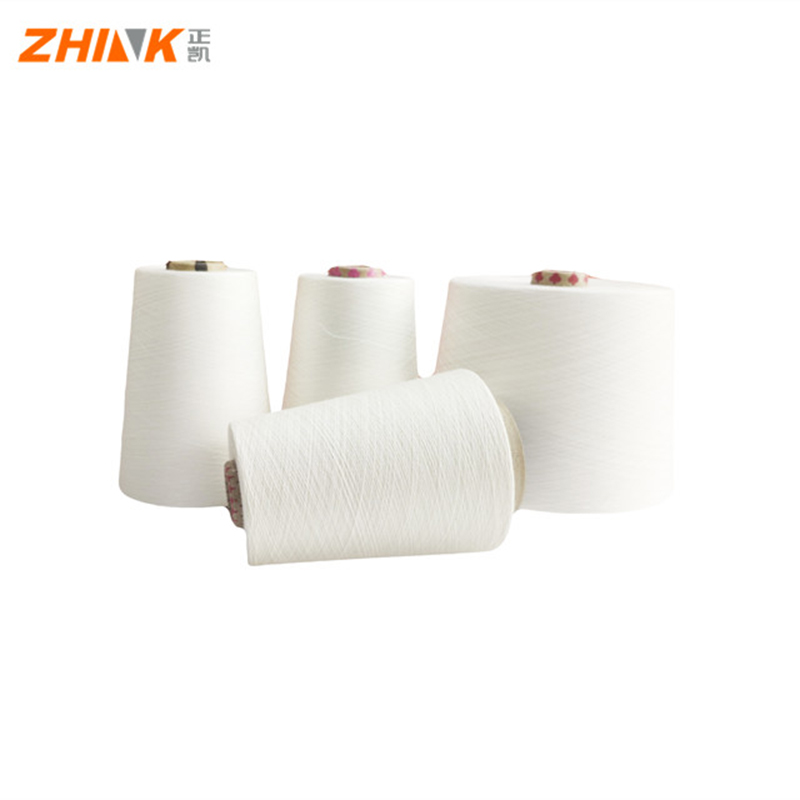
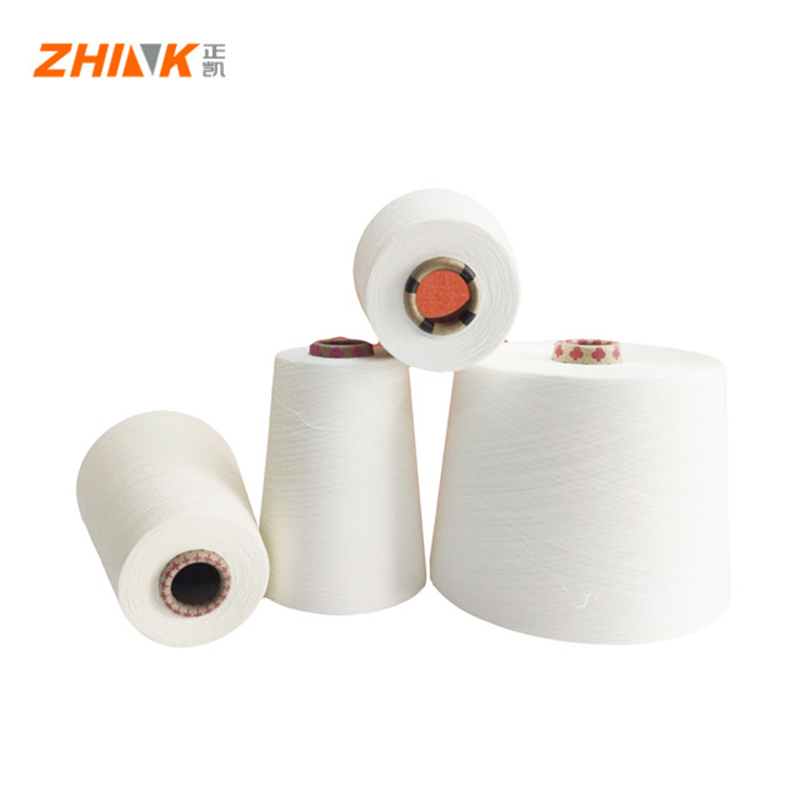
This specific yarn blend combines reclaimed fibers, largely from post-consumer waste, with natural wool. Recycled polyester, derived primarily from plastic bottles, is paired with wool in a 70/30 ratio. The 40S indicates a finer yarn, suitable for lightweight garments.
In practice, this means achieving a balance of durability from polyester and the natural breathability of wool. This is not a simple task. Historically, synthetic fibers and natural ones can be difficult to combine without losing some benefits of each. Yet, new developments have started to change this.
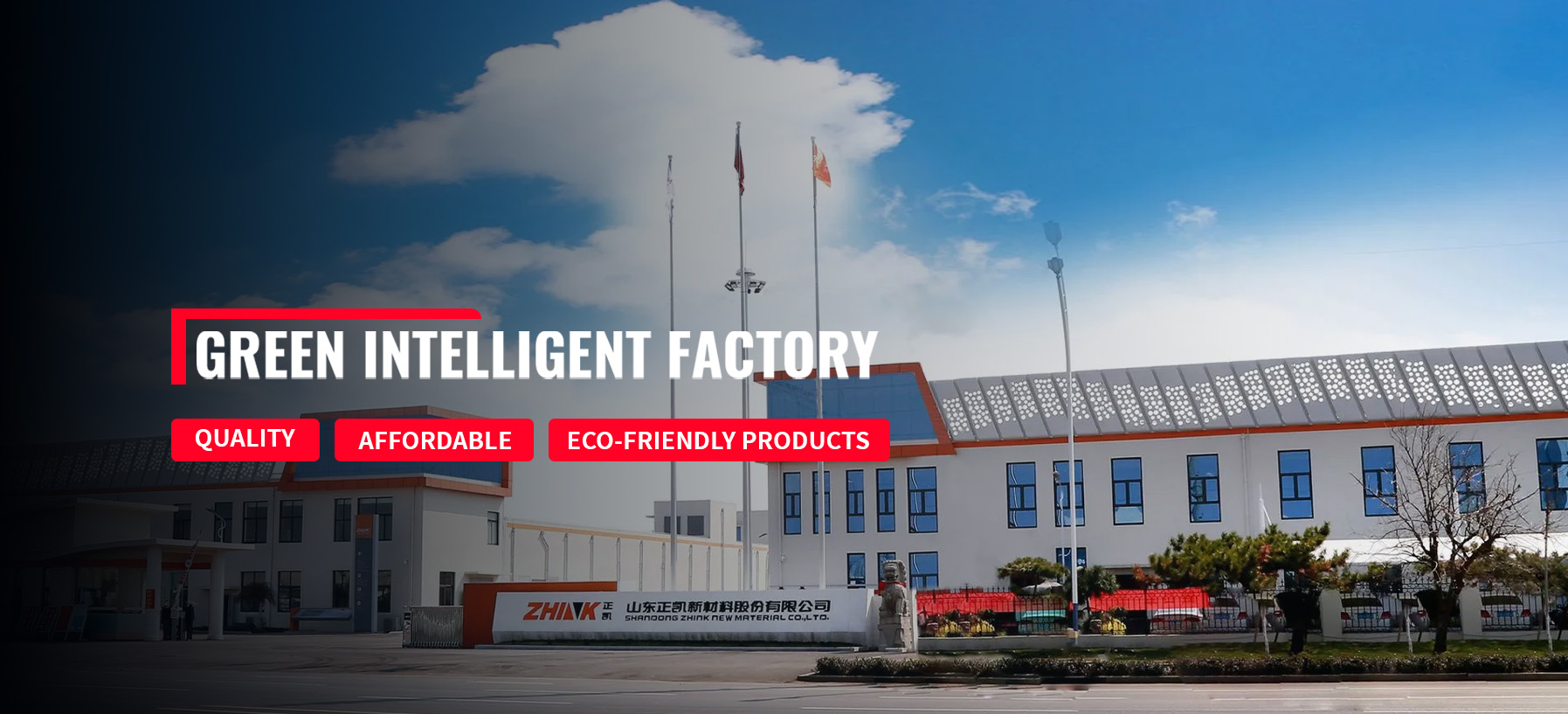
SHANDONG ZHINK NEW MATERIAL CO., LTD, found at https://www.zhinkyarn.com, is at the forefront of solving these challenges. Their innovative approaches in blending have pushed industry standards, making blends like the 70/30 not just viable but preferable in many cases.
Challenges and Solutions in Production
The production process of this yarn blend isn't without its complications. The first major hurdle is ensuring a consistent spin when two different fibers are combined. Each fiber has unique characteristics – wool can be fickle due to its natural irregularities.
One common issue is the cohesiveness of these two fibers. Finding the right techniques that allow these fibers to work together seamlessly is crucial. Companies like Zhink New Material have developed specific spinning techniques to address these issues, which they continually refine through R&D.
Practical trials during production often reveal unexpected results. Whether it's the yarn's resilience after repeated washes or its performance in varying climates, each factor brings about a learning curve. These trials are essential in refining the end product before it reaches consumers.
Environmental Impact and Industry Misconceptions
A common misconception is that recycled polyester lacks quality compared to virgin polyester. However, the advancements by companies like Zhink New Material in creating high-quality recycled products challenge this notion.
The environmental benefits of opting for a recycled polyester blend are significant. Reducing plastic waste and using recycled materials lessens the textile industry’s environmental footprint. This is a driving force behind SHANDONG ZHINK’s initiatives, as they aim to produce sustainable yet high-performance materials.
Despite advances, consumer perceptions can lag behind. Educating both retailers and end users about the advantages of these blends is critical. Over time, as these products prove their worth in terms of performance and sustainability, perceptions are likely to shift.
Practical Applications of Recycled Polyester/Wool 70/30 Yarn
The applications for this yarn blend are quite diverse. Given the 40S gauge, it's commonly used in lighter fabric productions. Think of items like scarves, lightweight sweaters, or even mixed-texture outerwear.
Designers appreciate the blend for its balance of thermal properties and lightness. Wool’s natural warmth and polyester’s moisture-wicking capability offer functional comfort – a combination hard to achieve traditionally.
Yet, success stories aren’t solely designer-originated. Small-scale producers have also found value in this blend, crafting niche products that appeal to eco-conscious consumers. From boutique brands to well-established labels, the appeal of 70/30 yarn is broadening.
Concluding Thoughts on Sustainability and Innovation
The journey of incorporating recycled polyester with natural wool illustrates broader sustainability trends in textiles. It shows how innovation, driven by companies like SHANDONG ZHINK NEW MATERIAL CO., LTD, can make significant contributions to reducing industry impact.
These blends are more than a technical achievement; they symbolize a shift in consumer values and a commitment to environmental stewardship. As these materials continue to evolve, they carry the potential to change how we perceive and interact with fashion.
In the end, the story of recycled polyester/wool 70/30 yarn 40S is one of innovation meeting necessity—a blend of past and future, woven together with each thread.
Related Products
Related Products