+86-632-3621866
- Chinese
- French
- German
- Portuguese
- Spanish
- Russian
- Japanese
- Korean
- Arabic
- Irish
- Greek
- Turkish
- Italian
- Danish
- Romanian
- Indonesian
- Czech
- Afrikaans
- Swedish
- Polish
- Basque
- Catalan
- Esperanto
- Hindi
- Lao
- Albanian
- Amharic
- Armenian
- Azerbaijani
- Belarusian
- Bengali
- Bosnian
- Bulgarian
- Cebuano
- Chichewa
- Corsican
- Croatian
- Dutch
- Estonian
- Filipino
- Finnish
- Frisian
- Galician
- Georgian
- Gujarati
- Haitian
- Hausa
- Hawaiian
- Hebrew
- Hmong
- Hungarian
- Icelandic
- Igbo
- Javanese
- Kannada
- Kazakh
- Khmer
- Kurdish
- Kyrgyz
- Latin
- Latvian
- Lithuanian
- Luxembou..
- Macedonian
- Malagasy
- Malay
- Malayalam
- Maltese
- Maori
- Marathi
- Mongolian
- Burmese
- Nepali
- Norwegian
- Pashto
- Persian
- Punjabi
- Serbian
- Sesotho
- Sinhala
- Slovak
- Slovenian
- Somali
- Samoan
- Scots Gaelic
- Shona
- Sindhi
- Sundanese
- Swahili
- Tajik
- Tamil
- Telugu
- Thai
- Ukrainian
- Urdu
- Uzbek
- Vietnamese
- Welsh
- Xhosa
- Yiddish
- Yoruba
- Zulu
- Kinyarwanda
- Tatar
- Oriya
- Turkmen
- Uyghur


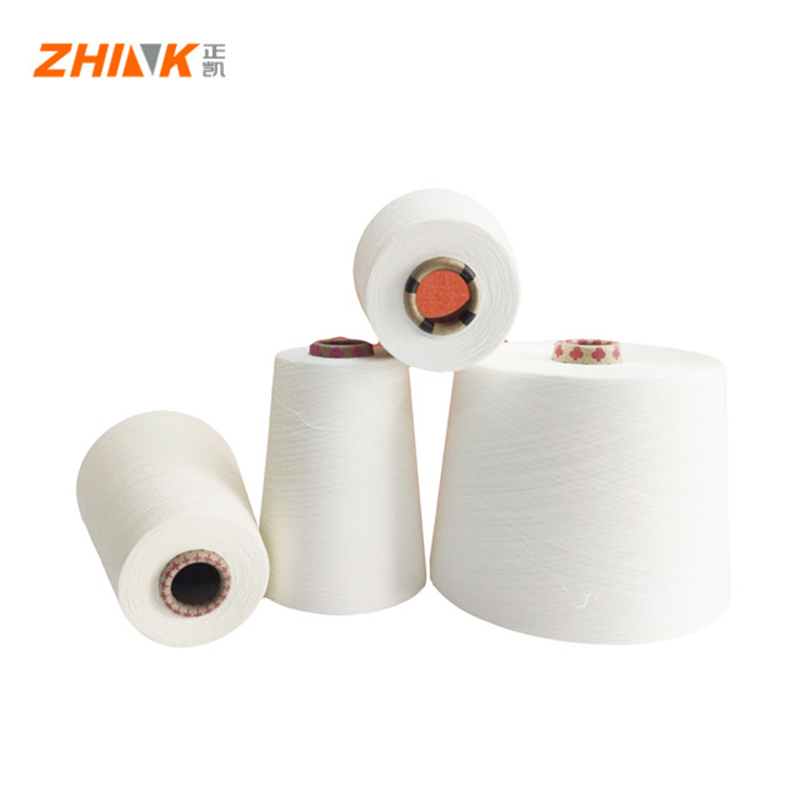
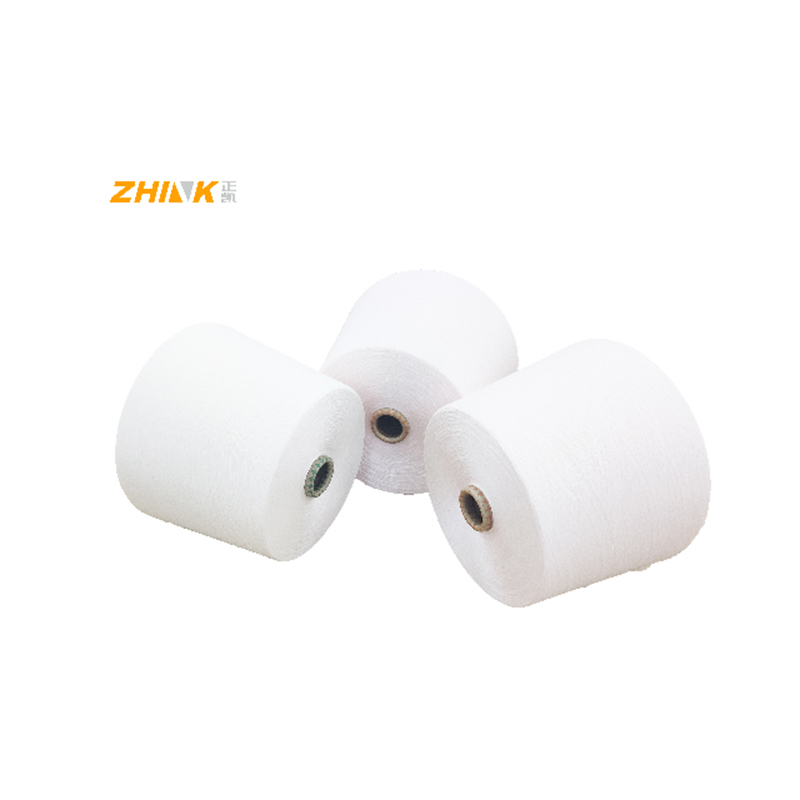
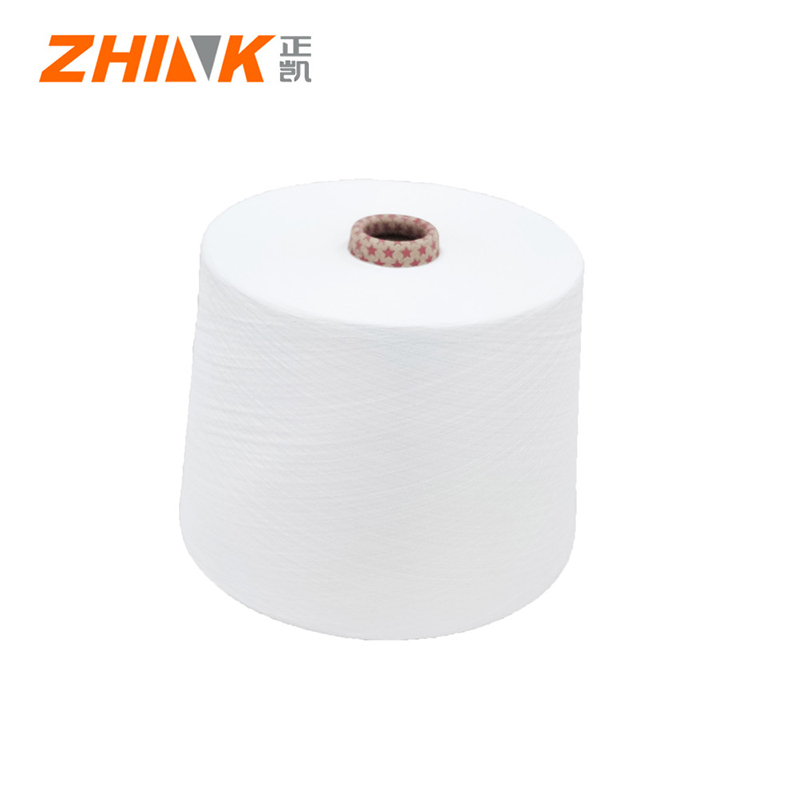
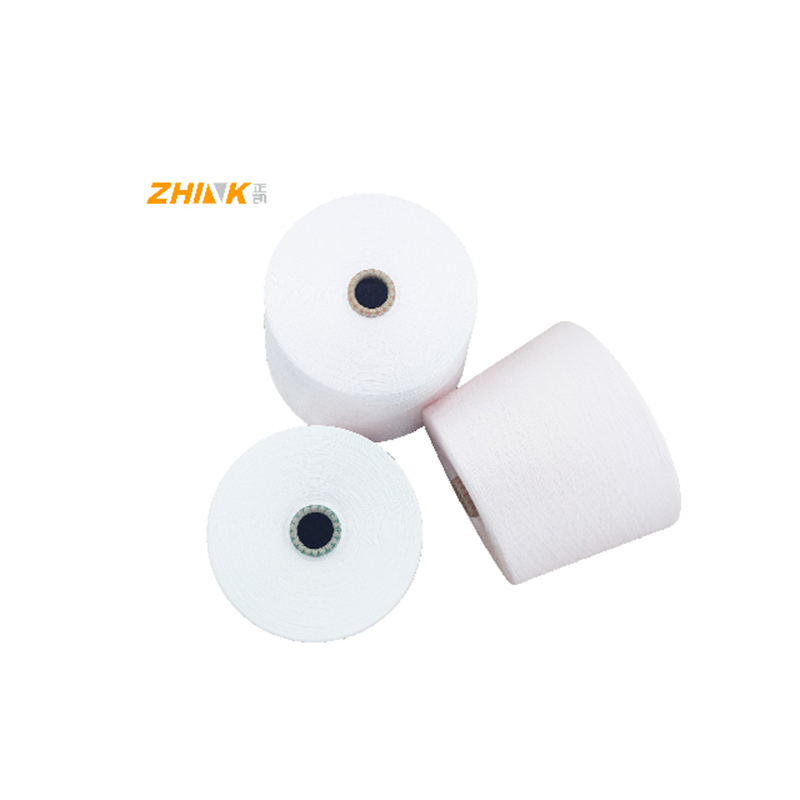
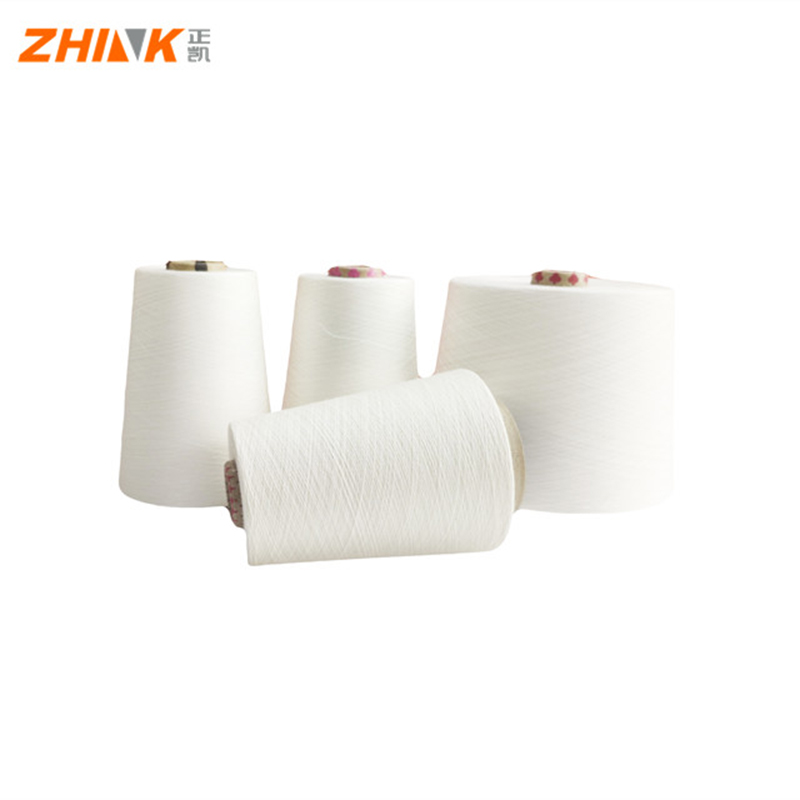
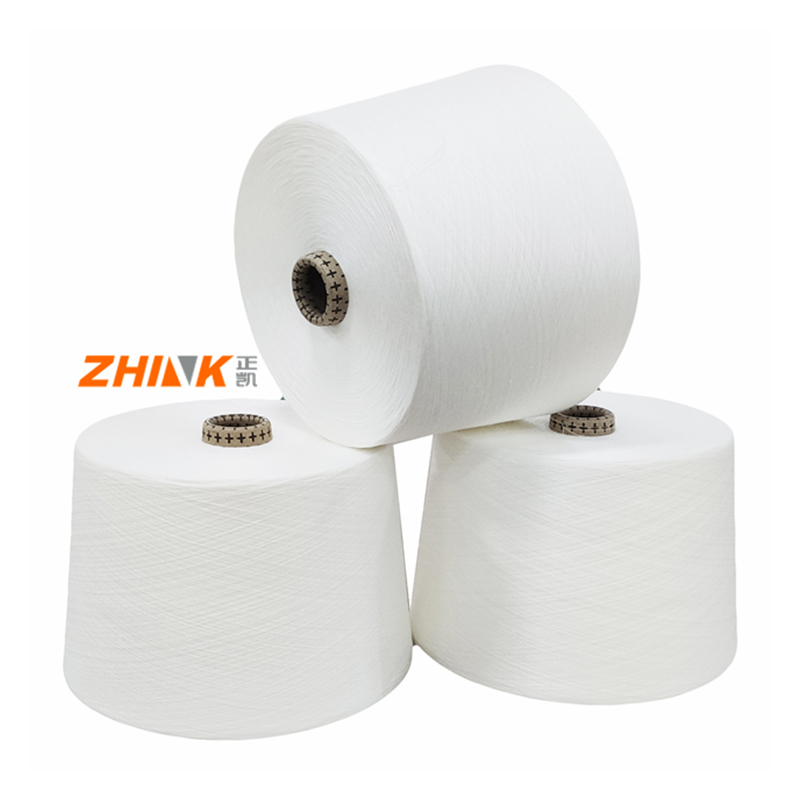
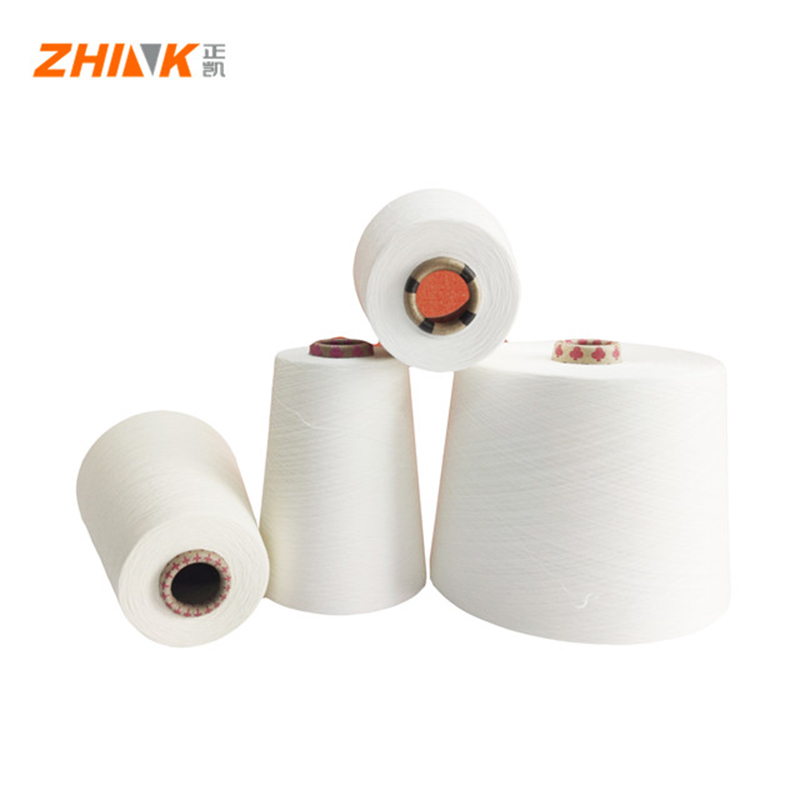
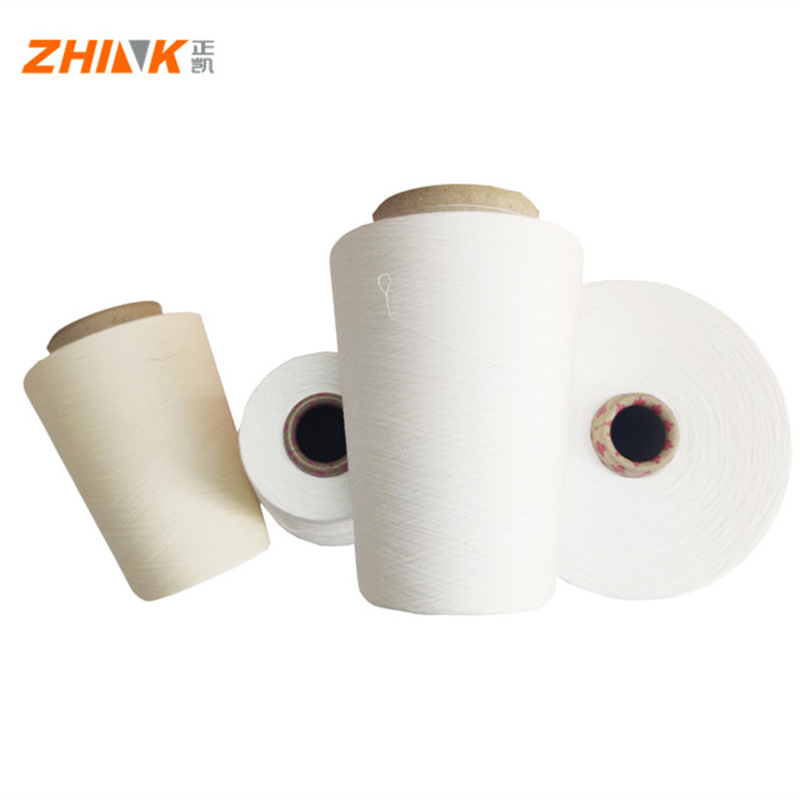
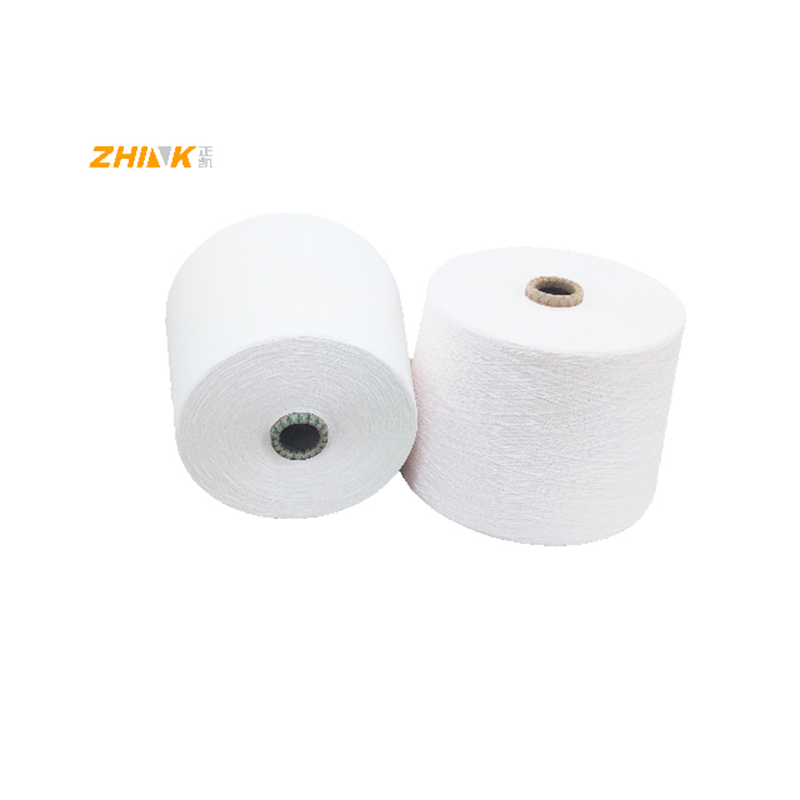
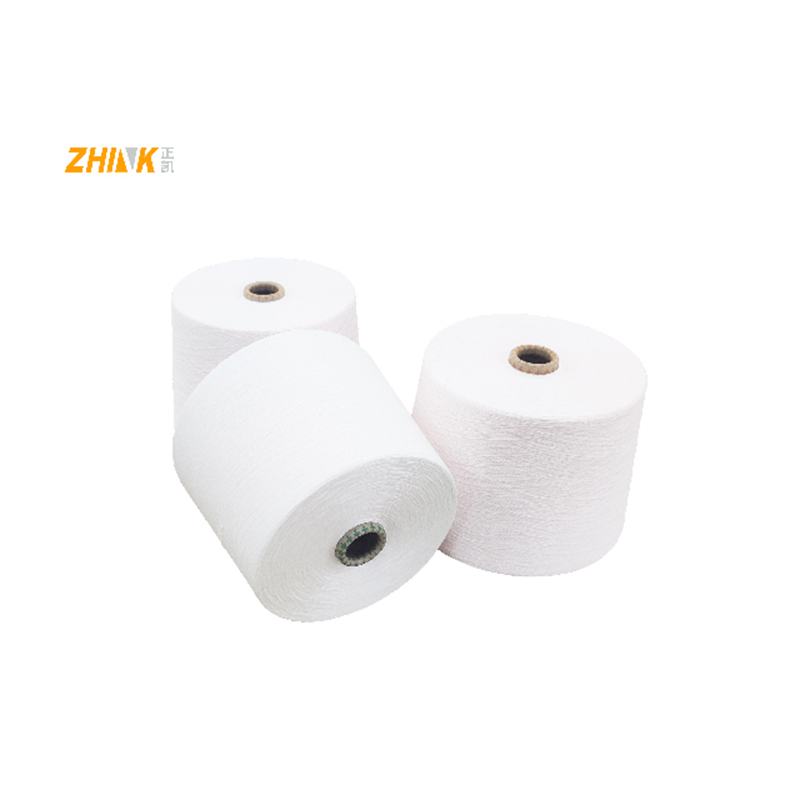
recycled polyester/wool 70/30 yarn siro compact
The Versatility and Challenges of Recycled Polyester/Wool 70/30 Yarn Siro Compact
Exploring the synergy of sustainability and performance, the integration of recycled polyester with wool in a siro compact yarn form presents intriguing possibilities. But what's the ground reality? Let's delve into the nuanced world behind this promising textile innovation.
Understanding Recycled Polyester/Wool Blends
When I first encountered the term recycled polyester/wool 70/30 yarn siro compact, it seemed like a mouthful. Yet, beneath the technical jargon lies a fascinating blend that aligns with sustainability goals while attempting to retain the natural qualities of wool. The 70/30 composition optimizes the balance between durability and warmth, a synergy further enhanced by the siro spinning technique, which helps reduce pilling.
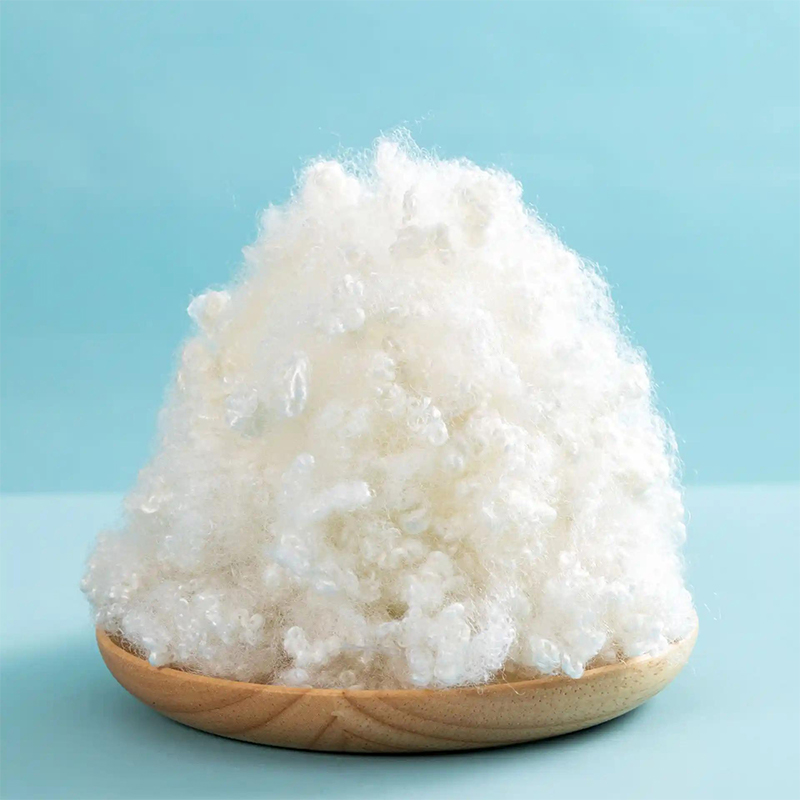
The choice of these materials isn't arbitrary. Wool offers unparalleled insulation and moisture-wicking properties, while recycled polyester bolsters strength and longevity. The recycled component assures eco-conscious consumers, pointing towards a reduced environmental footprint. That sounded great on paper, but the real test is in production and application.
Working in textile R&D has taught me that such blends, especially involving recycled materials, often demand precise control over processing conditions. The recycling process can influence fiber strength, affecting the yarn's final qualities. Each batch can vary, necessitating careful oversight and understanding of the end-use requirements.
The Intricacies of Siro Compact Spinning
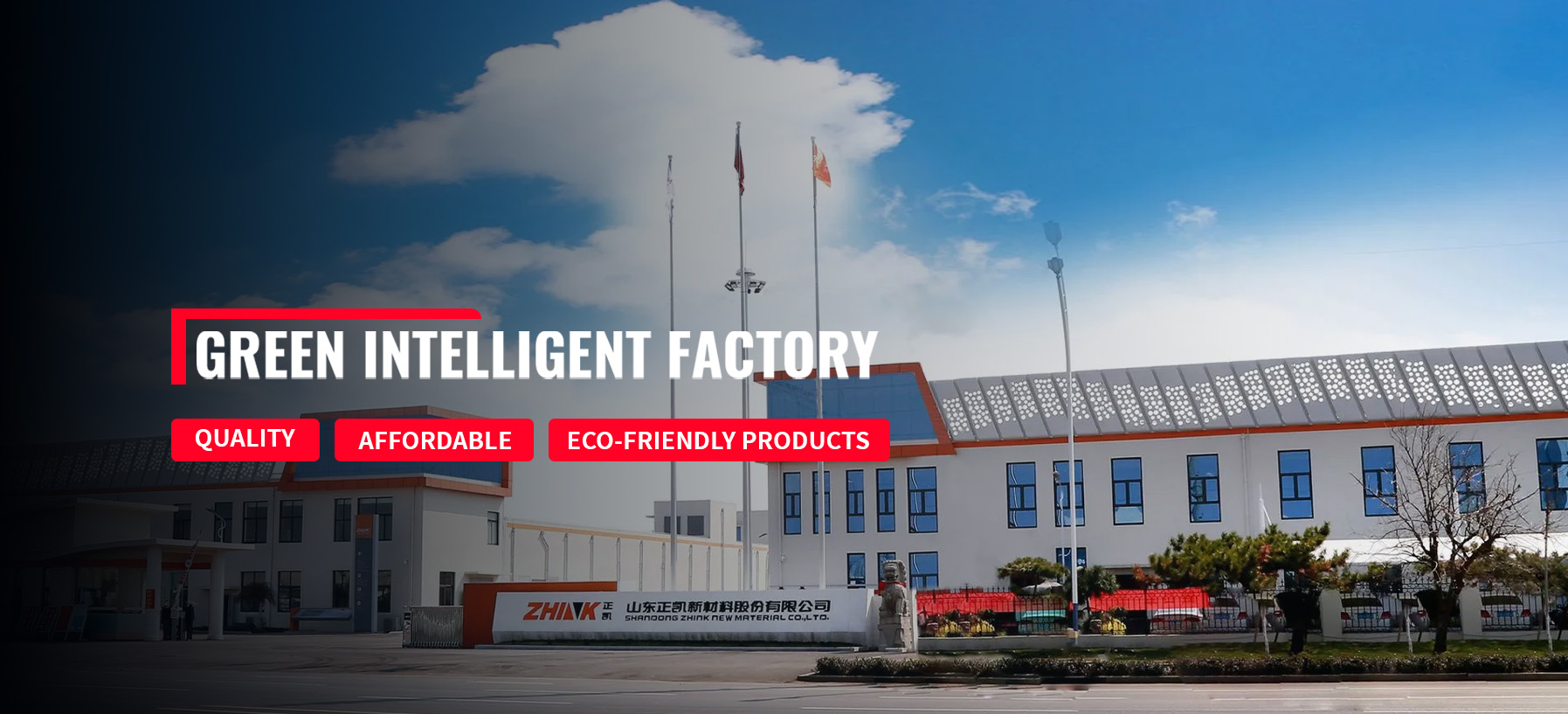
Siro compact spinning — an evolution in yarn production technology — enhances the properties of blended yarns. The process minimizes hairiness and improves uniformity. For manufacturers like SHANDONG ZHINK NEW MATERIAL CO., LTD, which excel in innovative textiles (as seen on their website), adopting this method was a strategic decision.
The results can be impressive; smoother, stronger yarns that knit more cleanly and wear longer. But not every experiment is successful. I recall a batch where the wool component was improperly processed, leading to a brittle texture in the final product. We quickly learned that quality control supports sustainable outcomes thoroughly.
Flexibility is crucial in spinning technology. Adapting siro compact techniques can optimize different ratios or fiber consistencies, essential for maintaining the integrity and versatility of recycled polyester/wool blends.
Application Challenges and Market Perception
In theory, a 70/30 yarn blend is a dream for sustainability advocates and performance textile aficionados alike. However, translating these hybrid qualities into desirable consumer products comes with its hurdles. For instance, the inherent elasticity of polyester can interfere with traditional weaving techniques meant for wool-heavy textures.
Aligning product specifications with consumer expectations often requires bridging gaps between traditional artisans and novel material engineers. Feedback loops are essential. The team at Zhink New Material invests heavily in consumer trials to ensure their innovations align with market demands, a model I find refreshing.
Cost remains a significant consideration. While recycled fibers reduce waste, their collection and processing increase production expenses, challenging traditional pricing strategies. Without consumer education, misconceptions about the value-added through eco-friendly practices persist.
Real-World Impacts: Beyond Conceptual Benefits
One of my most eye-opening projects was a collaboration with a small apparel brand eager to showcase sustainable fashion. Designing garments from our siro compact yarn brought practical insights. We noticed end-users appreciated the touch and warmth of wool but were initially skeptical of 'recycled polyester' due to perceived quality concerns.
The brand adopted an educational approach, promoting the yarn's benefits and engaging with customers through social media and workshops. Over time, consumer reception warmed, illustrating the power of engagement in demystifying technical narratives around sustainability.
Ultimately, successful integration of such innovative materials depends on more than technical prowess — it requires a cultural shift towards valuing and understanding eco-friendly textiles. As professionals, it’s our responsibility to guide this journey with transparency and reliability.
Looking Forward with Siro Compact Technology
The future of recycled polyester and wool blends, particularly in high-performance formats like siro compact, is promising but not without its tests. The demand for sustainable, high-quality textiles is undeniable, as seen in companies like Zhink (check them out) that push boundaries daily.
Continuous innovation, rigorous testing, and, importantly, market education are pivotal. These are not just my views; they reflect industry-wide acknowledgment that bridging technical and ecological perspectives offers genuine market differentiation.
As we push boundaries, our industry's ability to adapt alongside technology and consumer consciousness will define the textiles of tomorrow. Each step forward, no matter how minor, moves us closer to blending the aesthetics of traditional fibers with the imperatives of modern sustainability.
Related Products
Related Products