+86-632-3621866
- Chinese
- French
- German
- Portuguese
- Spanish
- Russian
- Japanese
- Korean
- Arabic
- Irish
- Greek
- Turkish
- Italian
- Danish
- Romanian
- Indonesian
- Czech
- Afrikaans
- Swedish
- Polish
- Basque
- Catalan
- Esperanto
- Hindi
- Lao
- Albanian
- Amharic
- Armenian
- Azerbaijani
- Belarusian
- Bengali
- Bosnian
- Bulgarian
- Cebuano
- Chichewa
- Corsican
- Croatian
- Dutch
- Estonian
- Filipino
- Finnish
- Frisian
- Galician
- Georgian
- Gujarati
- Haitian
- Hausa
- Hawaiian
- Hebrew
- Hmong
- Hungarian
- Icelandic
- Igbo
- Javanese
- Kannada
- Kazakh
- Khmer
- Kurdish
- Kyrgyz
- Latin
- Latvian
- Lithuanian
- Luxembou..
- Macedonian
- Malagasy
- Malay
- Malayalam
- Maltese
- Maori
- Marathi
- Mongolian
- Burmese
- Nepali
- Norwegian
- Pashto
- Persian
- Punjabi
- Serbian
- Sesotho
- Sinhala
- Slovak
- Slovenian
- Somali
- Samoan
- Scots Gaelic
- Shona
- Sindhi
- Sundanese
- Swahili
- Tajik
- Tamil
- Telugu
- Thai
- Ukrainian
- Urdu
- Uzbek
- Vietnamese
- Welsh
- Xhosa
- Yiddish
- Yoruba
- Zulu
- Kinyarwanda
- Tatar
- Oriya
- Turkmen
- Uyghur



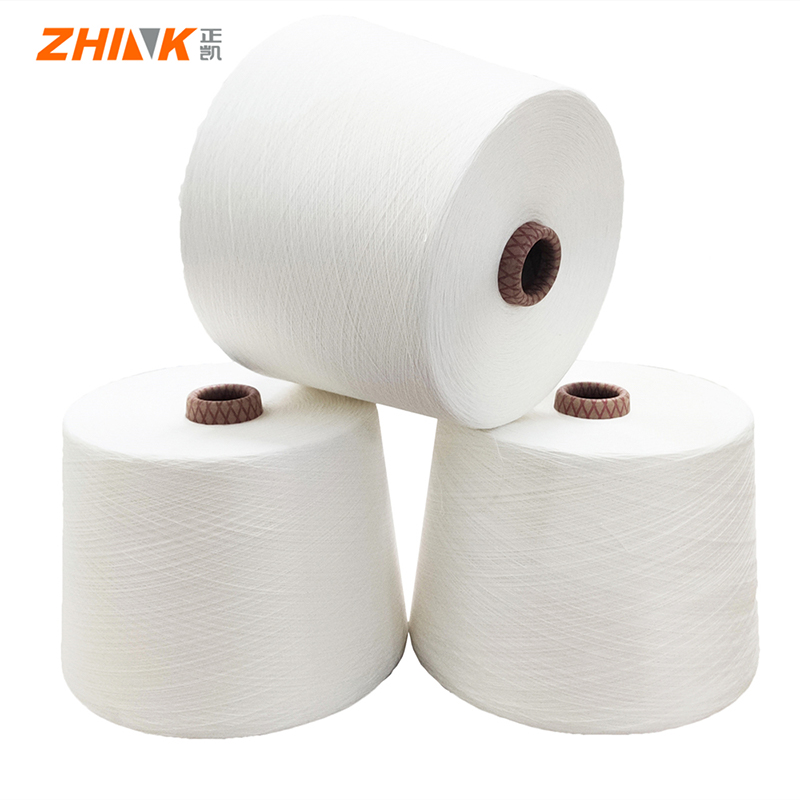
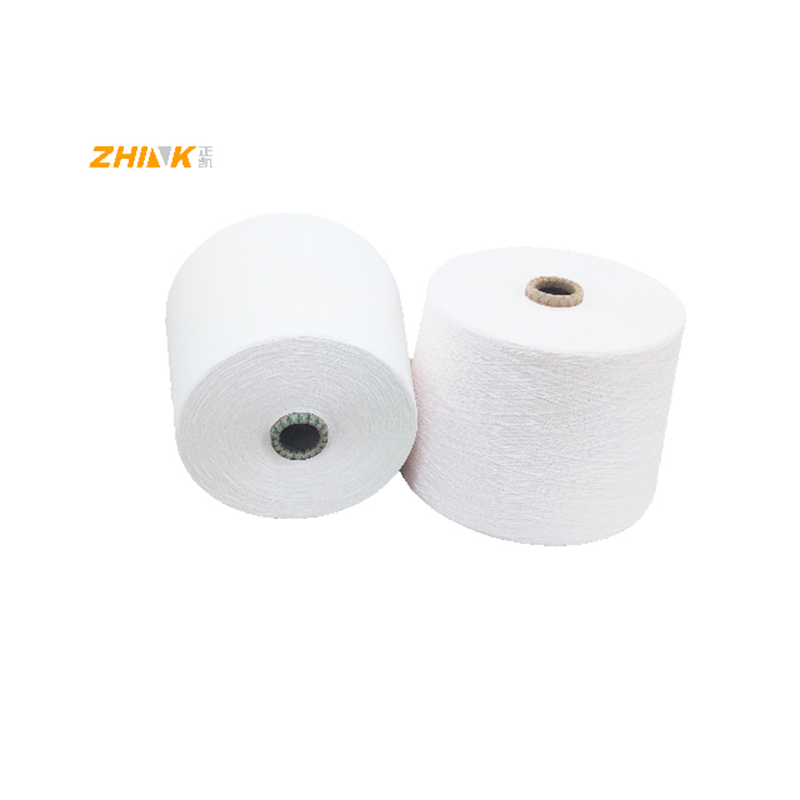
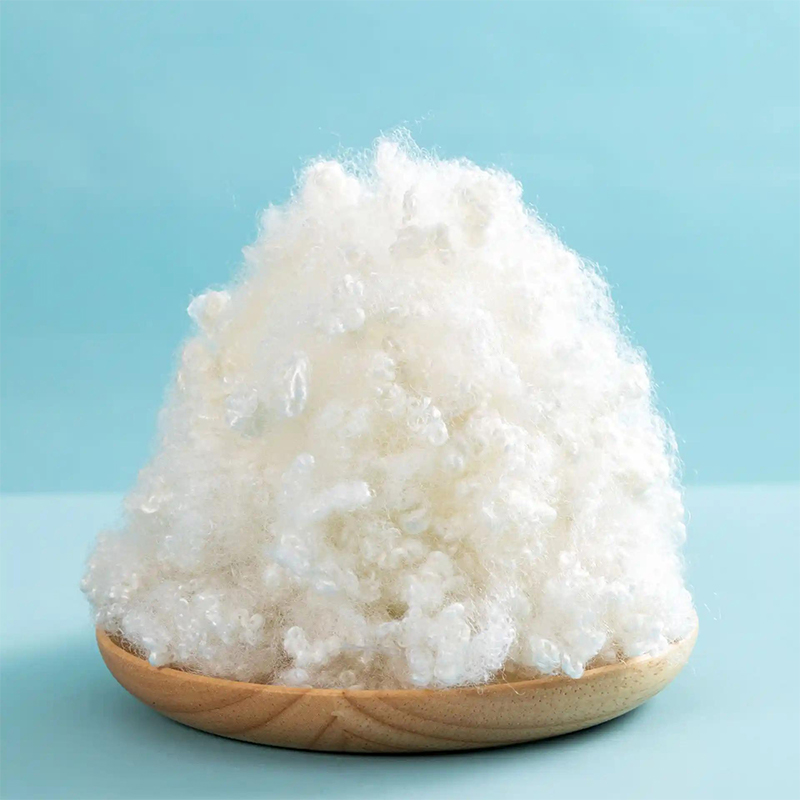
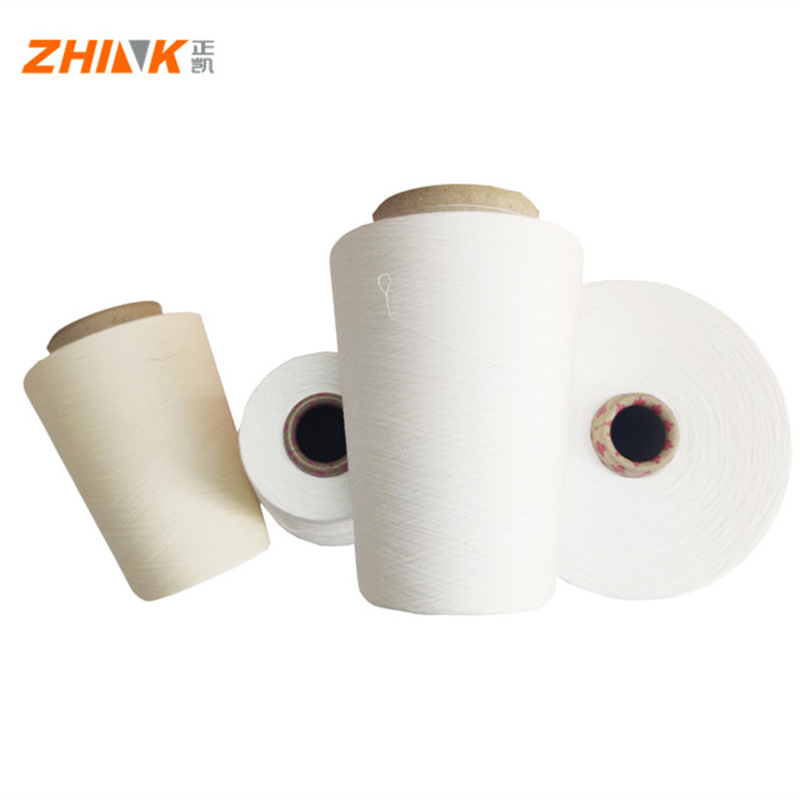
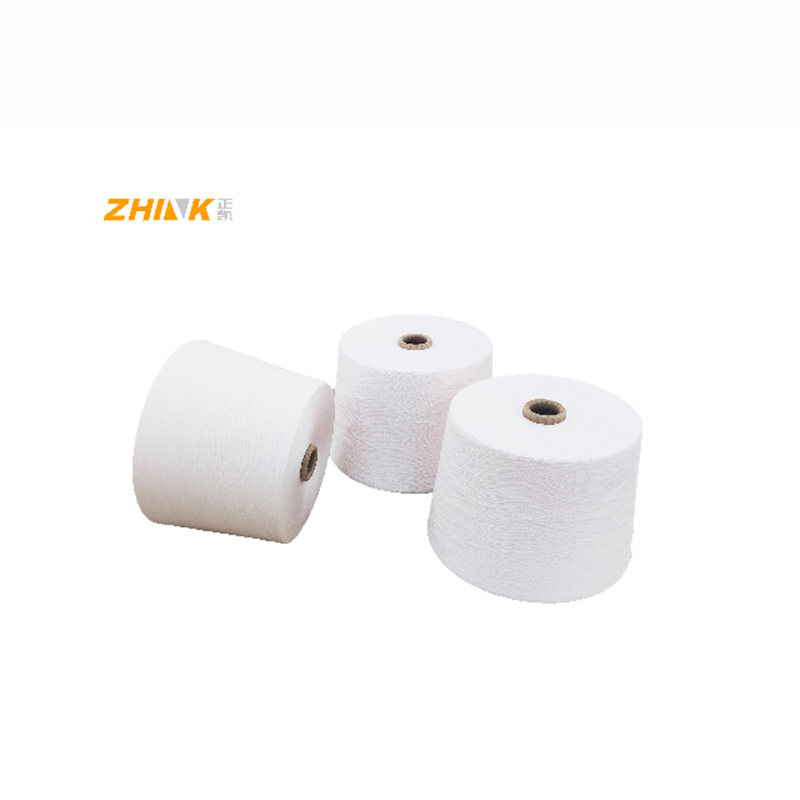
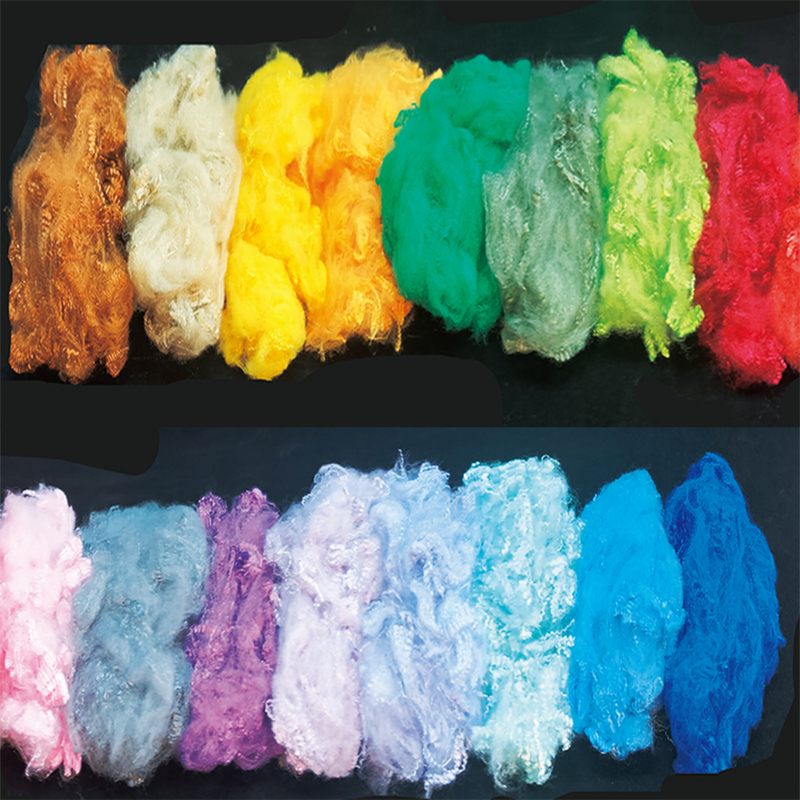
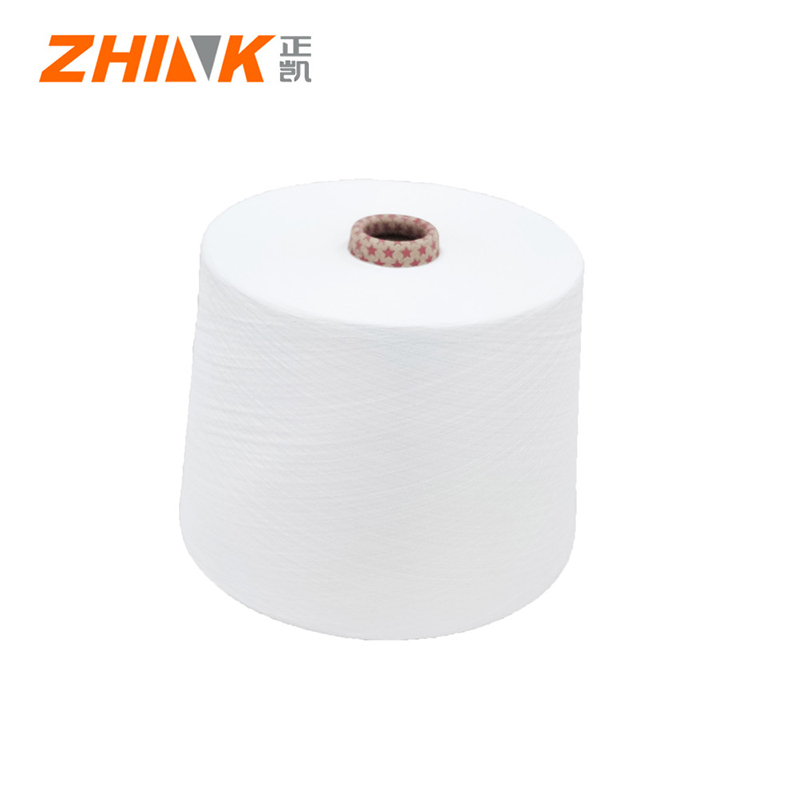
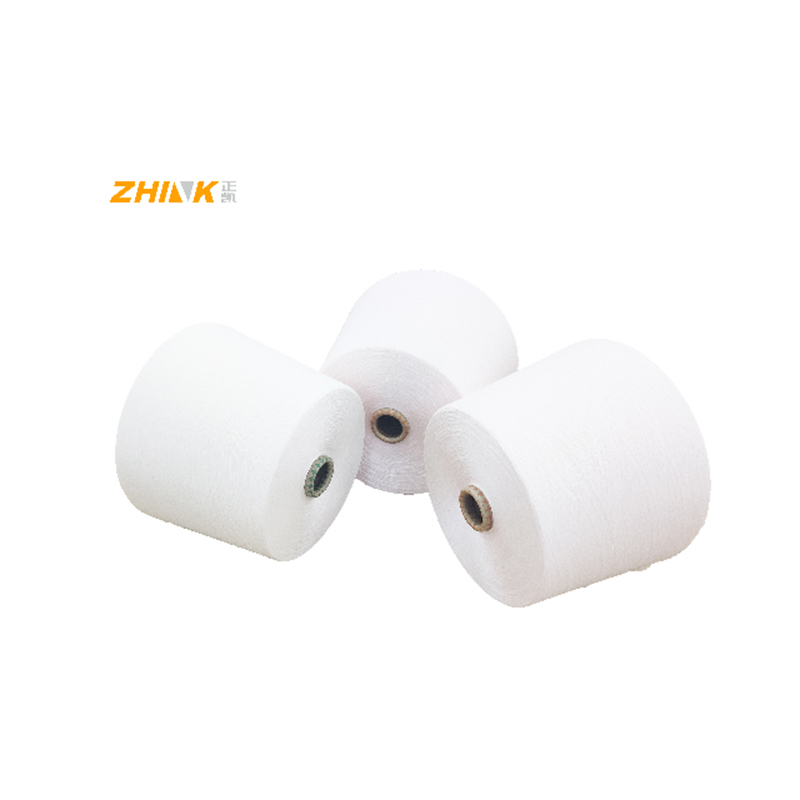
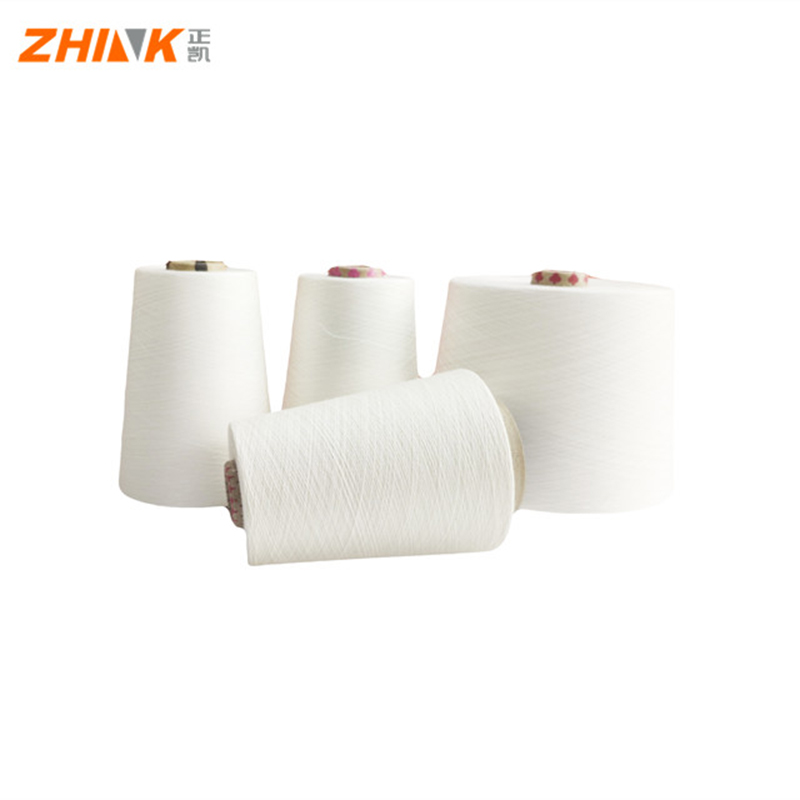
recycled polyester/wool blended yarn
The Intricacies of Recycled Polyester/Wool Blended Yarn
Understanding the nuanced dynamics of recycled polyester/wool blended yarn can sometimes feel like unraveling a complex tapestry. It often challenges industry insiders who think they have it pegged. However, as with many things in textiles, the devil is in the details, and what appears straightforward on the surface can become quite intricate on closer inspection.
The Basics of the Blend
At its core, the blend of recycled polyester and wool combines the sustainability and durability of polyester with the warmth and moisture-wicking capabilities of wool. There’s something fascinating about this duality; both materials have distinctly different origins yet come together to create something greater than the sum of their parts.
In my experience, the key to unlocking the potential of such a blend lies in understanding the percentages involved. Too much polyester, and you might sacrifice some of the natural softness wool offers. Conversely, an overly wool-heavy blend could lead to durability issues, given wool’s properties.
One common pitfall is assuming that any blend will automatically work well. Instead, each application—from fashion to upholstery—demands tweaks. A jacket might hold up with a 70/30 split favoring wool, but a knitted scarf could lean the other way. Customization, as I’ve personally seen, is not just advisable; it’s essential.
Challenges in Production
While working with SHANDONG ZHINK NEW MATERIAL CO., LTD, a leader in innovative textiles and creators of this blend, I’ve observed firsthand the trials of ensuring quality control. Their comprehensive overview can be found in more detail on their website: www.zhinkyarn.com. The process involves consistently verifying that the recycled polyester maintains its integrity throughout numerous washings while still marrying seamlessly with the wool fibers.
Maintaining an eco-friendly profile without compromising on the yarn’s strength presents another layer of complexity. This often involves a delicate balance of sourcing materials and employing production methods that minimize waste—a testament to Zhink New Material’s commitment to sustainability.
During a visit to one of their facilities, I noticed how tightly they control their processes to limit inconsistencies, leveraging technology that catches minute flaws invisible to the naked eye. This precision ensures that the end product meets rigorous standards.
Market Applications and Trends
The application of this recycled polyester/wool blended yarn is broad and continues to grow. We’re seeing a surge in its use beyond traditional apparel. Thanks to company efforts like those at Zhink, some sustainable fashion brands are incorporating it into everything from outerwear to everyday garments.
There’s a growing recognition of its utility in home textiles, too. Wool’s insulating properties are ideal for blankets, while polyester offers a sturdiness that stands up to daily use. I’ve observed clients leveraging these properties to offer products that are not only eco-friendly but highly functional.
Moreover, brands are tapping into the narrative of sustainability. Consumers today value products with a story, and nothing speaks to the environmental narrative better than recycled materials. The trick, of course, is maintaining authenticity—not merely greenwashing.
Practical Considerations for Designers
For those in design, getting hands-on with the yarn can be an enlightening experience. During my projects, I often experiment by creating test swatches. It’s here that the blend’s real potential becomes apparent—how does it drape, how does it react under tension, and what textures can it achieve?
Often, a simple stitch change can alter the entire aesthetic and functionality of a piece. This experimentation phase is crucial, allowing one to push the boundaries and explore the unique attributes this blend offers.
A word to the wise: always factor in end-use during these trials. What works beautifully in a swatch might become problematic in larger applications. It’s a lesson I’ve learned through both successes and, yes, setbacks.
The Environmental Edge
We can’t discuss this product without acknowledging its environmental backbone. The shift towards recycled materials, like those championed by Zhink, speaks volumes in an industry seeking sustainable solutions.
Utilizing recycled polyester reduces the reliance on virgin resources. However, the road to sustainability is about more than just materials. It’s about mindful production, distribution, and even end-of-life considerations—areas where Zhink excels and continues to innovate.
Ultimately, if we’re to weave a fabric of change, engaging fully with products like the recycled polyester/wool blend is essential. They offer a plausible way forward, marrying the intricate complexities of textile technology with an ever-pressing need for environmental mindfulness.
Related Products
Related Products