+86-632-3621866
- Chinese
- French
- German
- Portuguese
- Spanish
- Russian
- Japanese
- Korean
- Arabic
- Irish
- Greek
- Turkish
- Italian
- Danish
- Romanian
- Indonesian
- Czech
- Afrikaans
- Swedish
- Polish
- Basque
- Catalan
- Esperanto
- Hindi
- Lao
- Albanian
- Amharic
- Armenian
- Azerbaijani
- Belarusian
- Bengali
- Bosnian
- Bulgarian
- Cebuano
- Chichewa
- Corsican
- Croatian
- Dutch
- Estonian
- Filipino
- Finnish
- Frisian
- Galician
- Georgian
- Gujarati
- Haitian
- Hausa
- Hawaiian
- Hebrew
- Hmong
- Hungarian
- Icelandic
- Igbo
- Javanese
- Kannada
- Kazakh
- Khmer
- Kurdish
- Kyrgyz
- Latin
- Latvian
- Lithuanian
- Luxembou..
- Macedonian
- Malagasy
- Malay
- Malayalam
- Maltese
- Maori
- Marathi
- Mongolian
- Burmese
- Nepali
- Norwegian
- Pashto
- Persian
- Punjabi
- Serbian
- Sesotho
- Sinhala
- Slovak
- Slovenian
- Somali
- Samoan
- Scots Gaelic
- Shona
- Sindhi
- Sundanese
- Swahili
- Tajik
- Tamil
- Telugu
- Thai
- Ukrainian
- Urdu
- Uzbek
- Vietnamese
- Welsh
- Xhosa
- Yiddish
- Yoruba
- Zulu
- Kinyarwanda
- Tatar
- Oriya
- Turkmen
- Uyghur



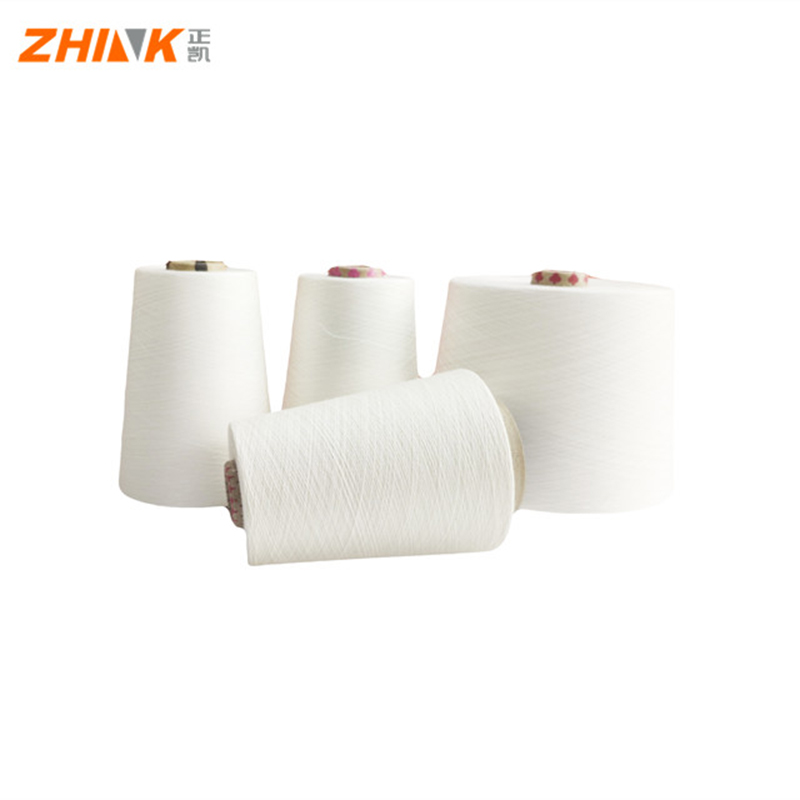
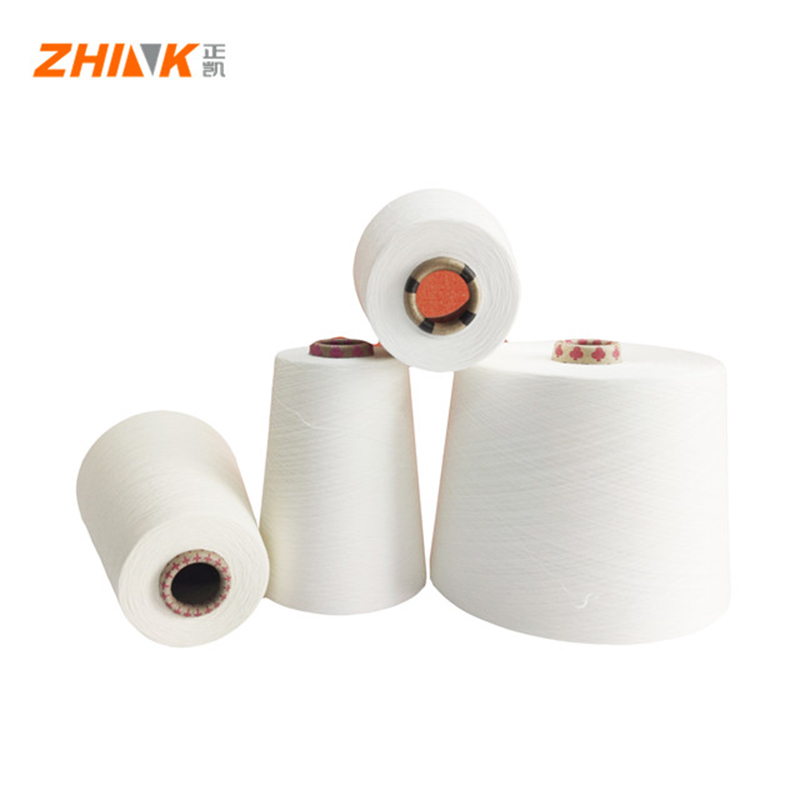
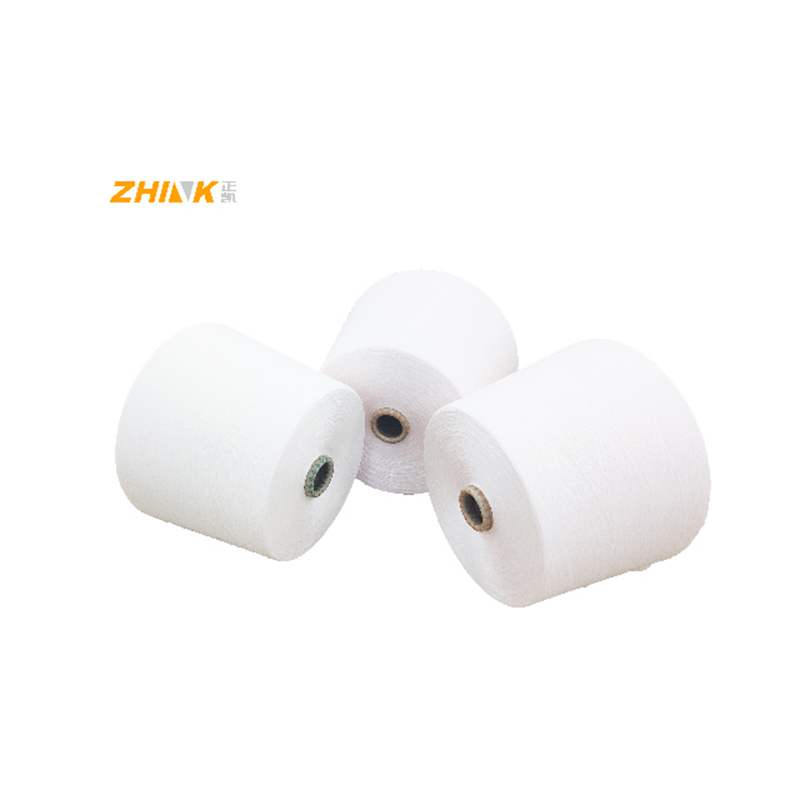
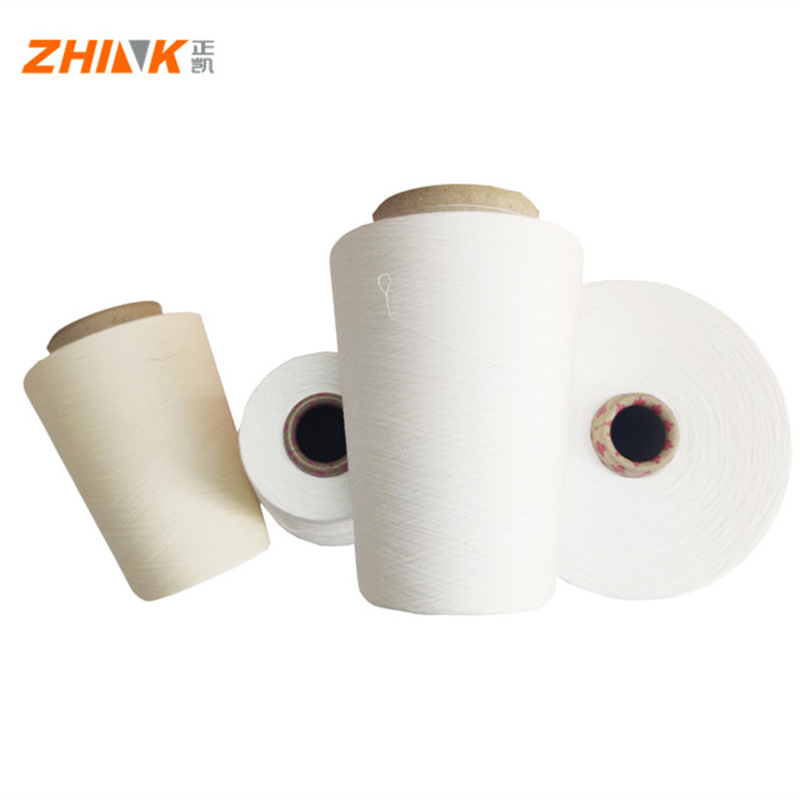
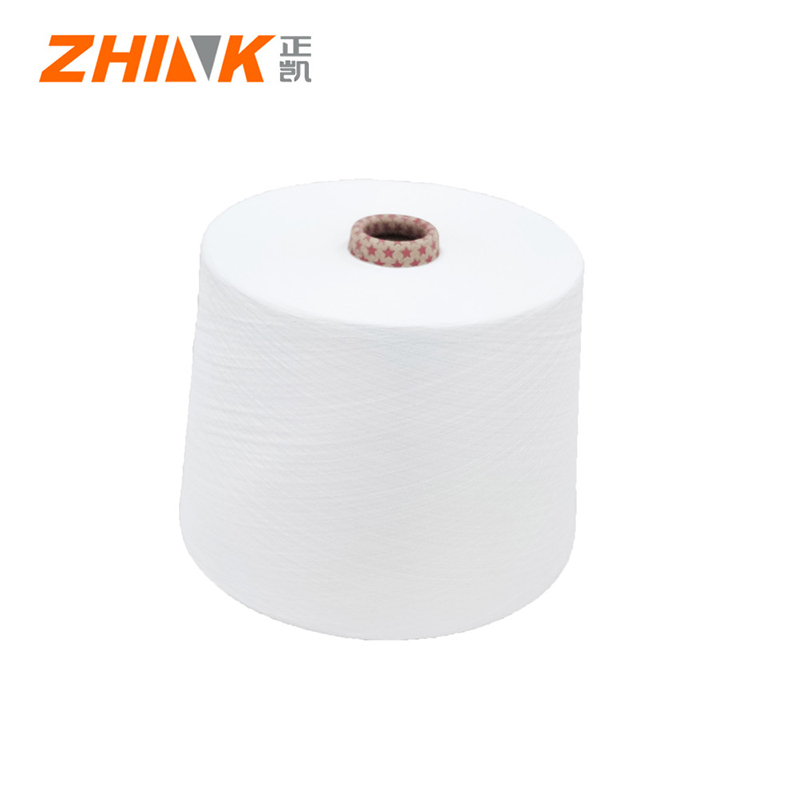
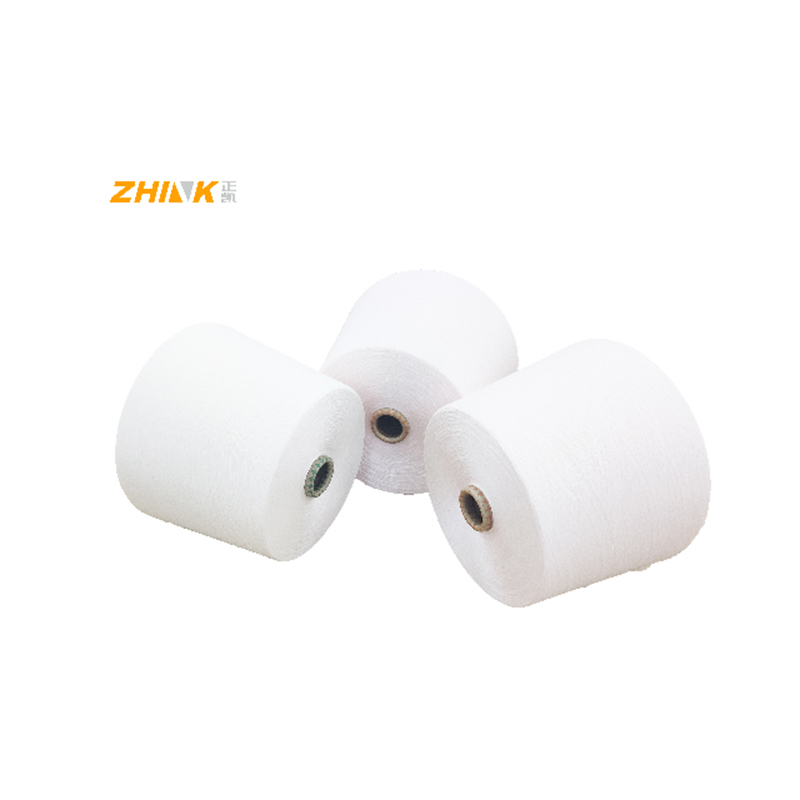
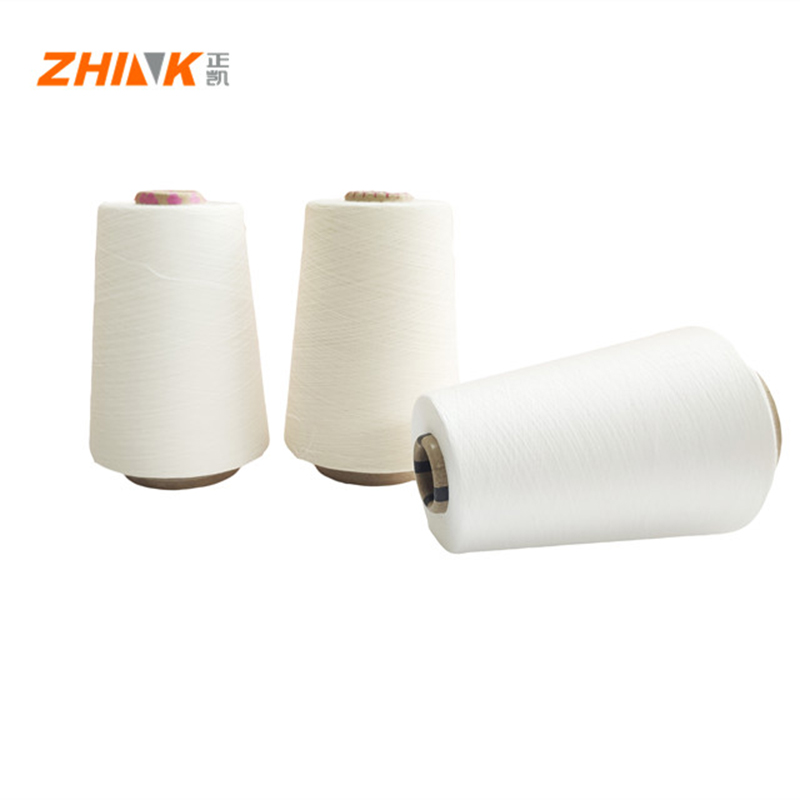
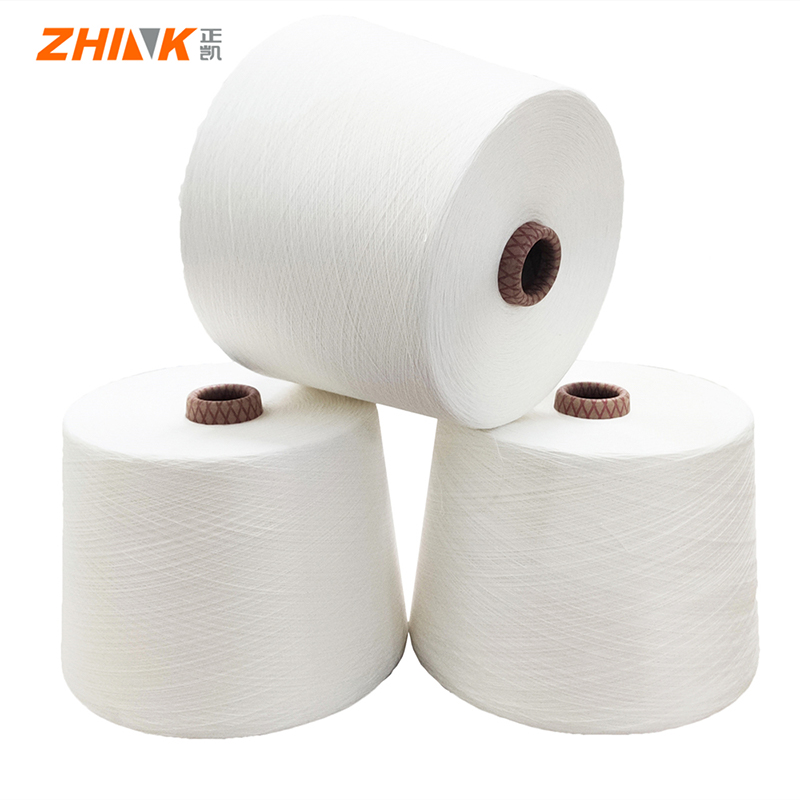
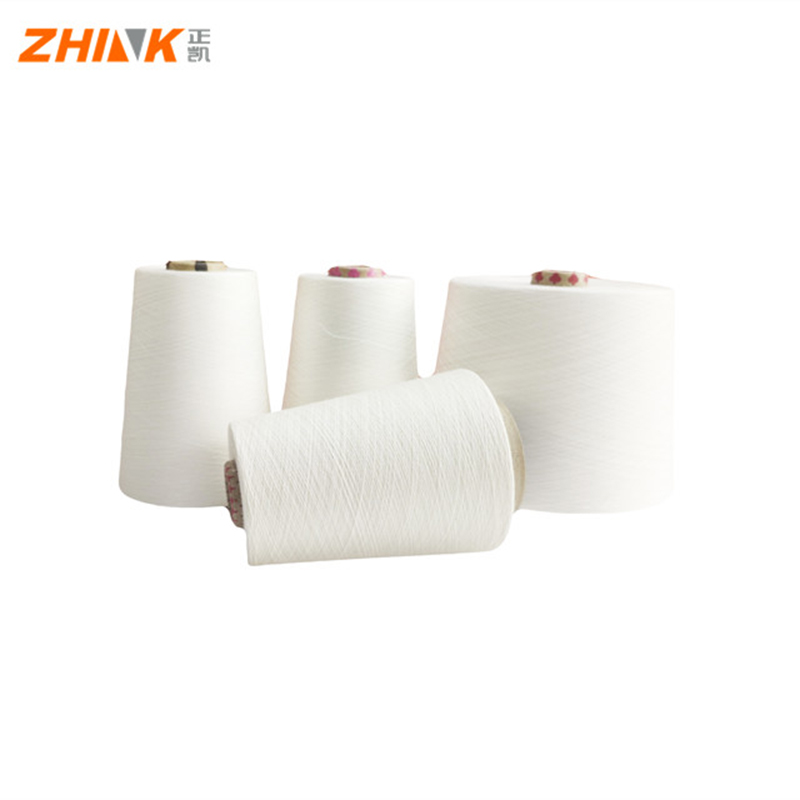
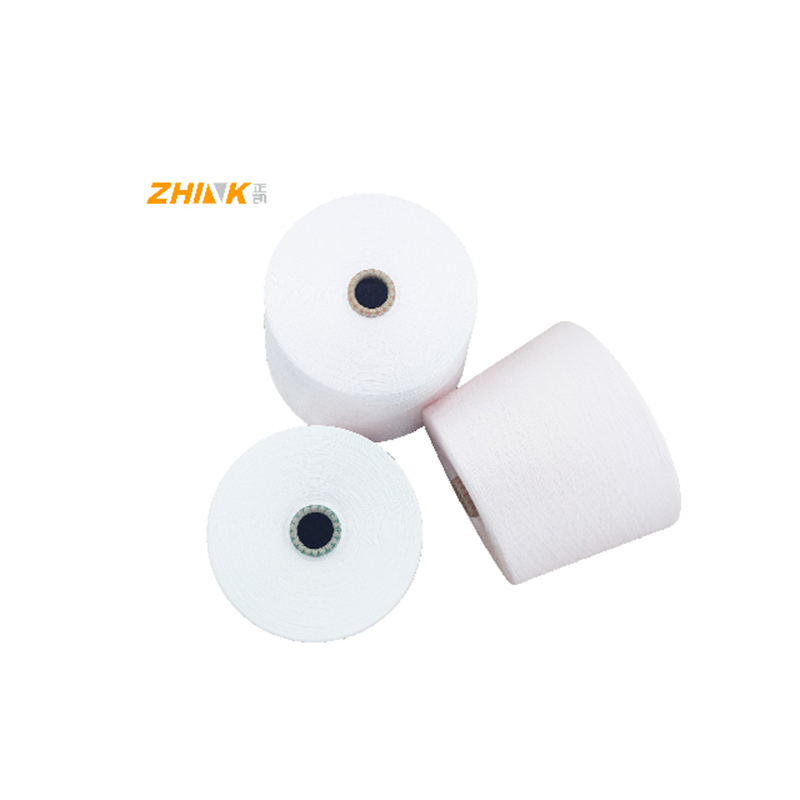
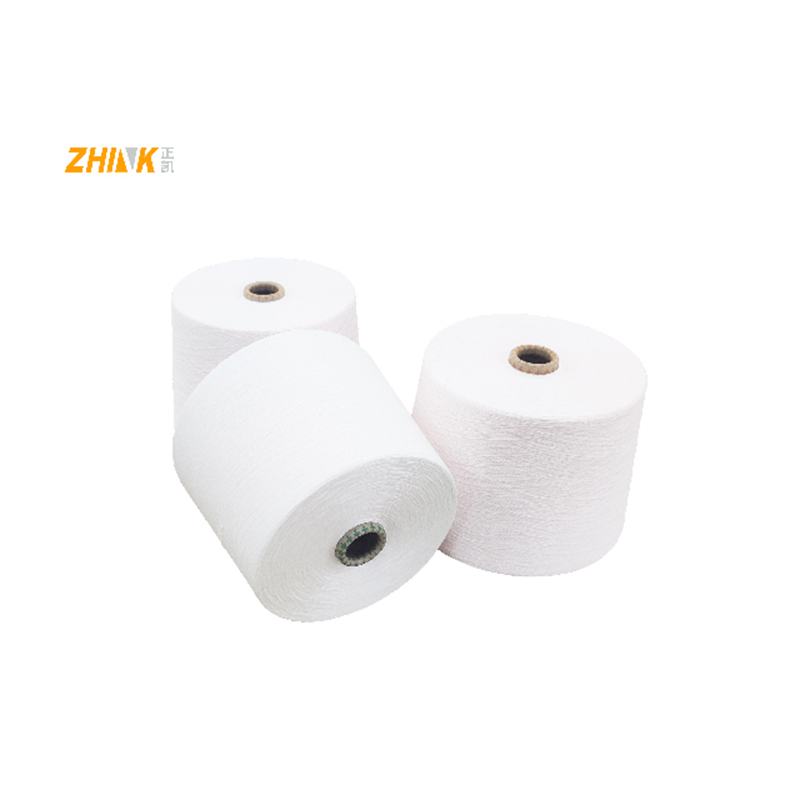
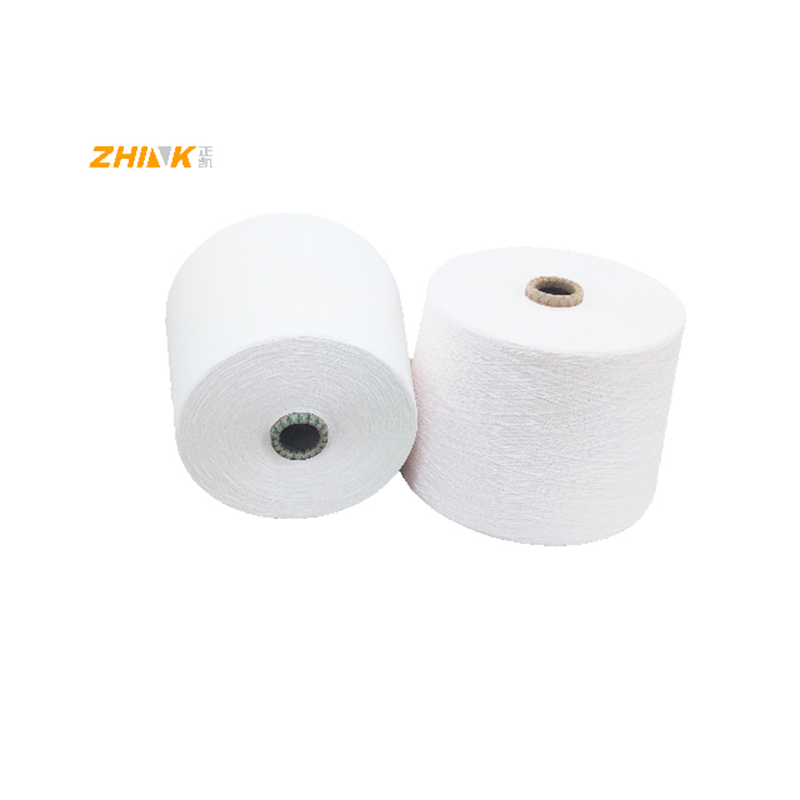
Recycled polyester yarn with TC
Understanding Recycled Polyester Yarn with TC
Recycled polyester yarn, blended with TC, is a game-changer in textile sustainability. Not just an industry buzzword, it's a practical approach to reducing waste while maintaining fabric integrity. This piece dives into the intricate world of recycled polyester yarn—what works, what doesn’t, and why TC blends might be the secret ingredient you didn’t know you needed.
What Exactly Is Recycled Polyester Yarn with TC?
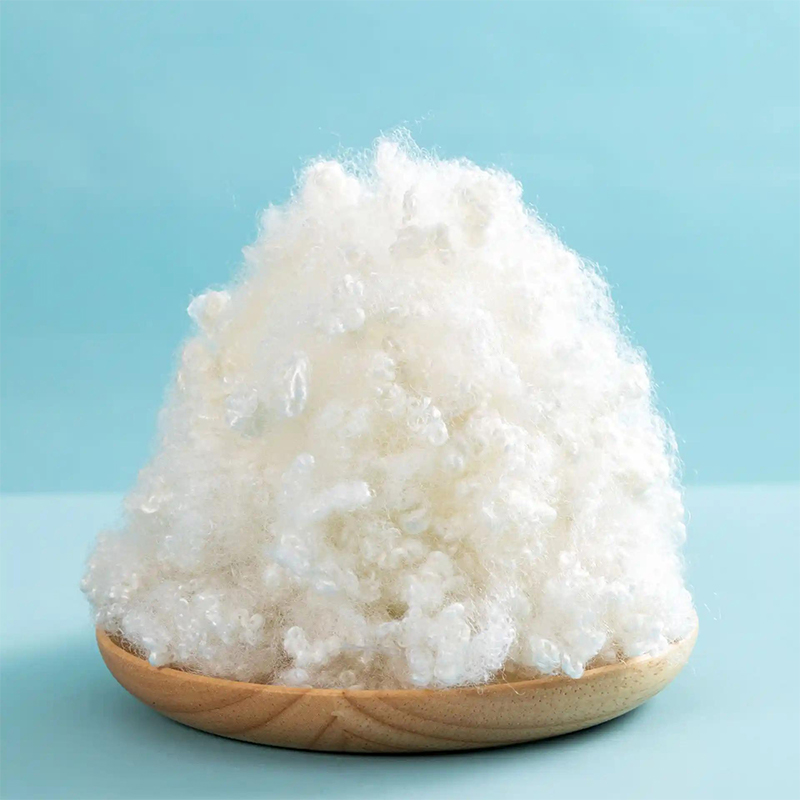
Recycled polyester yarn is produced by processing post-consumer plastic waste, often PET bottles. The introduction of TC (a poly-cotton blend) adds strength and comfort, making the fabric both functional and sustainable. I remember my first encounter with this blend during a tour at SHANDONG ZHINK NEW MATERIAL CO., LTD, where I observed the seamless integration of these materials in their yarn production.
The company, known for its innovative approach, efficiently combines polyester and cotton, winning accolades for balancing eco-friendliness with quality. Their website, Zhink New Material, offers clear insights into their methods.
Having tinkered with similar materials myself, I’ve found the tactile feedback of polyester and TC blends surprisingly soft yet robust, offering an unexpected harmony between recycled components and natural fibers.
The Practical Benefits of These Blends
From a fabric engineer's perspective, the practical benefits are evident. Recycled polyester yarn with TC offers durability and flexibility—key for performance wear and everyday apparel alike. This isn't just theoretical; I've tested these fabrics under various conditions, and the blend consistently delivers resilience.
Beyond the lab, consumers appreciate the blend's care simplicity and improved breathability. Unlike pure polyester, TC provides a more natural feel, addressing typical consumer complaints about synthetic-only garments.
Real-world applications showcase how such fabrics can maintain quality across production runs, minimizing the common issue of inconsistency often faced with recycled materials.
Challenges in Production and Market Adoption
However, it's not all smooth sailing. One significant hurdle is the potential for cost inflation during production. Sourcing quality recycled materials and ensuring uniformity in TC blends can be costly, affecting the bottom line.
Market adoption poses another challenge. Educating consumers on the value of recycled polyester yarn with TC requires strategic marketing. Consumers sometimes equate recycled with inferior quality, a myth that needs dispelling.
During my interactions with industry peers, this topic frequently arises, highlighting how critical clear communication and product education are in driving demand.
A Closer Look at Environmental Impact
The benefits extend beyond just fabric performance. From an environmental standpoint, utilizing recycled polyester drastically reduces carbon footprint and water usage compared to virgin materials. TC integration supports sustainability further by leveraging renewable fibers.
Visiting plants like those at Zhink New Material, I’ve witnessed firsthand the efficiency of modern recycling processes and the reductions in waste achieved. Their dedication to sustainability reflects in their products' lifecycle assessments.
These observations underline the significance of responsible sourcing and recycling—key to not only product innovation but also ethical production standards.
Future Prospects and Industry Trends
Looking ahead, the role of recycled polyester yarn with TC in advancing sustainable fashion cannot be overstated. Innovations are on the rise; even at SHANDONG ZHINK NEW MATERIAL CO., LTD, R&D teams are already exploring more advanced recycling techniques and fiber blends.
Industry trends suggest that materials once viewed merely as experimental are swiftly becoming mainstream, especially as brands prioritize sustainability. Companies not embracing these blends risk being left behind.
Ultimately, as I delve further into this ever-evolving landscape, one thing remains clear: recycled polyester and TC aren’t just about making better yarn—they're about shaping a sustainable future for the textile industry.
Related Products
Related Products