+86-632-3621866
- Chinese
- French
- German
- Portuguese
- Spanish
- Russian
- Japanese
- Korean
- Arabic
- Irish
- Greek
- Turkish
- Italian
- Danish
- Romanian
- Indonesian
- Czech
- Afrikaans
- Swedish
- Polish
- Basque
- Catalan
- Esperanto
- Hindi
- Lao
- Albanian
- Amharic
- Armenian
- Azerbaijani
- Belarusian
- Bengali
- Bosnian
- Bulgarian
- Cebuano
- Chichewa
- Corsican
- Croatian
- Dutch
- Estonian
- Filipino
- Finnish
- Frisian
- Galician
- Georgian
- Gujarati
- Haitian
- Hausa
- Hawaiian
- Hebrew
- Hmong
- Hungarian
- Icelandic
- Igbo
- Javanese
- Kannada
- Kazakh
- Khmer
- Kurdish
- Kyrgyz
- Latin
- Latvian
- Lithuanian
- Luxembou..
- Macedonian
- Malagasy
- Malay
- Malayalam
- Maltese
- Maori
- Marathi
- Mongolian
- Burmese
- Nepali
- Norwegian
- Pashto
- Persian
- Punjabi
- Serbian
- Sesotho
- Sinhala
- Slovak
- Slovenian
- Somali
- Samoan
- Scots Gaelic
- Shona
- Sindhi
- Sundanese
- Swahili
- Tajik
- Tamil
- Telugu
- Thai
- Ukrainian
- Urdu
- Uzbek
- Vietnamese
- Welsh
- Xhosa
- Yiddish
- Yoruba
- Zulu
- Kinyarwanda
- Tatar
- Oriya
- Turkmen
- Uyghur



Recycled PSF A
The Complexity and Potential of Recycled PSF A
In the world of textile innovations, Recycled PSF A represents a fascinating point of intersection between sustainability and functionality. It’s one of those materials that often prompts discussions around environmental impact and industrial efficiency. But what does it really involve, and how is it shaping the contemporary textile landscape?
Understanding Recycled PSF A
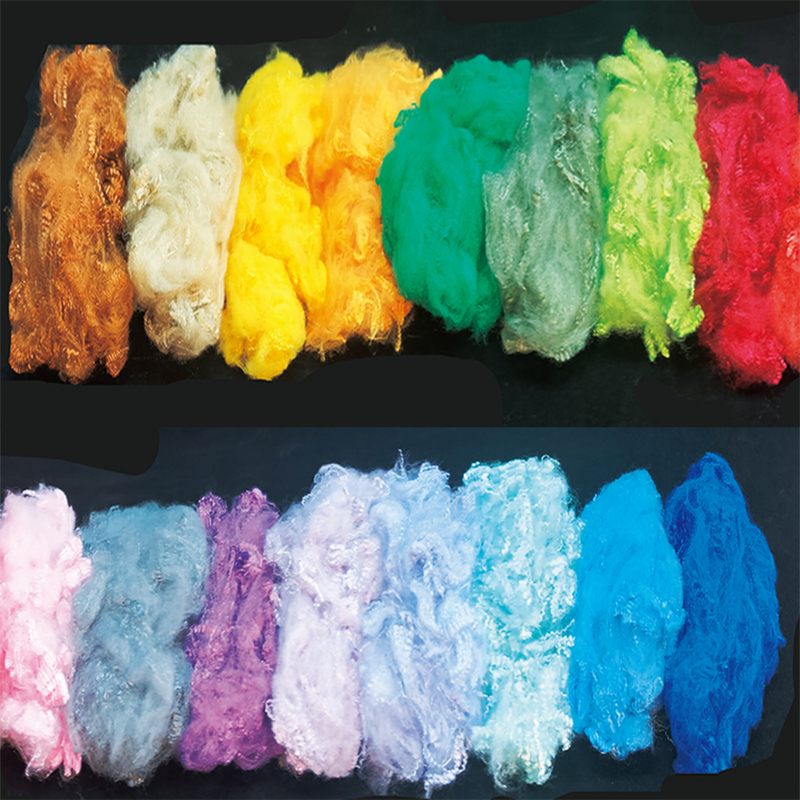
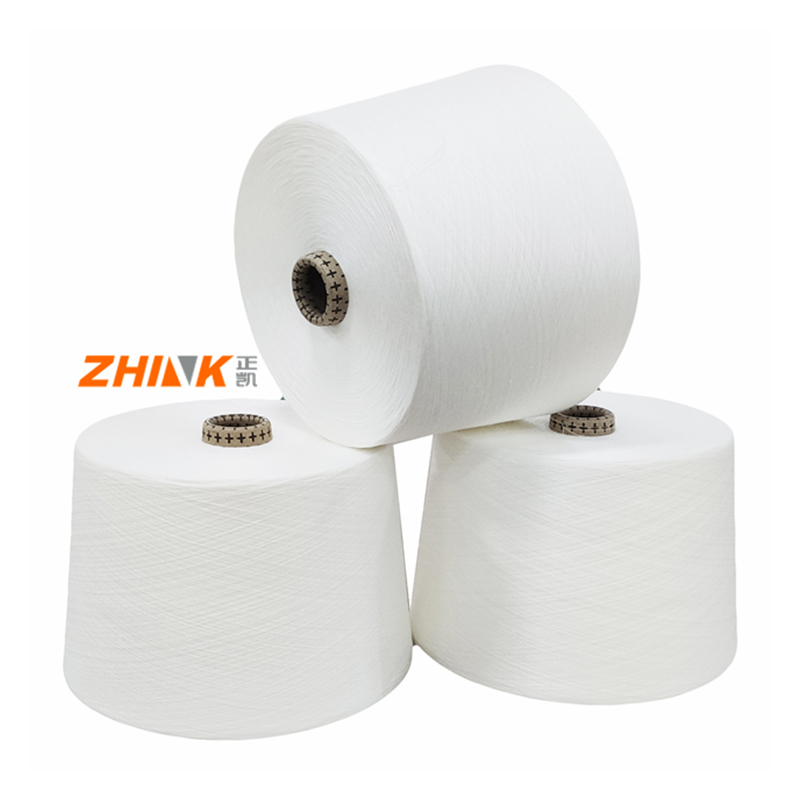
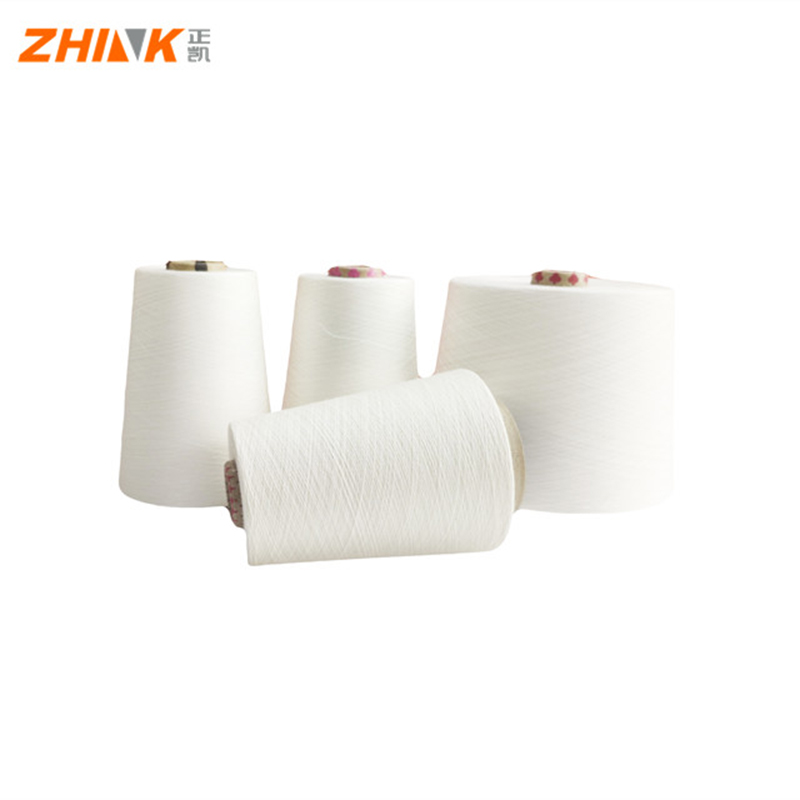
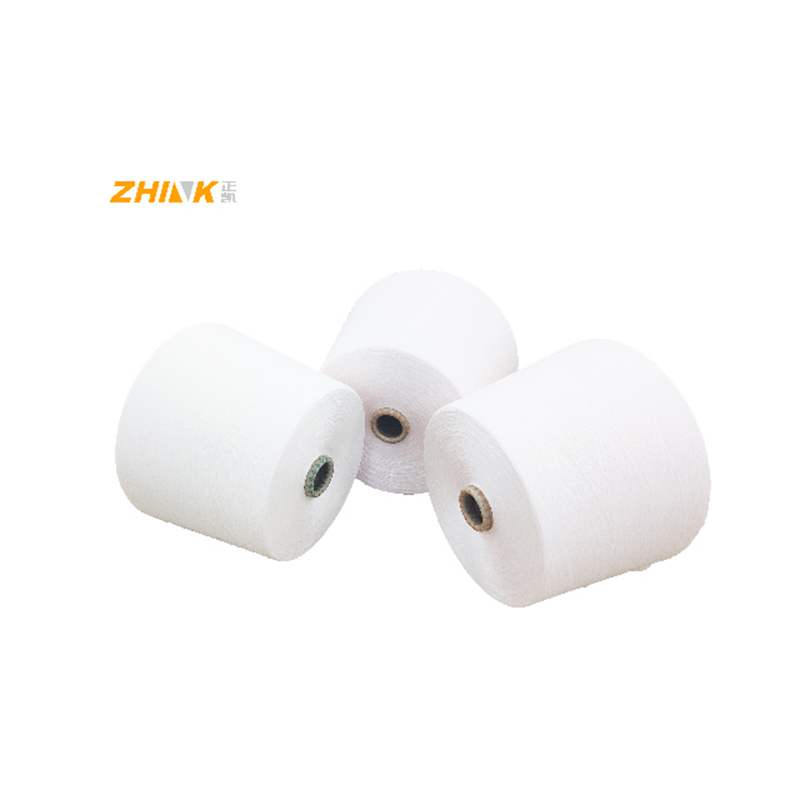
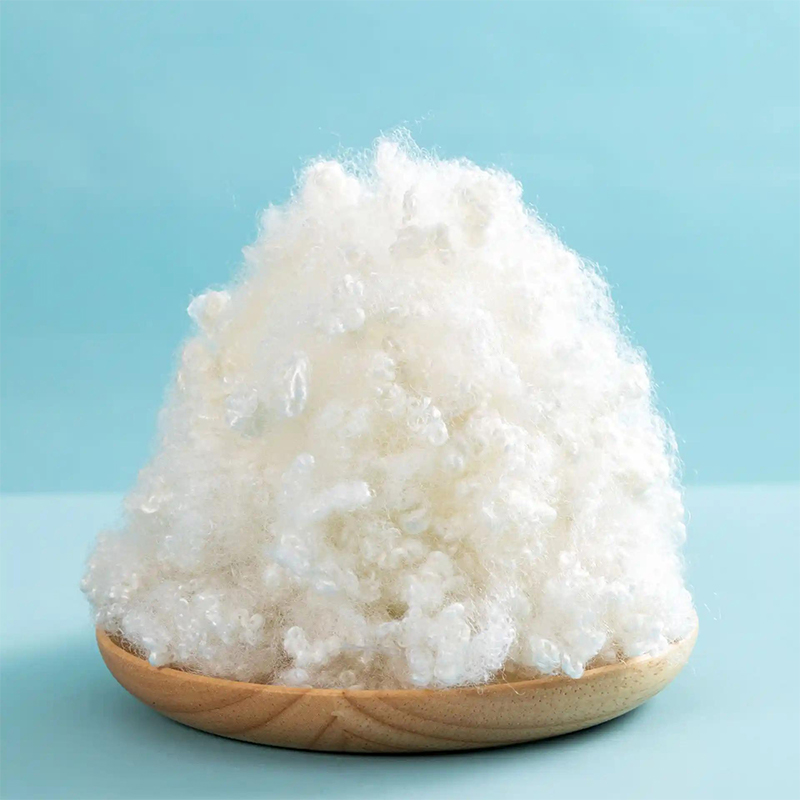
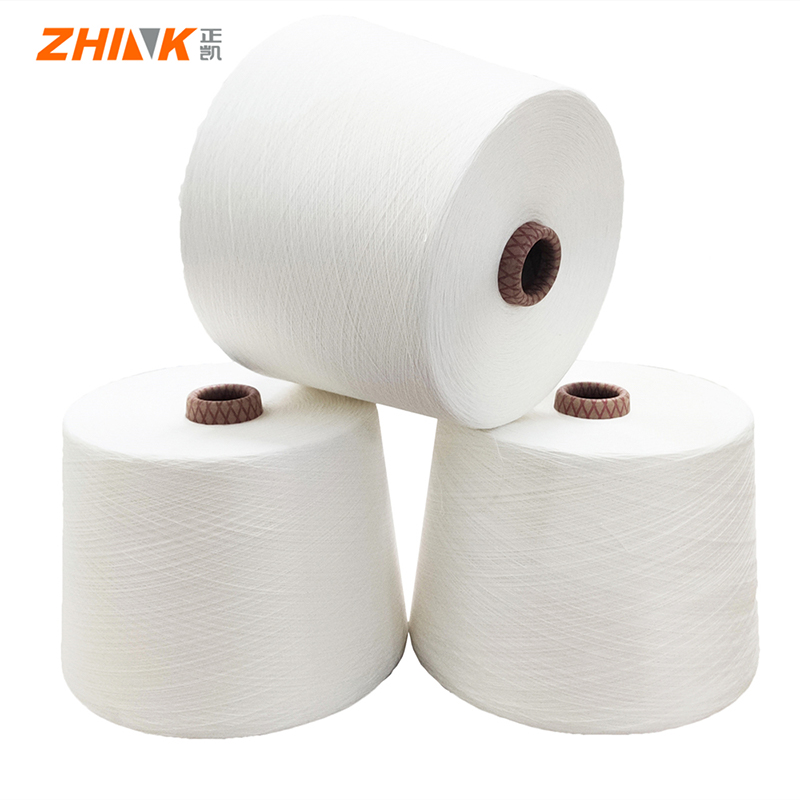
When we talk about Recycled PSF A, we're diving into the realm of polyester staple fiber made from recycled sources. It's not just about converting plastic waste into fabric; it’s a complex process that requires precision and expertise. The material is often sourced from used PET bottles, which are cleaned, chopped, and then converted into fibers. This is where companies like SHANDONG ZHINK NEW MATERIAL CO., LTD come into play, utilizing cutting-edge research and development to refine these processes.
Why use recycled fibers? Well, aside from the obvious environmental benefits, there are practical aspects too. Recycled PSF is often comparable in performance to its virgin counterparts, sometimes even surpassing them depending on the application. However, there are challenges. The quality of the recycled material is often dependent on the sorting and cleaning process – a small oversight there can compromise the entire batch.
Having worked with these materials, there’s always a consideration around batch consistency. Not every production line or company achieves the same standards. That's why Zhink’s focus on quality control, as highlighted on their website, is particularly critical. More information is available on their site, ZHINKYARN.COM, where the company details their state-of-the-art processing techniques.
The Benefits and Trade-offs
One cannot oversee the environmental upside. For every ton of recycled fiber produced, there's a significant reduction in CO2 emissions compared to virgin polyester. The textile industry’s embrace of recycled materials is an answer to global calls for reduced carbon footprints. Companies leading these initiatives set benchmarks for others to follow.
But, let’s be pragmatic. While Recycled PSF A offers incredible potential, there are trade-offs. The initial setup cost can be high, requiring investment in specialized machinery and expertise. Additionally, recycled fibers can sometimes underperform in areas such as tensile strength, which is critical for certain textile applications. Real-world adjustments and compromises are necessary to meet application-specific requirements.
From personal experience, product testing is an indispensable phase. Without rigorous testing, it’s challenging to understand how recycled fibers will behave under different conditions, especially in adverse climates or high-stress environments. Each application might require tweaking and adjustments in fiber blend ratios to achieve optimal performance.
Practical Applications and Innovations
In terms of applications, Recycled PSF A is quite versatile. It’s used in home furnishings, apparel, automotive applications, and even in non-woven textiles. The breadth of its application partly explains the rising demand. Companies like Zhink New Material are at the forefront, adapting their production to meet these varied demands. Their continuous R&D investments reflect a commitment to turning potential into reality.
In one specific project I was involved with, recycled fibers were used in the production of high-performance outerwear. We discovered that the moisture-wicking properties were comparable to traditional materials. However, achieving the desired color fastness was initially tricky, leading to several iterations in the dyeing process.
What’s exciting are the ongoing innovations. As technology evolves, more efficient recycling processes are developed, potentially lowering costs and improving the quality of recycled fibers. Voracious experimentation is underway to blend recycled PSF with other materials, tailoring properties for niche requirements.
Challenges and the Road Ahead
Despite the successful adoption, challenges persist. One pressing issue is the supply chain, which isn’t always as streamlined as one might wish. The assurance of a consistent feed of high-quality recyclable material is pivotal, yet often disrupted by logistical hiccups.
Addressing these supply chain complexities requires collaboration across sectors, involving everyone from raw material suppliers to logistics partners. This is where industry leaders like Zhink New Material are pivotal. They not only focus on internal process improvements but also engage in broader industry initiatives to foster cooperation and transparency.
Looking ahead, the trajectory of Recycled PSF A seems promising. As technological advancements continue, it is reasonable to expect further cost reductions and efficiency improvements. Yet, the focus must remain on solving present challenges, paving the way for a more sustainable and efficient textile industry.
Conclusion: A Balancing Act
In conclusion, the journey of Recycled PSF A is all about balancing innovation with practicality. The industry must remain vigilant, ensuring quality doesn’t falter as demand escalates. It’s a sector buzzing with potential, suitable not just for eco-conscious markets but also for mainstream applications.
Recycled PSF A represents a tangible stride toward sustainable textiles—a much-needed evolution in our environmentally conscious era. As this field progresses, informed contributors like SHANDONG ZHINK NEW MATERIAL CO., LTD are guiding us towards more sustainable daily practices.
Ultimately, the success of Recycled PSF A depends on a collaborative ecosystem that embraces change and innovation. For seasoned professionals and newcomers alike, staying adaptable and informed will be vital for navigating this evolving landscape.
Related Products
Related Products