+86-632-3621866
- Chinese
- French
- German
- Portuguese
- Spanish
- Russian
- Japanese
- Korean
- Arabic
- Irish
- Greek
- Turkish
- Italian
- Danish
- Romanian
- Indonesian
- Czech
- Afrikaans
- Swedish
- Polish
- Basque
- Catalan
- Esperanto
- Hindi
- Lao
- Albanian
- Amharic
- Armenian
- Azerbaijani
- Belarusian
- Bengali
- Bosnian
- Bulgarian
- Cebuano
- Chichewa
- Corsican
- Croatian
- Dutch
- Estonian
- Filipino
- Finnish
- Frisian
- Galician
- Georgian
- Gujarati
- Haitian
- Hausa
- Hawaiian
- Hebrew
- Hmong
- Hungarian
- Icelandic
- Igbo
- Javanese
- Kannada
- Kazakh
- Khmer
- Kurdish
- Kyrgyz
- Latin
- Latvian
- Lithuanian
- Luxembou..
- Macedonian
- Malagasy
- Malay
- Malayalam
- Maltese
- Maori
- Marathi
- Mongolian
- Burmese
- Nepali
- Norwegian
- Pashto
- Persian
- Punjabi
- Serbian
- Sesotho
- Sinhala
- Slovak
- Slovenian
- Somali
- Samoan
- Scots Gaelic
- Shona
- Sindhi
- Sundanese
- Swahili
- Tajik
- Tamil
- Telugu
- Thai
- Ukrainian
- Urdu
- Uzbek
- Vietnamese
- Welsh
- Xhosa
- Yiddish
- Yoruba
- Zulu
- Kinyarwanda
- Tatar
- Oriya
- Turkmen
- Uyghur



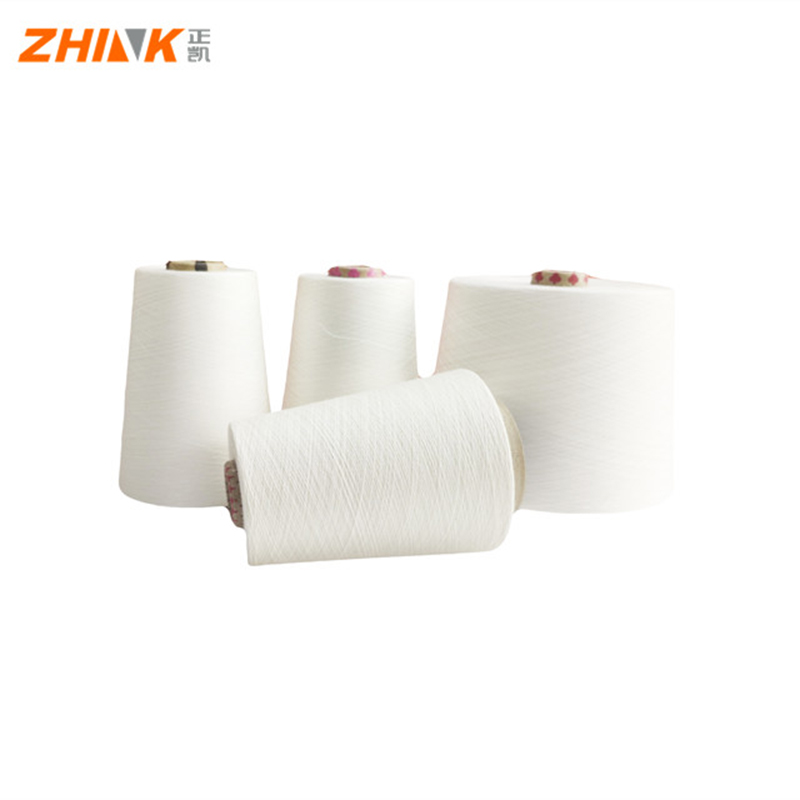
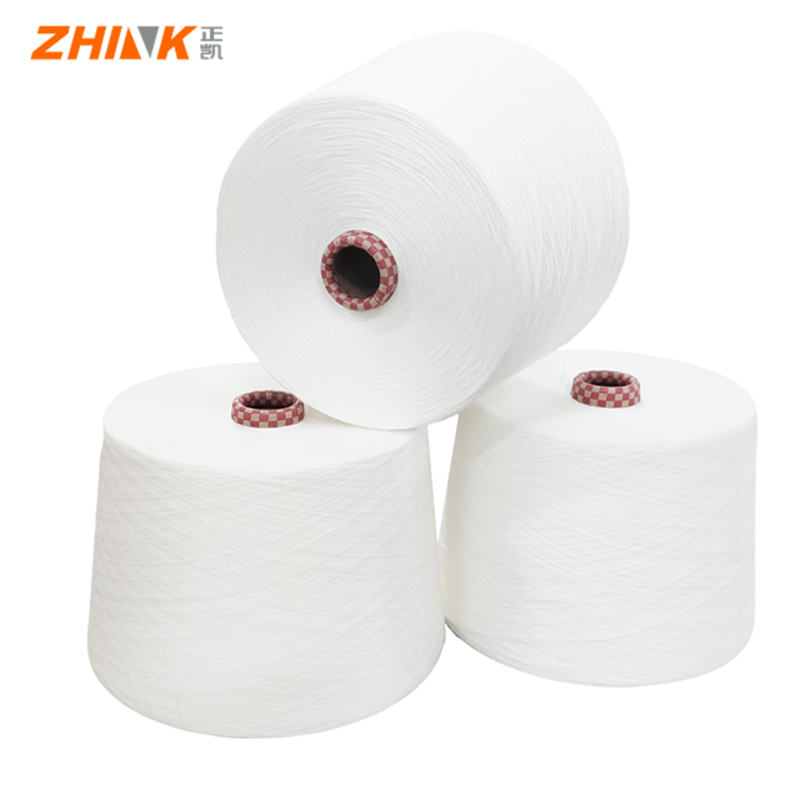
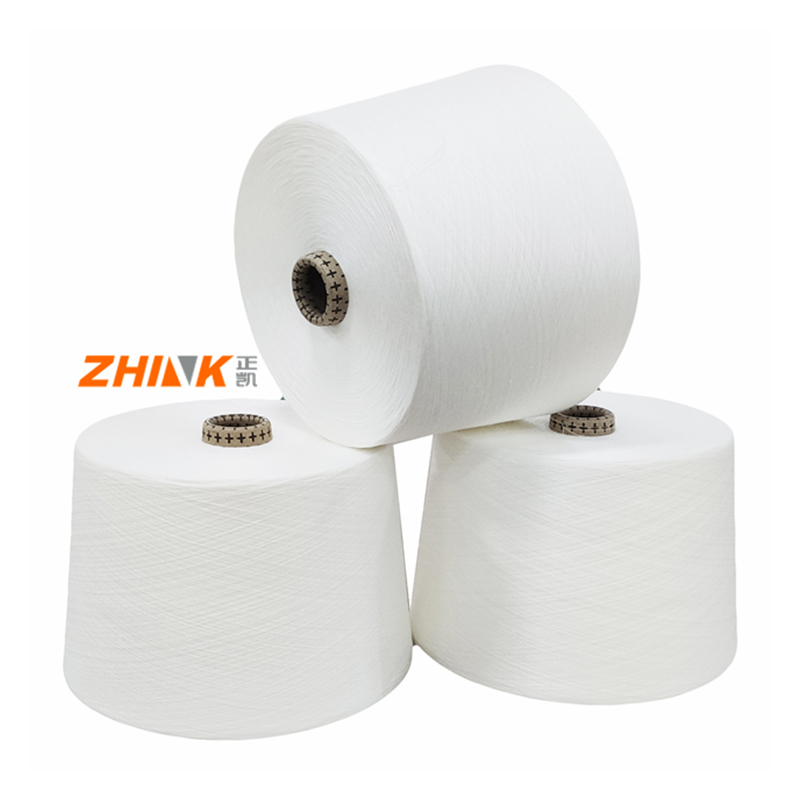
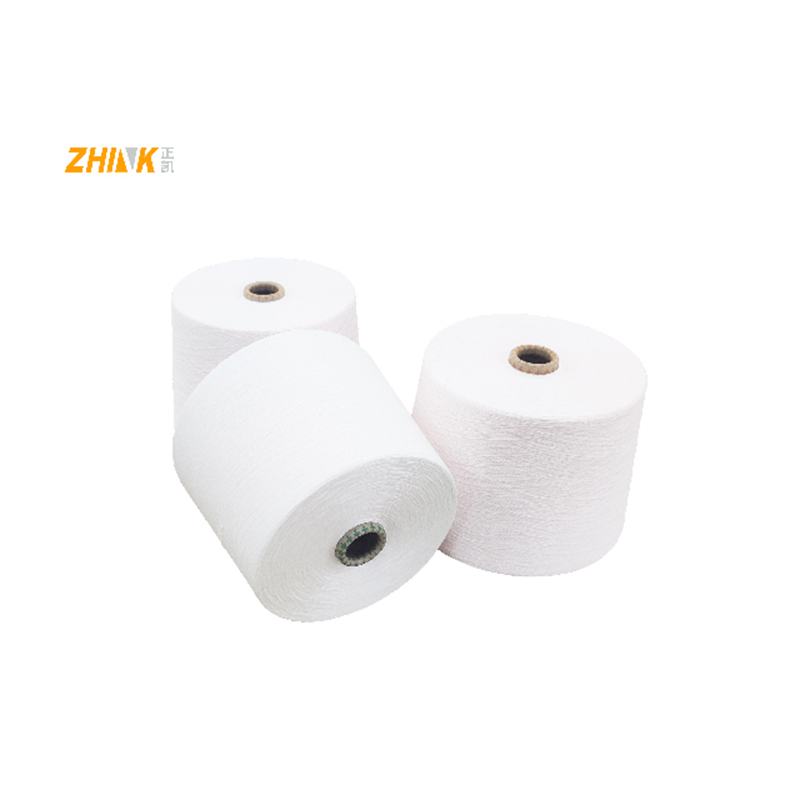
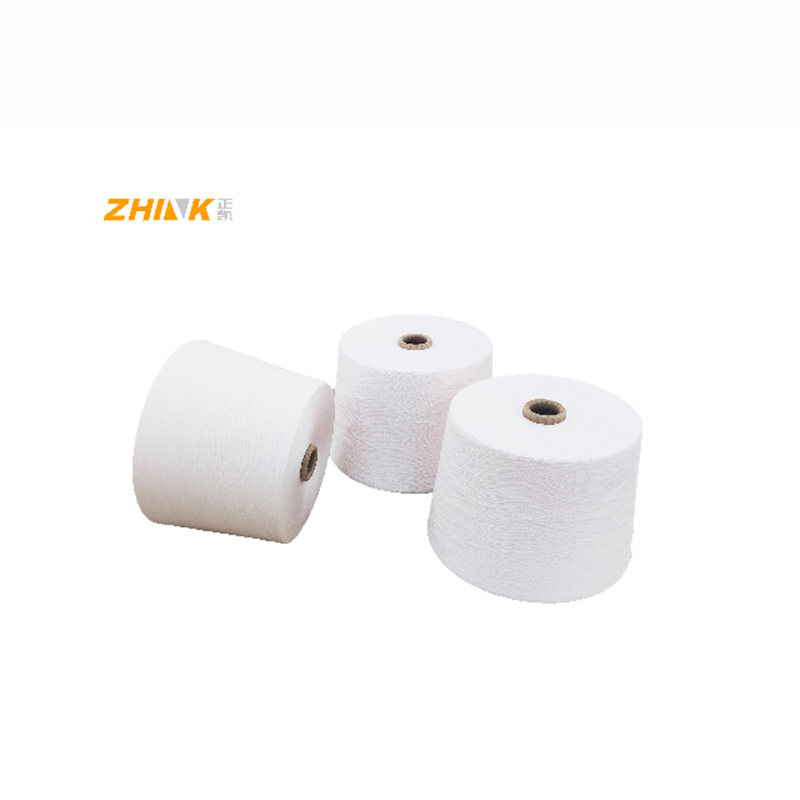
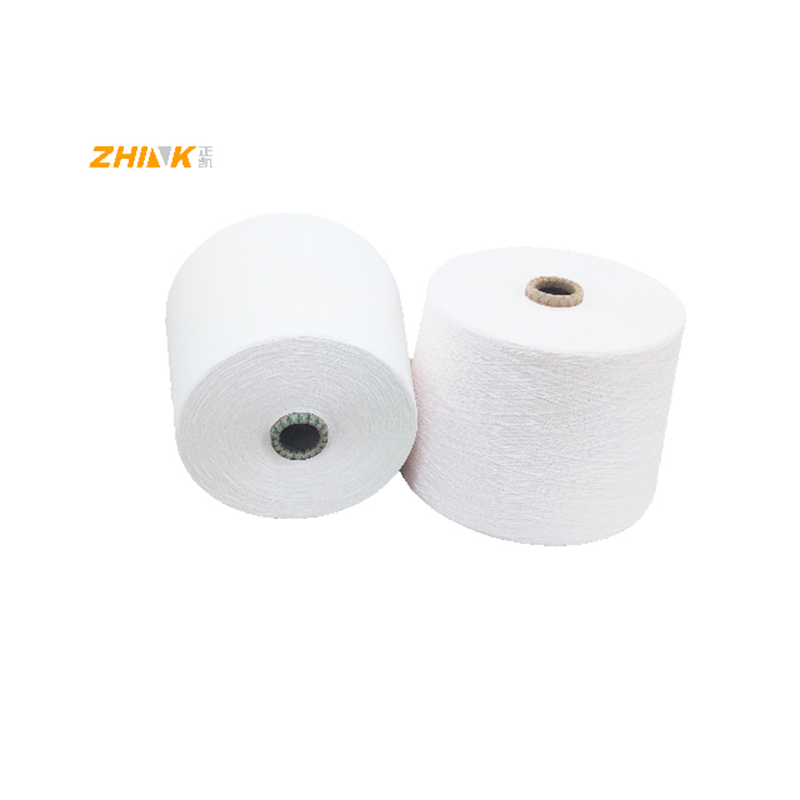
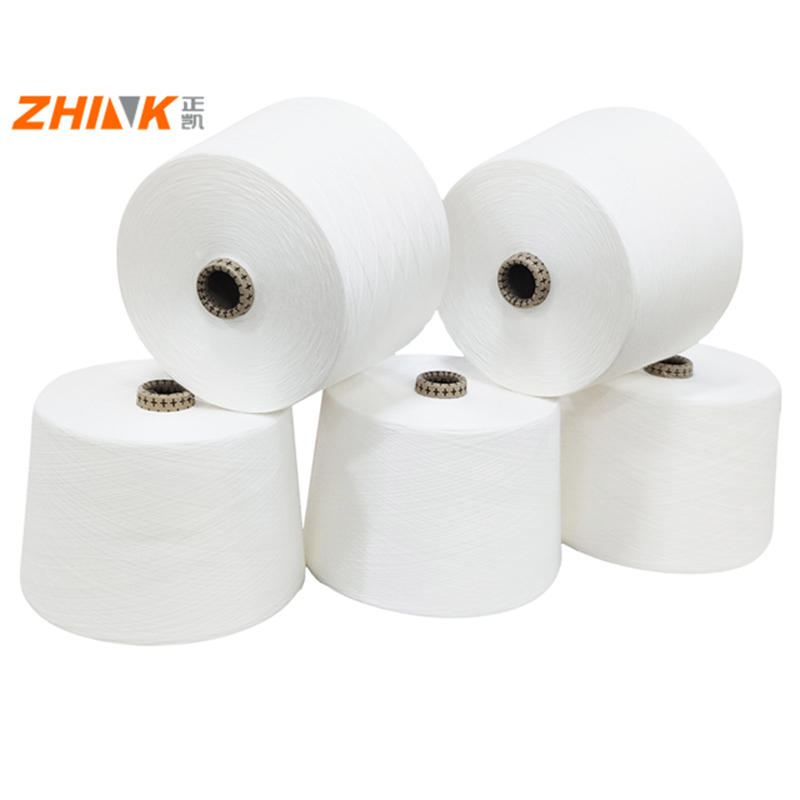
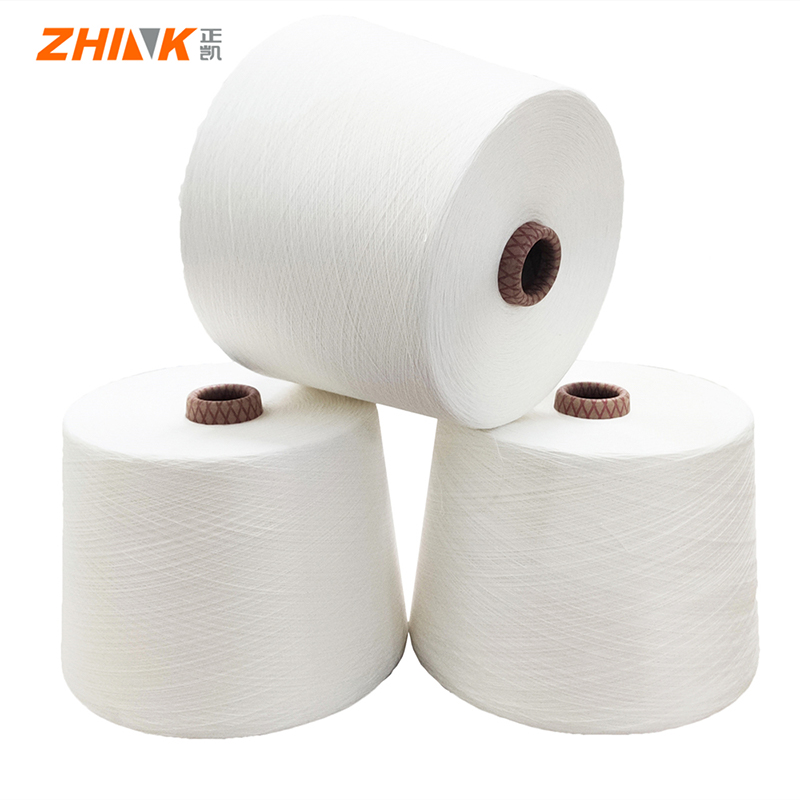
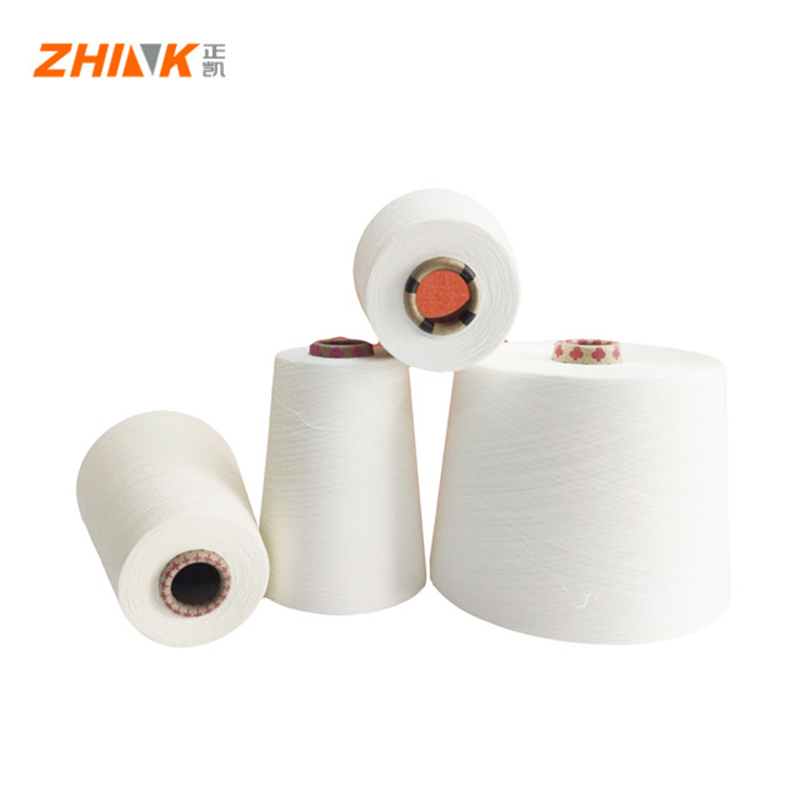
Recycled PSF AA
Understanding Recycled PSF AA: A Real-World Exploration
Delve into the nuances and complexities of Recycled PSF AA, as a seasoned industry professional dissects common misperceptions, personal experiences, and practical uses.
What Exactly is Recycled PSF AA?
When we talk about Recycled PSF AA, or recycled polyester staple fiber, it's important not to get lost in terminologies. Many think it's just about sustainability, and while it's a significant component, the material's reliability and versatility are equally crucial. I’ve seen stakeholders assume it is an outright replacement for virgin fibers, which isn’t always the case. Understanding the limitations and potentials is key.
In practice, it’s evident that recycled fibers often exhibit variability. The quality can fluctuate depending on the source and the recycling process. This is something I’ve faced during procurement—expect variations and be ready to adjust. Therefore, carefully choosing suppliers becomes incredibly vital.
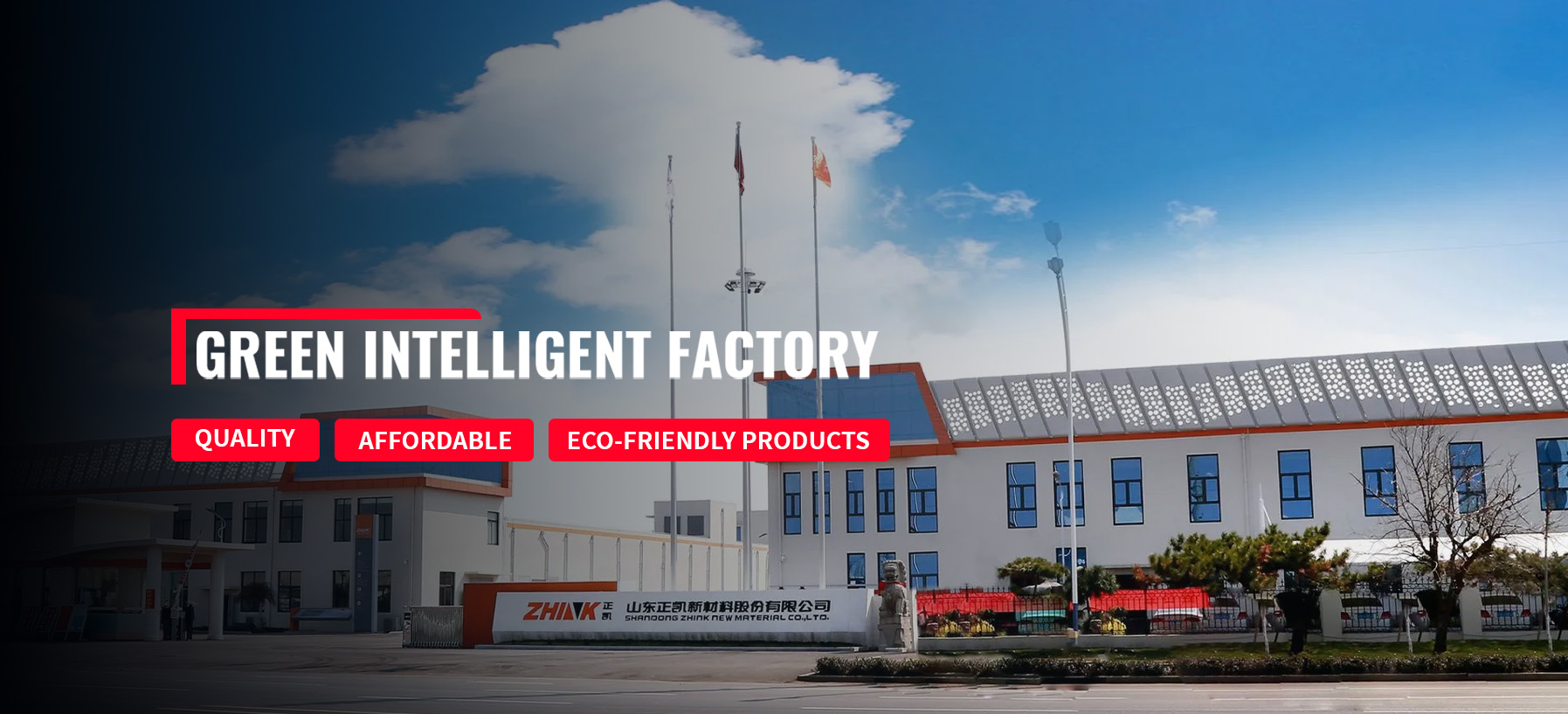
On this note, companies like SHANDONG ZHINK NEW MATERIAL CO., LTD strive to maintain quality consistency. They focus significantly on research and development, ensuring their Recycled PSF AA meets industry standards. My dialogue with their team highlighted their dedication to pushing the boundaries of what's possible with recycled materials.
The Manufacturing Process: Challenges and Insights
Manufacturing Recycled PSF AA involves a plethora of steps, each with potential pitfalls. One critical observation from my experience—handling the waste input requires meticulous sorting and cleaning. Contamination can derail the entire process, leading to subpar fiber quality. In an ideal setting, closed-loop systems mitigate some of these issues, but they are not universally adopted.
The technology employed also plays a role. I recall visiting a plant where upgrading their machinery led to substantial improvements in fiber strength and consistency. It’s a testament to how technical decisions can impact the final product.
Additionally, energy consumption remains a concern. Recycling is energy-intensive, and there's an ongoing industry discussion about balancing ecological benefits with the energy footprint. Innovations and more efficient technologies are the way forward, much like the efforts seen at Zhink New Material.
Market Dynamics and Customer Expectations
Market demand for Recycled PSF AA has surged, driven by sustainability trends and consumer awareness. However, client expectations aren’t static. Realistically, many clients expect the same performance as virgin polyester, which places pressure on manufacturers to continuously innovate.
Cost considerations too cannot be overlooked. While recycled fibers are often pricier due to the intensive processing, the market is gradually adapting. It’s worth noting that some sectors, like automotive and home furnishings, prioritize quality over cost, offering leeway for premium pricing.
Successful market positioning requires educating clients about both the ecological benefits and the technical distinctions of recycled fibers, a strategy prominently utilized by firms like Zhink New Material. Their dedication to customer education empowers consumers to make informed purchasing decisions.
Testing and Quality Assurance: Non-Negotiables
Every batch of Recycled PSF AA that's rolled out tells a story of rigorous testing—a non-negotiable in maintaining industry credibility. I’ve seen labs where tests for strength, elasticity, and dye affinity are routine. Any deviations can result in client dissatisfaction or product failure.
In my time managing quality assurance, the iterative feedback loop between production and R&D showed how quickly adjustments need to be made. Real-world implications of ignoring these checks are significant—an oversight that leads not only to product loss but reputation damage as well.
Companies at the forefront, like Zhink New Material, leverage advanced analytics to predict and mitigate quality risks, ensuring that each fiber batch meets stringent specifications. This meticulous attention to detail reassures clients about the fiber's reliability and boosts brand confidence.
Future Prospects and Industry Evolution
Looking ahead, the evolution of Recycled PSF AA hinges on technological advancements and material science breakthroughs. The potential for bio-based polyester blends and enhanced recycling methods heralds a new era of textiles.
Industry collaborations will likely accelerate these advancements. Partnerships between universities and private enterprises, much like what Zhink New Material invests in, are pivotal. These efforts foster innovation, pushing the boundaries of what's technically feasible.
Emerging trends also point towards comprehensive supply chain transparency, driven by digitization. This will enable real-time tracking and accountability, bolstering consumer trust in recycled products. Therefore, the future isn't just about product innovation but also about smarter systems and models that redefine industry standards.
Related Products
Related Products