+86-632-3621866
- Chinese
- French
- German
- Portuguese
- Spanish
- Russian
- Japanese
- Korean
- Arabic
- Irish
- Greek
- Turkish
- Italian
- Danish
- Romanian
- Indonesian
- Czech
- Afrikaans
- Swedish
- Polish
- Basque
- Catalan
- Esperanto
- Hindi
- Lao
- Albanian
- Amharic
- Armenian
- Azerbaijani
- Belarusian
- Bengali
- Bosnian
- Bulgarian
- Cebuano
- Chichewa
- Corsican
- Croatian
- Dutch
- Estonian
- Filipino
- Finnish
- Frisian
- Galician
- Georgian
- Gujarati
- Haitian
- Hausa
- Hawaiian
- Hebrew
- Hmong
- Hungarian
- Icelandic
- Igbo
- Javanese
- Kannada
- Kazakh
- Khmer
- Kurdish
- Kyrgyz
- Latin
- Latvian
- Lithuanian
- Luxembou..
- Macedonian
- Malagasy
- Malay
- Malayalam
- Maltese
- Maori
- Marathi
- Mongolian
- Burmese
- Nepali
- Norwegian
- Pashto
- Persian
- Punjabi
- Serbian
- Sesotho
- Sinhala
- Slovak
- Slovenian
- Somali
- Samoan
- Scots Gaelic
- Shona
- Sindhi
- Sundanese
- Swahili
- Tajik
- Tamil
- Telugu
- Thai
- Ukrainian
- Urdu
- Uzbek
- Vietnamese
- Welsh
- Xhosa
- Yiddish
- Yoruba
- Zulu
- Kinyarwanda
- Tatar
- Oriya
- Turkmen
- Uyghur



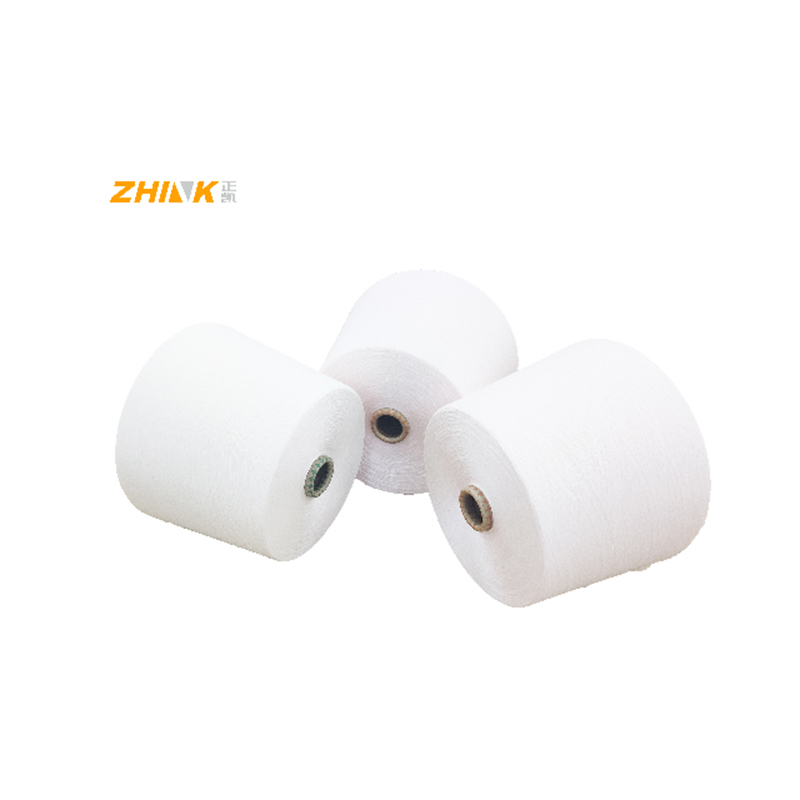
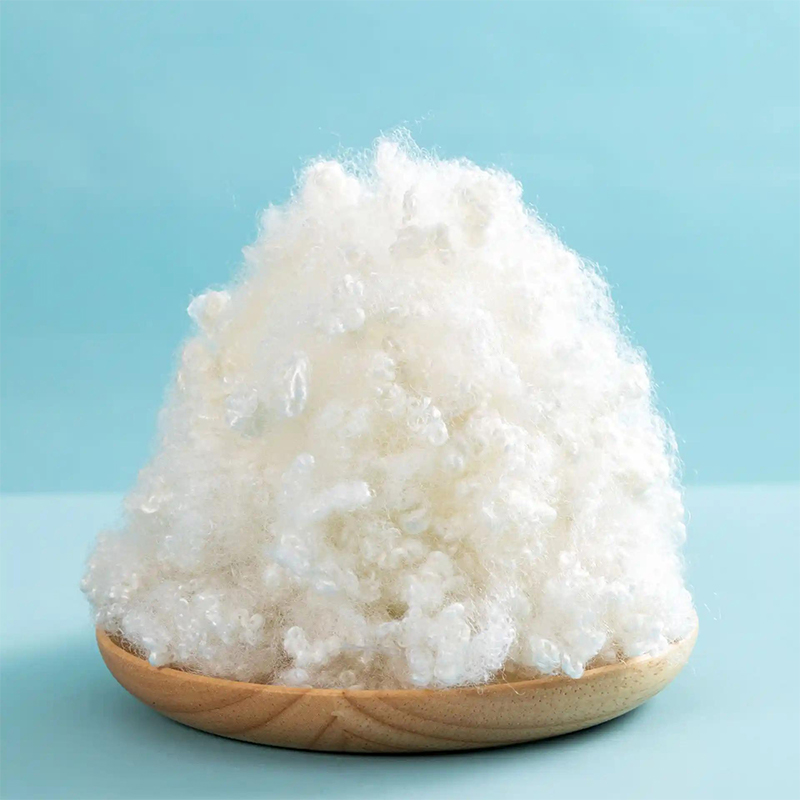
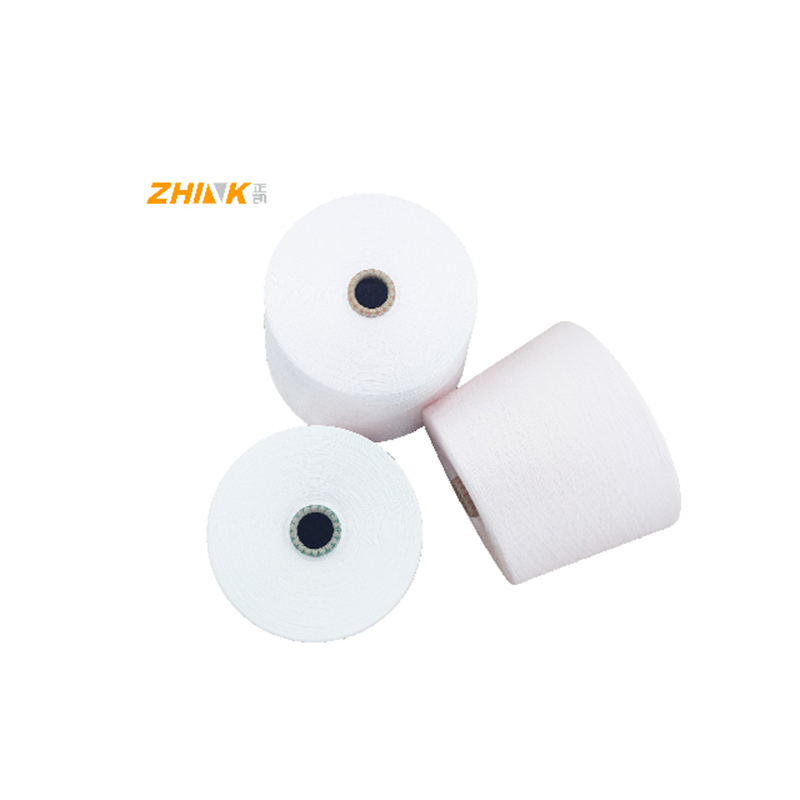
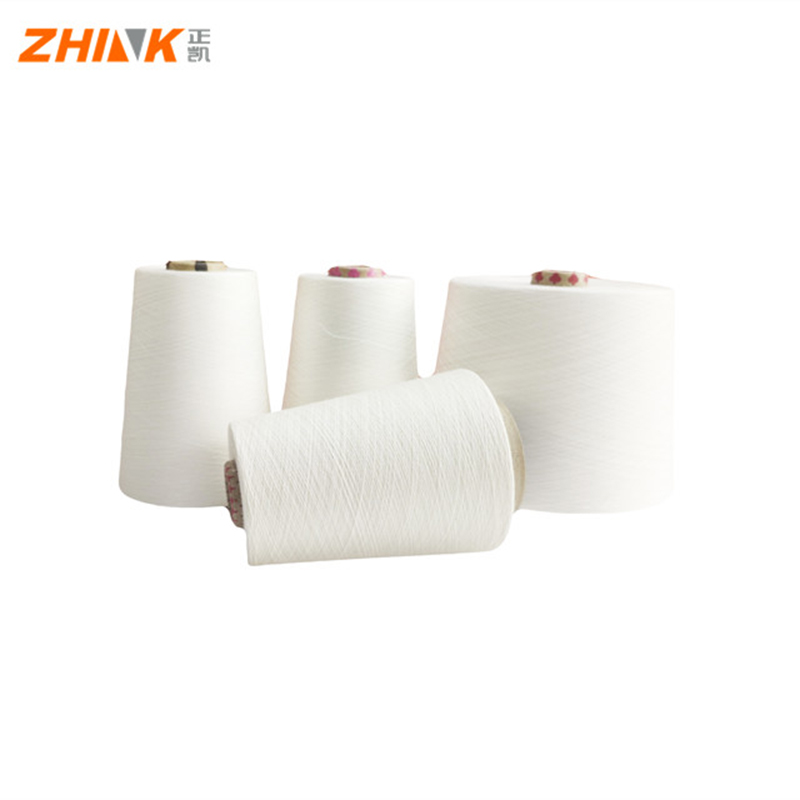
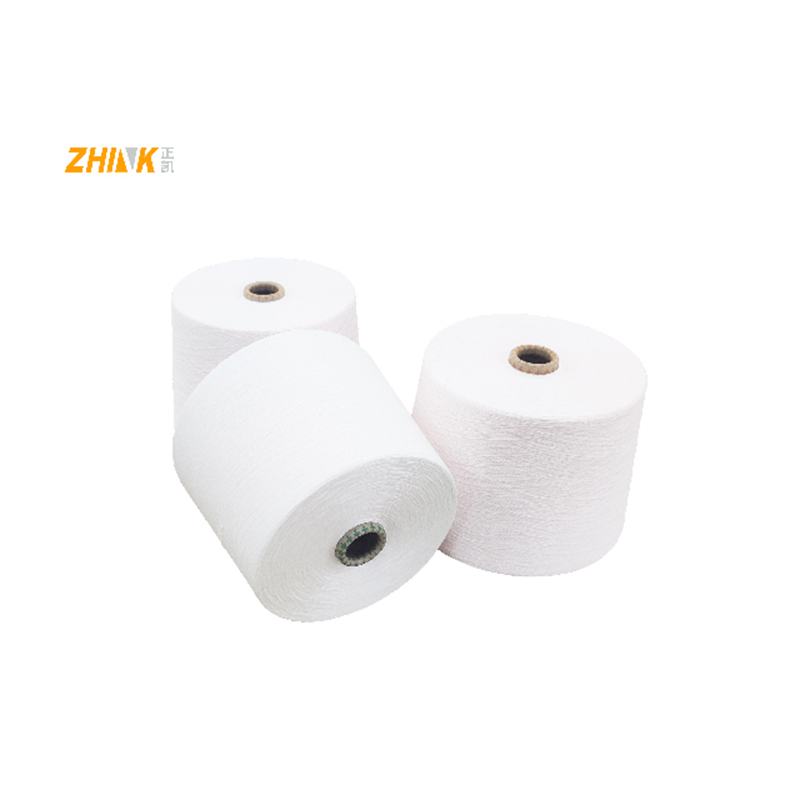
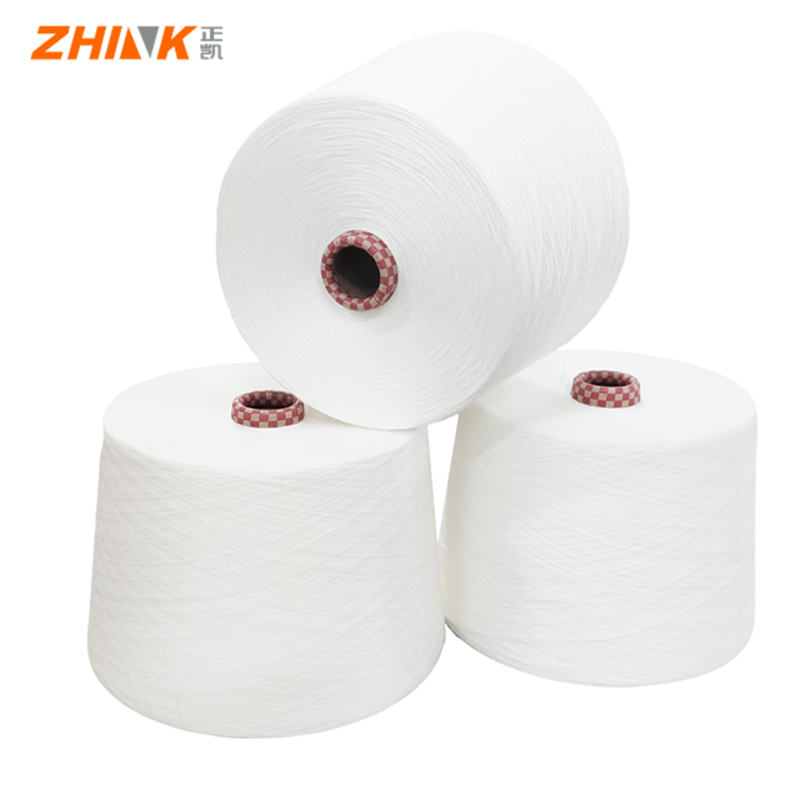
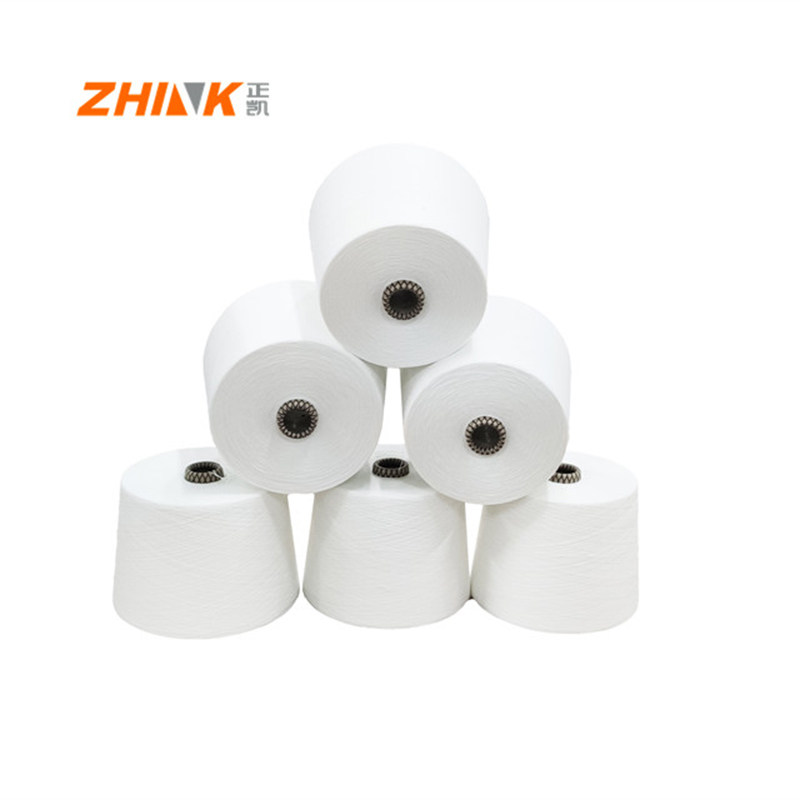
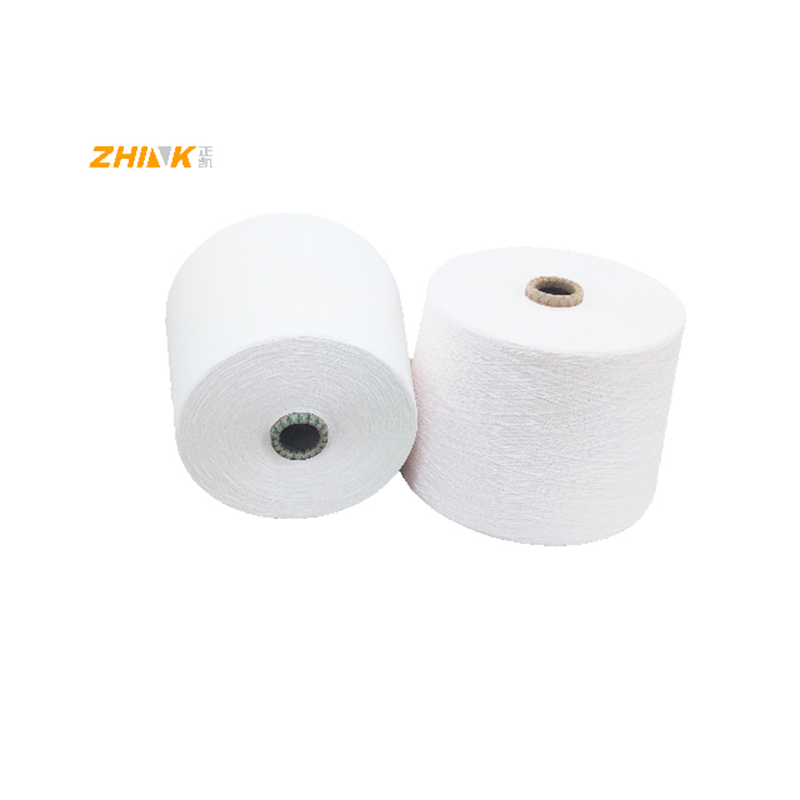
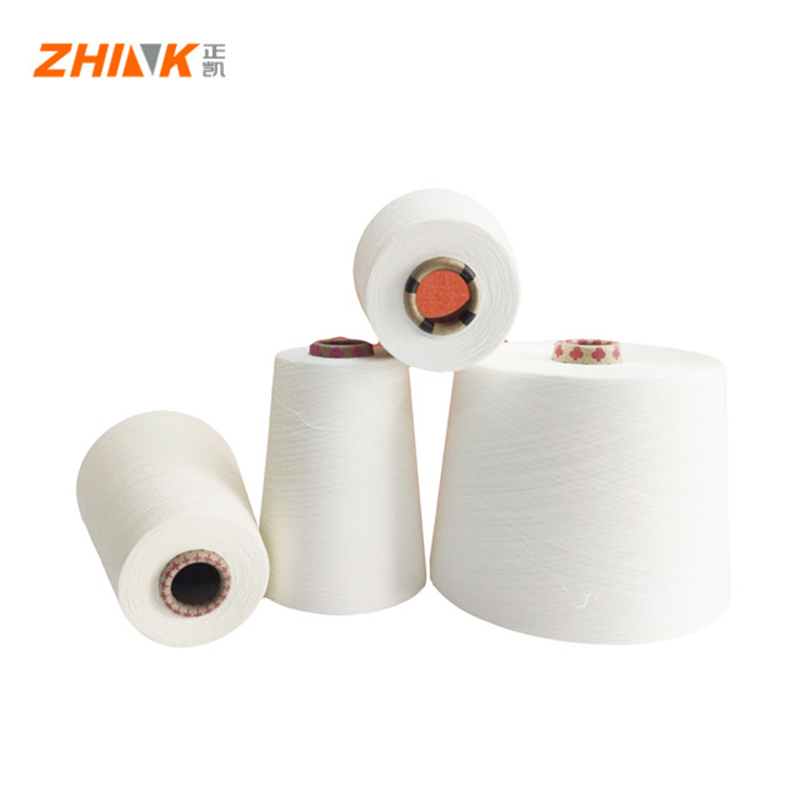
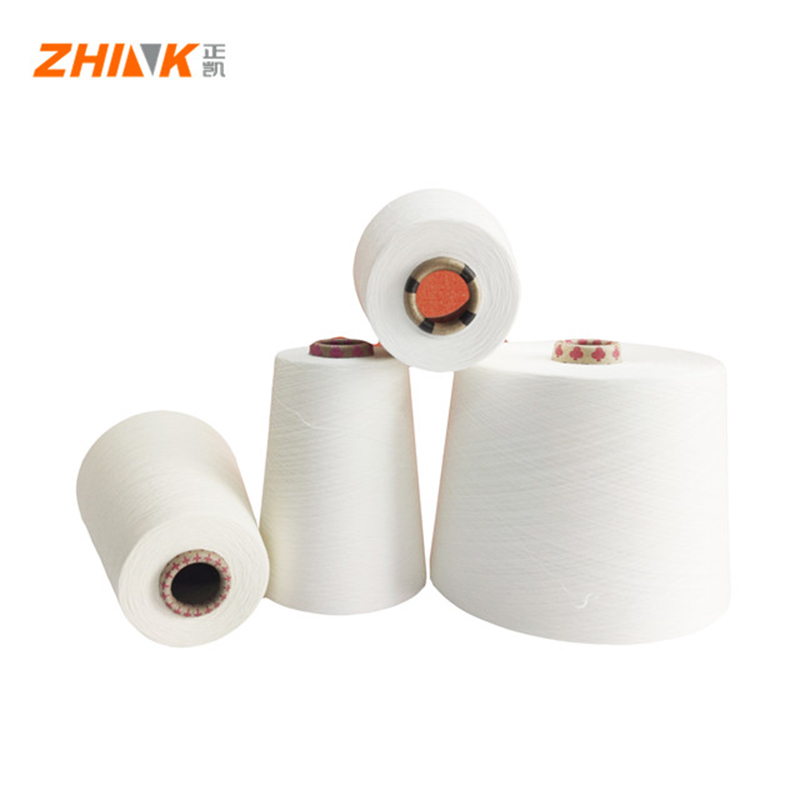
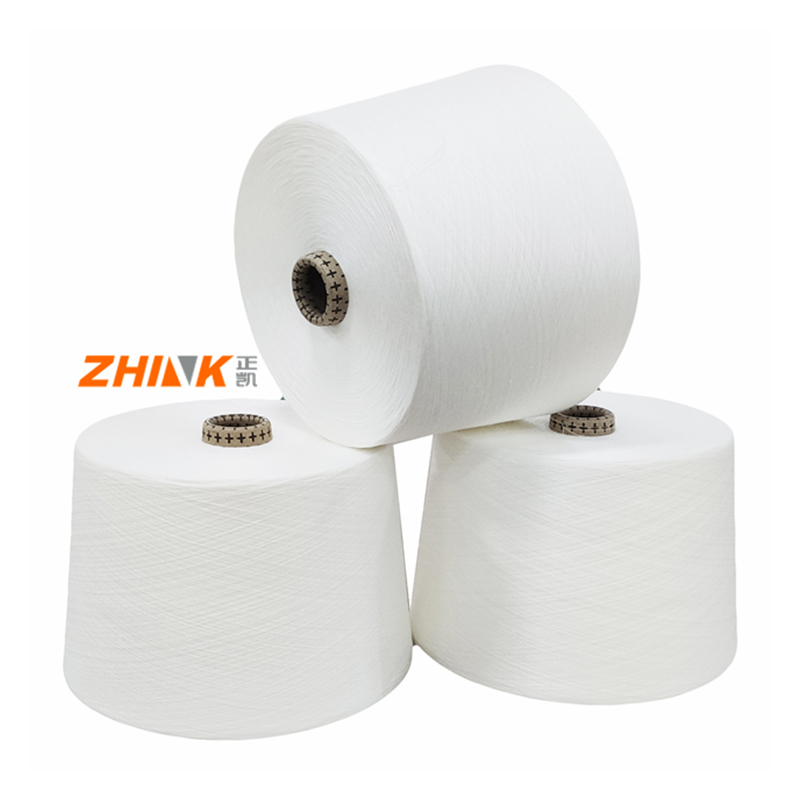
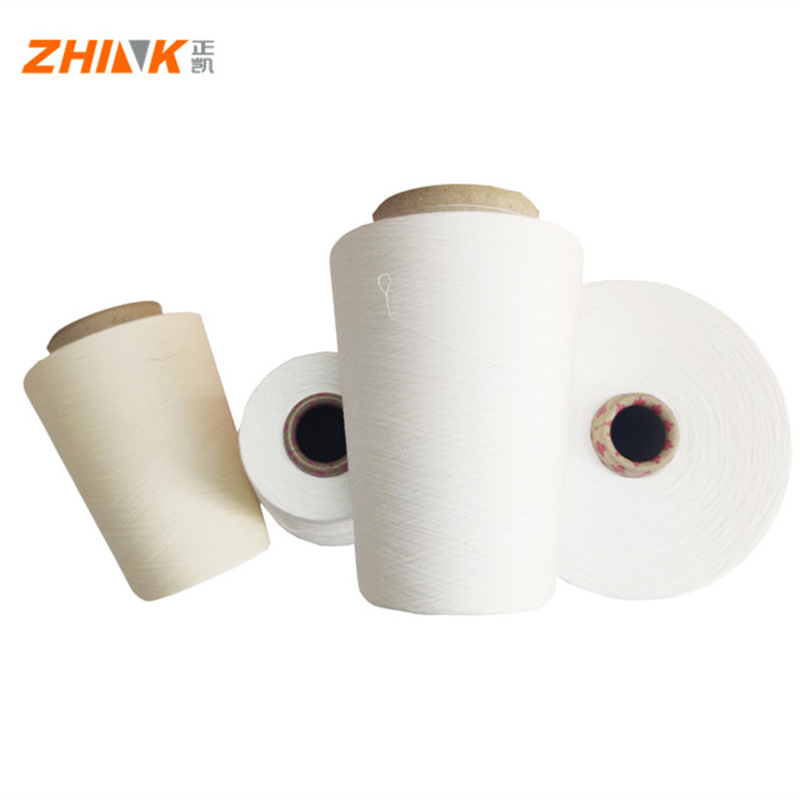
recycled viscose yarn
Understanding the Intricacies of Recycled Viscose Yarn
Recycled viscose yarn is not just a buzzword in sustainable fashion; it's a cornerstone of a movement aimed at reducing the environmental footprint of textile manufacturing. Yet, there's a lot more here than meets the eye. Many misconceptions cloud this industry, making it crucial for stakeholders to discern reality from myth. Let's dig into real experiences and shed some light on this fascinating material.
The Basics of Recycled Viscose Yarn
To kick things off, recycled viscose yarn is essentially made by reprocessing waste materials, primarily pre-consumer textile waste. Unlike traditional viscose, which relies heavily on new resources, the recycled variant aims to conserve existing materials. What many don't grasp is how this impacts everything from cost to texture and durability. SHANDONG ZHINK NEW MATERIAL CO., LTD, known for its innovation in textile solutions, is at the forefront of this shift, as detailed on their website zhinkyarn.com.
One common pitfall people encounter is assuming that recycled somehow means subpar quality. From my interactions, especially with industry professionals at textile expos, it becomes evident that quality isn't sacrificed. Instead, careful attention is given to sourcing and processing methods to ensure the results rival their non-recycled counterparts.
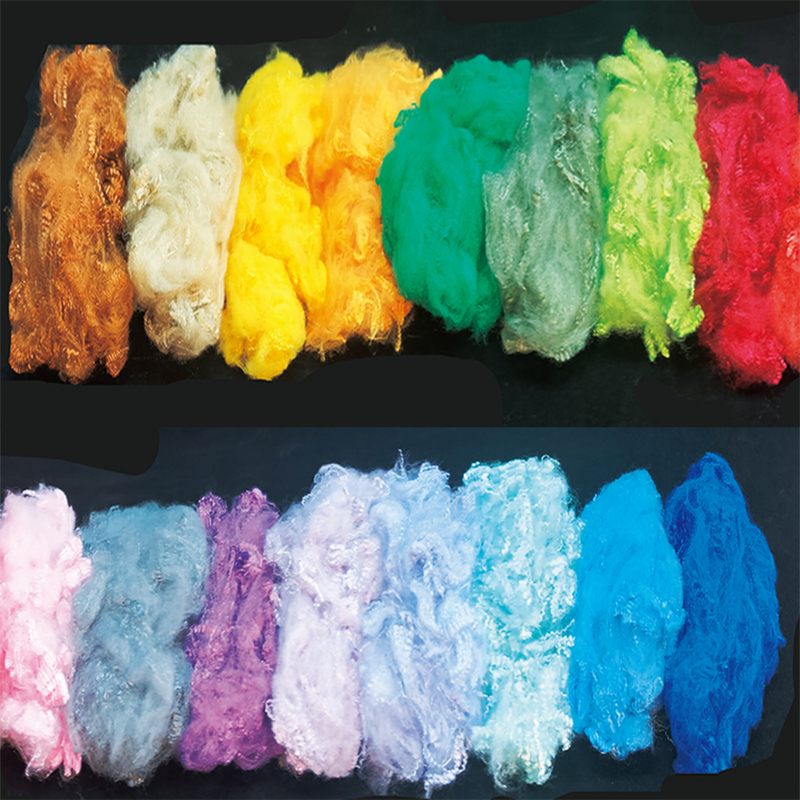
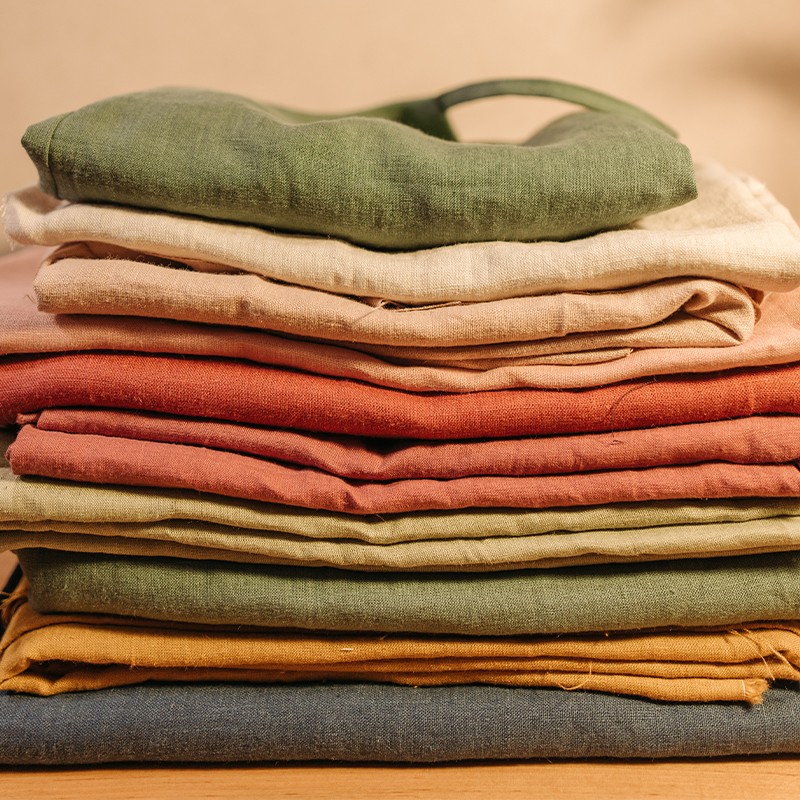
Another fascinating aspect is the yarn's versatility. Its application ranges from high-fashion garments to practical, everyday textiles, capable of holding dye well, which is a big win for designers looking to maintain a rich palette.
Challenges in Recycling Processes
The journey of turning discarded fiber into something new isn't without its hurdles. Many manufacturers find the initial cost of setting up recycling infrastructure a barrier. But those like SHANDONG ZHINK NEW MATERIAL CO., LTD have leveraged advanced technologies to make this feasible, offering solutions that minimize environmental impact without exorbitant cost increases.
An often overlooked challenge is consistency. Maintaining a uniform quality level can be tricky, given the variability of source materials. That said, progress is being made, largely due to persistent R&D efforts. It's experimentation at its core, sometimes leading to impressive breakthroughs, other times not.
My own attempts to collaborate with textile labs have taught me that engagement with such materials requires patience and iteration. You might get batches that throw you curveballs, which is all part of conquering the learning curve with recycled fibers.
Environmental Impact and Sustainability
From a sustainability perspective, recycled viscose yarn is a game-changer. With concerns about deforestation linked to traditional viscose, shifting to recycled sources reduces this dependency significantly. Moreover, it lowers water and chemical usage, which are critical for sustainable production.
While the environmental benefits are compelling, it's intriguing how consumer interest plays into viability. More brands are emphasizing transparency in their supply chains, and the demand for responsible material sourcing couldn't be higher.
Industries like fashion often bear the brunt of criticism for environmental harm, yet the tide is shifting towards accountability, spurred by initiatives like those of Zhink New Material, focusing on cleaner production methodologies.
Market Adoption and Consumer Perception
The marketplace response to recycled viscose yarn has been largely positive, yet challenges remain. Consumers are increasingly educated but still grapple with trust issues—it's crucial for companies to share clear, factual information. This is where SHANDONG ZHINK NEW MATERIAL CO., LTD excels, making significant strides in public education through their platform.
Brand messaging should be clear, avoiding greenwashing traps. Companies need to highlight genuine sustainability practices backed by data and research, something Znink New Material intensely focuses on.
On a practical note, I’ve seen firsthand how stories and narratives around recycled products influence consumer decisions more profoundly than technical specifications alone. This emotional connection can drive greater adoption.
Future of Recycled Viscose Yarn
The potential for recycled viscose yarn is vast, with ever-increasing innovations surfacing within the industry. With continuous research and development, new applications are constantly emerging, which could further reduce costs and expand usage.
Looking forward, fostering collaboration between material producers, manufacturers, and brands is critical. These partnerships are indeed the lifeblood of creating an integrated approach to sustainability, which companies like Zhink New Material actively promote.
Ultimately, as the industry grows, the conversation will shift from just “how” to “what's next”—a focus not merely on improving recycling methods but on driving broader cultural change towards mindful consumption.
Related Products
Related Products