+86-632-3621866
- Chinese
- French
- German
- Portuguese
- Spanish
- Russian
- Japanese
- Korean
- Arabic
- Irish
- Greek
- Turkish
- Italian
- Danish
- Romanian
- Indonesian
- Czech
- Afrikaans
- Swedish
- Polish
- Basque
- Catalan
- Esperanto
- Hindi
- Lao
- Albanian
- Amharic
- Armenian
- Azerbaijani
- Belarusian
- Bengali
- Bosnian
- Bulgarian
- Cebuano
- Chichewa
- Corsican
- Croatian
- Dutch
- Estonian
- Filipino
- Finnish
- Frisian
- Galician
- Georgian
- Gujarati
- Haitian
- Hausa
- Hawaiian
- Hebrew
- Hmong
- Hungarian
- Icelandic
- Igbo
- Javanese
- Kannada
- Kazakh
- Khmer
- Kurdish
- Kyrgyz
- Latin
- Latvian
- Lithuanian
- Luxembou..
- Macedonian
- Malagasy
- Malay
- Malayalam
- Maltese
- Maori
- Marathi
- Mongolian
- Burmese
- Nepali
- Norwegian
- Pashto
- Persian
- Punjabi
- Serbian
- Sesotho
- Sinhala
- Slovak
- Slovenian
- Somali
- Samoan
- Scots Gaelic
- Shona
- Sindhi
- Sundanese
- Swahili
- Tajik
- Tamil
- Telugu
- Thai
- Ukrainian
- Urdu
- Uzbek
- Vietnamese
- Welsh
- Xhosa
- Yiddish
- Yoruba
- Zulu
- Kinyarwanda
- Tatar
- Oriya
- Turkmen
- Uyghur


Red coffee polyester fiber
Understanding Red Coffee Polyester Fiber: Insights from Industry Practice
Red coffee polyester fiber might sound like a niche term or some sort of marketing buzzword, but in truth, it represents an intriguing blend of sustainability and textile innovation. In this article, we delve into the practicalities, production processes, and the challenges faced within this textile niche, based largely on firsthand industry experience.
What Exactly is Red Coffee Polyester Fiber?
The term red coffee polyester fiber often confuses newcomers. Essentially, it is a type of polyester fiber that integrates recycled coffee grounds into its structure, often imparting a distinct reddish hue and enhanced properties. This process not only aims for aesthetic appeal but also emphasizes sustainability.
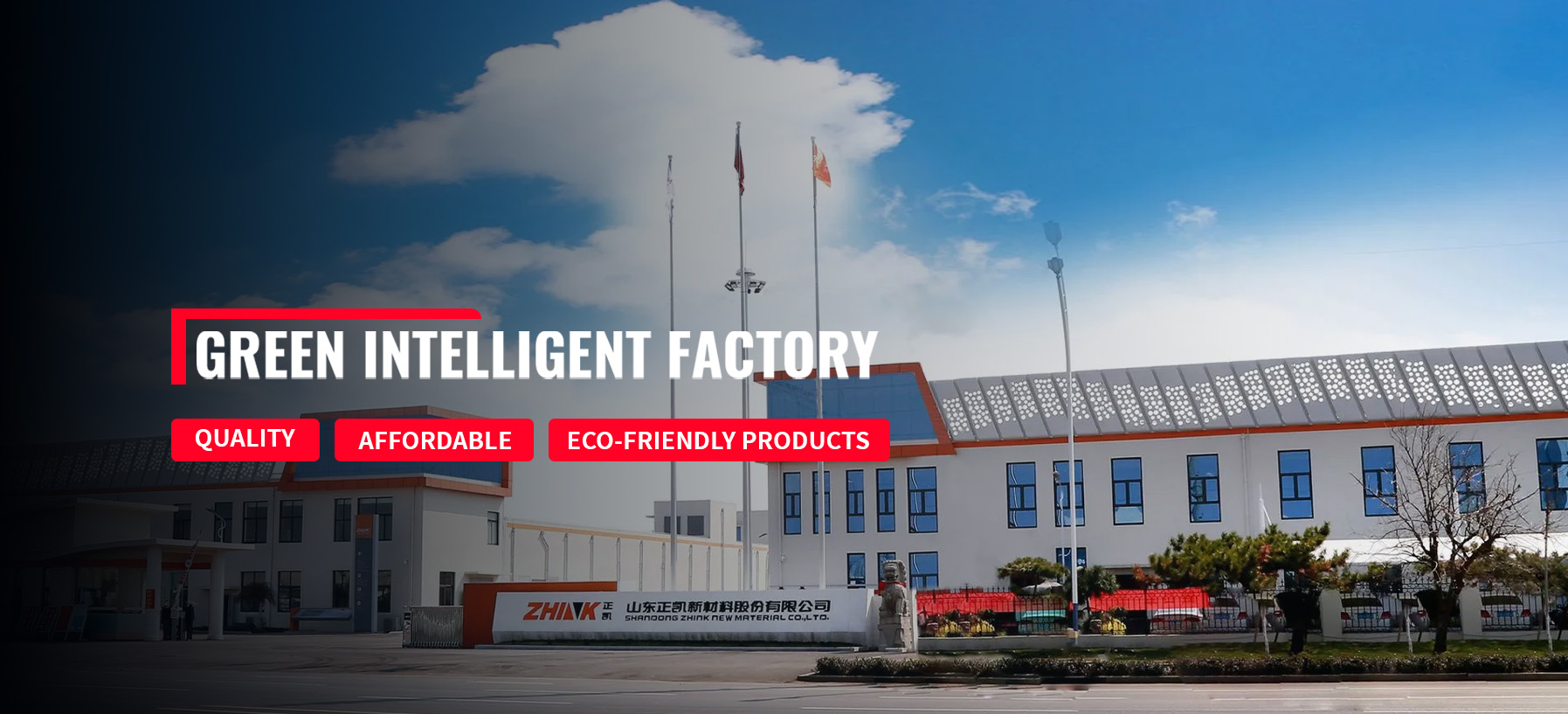
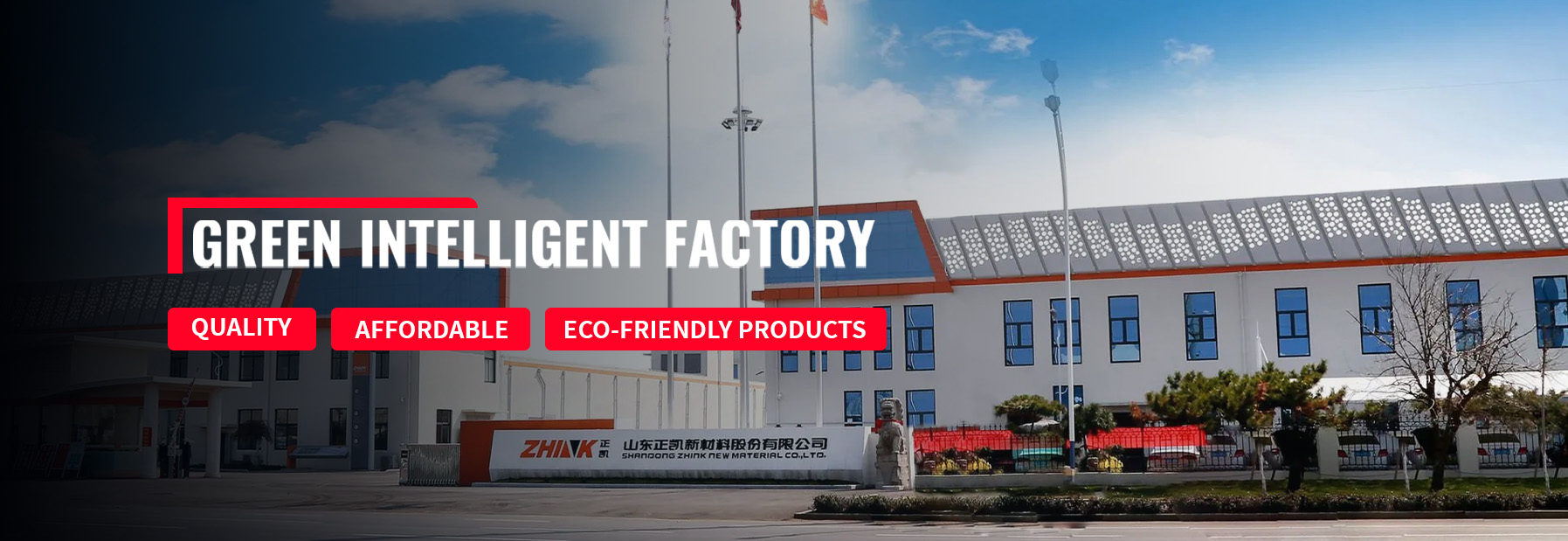
Several industry players, such as SHANDONG ZHINK NEW MATERIAL CO., LTD, are at the forefront of this innovation. By visiting their site, zhinkyarn.com, one can explore how this company bridges research, development, and market needs in the textile sector. They have made strides toward utilizing waste materials efficiently.
In practice, the real benefit comes in the form of improved odor control, UV protection, and quick-drying properties, derived largely from the coffee grounds. But of course, with every innovation, there are challenges to overcome.
Production Nuances and Challenges
From my experience, the production of red coffee polyester fiber isn't without its hurdles. Incorporating coffee grounds means dealing with variability in raw material quality. The grounds must be uniformly integrated into the fiber matrix, which necessitates precise control over the manufacturing process.
Machines often require recalibration to handle the different texture and density introduced by coffee grounds. I've witnessed firsthand the trial and error that manufacturers endure to achieve the right balance between durability and flexibility. Sometimes it feels like brewing the perfect cup of coffee—albeit more technical and industrial.
The coloration process also presents a unique challenge. Achieving a reliable, aesthetically pleasing red hue requires not just the right mix of dyes but consideration of how coffee grounds might interact chemically.
The Market Appeal of Sustainability
Why go through such effort? Simply put: market demand. In today's environmentally conscious world, consumers actively seek sustainable alternatives. Red coffee polyester fiber fits neatly into this narrative, offering manufacturers a unique selling point.
There is a palpable shift toward eco-friendly practices across the textile industry. SHANDONG ZHINK NEW MATERIAL CO., LTD and similar companies have capitalized on this by prioritizing sustainable development, capturing a growing segment of sustainability-focused consumers.
In terms of market reception, products utilizing recycled materials often command higher attention. However, it’s not just about playing the sustainability card—quality and performance can't be compromised. It's a tightrope balance, to be sure.
Practical Applications and Consumer Benefits
Having tested garments made from red coffee polyester fiber, it's evident that they exhibit unique benefits. Users notice the enhanced moisture-wicking and odor resistance features. For athletes or active individuals, this can be a game-changer.
Moreover, the UV protection these fibers offer adds a layer of skin safety, making them ideal for outdoor apparel. The quick-drying attribute is another boon, reducing drying times considerably—useful in both everyday wear and specialized applications.
But the consumer landscape always demands more. In my discussions with industry peers, there's a continuous push for multi-functional textiles that merge these benefits with other smart technologies, like embedded sensors for fitness tracking, which could very well be the next frontier.
Looking Ahead in Textile Innovation
The textile industry’s landscape is ever-evolving, and the use of red coffee polyester fiber is just one of the many innovations reshaping it. Industry leaders like SHANDONG ZHINK NEW MATERIAL CO., LTD play a pivotal role in steering these changes, thanks to their persistent focus on research and development.
As we look further into the future, those in the industry must remain adaptable. Continued collaboration with sustainable material sources and advancements in integration techniques will likely define the pace of progress.
In conclusion, while the road to mainstream acceptance of complex fibers like red coffee polyester may be challenging, it's filled with exciting possibilities. The intersection of innovation and sustainability is not a distant goal—it's an ongoing journey already unfolding within the walls of modern textile companies.
Related Products
Related Products