+86-632-3621866
- Chinese
- French
- German
- Portuguese
- Spanish
- Russian
- Japanese
- Korean
- Arabic
- Irish
- Greek
- Turkish
- Italian
- Danish
- Romanian
- Indonesian
- Czech
- Afrikaans
- Swedish
- Polish
- Basque
- Catalan
- Esperanto
- Hindi
- Lao
- Albanian
- Amharic
- Armenian
- Azerbaijani
- Belarusian
- Bengali
- Bosnian
- Bulgarian
- Cebuano
- Chichewa
- Corsican
- Croatian
- Dutch
- Estonian
- Filipino
- Finnish
- Frisian
- Galician
- Georgian
- Gujarati
- Haitian
- Hausa
- Hawaiian
- Hebrew
- Hmong
- Hungarian
- Icelandic
- Igbo
- Javanese
- Kannada
- Kazakh
- Khmer
- Kurdish
- Kyrgyz
- Latin
- Latvian
- Lithuanian
- Luxembou..
- Macedonian
- Malagasy
- Malay
- Malayalam
- Maltese
- Maori
- Marathi
- Mongolian
- Burmese
- Nepali
- Norwegian
- Pashto
- Persian
- Punjabi
- Serbian
- Sesotho
- Sinhala
- Slovak
- Slovenian
- Somali
- Samoan
- Scots Gaelic
- Shona
- Sindhi
- Sundanese
- Swahili
- Tajik
- Tamil
- Telugu
- Thai
- Ukrainian
- Urdu
- Uzbek
- Vietnamese
- Welsh
- Xhosa
- Yiddish
- Yoruba
- Zulu
- Kinyarwanda
- Tatar
- Oriya
- Turkmen
- Uyghur



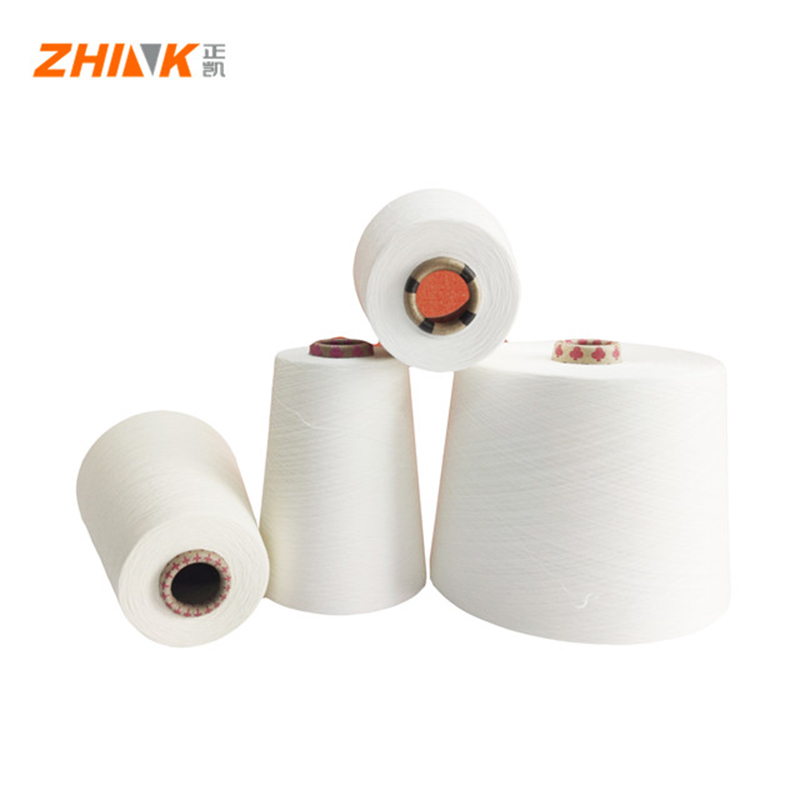
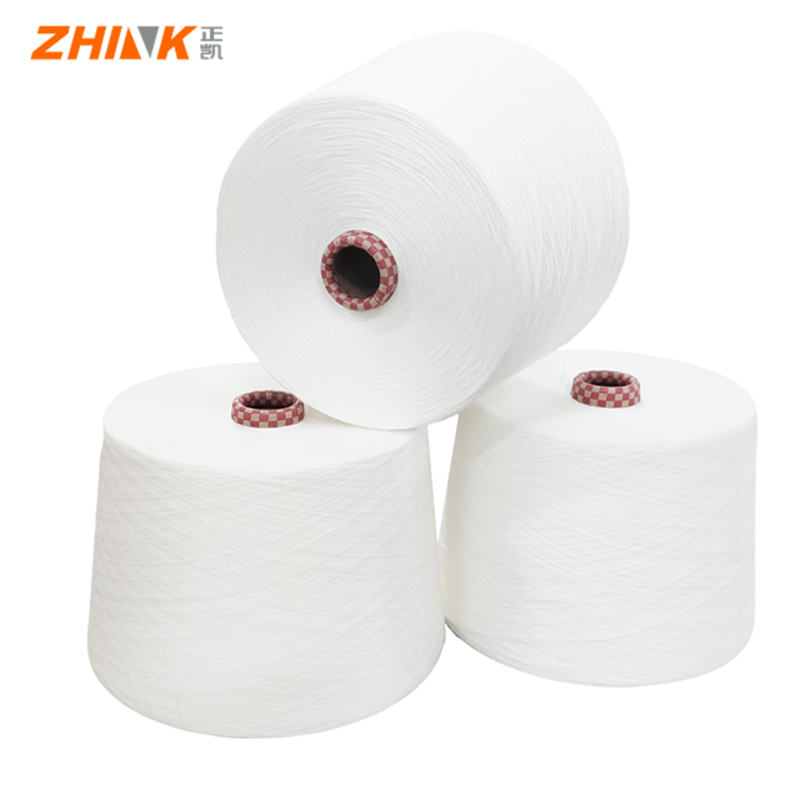
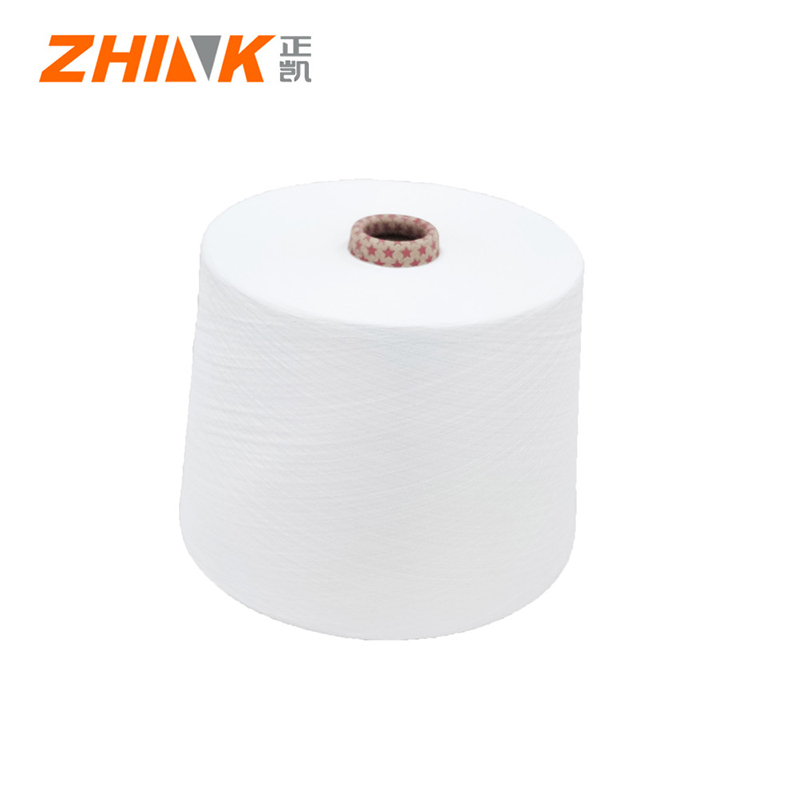
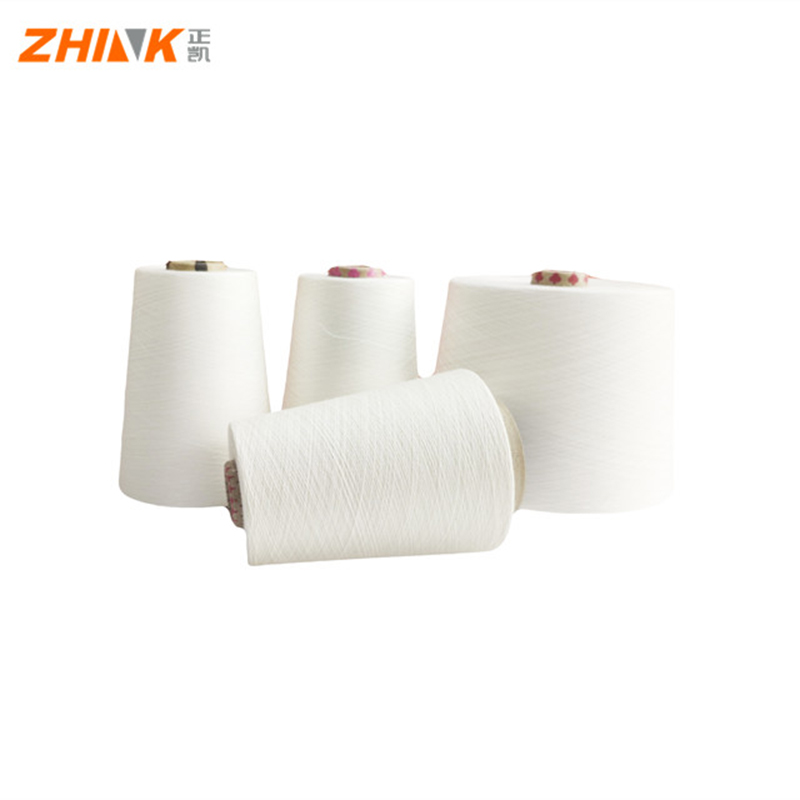
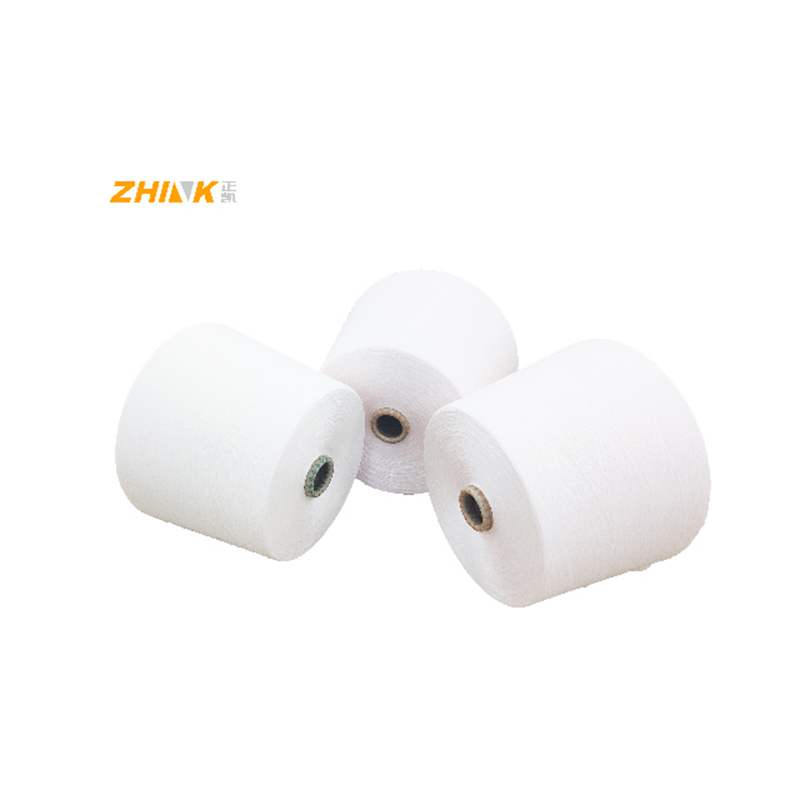
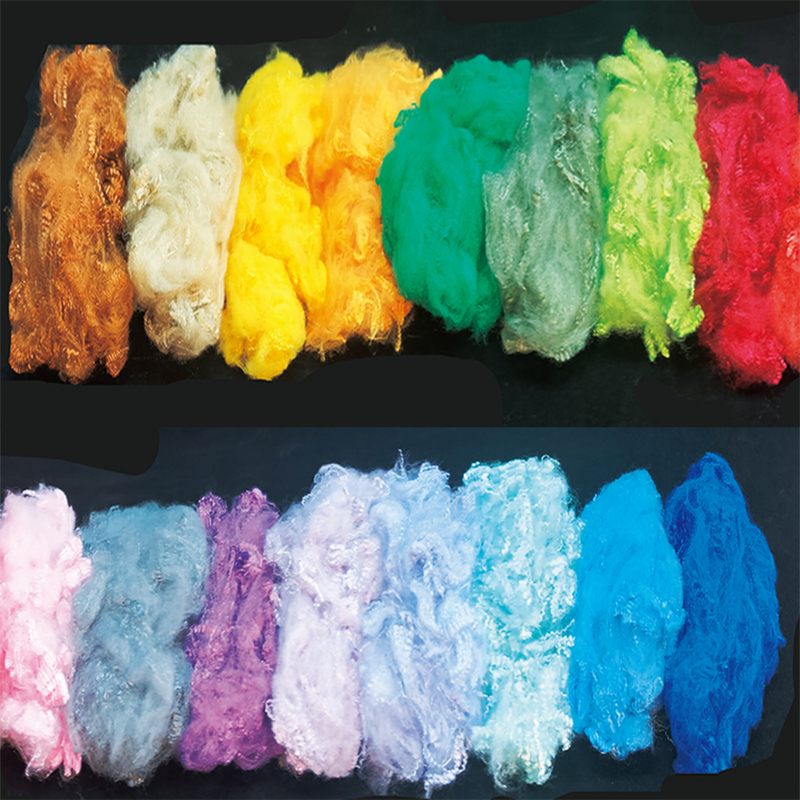
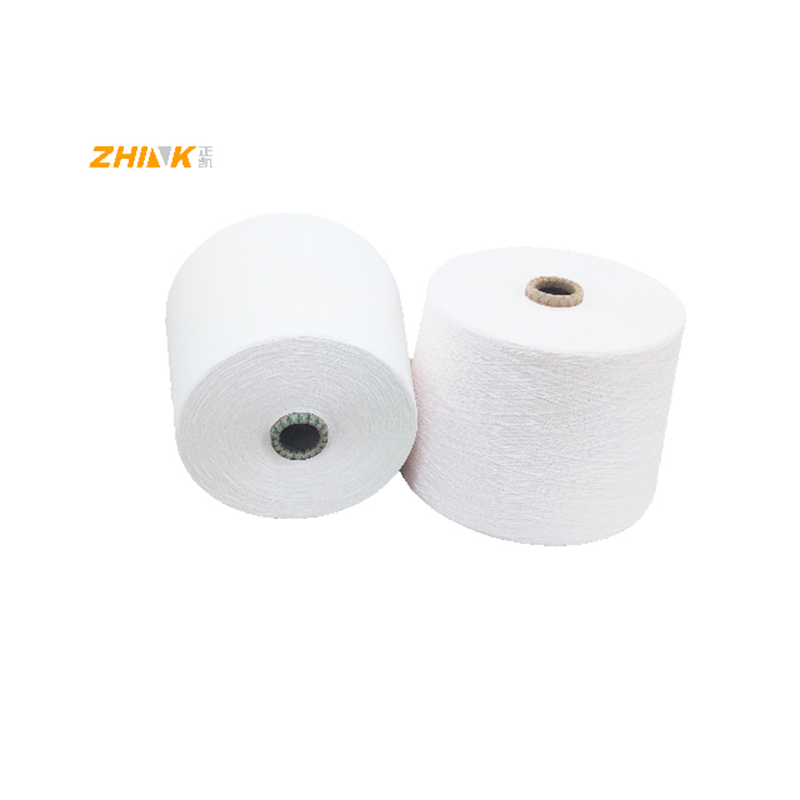
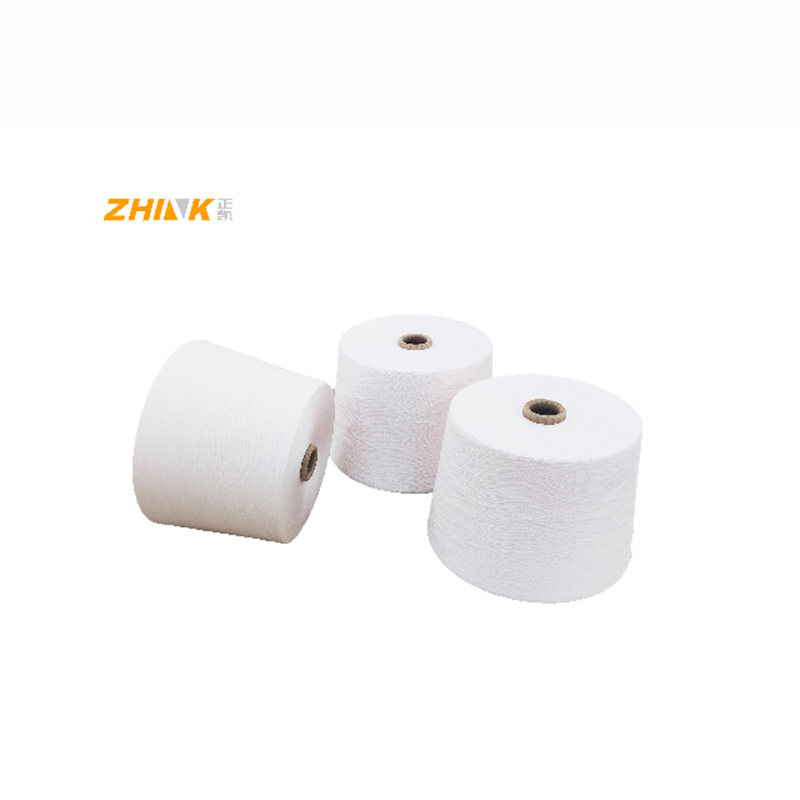
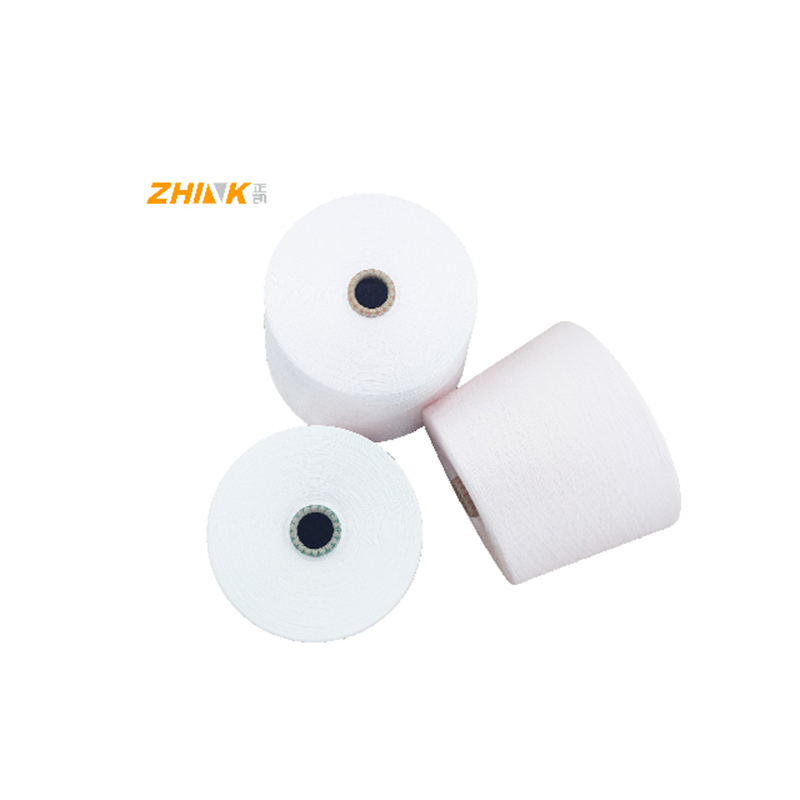
regenerated polyester staple fiber
An In-Depth Look at Regenerated Polyester Staple Fiber
Regenerated polyester staple fiber, often overshadowed by its virgin counterpart, plays a crucial role in sustainable textile solutions. It offers a way to reduce waste and make the industry more eco-friendly, yet many misunderstand what it truly entails.
The Basics of Regenerated Polyester
As a material, regenerated polyester staple fiber is crafted from recycled PET bottles. This isn't simply a repurposing effort but a full transformation process where waste becomes a viable product. Think about the care involved in shredding, melting, and reforming—a dance between science and art.
Having spent years in the textile industry, the challenge is often making the final product as durable as its virginal counterpart. The truth is, it’s not just about reproduction, but enhancement. Using innovations at SHANDONG ZHINK NEW MATERIAL CO., LTD, for instance, manufacturers have been pushing these fibers to new boundaries.
Some believe recycled fibers are inherently weaker, but that's a misconception. I remember my surprise during a tensile strength test on a batch from Zhink New Material—it withstood pressures that I assumed only non-recycled materials could handle.
Benefits and Challenges
The clear upside? Environmental impact. Regenerated fibers significantly cut down on raw material dependence and reduce landfill contributions. Anecdotally, I've seen production lines reduce waste by up to 60% when adopting these fibers. It's profound.
And while there's that visible shift towards sustainability, obstacles exist. Color consistency, for instance, can be tricky. Those of us who deal firsthand know the frustration when the dyeing outcome varies batch-to-batch. Yet, it’s part of the chase for perfection.
It's a learning process, not unlike what we see at Zhink New Material where they continuously tweak their processes, adjusting chemical compositions and machinery settings to counteract such inconsistencies.
A Close Look at Production Techniques
The methodology behind regenerated polyester staple fiber production is intricate. In my experience, the extrusion process is vital—it's where most production holds up if you're not careful. The temperature settings? Often a few degrees off can mean a non-uniform batch.
Working alongside engineers at SHANDONG ZHINK NEW MATERIAL CO., LTD, I’ve noticed their meticulous attention to detail. Just last year, during a factory tour, the precision of their equipment was so finely tuned I could barely hear the machines hum.
Despite the technical challenges, the end reward is worth the effort—a testament to what happens when industry expertise meets innovation.
Market Implications
From a commercial standpoint, the demand for sustainable options is on a steep incline. Brands aggressively seek out regenerated materials to align with consumer values. At Zhink New Material, for example, there's a 30% increase in inquiries from European markets alone.
This interest, while beneficial, creates pressure on suppliers to maintain quality and supply consistency. Meeting varying regulatory standards across regions adds another layer of complexity. It’s a constant game of adaptation and foresight.
And yet, the raw potential of regenerated polyester staple fiber remains vivid, encouraging deeper investment in research and development. The innovations happening now could redefine the textile industry's future fabric.
The Future of Regenerated Polyester
Forecasting ahead, it’s clear that the journey with regenerated polyester staple fiber is just beginning. There's an ongoing need for enhancements in both quality and environmental impact.
For those at SHANDONG ZHINK NEW MATERIAL CO., LTD, the next steps involve pioneering greener technologies, ensuring even their production footprint is minimized. They're already exploring potential partnerships for advanced chemical recycling.
In closing, while challenges remain, the optimism in this niche is palpable. From firsthand trials and adjustments to seeing the positive market response, confidence grows that regenerated fibers will soon stand as equals alongside traditional materials, if not eclipse them. For now, we keep refining, testing, and innovating because the future of textiles hinges on sustainability.
Related Products
Related Products