+86-632-3621866
- Chinese
- French
- German
- Portuguese
- Spanish
- Russian
- Japanese
- Korean
- Arabic
- Irish
- Greek
- Turkish
- Italian
- Danish
- Romanian
- Indonesian
- Czech
- Afrikaans
- Swedish
- Polish
- Basque
- Catalan
- Esperanto
- Hindi
- Lao
- Albanian
- Amharic
- Armenian
- Azerbaijani
- Belarusian
- Bengali
- Bosnian
- Bulgarian
- Cebuano
- Chichewa
- Corsican
- Croatian
- Dutch
- Estonian
- Filipino
- Finnish
- Frisian
- Galician
- Georgian
- Gujarati
- Haitian
- Hausa
- Hawaiian
- Hebrew
- Hmong
- Hungarian
- Icelandic
- Igbo
- Javanese
- Kannada
- Kazakh
- Khmer
- Kurdish
- Kyrgyz
- Latin
- Latvian
- Lithuanian
- Luxembou..
- Macedonian
- Malagasy
- Malay
- Malayalam
- Maltese
- Maori
- Marathi
- Mongolian
- Burmese
- Nepali
- Norwegian
- Pashto
- Persian
- Punjabi
- Serbian
- Sesotho
- Sinhala
- Slovak
- Slovenian
- Somali
- Samoan
- Scots Gaelic
- Shona
- Sindhi
- Sundanese
- Swahili
- Tajik
- Tamil
- Telugu
- Thai
- Ukrainian
- Urdu
- Uzbek
- Vietnamese
- Welsh
- Xhosa
- Yiddish
- Yoruba
- Zulu
- Kinyarwanda
- Tatar
- Oriya
- Turkmen
- Uyghur


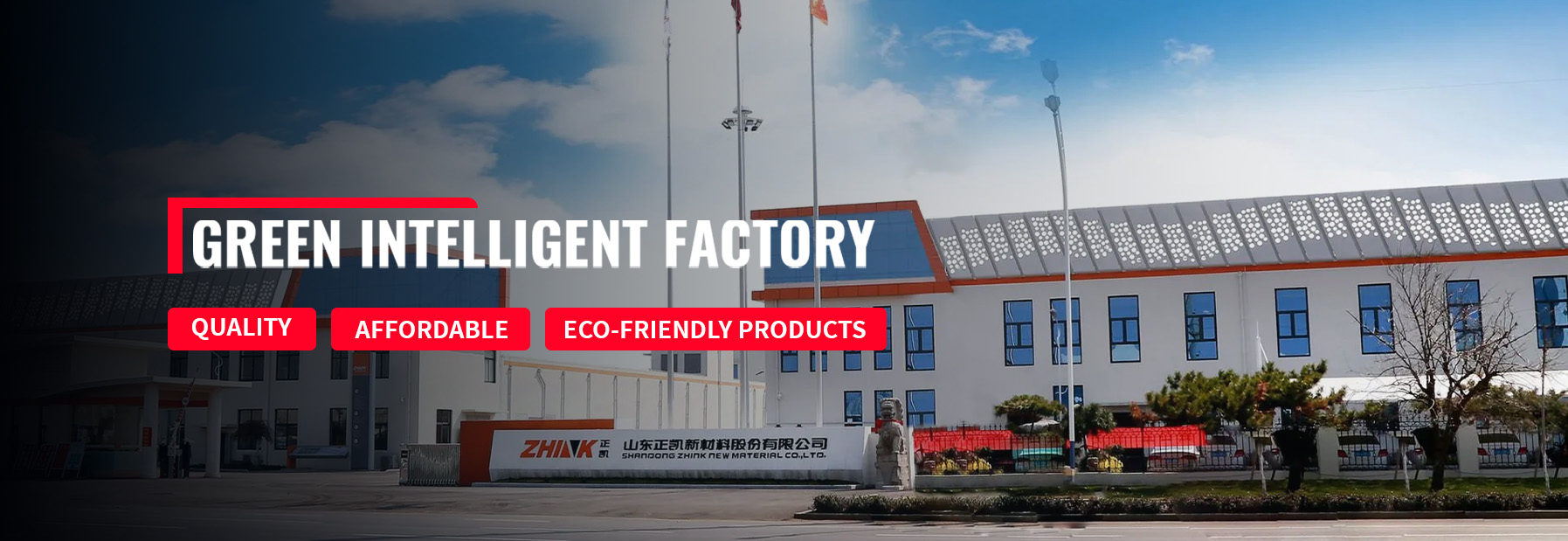
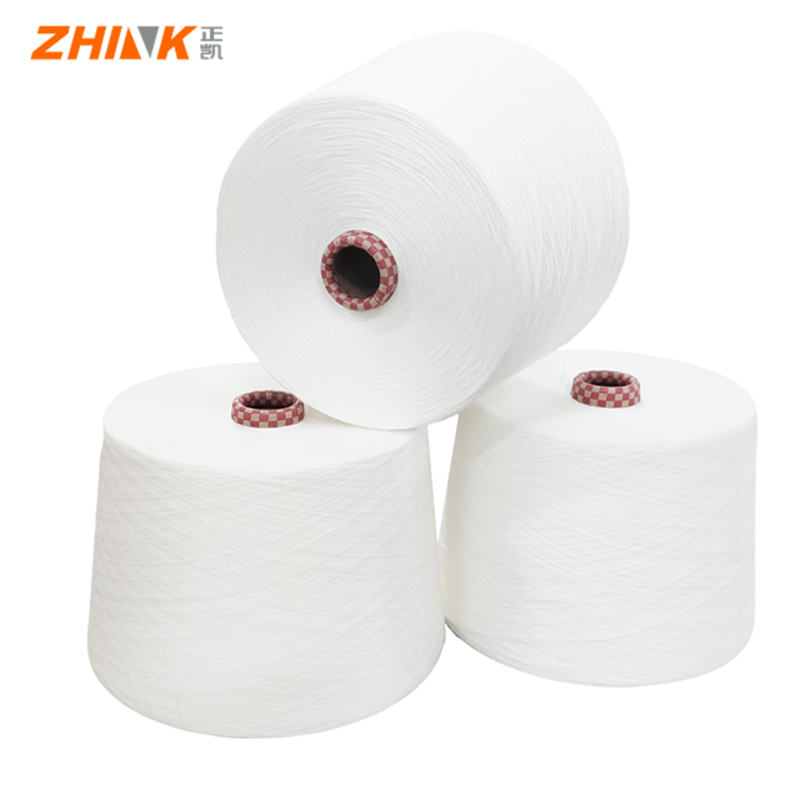
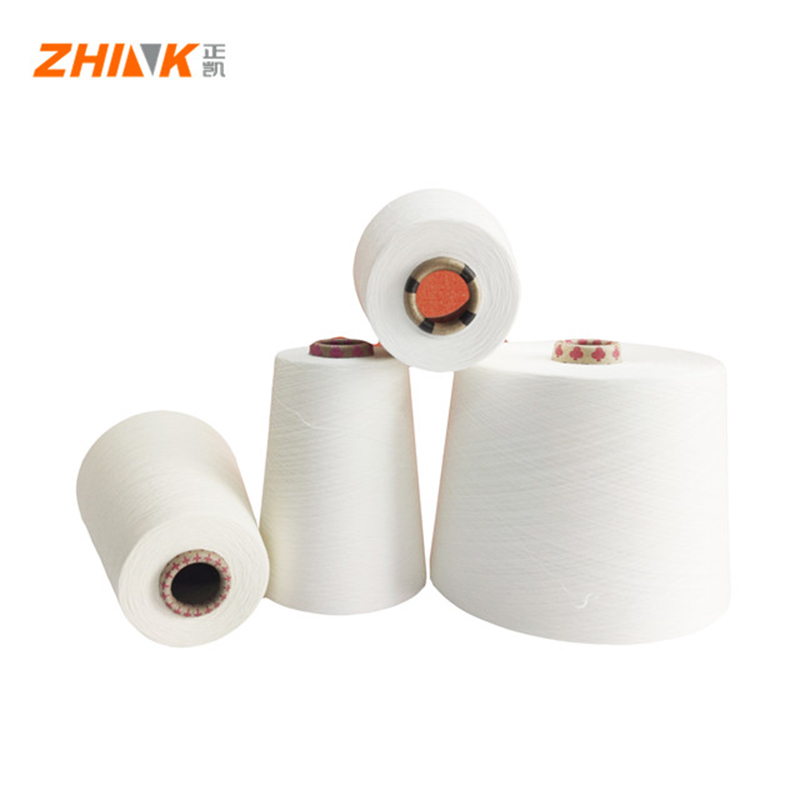
RWS wool blended yarn
RWS Wool Blended Yarn: A Dive into Sustainable Textiles
RWS wool blended yarn is not just a trend—it's a commitment to sustainable, quality textiles. Delve into its applications, challenges, and the expertise behind its production, drawing insights from industry leaders like SHANDONG ZHINK NEW MATERIAL CO., LTD.
Understanding RWS Wool Blended Yarn
When we talk about RWS wool blended yarn, misconceptions often surround the term. Many think it’s purely about softness and warmth. True, those are part of the equation, but the Responsible Wool Standard (RWS) is much more focused on sustainable practices and animal welfare. As someone who's spent years dealing with textile materials, these standards provide a peace of mind that doesn't come with conventional sources.
Working with companies like SHANDONG ZHINK NEW MATERIAL CO., LTD, known for their pioneering efforts in new textile technologies (check their offerings at Zhink New Material), I've observed not just a shift in production methods but a transformation in consumer awareness. The demand is now for transparency and ethical sourcing, not just aesthetics or cost.
One notable shift is in traceability. RWS ensures that the wool used is sourced from farms practicing responsible farming. This kind of traceability adds layers of trust, which, in my experience, has become a crucial selling point, especially for ethically-conscious brands.
The Manufacturing Challenges
Now, blending RWS wool presents its challenges. It's not just about mixing fibers. The process often involves balancing different materials to maintain the desired properties—whether it’s elasticity, durability, or color retention. This isn’t always straightforward. I recall an instance where an incorrect blend led to a batch with inconsistent dye uptake—a costly but educational mistake.
Partnering with SHANDONG ZHINK NEW MATERIAL CO., LTD highlighted the need for rigorous quality checks. They have a robust R&D setup that meticulously tests various blends before full-scale production, and their capability to adapt quickly is really next-level. This kind of adaptability is what keeps them ahead in the textile industry.
Success in manufacturing RWS wool blended yarn lies in the details. The minutiae of fiber length, twist, and even spinning speed can drastically affect the outcome. It’s a domain where practical know-how takes precedence over theoretical knowledge.
Environmental and Marketing Aspects
The environmental impact of textile production cannot be downplayed. RWS wool blended yarn emerges as a preferred choice due to its reduced environmental footprint. But, merely producing environmentally-friendly yarns isn't enough. Marketing them effectively is equally important, which is where storytelling comes in.
Brands that source from SHANDONG ZHINK NEW MATERIAL CO., LTD often leverage the authentic story of responsible sourcing and production. Consumers are increasingly drawn to the narrative behind a product, not just the end product itself. It's a tricky balance—honesty without overhyping.
In my work, I've seen how leveraging certifications like RWS goes beyond just compliance—it's about building a brand's ethos and establishing credibility. Those little logos on the product binding tag? They signal much more than eco-friendliness; they are a testament to rigorous, systematic efforts towards sustainability.
Case Study: From Concept to Product
There was this project where we launched a new line of cozy wear using RWS wool blended yarn. Initially, the client was apprehensive about the cost implications. But after understanding the long-term benefits—brand positioning, customer goodwill, and even potential cost savings through repeat business—they were on board. Collaborating closely with SHANDONG ZHINK NEW MATERIAL CO., LTD, we introduced a product that not only met but exceeded market expectations.
This example underscores a crucial lesson: aligning production capabilities with market needs is key. In the case of RWS wool blends, the premium price is justified through enhanced customer loyalty and the ability to command better margins. Looking back at the project, it was the collective effort—solid product development backed by robust marketing strategies—that led to its success.
Our experience with RWS wool blends demonstrates how innovation is not just about the materials but also about how those materials fit into larger consumer narratives and market trends. The collaboration across research, production, and marketing was essential to achieving our goals.
Future Trends and Considerations
Looking ahead, it's clear that the demand for RWS wool blended yarn is poised to grow. As sustainability becomes ever more pivotal, understanding the nuances of this material will define industry leaders. The challenge will lie in innovating without compromising the essence of what makes RWS wool unique.
SHANDONG ZHINK NEW MATERIAL CO., LTD continues to push boundaries in exploring new textile options. Their forward-thinking approach creates space for exciting possibilities, such as blends with recycled materials while maintaining alignment with RWS standards.
Ultimately, the progression of RWS wool blended yarn will depend heavily on collaboration—between suppliers, manufacturers, and retailers. Each step, from fiber growth to final product, needs to be fine-tuned to maintain the integrity of sustainability efforts. In my trials with this yarn, the journey towards sustainable textiles isn’t just a task but a necessary evolution.
Related Products
Related Products