+86-632-3621866
- Chinese
- French
- German
- Portuguese
- Spanish
- Russian
- Japanese
- Korean
- Arabic
- Irish
- Greek
- Turkish
- Italian
- Danish
- Romanian
- Indonesian
- Czech
- Afrikaans
- Swedish
- Polish
- Basque
- Catalan
- Esperanto
- Hindi
- Lao
- Albanian
- Amharic
- Armenian
- Azerbaijani
- Belarusian
- Bengali
- Bosnian
- Bulgarian
- Cebuano
- Chichewa
- Corsican
- Croatian
- Dutch
- Estonian
- Filipino
- Finnish
- Frisian
- Galician
- Georgian
- Gujarati
- Haitian
- Hausa
- Hawaiian
- Hebrew
- Hmong
- Hungarian
- Icelandic
- Igbo
- Javanese
- Kannada
- Kazakh
- Khmer
- Kurdish
- Kyrgyz
- Latin
- Latvian
- Lithuanian
- Luxembou..
- Macedonian
- Malagasy
- Malay
- Malayalam
- Maltese
- Maori
- Marathi
- Mongolian
- Burmese
- Nepali
- Norwegian
- Pashto
- Persian
- Punjabi
- Serbian
- Sesotho
- Sinhala
- Slovak
- Slovenian
- Somali
- Samoan
- Scots Gaelic
- Shona
- Sindhi
- Sundanese
- Swahili
- Tajik
- Tamil
- Telugu
- Thai
- Ukrainian
- Urdu
- Uzbek
- Vietnamese
- Welsh
- Xhosa
- Yiddish
- Yoruba
- Zulu
- Kinyarwanda
- Tatar
- Oriya
- Turkmen
- Uyghur



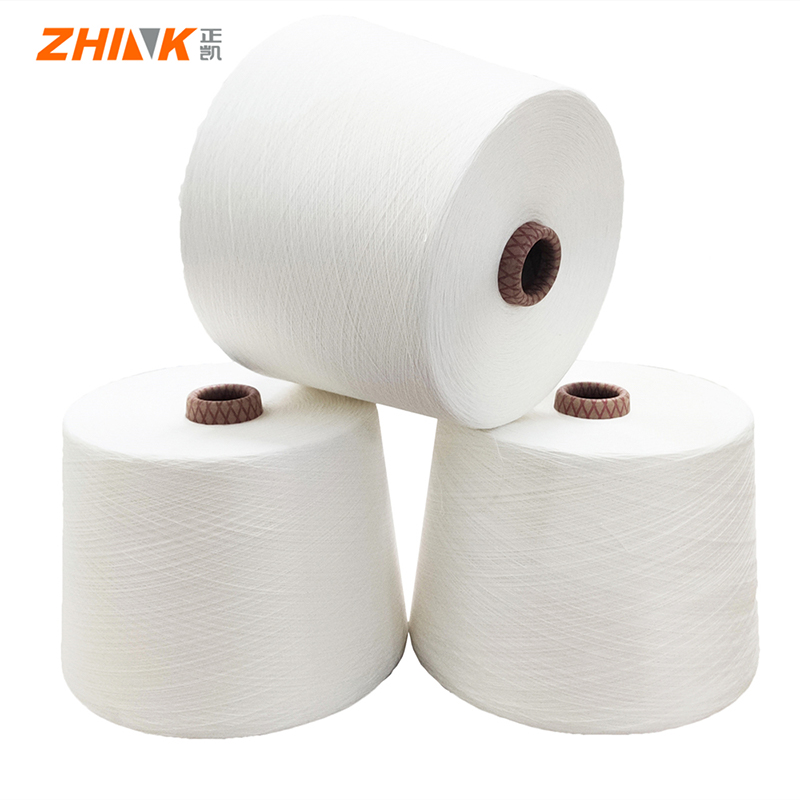
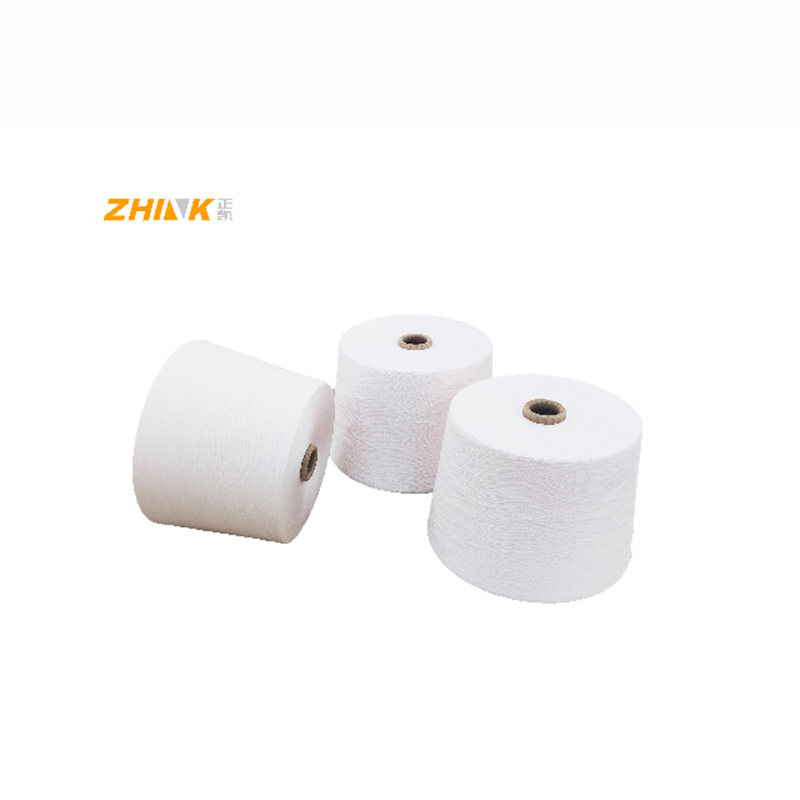
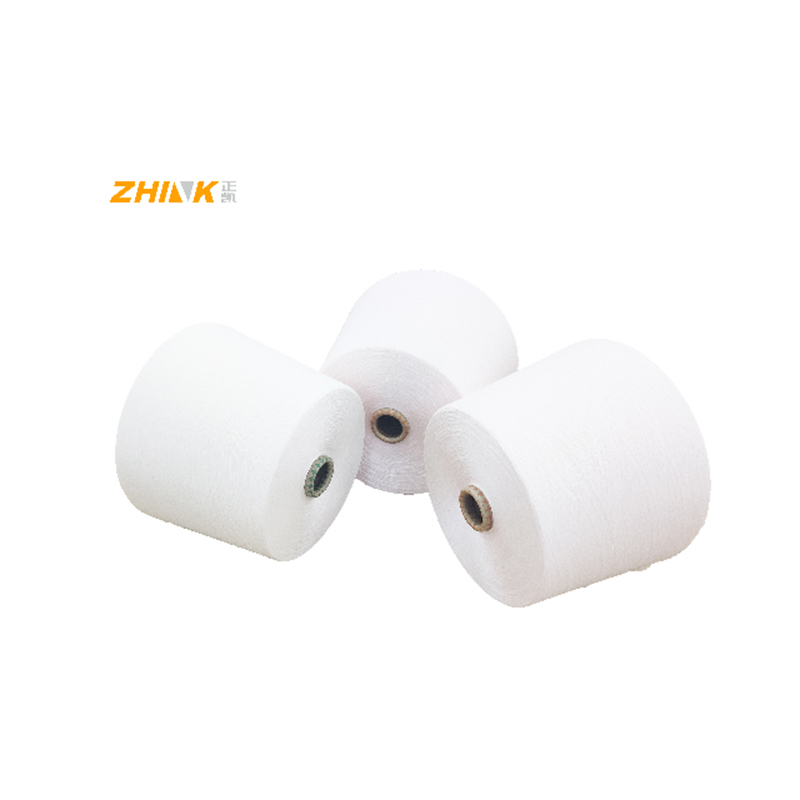
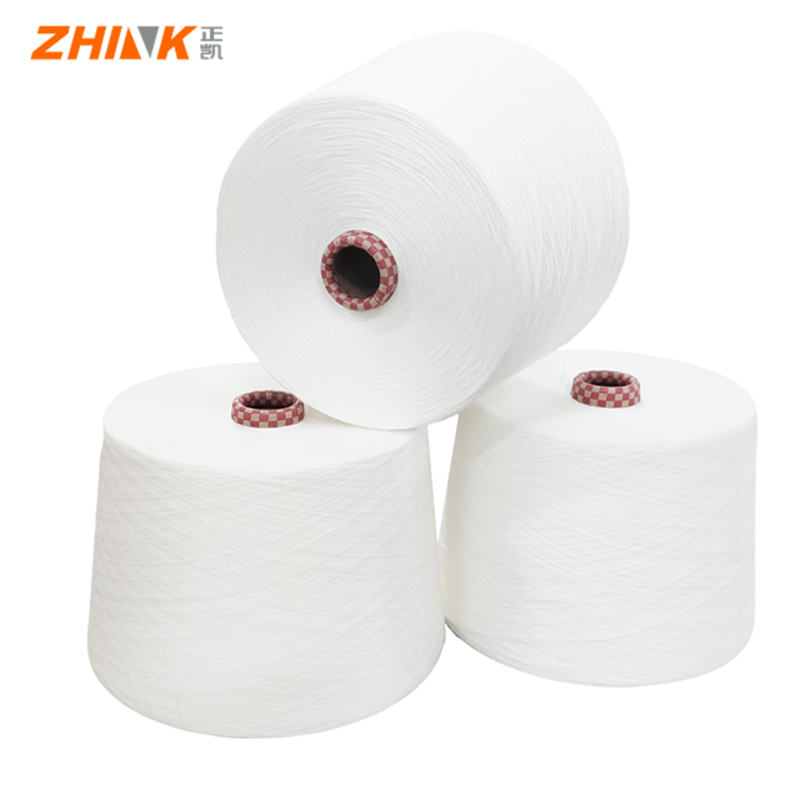
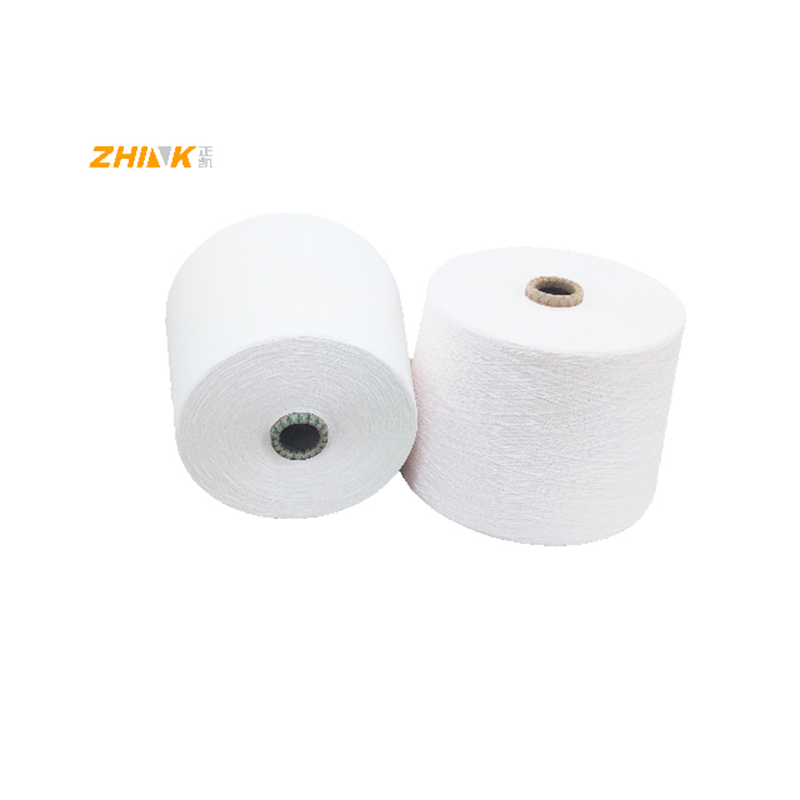
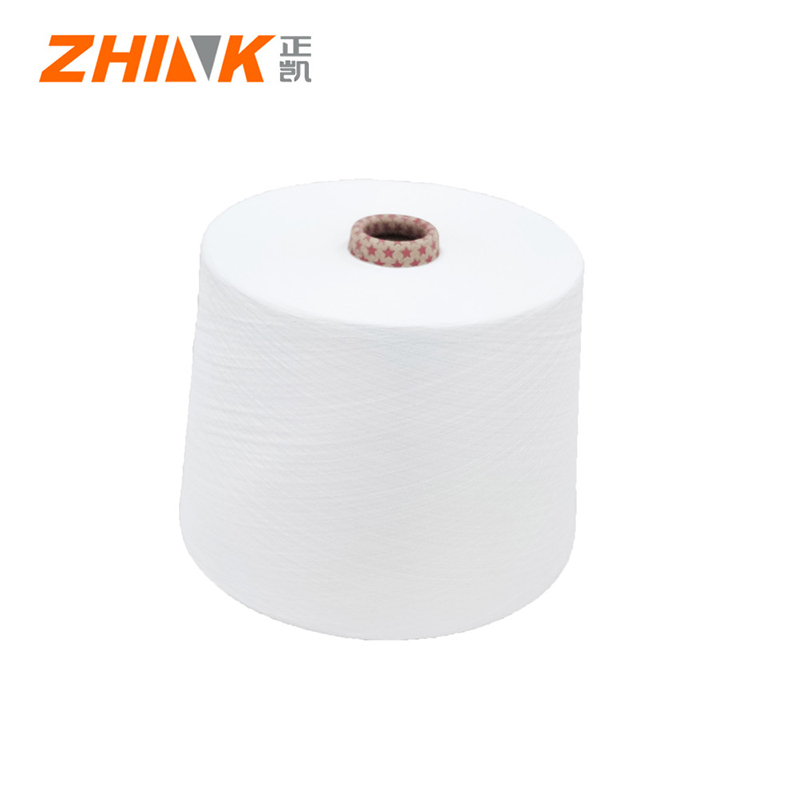
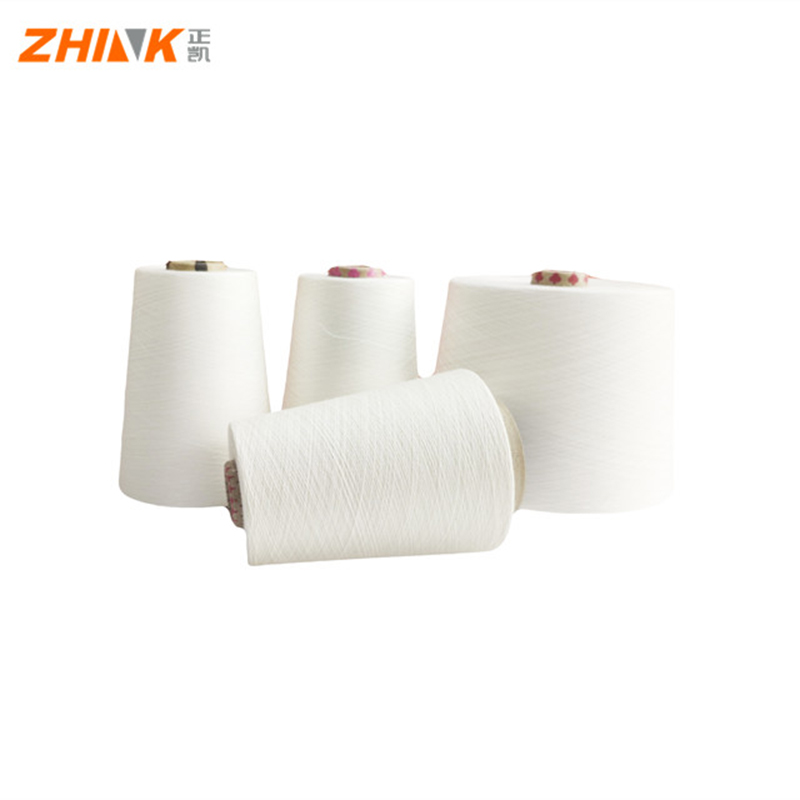
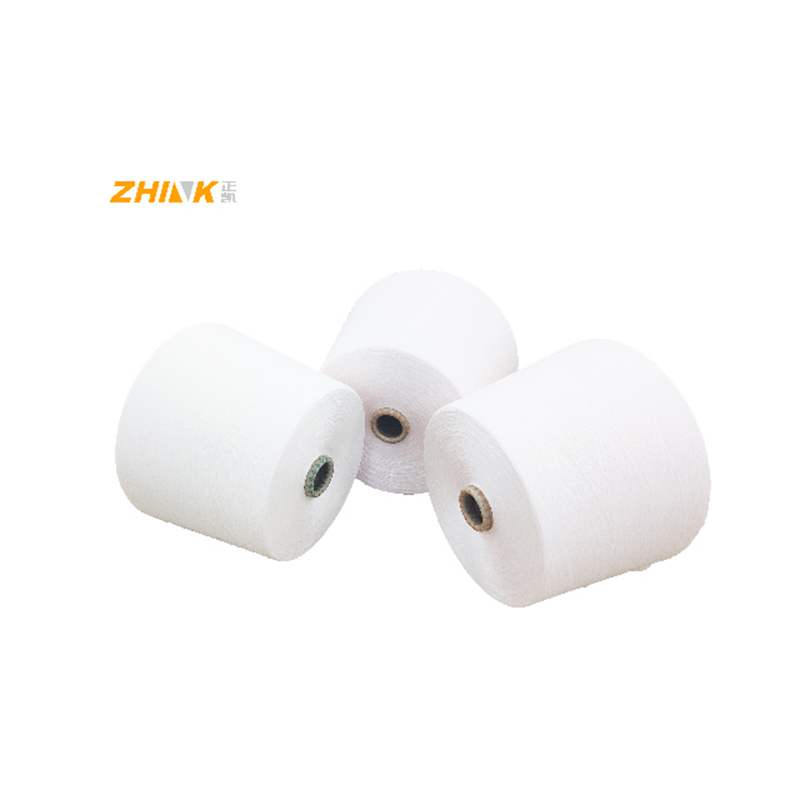
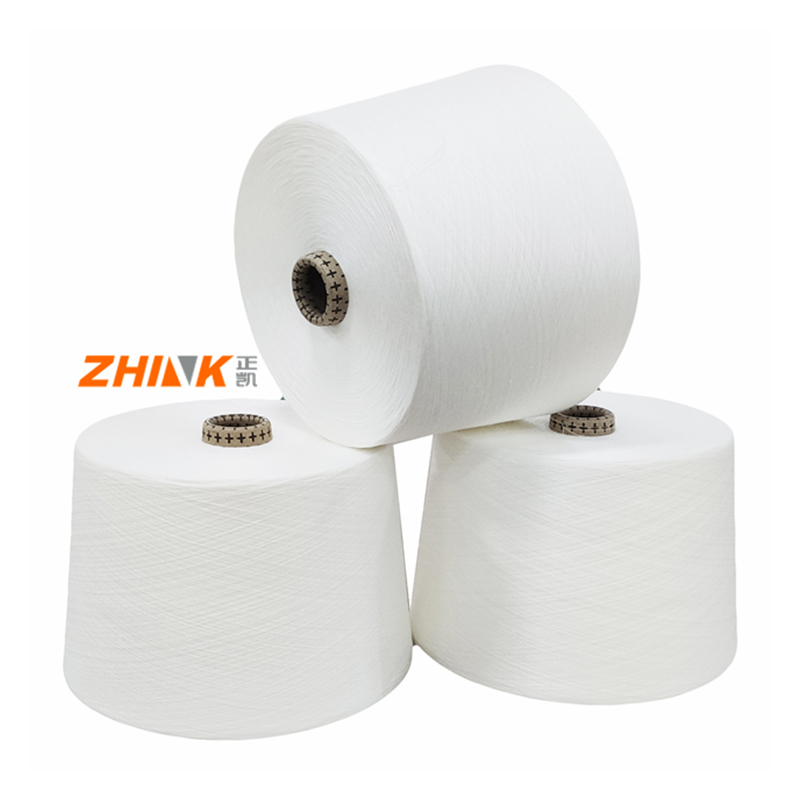
silk blend yarn
The Versatility and Elegance of Silk Blend Yarn
Discover why silk blend yarn is celebrated in the textile world. Offering an unparalleled combination of softness, sheen, and durability, it's the preferred choice for both amateurs and experienced artisans exploring the depths of knitting and weaving.
The Allure of Silk Blend Yarn
When it comes to knitting, there's a certain intrigue surrounding the use of silk blend yarn. Many perceive it as a luxury reserved for high-end projects. But here’s the catch: it’s more accessible than most think. Silk blends infuse projects with a touch of elegance without breaking the bank. The real magic lies in this balance of affordability and luxury.
From my own experiences, silk blends have often surprised me with their versatility. Whether crafting a lightweight summer scarf or a durable winter pullover, the adaptability of silk blends never ceases to amaze. They hold dye beautifully, ensuring vibrant colors that don’t easily fade. And let’s be honest, the sheen is unmatched—that subtle glow that can elevate even the simplest of patterns.
However, there’s a misconception I often hear in knitting circles: that silk is too delicate to work with. This isn't entirely true. When blended with wool, cotton, or even bamboo, it gains strength without losing its luxurious feel. It's in these blends where silk truly shines, offering that sought-after durability.
Challenges with Silk Blends
But it's not all smooth sailing. Working with silk blend yarn comes with its own set of challenges. Its slippery texture can be a nightmare for beginners. I remember my first attempt; stitches slipped right off the needles. Frustration aside, it taught me a valuable lesson in patience and technique adaptation. Over time, you learn to handle it with care, developing a rhythm that compliments its unique texture.
And then there's the issue of cost. While more affordable than pure silk, silk blends do carry a premium over other fibers like acrylic. It's crucial to weigh the cost against the project requirements. For personal projects or bespoke items, the investment is often worth it. However, for budget-friendly endeavors, it's worth considering alternative fibers with similar properties.
As I often recommend, purchasing from a reputable supplier can make a significant difference. In this regard, companies like SHANDONG ZHINK NEW MATERIAL CO., LTD offer quality assurance. Their focus on the research, development, and production of textile materials ensures that you’re getting a product worthy of your time and effort.
Choosing the Right Blend for Your Project
Selecting the right silk blend yarn isn't just about the fiber content; it’s about matching the yarn's properties with the project’s demands. For instance, a silk-wool blend is wonderful for warmth and softness, ideal for cozy winter garments. The wool provides elasticity, allowing garments to maintain their shape.
On the other hand, a silk-cotton mix offers breathability while retaining a silky sheen, perfect for summer wear or intricate shawls. These blends can be a revelation; striking the perfect balance between weight, drape, and shine can transform a simple design into something extraordinary.
Pay attention to the ply and weight too. Silk blends often come in different weights, from lace to bulky, each serving a different stylistic purpose. Experimentation is key. Don’t hesitate to swatch before diving into larger projects. Swatches offer invaluable insight into how the finished fabric will behave.
Caring for Silk Blend Creations
Investing time and resources in a silk blend project means proper care is non-negotiable. Many find post-project care a daunting aspect, but it doesn't have to be. Hand washing is generally recommended—gentle hand washing with cold water and a mild detergent preserves both color and texture. A bit of vinegar in the rinse can help set the dye and maintain fabric luster.
Avoid wringing; instead, lay the garment flat on a towel, gently pressing out excess water. Blocking is often necessary to ensure the piece retains its shape. Be cautious with direct sunlight; prolonged exposure can diminish the silk’s natural sheen and weaken fibers over time.
These steps might seem exhaustive, but they protect the integrity of your hard work. Nothing beats clothing yourself in a piece that has received such careful consideration and craftsmanship.
The Future of Silk Blends in Textiles
Looking ahead, the role of silk blend yarns in textiles seems promising. The continuous innovation in fiber blends opens doors to both environmental sustainability and textile performance. As more companies like Zhink New Material delve into research and development, we can anticipate blends that push the boundaries of what’s possible.
Environmental considerations are also leading to the development of new silk blends. There’s a growing market for eco-friendly fibers that don’t sacrifice quality. By blending silk with materials like bamboo or recycled fibers, manufacturers offer products that appeal to both environmental and quality-conscious consumers.
With practical applications extending beyond garment creation to home decor and even technical textiles, the future of silk blend yarn is not just about aesthetic appeal; it’s about redefining versatility. In the ever-evolving world of textiles, silk blends remain a testament to what can be achieved when traditional practices meet modern innovation.
Related Products
Related Products