+86-632-3621866
- Chinese
- French
- German
- Portuguese
- Spanish
- Russian
- Japanese
- Korean
- Arabic
- Irish
- Greek
- Turkish
- Italian
- Danish
- Romanian
- Indonesian
- Czech
- Afrikaans
- Swedish
- Polish
- Basque
- Catalan
- Esperanto
- Hindi
- Lao
- Albanian
- Amharic
- Armenian
- Azerbaijani
- Belarusian
- Bengali
- Bosnian
- Bulgarian
- Cebuano
- Chichewa
- Corsican
- Croatian
- Dutch
- Estonian
- Filipino
- Finnish
- Frisian
- Galician
- Georgian
- Gujarati
- Haitian
- Hausa
- Hawaiian
- Hebrew
- Hmong
- Hungarian
- Icelandic
- Igbo
- Javanese
- Kannada
- Kazakh
- Khmer
- Kurdish
- Kyrgyz
- Latin
- Latvian
- Lithuanian
- Luxembou..
- Macedonian
- Malagasy
- Malay
- Malayalam
- Maltese
- Maori
- Marathi
- Mongolian
- Burmese
- Nepali
- Norwegian
- Pashto
- Persian
- Punjabi
- Serbian
- Sesotho
- Sinhala
- Slovak
- Slovenian
- Somali
- Samoan
- Scots Gaelic
- Shona
- Sindhi
- Sundanese
- Swahili
- Tajik
- Tamil
- Telugu
- Thai
- Ukrainian
- Urdu
- Uzbek
- Vietnamese
- Welsh
- Xhosa
- Yiddish
- Yoruba
- Zulu
- Kinyarwanda
- Tatar
- Oriya
- Turkmen
- Uyghur



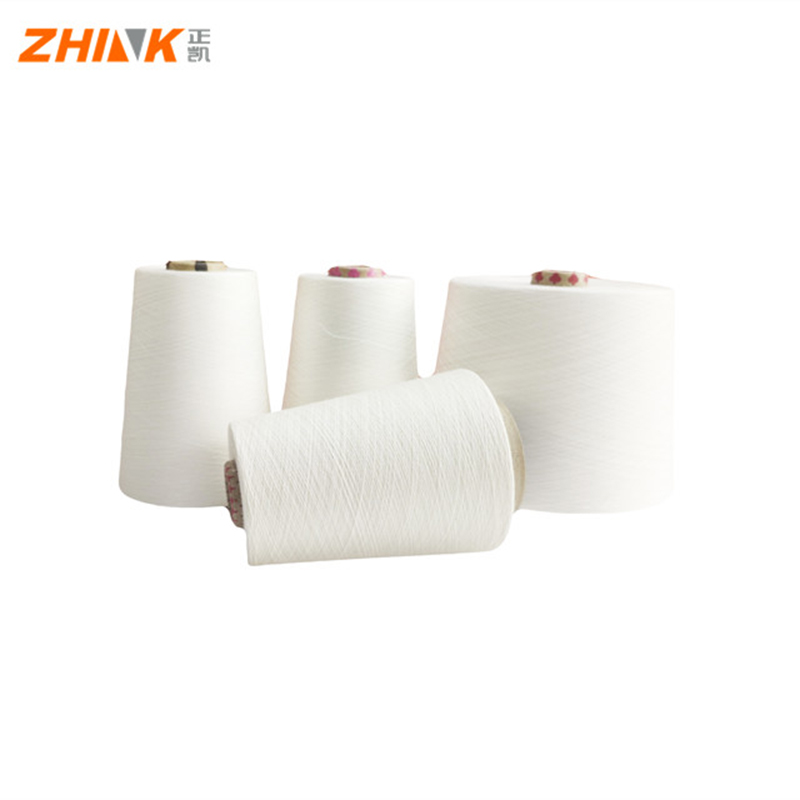
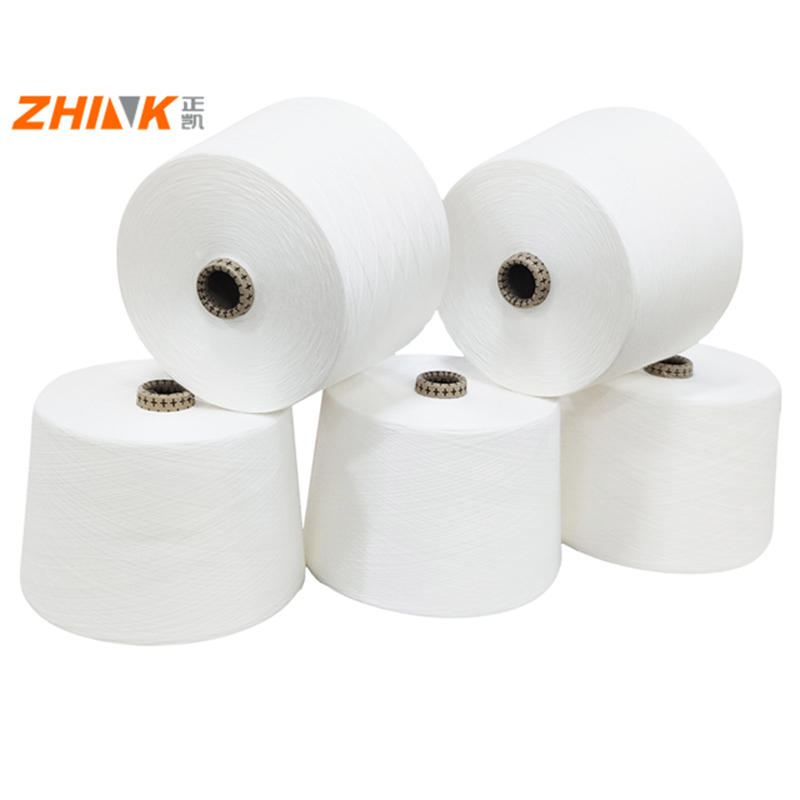
Silk blended yarn for knitting
The Art and Science of Silk Blended Yarn for Knitting
Silk blended yarn offers a luxurious feel without the steep price of pure silk, making it a popular choice for knitters seeking quality and affordability. However, selecting the right blend involves more than just picking any yarn with silk on its label. Understanding the material's properties and how they interact in blends is crucial for achieving the desired finish in your projects.
Understanding Silk's Role in Blended Yarns
Silk, known for its sheen and softness, enhances the luster and drape of any blend. When mixed with other fibers, it confers its lightweight and breathable qualities. This balance is why silk blends are favored in both apparel and accessory knitting. But selecting a blend requires careful consideration. For example, a silk-wool blend might provide insulation, while a silk-cotton blend offers a cooler touch.
When dealing with silk blends, the proportion of silk to other materials can significantly affect not only the feel but also the handling of the yarn during knitting. A higher silk content means more sheen and softness, but it might also present challenges like slippery textures or increased stretching.
Experiments in knitting showcase how these properties manifest. A past project involving a 70% silk and 30% merino wool blend presented a beautiful sheen yet required careful tension control to avoid uneven stitches. It's experiences like these that underline the importance of trial and error when dealing with silk blends.
Common Challenges in Working with Silk Yarns
One common issue with silk blended yarns is how they handle wear and tear. Silk is strong yet delicately soft, and pairing it with other fibers can either complement or compromise these traits. For instance, when silk is blended with cotton, the resulting yarn might lack elasticity, leading to potential sagging in knitted garments.
Another factor to consider is care and maintenance. Silk blends often require specific washing methods—some might be hand-wash-only to maintain fabric integrity. Missteps in care can lead to disappointing results, like shrinking or losing the yarn's luxurious feel.
Here, experienced knitters find that swatching and sample washing are crucial steps. Testing a small square before committing to an entire project can save both time and resources, ensuring the yarn behaves as expected once washed.
Exploring Different Silk Blends and Their Uses
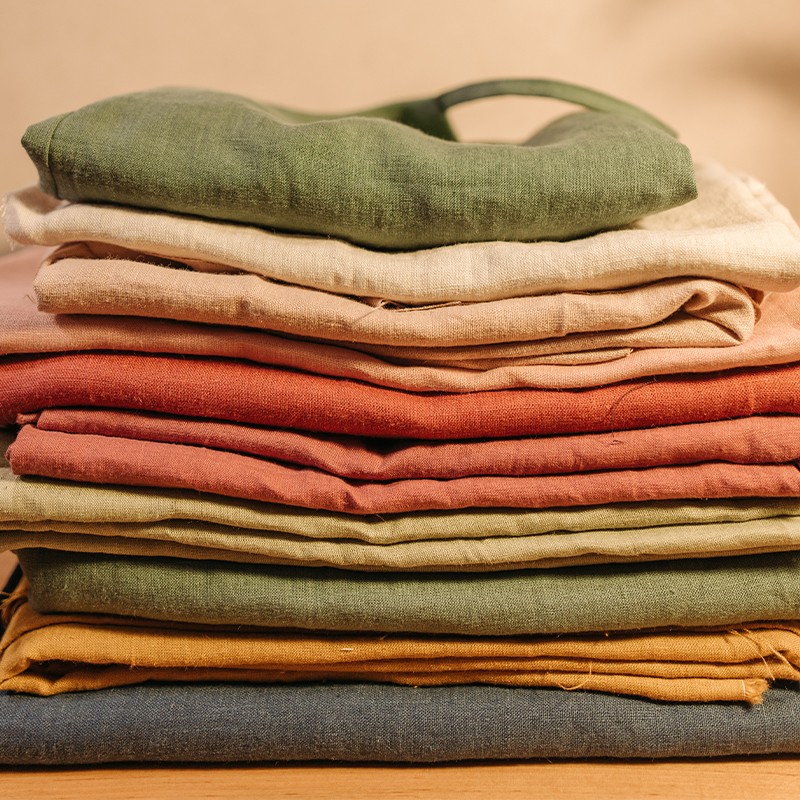
Silk blends vary widely, offering unique characteristics depending on the accompanying fiber. A silk-alpaca blend, for example, marries silk’s sheen with alpaca’s warmth and softness, ideal for cozy scarves or lightweight sweaters. Meanwhile, silk-linen combinations provide breathability and texture, perfect for summer garments.
In professional settings, such as SHANDONG ZHINK NEW MATERIAL CO., LTD's innovations, https://www.zhinkyarn.com reflects how industry leaders are continually improving these blends. They focus on balancing properties to enhance textile performance across various applications.
This commitment to R&D ensures that consumers have access to silk blended yarn that pushes the boundaries of traditional knitting materials, opening up new possibilities for design and comfort.
The Future of Silk Blended Yarns
As sustainability in textiles grows in importance, silk blended yarns play a significant role in eco-friendly practices. Silk is a natural fiber, biodegradable and renewable. In blends, it pairs well with other sustainable materials, providing environmentally conscious alternatives without sacrificing quality.
Innovations driving the future of these yarns stem from places like Zhink New Material, where cutting-edge techniques are applied to create yarns that meet market demands both in performance and sustainability.
The evolving catalog of yarns from these companies showcases a trend where beauty and ecological responsibility coexist seamlessly. This reflects a broader industry shift and a promising future for silk blends in knitting.
Conclusion: Embracing the Potential of Silk Blends
Choosing silk blended yarn is both an art and a science. It requires an understanding of materials, a willingness to experiment, and a commitment to quality. As more knitters explore these luxury blends, the need for high-quality, reliable options only increases.
Zink New Material exemplifies the innovation driving this sector. By continually refining their product offerings, they ensure that knitters have access to some of the best silk blends available, ultimately enriching the knitting experience and expanding creative horizons.
In embracing silk blended yarns, you tap into a legacy of elegance and function, capable of transforming any project into something extraordinary.
Related Products
Related Products