+86-632-3621866
- Chinese
- French
- German
- Portuguese
- Spanish
- Russian
- Japanese
- Korean
- Arabic
- Irish
- Greek
- Turkish
- Italian
- Danish
- Romanian
- Indonesian
- Czech
- Afrikaans
- Swedish
- Polish
- Basque
- Catalan
- Esperanto
- Hindi
- Lao
- Albanian
- Amharic
- Armenian
- Azerbaijani
- Belarusian
- Bengali
- Bosnian
- Bulgarian
- Cebuano
- Chichewa
- Corsican
- Croatian
- Dutch
- Estonian
- Filipino
- Finnish
- Frisian
- Galician
- Georgian
- Gujarati
- Haitian
- Hausa
- Hawaiian
- Hebrew
- Hmong
- Hungarian
- Icelandic
- Igbo
- Javanese
- Kannada
- Kazakh
- Khmer
- Kurdish
- Kyrgyz
- Latin
- Latvian
- Lithuanian
- Luxembou..
- Macedonian
- Malagasy
- Malay
- Malayalam
- Maltese
- Maori
- Marathi
- Mongolian
- Burmese
- Nepali
- Norwegian
- Pashto
- Persian
- Punjabi
- Serbian
- Sesotho
- Sinhala
- Slovak
- Slovenian
- Somali
- Samoan
- Scots Gaelic
- Shona
- Sindhi
- Sundanese
- Swahili
- Tajik
- Tamil
- Telugu
- Thai
- Ukrainian
- Urdu
- Uzbek
- Vietnamese
- Welsh
- Xhosa
- Yiddish
- Yoruba
- Zulu
- Kinyarwanda
- Tatar
- Oriya
- Turkmen
- Uyghur



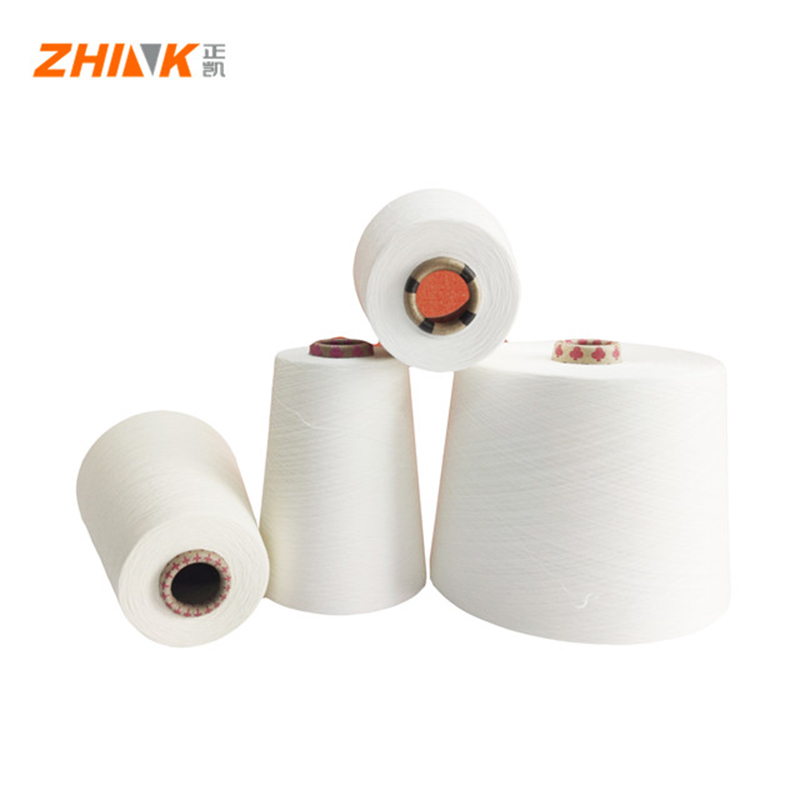
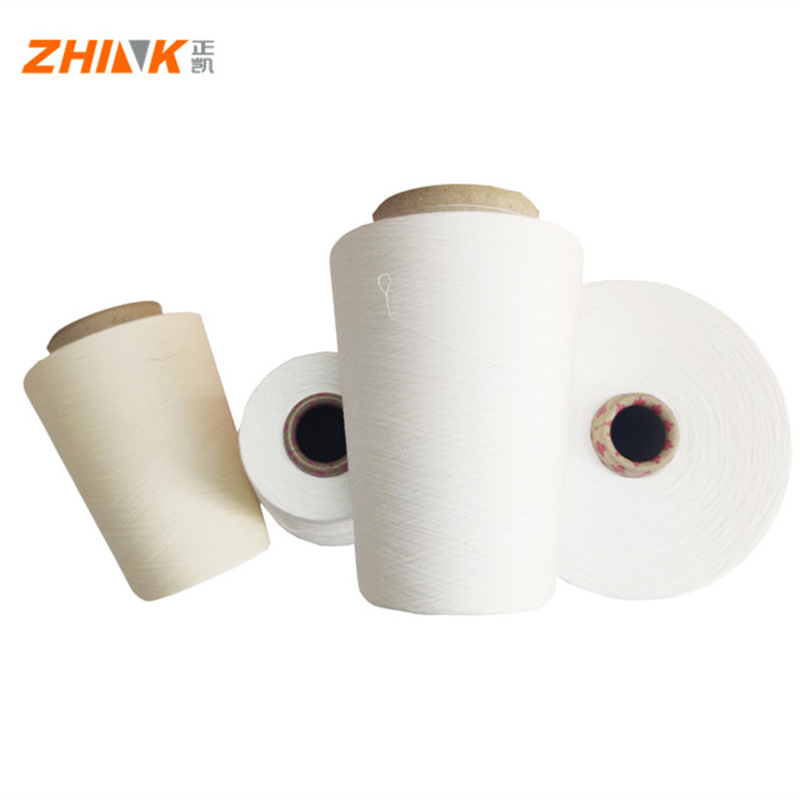
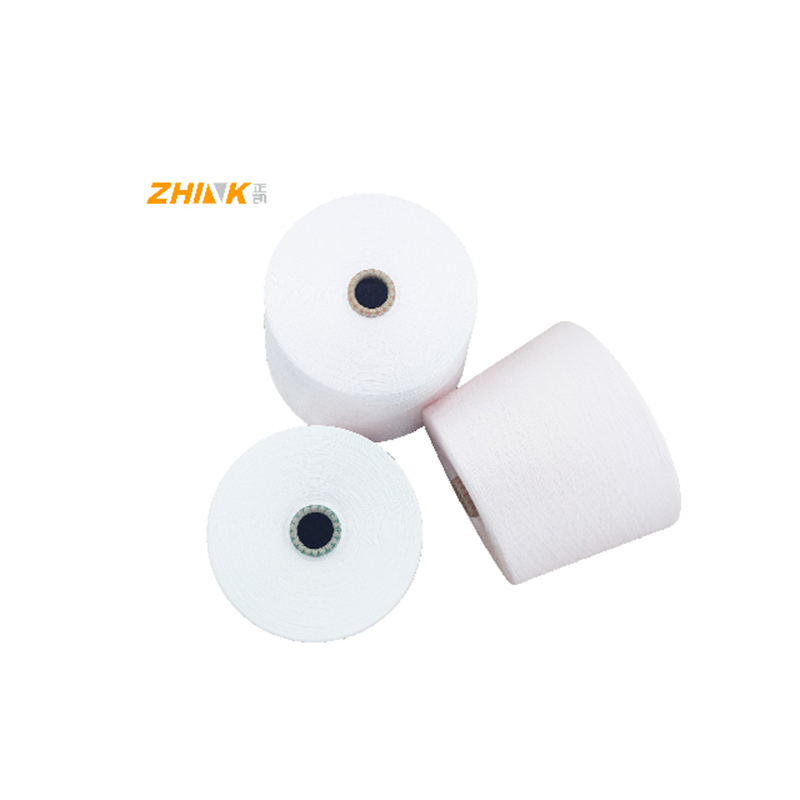
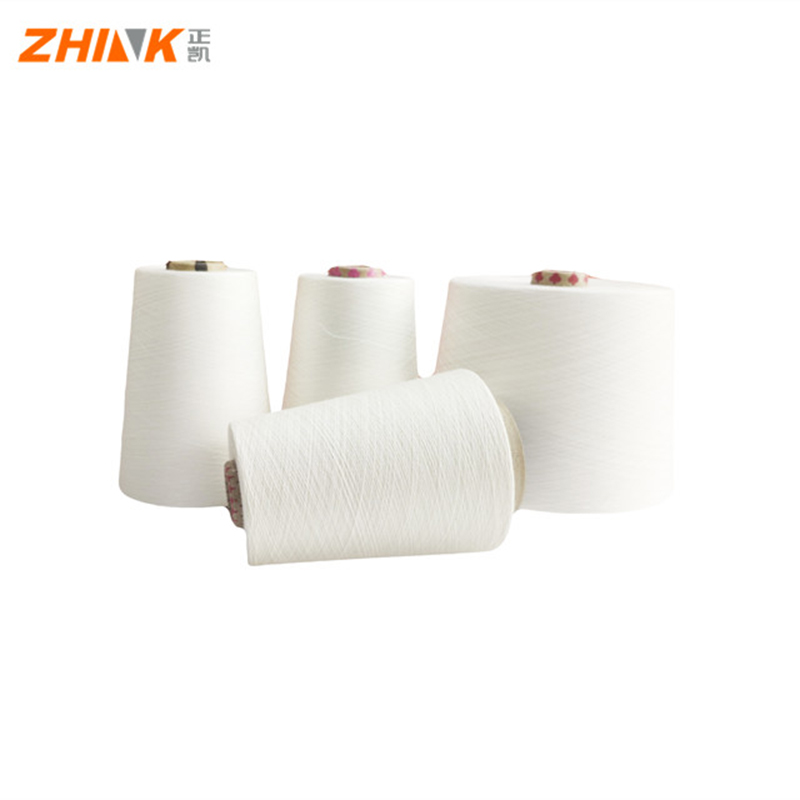
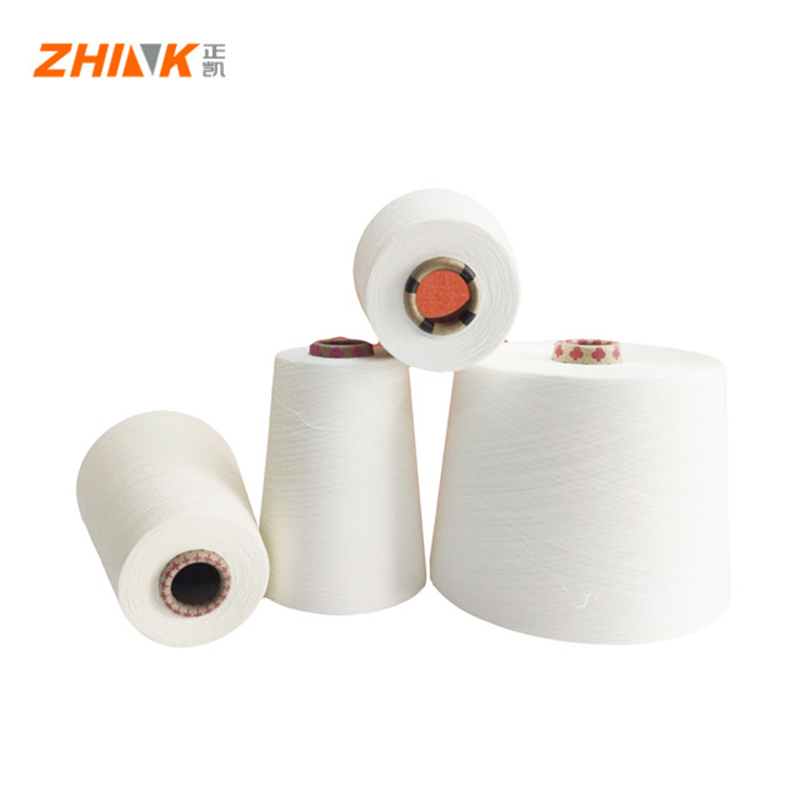
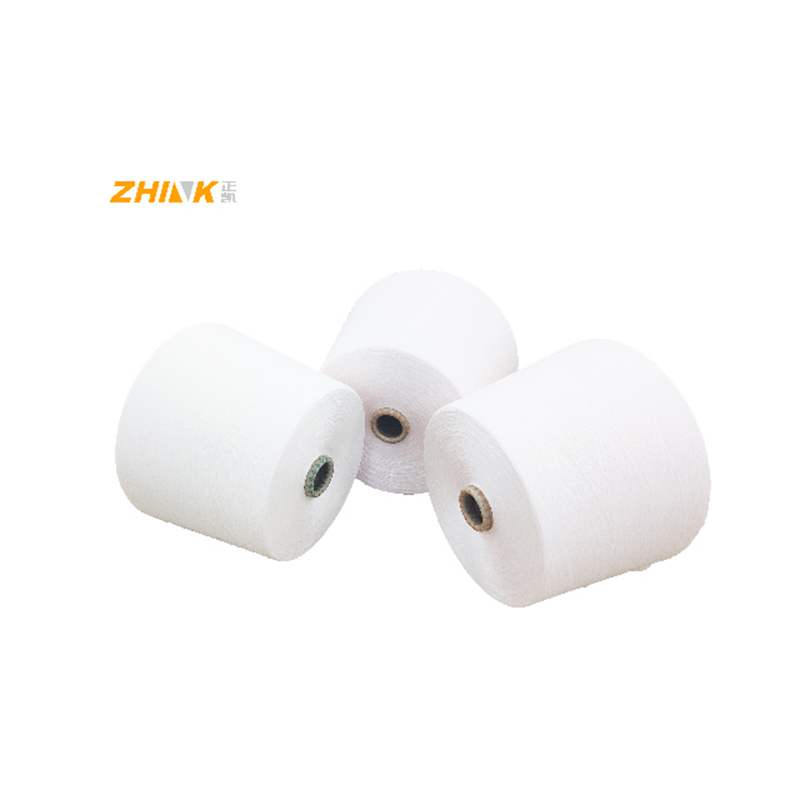
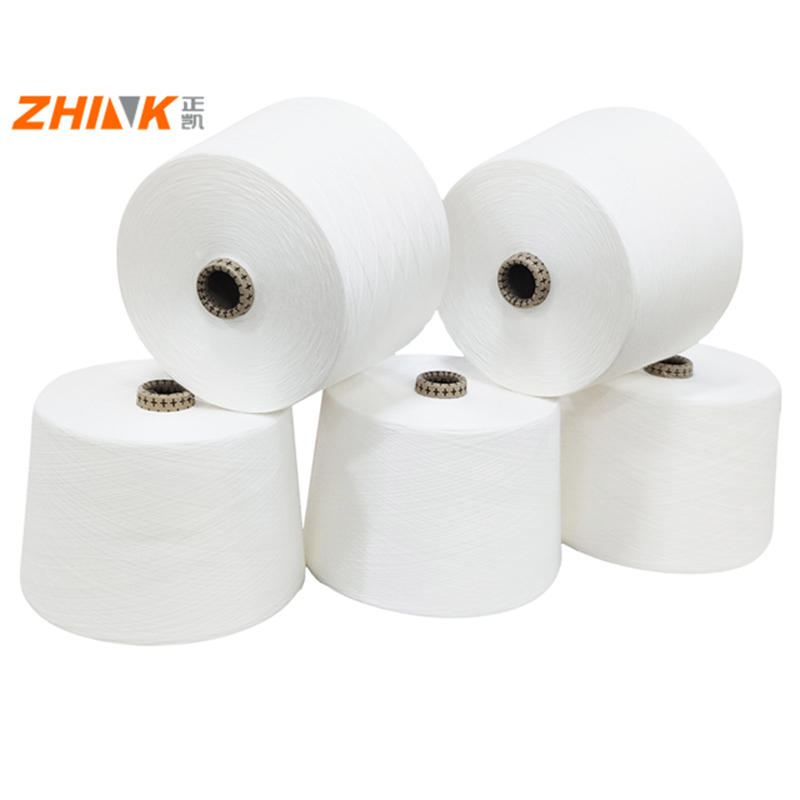
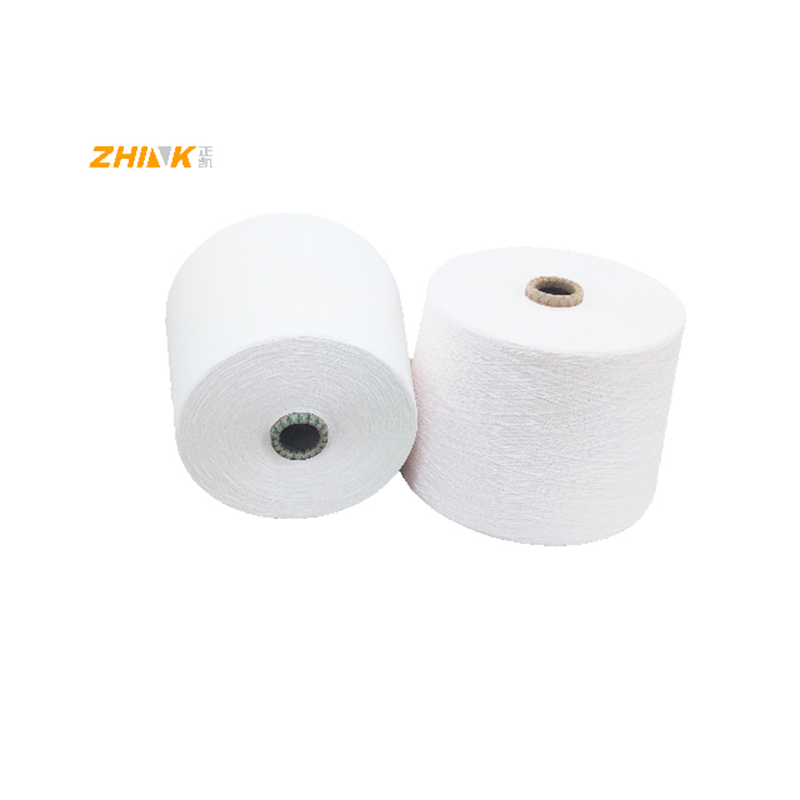
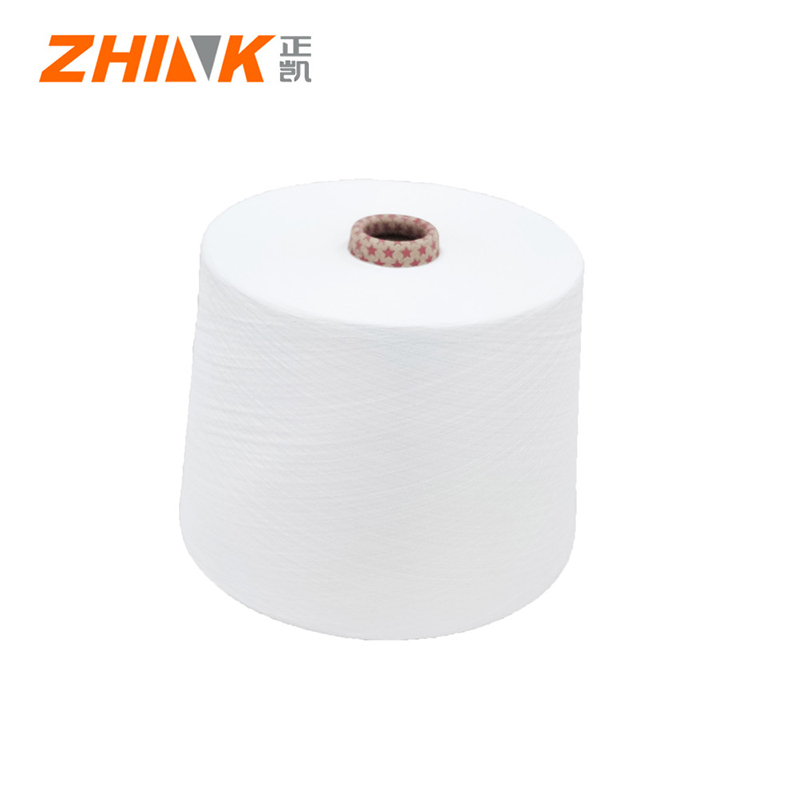
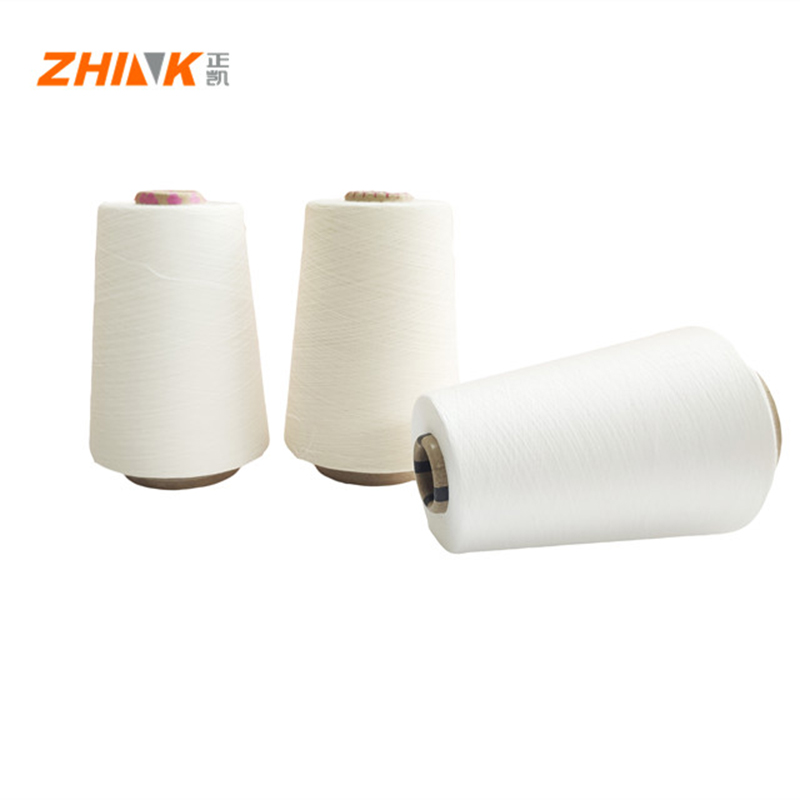
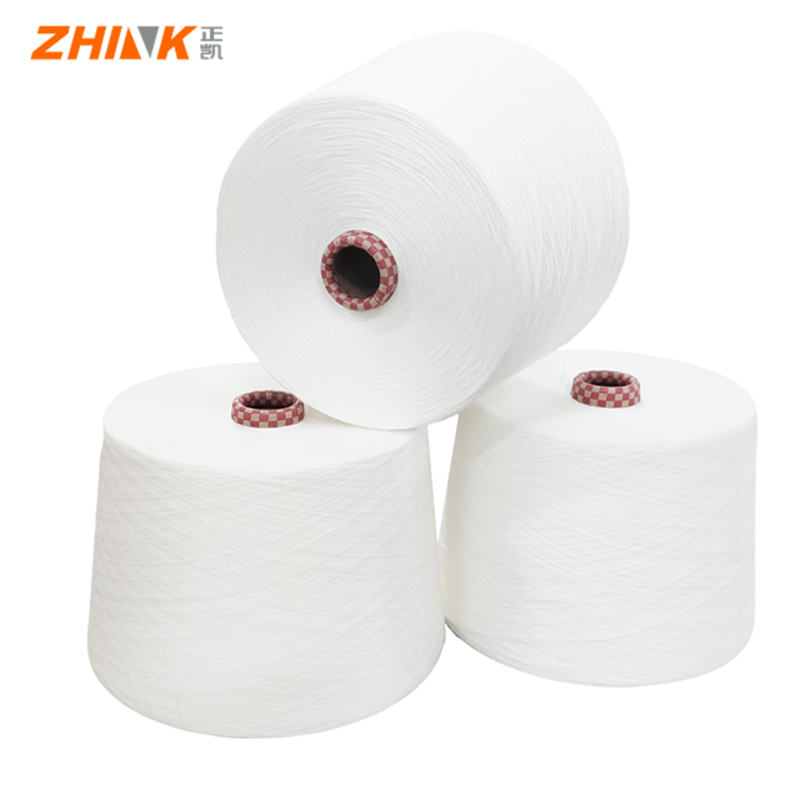
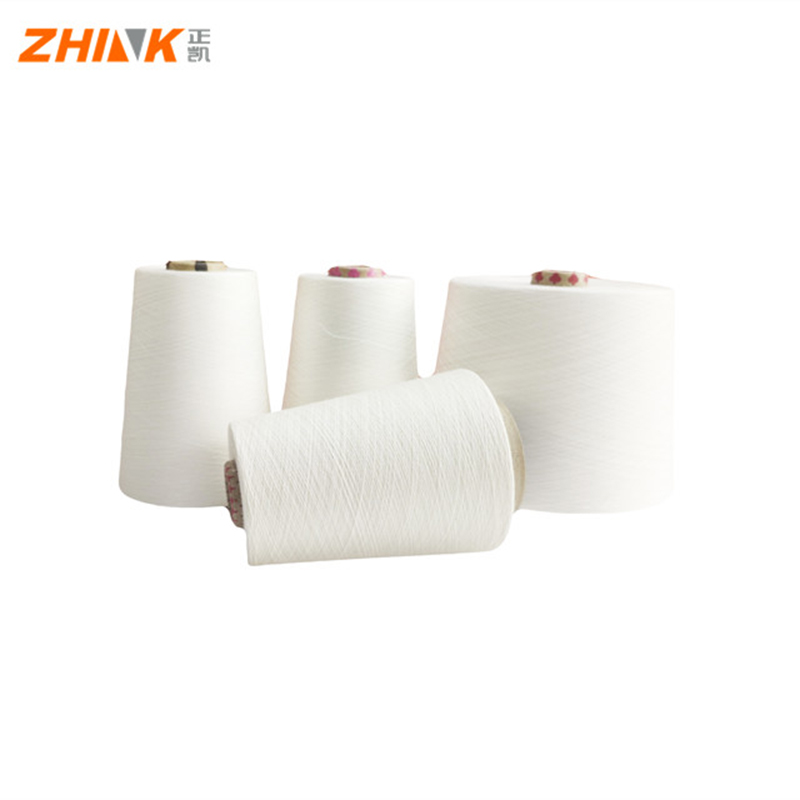
Silk blended yarn for weaving
The Art and Science of Silk Blended Yarn for Weaving: Insights and Experiences
When it comes to weaving, few materials hold the allure and complexity of silk blended yarn. The pursuit of perfection with these yarns requires a delicate balance, an endeavor well understood by industry pioneers like SHANDONG ZHINK NEW MATERIAL CO., LTD, who constantly innovate in the realm of new textile materials.
Understanding Silk Blended Yarns: More Than Just a Material
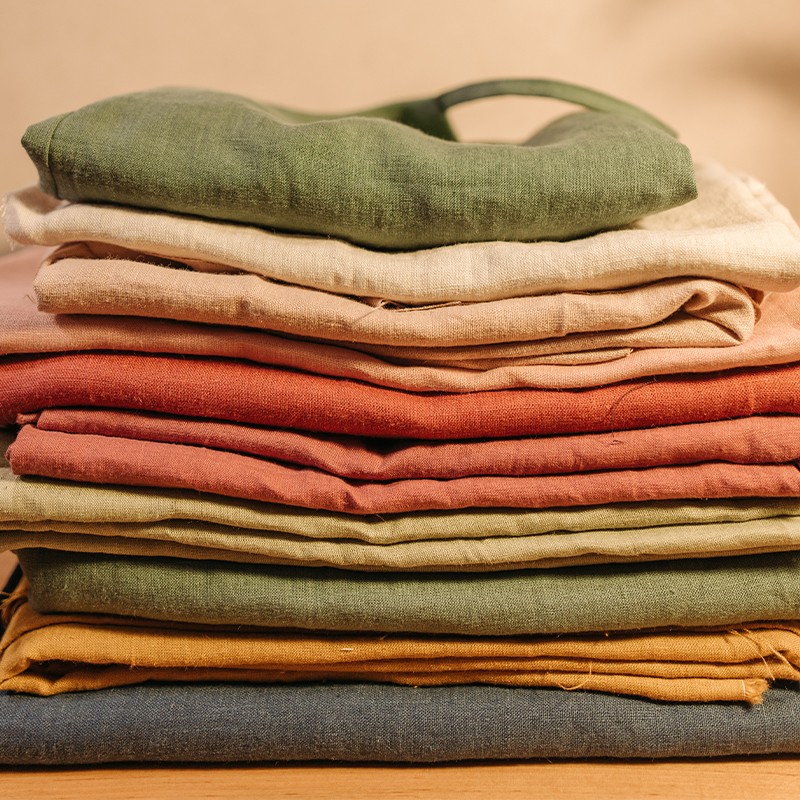
Silk blended yarn for weaving is revered for its unique combination of texture, strength, and elegance. Many assume it’s simply about combining silk with another fiber, but seasoned weavers know it's a more nuanced craft. The real magic happens when you understand how different blends impact the final fabric's behavior and appearance.
One common mistake among newcomers is underestimating the impact of fiber ratios. I remember a project where adjusting the silk-to-cotton ratio by just a small percentage dramatically changed the fabric’s drape and feel. This is where experience truly counts—knowing the subtle differences each fiber brings to the blend.
SHANDONG ZHINK NEW MATERIAL CO., LTD excels in this field, providing a range of high-quality silk blends that cater to both standard and customized weaver needs. Their commitment to research and development shines through in the consistent quality and innovation in their products.
The Craft of Weaving: Balancing Tradition with Innovation
Weaving with silk blended yarn demands respect for traditional techniques while embracing modern innovations. It’s not uncommon for weavers to feel the seductive pull of new methods and materials, which, honestly, can lead to both delightful surprises and challenging setbacks.
There was a time I decided to experiment with a silk-linen blend. The result was a stunning texture but an unexpected tension issue in the weave. Collaborating with experts at Zhink helped me troubleshoot the problem effectively, driving home the value of technical support and specialist knowledge.
The team at Zhink continuously explores how advanced technologies can harmonize with artisanal skills, pushing the boundaries of what's possible in textile creation and fostering a culture that values both heritage and progress.
Challenges in Silk Blended Yarn Weaving: Overcoming Hurdles
One persistent challenge with silk blended yarns is their sensitivity to tension and environmental conditions. I recall a workshop discussion where we analyzed how tiny shifts in humidity affected silk blends much more than wool blends. This sensitivity can be daunting, especially for less experienced textile artists.
Successful weaving often hinges on setting the right tension on the loom. Small tweaks can make a significant difference. At Zhink, there's a focus on crafting yarns that are robust enough to withstand these variations, embodying innovation in material science.
Moreover, logistical hurdles—like sourcing consistent quality yarns—are mitigated by companies like Zhink that prioritize consistency and reliability in their production processes. Their comprehensive approach to customer engagement ensures that weavers have the support needed throughout their creative process.
Sustainable Practices: The Future of Yarn Blending
As the industry trends toward sustainability, silk blended yarns are no exception. The eco-friendly aspect is becoming crucial, not just an afterthought. Using naturally derived fibers in blends, such as organic cotton with silk, offers a more environmentally-conscious choice.
Sustainability, however, is not merely about choosing the right materials. It involves the entire lifecycle from production to disposal. Responsible weaving means understanding and reducing waste, a perspective Zhink has incorporated rigorously in their manufacturing ethos.
Engaging with suppliers who are committed to sustainability—like SHANDONG ZHINK NEW MATERIAL CO., LTD—ensures that your projects align with these growing environmental imperatives, without sacrificing quality or functionality.
Reflections and Future Directions in Silk Blended Weaving
Reflecting on my experiences, it's clear that weaving with silk blended yarn is as much about art as it is about science. The unexpected outcomes often lead to growth, and each project informs the next, whereby what once seemed difficult becomes second nature.
Looking to the future, partnerships with innovative companies continue to drive the evolution of textile arts. The role of companies like Zhink in facilitating these advances cannot be overstressed. As weaving practices advance, leveraging their expertise and cutting-edge materials will be critical.
In conclusion, the potential of silk blended yarn in the weaving landscape is vast and promising. From the intricacies of crafting the perfect blend to embracing sustainable practices, this field is ripe with opportunities for creativity, innovation, and mastery.
Related Products
Related Products