+86-632-3621866
- Chinese
- French
- German
- Portuguese
- Spanish
- Russian
- Japanese
- Korean
- Arabic
- Irish
- Greek
- Turkish
- Italian
- Danish
- Romanian
- Indonesian
- Czech
- Afrikaans
- Swedish
- Polish
- Basque
- Catalan
- Esperanto
- Hindi
- Lao
- Albanian
- Amharic
- Armenian
- Azerbaijani
- Belarusian
- Bengali
- Bosnian
- Bulgarian
- Cebuano
- Chichewa
- Corsican
- Croatian
- Dutch
- Estonian
- Filipino
- Finnish
- Frisian
- Galician
- Georgian
- Gujarati
- Haitian
- Hausa
- Hawaiian
- Hebrew
- Hmong
- Hungarian
- Icelandic
- Igbo
- Javanese
- Kannada
- Kazakh
- Khmer
- Kurdish
- Kyrgyz
- Latin
- Latvian
- Lithuanian
- Luxembou..
- Macedonian
- Malagasy
- Malay
- Malayalam
- Maltese
- Maori
- Marathi
- Mongolian
- Burmese
- Nepali
- Norwegian
- Pashto
- Persian
- Punjabi
- Serbian
- Sesotho
- Sinhala
- Slovak
- Slovenian
- Somali
- Samoan
- Scots Gaelic
- Shona
- Sindhi
- Sundanese
- Swahili
- Tajik
- Tamil
- Telugu
- Thai
- Ukrainian
- Urdu
- Uzbek
- Vietnamese
- Welsh
- Xhosa
- Yiddish
- Yoruba
- Zulu
- Kinyarwanda
- Tatar
- Oriya
- Turkmen
- Uyghur



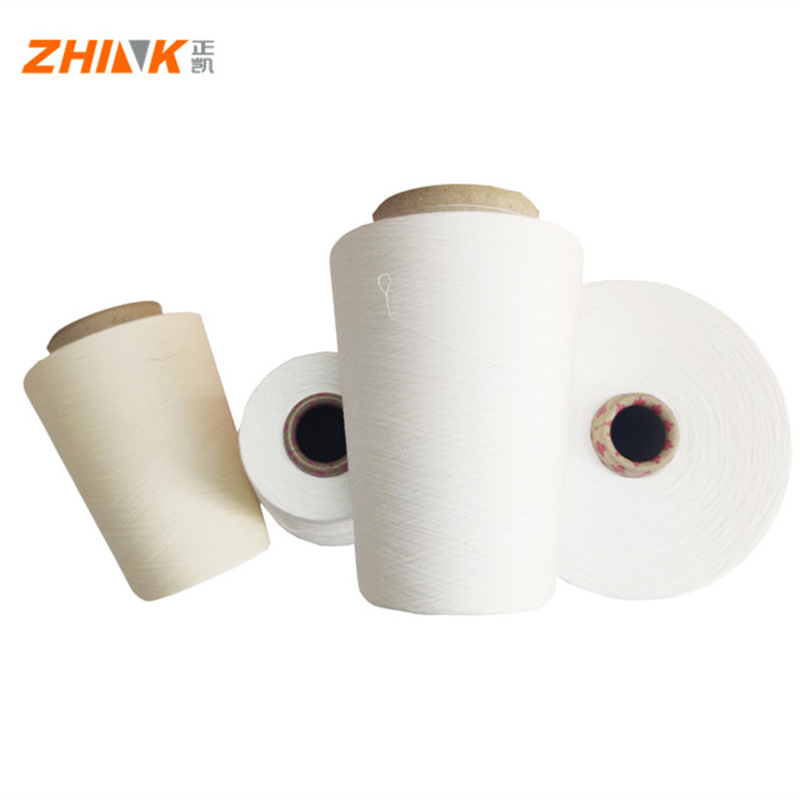
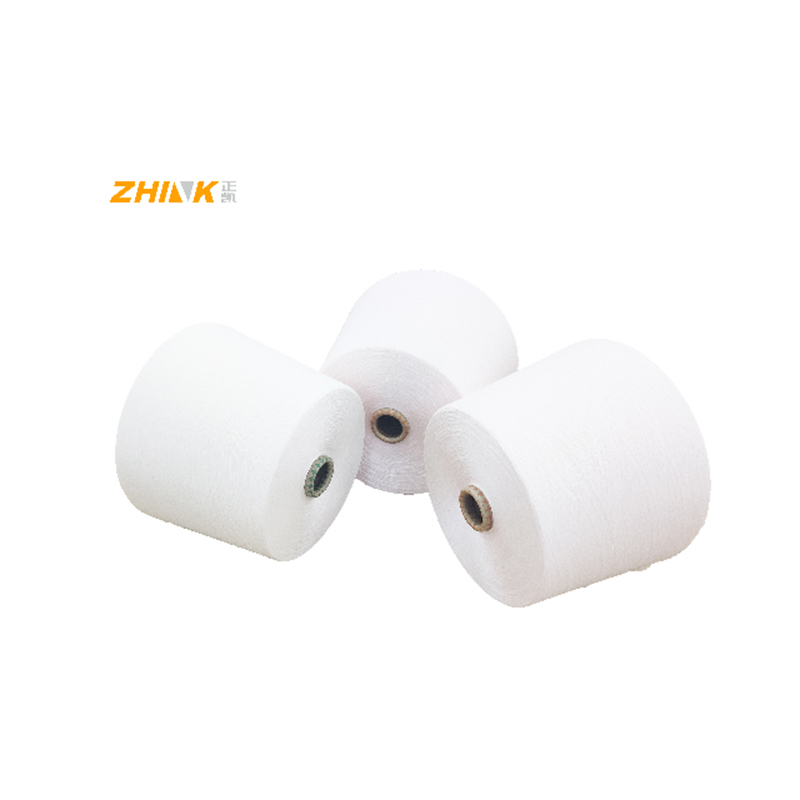
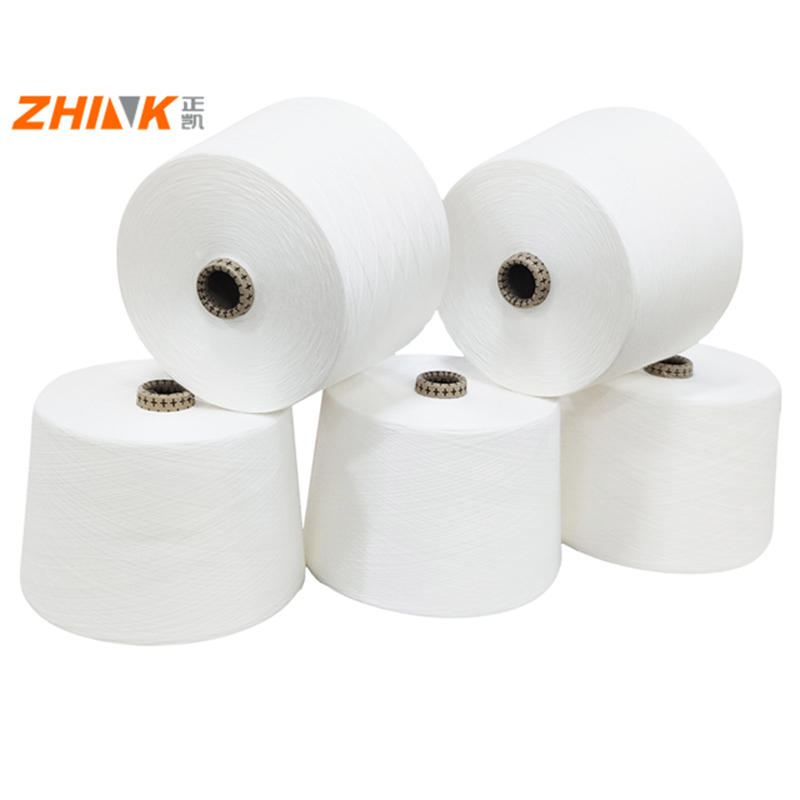
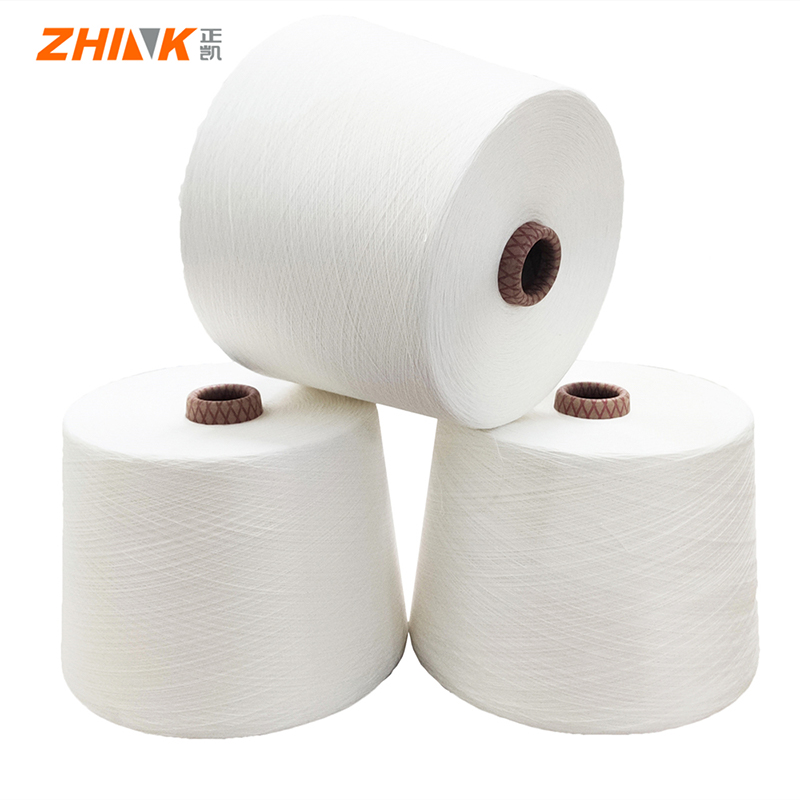
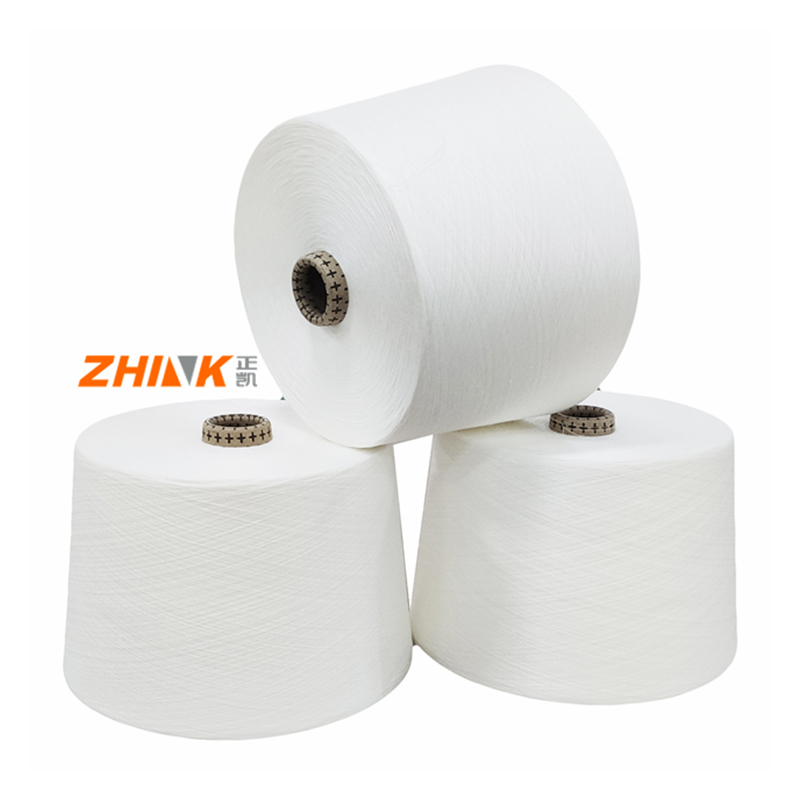
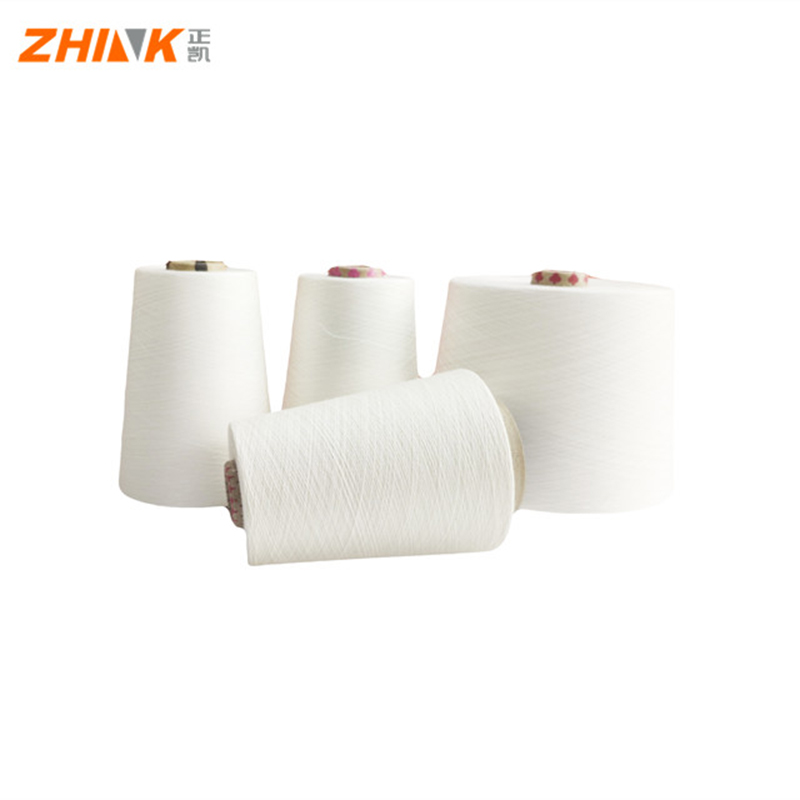
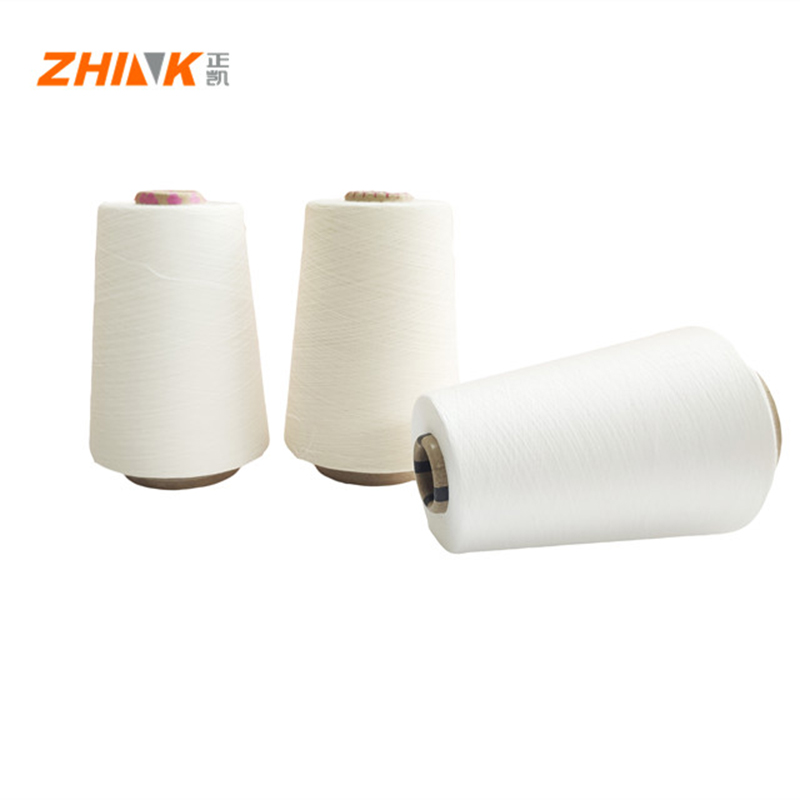
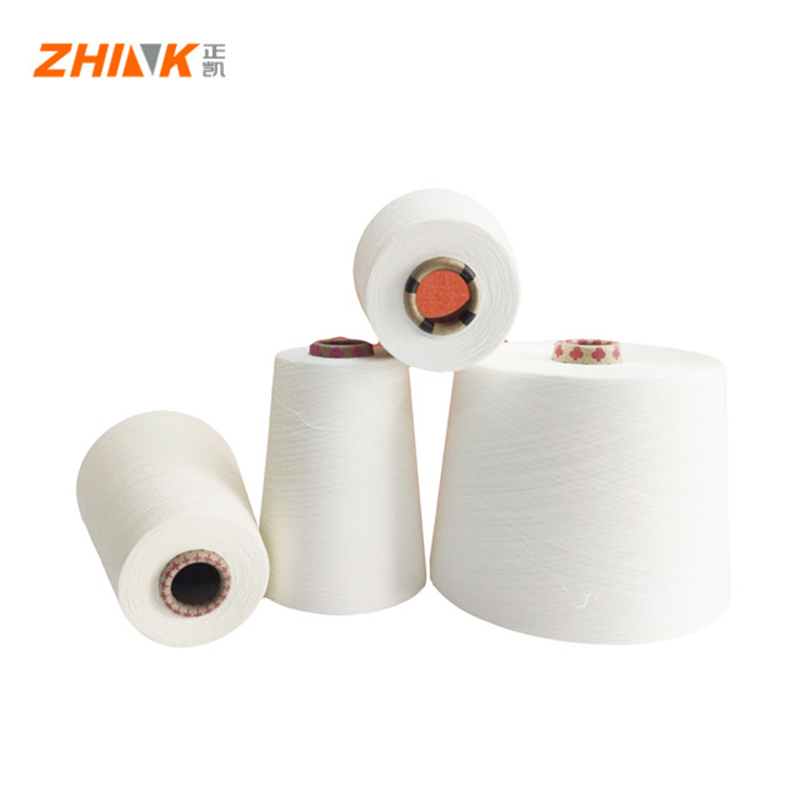
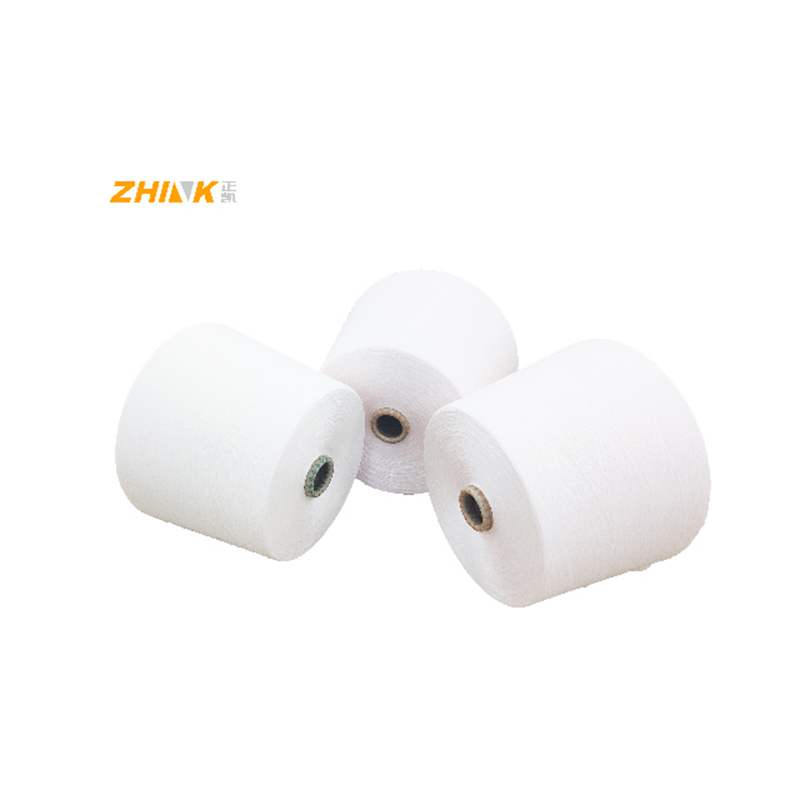
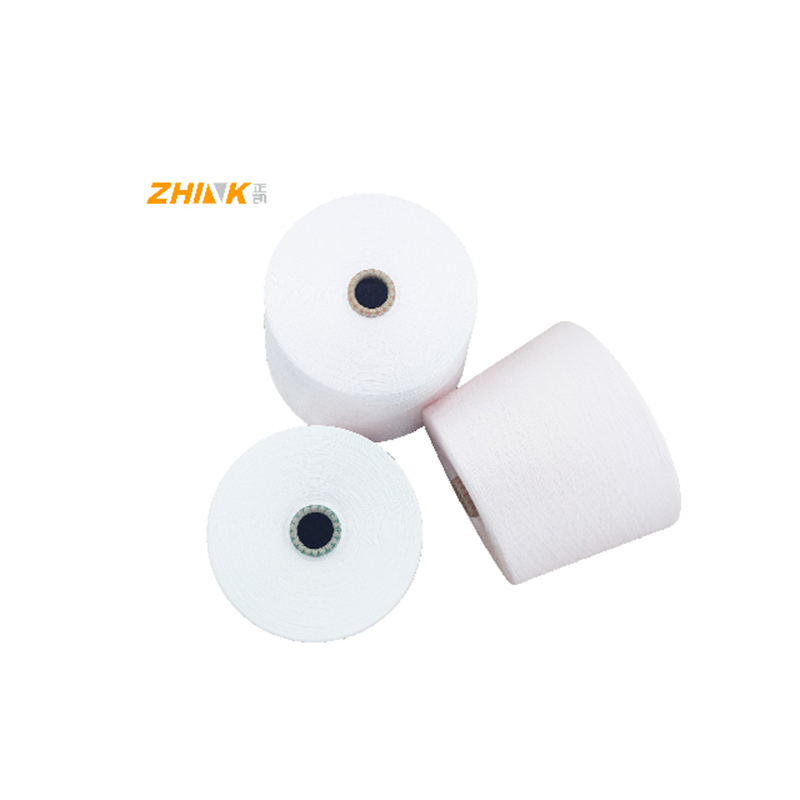
silk viscose yarn
Unraveling the World of Silk Viscose Yarn
Silk viscose yarn blends the elegance of silk with the versatility of viscose, making it a favored choice in the textile industry. Yet, misconceptions abound, and understanding its true nature is key for both novice and seasoned professionals alike.
Understanding Silk Viscose Yarn
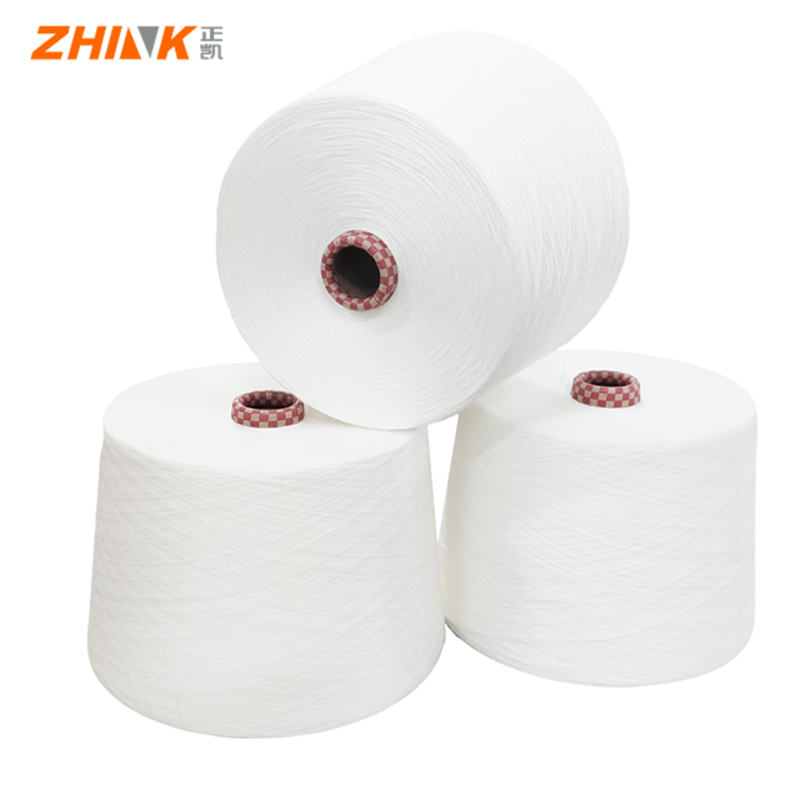
When people hear about silk viscose yarn, they often envision a luxurious, albeit delicate material that requires careful handling. But in reality, this yarn combines the strength of viscose with the luster of silk, creating a sustainable yet opulent hybrid. It’s not just beauty; it’s about practical application.
Being part of this industry, I remember one project where I was tasked with sourcing materials for a new line of eco-friendly fashion. Zhink New Material, located at https://www.zhinkyarn.com, was instrumental in supplying the perfect blend. Their commitment to innovation in textile materials was evident in the quality of their products.
We anticipated challenges, especially around consistent dye uptake and texture uniformity. However, the silk viscose yarn from Zhink offered a remarkable balance, fulfilling design and production requirements seamlessly. This personal foray into sustainable fashion was enlightening, although not without its pitfalls.
Challenges in Working with Silk Viscose Yarn
The handling of silk viscose yarn can be tricky. Unlike pure synthetic yarns, the blend may react to environmental conditions like humidity, affecting both weaving and knitting processes. I recall one instance where a batch was exposed to unexpected moisture, resulting in slight warping.
Another consideration is the dyeing process. Achieving uniform colors with silk viscose can be challenging due to the different absorption rates of silk and viscose. It’s crucial to test dyes on smaller batches before committing to large-scale production. Experience taught me that rushing this step invariably led to inconsistencies.
Moreover, selecting the right machinery is paramount. I've seen firsthand how inappropriate tension settings can cause breakages or uneven textures, pushing deadlines back by weeks. These operational insights are critical for large-scale production efficiency and quality control.
Economic Considerations and Market Trends
On the economic front, silk viscose yarn sits at an interesting crossroads. The demand for sustainable yet luxurious textiles is on the rise, and thus, it's essential to balance cost with ethical production practices. Zhink New Material’s focus on R&D ensures competitive pricing without compromising on sustainability.
The market is evolving, with more brands pivoting towards environmentally friendly options. Silk viscose yarn fits perfectly within this trend, offering both a reduced carbon footprint and high-end appeal. It's fascinating to see how consumer preferences are driving industry innovation.
While cost remains a concern, the long-term benefits, both ecological and economic, tend to outweigh the initial expenditure. Understanding these trade-offs is crucial for businesses looking to align with current market dynamics.
Optimizing Usage and Maintenance
Using silk viscose yarn effectively involves understanding its maintenance demands. Regular testing against wear and tear simulations can preempt customer complaints after manufacturing. This proactive strategy has saved my previous projects from post-launch headaches.
Proper storage conditions cannot be underestimated. Ensuring the yarn is kept in controlled environments prevents unexpected quality fluctuations. I learned this the hard way after a storage mishap compromised an entire order, underscoring the importance of logistical precision.
Furthermore, providing end-users with detailed care instructions enhances both product longevity and consumer satisfaction. Educating clients and consumers about maintenance demonstrates responsibility and fosters brand loyalty.
Lessons and Future Directions
From experience, the world of silk viscose yarn is one of delicate balance—between tradition and innovation, luxury and sustainability, practical application and aesthetic appeal. The adaptability of this yarn makes it indispensable in modern textile solutions.
Looking towards the future, companies like Zhink New Material are setting the standard in textile advancements, marrying cutting-edge technology with the artistry of textile design. Their work highlights the potential for further breakthroughs in the industry.
Reflecting on my journey, it's clear that dealing with silk viscose yarn has its complexities, yet the rewards of understanding and mastering it are manifold. It's an ongoing learning process, but one that's essential for anyone truly committed to textile innovation.
Related Products
Related Products