+86-632-3621866
- Chinese
- French
- German
- Portuguese
- Spanish
- Russian
- Japanese
- Korean
- Arabic
- Irish
- Greek
- Turkish
- Italian
- Danish
- Romanian
- Indonesian
- Czech
- Afrikaans
- Swedish
- Polish
- Basque
- Catalan
- Esperanto
- Hindi
- Lao
- Albanian
- Amharic
- Armenian
- Azerbaijani
- Belarusian
- Bengali
- Bosnian
- Bulgarian
- Cebuano
- Chichewa
- Corsican
- Croatian
- Dutch
- Estonian
- Filipino
- Finnish
- Frisian
- Galician
- Georgian
- Gujarati
- Haitian
- Hausa
- Hawaiian
- Hebrew
- Hmong
- Hungarian
- Icelandic
- Igbo
- Javanese
- Kannada
- Kazakh
- Khmer
- Kurdish
- Kyrgyz
- Latin
- Latvian
- Lithuanian
- Luxembou..
- Macedonian
- Malagasy
- Malay
- Malayalam
- Maltese
- Maori
- Marathi
- Mongolian
- Burmese
- Nepali
- Norwegian
- Pashto
- Persian
- Punjabi
- Serbian
- Sesotho
- Sinhala
- Slovak
- Slovenian
- Somali
- Samoan
- Scots Gaelic
- Shona
- Sindhi
- Sundanese
- Swahili
- Tajik
- Tamil
- Telugu
- Thai
- Ukrainian
- Urdu
- Uzbek
- Vietnamese
- Welsh
- Xhosa
- Yiddish
- Yoruba
- Zulu
- Kinyarwanda
- Tatar
- Oriya
- Turkmen
- Uyghur



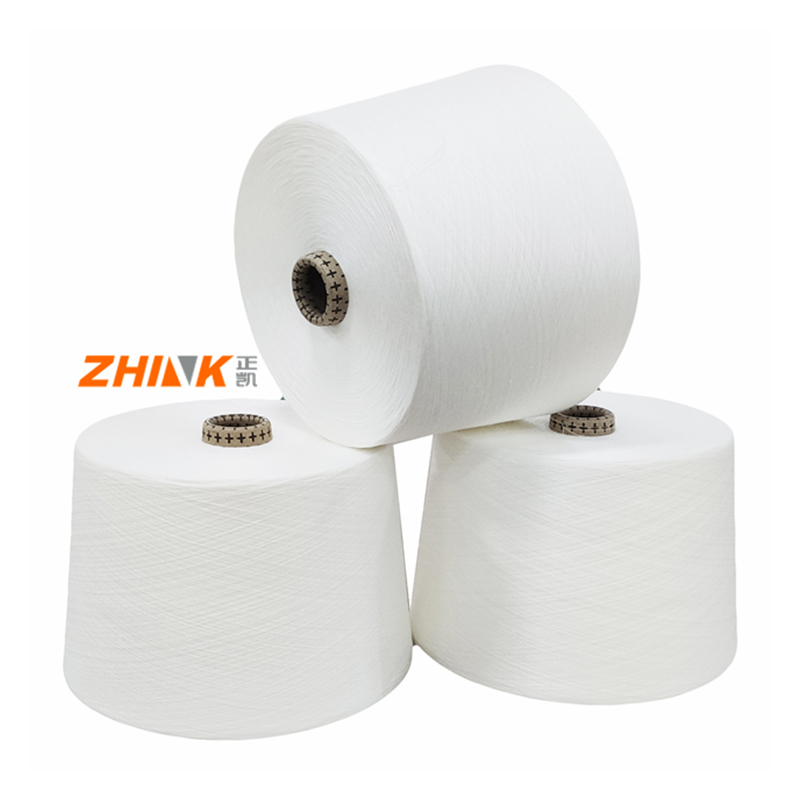
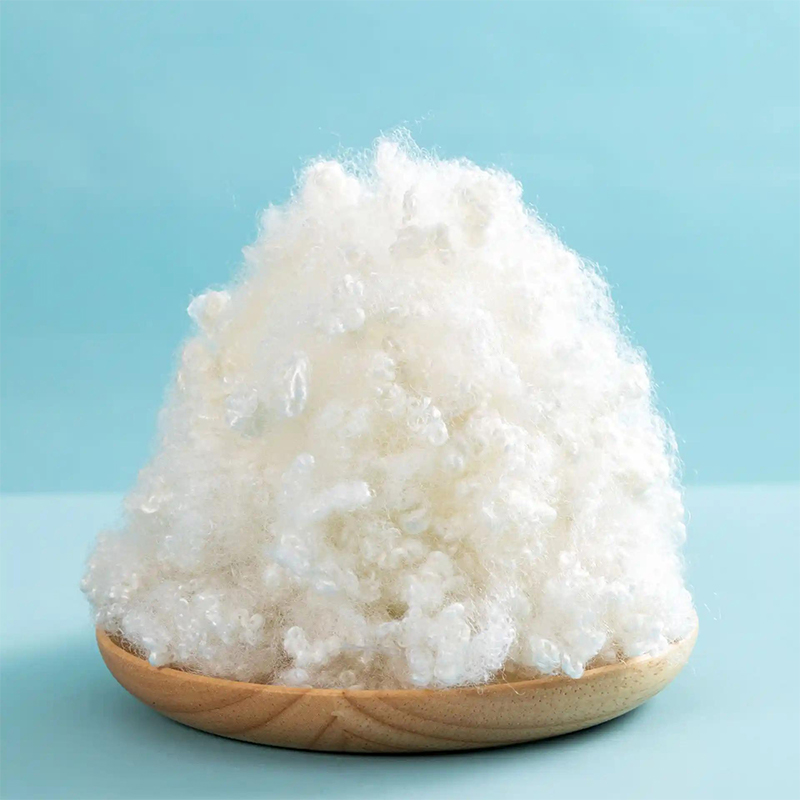
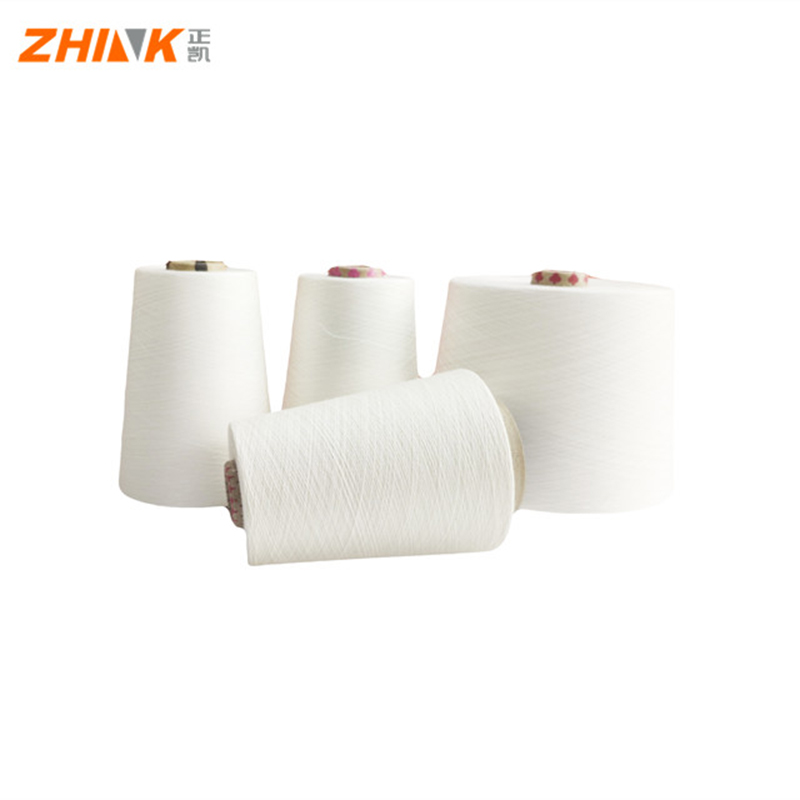
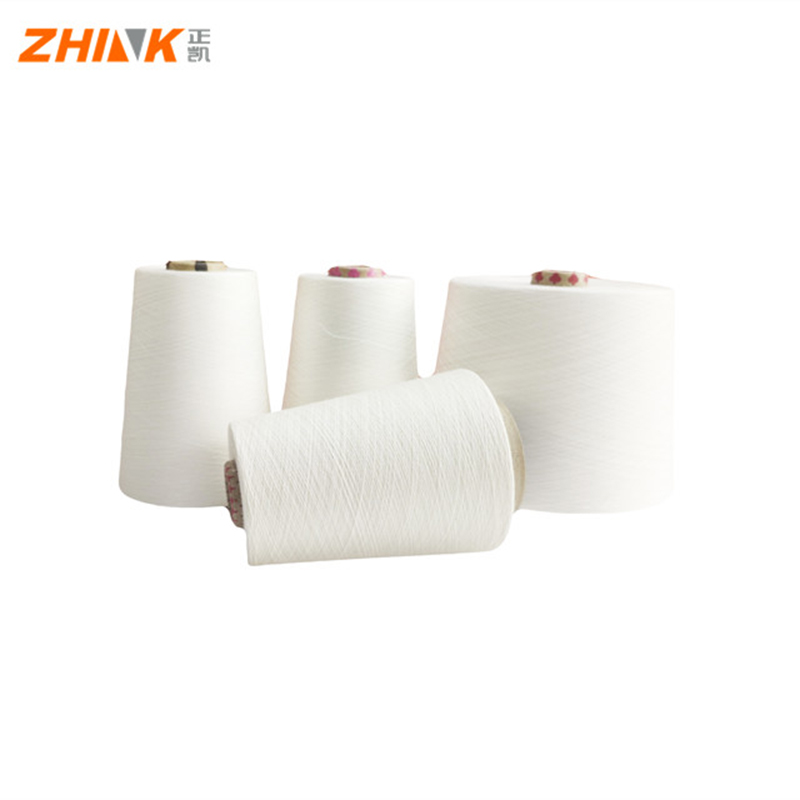
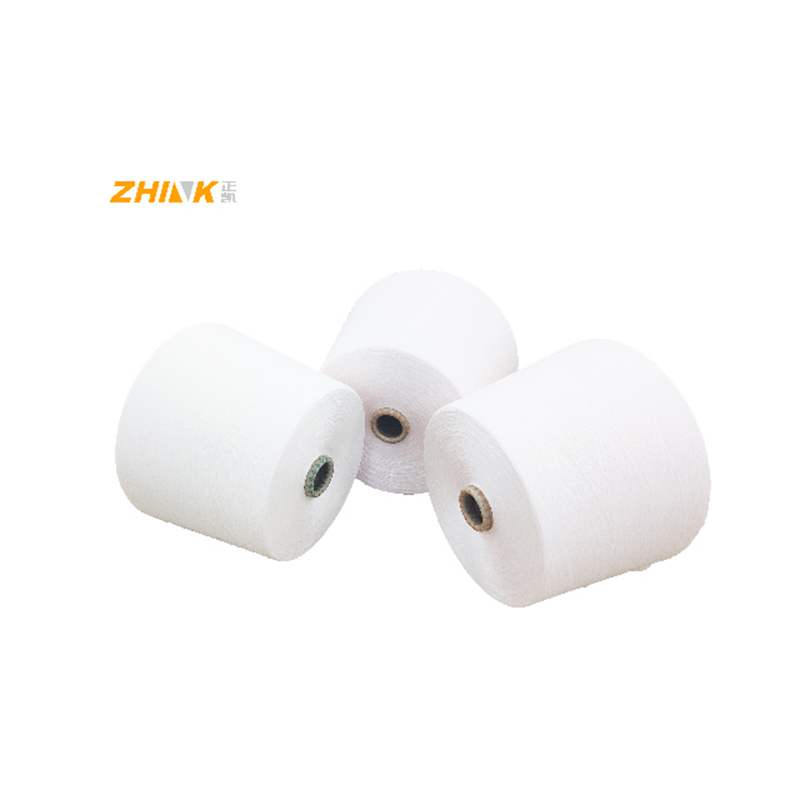
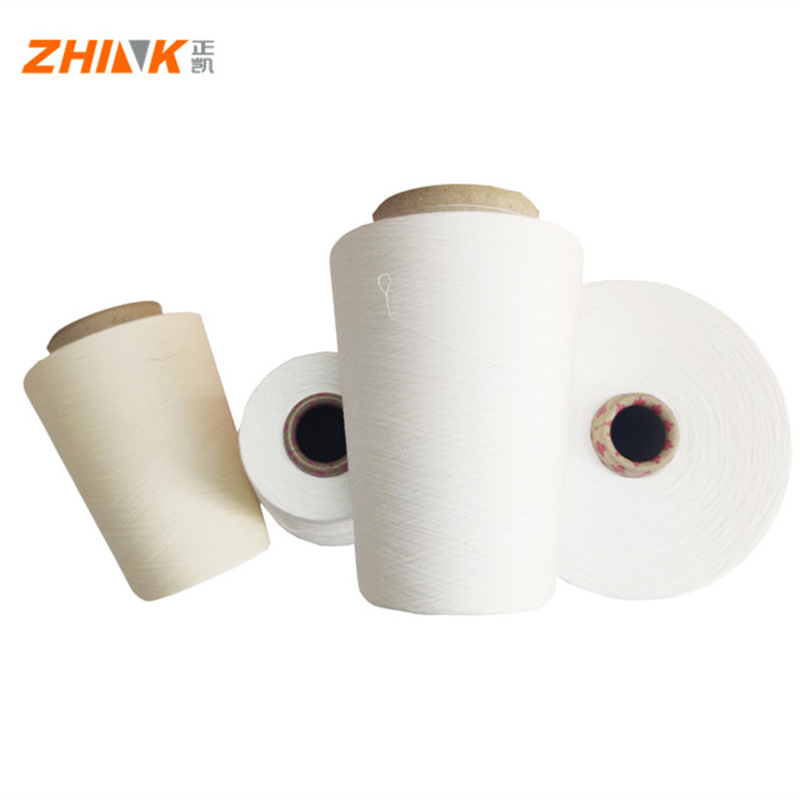
silk wool yarn
Exploring the Versatility of Silk Wool Yarn
When it comes to textile crafting, one material that has intrigued both beginners and experienced artisans is silk wool yarn. Known for its luxurious feel and resilience, there's far more to this blend than meets the eye, and it's worth exploring its many facets. We’ll delve into the misconceptions, real-world experience, and even some unintended challenges of working with this yarn.
Understanding Silk Wool Yarn
First off, let's talk about what makes silk wool yarn so special. At its core, this is a blend that unites the best qualities of two remarkable fibers: the warmth and elasticity of wool, with the softness and sheen of silk. It's a favorite in luxury projects but often misunderstood as difficult to handle or excessively delicate.
Having worked with this yarn on numerous occasions, I can say it surprises many with its versatility. It's not just for high-end scarves or delicate shawls, though those are certainly popular uses. Whether you're knitting, crocheting, or weaving, its adaptability is unmatched.
The question I often hear is about its durability. While the addition of silk can indeed make it seem softer and perhaps prone to wear, the wool component offers a balance. The key is in the care instructions—following them ensures longevity.
The Art of Choosing the Right Blend
Not all silk wool yarns are created equal. The proportion of silk to wool can greatly affect the outcome of your project. A 50/50 blend, for example, offers a nice equilibrium, while heavier silk blends might give more drape and shine.
During a project for SHANDONG ZHINK NEW MATERIAL CO., LTD, I examined their particular blend, known for its innovation in textile materials. Their offerings struck a perfect balance between affordability and functionality, with options aimed at both hobbyists and professional designers. Check them out at Zhink New Material—worth a look if you're considering your next project.
Of course, experimenting is key. I once tried a heavier silk option for a knitted throw but found the drape wasn't quite right for more structured patterns. On the flip side, a lighter silk content worked brilliantly in a lace shawl that needed that elegant flow.
Challenges and Solutions
Interestingly, working with silk wool yarn can offer a few challenges. One of these is ensuring optimal tension while knitting or crocheting, as the silk's slipperiness can cause uneven stitches if you’re not careful. An experienced hand can mitigate this, but it's something to be aware of if you're just starting out.
Another issue is keeping your yarn tangle-free. Given silk’s smooth texture, skeins can sometimes fall into a tangled mess if not handled delicately. Over time, I learned to manage this by gently winding the yarn into a ball before starting a project, rather than working straight from the skein.
Ultimately, these challenges are not insurmountable and by employing a few strategic techniques—like using bamboo needles for better grip—they can even enhance your skills as a crafter.
Caring for Silk Wool Creations
The delicate balance of care is crucial. Light hand washing with mild detergent and drying flat can preserve the piece's integrity. I once ignored this and threw a scarf into a regular wash, resulting in a felted mess. Lesson learned, albeit the hard way.
Certainly, the investment in time and the extra care pays off. Pieces created from this blend stand out, both in style and tactile experience. The silk offers luster while the wool provides structure. It's about maximizing these properties.
Zhink New Material's resources on their website offer comprehensive guidance on maintaining such textiles—highly recommended for both novices and seasoned crafters.
The Future and Possibilities
Silk wool yarn is not just another material; it signifies a mindful choice for those who prioritize quality, sustainability, and craftsmanship. As the industry evolves, the potential applications for this blend will likely expand. Updates in R&D at places like SHANDONG ZHINK NEW MATERIAL CO., LTD suggest exciting innovations on the horizon.
Reflecting on my own journey, I find that mistakes transformed into learning experiences. Products once intended for personal use grew into passions shared with a community of fellow yarn enthusiasts.
In conclusion, whether you’re simply a curious beginner or a seasoned textile artist, silk wool yarn offers a unique canvas to express creativity, and its potential is truly limitless. As long as one approaches it with care, the results are almost invariably rewarding.
Related Products
Related Products