+86-632-3621866
- Chinese
- French
- German
- Portuguese
- Spanish
- Russian
- Japanese
- Korean
- Arabic
- Irish
- Greek
- Turkish
- Italian
- Danish
- Romanian
- Indonesian
- Czech
- Afrikaans
- Swedish
- Polish
- Basque
- Catalan
- Esperanto
- Hindi
- Lao
- Albanian
- Amharic
- Armenian
- Azerbaijani
- Belarusian
- Bengali
- Bosnian
- Bulgarian
- Cebuano
- Chichewa
- Corsican
- Croatian
- Dutch
- Estonian
- Filipino
- Finnish
- Frisian
- Galician
- Georgian
- Gujarati
- Haitian
- Hausa
- Hawaiian
- Hebrew
- Hmong
- Hungarian
- Icelandic
- Igbo
- Javanese
- Kannada
- Kazakh
- Khmer
- Kurdish
- Kyrgyz
- Latin
- Latvian
- Lithuanian
- Luxembou..
- Macedonian
- Malagasy
- Malay
- Malayalam
- Maltese
- Maori
- Marathi
- Mongolian
- Burmese
- Nepali
- Norwegian
- Pashto
- Persian
- Punjabi
- Serbian
- Sesotho
- Sinhala
- Slovak
- Slovenian
- Somali
- Samoan
- Scots Gaelic
- Shona
- Sindhi
- Sundanese
- Swahili
- Tajik
- Tamil
- Telugu
- Thai
- Ukrainian
- Urdu
- Uzbek
- Vietnamese
- Welsh
- Xhosa
- Yiddish
- Yoruba
- Zulu
- Kinyarwanda
- Tatar
- Oriya
- Turkmen
- Uyghur



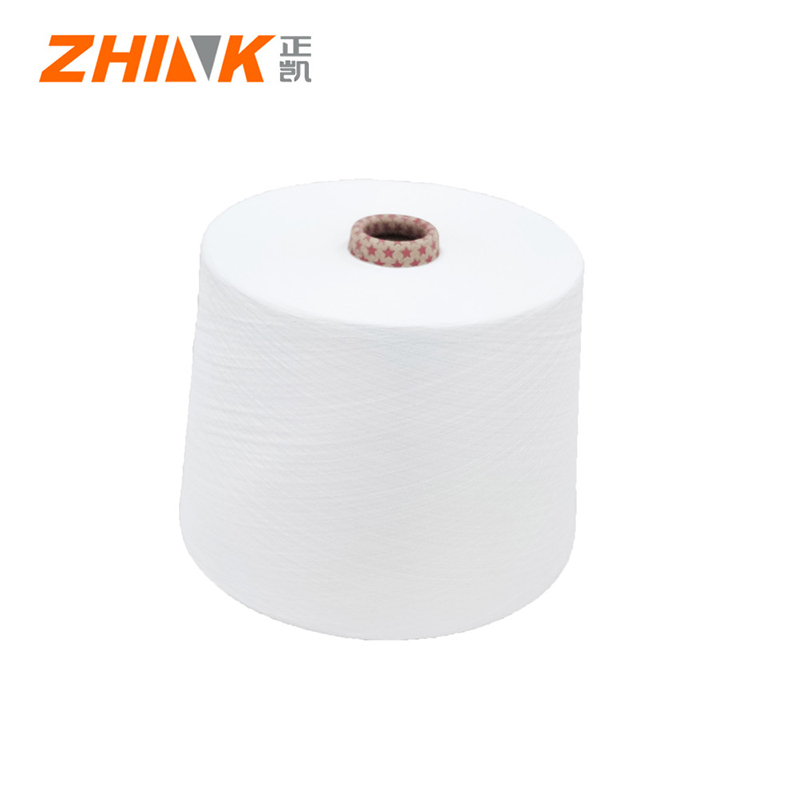
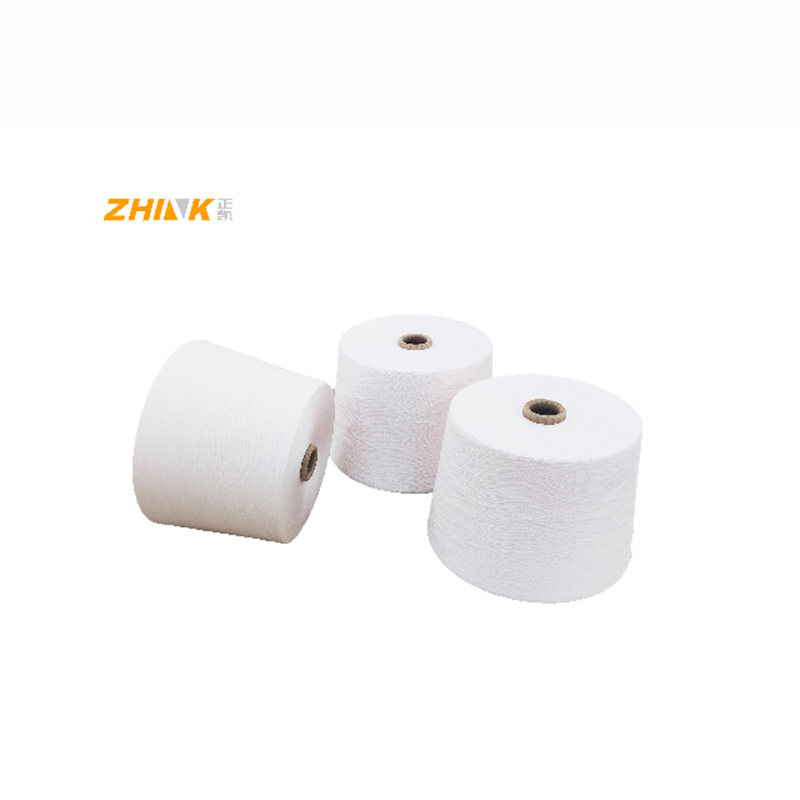
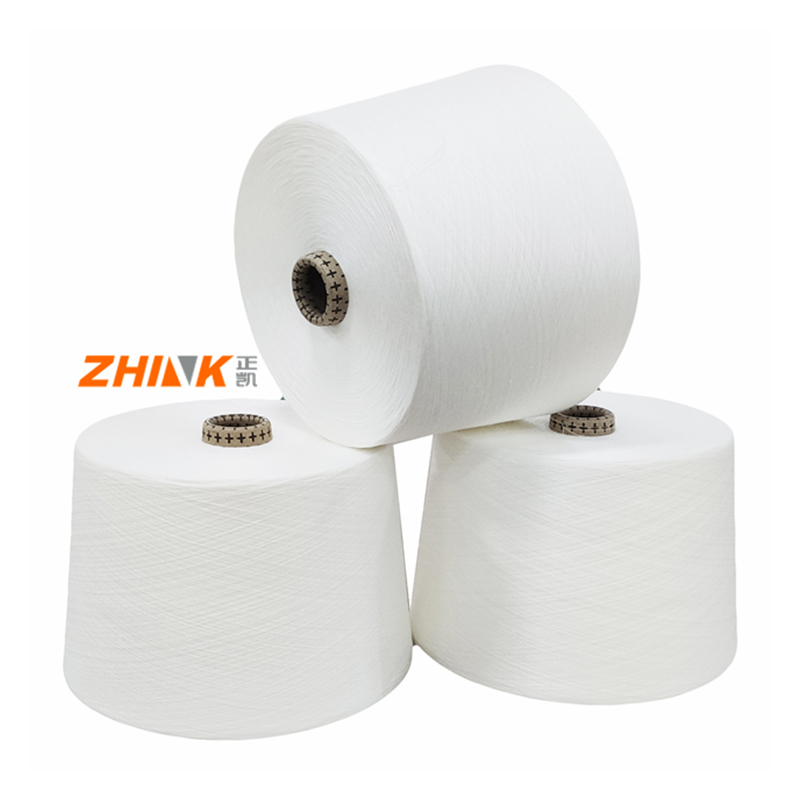
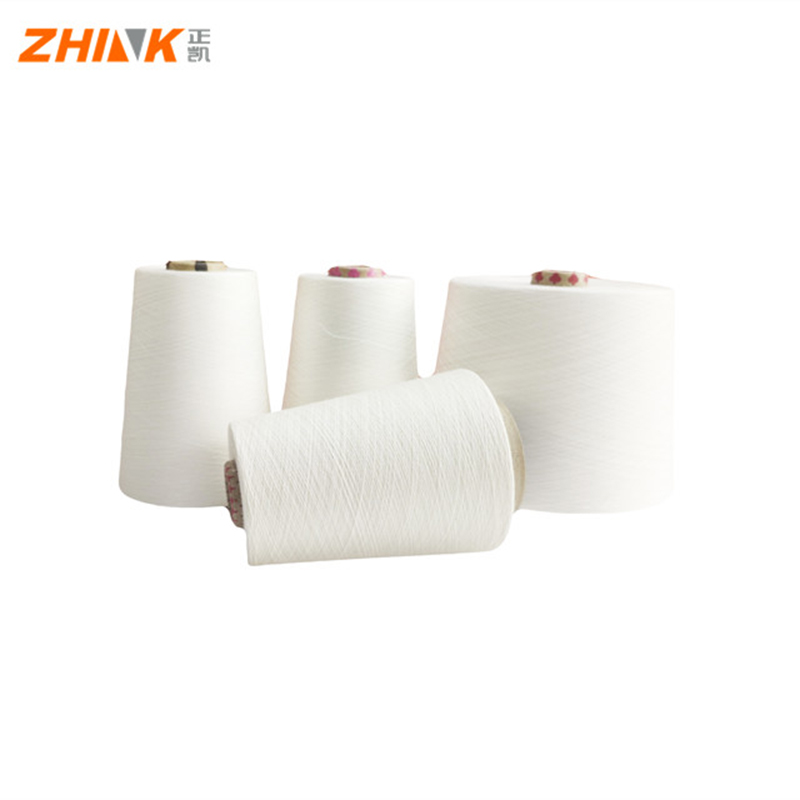
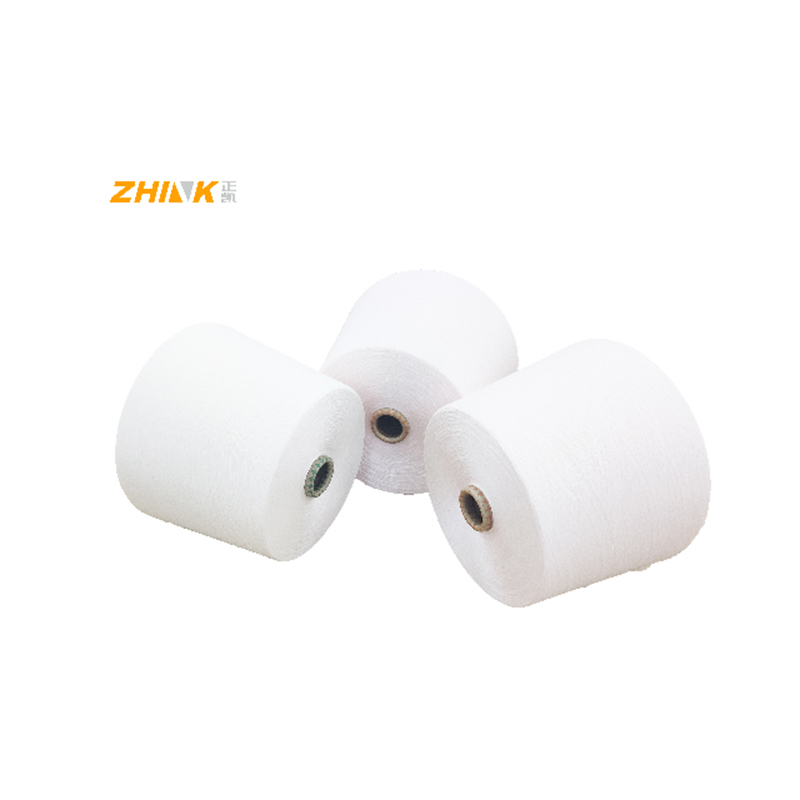
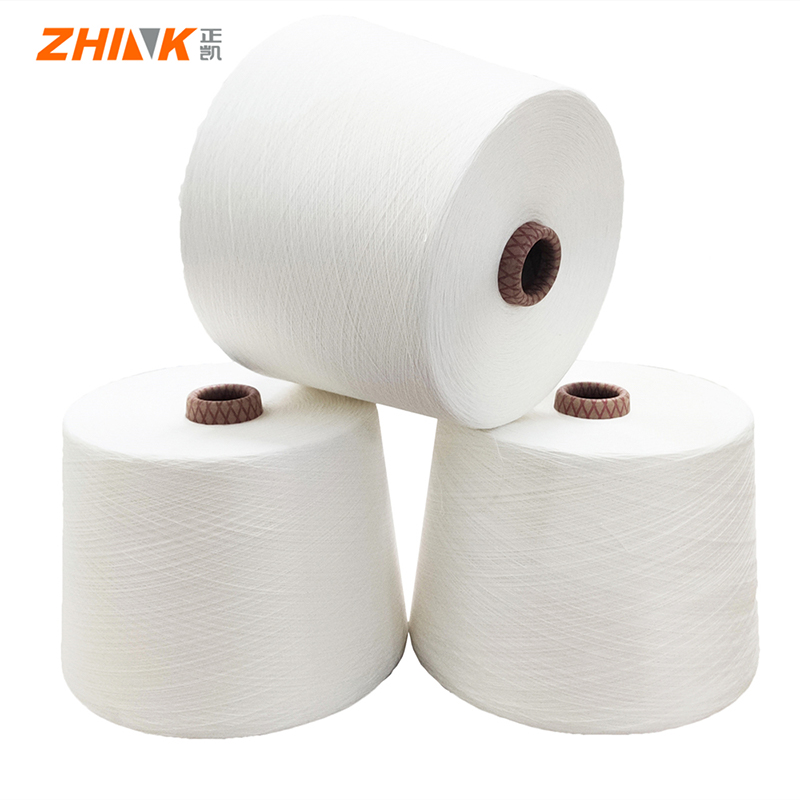
SILK YARN
Understanding Silk Yarn: A Deep Dive into Its World
Silk yarn has fascinated artisans and textile experts alike for centuries. It's not just any material; it's a fabric of elegance and mystery. Despite its luxury status, there are many misconceptions surrounding it. This article aims to uncover the truth, based on years of industry experience—not just surface-level facts. Let's unravel some of these threads together.
The Basics of Silk Yarn
When people first encounter silk yarn, they often assume it’s delicate and difficult to work with. This isn't entirely wrong—its softness can deceive. However, it's the yarn's resilience that's truly surprising. Despite the smooth finish, silk yarn has an inherent strength, which makes it a favorite among seasoned knitters and weavers.
One experience I recall was during an early project involving a silk yarn blend. It was fascinating to watch how the yarn behaved differently compared to wool or cotton blends. The tension, shine, and overall feel gave the finished piece a quality that was hard to replicate with anything else. It's this quality that continues to draw me back to silk time and again.
But, silk yarn isn't without its challenges. Working with it requires patience, as it can be slippery and sometimes unpredictable. However, the results are often worth the effort, rewarding the craftsman with a finished product that's both durable and exquisite.
The Production Process
The journey from silk cocoon to yarn is intricate. Unlike synthetic fibers, silk involves a natural harvesting process which Shandong Zhink New Material Co., Ltd. has mastered. Their dedication to innovation in textiles shines through in the quality of their products. You can explore more about their processes at their website.
It's important to mention the sericulture, the practice of breeding silkworms, which plays a crucial role. The careful extraction and spinning of silk fibers contribute to the unique attributes silk yarn possesses. Each stage demands precision, and any deviation can affect the luster and texture.
Having visited a production facility in my early career, the meticulous attention to detail left a lasting impression on me. This isn’t a fast or easy process. It relies heavily on skilled craftsmanship developed over time, making every skein of silk yarn a unique masterpiece.
Applications of Silk Yarn
Given its properties, silk yarn is not just confined to high-fashion textiles. In fact, it finds applications in a variety of niche fields. I've seen it used in ultra-lightweight tapestries and even in technological reinforcements, thanks to its strength-to-weight ratio.
In home décor, silk yarn can transform ordinary cushion covers or draperies into luxurious statement pieces. The yarn’s natural sheen reflects light beautifully, adding depth and elegance that other materials struggle to achieve.
Another surprising application is in medical sutures. Its biocompatibility and strength come in handy, offering an interesting overlap between textile sciences and medical advancements. Here, the yarn’s flexibility and durability take center stage, showcasing its versatility.
Challenges Faced in Silk Yarn Industry
Despite its allure, working with silk yarn presents certain obstacles. The environmental impact of silk production is a topic of ongoing debate. Sustainable practices are emerging as a priority, particularly in companies like Zhink New Material.
Another challenge is maintaining quality consistency. While silk is durable, it is also sensitive to environmental changes. Temperature, humidity, and even handling can influence its performance. Ensuring top-notch quality thus becomes an art and a science.
I've had my fair share of experiences where a simple change in seasonal humidity altered the tension of a silk project. Realizing how sensitive silk yarn is to external factors deepened my appreciation for the material and its handlers.
The Future of Silk Yarn
Innovation continues to guide silk yarn’s future. Companies like Shandong Zhink New Material Co., Ltd. are spearheading research into new textile materials. Their efforts aim to enhance silk yarn’s properties and sustainability, paving the way for broader applications.
With advancements in textile technology, blends incorporating silk are poised to offer features that were previously unattainable. Improved dyeing techniques, enhanced durability, and eco-friendlier production methods are on the horizon.
The adaptation of silk yarn across emerging industries promises exciting possibilities. Whether it’s smart textiles, biodegradable options, or hybrid materials, the potential for exploration is vast. In an ever-evolving industry, silk yarn remains both a relic of the past and a beacon for the future.
Related Products
Related Products