+86-632-3621866
- Chinese
- French
- German
- Portuguese
- Spanish
- Russian
- Japanese
- Korean
- Arabic
- Irish
- Greek
- Turkish
- Italian
- Danish
- Romanian
- Indonesian
- Czech
- Afrikaans
- Swedish
- Polish
- Basque
- Catalan
- Esperanto
- Hindi
- Lao
- Albanian
- Amharic
- Armenian
- Azerbaijani
- Belarusian
- Bengali
- Bosnian
- Bulgarian
- Cebuano
- Chichewa
- Corsican
- Croatian
- Dutch
- Estonian
- Filipino
- Finnish
- Frisian
- Galician
- Georgian
- Gujarati
- Haitian
- Hausa
- Hawaiian
- Hebrew
- Hmong
- Hungarian
- Icelandic
- Igbo
- Javanese
- Kannada
- Kazakh
- Khmer
- Kurdish
- Kyrgyz
- Latin
- Latvian
- Lithuanian
- Luxembou..
- Macedonian
- Malagasy
- Malay
- Malayalam
- Maltese
- Maori
- Marathi
- Mongolian
- Burmese
- Nepali
- Norwegian
- Pashto
- Persian
- Punjabi
- Serbian
- Sesotho
- Sinhala
- Slovak
- Slovenian
- Somali
- Samoan
- Scots Gaelic
- Shona
- Sindhi
- Sundanese
- Swahili
- Tajik
- Tamil
- Telugu
- Thai
- Ukrainian
- Urdu
- Uzbek
- Vietnamese
- Welsh
- Xhosa
- Yiddish
- Yoruba
- Zulu
- Kinyarwanda
- Tatar
- Oriya
- Turkmen
- Uyghur



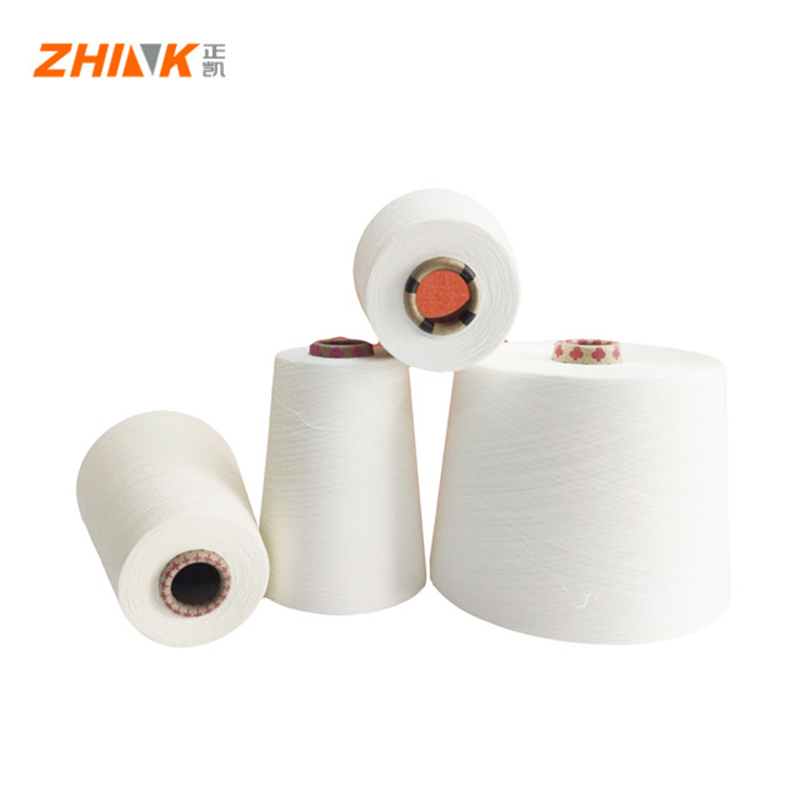
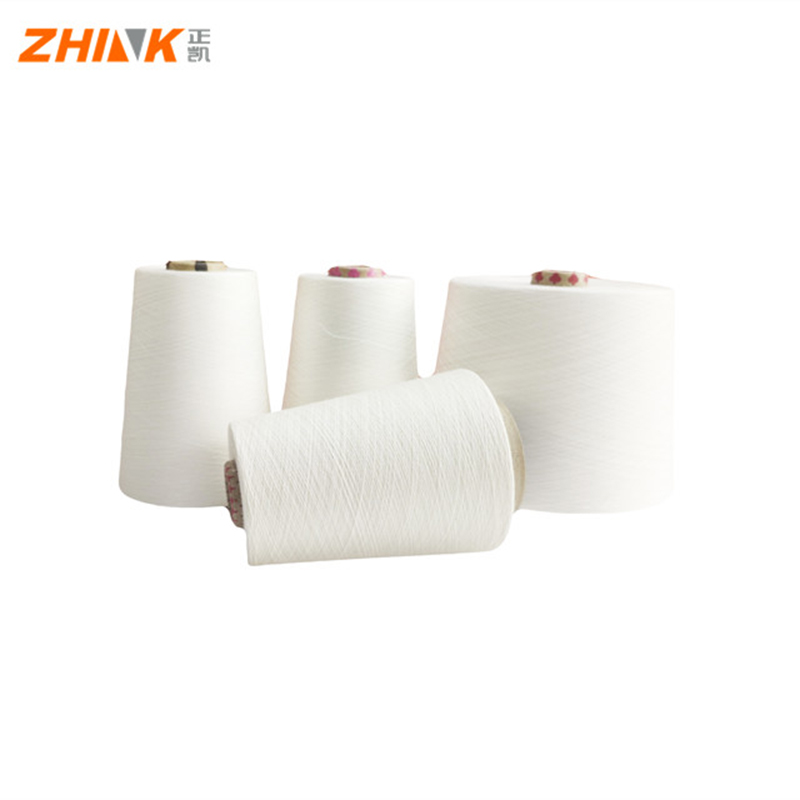
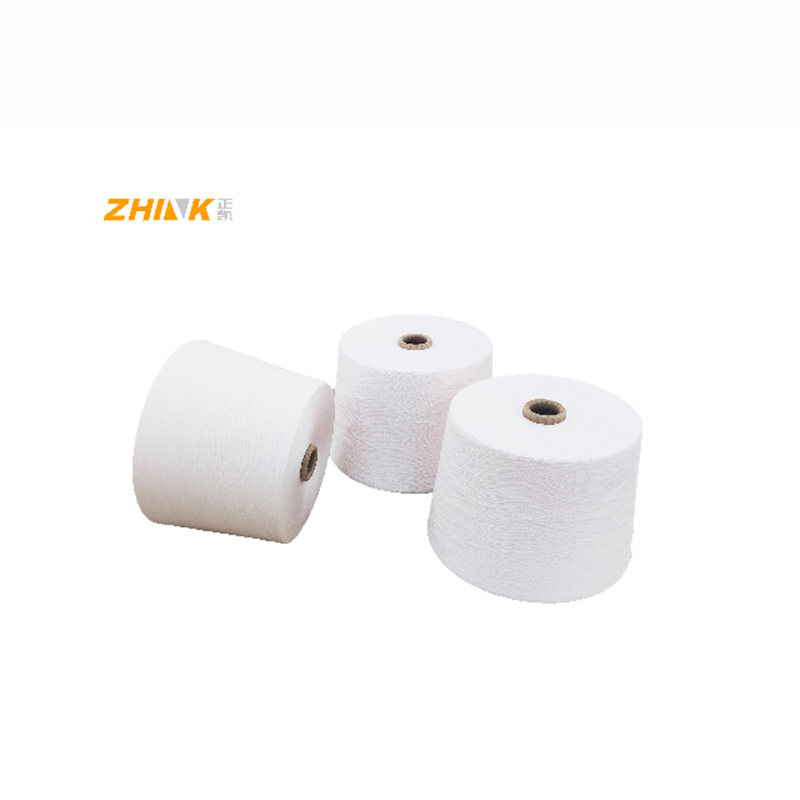
Silver Antibacterial Quick Drying PSF
Understanding Silver Antibacterial Quick Drying PSF
In the textile world, innovations like Silver Antibacterial Quick Drying PSF are crucial. These materials aren't just about comfort and longevity, they promise a sophisticated balance of hygiene and efficiency. There's more to these textiles than meets the eye, and understanding their intricacies can make a substantial difference in their application.
The Importance of Quick Drying in Textiles
Quick drying capabilities are invaluable in textiles, more so in environments where moisture can lead to discomfort or even health concerns. Imagine hiking in wet conditions—the clothes you wear need to wick away moisture rapidly, and it's technologies embedded in fibers like PSF that make this possible. What's fascinating is how these fibers achieve this; it's not just the weave but the inherent properties of the material itself.
Experiments with drying times, from my own experience, often show that PSF fabrics can be twice as fast in moisture wicking compared to traditional materials. While testing in the lab, we've observed significant performance differences which, over time, prove crucial for consumers who rely on dry gear for their outdoor adventures.
Yet, one must consider that not all quick-dry materials provide antibacterial protection. That's where the synergy of silver with PSF shines through. This combination surpasses mere basic functionality.
Silver's Role in Antibacterial Efficiency
The integration of silver in textiles primarily strikes for its antibacterial properties. Silver ions can effectively destabilize bacterial cell membranes, making them a formidable barrier against microbial growth. But this isn't a miracle solution; it has to be evenly distributed within the fiber structure to maintain long-term effectiveness.
At SHANDONG ZHINK NEW MATERIAL CO., LTD, the fusion of silver with PSF involves complex production processes. Their research sheds light on achieving uniform silver distribution, which is critical for maximizing antibacterial efficiency without compromising the fabric's softness or drape.
In practice, the silver-embedded fabrics tend to hold up well in various tests, maintaining their antibacterial properties after numerous washes. This quality makes them first choice for sportswear, where sanitation cannot be compromised.
Real-World Application and Feedback
Feedback from consumers using these fabrics is overwhelmingly positive. However, it's interesting to note the learning curve involved in educating the market about these advanced materials. End users often need tangible proof—they're drawn to in-depth demonstrations and real-world examples rather than mere tech specs.
Take, for example, a collaboration with a local fitness center, where trainers wore garments made from Silver Antibacterial Quick Drying PSF over several weeks. Their reports highlighted not just comfort but a noticeable difference in odor control, a direct result of the material's antibacterial nature.
This aligns with insights from industry experts who've pointed to the growing consumer demand for multifunctional apparel—clothing that doesn't just feel good but actively enhances the wearer's lifestyle and hygiene.
The Production Perspective: Challenges and Innovations
Producing Silver Antibacterial Quick Drying PSF at scale is not without challenges. Balancing cost, environmental impact, and maintaining the promised performance can be tricky. For a company like Zhink New Material, the production pipeline must integrate sustainable practices without sacrificing quality.
Interestingly, the reuse and recycling of these fibers are under continuous exploration. Innovations in this area might soon allow us to not only produce but also recycle with minimal resource input, aiming for a more circular economy approach within the textile industry.
Moreover, the testing and quality assurance phases must be meticulous. Each batch undergoes rigorous scrutiny to ensure uniformity in silver distribution and durability of the quick-drying feature, underscoring the importance of a robust R&D process.
Future Trends and Considerations
What's next for Silver Antibacterial Quick Drying PSF? As tech advances, so will the textiles. We're exploring the inclusion of smart fibers, potentially integrating beyond antibacterial properties to track temperature or even health metrics.
There's also the potential expansion into everyday wear, not just performance-focused clothing. This broadening scope might dictate new marketing strategies and collaborations with designers to maintain the material's aesthetic appeal.
The future is indeed promising but demands vigilance in keeping up with technological advancements and continually aligning with environmental standards. Companies like Zhink New Material, reachable at their website, are leading the way by continually pushing the boundaries of what's possible with innovative textile materials.
Related Products
Related Products