+86-632-3621866
- Chinese
- French
- German
- Portuguese
- Spanish
- Russian
- Japanese
- Korean
- Arabic
- Irish
- Greek
- Turkish
- Italian
- Danish
- Romanian
- Indonesian
- Czech
- Afrikaans
- Swedish
- Polish
- Basque
- Catalan
- Esperanto
- Hindi
- Lao
- Albanian
- Amharic
- Armenian
- Azerbaijani
- Belarusian
- Bengali
- Bosnian
- Bulgarian
- Cebuano
- Chichewa
- Corsican
- Croatian
- Dutch
- Estonian
- Filipino
- Finnish
- Frisian
- Galician
- Georgian
- Gujarati
- Haitian
- Hausa
- Hawaiian
- Hebrew
- Hmong
- Hungarian
- Icelandic
- Igbo
- Javanese
- Kannada
- Kazakh
- Khmer
- Kurdish
- Kyrgyz
- Latin
- Latvian
- Lithuanian
- Luxembou..
- Macedonian
- Malagasy
- Malay
- Malayalam
- Maltese
- Maori
- Marathi
- Mongolian
- Burmese
- Nepali
- Norwegian
- Pashto
- Persian
- Punjabi
- Serbian
- Sesotho
- Sinhala
- Slovak
- Slovenian
- Somali
- Samoan
- Scots Gaelic
- Shona
- Sindhi
- Sundanese
- Swahili
- Tajik
- Tamil
- Telugu
- Thai
- Ukrainian
- Urdu
- Uzbek
- Vietnamese
- Welsh
- Xhosa
- Yiddish
- Yoruba
- Zulu
- Kinyarwanda
- Tatar
- Oriya
- Turkmen
- Uyghur



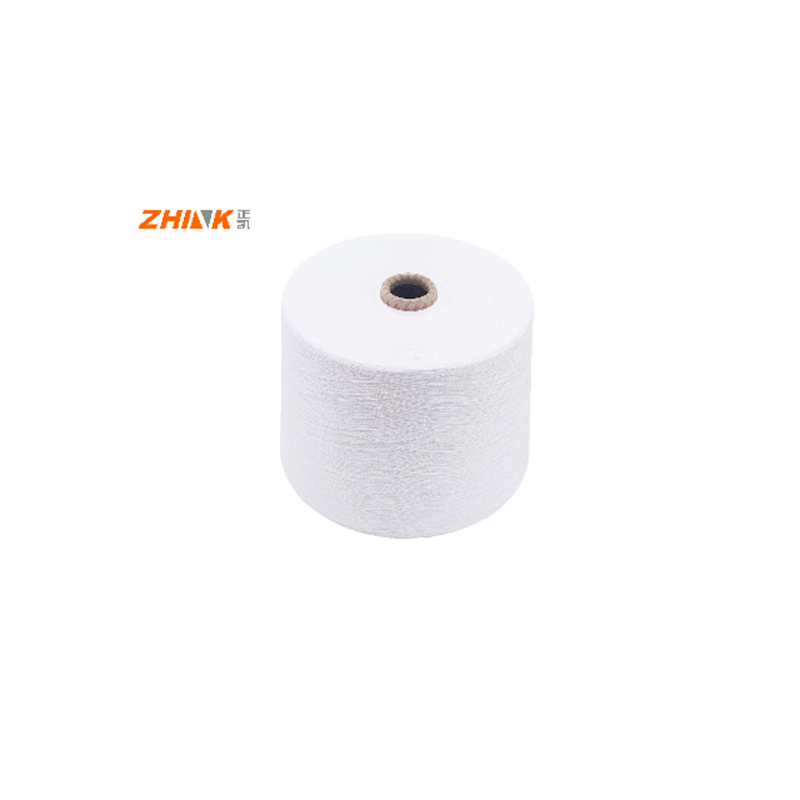
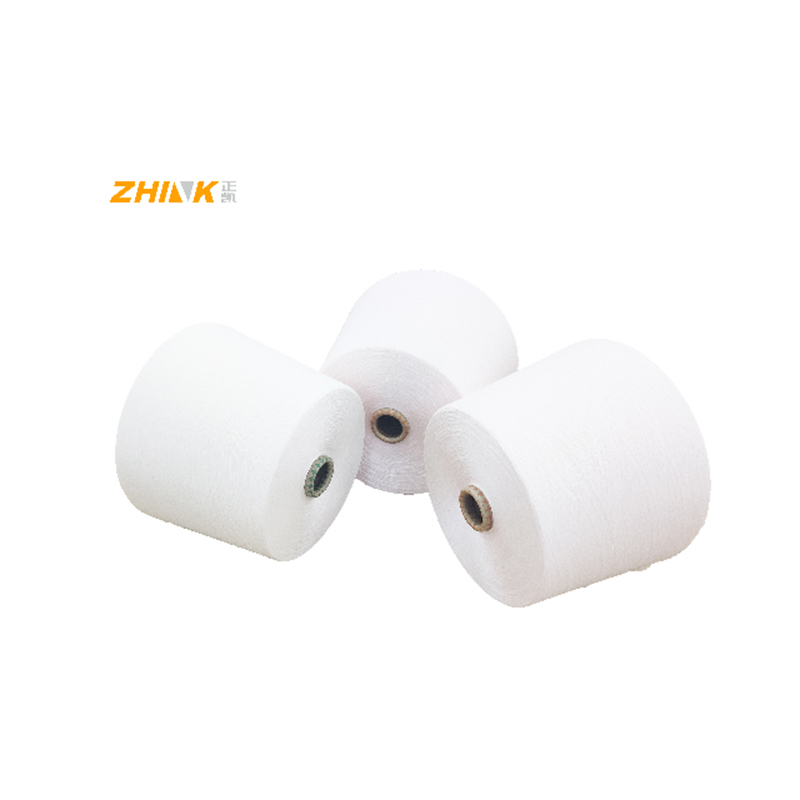
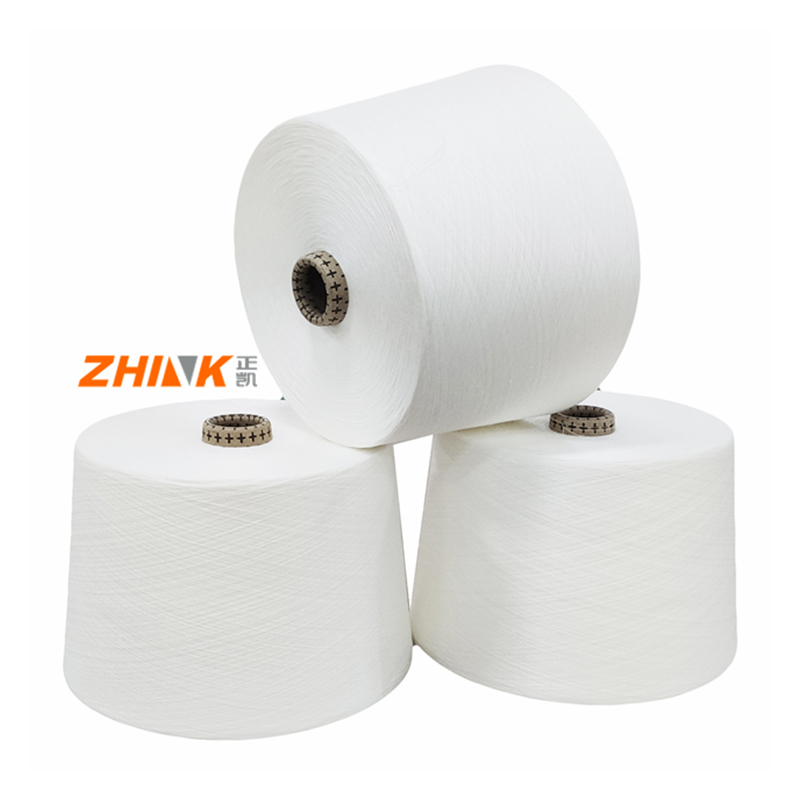
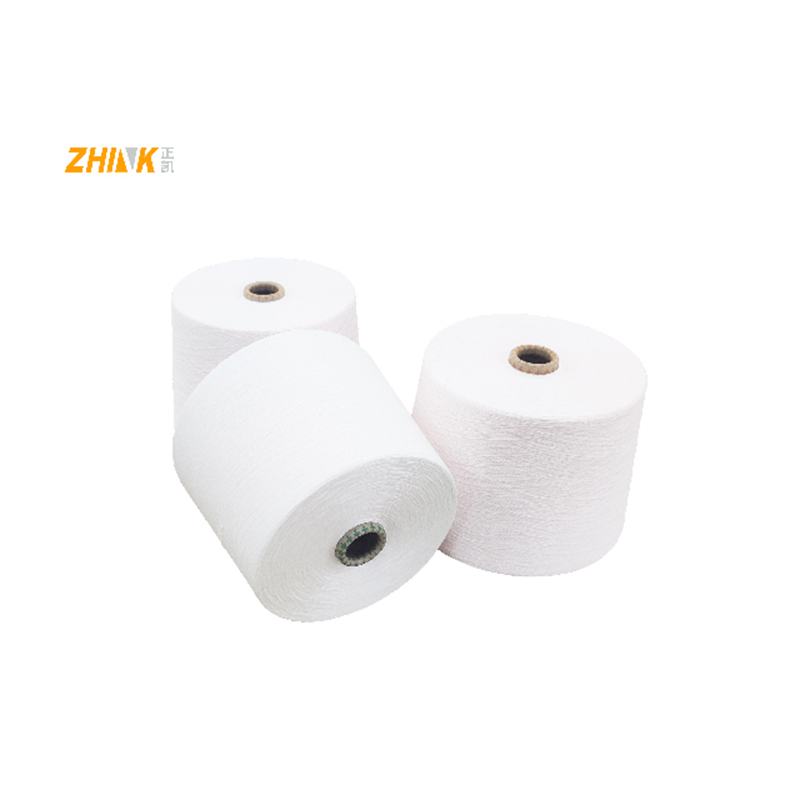
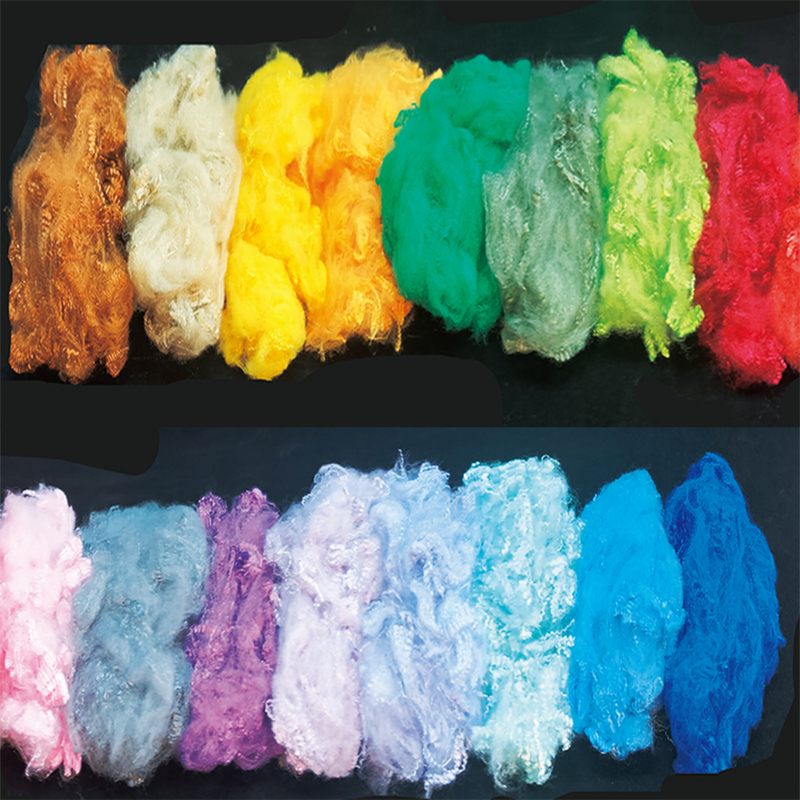
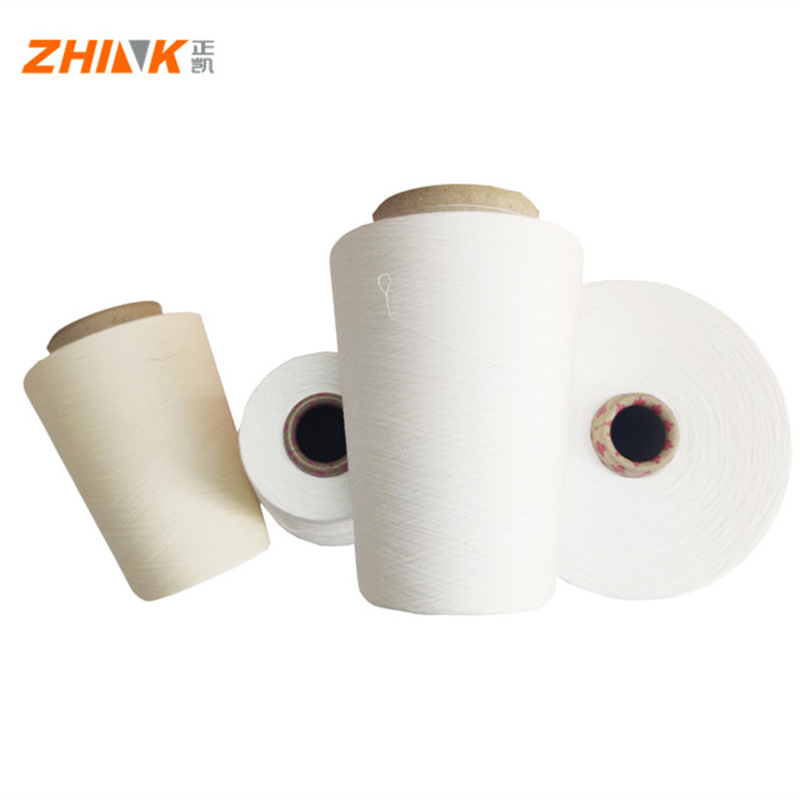
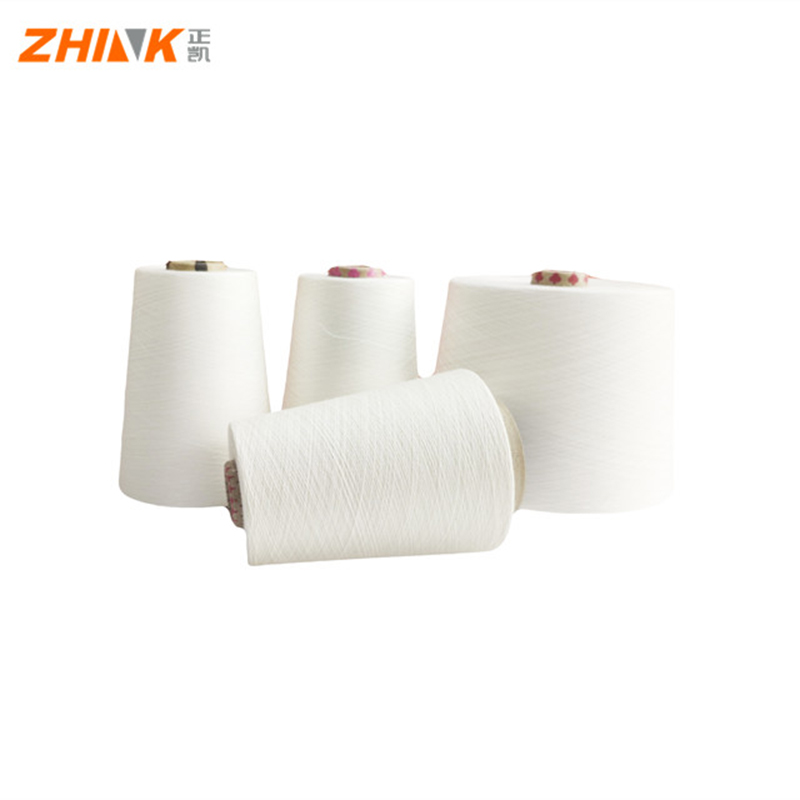
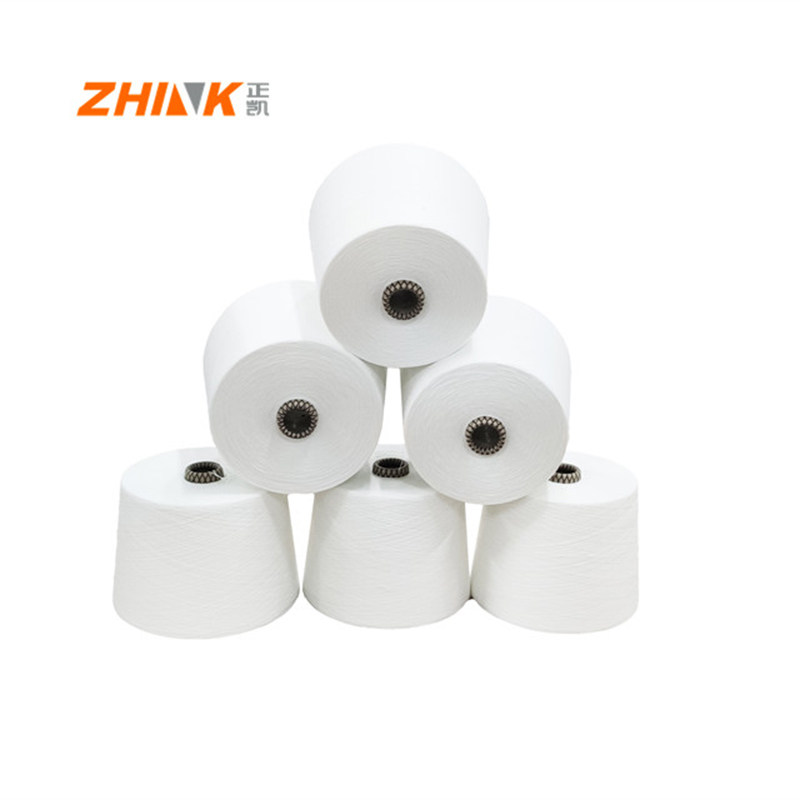
Silver gray polyester fiber
The World of Silver Gray Polyester Fiber
The subtle allure of silver gray polyester fiber often goes unnoticed, but its impact on textile innovation and our everyday lives is profound. With years spent weaving through the intricacies of textile production, I've seen misconceptions pop up more times than I can count. Let's dive into how this seemingly simple material shapes industries and what surprises it holds.
The Misunderstood Marvel
Many equate polyester with a cheap alternative, missing its true potential. Silver gray polyester fiber stands out, not just for its hue but for its blend of durability and elegance. The color, while seemingly just a color, isn’t just slapped on during production. It involves a careful process, ensuring consistency and depth.
Distinct from other fibers, it resists wear and tear in remarkable ways. I recall a project where we tested different textiles for outdoor furnishings. The silver gray polyester won hands down, exhibiting minimal fading over months of harsh exposure.
Yet, it’s not just about resilience. The fiber’s versatility means it slips seamlessly into numerous applications, from upholstery to fashion. In my experience, infusing it with other materials opens up a vast canvas of possibilities.
Practical Challenges
Now, let’s get to what’s behind the scenes. Producing silver gray polyester fiber isn’t without its hiccups. During my initial foray into textile manufacturing, ensuring color fastness was a major headache. It required precise control over dyeing processes, sometimes necessitating numerous adjustments.
Another issue lies in maintaining texture. Polyester needs to mimic the softness of natural fibers while retaining its inherent toughness. Achieving this balance often feels like a high-wire act, demanding constant tweaking in production settings.
Despite these hurdles, companies like SHANDONG ZHINK NEW MATERIAL CO., LTD have made strides. Their focus on R&D, as highlighted on their website ZHINK NEW MATERIAL, shows that consistent improvements are not just possible, but ongoing.
Innovative Applications
One of the emerging trends is in smart textiles, where silver gray polyester fiber forms the backbone of responsive fabrics. Think of clothing that adapts to temperature changes or high-tech furniture. This is where the material truly shines.
I remember attending a trade show where a demo illustrated how these fibers integrated into wearable tech. The fabric responded to the wearer’s body heat, providing dynamic insulation. It’s a glimpse into the future of textile applications that go beyond traditional uses.
Such innovations do pose challenges, particularly in integrating electronic components without compromising the fiber’s basic properties. Yet, the possibilities they open up are too significant to ignore.
Environment and Sustainability
Of course, any discussion today isn’t complete without addressing sustainability. Polyester has a reputation problem, yet silver gray fibers are stepping into more eco-friendly zones. Brands are making concerted efforts to incorporate recycled materials, a notion that seemed far-fetched a decade ago.
In practice, this involves reclaiming plastic waste and transforming it into high-quality fiber. It’s about closing the loop and seeing waste as a resource rather than a problem. At Zhink New Material, for instance, they are keenly investing in sustainable practices, ensuring production is aligned with eco-conscious goals.
Yet, sustainability isn’t just about recycling. It extends to longevity. A product that lasts longer inherently demands fewer resources over time, an idea that’s gaining traction.
The Market Impact
The applications and enhancements in silver gray polyester fiber aren’t just nifty scientific advances, they’re economic levers. As industries tap into its capabilities, market dynamics shift, influencing supply chains and consumer expectations.
Take sportswear for instance; the increased demand for functional, aesthetically pleasing gear shows how important material choice is. A fiber that combines functionality with aesthetics can redefine product lines, echoing consumer demand for both style and substance.
Looking forward, I see an intersection where consumer preferences and manufacturing innovations propel the humble silver gray polyester into broader arenas, challenging perceptions and crafting new norms in the textile world.
Related Products
Related Products