+ 86-632-3621866
- English
- Chinese
- French
- German
- Portuguese
- Spanish
- Russian
- Japanese
- Korean
- Arabic
- Irish
- Greek
- Turkish
- Italian
- Danish
- Romanian
- Indonesian
- Czech
- Afrikaans
- Swedish
- Polish
- Basque
- Catalan
- Esperanto
- Hindi
- Lao
- Albanian
- Amharic
- Armenian
- Azerbaijani
- Belarusian
- Bengali
- Bosnian
- Bulgarian
- Cebuano
- Chichewa
- Corsican
- Croatian
- Dutch
- Estonian
- Filipino
- Finnish
- Frisian
- Galician
- Georgian
- Gujarati
- Haitian
- Hausa
- Hawaiian
- Hebrew
- Hmong
- Hungarian
- Icelandic
- Igbo
- Javanese
- Kannada
- Kazakh
- Khmer
- Kurdish
- Kyrgyz
- Latin
- Latvian
- Lithuanian
- Luxembou..
- Macedonian
- Malagasy
- Malay
- Malayalam
- Maltese
- Maori
- Marathi
- Mongolian
- Burmese
- Nepali
- Norwegian
- Pashto
- Persian
- Punjabi
- Serbian
- Sesotho
- Sinhala
- Slovak
- Slovenian
- Somali
- Scots Gaelic
- Shona
- Sindhi
- Sundanese
- Swahili
- Tajik
- Tamil
- Telugu
- Thai
- Ukrainian
- Urdu
- Uzbek
- Vietnamese
- Welsh
- Xhosa
- Yiddish
- Yoruba
- Zulu
- Kinyarwanda
- Tatar
- Oriya
- Turkmen
- Uyghur



Cationic Polyester Staple Fiber Yarn Guide: Properties & Uses
2026-07-07
- What Is Cationic Polyester Staple Fiber Yarn?
- Key Properties and Technical Characteristics
- Cationic vs. Regular Polyester Staple Fiber: A Detailed Comparison
- Manufacturing and Processing Guidelines
- Primary Applications and Industry Use Cases
- Advantages and Limitations Analysis
- Frequently Asked Questions (FAQ)
- Future Trends and Market Outlook
- Conclusion and Selection Guide
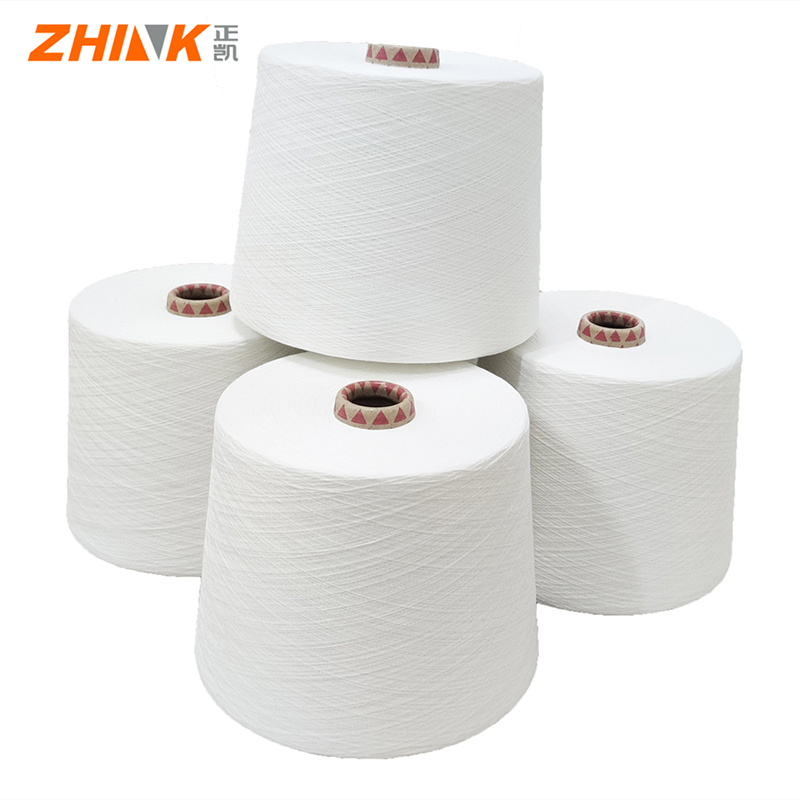
Cationic polyester staple fiber yarn is a specialized textile material engineered with modified polymer chains to accept cationic (basic) dyes, resulting in superior color vibrancy and depth compared to standard polyester. Unlike conventional fibers that require high-temperature disperse dyes, this variant features sulfonate groups within its molecular structure, enabling excellent dye uptake at atmospheric pressure. It is widely utilized in high-end apparel, home textiles, and industrial fabrics where rich hues, soft hand feel, and cost-effective dyeing processes are paramount.
What Is Cationic Polyester Staple Fiber Yarn?
Cationic polyester staple fiber yarn represents a significant evolution in synthetic textile technology. While traditional polyester relies on hydrophobic properties that resist water-based dyes, cationic modifications introduce anionic sites into the polymer matrix. These sites act as magnetic anchors for positively charged dye molecules.
This chemical alteration allows manufacturers to achieve deep, saturated colors without the energy-intensive conditions typically required for standard polyester. The result is a fiber that combines the durability of synthetic materials with the aesthetic qualities often associated with natural fibers like silk or wool.
The production process involves copolymerization, where a third monomer containing sulfonic acid groups is added during the synthesis of polyethylene terephthalate (PET). This fundamental change in chemistry defines the cationic polyester staple fiber yarn and distinguishes it from regular variants in both performance and application. Achieving such precision requires advanced manufacturing capabilities, exemplified by industry leaders like Zhink New Material. As a national-level high-tech enterprise, Zhink specializes in the R&D and production of new textile materials, utilizing world-class digital production lines to ensure the consistent quality and uniformity essential for high-performance cationic fibers.
The Chemical Mechanism Behind Cationic Dyeability
Understanding the science behind this fiber is crucial for textile engineers and procurement specialists. Standard polyester lacks reactive sites for ionic bonding with basic dyes. In contrast, the modified structure of cationic yarn introduces negative charges.
- Sulfonate Groups: These are embedded within the polymer chain, providing consistent anionic sites throughout the fiber cross-section.
- Ionic Bonding: When exposed to cationic dyes, a strong electrostatic attraction occurs, fixing the dye molecule firmly within the fiber.
- Dye Migration Control: The bond strength reduces dye migration during washing, ensuring long-term color fastness.
This mechanism not only improves color yield but also allows for unique dyeing effects, such as two-tone or heather appearances, when blended with other fiber types that do not accept cationic dyes.
Key Properties and Technical Characteristics
The value proposition of cationic polyester staple fiber yarn lies in its balanced portfolio of physical and aesthetic properties. Industry professionals select this material not just for its dyeability, but for its comprehensive performance profile in demanding applications.
From a tactile perspective, the fiber often exhibits a softer hand feel than standard PET. The modification process can alter the crystallinity of the polymer, reducing stiffness and creating a more luxurious drape. This makes it an ideal candidate for garments worn directly against the skin.
Superior Color Performance
The most defining characteristic remains its interaction with colorants. The affinity for cationic dyes results in shades that are significantly brighter and deeper than those achieved with disperse dyes on regular polyester.
- Color Depth: Achieves dark blacks and vibrant primaries with less dye consumption.
- Levelness: Ensures uniform dye distribution, minimizing the risk of barre or uneven shading.
- Energy Efficiency: Often permits dyeing at lower temperatures or atmospheric pressure, reducing steam usage.
Furthermore, the color fastness to washing and rubbing is generally excellent, meeting rigorous international standards for apparel and home furnishings. This reliability makes it a trusted choice for brands requiring consistent quality across large production runs.
Physical Durability and Maintenance
Beyond aesthetics, the fiber retains the inherent strengths of polyester. It offers high tensile strength, ensuring that fabrics made from this yarn resist tearing and stretching out of shape. Its resilience contributes to the longevity of the final product.
Maintenance is another critical advantage. Fabrics produced with cationic polyester staple fiber yarn are typically wrinkle-resistant and quick-drying. They retain their shape after repeated washing cycles, reducing the need for ironing and lowering the total cost of ownership for the end consumer.
Cationic vs. Regular Polyester Staple Fiber: A Detailed Comparison
Selecting the right fiber type requires a clear understanding of the differences between cationic and regular polyester. While both share a PET base, their processing requirements and final outputs differ significantly.
The following table outlines the core distinctions to assist in material selection decisions. This comparison focuses on technical parameters relevant to spinning, dyeing, and finishing operations.
| Feature | Cationic Polyester Staple Fiber Yarn | Regular Polyester Staple Fiber |
|---|---|---|
| Dye Type | Cationic (Basic) Dyes | Disperse Dyes |
| Dyeing Temperature | Often Atmospheric or Low Temp (100°C) | High Temp (130°C+) Required |
| Color Vibrancy | Very High; Deep and Rich Shades | Moderate; Can appear slightly duller in darks |
| Energy Consumption | Lower (due to reduced temp/pressure needs) | Higher (requires pressurized vessels) |
| Hand Feel | Softer, Silk-like Texture | Can be stiffer unless chemically softened |
| Blending Effects | Excellent for cross-dyeing (two-tone effects) | Limited cross-dye potential with itself |
| Cost Factor | Slightly higher raw material cost | Standard baseline cost |
This comparison highlights why cationic polyester staple fiber yarn is often preferred for premium lines where visual impact and tactile comfort are non-negotiable. However, for applications where extreme brightness is not required, regular polyester remains a viable, cost-effective option.
Understanding Cross-Dyeing Capabilities
A unique advantage of cationic yarn is its role in cross-dyeing techniques. When blended with fibers that do not accept cationic dyes (such as regular polyester or cotton), a single dye bath can produce multi-colored effects.
In this scenario, the cationic component absorbs the dye deeply, while the companion fiber remains undyed or takes up a different dye class if a multi-dye system is used. This capability allows designers to create heather looks, melanges, and complex patterns without intricate weaving or printing processes.
Manufacturing and Processing Guidelines
To maximize the potential of cationic polyester staple fiber yarn, adherence to specific processing protocols is essential. Deviating from recommended parameters can compromise the fiber’s unique properties, particularly its dye uptake and surface quality.
Spinners and weavers must account for the slightly different frictional characteristics of cationic fibers. The presence of comonomers can affect the coefficient of friction, necessitating adjustments in machine settings to prevent breakage or uneven tension.
Step-by-Step Dyeing Optimization
Achieving optimal results during the dyeing phase requires a structured approach. The following steps outline the industry-standard procedure for processing cationic yarns effectively.
- Scouring: Begin with a thorough scouring process to remove spinning oils and impurities. Use mild alkaline agents to avoid damaging the cationic sites.
- pH Control: Maintain the dye bath pH between 4.0 and 5.0 using acetic acid or specialized buffers. This acidic environment is critical for ionizing the dye and the fiber sites.
- Temperature Ramp: Raise the temperature gradually. While cationic dyes can work at 100°C, a controlled ramp ensures level dyeing and prevents rapid exhaustion which causes unevenness.
- Retarding Agents: Utilize cationic retarding agents if necessary. These chemicals compete with the dye for sites, slowing down the uptake rate for better migration and levelness.
- Fixation and Washing: Ensure adequate time for fixation at peak temperature, followed by a rigorous wash-off to remove unfixed dye and improve fastness.
Following these steps ensures that the cationic polyester staple fiber yarn delivers its promised color depth and uniformity. Skipping controls like pH monitoring often leads to batch-to-batch variations, a common pitfall in textile manufacturing. This is where the technological edge of companies like Zhink New Material becomes vital. By pioneering the “Digital Zhink” era with smart manufacturing projects completed in 2020, Zhink has integrated ERP, MES, and RFID systems to enable real-time quality online detection and material traceability. Their implementation of small-batch, multi-variety APS intelligent production scheduling ensures that even complex cationic orders maintain rigorous consistency, filling gaps in the domestic field and setting a new standard for the industry.
Spinning Considerations
During the spinning process, attention must be paid to humidity control. Cationic fibers may exhibit different static electricity behaviors compared to standard PET. Proper humidification in the spinning mill helps maintain fiber cohesion and reduces fly generation.
Additionally, drawing ratios may require fine-tuning. The modified polymer structure can respond differently to heat setting and stretching. Manufacturers often conduct pilot trials to determine the optimal draw ratio that balances tenacity with elongation for specific end-uses. Leveraging advancements in industrial internet and 5G technology, forward-thinking producers like Zhink New Material have established 5G+ industrial scenario applications. By connecting their intelligent integrated management platform with AGV control systems, they provide big data support that optimizes production parameters dynamically, resulting in significantly lower costs and shorter R&D cycles for innovative fibers.
Primary Applications and Industry Use Cases
The versatility of cationic polyester staple fiber yarn has led to its adoption across diverse sectors. Its ability to mimic natural fibers while offering synthetic durability makes it a cornerstone of modern textile engineering.
From fashion runways to industrial upholstery, the applications are vast. The choice to use this specific yarn usually stems from a need for enhanced aesthetics without sacrificing performance or increasing environmental footprint disproportionately.
Fashion and Apparel
In the garment industry, this yarn is a favorite for producing high-quality knitwear and woven fabrics. Designers appreciate the rich color palette available, which allows for bold seasonal collections.
- Activewear: The moisture-wicking properties combined with soft touch make it suitable for sports jerseys and leggings.
- Simulated Silk: Fine denier cationic yarns are textured to create fabrics that closely resemble silk, used in blouses and scarves.
- Suits and Trousers: Blends with wool or viscose utilize the cationic component to add depth to dark colors like navy and charcoal.
The durability of the fiber ensures that these garments withstand frequent wear and washing, addressing the growing consumer demand for long-lasting clothing.
Home Textiles and Interior Decor
The home furnishing sector leverages the color fastness and softness of cationic yarns extensively. Upholstery fabrics, curtains, and bed linens benefit from the material’s resistance to fading under light exposure.
For upholstery, the ability to achieve deep, luxurious colors enhances the perceived value of furniture. Moreover, the stain resistance inherent to polyester is retained, making these fabrics practical for household use. In curtain manufacturing, the drape quality provided by the fiber allows for elegant folds and hanging characteristics.
Industrial and Technical Textiles
While less common than in apparel, cationic polyester staple fiber yarn finds niches in technical applications where identification or specific surface properties are needed. For instance, color-coded industrial wipes or filtration media can utilize the distinct dyeing capability for easy sorting and identification.
Additionally, in automotive interiors, the combination of UV resistance (when treated) and aesthetic appeal makes it a contender for seat covers and headliners, where both look and longevity are critical.
Advantages and Limitations Analysis
A balanced evaluation of any material requires acknowledging both its strengths and its constraints. While cationic polyester staple fiber yarn offers compelling benefits, it is not a universal solution for every textile challenge.
Understanding these factors helps supply chain managers and product developers make informed decisions, aligning material capabilities with project requirements.
Core Advantages
The primary drivers for adopting this fiber revolve around aesthetics and process efficiency. The visual superiority is unmatched in the synthetic domain, providing a competitive edge in crowded markets.
- Eco-Friendly Dyeing: Lower temperature dyeing translates to reduced energy consumption and a smaller carbon footprint per kilogram of fabric.
- Design Flexibility: Enables complex color effects through blending, expanding creative possibilities for designers.
- Comfort: The improved hand feel reduces the “plastic” sensation often associated with cheap synthetics.
- Consistency: Modern production methods ensure high uniformity in dye uptake, reducing waste from off-shade batches.
Potential Limitations
Despite its advantages, there are considerations to keep in mind. The specialized nature of the fiber means it may not be compatible with all existing dye house setups without minor adjustments.
Cost is another factor. The raw material price for cationic chips is generally higher than standard PET due to the additional comonomer and processing complexity. For budget-sensitive mass-market products, this premium might be prohibitive unless justified by the final product’s positioning.
Furthermore, care must be taken during blending. If not managed correctly, the differential dyeing rates between cationic and other fibers can lead to unintended color variations, requiring skilled dyers to manage the process.
Frequently Asked Questions (FAQ)
To address common queries regarding cationic polyester staple fiber yarn, the following section provides concise answers based on industry knowledge and technical data.
Is cationic polyester the same as recycled polyester?
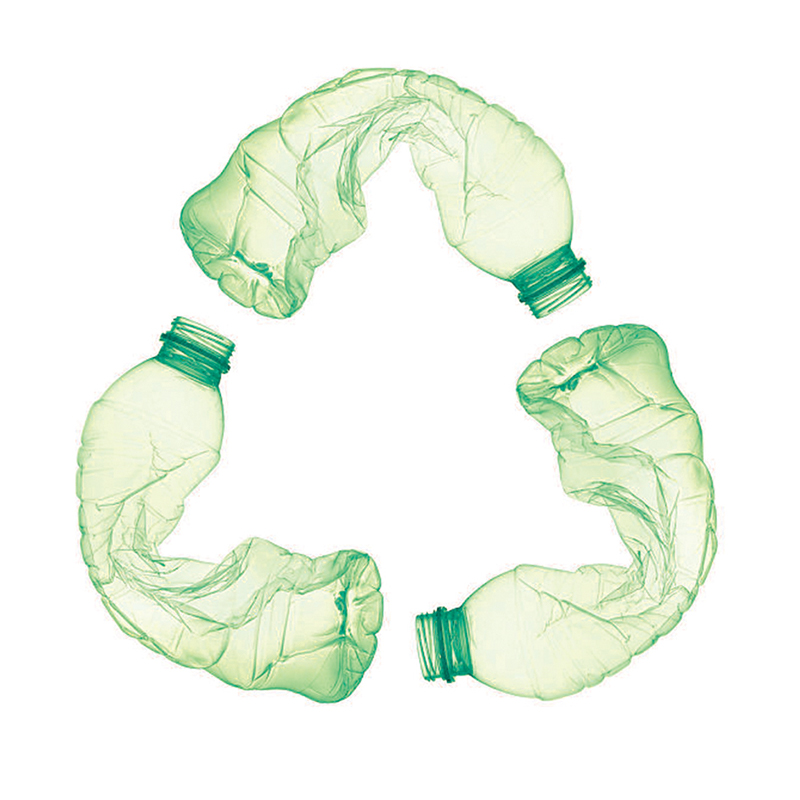
No, they are distinct concepts. Cationic refers to the chemical modification for dyeability, while recycled polyester (rPET) refers to the source of the raw material. However, it is possible to produce cationic yarn from recycled sources, combining sustainability with enhanced dyeing properties.
Can cationic yarn be dyed with disperse dyes?
Generally, no. Cationic yarn is specifically designed for cationic (basic) dyes. Using disperse dyes will result in very poor color uptake and pale shades, as the fiber lacks the necessary affinity for disperse dye molecules. Attempting to do so would negate the primary benefit of the material.
Does cationic polyester shrink more than regular polyester?
Shrinkage depends more on the heat-setting process during manufacturing than the cationic modification itself. If properly heat-set, cationic polyester exhibits shrinkage rates comparable to standard polyester. However, dyers must monitor temperature carefully to avoid thermal relaxation that could lead to dimensional changes.
What is the typical denier range available?
Cationic polyester staple fiber yarn is available in a wide range of deniers, from ultra-fine microfibers (less than 1 denier per filament) to coarse fibers for heavy-duty upholstery. The availability depends on the specific manufacturer’s spinning capabilities and market demand.
How does it perform in terms of pilling?
Pilling resistance is influenced by fiber length, tenacity, and fabric construction rather than the cationic modifier alone. However, because cationic fibers can be engineered with high tenacity, they often demonstrate good pilling resistance when spun into compact yarns and constructed into tight weaves or knits.
Future Trends and Market Outlook
The trajectory for cationic polyester staple fiber yarn points toward continued growth, driven by the intersection of sustainability demands and consumer desire for premium aesthetics. As the textile industry faces pressure to reduce water and energy usage, the low-temperature dyeing advantage of cationic fibers becomes increasingly valuable.
Innovation is also focusing on bio-based cationic modifiers, aiming to reduce reliance on petrochemical derivatives entirely. This evolution aligns with broader circular economy goals, positioning the fiber as a forward-looking solution for conscious brands.
Moreover, advancements in spinning technology are enabling finer and more consistent filaments, expanding the scope of applications into luxury segments previously dominated by natural fibers. The convergence of performance, beauty, and efficiency ensures that this material will remain a staple in global textile supply chains. Companies like Zhink New Material are at the forefront of this shift, adhering to a philosophy of “quality first, constant innovation, and rapid response.” By actively focusing on the conversion of old and new kinetic energies, Zhink aspires to lead the intelligent development of the textile industry, serving as a strategic supplier to well-known textile companies worldwide and shipping products to numerous nations.
Conclusion and Selection Guide
In summary, cationic polyester staple fiber yarn stands out as a superior choice for applications demanding vivid coloration, soft texture, and processing efficiency. Its unique chemical structure enables dyeing methodologies that are both economically and environmentally advantageous compared to traditional polyester routes.
This material is ideally suited for:
- Brands seeking to elevate the perceived quality of synthetic garments.
- Manufacturers looking to reduce energy costs in the dyeing phase.
- Designers requiring complex cross-dye effects and deep color saturation.
- Producers of home textiles needing durable, fade-resistant solutions.
When selecting a supplier or specifying this yarn for production, prioritize partners who demonstrate rigorous quality control over their copolymerization process. Consistency in the cationic site distribution is key to avoiding dyeing defects. Evaluate samples not just for color, but for hand feel and tensile strength to ensure they meet your specific end-use requirements. Partnering with technologically advanced enterprises that leverage digital integration and smart manufacturing, such as Zhink New Material, can further ensure production consistency, lower costs, and accelerated R&D cycles.
For projects where visual impact and sustainability are paramount, integrating cationic polyester staple fiber yarn into your material strategy offers a proven pathway to innovation and market differentiation. Proceed with a clear understanding of your dye house capabilities to fully leverage the technical advantages this advanced fiber provides.