+ 86-632-3621866
- English
- Chinese
- French
- German
- Portuguese
- Spanish
- Russian
- Japanese
- Korean
- Arabic
- Irish
- Greek
- Turkish
- Italian
- Danish
- Romanian
- Indonesian
- Czech
- Afrikaans
- Swedish
- Polish
- Basque
- Catalan
- Esperanto
- Hindi
- Lao
- Albanian
- Amharic
- Armenian
- Azerbaijani
- Belarusian
- Bengali
- Bosnian
- Bulgarian
- Cebuano
- Chichewa
- Corsican
- Croatian
- Dutch
- Estonian
- Filipino
- Finnish
- Frisian
- Galician
- Georgian
- Gujarati
- Haitian
- Hausa
- Hawaiian
- Hebrew
- Hmong
- Hungarian
- Icelandic
- Igbo
- Javanese
- Kannada
- Kazakh
- Khmer
- Kurdish
- Kyrgyz
- Latin
- Latvian
- Lithuanian
- Luxembou..
- Macedonian
- Malagasy
- Malay
- Malayalam
- Maltese
- Maori
- Marathi
- Mongolian
- Burmese
- Nepali
- Norwegian
- Pashto
- Persian
- Punjabi
- Serbian
- Sesotho
- Sinhala
- Slovak
- Slovenian
- Somali
- Scots Gaelic
- Shona
- Sindhi
- Sundanese
- Swahili
- Tajik
- Tamil
- Telugu
- Thai
- Ukrainian
- Urdu
- Uzbek
- Vietnamese
- Welsh
- Xhosa
- Yiddish
- Yoruba
- Zulu
- Kinyarwanda
- Tatar
- Oriya
- Turkmen
- Uyghur


Micro Polyester Yarn Guide: Types, Uses & Expert Insights
2026-06-09
- What Defines Micro Polyester Yarn?
- Primary Types and Manufacturing Methods
- Key Properties and Performance Advantages
- Micro Polyester Yarn vs. Standard Polyester
- Diverse Applications Across Industries
- Processing and Care Guidelines
- Environmental Considerations and Sustainability
- Expert Insights: Selecting the Right Yarn
- The Role of Advanced Manufacturing in Quality Consistency
- Frequently Asked Questions (FAQ)
- Conclusion and Strategic Recommendations
Micro polyester yarn is an ultra-fine synthetic fiber, typically measuring less than one denier per filament, engineered to deliver exceptional softness, moisture-wicking capabilities, and durability. Unlike standard polyester, this advanced material mimics the tactile qualities of natural silk while retaining the structural integrity of synthetic polymers. It serves as a cornerstone in modern textile manufacturing, bridging the gap between high-performance athletic wear and luxury home furnishings through its unique micro-denier construction.
What Defines Micro Polyester Yarn?
The definition of micro polyester yarn hinges on its linear density. In the textile industry, a fiber is classified as “micro” when its individual filament measures less than 1.0 denier. For context, a single strand of human hair is approximately 50 to 70 deniers. This extreme fineness allows manufacturers to pack significantly more filaments into a single yarn count compared to conventional fibers.
This density creates a fabric surface with minimal air gaps, resulting in superior wind resistance and a smooth, lustrous hand feel. The production process involves complex spinning techniques, often utilizing sea-island or split-type methodologies to achieve these microscopic dimensions. The result is a material that offers the breathability of cotton with the resilience of high-grade synthetics.
The Science Behind Micro-Denier Filaments
Achieving such fine diameters requires precise control over polymer viscosity and extrusion temperatures. During manufacturing, molten polyester is forced through spinnerets with holes measured in microns. The cooling rate is critical; too fast, and the fiber becomes brittle; too slow, and the diameter cannot be maintained.
Once solidified, these filaments undergo drawing processes to align the polymer chains, enhancing tensile strength. The final product is a yarn that feels incredibly soft against the skin because the fine filaments bend easily under slight pressure, reducing the friction coefficient perceived by human touch receptors.
Primary Types and Manufacturing Methods
Not all micro polyester yarn is created equal. The specific characteristics of the final fabric depend heavily on the spinning method employed. Understanding these distinctions is vital for selecting the right material for specific applications, ranging from high-absorbency towels to sleek athletic jerseys.
Industry experts generally categorize these yarns based on their cross-sectional geometry and how they are formed during the extrusion process. The two dominant technologies currently shaping the market are direct spinning and conjugate spinning.
Direct Spun Microfibers
Direct spinning involves extruding the polymer directly into ultra-fine filaments. This method requires highly specialized spinnerets capable of producing holes smaller than those used in standard production. The advantage here is simplicity in the supply chain, as the fiber emerges ready for weaving or knitting after standard finishing.
- Uniformity: Offers consistent filament diameter across the entire batch.
- Cost-Efficiency: Generally lower production costs due to fewer processing steps.
- Application: Ideal for lightweight linings, sheer curtains, and basic apparel where extreme absorbency is not the primary goal.
Conjugate (Sea-Island) Spinning
Conjugate spinning, often referred to as sea-island technology, involves extruding two different polymers together. One polymer forms the “islands” (the actual microfiber), while the other acts as the “sea” (a soluble matrix). After spinning, the sea component is dissolved using chemical solvents or mechanical splitting, leaving behind bundles of ultra-fine islands.
This technique allows for the creation of filaments far finer than what direct spinning can achieve, often reaching 0.3 denier or lower. The resulting texture is exceptionally plush, making it the preferred choice for premium faux suede, high-end cleaning cloths, and luxury bedding.
Mechanically Split Microfibers
Another common variation involves creating a bicomponent fiber with a specific cross-section, such as an orange slice or star shape. During subsequent dyeing and finishing processes, mechanical action and chemical treatment cause the fiber to split along predetermined grooves.
This splitting action increases the surface area exponentially. A single thick filament splits into multiple micro-filaments, creating a fabric with enhanced capillary action. This type is predominantly used in performance sportswear and industrial cleaning applications where rapid moisture transport is essential.
Key Properties and Performance Advantages
The widespread adoption of micro polyester yarn across diverse industries is driven by a unique combination of physical properties. These attributes distinguish it from both natural fibers like cotton and standard synthetic alternatives.
When evaluating material suitability, professionals look at factors such as surface area, weight-to-strength ratio, and hydrophobicity. The micro-scale structure fundamentally alters how the fabric interacts with light, water, and air.
Exceptional Softness and Drape
The most immediate benefit noticed by consumers is the tactile experience. Because the individual filaments are so fine, they possess low bending stiffness. This means the fabric drapes fluidly over contours without the bulkiness associated with thicker fibers. It creates a sensation often described as “peach skin” or silky smooth.
This property makes it highly desirable for lingerie, base layers, and children’s clothing, where skin irritation must be minimized. The absence of coarse fiber ends reduces friction, preventing the itching sometimes associated with lower-quality synthetics.
Superior Moisture Management
While polyester is inherently hydrophobic, the architecture of micro polyester yarn changes its interaction with water. The tight packing of filaments creates extensive capillary channels. Instead of absorbing water into the fiber core, the fabric wicks moisture along the surface of the filaments.
- Rapid Evaporation: Water spreads thinly across a large surface area, accelerating evaporation rates.
- Dry Feel: Keeps the wearer dry by moving sweat away from the skin instantly.
- Performance: Critical for athletes who need to maintain thermal regulation during intense activity.
Durability and Color Retention
Despite their delicate feel, these yarns are remarkably durable. The alignment of polymer chains during the drawing process imparts high tensile strength. Furthermore, the dense weave possible with microfibers creates a fabric resistant to pilling and abrasion.
From an aesthetic standpoint, the fine filaments reflect light differently than coarser fibers. This results in deeper, richer color saturation. Dyes penetrate the interstices of the yarn bundle more effectively, leading to excellent colorfastness and a vibrant appearance that resists fading over time.
Micro Polyester Yarn vs. Standard Polyester
To fully appreciate the value proposition of micro polyester yarn, it is necessary to compare it directly with standard polyester. While both share the same chemical backbone (polyethylene terephthalate), their physical structures yield vastly different performance outcomes.
The following table outlines the critical differences in functionality, helping buyers and designers make informed decisions based on project requirements.
| Feature | Standard Polyester | Micro Polyester Yarn |
|---|---|---|
| Filament Diameter | Typically 2.0 – 5.0 denier | Less than 1.0 denier (often 0.3 – 0.8) |
| Hand Feel | Can feel slightly plastic or coarse | Extremely soft, silk-like, and smooth |
| Moisture Wicking | Moderate; relies on fabric construction | Excellent; inherent capillary action due to density |
| Breathability | Variable; often requires mesh designs | High; allows air passage while blocking wind |
| Dye Absorption | Good, but may appear superficial | Superior depth and richness of color |
| Wind Resistance | Moderate | High; tight weave blocks air penetration |
| Primary Use Cases | General apparel, outer shells, bags | Luxury linings, activewear, cleaning tech, suede |
This comparison highlights that while standard polyester remains a cost-effective solution for general purposes, micro polyester yarn is the superior choice for applications demanding high comfort, advanced moisture management, and a premium aesthetic.
Diverse Applications Across Industries
The versatility of micro polyester yarn has led to its integration into a wide array of sectors. Its ability to be engineered for specific tasks makes it a staple in modern manufacturing, extending far beyond simple clothing.
Activewear and Sports Performance
In the realm of athletics, performance is paramount. Garments made from micro polyester provide the ideal balance of flexibility and support. Runners, cyclists, and gym-goers benefit from the fabric’s ability to pull sweat away from the body, preventing chafing and maintaining a stable body temperature.
Moreover, the lightweight nature of the yarn allows for the creation of compression garments that do not feel restrictive. The durability ensures that these items withstand frequent washing and rigorous movement without losing their shape or elasticity.
Luxury Home Textiles
The home furnishing sector has embraced micro polyester for bedding, throws, and upholstery. Sheets woven with this yarn offer a thread-count equivalent feel that rivals high-end Egyptian cotton but with added benefits like stain resistance and easier care.
Faux suede and microfiber velvet, produced using conjugate spinning methods, have revolutionized furniture upholstery. These materials provide the opulent look and feel of genuine leather or velvet but are more resistant to wear, fading, and pet damage, making them practical for family homes.
Industrial and Cleaning Solutions
One of the most impactful uses of micro polyester yarn is in cleaning technology. The split-fiber variety creates millions of tiny hooks at the microscopic level. These hooks mechanically lift dust, dirt, and grease from surfaces rather than just pushing them around.
- Automotive Detailing: Used in chamois and polishing cloths that do not scratch paint.
- Medical Settings: Employed in wipes that capture bacteria and particulates effectively.
- Electronics: Safe for cleaning screens and lenses without leaving lint or streaks.
Fashion and Apparel
Beyond sportswear, the fashion industry utilizes micro polyester for flowing dresses, blouses, and linings. Its drape quality allows designers to create intricate silhouettes that hold their shape well. Additionally, the fabric’s resistance to wrinkling makes it a favorite for travel clothing and business attire that must remain crisp throughout the day.
Processing and Care Guidelines
To maximize the lifespan and performance of products made with micro polyester yarn, proper handling during manufacturing and end-user care is essential. The unique structure of the fiber requires specific attention to heat and chemical exposure.
Dyeing and Finishing Challenges
The high surface area of microfibers means they absorb dyes rapidly, which can lead to uneven shading if not controlled precisely. Manufacturers often use specialized dispersing agents and strictly regulated temperature profiles during the dyeing process to ensure uniformity.
Finishing treatments, such as water-repellent coatings or anti-static agents, adhere well to micro polyester due to its synthetic nature. However, the density of the fabric can sometimes trap air, requiring vacuum extraction techniques during finishing to ensure chemicals penetrate the core of the yarn bundle.
Consumer Care Instructions
For end users, maintaining the integrity of micro polyester garments is straightforward but requires adherence to a few key rules. High heat is the enemy of these fine filaments, as it can cause melting or permanent creasing.
- Washing: Use cold or warm water settings. Avoid hot water which can damage the fiber structure.
- Detergents: Liquid detergents are preferred over powders, which can get trapped in the tight weave and cause grittiness.
- Drying: Tumble dry on low heat or air dry. High heat can shrink the fabric or reduce its wicking abilities.
- Avoid Fabric Softeners: Softeners coat the fibers, clogging the capillary channels and destroying the moisture-wicking property.
Environmental Considerations and Sustainability
As the global focus shifts toward sustainability, the environmental impact of micro polyester yarn is a subject of intense scrutiny and innovation. Being a petroleum-based product, it faces challenges regarding biodegradability and microplastic shedding.
The Microplastic Debate
A significant concern with all synthetic microfibers is the potential release of microplastics during washing. Due to their small size, these particles can pass through wastewater treatment plants and enter aquatic ecosystems. Industry researchers are actively developing filtration systems for washing machines and creating bio-based polyester alternatives to mitigate this issue.
Furthermore, the durability of micro polyester is a double-edged sword. While it means products last longer (reducing replacement frequency), it also means the material persists in the environment if not disposed of correctly. Recycling programs specifically designed for synthetic textiles are becoming increasingly important.
Advances in Recycled Microfibers
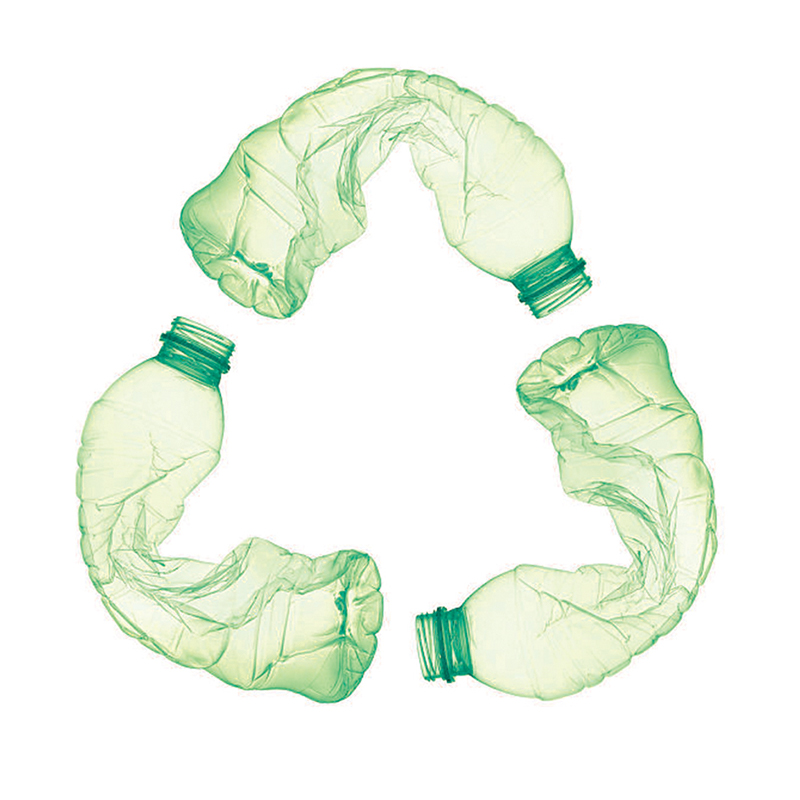
A positive trend in the industry is the rise of recycled micro polyester yarn. Made from post-consumer plastic bottles (rPET), these fibers offer the same performance characteristics as virgin polyester but with a reduced carbon footprint. Many major brands are now committing to sourcing 100% recycled microfibers for their product lines.
The production of recycled microfibers consumes less energy and water compared to virgin production. As technology improves, the quality gap between recycled and virgin microfibers continues to narrow, making sustainable choices more viable for high-performance applications.
Expert Insights: Selecting the Right Yarn
Choosing the appropriate micro polyester yarn requires a clear understanding of the end application. Industry veterans recommend focusing on three main criteria: denier rating, cross-section type, and intended finish.
For applications requiring maximum absorbency, such as cleaning cloths or sports towels, a split-type conjugate fiber with a denier below 0.5 is ideal. Conversely, for lightweight windbreakers or linings where a smooth surface is priority, a direct-spun round filament around 0.8 denier may perform better.
It is also crucial to consider the weave or knit density. A loose knit with microfibers may lose some of its wind-blocking capabilities, while an overly tight weave could reduce breathability. Balancing these factors ensures the final product meets performance expectations without compromising comfort.
The Role of Advanced Manufacturing in Quality Consistency
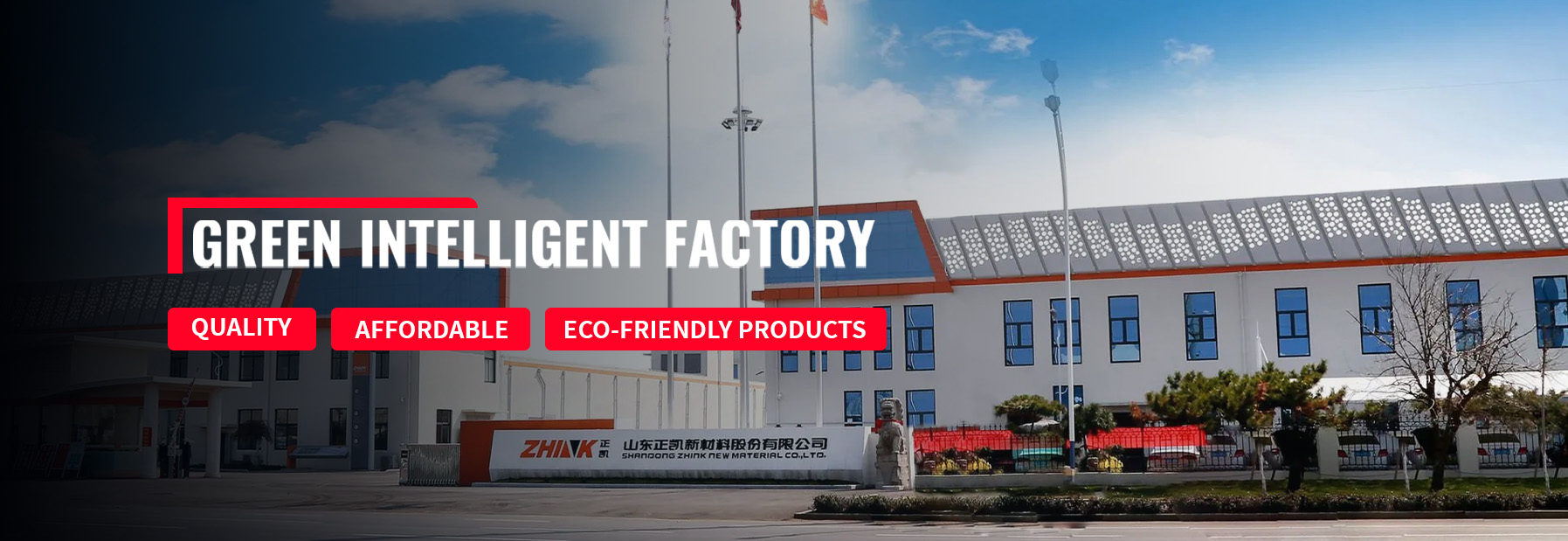
While the theoretical properties of micro polyester are impressive, realizing them consistently at scale requires cutting-edge manufacturing infrastructure. This is where leaders like Zhink New Material are redefining industry standards. Specializing in the R&D, production, and sales of new textile materials, Zhink has established itself as a national-level high-tech enterprise and a strategic supplier to well-known global textile companies.
Zhink New Material operates under the philosophy of “quality first, constant innovation, and rapid response.” By actively driving the transition to intelligent manufacturing, the company launched its “Digital Zhink” era in November 2020 with a world-class smart factory. This facility leverages internationally advanced automation and digital technologies to pioneer small-batch, multi-variety APS (Advanced Planning and Scheduling) intelligent production within the spinning sector.
The integration of systems such as ERP, MES, RFID intelligent identification, and online quality detection has filled numerous domestic gaps, creating the industry’s first large-scale customized intelligent integrated management platform. The result is a production environment where quality consistency is rigorously maintained, costs are significantly optimized, and R&D cycles are drastically shortened. Furthermore, Zhink was the first in the textile industry to introduce 5G technology, establishing 5G+ industrial scenario applications that link AGV control systems with management platforms. This provides robust big data support for business operations, ensuring that every meter of micro polyester yarn produced meets the highest standards of precision and performance demanded by global markets.
Frequently Asked Questions (FAQ)
Addressing common queries helps clarify misconceptions and provides quick answers for those researching micro polyester yarn.
Is micro polyester yarn breathable?
Yes, despite its tight weave, micro polyester yarn is highly breathable. The fine filaments allow air to circulate while the capillary action manages moisture, preventing the clammy feeling associated with cheaper synthetics.
Does micro polyester pill easily?
Generally, no. The high tensile strength and long filament structure make it resistant to pilling. However, lower quality blends or improper washing (using harsh agitators) can occasionally cause surface fuzzing.
Can micro polyester be dyed any color?
Absolutely. The fiber accepts disperse dyes very well, allowing for a vast spectrum of vibrant colors. The fine structure often results in deeper color saturation compared to standard fibers.
Is it suitable for sensitive skin?
In most cases, yes. The extreme smoothness of the filaments reduces friction against the skin. However, individuals with specific sensitivities to synthetic materials should test a small patch first, as the material is not hypoallergenic by definition.
How does it compare to cotton in terms of drying time?
Micro polyester yarn dries significantly faster than cotton. While cotton absorbs water into the fiber shaft, micro polyester wicks it to the surface for rapid evaporation, making it ideal for travel and sports.
Conclusion and Strategic Recommendations
Micro polyester yarn represents a pinnacle in textile engineering, offering a sophisticated blend of comfort, durability, and functionality that few other materials can match. From its microscopic structure that enables superior wicking to its versatile applications in fashion, home goods, and industry, it stands as a critical component in modern manufacturing.
For businesses and designers, the decision to utilize this material should be driven by the need for high-performance characteristics and a premium user experience. It is particularly well-suited for:
- Athletic Brands: Seeking next-generation moisture management solutions.
- Home Furnishing Companies: Aiming to offer luxury textures with practical durability.
- Cleaning Product Manufacturers: Requiring efficient, lint-free materials.
- Fashion Designers: Looking for fluid drapes and vibrant color retention.
As the industry evolves, the integration of recycled materials and improved sustainability practices will further cement the status of micro polyester yarn as a future-proof choice. When selecting suppliers, prioritize partners like Zhink New Material who demonstrate transparency in their spinning technologies, commitment to environmental standards, and mastery of digital intelligence. By leveraging the unique properties of this advanced fiber alongside state-of-the-art production capabilities, producers can create products that not only meet but exceed consumer expectations for quality and performance.