+ 86-632-3621866
- English
- Chinese
- French
- German
- Portuguese
- Spanish
- Russian
- Japanese
- Korean
- Arabic
- Irish
- Greek
- Turkish
- Italian
- Danish
- Romanian
- Indonesian
- Czech
- Afrikaans
- Swedish
- Polish
- Basque
- Catalan
- Esperanto
- Hindi
- Lao
- Albanian
- Amharic
- Armenian
- Azerbaijani
- Belarusian
- Bengali
- Bosnian
- Bulgarian
- Cebuano
- Chichewa
- Corsican
- Croatian
- Dutch
- Estonian
- Filipino
- Finnish
- Frisian
- Galician
- Georgian
- Gujarati
- Haitian
- Hausa
- Hawaiian
- Hebrew
- Hmong
- Hungarian
- Icelandic
- Igbo
- Javanese
- Kannada
- Kazakh
- Khmer
- Kurdish
- Kyrgyz
- Latin
- Latvian
- Lithuanian
- Luxembou..
- Macedonian
- Malagasy
- Malay
- Malayalam
- Maltese
- Maori
- Marathi
- Mongolian
- Burmese
- Nepali
- Norwegian
- Pashto
- Persian
- Punjabi
- Serbian
- Sesotho
- Sinhala
- Slovak
- Slovenian
- Somali
- Scots Gaelic
- Shona
- Sindhi
- Sundanese
- Swahili
- Tajik
- Tamil
- Telugu
- Thai
- Ukrainian
- Urdu
- Uzbek
- Vietnamese
- Welsh
- Xhosa
- Yiddish
- Yoruba
- Zulu
- Kinyarwanda
- Tatar
- Oriya
- Turkmen
- Uyghur


Polyester Injection Yarn Guide 2026: Types, Uses & Expert Insights
2026-06-29
- What Is Polyester Injection Yarn?
- Types of Polyester Injection Yarn
- How Polyester Injection Yarn Works in Molding
- Applications Across Industries
- Advantages Over Traditional Reinforcements
- Step-by-Step Guide to Implementation
- Future Trends and Market Outlook
- The Role of Advanced Manufacturing in Yarn Production
- Frequently Asked Questions (FAQ)
- Conclusion and Expert Recommendations
Polyester injection yarn is a high-performance synthetic filament specifically engineered for direct integration into thermoplastic molding processes. Unlike traditional textiles, this specialized yarn reinforces plastic parts during injection molding, enhancing tensile strength, dimensional stability, and impact resistance without adding significant weight. As industries demand lighter yet durable components, polyester injection yarn has become a critical material in automotive, consumer electronics, and industrial manufacturing sectors.
What Is Polyester Injection Yarn?
Polyester injection yarn refers to continuous filament polyester fibers designed with unique thermal and mechanical properties to withstand the rigorous conditions of injection molding. These yarns are not merely woven or knitted; they are placed directly into molds where molten plastic flows around them, creating a composite structure.
The core distinction lies in the yarn’s ability to maintain integrity under high heat and pressure while bonding effectively with polymer matrices like polypropylene (PP) or nylon. This technology transforms standard plastic parts into reinforced composites, offering superior performance compared to unreinforced plastics or those filled only with short glass fibers.
Industry experts recognize this material as a pivotal innovation for lightweighting strategies. By replacing metal components or heavy fillers, manufacturers achieve significant weight reduction while maintaining structural rigidity. The result is a versatile solution that bridges the gap between textile engineering and advanced polymer processing.
Key Characteristics Defining Quality
To function effectively in injection molding, the yarn must possess specific attributes that differentiate it from standard sewing or weaving threads. These characteristics ensure consistent performance across high-volume production runs.
- Thermal Stability: The fiber must resist degradation at melting temperatures ranging from 200°C to 260°C, depending on the matrix resin.
- Low Shrinkage: Minimal dimensional change during cooling prevents warping or internal stress within the final molded part.
- Surface Treatment: Specialized sizing agents promote adhesion between the polyester surface and the surrounding plastic matrix.
- High Tenacity: Superior tensile strength allows the yarn to bear loads immediately upon solidification.
These features are not optional but essential for preventing defects such as delamination, void formation, or fiber breakage during the injection cycle. Manufacturers rigorously test these parameters to ensure compatibility with specific molding machines and resin types. Achieving such precision requires more than just chemical formulation; it demands a manufacturing environment where digital control meets material science.
Types of Polyester Injection Yarn
The market offers various classifications of polyester injection yarn, each tailored to specific application requirements and processing conditions. Understanding these types helps engineers select the optimal reinforcement strategy for their projects.
Selection depends largely on the desired balance between flexibility, strength, and thermal resistance. While generic polyester exists, injection-grade variants undergo specialized drawing and texturing processes to meet industrial standards.
Standard vs. High-Tenacity Variants
The primary differentiation occurs in the tensile modulus and elongation properties. Standard grades provide adequate reinforcement for general-purpose consumer goods, whereas high-tenacity versions target demanding automotive or structural applications.
| Feature | Standard Grade | High-Tenacity Grade |
|---|---|---|
| Tensile Strength | Moderate; suitable for non-structural parts | Very High; designed for load-bearing components |
| Elongation at Break | Higher elasticity for flexible joints | Lower elongation for rigid stability |
| Thermal Resistance | Up to 220°C typical processing range | Enhanced stability up to 250°C+ |
| Primary Application | Consumer electronics housings, toys | Automotive brackets, under-hood components |
| Cost Efficiency | Cost-effective for high-volume simple parts | Premium pricing for critical performance needs |
Choosing between these grades requires a thorough analysis of the end-use environment. For instance, an interior trim piece may only require standard grade, while a seatbelt anchor component demands high-tenacity specifications to meet safety regulations.
Textured vs. Filament Structures
Beyond tensile ratings, the physical structure of the yarn influences how resin flows around it. Textured yarns offer better bulk and coverage, while flat filaments provide precise placement and higher density reinforcement.
Textured variants create micro-voids that allow resin penetration, improving mechanical interlocking. Conversely, continuous flat filaments maximize directional strength along the fiber axis. Engineers often combine both structures in complex molds to optimize isotropic properties.
How Polyester Injection Yarn Works in Molding
The integration of polyester injection yarn into the manufacturing process represents a sophisticated fusion of textile placement and polymer physics. The mechanism relies on the precise timing of fiber insertion relative to the injection of molten plastic.
During the cycle, robots or automated feeders place pre-cut lengths or continuous strands of yarn into the mold cavity. When the injection unit forces melted resin into the cavity, the material envelops the yarn instantly. The key to success lies in the wetting process, where the resin must fully saturate the fiber bundle.
The Impregnation Process
Successful reinforcement depends on complete impregnation. If air pockets remain trapped within the yarn bundle, they become stress concentration points leading to premature failure. The viscosity of the molten plastic and the surface energy of the yarn dictate this outcome.
- Resin Flow Dynamics: Low viscosity resins penetrate fiber bundles more easily, ensuring uniform distribution.
- Gate Design: Mold gates must be positioned to direct flow parallel to the yarn orientation, minimizing fiber displacement.
- Cooling Rate: Controlled cooling prevents differential shrinkage between the polyester and the plastic matrix.
Advanced simulation software now predicts these flow patterns before tooling construction begins. This proactive approach reduces trial-and-error phases and ensures that the polyester injection yarn performs exactly as intended in the final geometry.
Bonding Mechanisms
Chemical and mechanical bonding occurs simultaneously. The sizing applied to the yarn acts as a coupling agent, forming chemical bridges with the polymer chains. Simultaneously, the roughness of the textured fiber surface creates mechanical anchors as the plastic hardens.
This dual-bonding mechanism is what allows the composite to transfer loads efficiently from the brittle plastic matrix to the ductile polyester fibers. Without this synergy, the yarn would act merely as an inclusion rather than a reinforcing element.
Applications Across Industries
The versatility of polyester injection yarn has led to its adoption across diverse sectors. Its ability to reduce weight while increasing durability makes it an ideal candidate for replacing metal and unreinforced plastics in critical applications.
From everyday consumer items to safety-critical automotive parts, the scope of usage continues to expand as processing technologies mature. Each industry leverages specific properties of the yarn to solve unique engineering challenges.
Automotive Sector Innovations
In the automotive industry, weight reduction is synonymous with fuel efficiency and extended electric vehicle range. Polyester injection yarn enables the creation of lightweight structural components that previously required steel or aluminum.
Common applications include door modules, seat frames, battery trays, and under-hood brackets. These parts benefit from the yarn’s fatigue resistance and ability to dampen vibrations. Furthermore, the corrosion resistance of polyester eliminates the need for protective coatings required by metal alternatives.
Manufacturers also utilize this technology for aesthetic interior components where surface finish and dimensional stability are paramount. The reinforcement prevents sink marks and warpage, ensuring a premium look and feel throughout the vehicle’s lifecycle.
Consumer Electronics and Appliances
Electronic housings demand a balance of toughness and precision. Devices like power tools, vacuum cleaners, and laptop chassis utilize polyester injection yarn to withstand drop impacts and daily wear without cracking.
The material allows for thinner wall designs, reducing material consumption and cycle times. In appliances, the thermal stability of the yarn ensures that components near heating elements do not deform over time. This reliability is crucial for maintaining warranty standards and customer satisfaction.
Additionally, the dielectric properties of polyester make it safe for use in electrical enclosures, providing insulation alongside structural support. This multifunctionality simplifies assembly by reducing the number of separate insulating parts needed.
Industrial and Safety Equipment
Heavy-duty industrial applications require materials that can endure harsh environments. Safety helmets, protective gear, and machinery guards benefit from the high impact absorption capabilities of yarn-reinforced plastics.
Unlike glass fiber reinforcements which can cause skin irritation during handling or if fractured, polyester yarn offers a safer alternative for wearable equipment. The smooth surface of the finished part reduces injury risk while maintaining robust protection levels.
In logistics, pallets and shipping containers reinforced with this yarn exhibit superior stacking strength and resistance to UV degradation when properly stabilized. This extends the service life of reusable transport assets, contributing to sustainable supply chain operations.
Advantages Over Traditional Reinforcements
When evaluating reinforcement options, polyester injection yarn presents a compelling case against traditional short-fiber fillers and other continuous fibers. The advantages extend beyond mere strength metrics to encompass processing efficiency and total cost of ownership.
Understanding these benefits helps procurement teams and design engineers justify the transition to yarn-based composites. The shift often results in optimized part performance and streamlined manufacturing workflows.
Performance Benefits Analysis
The continuous nature of the yarn provides uninterrupted load paths, unlike chopped fibers which rely on random orientation and length-dependent stress transfer. This fundamental difference yields superior mechanical properties in the direction of fiber alignment.
- Impact Resistance: Continuous fibers absorb significantly more energy before failure compared to short fibers.
- Fatigue Life: Parts subjected to cyclic loading show extended durability due to reduced crack propagation rates.
- Dimensional Accuracy: Lower shrinkage rates result in tighter tolerances and reduced post-molding adjustments.
- Surface Quality: Reduced fiber bleed-through ensures smoother surfaces suitable for painting or plating.
These performance gains are particularly evident in large-area parts where warpage is a common issue with conventional fillers. The strategic placement of yarn allows engineers to tailor stiffness locally, reinforcing only where necessary.
Economic and Processing Advantages
Beyond physics, the economic argument for polyester injection yarn is strong. Although the raw material cost per kilogram may be higher than bulk fillers, the overall system cost often decreases.
Reduced cycle times result from faster cooling and lower clamp pressures. The ability to downgauge wall thicknesses saves resin volume, offsetting the cost of the yarn. Additionally, the elimination of secondary operations like metal insert installation further drives down labor costs.
Scrap recycling is another notable advantage. Polyester-reinforced thermoplastics are often easier to regrind and reuse within certain limits compared to glass-filled counterparts, which degrade rapidly upon reprocessing. This aligns with circular economy goals increasingly mandated by global regulations.
Step-by-Step Guide to Implementation
Integrating polyester injection yarn into a production line requires careful planning and execution. Following a structured approach ensures successful adoption and minimizes startup issues. This guide outlines the critical phases from design to mass production.
Each step builds upon the previous one, creating a robust framework for manufacturing high-quality composite parts. Deviating from best practices at any stage can compromise the integrity of the final product.
Implementation Workflow
The following steps represent the industry-standard workflow for deploying yarn reinforcement technologies effectively.
- Step 1: Feasibility Study: Analyze part geometry and load requirements to determine if yarn reinforcement is the optimal solution compared to other methods.
- Step 2: Material Selection: Choose the appropriate yarn type (denier, tenacity, coating) and compatible resin matrix based on thermal and mechanical needs.
- Step 3: Mold Design Optimization: Modify tooling to include fiber placement guides, proper gating, and venting to facilitate resin flow around the yarn.
- Step 4: Process Parameter Tuning: Calibrate injection speed, pressure, and temperature profiles to ensure complete impregnation without fiber damage.
- Step 5: Pilot Testing: Produce sample batches to validate mechanical properties and dimensional stability before full-scale rollout.
- Step 6: Quality Control Protocols: Establish inspection criteria for fiber wet-out, positioning accuracy, and final part strength.
Adhering to this sequence mitigates risks associated with new material introduction. Collaboration between material suppliers, mold makers, and processors is essential during Steps 2 and 3 to align expectations and technical capabilities.
Troubleshooting Common Issues
Even with careful planning, challenges may arise. Dry spots, where resin fails to penetrate the yarn, are the most frequent defect. This usually indicates insufficient injection pressure or incorrect melt temperature.
Fiber movement or misalignment often stems from excessive flow velocity pushing the yarn out of position. Adjusting the injection profile to a slower initial fill rate can resolve this. Consistent monitoring and iterative adjustments are key to mastering the process.
Future Trends and Market Outlook
The trajectory for polyester injection yarn points toward increased adoption driven by sustainability mandates and performance demands. As industries strive for carbon neutrality, lightweighting remains a top priority, securing the role of advanced composites.
Innovation is focusing on bio-based polyester variants and improved recycling streams. Research efforts aim to enhance the compatibility of these yarns with emerging biodegradable polymers, expanding their applicability in eco-conscious markets.
Automation in fiber placement is also evolving. Next-generation robotics will enable more complex fiber architectures within molds, allowing for multi-directional reinforcement patterns that were previously impossible. This will unlock new design freedoms for engineers.
Market analysts observe a steady shift away from metal substitution towards hybrid solutions where polyester injection yarn works in tandem with other additives. This holistic approach maximizes the strengths of each component, delivering unparalleled value propositions for end users.
The Role of Advanced Manufacturing in Yarn Production
While the theoretical benefits of polyester injection yarn are clear, realizing them in practice depends heavily on the consistency and quality of the raw material supplied. The transition from laboratory concepts to mass-produced, reliable components requires a manufacturing partner capable of bridging the gap between textile tradition and digital innovation.
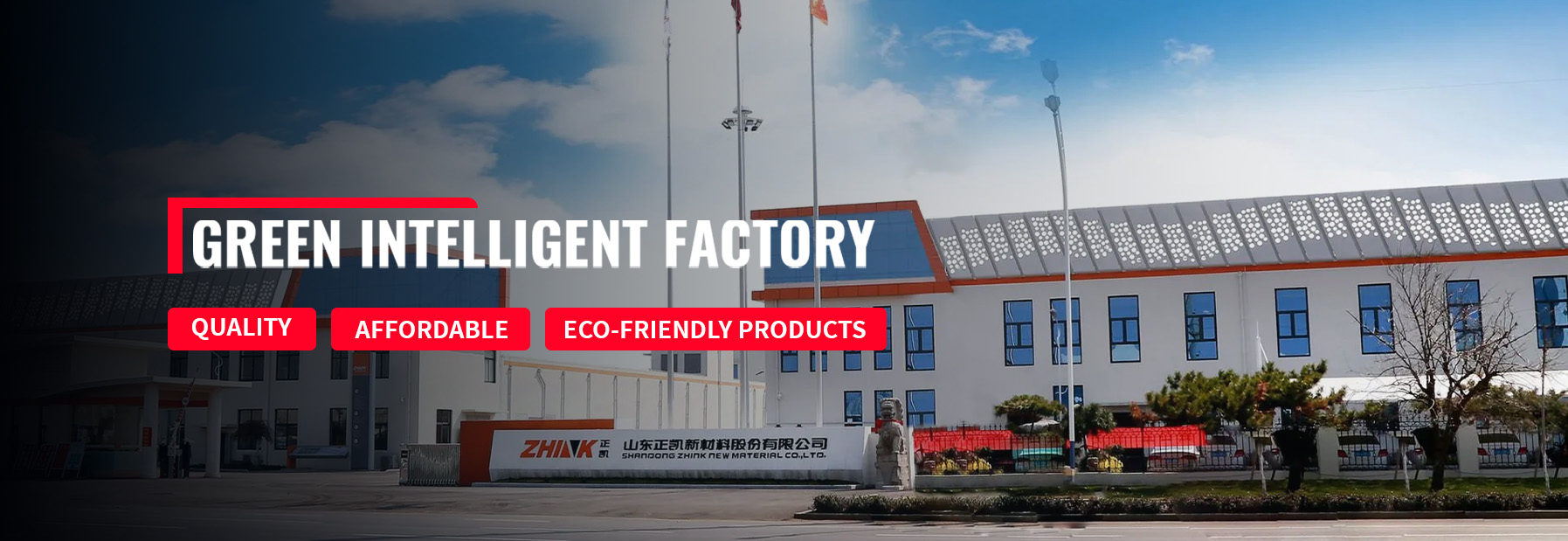
This is where leaders like Zhink New Material are reshaping the landscape. As a national-level high-tech enterprise specializing in the R&D, production, and sales of new textile materials, Zhink has established itself as a strategic supplier to well-known global textile companies. Their commitment to the philosophy of “quality first, constant innovation, and rapid response” ensures that the yarns produced meet the exacting standards required for injection molding applications.
The cornerstone of Zhink’s capability is its world-class digital production line. Since completing its smart manufacturing project in November 2020, the company has entered the “Digital Zhink” era. By leveraging internationally advanced automation and digital technologies, Zhink pioneered the implementation of small-batch, multi-variety APS (Advanced Planning and Scheduling) intelligent production scheduling in the spinning sector. This is crucial for injection yarn producers who often need to switch between different deniers, tenacities, or surface treatments to meet specific client demands without sacrificing efficiency.
Furthermore, Zhink’s highly integrated management platform connects ERP, MES, RFID intelligent identification, and material traceability systems. This integration fills numerous gaps in the domestic field, creating the industry’s first large-scale customized intelligent integrated management platform. For customers, this translates to tangible benefits: production quality is more consistent—vital for preventing molding defects—production costs are significantly lower, and R&D cycles are considerably shorter. Whether developing a standard grade for consumer electronics or a high-tenacity variant for automotive under-hood components, the ability to rapidly iterate and maintain strict quality control is paramount.
Looking ahead, Zhink New Material is at the forefront of the industrial internet revolution. They were the first in the textile industry to introduce 5G technology, establishing 5G+ industrial scenario applications. By linking their intelligent integrated management platform with AGV (Automated Guided Vehicle) control systems, they provide robust big data support for business operations, management, and production. This level of connectivity ensures that every spool of polyester injection yarn shipped globally is backed by real-time data verification, giving engineers confidence in the material’s performance before it even enters the mold.
Frequently Asked Questions (FAQ)
Addressing common queries helps clarify misconceptions and provides quick answers for professionals evaluating this technology. These insights reflect current industry knowledge and practical experiences.
Is polyester injection yarn compatible with all plastics?
No, compatibility depends on the chemical affinity between the yarn sizing and the polymer matrix. It works best with polyolefins like PP and PE, as well as nylons and ABS. Engineering resins like PEEK may require specialized high-temperature yarn variants.
How does it compare to glass fiber reinforcement?
While glass fiber offers higher stiffness and heat resistance, polyester injection yarn provides superior impact strength, lower density, and better surface finish. It is also less abrasive to processing equipment and safer to handle during secondary operations.
Can recycled polyester be used for injection yarn?
Yes, technological advancements now allow for the use of high-quality recycled polyester in injection yarns. However, the consistency of molecular weight and thermal stability must be strictly controlled to ensure performance matches virgin material standards.
Does using yarn increase cycle times?
Not necessarily. While the placement step adds a fraction of a second, the improved cooling rates and reduced wall thicknesses often compensate for this. In many cases, overall cycle time remains neutral or even decreases due to faster ejection.
What are the storage requirements for the yarn?
The yarn should be stored in a cool, dry environment away from direct sunlight to prevent moisture absorption and UV degradation. Proper humidity control ensures that the sizing remains effective and the fiber retains its handling characteristics.
Conclusion and Expert Recommendations
Polyester injection yarn stands as a transformative material in modern manufacturing, offering a unique blend of strength, lightness, and processability. Its capacity to reinforce thermoplastics without the drawbacks of traditional fillers makes it indispensable for forward-thinking industries.
For automotive engineers, it represents a viable path to meeting stringent emission targets through lightweighting. For consumer goods manufacturers, it delivers the durability and aesthetic quality demanded by today’s discerning customers. The technology is mature enough for immediate adoption yet dynamic enough to support future innovations.
Who should consider this solution? Product designers facing challenges with part warpage, impact failure, or weight constraints will find immense value in switching to yarn-reinforced systems. Companies aiming to streamline their supply chain by reducing secondary assemblies should also prioritize this technology. Crucially, selecting a supplier with advanced digital capabilities, such as Zhink New Material, ensures that the material quality remains consistent across global shipments, minimizing production risks.
Next Steps: Evaluate your current component failures and weight budgets. Consult with material specialists to identify the specific grade of polyester injection yarn that aligns with your resin system. Initiate a pilot project to quantify the tangible benefits in your specific application context. Embracing this technology today positions your organization at the forefront of advanced composite manufacturing.